{"data":{"platform":{"allPosts":[{"id":"65d5481ad5bcca2bcbc9f2fd","name":"2023-2024 Villars Institute Fellowship Program","name_fr":null,"name_de":null,"path":"/posts/2023-2024-villars-institute-fellowship-program","slug":"2023-2024-villars-institute-fellowship-program","__typename":"Platform_Post","typeLabel":"Fellowship","taxonomyLabel":"","intro":{"plain":" The 2023-2024 Fellowship Program has four dimensions, and each aims to develop Villars Fellows into system leaders through intergenerational collaboration and interdisciplinary knowledge: \n","text":"\n **The 2023-2024 Fellowship Program** has four dimensions, and each aims to develop Villars Fellows into system leaders through intergenerational collaboration and interdisciplinary knowledge: \n"},"intro_fr":{"text":""},"intro_de":{"text":""},"content":{"text":"* CONVENE – global events organized by the Villars Institute and its partners \n* COURSES – expert-led courses, classes and curricula co-designed with partners \n* CULTURE – arts and culture experiences curated and co-developed by partners \n* COMMUNITY – peer to peer insight sharing and public-oriented thought leadership\n\n\n-----\n\n\n# CONVENE\n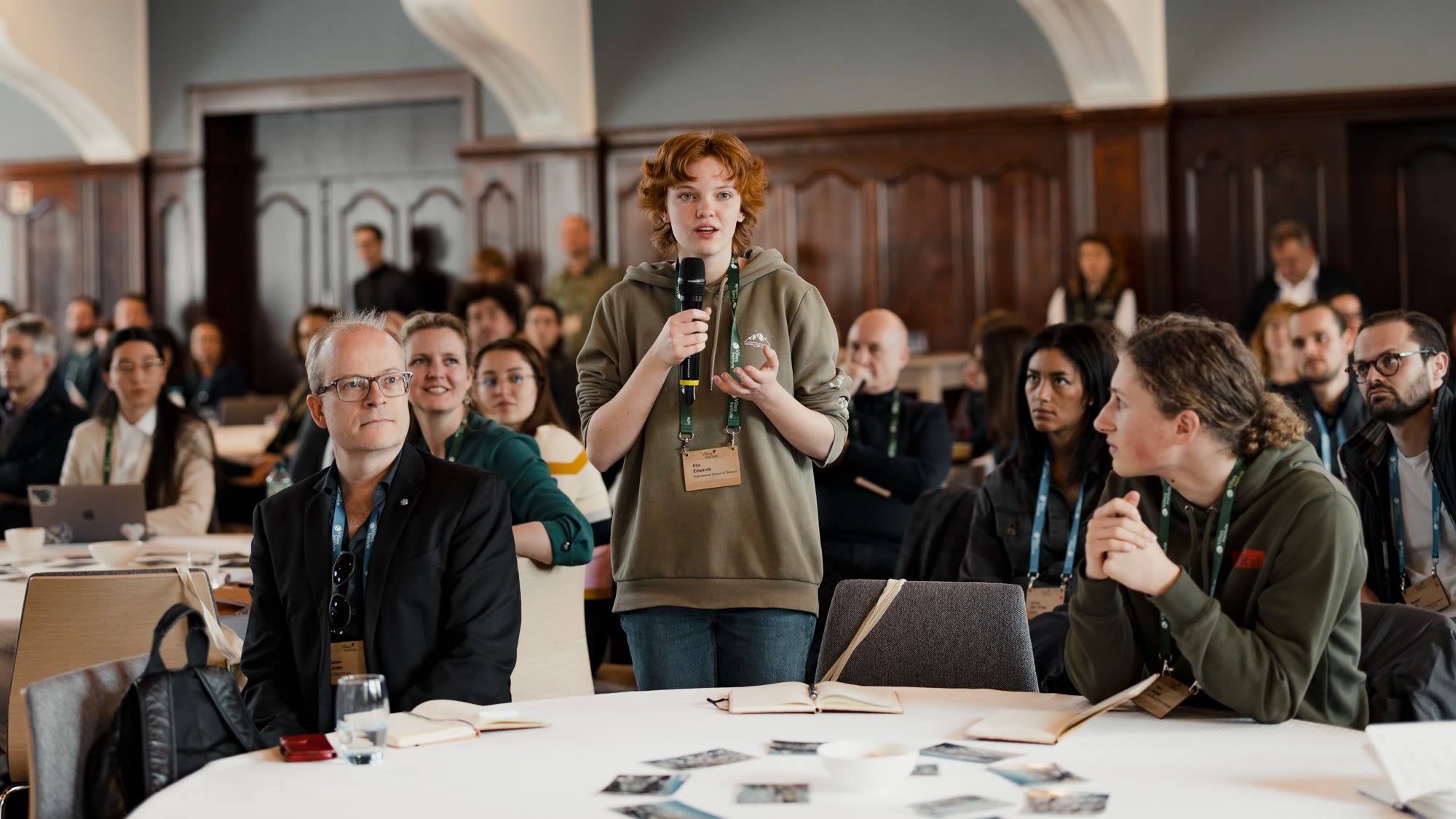\n\n\n## Villars Framework for a Sustainable Trading System – 15 thru 17 September \n\nVillars Fellows are invited to serve as rapporteurs at a conference of senior leaders from national governments, international organizations, businesses, NGOs, and universities aiming to develop a people-centered and inclusive agenda to align the international trade system with sustainable development and climate change action.\n\nThe[ Remaking Global Trade for a Sustainable Future Project](https://remakingtradeproject.org/), meeting will take place in Villars from the evening of September 15 to the mid-afternoon of September 17. \n\n**Fellowship Role:** Delegate and [Rapporteur](https://en.wikipedia.org/wiki/Rapporteur) \n\n\n## Building Bridges Summit – 2 thru 3 October 2023 \n\nA select cohort of Fellows are invited to join the Building Bridges Summit 2023 on 2 October 2023 at the Centre International de Conférences Genève (CICG), Geneva, Switzerland. \n\nBuilding Bridges aims to enable sustainable finance in Switzerland and around the world. The Summit comprises expert-led discussions on the twin climate and nature crises, widening social inequalities and how to mobilize capital in unprecedented amounts to build a just, resilient, and sustainable future. \n\n**Fellowship Role:** Delegate and [Rapporteur](https://en.wikipedia.org/wiki/Rapporteur) \n\n\n## Geneva Science and Diplomacy Anticipation Summit (GESDA) – 11 thru 13 October 2023 \n\nThe Villars Institute has the privilege to nominate a delegation of Fellows to the [2023 GESDA Summit](https://https://gesda.global/summit/) on 11-13 October at the[ CERN Science Getaway](https://https://sciencegateway.cern/), Geneva, Switzerland. \n\nThe 2023 GESDA Summit will gather thought leaders and influential figures from academic, diplomatic, impact-driven, and citizen communities to foster collaboration and fresh perspectives to advance the cause of global science diplomacy. \n\n**Fellowship Role:** Delegate and [Rapporteur](https://en.wikipedia.org/wiki/Rapporteur) \n\n\n## European Trend Day: Gottlieb Duttweiler Institute (GDI) – March 2024 \n\nThree Fellows are invited to take part in the 20th [European Trend Day](https://https://gdi.ch/en/events/conferences/19th-european-trend-day/register#:~:text=The%20European%20Trend%20Day%20is,the%20still%20unthinkable%20and%20unimaginable) at the [Gottlieb Duttweiler Institute (GDI)](https://https://gdi.ch/en) (date to be confirmed), bringing together international thought leaders, start-ups and scientists to explore our evolving relationship with nature. \n\nThe GDI researches the future, develops innovation strategies and unlocks leadership potential for successful transformations. Its work focuses on the fields of food, retail and health. \n\n**Fellowship Role:** Delegate and [Rapporteur](https://en.wikipedia.org/wiki/Rapporteur) \n\n\n## Villars Institute Summit – 20 thru 23 March 2024 \n\nFellows have an opportunity to participate in the[ Villars Institute Summit (2023 Program)](https://villarsinstitute.org/events/villars-institute-summit-2023) from 20-23 March 2024 in [Villars-sur-Ollon](https://villarsinstitute.org/posts/alpine-inspiration-villars-sur-ollon). The Summit convenes over 200 experts, entrepreneurs, investors, and philanthropists focused on accelerating systems change by working together on climate change and biodiversity loss. During the Summit, Fellows will be asked to play an active role in the sessions and summarize key outcomes with a written report. \n\n**Fellowship Role:** [Rapporteur](https://en.wikipedia.org/wiki/Rapporteur) \n\n\n## Annual Meeting of the Global Learning Council – 24 thru 25 June 2024 \nFellows will be invited to capture insights as a rapporteur for the 2024 [Annual Meeting](https://www.globallearningcouncil.org/events/glc-2023-annual-meeting/) of the [Global Learning Council](https://www.globallearningcouncil.org/) on 24-25 June 2024 in Villars-sur-Ollon. The Global Learning Council is committed to advancing science and technology to improve outcomes for learners of all ages and backgrounds worldwide. \n\n**Fellowship Role:** [Rapporteur](https://en.wikipedia.org/wiki/Rapporteur) \n\n\n\n-----\n\n\n# COURSES\n\n\n\n## Systems Leadership Course \n\nThe [Minerva Project](https://www.minervaproject.com/) and the Villars Institute have co-created a specially designed course to introduce systems thinking skills to young and adult learners. This unique course will teach learners of all ages how to apply innovative solutions to complex challenges in facilitated and interactive online sessions. The course consists of three distinctly designed modules with each module offering a certificate upon completion. \n\n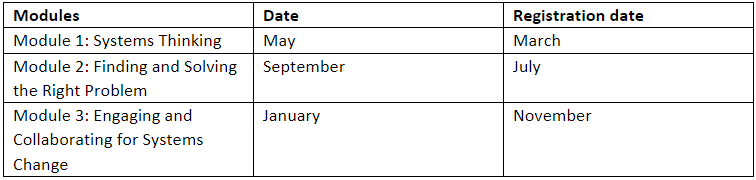\n\n## Villars Intensive Program (VIP) on Entrepreneurship for Systems Change – July/August 2024\n\nLook out for the launch of our Villars Intensive Program in Summer 2024 which is a week-long course led by experienced practitioners of [ecopreneurship](https://en.wikipedia.org/wiki/Ecopreneurship), [social entrepreneurship](https://en.wikipedia.org/wiki/Social_entrepreneurship) and [systems leadership](https://villarsinstitute.org/posts/systems-leadership-why-it-matters-for-our-future). The VIP is open to learners of all ages and takes place in [Villars-sur-Ollon](https://villarsinstitute.org/posts/alpine-inspiration-villars-sur-ollon). It teaches students how to identify a business opportunity with systemic impact, how to evaluate a novel idea and assess a new market, understand the process of business planning and communicating to investors, suppliers, and customers. \n\n\n\n-----\n\n\n# CULTURE\n\n\n\n## “Best of” FIFAD in Villars – 15 thru 17 December 2023 \n\nThe Villars Institute is partnering with the[ Festival International du Film Alpin des Diablerets (FIFAD)](https://www.fifad.ch/fr/festival-international-du-film-alpin-des-diablerets) and co-hosting the “Best of by FIFAD” event in Villars-sur-Ollon on 15-17 December 2023. This three-day event will showcase prize-winning films from the August FIFAD and feature expert panels and guest speakers Villars Fellows will be invited to\n\n**Fellowship Role:** Delegate and [Rapporteur](https://en.wikipedia.org/wiki/Rapporteur) \n\n\n## MJF Spotlight – February & March 2024\n\n MJF Spotlight is a joint initiative with the world-renowned Montreux Jazz Festival (MJF) to promote new musical artists and to raise awareness about important global issues such as biodiversity, climate change, and the energy transition. Fellows are eligible to attend MJF Spotlight concerts at the Villars Alpine Resort. There will be six performances over the following three weekends: \n \n* 09-10 Feb 2024 \n* 16-17 Feb 2024 \n* 01-02 Mar 2024 \n\n **Fellowship Role:** Delegate \n\n## Spotlight on the Planet at the 58th Montreux Jazz Festival – July 2024 \n\nFellows can volunteer to work at the Villars Institute’s Spotlight on the Planet learning space during the [Montreux Jazz Festival](https://www.montreuxjazzfestival.com/en/) which will feature guest speakers and panel sessions on how to improve the health of our planet.\n\n **Fellowship Role:** Host and [Rapporteur](https://en.wikipedia.org/wiki/Rapporteur) \n\n\n-----\n\n\n# COMMUNITY\n\n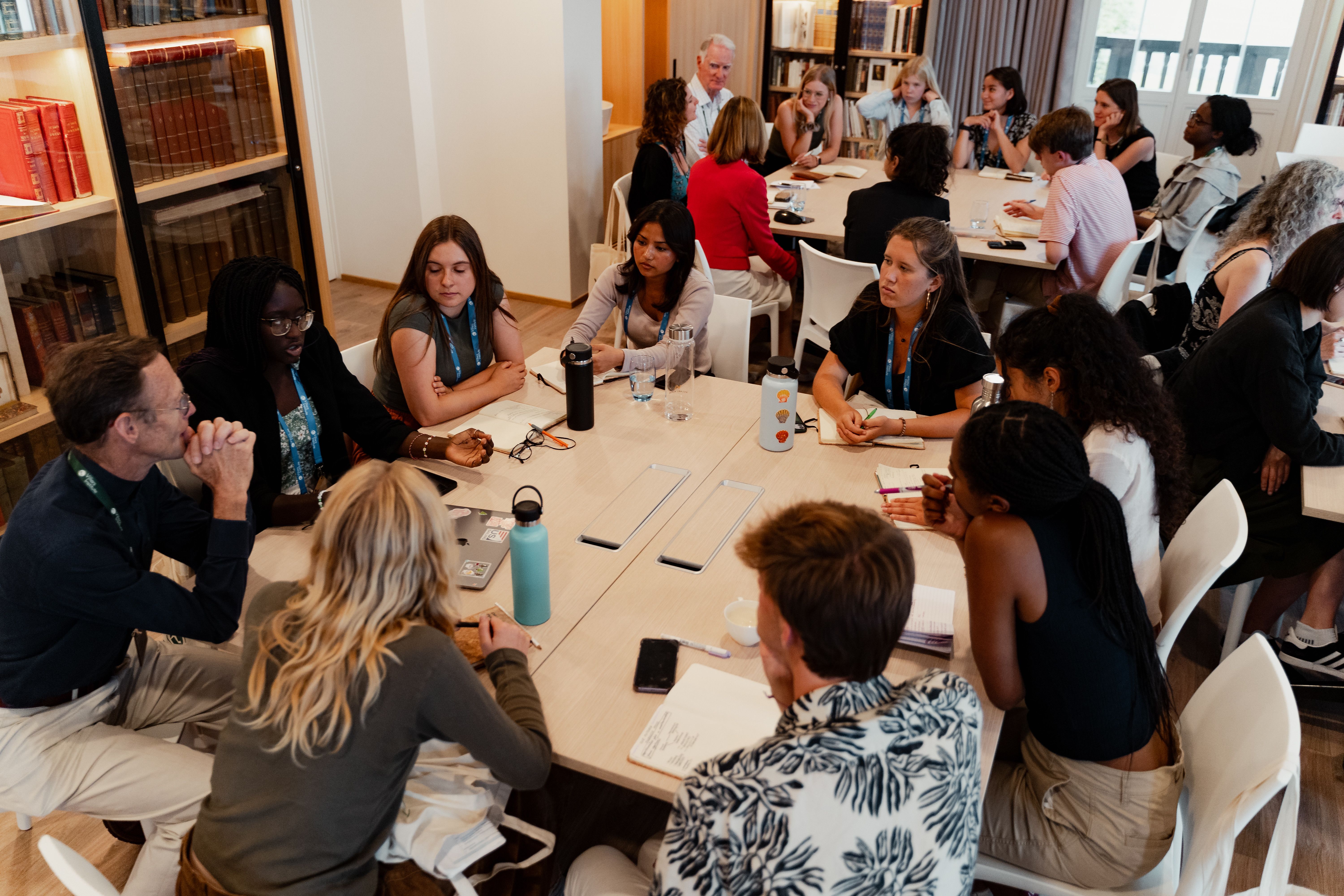\n\n## Launch of the Villars Forum \n\nThe *Villars Forum* showcases the latest opinion articles, timely analyses, and topical essays written by Fellows and renowned experts from around the world on the Villars Institute homepage. Publication of articles, research and reviews is by invitation only and will be shared across the Villar Institute’s social media channels. The *Villars Forum* will be launched in 2024. \n\n## Launch of the Global Issues Survey \n\nThe *Villars Institute Global Issues Survey* is conducted annually to inform the public on youth perceptions and future expectations about the transition to a [Net Zero](https://en.wikipedia.org/wiki/Net_zero_emissions) and[ Nature Positive ](https://www.weforum.org/agenda/2021/06/what-is-nature-positive-and-why-is-it-the-key-to-our-future/)economy. [Jade Hameister](https://en.wikipedia.org/wiki/Jade_Hameister), polar explorer and climate activist, is leading the research as the Villars Institute’s Youth Advisor. The results of the 2023 Global Issues Survey will be released this autumn and Fellows are invited to complete the next survey in January 2024.\n "},"content_fr":{"text":""},"content_de":{"text":""},"title":null,"title_fr":null,"title_de":null,"color":null,"openGraph":{"description":{"plain":"The 2023-2024 Fellowship Program has four dimensions, and each aims to develop Villars Fellows into system leaders through intergenerational collaboration and interdisciplinary knowledge: \n\nCONVENE – global events organized by the Villars Institute and its partners \nCOURSES – expert-led courses, classes and curricula co-designed with partners \nCULTURE – arts and culture experiences curated and co-developed by partners \nCOMMUNITY – peer to peer insight sharing and public-oriented thought leadership\n\n"},"image":{"thumbnails":{"card":{"url":"https://res.cloudinary.com/shapeable/image/upload/c_limit,w_480/v1695218180/villars/banner/fellows-n_image__53022338948_8cba54276b_6k_xaxqqa.jpg","url2x":"https://res.cloudinary.com/shapeable/image/upload/c_limit,w_960/v1695218180/villars/banner/fellows-n_image__53022338948_8cba54276b_6k_xaxqqa.jpg"}}}},"type":{"id":"65d5481cd5bcca2bcbc9f322","name":"Fellowship","slug":"fellowship","__typename":"Platform_PostType"},"published":"2023-09-25T00:00:00.00","topics":[],"challenges":[],"authors":[],"organisationAuthors":[{"id":"65d547d5d5bcca2bcbc9e158","name":"Villars Institute","slug":"villars-institute","path":"/organisations/villars-institute","__typename":"Platform_Organisation","openGraph":{"image":{"id":"image_villars-institute/organisation/villars-institute_logo__icon_ji29sz","thumbnails":{"bubbleLarge":{"url":"https://res.cloudinary.com/shapeable/image/upload/c_limit,w_128/v1668990381/villars-institute/organisation/villars-institute_logo__icon_ji29sz.png","url2x":"https://res.cloudinary.com/shapeable/image/upload/c_limit,w_256/v1668990381/villars-institute/organisation/villars-institute_logo__icon_ji29sz.png"}}}},"logo":{"id":"image_villars-institute/organisation/villars-institute_logo__icon_ji29sz","url":"https://res.cloudinary.com/shapeable/image/upload/v1668990381/villars-institute/organisation/villars-institute_logo__icon_ji29sz.png","url2x":null}}]},{"id":"65d5481ad5bcca2bcbc9f302","name":"Bridging Generations: Montreux Jazz Festival Spotlight","name_fr":"Un pont entre les générations : pleins feux sur le Festival de jazz de Montreux","name_de":"Generationen überbrücken: Montreux Jazz Festival Spotlight","path":"/posts/bridging-generations-montreux-jazz-festival-spotlight","slug":"bridging-generations-montreux-jazz-festival-spotlight","__typename":"Platform_Post","typeLabel":"Article","taxonomyLabel":"Systems Leadership","intro":{"plain":"The Villars Institute is collaborating with Montreux Jazz Festival to promote young musical talent. Here’s all you need to know\n","text":"The Villars Institute is collaborating with Montreux Jazz Festival to promote young musical talent. Here’s all you need to know"},"intro_fr":{"text":"Le Villars Institute apporte sa collaboration au Montreux Jazz Festival pour promouvoir de jeunes talents musicaux. Voici tout ce qu’il faut savoir"},"intro_de":{"text":"Das Villars Institute arbeitet mit dem Montreux Jazz Festival zusammen, um junge musikalische Talente zu fördern. Hier finden Sie alles, was Sie wissen sollten..."},"content":{"text":"Music has been civilization's universal language for [at least 35,000 years](https://humanorigins.si.edu/evidence/behavior/art-music#:~:text=Making%20music%20is%20a%20universal,the%20world%27s%20earliest%20musical%20instruments.). Transcending the boundaries of age, race and culture, it has the power to unite multiple generations through shared experience. All of us enjoy genres ranging from classical to punk rock, from hip-hop and pop – often handed down from generation to generation – thanks to music’s timeless appeal and themes.\n\nOne of music’s key principles is its ability to evoke emotion, and to touch hearts and minds worldwide just through sound, without the need for words. So, if music is naturally intergenerational, how can we adopt its mindset in other spheres of life?\n\nClimate change is a global problem that requires a global solution. Addressing this complex challenge will require collaboration and understanding across the generations. What if we could take inspiration from music and apply that same power to bridge existing divides, and conquer some of humanity’s biggest challenges?\n\nJust as music draws inspiration from our experiences, we can all draw upon our personal stories and heritage to inspire meaningful climate action at a local, national and global level.\n\nThat’s why we’re proud to announce that this year, as part of our ongoing commitment to intergenerational collaboration - one of our key pillars here at the Villars Institute - we will be collaborating with Montreux Jazz Festival’s [Spotlight Sessions](https://www.montreuxjazzfestival.com/en/mjf-spotlight/) between February 11 and April 1, bringing emerging young artists to perform at the historic Villars Palace. \n\nKnown for giving a platform to Argentine Grammy Award nominee [Nathy Peluso](https://www.youtube.com/watch?v=VJNe391YqEU) and the UK’s Eurovision runner-up [Sam Ryder](https://www.youtube.com/watch?v=t_f-StVpWUo), the Montreux Jazz Festival’s Spotlight programme embodies intergenerational collaboration in its core purpose, and unites all through innovative, genre-bending music of tomorrow’s leading voices.\n\nAfter stints in London, Hamburg and Zurich, MJF’s Spotlight will stage six unmissable concerts in Villars-sur-Ollon. The programme will feature performances by six emerging artists from across Europe who are among the most promising new voices of pop, soul and R’n’B music, as well as après-ski and DJ sets free of charge.\n\nAmong them are:\n\nSoul and jazz singer [Cherise](https://www.montreuxjazzfestival.com/en/artist/cherise/) from England, who has been described by her contemporaries as ‘one of the women raising the bar for Soul and Jazz in the UK’, was invited to record a Christmas song for Disney by Gregory Porter. She will bring her talent to Villars Lodge on February 11, opening this year’s Spotlight series. \n\nJoining the cohort is [Mentissa](https://www.montreuxjazzfestival.com/en/artist/mentissa/), a Belgian pop powerhouse who found fame on The Voice after all four judges turned their chairs, in awe of her vocal range. Her mentor Vianney went on to compose a biographical song for Mentissa, titled [Et Bam](https://www.youtube.com/watch?v=y0dbfkpWkUo), and the pair went on an arena tour all over France together. Oscillating between French chanson and British pop on her debut studio album [La Vingtaine](https://open.spotify.com/album/1xMisloOjQEMQTRte7kkJz), Mentissa will take to the Théâtre du Villars Palace stage on February 25.\n\nWhile 17-year-old Joyce Cissé – known by her stage name [Flowerovlove](https://www.montreuxjazzfestival.com/en/artist/flowerovlove/) – draws inspiration from Tame Impala, Frank Ocean and SZA for her melodies, the lyrics of her songs accentuate the importance of sustainability and earth’s preservation. Flowerovlove is also a part-time model for Gucci, and her fans include Erykah Badu, meaning her success is pretty much guaranteed.\n\nAlso gracing the stage in Villars will be [Aime Simone](https://www.montreuxjazzfestival.com/en/artist/aime-simone/), whose hit [Shining Light](https://www.youtube.com/watch?v=w9x0hUsGH4s) has become a floor filler in clubs all over Europe, two years after the release of his debut album [Say Yes Say No](https://open.spotify.com/album/1gqXX51DCiNoe0Xt9RHUIT), which the artist composed, produced and mixed all by himself. Moving fluidly between indie rock and techno, Simone forges a unique style which he describes as Post Pop, which he will bring to Villars on March 11.\n\nGlaswegian pop-soul singer [Joesef](https://www.montreuxjazzfestival.com/en/artist/joesef/) is often compared to Amy Winehouse and Sam Smith, has opened for Paolo Nutini and counts Elton John among his fans – all before releasing his first album. Now, after a 13-track record titled [Permanent Damage](https://open.spotify.com/album/60xQwaySMQP4FcCvUncGIF) released at the beginning of this year, there’s no doubt Joesef will follow in the footsteps of his idols.\n\nWe hope that this exciting new collaboration will help us leverage the power of music to unite communities beyond Villars-sur-Ollon. We all have experience of sharing our musical heritage, and if we can share our love of music across generations, we can harness the same energy to break down barriers in the fight for our shared planet.\n\nWe would like to thank the Smolokowski Foundation and Gregory Jankilevitsch for their generous support of arts and culture programming in Villars-sur-Ollon.\n\nFind out more at [montreuxjazzfestival.com](https://www.montreuxjazzfestival.com/en/news/mjf-spotlight-sessions-discover-the-stars-of-tomorrow-in-villars/). "},"content_fr":{"text":"La musique est le langage universel de la civilisation depuis [au moins 35 000 ans](https://humanorigins.si.edu/evidence/behavior/art-music#:~:text=Making%20music%20is%20a%20universal,the%20world%27s%20earliest%20musical%20instruments.). Elle dépasse les frontières de l’âge, de la race et de la culture, elle a le pouvoir d’unir plusieurs générations par une expérience partagée. Tout le monde en apprécie les différents genres, du classique au rock punk, en passant par le hip-hop et la pop - un goût souvent transmis de génération en génération - grâce à l'attrait et aux thèmes intemporels de la musique.\n\nL’un des principes clés de la musique est sa capacité à susciter des émotions, à toucher les cœurs et les esprits dans le monde entier, simplement par le son, sans avoir besoin de mots. Alors, si la musique est naturellement intergénérationnelle, comment peut-on adopter cet état d’esprit dans d’autres sphères de la vie ?\n\nLe changement climatique est un problème mondial qui nécessite une solution mondiale. Pour relever ce défi complexe, il faudra une collaboration et une compréhension entre les générations. Et si l’on pouvait s’inspirer de la musique et appliquer ce même pouvoir pour combler les fossés existants et relever certains des plus grands défis de l’humanité ?\n\nTout comme la musique s’inspire de nos expériences, on peut tous puiser dans nos histoires personnelles et dans notre héritage pour inspirer une action significative en faveur du climat à une échelle locale, nationale et mondiale.\n\nC’est pourquoi nous sommes fiers et fières d’annoncer que cette année, dans le cadre de notre engagement permanent en faveur d’une collaboration intergénérationnelle - l’un de nos principaux piliers ici, au Villars Institute - nous apportons notre collaboration pour les [Spotlight Sessions](https://www.montreuxjazzfestival.com/fr/mjf-spotlight/) du Montreux Jazz Festival qui auront lieu entre le 11 février et le 1er avril, en invitant de jeunes artistes émergent.e.s à se produire au sein d’un lieu chargé d’histoire : le Villars Palace.\n\nConnu pour avoir fait monter sur scène [Nathy Peluso](https://www.youtube.com/watch?v=VJNe391YqEU), nominée aux Grammy Awards argentins, et [Sam Ryder](https://www.youtube.com/watch?v=t_f-StVpWUo), finaliste de l’Eurovision pour le Royaume-Uni pour, le programme Spotlight du Montreux Jazz Festival incarne la collaboration intergénérationnelle au coeur et réunit chacun.e autour de la musique innovante et novatrice des grandes voix de demain.\n\nAprès des passages à Londres, Hambourg et Zurich, MJF Spotlight proposera six concerts incontournables à Villars-sur-Ollon. Au programme, les prestations de six artistes émergent.e.s de toute l’Europe qui comptent parmi les nouvelles voix les plus prometteuses de la musique pop, soul et R’n’B, ainsi que des après-ski et des DJ sets gratuits.\n\nParmi ces artistes, on peut citer : \n\nLa chanteuse de soul et de jazz [Cherise](https://www.montreuxjazzfestival.com/fr/artist/cherise/), originaire d’Angleterre, et décrite par ses contemporains comme « l’une des femmes qui ont haut placé la barre de la soul et du jazz au Royaume-Uni », elle a été invitée à enregistrer un chant de Noël pour Disney par Gregory Porter. Elle apportera son talent au Villars Lodge le 11 février, en ouverture des Spotlight series cette année.\n\n[Mentissa](https://www.montreuxjazzfestival.com/fr/artiste/mentissa/), une vedette de la pop belge, a été révélée par l’émission The Voice, après que les quatre juges ont retourné leur fauteuil, impressionné.e.s par son registre vocal. Son mentor Vianney a ensuite composé une chanson biographique pour Mentissa, intitulée [Et Bam](https://www.youtube.com/watch?v=y0dbfkpWkUo), et ensemble, ils sont partis en tournée dans toute la France. Oscillant entre chanson française et pop britannique sur son premier album studio [La Vingtaine](https://open.spotify.com/album/1xMisloOjQEMQTRte7kkJz), Mentissa montera sur la scène du théâtre du Villars Palace le 25 février.\n\nSi Joyce Cissé, 17 ans, connue sous son nom des scène [Flowerlove](https://www.montreuxjazzfestival.com/fr/artiste/flowerovlove/), s’inspire de Tame Impala, Frank Ocean et SZA pour ses mélodies, les paroles de ses chansons soulignent l'importance de la durabilité et de la préservation de la planète. Flowerlove est également mannequin à temps partiel pour Gucci, et elle compte Erykah Badu parmi ses fans. Son succès est pour ainsi dire garanti.\n\nLa scène de Villars accueillera également [Aime Simone](https://www.montreuxjazzfestival.com/fr/artiste/aime-simone/), dont le tube [Shining Light](https://www.youtube.com/watch?v=w9x0hUsGH4s) est devenu un incontournable des clubs européens, deux ans après la sortie de son premier album [Say Yes Say No](https://open.spotify.com/album/1gqXX51DCiNoe0Xt9RHUIT), que l'artiste a composé, produit et mixé seul. Oscillant entre rock indé et techno, Simone s'est forgé un style unique qu'il qualifie de Post Pop, qu'il apportera à Villars le 11 mars.\n\nLe chanteur pop-soul de Glasgow [Joesef](https://www.montreuxjazzfestival.com/fr/artiste/joesef/) est souvent comparé à Amy Winehouse et à Sam Smith. Il a fait la première partie de Paolo Nutini et compte Elton John parmi ses fans - tout cela avant de sortir son premier album. Aujourd'hui, après la sortie d'un disque de 13 titres intitulé [Permanent Damage](https://open.spotify.com/album/60xQwaySMQP4FcCvUncGIF) au début de l'année, il ne fait aucun doute que Joesef suivra les traces de ses idoles.\n\nNous espérons que cette nouvelle collaboration passionnante nous aidera à exploiter le pouvoir de la musique pour unir les communautés au-delà de Villars-sur-Ollon. Nous avons tous l'expérience du partage de notre patrimoine musical, et si nous pouvons partager notre amour de la musique entre générations, nous pouvons exploiter la même énergie pour faire tomber les barrières dans la lutte en faveur de la planète que nous partageons.\n\nNous tenons à remercier la Fondation Smolokowski et Gregory Jankilevitsch pour leur généreux soutien à la programmation artistique et culturelle de Villars-sur-Ollon.\n\nPour en savoir plus, rendez-vous sur [montreuxjazzfestival.com](https://www.montreuxjazzfestival.com/fr/news/mjf-spotlight-sessions-decouvrez-les-stars-de-demain-a-villars/)."},"content_de":{"text":"Musik ist seit [mindestens 35.000 Jahren](https://humanorigins.si.edu/evidence/behavior/art-music#:~:text=Making%20music%20is%20a%20universal,the%20world%27s%20earliest%20musical%20instruments.)die universelle Sprache der Zivilisation. Sie überschreitet die Grenzen von Alter, Rasse und Kultur und hat die Macht, mehrere Generationen durch gemeinsame Erfahrungen zu vereinen. Wir alle genießen Genres von Klassik bis Punkrock, von Hip-Hop bis Pop – oft von Generation zu Generation weitergegeben – dank der zeitlosen Anziehungskraft und Themen der Musik.\n\nEines der wichtigsten Prinzipien der Musik ist ihre Fähigkeit, Emotionen hervorzurufen und Herzen und Köpfe weltweit allein durch den Klang zu berühren, ohne dass Worte erforderlich sind. Wenn also Musik von Natur aus generationenübergreifend ist, wie können wir dann ihre Denkweise in anderen Lebensbereichen anwenden? \n\nDer Klimawandel ist ein globales Problem, das eine globale Lösung erfordert. Die Bewältigung dieser komplexen Herausforderung erfordert Zusammenarbeit und Verständnis über Generationen hinweg. Was wäre, wenn wir uns von der Musik inspirieren ließen und dieselbe Kraft anwenden könnten, um bestehende Trennlinien zu überbrücken und einige der größten Herausforderungen der Menschheit zu meistern?\n\nSo wie Musik von unseren Erfahrungen inspiriert wird, können wir alle auf unsere persönlichen Geschichten und unser Erbe zurückgreifen, um sinnvolle Klimaschutzmaßnahmen auf lokaler, nationaler und globaler Ebene zu inspirieren.\n\nDeshalb freuen wir uns, Ihnen mitteilen zu können, dass wir in diesem Jahr als Teil unseres kontinuierlichen Engagements für die generationenübergreifende Zusammenarbeit - eine unserer wichtigsten Säulen hier im Villars Institute - mit den [Spotlight Sessions](https://www.montreuxjazzfestival.com/en/mjf-spotlight/) des Montreux Jazz Festivals vom 11. Februar bis 1. April zusammenarbeiten werden, um aufstrebende junge Künstler:innen zu einem Auftritt im historischen Villars Palace zu bringen.\n\nZu nennen sind insbesondere:\n\nSoul- und Jazzsängerin [Cherise](https://www.montreuxjazzfestival.com/en/artist/cherise/) aus England, die von ihren Zeitgenoss:innen als „eine der Frauen, die die Messlatte für Soul and Jazz in Großbritannien höher legen“ bezeichnet wurde. Sie wurde von Gregory Porter eingeladen, ein Weihnachtslied für Disney aufzunehmen. Sie wird ihr Talent am 11. Februar in die Villars Lodge bringen, um die diesjährige Spotlight-Serie zu eröffnen.\n\nDer Kohorte schließt sich [Mentissa](https://www.montreuxjazzfestival.com/en/artist/mentissa/) an, ein belgisches Pop-Kraftwerk, das auf The Voice Ruhm erlangte, nachdem alle vier Jury-Mitglieder ihre Stühle umgedreht hatten, aus Ehrfurcht vor ihrem Stimmumfang. Ihr Mentor Vianney komponierte ein biografisches Lied für Mentissa mit dem Titel „[Et Bam](https://www.youtube.com/watch?v=y0dbfkpWkUo),\", und die beiden gingen gemeinsam auf Arena-Tournee durch ganz Frankreich. Mentissa, die auf ihrem Debütalbum [La Vingtaine](https://open.spotify.com/album/1xMisloOjQEMQTRte7kkJz) zwischen französischem Chanson und britischem Pop pendelt, wird am 25. Februar im Théâtre du Villars Palace auftreten.\n\nWährend sich die 17-jährige Joyce Cissé – bekannt unter ihrem Künstlernamen [Flowerovlove](https://www.montreuxjazzfestival.com/en/artist/flowerovlove/) – für ihre Melodien von Tame Impala, Frank Ocean und SZA inspirieren lässt, unterstreichen die Texte ihrer Songs die Bedeutung der Nachhaltigkeit und der Erhaltung der Erde. Flowerovlove ist auch ein Teilzeit-Model für Gucci, und zu ihren Fans gehört Erykah Badu, was bedeutet, dass ihr Erfolg so ziemlich garantiert ist.\n\nEbenfalls auf der Bühne in Villars steht [Aime Simone](https://www.montreuxjazzfestival.com/en/artist/aime-simone/),, dessen Hit [Shining Light](https://www.youtube.com/watch?v=w9x0hUsGH4s) zwei Jahre nach der Veröffentlichung seines Debütalbum [Say Yes Say No](https://open.spotify.com/album/1gqXX51DCiNoe0Xt9RHUIT), das der Künstler selbst komponiert, produziert und gemixt hat, in Clubs in ganz Europa hoch und runter gespielt wurde. Simone bewegt sich fließend zwischen Indie-Rock und Techno und schmiedet einen einzigartigen Stil, den er als Post Pop beschreibt, und am 11. März nach Villars bringen wird. \n\nDer Glasgower Pop-Soul-Sänger [Joesef](https://www.montreuxjazzfestival.com/en/artist/joesef/) wird oft mit Amy Winehouse und Sam Smith verglichen. Er war der Opening-Act für Paolo Nutini und zählt Elton John zu seinen Fans – alles, noch bevor er sein erstes Album veröffentlichte. Nun, nach einem 13-Track-Album mit dem Titel „[Permanent Damage](https://open.spotify.com/album/60xQwaySMQP4FcCvUncGIF)”, das Anfang dieses Jahres veröffentlicht wurde, gibt es keinen Zweifel, dass Joesef in die Fußstapfen seiner Idole treten wird. \n\nWir hoffen, dass diese aufregende neue Zusammenarbeit uns helfen wird, die Kraft der Musik zu nutzen, um Gemeinschaften jenseits von Villars-sur-Ollon zu vereinen. Wir alle haben Erfahrung darin, unser musikalisches Erbe zu teilen, und wenn wir unsere Liebe zur Musik über Generationen hinweg teilen können, können wir dieselbe Energie nutzen, um Barrieren im Kampf für unseren gemeinsamen Planeten abzubauen.\n\nWir danken der Smolokowski-Stiftung und Gregory Jankilevitsch für die großzügige Unterstützung des Kunst- und Kulturprogramms in Villars-sur-Ollon. \n\nErfahren Sie mehr auf [montreuxjazzfestival.com](https://www.montreuxjazzfestival.com/en/news/mjf-spotlight-sessions-discover-the-stars-of-tomorrow-in-villars/). \n\n"},"title":null,"title_fr":null,"title_de":null,"color":{"id":"65d5479fd5bcca2bcbc9db5c","name":"Light Brown","value":"#AA9B8C"},"openGraph":{"description":{"plain":"The Villars Institute is collaborating with Montreux Jazz Festival to promote young musical talent. Here’s all you need to know\n"},"image":{"thumbnails":{"card":{"url":"https://res.cloudinary.com/shapeable/image/upload/c_limit,w_480/v1675943037/villars/image-asset/mjf-final-comp_image__VI_3315_-_MONTREUX_JAZZ_FESTIVAL_ARTICLE_PROMO_CARD_l_1_1_djtybu.jpg.jpg","url2x":"https://res.cloudinary.com/shapeable/image/upload/c_limit,w_960/v1675943037/villars/image-asset/mjf-final-comp_image__VI_3315_-_MONTREUX_JAZZ_FESTIVAL_ARTICLE_PROMO_CARD_l_1_1_djtybu.jpg.jpg"}}}},"type":{"id":"65d5481cd5bcca2bcbc9f320","name":"Article","slug":"article","__typename":"Platform_PostType"},"published":"2023-02-08T00:00:00.00","topics":[{"openGraph":{"image":{"url":"https://res.cloudinary.com/shapeable/image/upload/v1668989526/villars-institute/banner/hub-arts-culture_image__hub-arts-culture.jpg"}},"_schema":{"label":"Topic","pluralLabel":"Topics"},"__typename":"Platform_Topic","id":"65d54840d5bcca2bcbc9f692","name":"Arts & Culture","slug":"arts-culture"}],"challenges":[{"openGraph":{"image":{"url":"https://res.cloudinary.com/shapeable/image/upload/v1668989845/villars-institute/banner/theme-systems-leadership_image__theme-systems-leadership.jpg"}},"_schema":{"label":"Theme","pluralLabel":"Themes"},"__typename":"Platform_Challenge","id":"65d54797d5bcca2bcbc9d9a0","name":"Systems Leadership","slug":"systems-leadership"}],"authors":[],"organisationAuthors":[{"id":"65d547d5d5bcca2bcbc9e158","name":"Villars Institute","slug":"villars-institute","path":"/organisations/villars-institute","__typename":"Platform_Organisation","openGraph":{"image":{"id":"image_villars-institute/organisation/villars-institute_logo__icon_ji29sz","thumbnails":{"bubbleLarge":{"url":"https://res.cloudinary.com/shapeable/image/upload/c_limit,w_128/v1668990381/villars-institute/organisation/villars-institute_logo__icon_ji29sz.png","url2x":"https://res.cloudinary.com/shapeable/image/upload/c_limit,w_256/v1668990381/villars-institute/organisation/villars-institute_logo__icon_ji29sz.png"}}}},"logo":{"id":"image_villars-institute/organisation/villars-institute_logo__icon_ji29sz","url":"https://res.cloudinary.com/shapeable/image/upload/v1668990381/villars-institute/organisation/villars-institute_logo__icon_ji29sz.png","url2x":null}}]},{"id":"65d5481ad5bcca2bcbc9f304","name":"EAT-Lancet 2.0 Commission: Rethinking Planetary Health","name_fr":"Commission EAT-Lancet 2.0 : Repenser la santé planétaire","name_de":"EAT-Lancet 2.0 Kommission: Die Gesundheit des Planeten überdenken","path":"/posts/eat-lancet-2-0-commission-rethinking-planetary-health","slug":"eat-lancet-2-0-commission-rethinking-planetary-health","__typename":"Platform_Post","typeLabel":"Article","taxonomyLabel":"Planetary Boundaries","intro":{"plain":"The EAT-Lancet 2.0 Commission is updating the ‘Planetary Health Diet’ to address severe environmental degradation, and to prevent approximately 11 million premature adult deaths annually. \n","text":"The EAT-Lancet 2.0 Commission is updating the ‘Planetary Health Diet’ to address severe environmental degradation, and to prevent approximately 11 million premature adult deaths annually. "},"intro_fr":{"text":"La commission EAT-Lancet 2.0 met à jour le « régime alimentaire planétaire » afin de remédier à la grave dégradation de l’environnement et de prévenir environ 11 millions de décès prématurés chez les adultes chaque année."},"intro_de":{"text":"Die EAT-Lancet 2.0 Commission aktualisiert die „Planetary Health Diet“, um schwerwiegenden Umweltschäden zu begegnen und jährlich etwa 11 Millionen vorzeitige Todesfälle von Erwachsenen zu verhindern. Weiterlesen"},"content":{"text":"Our planet is facing three interconnected challenges: How to prevent climate change; safeguard global health; and feed a population that will reach 10 billion people by 2050. Addressing all three requires transformative and systemic solutions, which is why the Villars Institute hosted the EAT-Lancet 2.0 Commission to advance their work towards a science-based transformation of the global food system. \n \n### Shaping the Future of Food and Planetary Health \n\nIn 2019, the first EAT-Lancet Commission released its groundbreaking report, which introduced and outlined the concept of the ‘Planetary Health Diet’. This flexible and adaptable dietary framework emphasized the consumption of plant-based foods while reducing the intake of animal products and processed foods. \n \nIt was the first global scientific target for healthy diets based on six environmental boundaries for food production. It not only highlighted the disproportionately large impact that the food system has on planetary boundaries but also showed that feeding 10 billion people a healthy diet within safe planetary boundaries was both possible and necessary. \n \nThe adoption of the ‘Planetary Health Diet’ would help avoid severe environmental degradation and prevent approximately 11 million premature adult deaths annually. Our food systems contribute more than a third of all greenhouse gas emissions and are the primary driver of biodiversity loss. As Professor Johan Rockström observed at the 2023 Villars Summit: “If you fix food, you fix the planet.” \n \nThis powerful insight is why Dr. Gunhild A. Stordalen and Professor Johan Rockström have worked together for over a decade towards a vision of science-based solutions for a more sustainable and healthy future. \n\nThey established the EAT Foundation to create a global movement for sustainable food systems, and to provide a platform for dialogue and knowledge exchange, convening global summits, facilitating scientific research, and engaging in policy advocacy. Bringing together scientists, policymakers, business leaders, and civil society organizations, it aims to catalyse a transformation of the global food system. \n\nWATCH: [Food for the Future - Shaping a Better Future with Villars](https://www.youtube.com/watch?v=rZRfkQEB6W0)\n \nEAT aims to keep the food system operating within nine planetary boundaries, which humanity can continue to develop and thrive for generations to come. \n\nThis goal led to the creation of the first EAT-Lancet Commission in partnership with the world-renowned medical journal The Lancet, which brought together leading experts in the fields of nutrition, health, sustainability and policy to provide evidence-based guidelines for a sustainable and healthy diet. \n \nThe newly formed EAT-Lancet 2.0 Commission will be developing guidelines tailored to different cultural and geographical contexts, to accelerate the shift towards more sustainable and healthier eating patterns worldwide. It is co-chaired by Walter Willett, Johan Rockström, and Shakuntala Haraksingh Thilsted. There are 24 Commissioners from 17 countries across various fields including human health, agriculture and livestock production, political science, behaviour change, food justice and environmental sustainability. \n \n### The EAT Lancet 2.0 Commission at the 2023 Villars Summit \n \nEAT organized the second global consultation of the EAT-Lancet 2.0 Commission in Villars sur Ollon at the 2023 Villars Summit. \n\nThe Villars Institute was honoured to provide a platform for in-depth discussion on scientific targets and recommendations to align with the latest evidence and emerging global challenges. The discussions in Villars focused on several new elements, including: \n \n1. A greater focus on diversity and the adaptation of regional and local diets; \n2. Strengthened diversity in the composition of the Commission; \n3. A new focus on food justice and social food system goals. \n\nWe look forward to the future findings of the EAT-Lancet 2.0 Commission as they engage the public and other interested stakeholders affected by the global food system in discussions about the transition towards healthy, sustainable, and equitable food systems. \n\n"},"content_fr":{"text":"Notre planète est confrontée à trois défis qui sont interdépendants : comment prévenir le changement climatique ; préserver la santé mondiale et nourrir une population qui atteindra les 10 milliards de personnes d’ici 2050. C’est pourquoi le Villars Institute a accueilli la commission EAT-Lancet 2.0 afin de faire progresser ses travaux en vue d’une transformation du système alimentaire mondial fondée sur la science.\n\n### Façonner l’avenir de l’alimentation et de la santé planétaire\n\nEn 2019, la première commission EAT-Lancet a publié son rapport novateur, qui a introduit et décrit le concept de « régime alimentaire planétaire ». Ce cadre alimentaire flexible et adaptable mettait l’accent sur la consommation d’aliments d’origine végétale tout en réduisant l’apport de produits animaux et de produits transformés.\n\nIl s’agissait du premier objectif scientifique mondial en matière d’alimentation saine, fondé sur six limites environnementales pour la production alimentaire. Il a non seulement mis en évidence l’impact disproportionné du système alimentaire sur les limites planétaires, mais il a aussi montré qu’il était à la fois possible et nécessaire de nourrir 10 milliards de personnes avec une alimentation saine tout en respectant les limites planétaires.\n\nL’adoption du « régime alimentaire planétaire » permettrait d’éviter une grave dégradation de l’environnement et de prévenir environ 11 millions de décès prématurés chez les adultes chaque année. Nos systèmes alimentaires contribuent à plus d’un tiers de l’ensemble des émissions de gaz à effet de serre et sont le principal moteur de la perte de la biodiversité. Comme l’a fait remarquer le professeur Johan Rockström lors du Villars Summit 2023 : « Si l’on règle le problème de l’alimentation, on règle les problèmes dont souffre la planète. »\n\nCette vision puissante est la raison pour laquelle le docteur Gunhild A. Stordalen et le professeur Johan Rockström travaillent ensemble depuis plus d’une décennie, à l’élaboration de solutions scientifiques pour un avenir plus durable et plus sain.\n\nEnsemble, ils ont fondé l’EAT Foundation qui a pour but de créer un mouvement mondial pour des systèmes alimentaires durables et de fournir une plateforme de dialogue et d’échange de connaissances, en organisant des sommets mondiaux, en facilitant la recherche scientifique et en s’engageant dans la défense des intérêts politiques. Rassemblant des scientifiques, des décideurs et des décideuses politiques,des chef.fe.s d’entreprise et des organisations de la société civile, elle vise à catalyser la transformation du système alimentaire mondial.\n\nWATCH: [Food for the Future - Shaping a Better Future with Villars](https://www.youtube.com/watch?v=rZRfkQEB6W0)\n\nL’EAT cherche à maintenir le système alimentaire en place au sein de neuf limites planétaires, afin que l’humanité puisse continuer à se développer et à prospérer pour les générations à venir.\n\nCet objectif a conduit à la création de la première commission EAT-Lancet, en partenariat avec la revue médicale de renommée mondiale The Lancet. Cette commission a réuni des expert.e.s de premier plan dans les domaines de la nutrition, de la santé, de la durabilité et de la politique afin de fournir des indications fondées sur des données probantes pour une durable et saine.\n\nLa nouvelle commission EAT-Lancet 2.0 élaborera des indications adaptées aux différents contextes culturels et géographiques, afin d’accélérer le passage à des modes d’alimentation plus durables et plus sains dans le monde entier. La commission est co-présidée par Walter Willett, Johan Rockström et Shakuntala Haraksingh Thilsted. Les 24 commissaires originaires de 17 pays, travaillent dans des domaines aussi variés que la santé humaine, l’agriculture et l’élevage, les sciences politiques, les changements comportementaux, la justice alimentaire et la durabilité environnementale.\n\n### La commission EAT Lancet 2.0 au Villars Summit 2023\n\nL’EAT a organisé la deuxième consultation mondiale de la commission EAT-Lancet 2.0 à Villars-sur-Ollon lors du Villars Summit 2023.\n\nLe Villars Institute a eu l’honneur de fournir une plateforme pour une discussion approfondie sur les objectifs scientifiques et les recommandations pour s'aligner sur les dernières preuves et des défis mondiaux émergents. Les discussions qui se tiendront à Villars se sont concentrées sur plusieurs nouveaux éléments, notamment : \n\nMettre davantage l’accent sur la diversité et sur l’adaptation de régimes alimentaires régionaux et locaux ;\nRenforcement de la diversité dans la composition de la commission ;\nUn nouvel accent mis sur la justice alimentaire et sur les objectifs du système alimentaire social.\n\nNous attendons avec impatience les futures conclusions de la commission EAT-Lancet 2.0, car elles engagent le public et d’autres partenaires concernés par le système alimentaire mondial dans des discussions sur la transition vers des systèmes alimentaires sains, durables et équitables."},"content_de":{"text":"Unser Planet steht vor drei miteinander verbundenen Herausforderungen: Wie kann man dem Klimawandel vorbeugen, die globale Gesundheit schützen und eine Bevölkerung ernähren, die bis 2050 10 Milliarden Menschen erreichen wird? Um alle drei zu bewältigen, sind transformative und systemische Lösungen erforderlich. Aus diesem Grund hat das Villars Institute die EAT-Lancet 2.0 Kommission eingeladen, um ihre Arbeit an einer wissenschaftlich fundierten Transformation des globalen Lebensmittelsystems voranzutreiben.\n\n### Gestaltung der Zukunft von Nahrung und planetarer Gesundheit\nIm Jahr 2019 veröffentlichte die erste EAT-Lancet-Kommission ihren bahnbrechenden Bericht, in dem das Konzept der „Planetary Health Diet“ eingeführt und skizziert wurde. Dieser flexible und anpassungsfähige Ernährungsrahmen legte den Akzent auf den Verzehr pflanzlicher Lebensmittel und gleichzeitiger Reduzierung der Aufnahme tierischer Erzeugnisse und verarbeiteter Lebensmittel.\n\nEs war das erste globale wissenschaftliche Ziel für eine gesunde Ernährung auf der Grundlage von sechs Umweltgrenzen für die Lebensmittelproduktion. Es hob nicht nur die unverhältnismäßig großen Auswirkungen hervor, die das Ernährungssystem auf die planetaren Grenzen hat, sondern zeigte auch, dass die Ernährung von 10 Milliarden Menschen mit einer gesunden Ernährung innerhalb sicherer planetarer Grenzen sowohl möglich als auch notwendig ist.\n\nDie Verabschiedung der „Planetary Health Diet“ würde dazu beitragen, schwere Umweltschäden zu vermeiden und jährlich etwa 11 Millionen vorzeitige Todesfälle von Erwachsenen zu verhindern. Unsere Lebensmittelsysteme tragen mehr als ein Drittel aller Treibhausgasemissionen bei und sind die Hauptursache für den Verlust an biologischer Vielfalt. Wie Professor Johan Rockström auf dem Villars Summit 2023 bemerkte: „Wenn man Essen in Ordnung bringt, bringt man den Planeten in Ordnung.“\n\nDiese kraftvolle Erkenntnis ist der Grund, warum Dr. Gunhild A. Stordalen und Professor Johan Rockström seit über einem Jahrzehnt zusammenarbeiten, um eine Vision von wissenschaftlich fundierten Lösungen für eine nachhaltigere und gesündere Zukunft zu entwickeln.\n\nSie gründeten die EAT Foundation, um eine globale Bewegung für nachhaltige Lebensmittelsysteme zu schaffen und eine Plattform für Dialog und Wissensaustausch zu bieten, globale Gipfeltreffen einzuberufen, wissenschaftliche Forschung zu erleichtern und politische Interessenvertretung zu betreiben. Durch das Zusammenbringen von Wissenschaftler:innen, politischen Entscheidungsträger:innen, Führungskräften aus der Wirtschaft und zivilgesellschaftlichen Organisationen zielt sie darauf ab, eine Transformation des globalen Ernährungssystems zu katalysieren.\n\nSEHEN SIE SICH AN: [Lebensmittel für die Zukunft - Mit Villars eine bessere Zukunft gestalten](https://www.youtube.com/watch?v=rZRfkQEB6W0)\n\nEAT zielt darauf ab, das Ernährungssystem innerhalb von neun planetaren Grenzen zu halten, die sich die Menschheit für kommende Generationen weiterentwickeln und gedeihen lassen kann. \n\nDieses Ziel führte zur Gründung der ersten EAT-Lancet-Kommission in Zusammenarbeit mit der weltberühmten medizinischen Zeitschrift The Lancet, die führende Expert:innen in den Bereichen Ernährung, Gesundheit, Nachhaltigkeit und Politik zusammenbrachte, um evidenzbasierte Leitlinien für eine nachhaltige und gesunde Ernährung bereitzustellen.\n\nDie neu gegründete EAT-Lancet 2.0 Kommission wird Leitlinien entwickeln, die auf unterschiedliche kulturelle und geographische Kontexte zugeschnitten sind, um den Übergang zu nachhaltigeren und gesünderen Ernährungsgewohnheiten weltweit zu beschleunigen. Sie wird gemeinsam von Walter Willett, Johan Rockström und Shakuntala.\n\n### Die EAT Lancet 2.0 Kommission auf dem Villars Summit 2023\n\nEAT organisierte die zweite globale Konsultation der EAT-Lancet 2.0 Kommission in Villars sur Ollon auf dem Villars Summit 2023.\n\nDas Villars Institute hatte die Ehre, eine Plattform für eingehende Diskussionen über wissenschaftliche Ziele und Empfehlungen anzubieten, um sich an den neuesten Erkenntnissen und neuen globalen Herausforderungen auszurichten. Die Diskussionen in Villars konzentrierten sich auf mehrere neue Elemente, darunter:\n\n1. Eine stärkere Fokussierung auf Vielfalt und die Anpassung der regionalen und lokalen Ernährungsgewohnheiten;\n2. Stärkung der Vielfalt in der Zusammensetzung der Kommission;\n3. Ein neuer Schwerpunkt auf Ernährungsgerechtigkeit und die Ziele des sozialen Ernährungssystems.\n\nWir freuen uns auf die zukünftigen Ergebnisse der EAT-Lancet 2.0-Kommission, da sie die Öffentlichkeit und andere interessierte Stakeholder, die vom globalen Lebensmittelsystem betroffen sind, in Diskussionen über den Übergang zu gesunden, nachhaltigen und gerechten Lebensmittelsystemen einbezieht. "},"title":null,"title_fr":null,"title_de":null,"color":{"id":"65d5479fd5bcca2bcbc9db65","name":"Villars Blue","value":"#0673BE"},"openGraph":{"description":{"plain":"The EAT-Lancet 2.0 Commission is updating the ‘Planetary Health Diet’ to address severe environmental degradation, and to prevent approximately 11 million premature adult deaths annually. \n"},"image":{"thumbnails":{"card":{"url":"https://res.cloudinary.com/shapeable/image/upload/c_limit,w_480/v1686221931/villars/image-asset/agrifood-biodiversity-and-climate-nexus-giulias-drawing_image__52761624134_4ab71fa650_o_g3qxon.jpg.jpg","url2x":"https://res.cloudinary.com/shapeable/image/upload/c_limit,w_960/v1686221931/villars/image-asset/agrifood-biodiversity-and-climate-nexus-giulias-drawing_image__52761624134_4ab71fa650_o_g3qxon.jpg.jpg"}}}},"type":{"id":"65d5481cd5bcca2bcbc9f320","name":"Article","slug":"article","__typename":"Platform_PostType"},"published":"2023-06-08T00:00:00.00","topics":[{"openGraph":{"image":{"url":"https://res.cloudinary.com/shapeable/image/upload/v1668989537/villars-institute/banner/hub-food-systems_image__hubs-food-systems.jpg"}},"_schema":{"label":"Topic","pluralLabel":"Topics"},"__typename":"Platform_Topic","id":"65d54840d5bcca2bcbc9f696","name":"Food Systems","slug":"food-systems"},{"openGraph":{"image":{"url":"https://res.cloudinary.com/shapeable/image/upload/v1668989529/villars-institute/banner/hub-education-learning_image__hub-education-learning.jpg"}},"_schema":{"label":"Topic","pluralLabel":"Topics"},"__typename":"Platform_Topic","id":"65d54840d5bcca2bcbc9f695","name":"Education & Learning","slug":"education-learning"}],"challenges":[{"openGraph":{"image":{"url":"https://res.cloudinary.com/shapeable/image/upload/v1668989843/villars-institute/banner/theme-planetary-health_image__theme-planetary-health.jpg"}},"_schema":{"label":"Theme","pluralLabel":"Themes"},"__typename":"Platform_Challenge","id":"65d54797d5bcca2bcbc9d99f","name":"Planetary Boundaries","slug":"planetary-boundaries"},{"openGraph":{"image":{"url":"https://res.cloudinary.com/shapeable/image/upload/v1668989845/villars-institute/banner/theme-systems-leadership_image__theme-systems-leadership.jpg"}},"_schema":{"label":"Theme","pluralLabel":"Themes"},"__typename":"Platform_Challenge","id":"65d54797d5bcca2bcbc9d9a0","name":"Systems Leadership","slug":"systems-leadership"},{"openGraph":{"image":{"url":"https://res.cloudinary.com/shapeable/image/upload/v1668989840/villars-institute/banner/theme-net-zero-economy_image__theme-net-zero-economy.jpg"}},"_schema":{"label":"Theme","pluralLabel":"Themes"},"__typename":"Platform_Challenge","id":"65d54797d5bcca2bcbc9d99e","name":"Net-Zero Emissions","slug":"net-zero-emissions"}],"authors":[],"organisationAuthors":[{"id":"65d547d5d5bcca2bcbc9e158","name":"Villars Institute","slug":"villars-institute","path":"/organisations/villars-institute","__typename":"Platform_Organisation","openGraph":{"image":{"id":"image_villars-institute/organisation/villars-institute_logo__icon_ji29sz","thumbnails":{"bubbleLarge":{"url":"https://res.cloudinary.com/shapeable/image/upload/c_limit,w_128/v1668990381/villars-institute/organisation/villars-institute_logo__icon_ji29sz.png","url2x":"https://res.cloudinary.com/shapeable/image/upload/c_limit,w_256/v1668990381/villars-institute/organisation/villars-institute_logo__icon_ji29sz.png"}}}},"logo":{"id":"image_villars-institute/organisation/villars-institute_logo__icon_ji29sz","url":"https://res.cloudinary.com/shapeable/image/upload/v1668990381/villars-institute/organisation/villars-institute_logo__icon_ji29sz.png","url2x":null}},{"id":"65d547d5d5bcca2bcbc9df93","name":"EAT Foundation","slug":"eat-foundation","path":"/organisations/eat-foundation","__typename":"Platform_Organisation","openGraph":{"image":{"id":"image_villars-institute/organisation/eat-foundation_logo__eat_logo_pms_q0aw89","thumbnails":{"bubbleLarge":{"url":"https://res.cloudinary.com/shapeable/image/upload/c_limit,w_128/v1668990217/villars-institute/organisation/eat-foundation_logo__eat_logo_pms_q0aw89.jpg","url2x":"https://res.cloudinary.com/shapeable/image/upload/c_limit,w_256/v1668990217/villars-institute/organisation/eat-foundation_logo__eat_logo_pms_q0aw89.jpg"}}}},"logo":{"id":"image_villars-institute/organisation/eat-foundation_logo__eat_logo_pms_q0aw89","url":"https://res.cloudinary.com/shapeable/image/upload/v1668990217/villars-institute/organisation/eat-foundation_logo__eat_logo_pms_q0aw89.jpg","url2x":null}}]},{"id":"65d5481ad5bcca2bcbc9f30b","name":"How Carbon Forestry Can Preserve Biodiversity","name_fr":"Comment le carbone issu de la gestion forestière peut préserver la biodiversité","name_de":"Wie Kohlenstoff-Forstwirtschaft die biologische Vielfalt erhalten kann","path":"/posts/how-carbon-forestry-can-preserve-biodiversity","slug":"how-carbon-forestry-can-preserve-biodiversity","__typename":"Platform_Post","typeLabel":"Article","taxonomyLabel":"Net-Zero Emissions","intro":{"plain":"Global warming and biodiversity loss are two of the biggest crises facing our planet. The two are interlinked, though treated as separate issues by the international community: global warming is the focus of the 2022 United Nations Climate Change Conference (COP 27) in November while biodiversity loss is the focus of the 2022 UN Biodiversity Conference (COP 15) a month later. Although science has shown that climate change and biodiversity are interdependent, governments, business and civil society still struggle to address them holistically. One field, however, offers a credible opportunity to address them together if done properly: carbon forestry. \n","text":"Global warming and biodiversity loss are two of the biggest crises facing our planet. The two are interlinked, though treated as separate issues by the international community: global warming is the focus of the 2022 United Nations Climate Change Conference (COP 27) in November while biodiversity loss is the focus of the 2022 UN Biodiversity Conference (COP 15) a month later. Although science has shown that climate change and biodiversity are interdependent, governments, business and civil society still struggle to address them holistically. One field, however, offers a credible opportunity to address them together if done properly: carbon forestry. "},"intro_fr":{"text":"Le réchauffement climatique et la disparition de la biodiversité sont deux des plus grandes crises auxquelles notre planète est confrontée. Les deux sont liées, bien que traitées comme des questions distinctes par la communauté internationale : le réchauffement climatique est au centre de la Conférence des Nations unies sur le changement climatique (COP 27) de 2022, qui se tiendra en novembre, tandis que la disparition de la biodiversité est au centre de la Conférence des Nations unies sur la biodiversité (COP 15) de 2022, un mois plus tard. Bien que la science ait démontré que le changement climatique et la biodiversité sont interdépendants, les gouvernements, les entreprises et la société civile ont encore du mal à les aborder de façon holistique. Un domaine, toutefois, offre une possibilité vraisemblable – à condition de le faire correctement – de les traiter ensemble : le carbone forestier."},"intro_de":{"text":"Die globale Erwärmung und der Verlust an biologischer Vielfalt sind zwei der größten Krisen, mit denen unser Planet konfrontiert ist. Die beiden sind miteinander verbunden, werden jedoch von der internationalen Gemeinschaft als getrennte Themen behandelt: Die globale Erwärmung steht im Mittelpunkt der Klimakonferenz der Vereinten Nationen (COP 27) im November 2022, während der Verlust der biologischen Vielfalt im Mittelpunkt der UN-Biodiversitätskonferenz (COP 15) einen Monat später steht. Obwohl die Wissenschaft gezeigt hat, dass Klimawandel und biologische Vielfalt voneinander abhängen, haben Regierungen, Unternehmen und die Zivilgesellschaft immer noch Schwierigkeiten, sie ganzheitlich anzugehen. Ein Feld bietet jedoch eine glaubwürdige Gelegenheit, sie gemeinsam anzugehen, wenn es richtig gemacht wird: die Kohlenstoff-Forstwirtschaft."},"content":{"text":"It is common knowledge that planted, monoculture forests sequester and store carbon; what is less known is that native forests are much more effective in doing so over time, while also benefiting biodiversity. Native forests outperform non-native forests because indigenous trees use their environment more effectively. Not only do they maintain a higher carbon uptake in the long-term, they also feed insects, birds and animals, which help ecosystems to thrive by pollinating and moving seeds around. Planting a [trillion trees](https://www.weforum.org/agenda/2022/05/two-years-of-trillion-trees/) will help the planet, yet only if most of the species are native to the environments in which they are planted and if biodiversity is at its core.\n \n## Right Tree, Right Place, Right Time\n \nNot all planted forests are created equal – this maxim is fundamental to solving the climate and biodiversity equations together. The capacity to sequester and store carbon varies greatly across tree species. However current carbon credit accounting fails to fully reflect this, which is why the market for reforestation projects incentivizes the planting of monoculture plantations. Pine, palm, and hardwoods such as eucalyptus trees represent the three most traded species in the nature-based carbon market. All are relatively quick to grow in environments where they are not native. The results are single-species plantations that are eerily silent ‘ecological deserts.’ These forests are bereft of undergrowth and lack the diverse habitat and food sources which are critical for local animal, bird and insect species. In contrast, native forests maintain biodiverse ecosystems that have greater resilience to disease and fire than monocultural plantations. \n \nUntil recently, carbon storage and sequestration of indigenous forest ecosystems has been harder to measure. However, the situation on the ground is changing rapidly with innovative methodologies and new technologies including satellite imagery, artificial intelligence, high-precision GPS, and agricultural drones. These developments are helping to make visible the carbon in standing forests, wetlands, native grasslands, soil and leaf litter in increasingly accurate ways and can be transformative in driving strategic ecosystem restoration for optimal carbon sequestration and storage. \n \n## Rebalancing Markets with Nature\n \nAlthough the measurement gap is narrowing, to incentivise the planting of ecologically rich native forests, we need to address the imbalance between “compliance” and “voluntary” carbon credit markets. Carbon credits are permits that allow their owners to emit a certain amount of carbon dioxide or other greenhouse gases. [It is estimated](https://darcypartners.com/research/voluntary-vs-compliance-carbon-markets) that the size of the “compliance” carbon market in 2020 was 261 billion USD, representing the equivalent of 10.3Gt CO2 traded on the compliance markets. By comparison, the size of the “voluntary” carbon market was only 400 million USD in 2020. \n\n“Compliance” carbon credits benefit from regulation by national, regional and international regimes. The demand for the credits is driven therefore by organisations which need to comply with external obligations. As a result, compliance credits predominantly fetch a premium price. By contrast, most indigenous biodiversity plantings are found in the “voluntary” carbon market – this market is predominantly small-scale, underfunded with low liquidity, limited transparency and difficult to certify; consequently, far less profitable. The current imbalance promotes the proliferation of large single-species reforestation programmes, side-lining indigenous forest plantings which offer greater carbon sequestration potential and biodiversity preservation. However, [one major bank](https://https://www.credit-suisse.com/media/assets/sustainability/treeprint-carbon-markets.pdf) estimates that the size of voluntary carbon markets will grow rapidly by 2030, ranging from USD 10 billion at the low end to USD 200 billion at the high end. The low estimate reflects the status quo (i.e. oversupply of low-quality credits) while the high estimate suggests increasing future demand for carbon removal credits. They believe this optimism is warranted, as only 22% of global greenhouse gas emissions are currently covered by carbon markets and taxes. \n \n## An Opportunity to Balance the Carbon Equation\n\nNew Zealand is uniquely positioned to produce high-quality carbon credits. The country has a highly regulated, globally recognized New Zealand Emissions Trading Scheme ([NZETS](https://environment.govt.nz/what-government-is-doing/areas-of-work/climate-change/ets/)). In principle, this framework can support a more strategic ecosystem-based approach. 90% of the country’s carbon credits are currently generated by planting non-native, short-lived, rotational monocrop species; predominantly pine (Pinus Radiata). By comparison, less than 6% of the certified forests in the compliance market are biodiverse, yet New Zealand has the highest proportion of threatened indigenous species in the world.\n \nThe problem with pine crops is that they produce none of the fruits, flowers, seeds or nuts needed by indigenous birds and insects. They also crowd out the long-term carbon sequestration and storage potential of indigenous trees, which can live up to 500 – 1500 years. Carbon markets favour these single-species forests because they initially grow more rapidly, are planted at the same time and therefore simpler to predict and measure carbon sequestration and storage. Instead of making a bigger bet on monocultural pine, New Zealand has an opportunity to improve the global carbon markets by introducing a carbon credit grading system that takes biodiversity into account when it comes to carbon forestry. \n\nThis could be achieved through the following four steps:\n \n1. Transform the carbon averaging methodology.\nBy adding more granularity to the way both native trees and pines are assessed, to consider a more holistic range of factors that contribute to a forest’s carbon potential and allow for regional differences.\n \n2. Pay it forward.\nEnsure that finance is available early on for planters wishing to grow native forests (as is currently available for pine planting), because even though they are initially slower to grow, their long-term sequestration and storage capacity, above and below ground, is considerably higher.\n \n3. Extend the carbon horizon.\nExtend the timeframes used in comparing investment in pine versus native species. This means considering the higher upfront costs, slower initial growth rate of native trees instead of benchmarking the 30-year period used for rotational pine plantations.\n \n4. Prioritize and incentivize. \nDeploy public funding such as tax breaks to help mitigate higher start-up costs for indigenous forests.\n\nPromoting native and biodiverse tree species through these policy shifts is both timely and sensible. They not only preserve the status of New Zealand’s ETS as a “Gold standard” scheme but also pioneer a new way for the rest of the world to support carbon forestry that is climate-resilient, preserves biodiversity, and tackles global warming."},"content_fr":{"text":"Il est de notoriété publique que les forêts plantées d’une seule essence d’arbres séquestrent et stockent du carbone ; ce qui est moins connu, c’est que les forêts primaires sont bien plus efficaces à cet égard au fil du temps, tout en étant bénéfiques pour la biodiversité. Les forêts primaires ont de meilleurs résultats que les forêts plantées parce que les arbres indigènes utilisent leur environnement plus efficacement. Non seulement ils maintiennent un taux d'absorption de carbone plus élevé à long terme, mais ils nourrissent également les insectes, les oiseaux et les animaux qui contribuent à la prospérité des écosystèmes en pollinisant et en faisant voyager les graines. Planter un [billion d’arbres](https://www.weforum.org/agenda/2022/05/two-years-of-trillion-trees/) soutiendra la planète, mais seulement si la plupart des espèces sont endémiques des environnements dans lesquels elles sont plantées et si la biodiversité est au cœur du projet.\n\n## Le bon arbre, le bon endroit, le bon moment\n\nToutes les forêts plantées ne sont pas créées égales – cette maxime est fondamentale pour résoudre à la fois les équations du climat et de la biodiversité. La capacité à piéger et à stocker le carbone varie considérablement d’une essence d’arbre à l’autre. Cependant, la comptabilisation actuelle des crédits carbone ne reflète pas pleinement ce phénomène, ce qui explique pourquoi le marché des projets de reboisement encourage la plantation de monocultures. Le pin, le palmier et les feuillus tels que l’eucalyptus représentent les trois essences les plus échangées sur le marché du carbone naturel. Toutes ces espèces poussent relativement vite dans des environnements où elles ne sont pas endémiques. Il en résulte des plantations d’essence unique qui sont des « déserts écologiques » sinistrement silencieux. Ces forêts sont dépourvues de sous-bois, d’habitats diversifiés et de sources de nourriture indispensables aux espèces autochtones d’animaux, d’oiseaux et d’insectes. Au contraire, les forêts primaires maintiennent des écosystèmes bio-diversifiés qui résistent mieux aux maladies et aux incendies que les plantations monoculturelles.\n\nJusqu’à récemment, le stockage et la séquestration du carbone des écosystèmes forestiers primaires étaient plus difficiles à mesurer. Cependant, la situation sur le terrain évolue rapidement grâce à des méthodologies innovantes et aux nouvelles technologies, notamment l’imagerie par satellite, l’intelligence artificielle, le GPS de haute précision et les drones agricoles. Ces développements contribuent à rendre visible le carbone dans les forêts sur pied, les zones humides, les prairies indigènes, le sol et la litière, de manière de plus en plus précise et peuvent être transformateurs dans la conduite de la restauration stratégique des écosystèmes pour une séquestration et un stockage optimaux du carbone.\n\n## Rééquilibrer les marchés avec la nature\n\nBien que l’écart de mesure se réduise, pour encourager la plantation de forêts indigènes écologiquement riches, nous devons remédier au déséquilibre entre des marchés de crédits carbone « conformes » et « volontaires ». Les crédits carbone sont des permis qui autorisent leurs propriétaires à émettre une certaine quantité de dioxyde de carbone ou d’autres gaz à effet de serre. [On estime](https://darcypartners.com/research/voluntary-vs-compliance-carbon-markets) que la taille du marché carbone « de conformité » en 2020 était de 261 milliards de dollars, ce qui représente l’équivalent de 10,3 GT de CO2 échangées sur les marchés de conformité. En comparaison, la taille du marché carbone « volontaire » n’était que de 400 millions de dollars pour la même année.\n\nLes crédits carbone de « conformité » bénéficient de la réglementation des régimes nationaux, régionaux et internationaux. La demande de ces crédits est donc alimentée par des organisations qui doivent se soumettre à des obligations externes. Par conséquent, les crédits de conformité atteignent généralement un prix élevé. En revanche, la plupart des plantations de biodiversité indigène se trouvent sur le marché carbone « volontaire » – ce marché est principalement à petite échelle, sous-financé, avec de faibles liquidités et une transparence limitée et difficile à garantir ; il est en conséquence beaucoup moins rentable. Le déséquilibre actuel favorise la prolifération de vastes programmes de reboisement de monocultures, mettant de côté les plantations de forêts indigènes qui offrent un plus grand potentiel de séquestration de carbone et de préservation de la biodiversité. Cependant, [une grande banque](https://www.credit-suisse.com/media/assets/sustainability/treeprint-carbon-markets.pdf) estime que la taille des marchés carbone volontaires augmentera rapidement d’ici à 2030, allant de 10 milliards de dollars minimum à 200 milliards de dollars maximum. L'estimation basse reflète le statu quo (c’est-à-dire une offre excédentaire de crédits de faible qualité), tandis que l’estimation haute suggère une demande future croissante pour des crédits de suppression du carbone. Ils estiment que cet optimisme est justifié, puisque seuls 22% des émissions mondiales de gaz à effet de serre sont actuellement couverts par les marchés et les taxes sur le carbone.\n\n## Une occasion d’équilibrer l’équation carbone\n\nLa Nouvelle-Zélande occupe une position unique pour produire des crédits carbone de haute qualité. Le pays dispose d’un système d’échange de quotas d'émissions hautement réglementé et mondialement reconnu ([NZETS](https://environment.govt.nz/what-government-is-doing/areas-of-work/climate-change/ets/)). En principe, ce cadre peut soutenir une approche plus stratégique basée sur les écosystèmes. 90% des crédits carbone du pays sont actuellement générés par la plantation d’espèces non indigènes, à courte durée de vie et de monoculture par rotation ; principalement des pins de Monterey (Pinus radiata). En comparaison, moins de 6% des forêts certifiées sur le marché de la conformité sont bio-diversifiées alors que la Nouvelle-Zélande possède la plus grande proportion d’espèces indigènes menacées au monde.\n\nLe problème des cultures de pins est qu’elles ne produisent aucun des fruits, fleurs, graines, noix dont ont besoin les oiseaux et insectes indigènes. Elles supplantent également le potentiel de séquestration et de stockage du carbone à long terme des arbres endémiques, qui peuvent vivre jusqu’à 500 ou 1500 ans. Les marchés carbone favorisent ces forêts à espèce unique parce qu’elles poussent initialement plus rapidement, qu’elles sont plantées au même moment et qu’il est donc plus simple de prévoir et de mesurer la séquestration et le stockage du carbone. Au lieu de parier davantage sur la monoculture du pin, la Nouvelle-Zélande a l’occasion d’améliorer les marchés mondiaux du carbone en introduisant un système de classement des crédits carbone qui tienne compte de la biodiversité en matière de carbone forestier.\n\nCet objectif pourrait être atteint grâce aux quatre étapes suivantes :\n\n1. Transformer la méthodologie de calcul des moyennes de carbone.\nEn ajoutant plus de granularité à la façon dont les arbres endémiques et les pins sont évalués, afin de prendre en compte une gamme plus holistique de facteurs qui contribuent au potentiel de carbone d’une forêt et de tenir compte des différences régionales.\n\n2. Payer en avance.\nS’assurer que des financements sont disponibles dès le début pour les planteurs qui souhaitent faire pousser des forêts indigènes (comme c’est actuellement le cas pour la plantation de pins), parce que même si leur croissance est initialement plus lente, leur capacité de séquestration et de stockage à long terme, en surface et sous terre, est considérablement plus élevée.\n\n3. Étendre l’horizon carbone.\nProlonger les périodes utilisées pour comparer les investissements dans les pins par rapport aux espèces indigènes. Cela signifie qu’il faut prendre en compte les coûts initiaux plus élevés et le taux de croissance initial plus lent des arbres endémiques au lieu de se baser sur la période de 30 ans utilisée pour la plantation de pins en rotation.\n\n4. Établir des priorités et des mesures d’incitation.\nDéployer des financements publics comme des allègements fiscaux pour aider à atténuer les coûts de démarrage plus élevés des forêts indigènes.\n\nPromouvoir l’endémie et la biodiversité des essences d’arbres par le biais de ces changements de politique est à la fois opportune et judicieuse. Ils préservent non seulement le statut du système d'échange de quotas d'émission de la Nouvelle-Zélande en tant que système « Gold standard », mais ils ouvrent également la voie à une nouvelle façon pour le reste du monde de soutenir le carbone forestier qui est résiliente au climat, préserve la biodiversité et lutte contre le réchauffement climatique."},"content_de":{"text":"Es ist allgemein bekannt, dass bepflanzte Monokulturwälder Kohlenstoff binden und speichern. Weniger bekannt ist, dass einheimische Wälder dabei im Laufe der Zeit viel effektiver sind und gleichzeitig der biologischen Vielfalt zugutekommen. Einheimische Wälder übertreffen nicht-einheimische Wälder, da einheimische Bäume ihre Umwelt effektiver nutzen. Sie halten nicht nur langfristig eine höhere Kohlenstoffaufnahme aufrecht, sondern ernähren auch Insekten, Vögel und Tiere, die den Ökosystemen helfen, zu gedeihen, indem sie Samen bestäuben und bewegen. Eine [Billion Bäume](https://www.weforum.org/agenda/2022/05/two-years-of-trillion-trees/) zu pflanzen wird dem Planeten helfen, allerdings nur, wenn die meisten Arten in der Umgebung, in der sie gepflanzt werden, heimisch sind und wenn die biologische Vielfalt im Mittelpunkt steht.\n\n## Richtiger Baum, richtiger Ort, richtige Zeit\n\nNicht alle bepflanzten Wälder sind gleich – diese Maxime ist von grundlegender Bedeutung, um die Klima- und Biodiversitätsgleichungen gemeinsam zu lösen. Die Fähigkeit, Kohlenstoff zu binden und zu speichern, ist je nach Baumart sehr unterschiedlich. Die derzeitige Bilanzierung von Emissionsgutschriften spiegelt dies jedoch nicht vollständig wider, weshalb der Markt für Wiederaufforstungsprojekte Anreize für die Anpflanzung von Monokulturplantagen bietet. Kiefern, Palmen und Harthölzer wie Eukalyptusbäume sind die drei am häufigsten gehandelten Arten auf dem naturbasierten Kohlenstoffmarkt. Alle wachsen relativ schnell in Umgebungen, in denen sie nicht heimisch sind. Das Ergebnis sind Plantagen einzelner Spezies, die unheimlich leise „ökologische Wüsten“ sind. Diese Wälder sind ohne Unterholz und verfügen nicht über die vielfältigen Lebensräume und Nahrungsquellen, die für lokale Tier-, Vogel- und Insektenarten von entscheidender Bedeutung sind. Im Gegensatz dazu erhalten einheimische Wälder biologisch vielfältige Ökosysteme, die eine größere Widerstandsfähigkeit gegen Krankheiten und Feuer aufweisen als Monokultur-Plantagen.\n\nBis vor kurzem war die Kohlenstoffspeicherung und -bindung indigener Waldökosysteme noch schwer zu messen. Die Lage vor Ort ändert sich jedoch mit innovativen Methoden und neuen Technologien wie Satellitenbildern, künstlicher Intelligenz, hochpräzisen GPS und landwirtschaftlichen Drohnen rapide. Diese Entwicklungen tragen dazu bei, den Kohlenstoff in stehenden Wäldern, Feuchtgebieten, einheimischem Grasland, Boden und Blattabfällen auf immer genauere Weise sichtbar zu machen, und können bei der Förderung der strategischen Wiederherstellung von Ökosystemen für eine optimale Kohlenstoffbindung und -speicherung transformativ sein. \n\n## Märkte neu mit der Natur in Einklang bringen\n\nObwohl sich die Messlücke verringert, müssen wir das Ungleichgewicht zwischen den Märkten für „Compliance“ und „freiwillige“ CO2-Gutschriften angehen, um Anreize für die Anpflanzung ökologisch reicher einheimischer Wälder zu schaffen. CO2-Gutschriften sind Genehmigungen, die es ihren Eigentümern ermöglichen, eine bestimmte Menge an Kohlendioxid oder anderen Treibhausgasen auszustoßen. [Schätzungen zufolge](https://darcypartners.com/research/voluntary-vs-compliance-carbon-markets) belief sich der CO2-Markt im Jahr 2020 auf 261 Mrd. USD, was dem Äquivalent von 10,3 Gt CO2 entspricht, das auf den Compliance-Märkten gehandelt wird.\n\nIm Vergleich dazu betrug die Größe des „freiwilligen“ Kohlenstoffmarktes im Jahr 2020 nur 400 Millionen US-Dollar. „Compliance“ -CO2-Gutschriften profitieren von der Regulierung durch nationale, regionale und internationale Regelungen. Die Nachfrage nach den Gutschriften wird daher von Organisationen vorangetrieben, die externen Verpflichtungen nachkommen müssen. Infolgedessen erzielen CO2-Gutschriften überwiegend einen Premium-Preis. Im Gegensatz dazu sind die meisten Anpflanzungen heimischer biologischer Vielfalt auf dem „freiwilligen“ Kohlenstoffmarkt zu finden – dieser Markt ist überwiegend kleinräumig, unterfinanziert mit geringer Liquidität, begrenzter Transparenz und schwer zu zertifizieren; folglich weit weniger profitabel. Das derzeitige Ungleichgewicht fördert die Verbreitung großer Programme zur Wiederaufforstung einzelner Arten, die Abgrenzung heimischer Waldpflanzungen, die ein größeres Kohlenstoffbindungspotenzial bieten, und die Erhaltung der biologischen Vielfalt. [Eine Großbank](https://https://www.credit-suisse.com/media/assets/sustainability/treeprint-carbon-markets.pdf) schätzt jedoch, dass die Größe der freiwilligen CO2-Märkte bis 2030 rasch wachsen wird, von 10 Mrd. USD am unteren Ende bis 200 Mrd. USD am oberen Ende. Die niedrige Schätzung spiegelt den Status quo (d. h. das Überangebot an Krediten von geringer Qualität) wider, während die hohe Schätzung darauf hindeutet, dass die Nachfrage nach Krediten zur Entfernung von CO2 in Zukunft steigen wird. Sie glauben, dass dieser Optimismus gerechtfertigt ist, da derzeit nur 22 % der weltweiten Treibhausgasemissionen durch CO2-Märkte und Steuern abgedeckt sind.\n\n## Eine Gelegenheit, die Kohlenstoffbilanz auszugleichen\n\nNeuseeland befindet sich in einer einzigartigen Position, um hochwertige CO2-Gutschriften zu produzieren. Das Land verfügt über ein stark reguliertes, weltweit anerkanntes neuseeländisches Emissionshandelssystem [(NZETS)](https://environment.govt.nz/what-government-is-doing/areas-of-work/climate-change/ets/). Grundsätzlich kann dieser Rahmen einen strategischeren ökosystembasierten Ansatz unterstützen. 90% der CO2-Gutschriften des Landes werden derzeit durch die Anpflanzung von nicht einheimischen, kurzlebigen, rotierenden Monokropsarten generiert; vorwiegend Kiefern (Pinus Radiata). Im Vergleich dazu sind weniger als 6% der zertifizierten Wälder auf dem Compliance-Markt biologisch vielfältig, und doch hat Neuseeland den weltweit höchsten Anteil an bedrohten einheimischen Arten.\n\nDas Problem bei Pinienkulturen ist, dass sie keine Früchte, Blüten, Samen oder Nüsse produzieren, die von einheimischen Vögeln und Insekten benötigt werden. Sie verdrängen auch das langfristige Kohlenstoffbindungs- und Speicherpotenzial einheimischer Bäume, die bis zu 500 – 1500 Jahre alt werden können. Die CO2-Märkte bevorzugen diese Wälder mit einer einzigen Spezies, da sie zunächst schneller wachsen, gleichzeitig gepflanzt werden und daher die Kohlenstoffbindung und -speicherung einfacher vorherzusagen und zu messen sind. Anstatt auf monokulturelle Kiefern zu setzen, hat Neuseeland die Möglichkeit, die globalen Kohlenstoffmärkte durch die Einführung eines Systems zur Bewertung von CO2-Emissionen zu verbessern, das die biologische Vielfalt berücksichtigt, wenn es um CO2-Forstwirtschaft geht.\n\nDies könnte durch die folgenden vier Schritte erreicht werden:\n\n1. Transformation der Methode der Kohlenstoff-Mittelung. Durch eine körnigere Beschaffenheit in der Art und Weise, wie sowohl einheimische Bäume als auch Kiefern bewertet werden, sollte eine ganzheitlichere Palette von Faktoren berücksichtigt werden, die zum Kohlenstoffpotenzial eines Waldes beitragen und regionale Unterschiede ermöglichen. \n\n2. Vorausfinanzierung. Stellen Sie sicher, dass Plantagenbesitzer:innen, die einheimische Wälder anbauen möchten, frühzeitig Finanzmittel erhalten (wie es derzeit für den Kiefernanbau verfügbar ist), denn obwohl sie anfänglich langsamer wachsen, ist ihre langfristige Sequestrierungs- und Lagerkapazität über und unter der Erde erheblich höher. \n\n3. Verlängerung des Kohlenstoffhorizonts. Verlängern Sie den Zeitrahmen, der für den Vergleich von Investitionen in Kiefern mit einheimischen Arten verwendet wird. Dies bedeutet, dass die höheren Vorlaufkosten und die langsamere anfängliche Wachstumsrate der einheimischen Bäume berücksichtigt werden müssen, anstatt den 30-Jahres-Zeitraum zu vergleichen, der für rotierende Kiefernplantagen verwendet wird.\n\n4. Priorisieren und Schaffung von Anreizen. Stellen Sie öffentliche Mittel wie Steuervergünstigungen bereit, um höhere Anlaufkosten für einheimische Wälder abzumildern.\n\nDie Förderung einheimischer und biologisch vielfältiger Baumarten durch diese politischen Veränderungen ist sowohl zeitgemäß als auch sinnvoll. Sie bewahren nicht nur den Status des neuseeländischen Emissionshandel als „Goldstandard“ -System, sondern sind auch ein Wegbereiter für den Rest der Welt, um eine CO2-Forstwirtschaft zu unterstützen, die klimaresistent ist, die biologische Vielfalt bewahrt und die globale Erwärmung in Angriff nimmt.\n"},"title":null,"title_fr":null,"title_de":null,"color":{"id":"65d5479fd5bcca2bcbc9db5a","name":"Light Blue","value":"#00B5D5"},"openGraph":{"description":{"plain":"Global warming and biodiversity loss are two of the biggest crises facing our planet. The two are interlinked, though treated as separate issues by the international community: global warming is the focus of the 2022 United Nations Climate Change Conference (COP 27) in November while biodiversity loss is the focus of the 2022 UN Biodiversity Conference (COP 15) a month later. Although science has shown that climate change and biodiversity are interdependent, governments, business and civil society still struggle to address them holistically. One field, however, offers a credible opportunity to address them together if done properly: carbon forestry. \n"},"image":{"thumbnails":{"card":{"url":"https://res.cloudinary.com/shapeable/image/upload/c_limit,w_480/v1692232216/villars/image-asset/tahi-forest_image__tahi-forest_image__Tahi_Image_mixed_forest_III_fnd9fj_fpltbl.jpg","url2x":"https://res.cloudinary.com/shapeable/image/upload/c_limit,w_960/v1692232216/villars/image-asset/tahi-forest_image__tahi-forest_image__Tahi_Image_mixed_forest_III_fnd9fj_fpltbl.jpg"}}}},"type":{"id":"65d5481cd5bcca2bcbc9f320","name":"Article","slug":"article","__typename":"Platform_PostType"},"published":"2022-08-16T00:00:00.00","topics":[{"openGraph":{"image":{"url":"https://res.cloudinary.com/shapeable/image/upload/v1668989513/villars-institute/banner/home-banner-3_image__s1-banners-4_rqqpaz.jpg"}},"_schema":{"label":"Topic","pluralLabel":"Topics"},"__typename":"Platform_Topic","id":"65d54840d5bcca2bcbc9f693","name":"Biodiversity","slug":"biodiversity"}],"challenges":[{"openGraph":{"image":{"url":"https://res.cloudinary.com/shapeable/image/upload/v1668989840/villars-institute/banner/theme-net-zero-economy_image__theme-net-zero-economy.jpg"}},"_schema":{"label":"Theme","pluralLabel":"Themes"},"__typename":"Platform_Challenge","id":"65d54797d5bcca2bcbc9d99e","name":"Net-Zero Emissions","slug":"net-zero-emissions"}],"authors":[{"__typename":"Platform_Person","openGraph":{"image":{"url":"https://res.cloudinary.com/shapeable/image/upload/v1711976851/villars-institute/person/suzan-craig_photo__Website_PostImage_Suzan_Craig_a7buq8.jpg","thumbnails":{"bubbleLarge":{"url":"https://res.cloudinary.com/shapeable/image/upload/c_limit,w_128/v1711976851/villars-institute/person/suzan-craig_photo__Website_PostImage_Suzan_Craig_a7buq8.jpg","url2x":"https://res.cloudinary.com/shapeable/image/upload/c_limit,w_256/v1711976851/villars-institute/person/suzan-craig_photo__Website_PostImage_Suzan_Craig_a7buq8.jpg"}}}},"id":"65d547fed5bcca2bcbc9ebad","name":"Suzan Craig","slug":"suzan-craig","path":"/people/suzan-craig","organisation":{"id":"65d547d5d5bcca2bcbc9e158","name":"Villars Institute"},"linkedin":"https://www.linkedin.com/in/suzancraig/","photo":{"id":"image_villars-institute/person/suzan-craig_photo__Website_PostImage_Suzan_Craig_a7buq8","url":"https://res.cloudinary.com/shapeable/image/upload/v1711976851/villars-institute/person/suzan-craig_photo__Website_PostImage_Suzan_Craig_a7buq8.jpg","url2x":null}}],"organisationAuthors":[]},{"id":"65d5481ad5bcca2bcbc9f305","name":"Empowering future systems leaders","name_fr":"Donner aux futurs responsables de systèmes les moyens d'agir","name_de":"Ermächtigung zukünftiger Systemführer:innen","path":"/posts/empowering-future-systems-leaders","slug":"empowering-future-systems-leaders","__typename":"Platform_Post","typeLabel":"Article","taxonomyLabel":"Systems Leadership","intro":{"plain":"The Villars Institute was established to accelerate the transition to net zero emissions and to improve the health of the planet. It is an ambitious goal, but it can be achieved by bringing together exceptional people from all generations to work together. Young people have the most at stake when it comes to the future of the planet. The impact of climate change, biodiversity loss and environmental degradation will be felt mostly by the Net Zero Generation, the first to be born entirely in the 21st Century and expected to live their lives with net zero carbon emissions.\n","text":"The Villars Institute was established to accelerate the transition to net zero emissions and to improve the health of the planet. It is an ambitious goal, but it can be achieved by bringing together exceptional people from all generations to work together. Young people have the most at stake when it comes to the future of the planet. The impact of climate change, biodiversity loss and environmental degradation will be felt mostly by the Net Zero Generation, the first to be born entirely in the 21st Century and expected to live their lives with net zero carbon emissions."},"intro_fr":{"text":"Le Villars Institute a été fondé pour accélérer la transition vers une économie zéro émission nette et pour améliorer l'état de santé de la planète pour tous.tes ses habitant.e.s. C’est un objectif ambitieux mais il peut être atteint en réunissant des personnes exceptionnelles de toutes générations pour qu'elles travaillent ensemble. Ce sont toutefois les jeunes qui sont les plus concerné.e.s par l’avenir de la planète. L’impact du changement climatique, de la perte de la biodiversité et de la dégradation de l’environnement sera surtout ressenti par la génération Net Zéro, la première à naître entièrement au XXIe siècle et à devoir vivre sa vie avec des émissions nettes de carbone nulles."},"intro_de":{"text":"Das Villars Institute wurde gegründet, um den Übergang zu Netto-Null-Emissionen zu beschleunigen und die Gesundheit des Planeten zu verbessern. Es ist ein ehrgeiziges Ziel, aber es kann erreicht werden, indem außergewöhnliche Menschen aus allen Generationen zusammengebracht werden, um gemeinsam daran zu arbeiten. Für junge Menschen steht am meisten auf dem Spiel, wenn es um die Zukunft des Planeten geht. Die Auswirkungen des Klimawandels, des Verlusts an biologischer Vielfalt und der Umweltzerstörung werden vor allem von der Netto-Null-Generation zu spüren sein, der ersten Generation, die vollständig im 21. Jahrhundert geboren wurde und voraussichtlich mit Netto-Null-Kohlenstoffemissionen leben wird."},"content":{"text":"The Villars Fellowship and the Villars Symposium aim to empower the Net Zero Generation to identify the key challenges ahead, to introduce innovations to deal with them and to initiate solutions that others can help to scale. \n\n## Villars Fellows\nVillars Fellows are dynamic, solution-oriented, young people between 13 and 19 years old. They are the future systems leaderships of the Net Zero Generation. Fellows are nominated each year by educational, philanthropic and leadership organisations from around the world. The Villars Fellowship provides skills development in the areas of systems thinking, advocacy, facilitation, and entrepreneurship, along with domain knowledge around the topics of net zero economy, nature-based solutions, and emerging technologies. \n\nIn addition to the Villars Symposium, Villars Fellows can participate in classes, courses, and conferences online and on campus throughout the year. The Villars Fellowship provides opportunities for continuing education, collaborative learning, and knowledge sharing with our partners.\n\n## Making global change happen from the Swiss Alps\nThe Villars Symposium is where Villars Fellows begin their life-long journey as systems leaders with the support of the Institute’s partners and global experts. The annual event takes place in the scenic alpine village of Villars-sur-Ollon near Lake Geneva . Over 100 Villars Fellows are joined by over 50 experts and educators from around the world. The program includes sessions and workshops on the topics of systems leadership, social entrepreneurship, net zero economy, nature-based solutions, and emerging technologies.\n\nThe Villars Institute Foundation covers the costs of participating in the Villars Symposium and provides meals and accommodation for all participants."},"content_fr":{"text":"Les Villars Fellowship et Villars Symposium visent à donner à la génération Net Zéro les moyens d’identifier les principaux défis à venir, d’introduire des innovations pour y faire face et d’initier des solutions que d’autres peuvent aider à mettre en œuvre.\n\n## Les Villars Fellows\nLes Villars Fellows sont des jeunes âgé.e.s de 13 à 19 ans, dynamiques, tourné.e.s vers la recherche de solutions. Ce sont les leaders des systèmes de la génération Net Zéro. Les Fellows sont nommé.e.s chaque année par des organisations éducatives, philanthropiques et dirigeantes du monde entier. Le Villars Fellowship apporte un développement de compétences dans le cadre de la pensée systémique, de la plaidoirie, de la facilitation et de l’esprit d’entreprise ainsi que des connaissances dans les domaines touchant aux thèmes de l'économie nette zéro, des solutions basées sur la nature et des technologies émergentes.\nEn plus du Villars Symposium, les Villars Fellows ont la possibilité de participer à des master classes, des conférences en ligne et en présentiel tout au long de l'année. Le Villars Fellowship offre des possibilités de formation continue, d’apprentissage collaboratif et de partage de connaissances avec nos partenaires.\n\n## Être acteur.trice du changement depuis les Alpes suisses\nLe Villars Symposium est l’occasion pour les Villars Fellows d’entamer leur voyage de toute une vie en tant que leaders de systèmes, avec le soutien des partenaires de l’Institut et d’expert.e.s mondiaux.les. Cet événement annuel se tiendra dans le pittoresque village alpin de Villars-sur-Ollon, près du lac Léman, du 21 au 24 juin 2022. Plus de 100 Villars Fellows seront rejoint.e.s par plus de 50 expert.e.s et pédagogues du monde entier. Le programme comprend des sessions et des ateliers sur les thèmes du leadership de systèmes, de l'entrepreneuriat social, de l'économie zéro émission nette, des solutions basées sur la nature et des technologies émergentes.\nLa fondation Villars Institute prend en charge les coûts de participation au Villars Symposium et offre les repas ainsi que l'hébergement à tous.tes les participant.e.s.\n"},"content_de":{"text":"Die Villars Fellowship und das Villars Symposium zielen darauf ab, die Netto-Null-Generation zu befähigen, die wichtigsten Herausforderungen zu identifizieren, Innovationen einzuführen, um mit ihnen umzugehen, und Lösungen zu initiieren, bei deren Skalierung andere helfen können.\n\n## Villars Fellows\n„Villars Fellows\" sind dynamische, lösungsorientierte, junge Menschen zwischen 13 und 19 Jahren. Sie sind die zukünftige Systemführung der Netto-Null-Generation. Fellows werden jedes Jahr von Bildungs-, Philanthropie- und Führungsorganisationen aus der ganzen Welt nominiert. Die Villars Fellowship bietet Kompetenzentwicklung in den Bereichen Systemdenken, Interessenvertretung, Moderation und Unternehmertum sowie Fachwissen zu den Themen Netto-Null-Wirtschaft, naturbasierte Lösungen und aufkommende Technologien. \n\nNeben dem Villars Symposium können Villars Fellows das ganze Jahr über online und auf dem Campus an Klassen, Kursen und Konferenzen teilnehmen. Die Villars Fellowship bietet Möglichkeiten für Weiterbildung, kollaboratives Lernen und Wissensaustausch mit unseren Partnern. \n\n## Globale Veränderungen aus den Schweizer Alpen\nDas Villars Symposium ist der Ort, an dem Villars Fellows mit Unterstützung der Partner des Instituts und globaler Expert:innen ihre lebenslange Reise als Systemführer:innen beginnen. Die jährliche Veranstaltung findet im malerischen Bergdorf Villars-sur-Ollon am Genfersee statt. Über 100 Villars Fellows werden von über 50 Expert:innen und Pädagog:innen aus der ganzen Welt unterstützt. Das Programm umfasst Tagungen und Workshops zu den Themen Systemführerschaft, soziales Unternehmertum, Netto-Null-Wirtschaft, naturbasierte Lösungen und aufstrebende Technologien.\n\nDie Villars Institute Foundation übernimmt die Kosten für die Teilnahme am Villars Symposium und bietet Verpflegung und Unterkunft für alle Teilnehmer:innen"},"title":null,"title_fr":null,"title_de":null,"color":{"id":"65d5479fd5bcca2bcbc9db5c","name":"Light Brown","value":"#AA9B8C"},"openGraph":{"description":{"plain":"The Villars Institute was established to accelerate the transition to net zero emissions and to improve the health of the planet. It is an ambitious goal, but it can be achieved by bringing together exceptional people from all generations to work together. Young people have the most at stake when it comes to the future of the planet. The impact of climate change, biodiversity loss and environmental degradation will be felt mostly by the Net Zero Generation, the first to be born entirely in the 21st Century and expected to live their lives with net zero carbon emissions.\n"},"image":{"thumbnails":{"card":{"url":"https://res.cloudinary.com/shapeable/image/upload/c_limit,w_480/v1668990157/villars-institute/image-asset/villars-summer_image__Villars_summer_afceod_zpgm7d.jpg","url2x":"https://res.cloudinary.com/shapeable/image/upload/c_limit,w_960/v1668990157/villars-institute/image-asset/villars-summer_image__Villars_summer_afceod_zpgm7d.jpg"}}}},"type":{"id":"65d5481cd5bcca2bcbc9f320","name":"Article","slug":"article","__typename":"Platform_PostType"},"published":"2022-04-13T14:00:00.00","topics":[],"challenges":[{"openGraph":{"image":{"url":"https://res.cloudinary.com/shapeable/image/upload/v1668989845/villars-institute/banner/theme-systems-leadership_image__theme-systems-leadership.jpg"}},"_schema":{"label":"Theme","pluralLabel":"Themes"},"__typename":"Platform_Challenge","id":"65d54797d5bcca2bcbc9d9a0","name":"Systems Leadership","slug":"systems-leadership"}],"authors":[],"organisationAuthors":[{"id":"65d547d5d5bcca2bcbc9e158","name":"Villars Institute","slug":"villars-institute","path":"/organisations/villars-institute","__typename":"Platform_Organisation","openGraph":{"image":{"id":"image_villars-institute/organisation/villars-institute_logo__icon_ji29sz","thumbnails":{"bubbleLarge":{"url":"https://res.cloudinary.com/shapeable/image/upload/c_limit,w_128/v1668990381/villars-institute/organisation/villars-institute_logo__icon_ji29sz.png","url2x":"https://res.cloudinary.com/shapeable/image/upload/c_limit,w_256/v1668990381/villars-institute/organisation/villars-institute_logo__icon_ji29sz.png"}}}},"logo":{"id":"image_villars-institute/organisation/villars-institute_logo__icon_ji29sz","url":"https://res.cloudinary.com/shapeable/image/upload/v1668990381/villars-institute/organisation/villars-institute_logo__icon_ji29sz.png","url2x":null}}]},{"id":"65d5481ad5bcca2bcbc9f301","name":"Breakthroughs We Need Now for the Next Generation ","name_fr":"Les avancées dont nous avons besoin maintenant pour la prochaine génération","name_de":"Durchbrüche, die wir jetzt für die nächste Generation brauchen","path":"/posts/breakthroughs-we-need-now-for-the-next-generation","slug":"breakthroughs-we-need-now-for-the-next-generation","__typename":"Platform_Post","typeLabel":"Article","taxonomyLabel":"Emerging Technologies","intro":{"plain":"Scientific and technological breakthroughs are happening at an unprecedented pace, and tomorrow’s discoveries are already shaping today’s outcomes. Created in 2019, the Geneva Science and Diplomacy Anticipator (GESDA) Foundation champions anticipation as a key to building a sustainable, inclusive future through leveraging new discoveries’ full potential for collective well-being of the people and the planet. \n A cohort of our Villars Fellows attended GESDA’s annual summit, where they learned more about the new technologies and scientific discoveries that will shape the future. Here they reveal which ones matter most to them, and how these breakthroughs could shape our near future. \n","text":"Scientific and technological breakthroughs are happening at an unprecedented pace, and tomorrow’s discoveries are already shaping today’s outcomes. Created in 2019, the [Geneva Science and Diplomacy Anticipator (GESDA) Foundation](https://gesda.global/) champions anticipation as a key to building a sustainable, inclusive future through leveraging new discoveries’ full potential for collective well-being of the people and the planet. \n\n A cohort of our Villars Fellows attended GESDA’s annual summit, where they learned more about the new technologies and scientific discoveries that will shape the future. Here they reveal which ones matter most to them, and how these breakthroughs could shape our near future. "},"intro_fr":{"text":"Les avancées scientifiques et technologiques se produisent à un rythme sans précédent et les découvertes de demain prennent déjà forme grâce aux résultats d’aujourd’hui. La [Fondation Geneva Science and Diplomacy Anticipator (GESDA)](https://gesda.global/?lang=fr), créée en 2019, défend l’idée que l’anticipation est la clé pour construire un avenir durable et inclusif en tirant parti du plein potentiel des nouvelles découvertes pour le bien-être collectif des populations et de la planète.\n\nUne délégation de nos Villars Fellows a assisté au sommet annuel du GESDA où ils ont pu en apprendre davantage sur les nouvelles technologies et les découvertes scientifiques qui modèleront l’avenir. Les Fellows révèlent ici celles qui leur tiennent le plus à cœur et comment ces avancées pourraient façonner notre avenir proche."},"intro_de":{"text":"Wissenschaftliche und technologische Durchbrüche vollziehen sich in beispiellosem Tempo, und die Entdeckungen von morgen prägen bereits die heutigen Ergebnisse. Die im Jahr 2019 gegründete [Geneva Science and Diplomacy Anticipator (GESDA) Foundation](https://gesda.global/) verfechtet die Antizipation als Schlüssel zum Aufbau einer nachhaltigen, inklusiven Zukunft, indem sie das volle Potenzial neuer Entdeckungen für das gemeinsame Wohlergehen der Menschen und des Planeten nutzt.\n\nEin Jahrgang unserer Villars Fellows nahm am jährlichen GESDA-Gipfel teil, wo sie mehr über die neuen Technologien und wissenschaftlichen Entdeckungen erfuhren, die die Zukunft prägen."},"content":{"text":"## Olivia Avalos Villar, 17 y.o., International School Basel \n\n\nMarine cloud brightening and stratospheric aerosol injection - both of which aim to offset anthropogenic global warming by deflecting back into space a small fraction of incoming solar radiation - are among the breakthroughs that matter to me, and my generation. Using exclusively natural substances, [marine cloud brightening](https://en.wikipedia.org/wiki/Marine_cloud_brightening) is inexpensive, and can be localised. Meanwhile, although [stratospheric aerosol injection](https://en.wikipedia.org/wiki/Stratospheric_aerosol_injection)’s lifespan and delivery logistics remain uncertain, its natural process and scalability are impressive, and given the likelihood of a carbon overshoot, both may be used as temporary measures to control global warming. \n\nAnother important topic discussed at the summit was the Decarbonisation Accelerator. This is based on the idea that, if we use the future to build the present, we can bring new technologies to scale faster. Our issue is that we are missing the right dialogue, along with systemic issues and a lack of responsible and courageous leadership. To correctly apply emerging state-of-the-art technologies in practice, we must be willing to take risks and make the right decisions even when we are not completely ready. \n\nOur collective addiction to fossil fuels is slowly but surely killing us and our planet, and thus decarbonisation is the key to a sustainable future. We must reach net zero emissions by mid-century to avoid passing the point of no return. The easiest way to achieve this is through methodical, innovative change in both business development and technology, sector by sector. \n\n## Eloïse Westfeldt, 17 y.o., Collège du Léman \n\n\nWitnessing so many experts and entrepreneurs from different spheres of business, technology and science come together at this year’s GESDA Summit to come up with solutions gave me hope that the future of my generation may be a bright one. \n\nMy favourite panels included Deciphering the Human Immunome with AI and the New Geopolitical Landscape for Science, both of which contributed vital ideas to the summit. \n\nTo succeed in taking the right action on time, we must work together to efficiently progress with scientific and technological developments, and to build trust between research facilities, between those facilities and the public, and between the facilities of different countries. \n\nInforming the public on said technological advancements is vital to the preservation of trust between them and the researchers. Soumya Swaminathan explained how we must not only share what we know, but also what we’re working towards discovering. \n\nAn important detail that Professor Tan Chorh Chuan brought to my attention was that while we must continue to share data, it cannot be released carelessly. If there is no clear interpretation of data, people risk coming to misled conclusions about it regardless of accuracy, inevitably leading to mass dis- and misinformation. \n\n Furthermore, the panels discussed the fragmented state of and great lack of multilateralism in our world. It’s clear that, in order to fight the challenges our world faces, existing institutions must adapt to the changing planet, or even reinvent themselves completely. \n\n## Sofiia Martianova, 17 y.o., ETH Zurich \n\n\nEmerging technologies are being created at speed. Yet, international policymakers must create new regulations for such technologies - before they do more harm than good. Artificial intelligence already makes the majority of our digital choices for us, raising democracy concerns. Numerous benefits from developing global digital space regulations will emerge, but how can we entice policymakers to develop these rules? A taxation system, designed specifically for the internet, may be a solution. The issue now is that the internet is completely decentralised, which can have repercussions for society's security. \n \nIt is also necessary to develop a universal science and diplomacy curriculum, which will serve as a starting point for successful leaders of tomorrow, to prepare for another transition in societal development. What is happening right now – geopolitical turmoil, the ongoing pandemic, climate change and technological progress – are all part of humanity's transition to the next level of development. We frequently hear that previous generations did not care and that we now have to deal with the problems they have created – this is false. Every generation has been involved in addressing global issues, but the issues and their meaning have changed over time. We are currently witnessing the world order's normal transition, which occurs every 70-80 years. \n\nSociety faces new struggles now like never before – but it is in the face of adversity that we learn and grow. Challenges have taught us that cooperation and trust are key to humanity's healthy development, and the universal science and diplomacy curriculum will teach us how to unite back into communities and build bridges between these communities all over the world. \n\nThe biggest challenge we face right now is reuniting people through trust. We can build trust through cooperation, and cooperation is the key to global stability. The world is dealing with critical global challenges, and we must learn to live together and trust one another, and employ systems thinking to best anticipate our future, and create a peaceful, beneficial present. "},"content_fr":{"text":"## Olivia Avalos Villar, 17 ans, International School Basel\n\n\nÉclaircir les nuages et injecter des aérosols stratosphériques – deux techniques qui visent à compenser le réchauffement climatique anthropique en renvoyant dans l’espace une infime fraction du rayonnement solaire entrant – font partie des avancées qui comptent pour moi et pour ma génération. En utilisant exclusivement des substances naturelles, [l’éclaircissement des nuages marins](https://en.wikipedia.org/wiki/Marine_cloud_brightening) est peu coûteux et peut se faire de façon très localisée. Quant à [l'injection d’aérosols stratosphériques](https://en.wikipedia.org/wiki/Stratospheric_aerosol_injection), bien que sa durée de vie et que sa logistique d’acheminement restent encore incertaines, son processus naturel et son extensibilité sont impressionnants et, compte tenu de la probabilité d’un dépassement du seuil de carbone, ces deux techniques peuvent être utilisées comme mesures temporaires pour contrôler le réchauffement climatique.\n\nUn autre sujet important abordé lors du sommet était l’accélérateur de décarbonisation. C’est l’idée que, si l’on utilise l’avenir pour construire le présent, on peut accélérer la mise en œuvre des nouvelles technologies. Le problème est que l'on manque de bon dialogues ainsi que des réponses systémiques et un leadership responsable et courageux. Pour pouvoir correctement mettre des technologies de pointe en pratique, nous devons être préparés à prendre des risques et à prendre les bonnes décisions, même lorsque nous ne sommes pas encore complètement prêts.\n\nNotre dépendance collective aux combustibles fossiles est en train de nous tuer lentement mais sûrement, nous et notre planète, et la décarbonisation est donc la clé pour un avenir durable. Nous devons atteindre des émissions nettes nulles d’ici aux années 2050 pour éviter de franchir le point de non-retour. Le moyen le plus simple d’y parvenir est d’opérer des changements méthodiques et innovants, secteur par secteur, tant au niveau du développement commercial que de de la technologie.\n\n## Eloïse Westfeldt, 17 ans, Collège du Léman\n\n\nVoir tant d'experts et d'entrepreneurs issus de différentes sphères du monde des affaires, de la technologie et de la science se réunir lors du sommet GESDA de cette année pour trouver des solutions m'a donné l'espoir que ma génération voie un avenir brillant.\n\nParmi les panels que j’ai préférés figurent “Déchiffrer l’immunome humain grâce à l’IA” et “Le nouveau paysage géopolitique de la science”, qui ont tous deux apporté des idées essentielles au sommet.\n\nPour réussir à prendre les bonnes mesures en temps voulu, nous devons travailler ensemble pour faire progresser efficacement les développements scientifiques et technologiques et pour instaurer la confiance entre les structures de recherche, entre ces structures et le public, et entre les structures des différents pays.\n\nInformer le public sur ces avancées technologiques est fondamental pour préserver la confiance entre celui-ci et les chercheurs. Soumya Swaminathan a expliqué que nous ne devons pas seulement partager ce que nous savons, mais aussi ce que nous travaillons à découvrir.\n\nUn détail important que le professeur Tan Chorh Chuan a porté à mon attention est que si nous devons continuer à partager des données, elles ne doivent pas être diffusées sans précaution. S’il n’y a pas d’interprétation claire des données, on risque d’en tirer des conclusions erronées, quelle que soit leur exactitude, ce qui conduit inévitablement à une désinformation de masse.\n\nEn outre, les panels ont discuté de l’état de fragmentation et du manque important de multilatéralisme dans notre monde. Il est clair que, pour relever les défis auxquels notre monde est confronté, les institutions existantes doivent s’adapter à l'évolution de la planète, voire se réinventer complètement.\n\n## Sofiia Martianova, 17 ans, ETH Zurich\n\n\nLes technologies émergentes se créent à un rythme effréné. Toutefois, les responsables politiques internationaux doivent développer de nouvelles réglementations pour de ces technologies – avant qu’elles ne fassent plus de mal que de bien. L’intelligence artificielle fait déjà la majorité de nos choix numériques à notre place, ce qui soulève des problèmes de démocratie. De nombreux avantages découleront de l’élaboration d’une réglementation mondiale de l'espace numérique, mais comment inciter les responsables politiques à développer ces règles ? Un système de taxation, conçu spécifiquement pour l’Internet, pourrait être une solution. Le problème actuel est que l’Internet est complètement décentralisé, ce qui peut avoir des répercussions sur la sécurité de la société.\n\nIl est également nécessaire d’élaborer un programme universel de sciences et de diplomatie, qui servira de point de départ aux leaders de demain, afin de préparer une autre transition dans le développement de la société. Ce qui se passe en ce moment – les bouleversements géopolitiques, la pandémie en cours, le changement climatique et le progrès technologique – fait partie de la transition de l’humanité vers le niveau de développement suivant. On entend fréquemment dire que les générations précédentes ne se sont pas préoccupées de la situation et que c’est maintenant à nous de faire face aux problèmes qu’elles ont créés – c’est faux. Chaque génération a dû s’impliquer dans la résolution de problèmes globaux, mais les problèmes et leur signification ont changé au fil du temps. À l’heure actuelle, nous assistons à une transition normale d’ordre mondial, un phénomène qui se produit tous les 70-80 ans.\n\nLa société est confrontée à de nouvelles luttes comme jamais elle n’en a connues auparavant, mais c’est face à l’adversité que l’on apprend et que l’on grandit. Les défis nous ont enseigné que la coopération et la confiance sont les clés pour un développement sain de l’humanité, et le programme universel de sciences et de diplomatie nous apprendra à nous rassembler en communautés et à construire des ponts entre ces communautés partout dans le monde.\n\nLe plus grand défi auquel nous faisons face actuellement est de réunir les gens par la confiance. On peut instaurer la confiance par la coopération, et la coopération est la clé d’une stabilité mondiale. Le monde est confronté à des défis mondiaux cruciaux et on doit apprendre à vivre ensemble et à se faire confiance, ainsi qu’à utiliser la pensée systémique pour anticiper au mieux notre avenir et créer un présent serein et profitable."},"content_de":{"text":"## Olivia Avalos Villar, 17 Jahre, Internationale Schule Basel\n \n\nDie Aufhellung von Meereswolken und die Injektion stratosphärischer Aerosole - die beide darauf abzielen, die anthropogene globale Erwärmung auszugleichen, indem sie einen kleinen Teil der einfallenden Sonnenstrahlung in den Weltraum zurückleiten - gehören zu den Durchbrüchen, die mir und meiner Generation wichtig sind. Mit ausschließlich natürlichen Substanzen ist die [Aufhellung von Meereswolken](https://en.wikipedia.org/wiki/Marine_cloud_brightening) kostengünstig und lokalisierbar. Obwohl die Lebensdauer und Lieferlogistik der [stratosphärischen Aerosolinjektion](https://en.wikipedia.org/wiki/Stratospheric_aerosol_injection) weiterhin ungewiss sind, sind ihr natürlicher Prozess und ihre Skalierbarkeit beeindruckend, und angesichts der Wahrscheinlichkeit einer Kohlenstoffüberschreitung können beide als vorübergehende Maßnahmen zur Kontrolle der globalen Erwärmung verwendet werden. \n\n## Eloïse Westfeldt, 17 Jahre alt, Collège du Léman\n\n\nDer diesjährige GESDA-Gipfel, auf dem so viele Expert:innen und Unternehmer:innen aus verschiedenen Bereichen der Wirtschaft, Technologie und Wissenschaft zusammenkamen, um Lösungen zu finden, gab mir die Hoffnung, dass die Zukunft meiner Generation gut werden könne.\n\nMeine Lieblings-Panels waren „Das menschliche Immunsystem mit KI entschlüsseln\" und „Die neue geopolitische Landschaft der Wissenschaft\", die beide wichtige Ideen zum Gipfel beigetragen haben.\n\nUm rechtzeitig die richtigen Maßnahmen ergreifen zu können, müssen wir zusammenarbeiten, um die wissenschaftlichen und technologischen Entwicklungen effizient voranzubringen und Vertrauen zwischen Forschungseinrichtungen, zwischen diesen Einrichtungen und der Öffentlichkeit sowie zwischen den Einrichtungen verschiedener Länder aufzubauen.\n\nDie Unterrichtung der Öffentlichkeit über die genannten technologischen Fortschritte ist für die Wahrung des Vertrauens zwischen ihnen und den Forscher:innen von entscheidender Bedeutung. Soumya Swaminathan erklärte, wie wir nicht nur teilen müssen, was wir wissen, sondern auch, worauf wir hinarbeiten. \n\nEin wichtiges Detail, auf das Professor Tan Chorh Chuan mich aufmerksam machte, war, dass wir zwar weiterhin Daten austauschen müssen, diese aber nicht nachlässig freigegeben werden können. Wenn es keine klare Interpretation der Daten gibt, besteht die Gefahr, dass die Menschen unabhängig von der Genauigkeit zu irreführenden Schlussfolgerungen darüber kommen, was unweigerlich zu massiven Des- und Fehlinformationen führt.\n\nDarüber hinaus diskutierten die Panels den gespaltenen Zustand und den großen Mangel an Multilateralismus in unserer Welt. Es ist klar, dass sich bestehende Institutionen an den sich verändernden Planeten anpassen oder sich sogar völlig neu erfinden müssen, um die Herausforderungen zu bewältigen, denen unsere Welt gegenübersteht.\n\n## Sofiia Martianova, 17 Jahre, ETH Zürich \n \n\nNeue Technologien werden in rasantem Tempo entwickelt. Dennoch müssen die internationalen politischen Entscheidungsträger neue Vorschriften für solche Technologien schaffen - bevor sie mehr schaden als nützen. Künstliche Intelligenz trifft bereits den Großteil unserer digitalen Entscheidungen für uns und wirft Bedenken hinsichtlich der Demokratie auf. Es werden sich zahlreiche Vorteile aus der Entwicklung globaler digitaler Raum-Vorschriften ergeben, aber wie können wir politische Entscheidungsträger dazu verleiten, diese Regeln zu entwickeln? Ein speziell auf das Internet zugeschnittenes Steuersystem kann eine Lösung sein. Das Problem ist jedoch, dass das Internet vollständig dezentralisiert ist, was Auswirkungen auf die Sicherheit der Gesellschaft haben kann.\n\nEs ist auch notwendig, einen universellen naturwissenschaftlichen und diplomatischen Lehrplan zu entwickeln, der als Ausgangspunkt für erfolgreiche Führungskräfte von morgen dienen wird, um sich auf einen weiteren Übergang in der gesellschaftlichen Entwicklung vorzubereiten. Was derzeit geschieht – geopolitische Unruhen, die anhaltende Pandemie, Klimawandel und technologischer Fortschritt – sind alle Teil des Übergangs der Menschheit zur nächsten Entwicklungsstufe. Wir hören oft, dass frühere Generationen sich nicht darum gekümmert haben und dass wir uns jetzt mit den Problemen befassen müssen, die sie geschaffen haben. Das ist falsch. Jede Generation war an der Bewältigung globaler Probleme beteiligt, aber die Probleme und ihre Bedeutung haben sich im Laufe der Zeit verändert. Wir erleben derzeit den normalen Übergang der Weltordnung, der alle 70-80 Jahre stattfindet.\n\nDie Gesellschaft steht jetzt vor neuen Kämpfen wie nie zuvor – aber Lernen und Wachstum findet in der Regel angesichts von Widrigkeiten statt. Herausforderungen haben uns gelehrt, dass Zusammenarbeit und Vertrauen der Schlüssel zur gesunden Entwicklung der Menschheit sind, und der universelle Lehrplan für Wissenschaft und Diplomatie wird uns lehren, wie wir uns wieder zu Gemeinschaften zusammenschließen und Brücken zwischen diesen Gemeinschaften auf der ganzen Welt bauen können. \n\nDie größte Herausforderung, vor der wir derzeit stehen, ist die Wiedervereinigung der Menschen durch Vertrauen. Wir können Vertrauen durch Zusammenarbeit aufbauen, und Zusammenarbeit ist der Schlüssel zur globalen Stabilität. Die Welt steht vor kritischen globalen Herausforderungen, und wir müssen lernen, zusammenzuleben, einander zu vertrauen und Systeme einzusetzen, die unsere Zukunft bestmöglich antizipieren und eine friedliche, nutzbringende Gegenwart schaffen.\n\n\n"},"title":null,"title_fr":null,"title_de":null,"color":{"id":"65d5479fd5bcca2bcbc9db51","name":"Dark Red","value":"#8C1815"},"openGraph":{"description":{"plain":"Scientific and technological breakthroughs are happening at an unprecedented pace, and tomorrow’s discoveries are already shaping today’s outcomes. Created in 2019, the Geneva Science and Diplomacy Anticipator (GESDA) Foundation champions anticipation as a key to building a sustainable, inclusive future through leveraging new discoveries’ full potential for collective well-being of the people and the planet. \n A cohort of our Villars Fellows attended GESDA’s annual summit, where they learned more about the new technologies and scientific discoveries that will shape the future. Here they reveal which ones matter most to them, and how these breakthroughs could shape our near future. \n"},"image":{"thumbnails":{"card":{"url":"https://res.cloudinary.com/shapeable/image/upload/c_limit,w_480/v1669307075/villars/image-asset/gesda-main-new_image__Screenshot_2022-11-24_at_15.58.08_Cropped_j6syx0.png.png","url2x":"https://res.cloudinary.com/shapeable/image/upload/c_limit,w_960/v1669307075/villars/image-asset/gesda-main-new_image__Screenshot_2022-11-24_at_15.58.08_Cropped_j6syx0.png.png"}}}},"type":{"id":"65d5481cd5bcca2bcbc9f320","name":"Article","slug":"article","__typename":"Platform_PostType"},"published":"2022-11-22T00:00:00.00","topics":[{"openGraph":{"image":{"url":"https://res.cloudinary.com/shapeable/image/upload/v1668989524/villars-institute/banner/home-banner-1_image__s1-banners-1_fdg1me.jpg"}},"_schema":{"label":"Topic","pluralLabel":"Topics"},"__typename":"Platform_Topic","id":"65d54840d5bcca2bcbc9f694","name":"Climate Change","slug":"climate-change"}],"challenges":[{"openGraph":{"image":{"url":"https://res.cloudinary.com/shapeable/image/upload/v1668989832/villars-institute/banner/theme-emerging-technologies_image__theme-emerging-technologies.jpg"}},"_schema":{"label":"Theme","pluralLabel":"Themes"},"__typename":"Platform_Challenge","id":"65d54797d5bcca2bcbc9d99b","name":"Emerging Technologies","slug":"emerging-technologies"},{"openGraph":{"image":{"url":"https://res.cloudinary.com/shapeable/image/upload/v1668989835/villars-institute/banner/theme-energy-transition_image__theme-energy-transition.jpg"}},"_schema":{"label":"Theme","pluralLabel":"Themes"},"__typename":"Platform_Challenge","id":"65d54797d5bcca2bcbc9d99c","name":"Energy Transition","slug":"energy-transition"},{"openGraph":{"image":{"url":"https://res.cloudinary.com/shapeable/image/upload/v1668989840/villars-institute/banner/theme-net-zero-economy_image__theme-net-zero-economy.jpg"}},"_schema":{"label":"Theme","pluralLabel":"Themes"},"__typename":"Platform_Challenge","id":"65d54797d5bcca2bcbc9d99e","name":"Net-Zero Emissions","slug":"net-zero-emissions"},{"openGraph":{"image":{"url":"https://res.cloudinary.com/shapeable/image/upload/v1668989843/villars-institute/banner/theme-planetary-health_image__theme-planetary-health.jpg"}},"_schema":{"label":"Theme","pluralLabel":"Themes"},"__typename":"Platform_Challenge","id":"65d54797d5bcca2bcbc9d99f","name":"Planetary Boundaries","slug":"planetary-boundaries"}],"authors":[{"__typename":"Platform_Person","openGraph":{"image":{"url":"https://res.cloudinary.com/shapeable/image/upload/v1753193790/villars-institute/person/olivia-avalos-villar_photo__olivia-avalos-villar_photo__Professional_Profile_sgvae7.jpg_wsu7ah.jpg","thumbnails":{"bubbleLarge":{"url":"https://res.cloudinary.com/shapeable/image/upload/c_limit,w_128/v1753193790/villars-institute/person/olivia-avalos-villar_photo__olivia-avalos-villar_photo__Professional_Profile_sgvae7.jpg_wsu7ah.jpg","url2x":"https://res.cloudinary.com/shapeable/image/upload/c_limit,w_256/v1753193790/villars-institute/person/olivia-avalos-villar_photo__olivia-avalos-villar_photo__Professional_Profile_sgvae7.jpg_wsu7ah.jpg"}}}},"id":"65d547fed5bcca2bcbc9ead0","name":"Olivia Avalos Villar","slug":"olivia-avalos-villar","path":"/people/olivia-avalos-villar","organisation":{"id":"65d547d5d5bcca2bcbc9e158","name":"Villars Institute"},"linkedin":"https://www.linkedin.com/in/olivia-avalos-villar-630124221/","photo":{"id":"image_villars-institute/person/olivia-avalos-villar_photo__olivia-avalos-villar_photo__Professional_Profile_sgvae7.jpg_wsu7ah","url":"https://res.cloudinary.com/shapeable/image/upload/v1753193790/villars-institute/person/olivia-avalos-villar_photo__olivia-avalos-villar_photo__Professional_Profile_sgvae7.jpg_wsu7ah.jpg","url2x":null}},{"__typename":"Platform_Person","openGraph":{"image":{"url":"https://res.cloudinary.com/shapeable/image/upload/v1668990564/villars-institute/person/eloise-westfeldt_photo__7873A6BE_6AB1_4D20_AC3E_D9E08564117C___2022_06_01_08_23_09_kggrfo.jpg","thumbnails":{"bubbleLarge":{"url":"https://res.cloudinary.com/shapeable/image/upload/c_limit,w_128/v1668990564/villars-institute/person/eloise-westfeldt_photo__7873A6BE_6AB1_4D20_AC3E_D9E08564117C___2022_06_01_08_23_09_kggrfo.jpg","url2x":"https://res.cloudinary.com/shapeable/image/upload/c_limit,w_256/v1668990564/villars-institute/person/eloise-westfeldt_photo__7873A6BE_6AB1_4D20_AC3E_D9E08564117C___2022_06_01_08_23_09_kggrfo.jpg"}}}},"id":"65d547fdd5bcca2bcbc9e8a5","name":"Eloise Westfeldt","slug":"eloise-westfeldt","path":"/people/eloise-westfeldt","organisation":{"id":"65d547d5d5bcca2bcbc9df61","name":"Collège du Léman"},"linkedin":null,"photo":{"id":"image_villars-institute/person/eloise-westfeldt_photo__7873A6BE_6AB1_4D20_AC3E_D9E08564117C___2022_06_01_08_23_09_kggrfo","url":"https://res.cloudinary.com/shapeable/image/upload/v1668990564/villars-institute/person/eloise-westfeldt_photo__7873A6BE_6AB1_4D20_AC3E_D9E08564117C___2022_06_01_08_23_09_kggrfo.jpg","url2x":null}},{"__typename":"Platform_Person","openGraph":{"image":{"url":"https://res.cloudinary.com/shapeable/image/upload/v1668990957/villars-institute/person/sofiia-martianova_photo__IMG_4084_kcdbh3.jpg","thumbnails":{"bubbleLarge":{"url":"https://res.cloudinary.com/shapeable/image/upload/c_limit,w_128/v1668990957/villars-institute/person/sofiia-martianova_photo__IMG_4084_kcdbh3.jpg","url2x":"https://res.cloudinary.com/shapeable/image/upload/c_limit,w_256/v1668990957/villars-institute/person/sofiia-martianova_photo__IMG_4084_kcdbh3.jpg"}}}},"id":"65d547fed5bcca2bcbc9eb89","name":"Sofiia Martianova","slug":"sofiia-martianova","path":"/people/sofiia-martianova","organisation":{"id":"65d547d5d5bcca2bcbc9e158","name":"Villars Institute"},"linkedin":"https://www.linkedin.com/in/sofia-martianova-273870242","photo":{"id":"image_villars-institute/person/sofiia-martianova_photo__IMG_4084_kcdbh3","url":"https://res.cloudinary.com/shapeable/image/upload/v1668990957/villars-institute/person/sofiia-martianova_photo__IMG_4084_kcdbh3.jpg","url2x":null}}],"organisationAuthors":[]},{"id":"65d5481ad5bcca2bcbc9f2fe","name":"Accelerating Science-Based Solutions for a Greener Future: The Power of the Frontiers Planet Prize","name_fr":"Accélérer les solutions scientifiques pour un avenir plus vert : le pouvoir du prix Frontiers Planet","name_de":"Die Beschleunigung wissenschaftsbasierter Lösungen für eine grünere Zukunft: Die Bedeutung des Frontiers Planet Prize","path":"/posts/accelerating-science-based-solutions-for-a-greener-future-the-power-of-the-frontiers-planet-prize","slug":"accelerating-science-based-solutions-for-a-greener-future-the-power-of-the-frontiers-planet-prize","__typename":"Platform_Post","typeLabel":"Article","taxonomyLabel":"Nature Positive","intro":{"plain":"Learn how the prize seeks to ‘accelerate scientific solutions for healthy lives on a healthy planet’ by engaging with scientists working on projects with the greatest potential to heal and stabilize the global ecosystem.\n","text":"Learn how the prize seeks to ‘accelerate scientific solutions for healthy lives on a healthy planet’ by engaging with scientists working on projects with the greatest potential to heal and stabilize the global ecosystem."},"intro_fr":{"text":"Découvrez comment le prix Frontiers Planet cherche à « accélérer les solutions scientifiques pour des vies saines sur une planète saine » en s’engageant avec des scientifiques dont les travaux portent sur des projets ayant le plus grand potentiel pour guérir et stabiliser l’écosystème mondial."},"intro_de":{"text":"Erfahren Sie, wie der Preis versucht, „wissenschaftliche Lösungen für ein gesundes Leben auf einem gesunden Planeten zu beschleunigen\", indem er Wissenschaftler einbindet, die an Projekten mit dem größten Potenzial zur Heilung und Stabilisierung des globalen Ökosystems arbeiten."},"content":{"text":"Scientists working within sustainability have identified nine planetary boundaries that keep our earth stable. Crossing any of these boundaries breeds uncertainty and volatility for life on our planet. We have breached six of our world’s [nine defined planetary boundaries,](https://www.linkedin.com/feed/update/urn:li:activity:7125514567606001664/) novel entities, climate change, biosphere integrity, land-system change, freshwater change and biogeochemical flows. Each boundary represents a complex system where there are tipping points that could trigger exponential change. Johan Rockström, Director of the Potsdam Institute for Climate Impact Research, [explains what is likely to happen if we cross any of these planetary boundaries.](https://www.youtube.com/watch?v=MGc6ZX2Dis0)\n\nAddressing uncertainty and complexity requires scientific collaboration to uncover the best ideas in the field of sustainability science. To mobilize global research on the planetary boundaries, the Frontiers Research Foundation, created the [Frontiers Planet Prize (FPP)](https://www.frontiersplanetprize.org/) on Earth Day. The aim was to encourage scientists and research institutions to propose solutions to help the planet remain within the safe operating space of any one or more of the 9 planetary boundaries.\n\nThe foundation was created by Frontiers Media, a research publisher and open science platform whose mission is to accelerate scientific progress, unconstrained by national borders.\n\nIt calls for science to be caring, sharing and daring: tuned in to the needs of people and planet, openly collaborative, and boldly ambitious. \n\n# The competition\n\nThe Frontiers Planet Prize seeks to ‘accelerate scientific solutions for healthy lives on a healthy planet’ by engaging with scientists working on projects with the greatest potential to heal and stabilize the global ecosystem.\n\nOne way to do this is to acknowledge and reward solutions that show measurable potential to help humanity remain within the boundaries of the Earth’s ecosystem. The competition allows for scientists who wish to participate to do so through their research institution or university, who have agreed to act as a National Nominating Body (NNB). The NNB reaches out to the lead scientist of the most promising research articles and invites them to apply for the prize. The NNB then considers each application and sends the top three nominations to the country’s national academy of science, which acts as the National Representative Body (NRB). The NRBs shortlist three nominations to represent the country, which are sent to the Jury of 100. Julia Marton-Lefèvre, the Chair of the Villars Institute Foundation, is member of this international jury. After a first round of voting, the title of National Champion is awarded to the winning nomination for each participating country. After a second round of voting, three International Champions are selected from the pool of National Champions. Each International Champion wins 1 million Swiss Francs to advance their important breakthrough research.\n\n# The prize-winning solutions to complex problems\n\nThe inaugural prize winners were recognized for their scientific work on solutions for drought, sustainable livelihoods in the Amazon, the abatement of harmful chemicals, and sustainable food resources.\n\n### Frontiers Planet Prize for Reducing Nitrogen Emissions to Mitigate Air Pollution\n\nExcess nitrogen damages health and ecosystems and pollutes water, with serious knock-on impacts for farming and food security. Prof. Baojing Gu, of Zhejiang University, China represents Zhejiang University’s international nitrogen management research group and is working to mitigate global [PM2.5 pollution](https://www.taskforceforlunghealth.org.uk/taskforce/data-tracker/air-quality/pm25#:~:text=Exposure%20to%20PM2.5%20can,such%20as%20Alzheimer%27s%20and%20Parkinson%27s.) (invisible toxic air particles) by reducing nitrogen emissions to within a safe Planetary Boundary.\n\nProf. Gu states: “Abating ammonia is more cost-effective than nitrogen oxides for mitigating PM2.5 air pollution.” \n\n\n\n\n### Frontiers Planet Prize for Changing Dietary Behaviors to Protect Nature and Biodiversity\n\nTo reduce environmental impacts through changes to food production and consumption, Dr. Paul Behrens, of Leiden University, The Netherlands, leads research at Leiden University’s Institute of Environmental Sciences, that examines how shifting to a plant-based diet could release land in high-income countries and, by returning it to nature, improve biodiversity, water and air quality. \n\nDr. Behrens posits: [“Dietary change in high-income nations alone can lead to substantial double climate dividend.”](https://www.nature.com/articles/s43016-021-00431-5)\n\n\n\n\n### Frontiers Planet Prize for Enabling Better Decisions to Build More Resilient Communities and Ecosystems\n\nThe world has to adapt to the consequences of climate change to protect vulnerable communities and ecosystems. Prof Mark New, of the University of Cape Town, South Africa, represents the AXA Research Chair in African Climate Risk group based at the African Climate and Development Initiative, focusing on quantifying the socio-economic impacts of climate change and evidencing the most effective adaptations. \n\nExamples include the clearing of non-native invasive trees in South Africa to bolster ecosystems and reduce climate-change impacts. The work aims to better inform decision-makers and investors, ultimately helping to make natural and human systems more resilient.\n\nProf. New makes the case that [“nature-based solutions in mountain catchments reduce impact of anthropogenic climate change on drought streamflow.”](https://www.nature.com/articles/s43247-022-00379-9)\n\n\n \n### Frontiers Planet Prize for Protecting Natural Ecosystems for Economies and Society\n\nProf. Carlos Peres, of the University of East Anglia, UK is a native of Belém, in the eastern Brazilian Amazon and leads the Amazon Ecology & Conservation Research Group at the University of East Anglia. His research with non-profit conservation organization Instituto Juruá has focused on protecting tropical-floodplain and forest ecosystems in marginalized tropical regions.\n\nThis ‘win-win' conservation-development programme aims to protect virtually intact natural ecosystems and give local communities a sustainable income, education and healthcare alongside access to markets and information technology.\n\nIn Prof. Peres’ own words: [“Sustainable-use protected areas catalyze enhanced livelihoods in rural Amazonia.”](https://www.pnas.org/doi/10.1073/pnas.2105480118)\n\n\n\nThe Villars Institute looks forward to strengthening this partnership with Frontiers, and the engagement of Frontiers Planet Prize scientists, in its mission to accelerate the transition to a nature-positive, net-zero economy through interdisciplinary, intergenerational, and entrepreneurial collaboration."},"content_fr":{"text":"Les scientifiques qui travaillent dans le domaine du développement durable ont identifié neuf limites planétaires qui assurent la stabilité sur notre Terre. Dépasser n’importe laquelle de ces limites est source d’incertitude et de volatilité pour la vie sur notre planète. Nous avons franchi six des [neufs limites planétaires définies](https://www.linkedin.com/feed/update/urn:li:activity:7125514567606001664/), à savoir les nouvelles pollutions chimiques, le changement climatique, l’intégrité de la biosphère, le changement d’usage des sols, le cycle de l’eau douce et la perturbation des cycles biogéochimiques. Chaque limite représente un système complexe où il existe des points de basculement susceptibles de déclencher des changements exponentiels. Johan Rockström, directeur du Potsdam Institute pour la recherche sur l’impact du climat, [explique ce qui risque de se produire si une seule de ces limites est dépassée](https://www.youtube.com/watch?v=MGc6ZX2Dis0).\n\nAffronter l'incertitude et la complexité demande une collaboration scientifique afin de découvrir les meilleures idées dans le domaine de la science de la durabilité. Pour mobiliser la recherche mondiale sur les limites planétaires, la Frontiers Research Foundation a créé le [prix Frontiers Planet (FPP)](https://www.frontiersplanetprize.org/editions-champions) à l’occasion de la Journée de la Terre. L’objectif était d'encourager les scientifiques et les institutions de recherches à proposer des solutions pour aider la planète à rester dans l’espace de fonctionnement sûr d’une ou plusieurs des 9 limites planétaires.\n\nLa fondation a été créée par Frontiers Media, un éditeur de recherche et une plateforme scientifique ouverte dont la mission est d'accélérer le progrès scientifique, sans être limitée par les frontières nationales.\n\nElle appelle la science à être bienveillante, à partager et à oser : à l’écoute des besoins des personnes et de la planète, ouvertement collaborative et audacieusement ambitieuse.\n\n# La compétition\n\nLe prix Frontiers Planet vise à « accélérer les solutions scientifiques pour des vies saines sur une planète saine » en s’engageant avec des scientifiques dont les travaux portent sur des projets ayant le plus grand potentiel pour guérir et stabiliser l’écosystème mondial.\n\nL’un des moyens d’y parvenir est de prendre connaissance et de récompenser les solutions qui présentent un potentiel mesurable pour aider l’humanité à rester dans les limites de l’écosystème terrestre. Le concours permet aux scientifiques qui le souhaitent de participer par l’intermédiaire de leur établissement de recherche ou de leur université, qui ont accepté d’agir en tant qu’organisme national de nomination (ONN). L’ONN contacte le/la scientifique principal.e des articles scientifiques les plus prometteurs et l’invite à poser sa candidature au prix. L’ONN examine ensuite chaque candidature et envoie les trois premières à l’académie nationale des sciences du pays, qui agit en tant qu’organisme national représentatif (ONR). Le ONR présélectionne trois candidatures pour représenter le pays, qui sont envoyées au jury de 100 personnes. Julia Marton-Lefèvre, la présidente du Villars Institute Foundation, est membre de ce jury international. À l’issue d’un premier scrutin, le titre de Champion.ne national.e est attribué à la candidature gagnante pour chaque pays participant. Après un second scrutin, trois champion.ne.s internationaux/ales sont sélectionné.e.s parmi les champion.ne.s nationaux/ales. Chaque champion.ne international.e remporte un million de francs suisses pour faire avancer sa recherche.\n\n# Les solutions à des problèmes complexes récompensées\n\nLes lauréat.e.s du tout premier prix ont été récompensé.e.s pour leurs travaux scientifiques sur les solutions à la sécheresse, les moyens de subsistance durables en Amazonie, la réduction des produits chimiques nocifs et les ressources alimentaires durables.\n\n### Le prix Frontiers Planet pour la réduction des émissions d’azote en vue d’atténuer la pollution atmosphérique\n\nL’excès d'azote nuit à la santé et aux écosystèmes et pollue l’eau, ce qui a de graves répercussions sur l’agriculture et la sécurité alimentaire. Baojing Gu, de Zhejiang University en Chine représente le groupe international de recherche sur la gestion de l’azote de Zhejiang University et travaille à la réduction de la [pollution mondiale par les particules PM2.5](https://www.taskforceforlunghealth.org.uk/taskforce/data-tracker/air-quality/pm25#:~:text=Exposure%20to%20PM2.5%20can,such%20as%20Alzheimer%27s%20and%20Parkinson%27s.) (les particules fines) en réduisant les émissions d’azote jusqu’à ce qu’elles respectent la limite planétaire de sécurité\n\nLe professeur Gu déclare : « la réduction de l'ammoniac est plus rentable que celle des oxydes d’azote pour atténuer la pollution de l’air par les particules PM2.5 ».\n\n\n\n### Le prix Frontiers Planet pour la modification des comportements alimentaires en vue de protéger la nature et la biodiversité\n\nTo reduce environmental impacts through changes to food production and consumption, Dr. Paul Behrens, of Leiden University, The Netherlands, leads research at Leiden University’s Institute of Environmental Sciences, that examines how shifting to a plant-based diet could release land in high-income countries and, by returning it to nature, improve biodiversity, water and air quality.\n\nPaul Behrens, de l'université de Leyde, aux Pays-Bas, dirige des recherches à l'Institut des sciences de l'environnement de l'université de Leyde, qui examinent comment l'adoption d'un régime alimentaire à base de plantes pourrait libérer des terres dans les pays à revenu élevé et, en les rendant à la nature, améliorer la biodiversité et la qualité de l'eau et de l'air.\n\nLe docteur Behrens affirme : [« Le changement de régime alimentaire dans les pays à revenu élevé peut à lui seul conduire à un double bénéfice climatique substantiel »](https://www.nature.com/articles/s43016-021-00431-5).\n\n\n\n### Le prix Frontiers Planet pour permettre de meilleures décisions afin de construire des communautés et des écosystèmes plus résilients\n\nLe monde doit s’adapter aux conséquences du changement climatique pour protéger les communautés et les écosystèmes vulnérables. Le professeur Mark New, de l’université du Cap, en Afrique du Sud, représente la chaire de recherche AXA sur le risque climatique en Afrique, basée à l’initiative pour le climat et le développement en Afrique, qui se concentre sur la quantification des impacts socio-économiques du changement climatique et sur la mise en évidence des adaptations les plus efficaces.\n\nParmi les exemples, citons l’élimination des arbres envahissants non indigènes en Afrique du Sud afin de renforcer les écosystèmes et de réduire les effets du changement climatique. Les travaux consistent à mieux informer les décideurs/euses et les investisseurs/eures, ce qui contribuera, en dernier lieu, à rendre les systèmes naturels et humains plus résistants.\n\nLe professeur New démontre que[ « les solutions basées sur la nature dans les bassins versants de montagne réduisent l’impact du changement climatique anthropogénique sur le débit des cours d’eau en période de sécheresse »](https://www.nature.com/articles/s43247-022-00379-9).\n\n\n\n### Le prix Frontiers Planet pour la protection des écosystèmes naturels au service de l’économies et de la société\n\nCarlos Peres, de l’université d'East Anglia au Royaume-Uni est originaire de Belém, dans l’est de l'Amazonie brésilienne et dirige le groupe de recherches sur l’écologie et la conservation de l’Amazonie à l’université d'East Anglia. Ses recherches avec l’organisation de conservation à but non lucratif Instituto Juruá se sont concentrées sur la protection des plaines inondables tropicales et des écosystèmes forestiers dans les régions tropicales marginalisées.\n\nCe programme de conservation et de développement « gagnant-gagnant » vise à protéger des écosystèmes naturels pratiquement intacts et à offrir aux communautés locales un revenu durable, une éducation et des soins, ainsi qu’un accès aux marchés et aux technologies de l’information.\n\nSelon les propres termes du professeur Peres : [« les zones protégées à usage durable catalysent l’amélioration des moyens de subsistance dans les zones rurales d'Amazonie »](https://www.pnas.org/doi/10.1073/pnas.2105480118).\n\n\n\nLe Villars Institute se réjouit de renforcer ce partenariat avec Frontiers, et l’engagement des scientifiques du prix Frontiers Planet dans sa mission d’accélérer la transition vers une économie nature positive et nette-zéro, grâce à une collaboration interdisciplinaire, intergénérationnelle et entrepreneuriale."},"content_de":{"text":"Wissenschaftler, die im Bereich Nachhaltigkeit arbeiten, haben neun planetare Grenzen identifiziert, die unsere Erde stabil halten. Das Überschreiten einer dieser Grenzen führt zu Unsicherheit und Unbeständigkeit für das Leben auf unserem Planeten. Wir haben sechs der [neun definierten planetarischen Grenzen unserer](https://www.linkedin.com/feed/update/urn:li:activity:7125514567606001664/) Welt überschritten: neue Entitäten, Klimawandel, Integrität der Biosphäre, Veränderung des Landsystems, Süßwasserveränderung und biogeochemische Flüsse. Jede Grenze stellt ein komplexes System dar, in dem es Kipppunkte gibt, die exponentielle Veränderungen auslösen können. Johan Rockström, Direktor des Potsdam-Instituts für Klimafolgenforschung, [erklärt, was wahrscheinlich passieren wird, wenn wir eine dieser planetarischen Grenzen überschreiten.](https://www.youtube.com/watch?v=MGc6ZX2Dis0).\n\nDer Umgang mit Ungewissheit und Komplexität erfordert wissenschaftliche Zusammenarbeit, um die besten Ideen im Bereich der Nachhaltigkeitswissenschaft zu finden. Um die globale Forschung über die Grenzen des Planeten zu mobilisieren, hat die Frontiers Research Foundation am Tag der Erde den [Frontiers Planet Prize (FPP)](https://www.frontiersplanetprize.org/editions-champions) ins Leben gerufen. Ziel war es, Wissenschaftler und Forschungseinrichtungen zu ermutigen, Lösungen vorzuschlagen, die dem Planeten helfen, innerhalb des sicheren Wirkungsraums einer oder mehrerer der 9 planetaren Grenzen zu bleiben.\n\nDie Stiftung wurde von Frontiers Media gegründet, einem Wissenschaftsverlag und einer Open-Science-Plattform, deren Ziel es ist, den wissenschaftlichen Fortschritt zu beschleunigen, unabhängig von nationalen Grenzen.\n\nSie fordert, dass die Wissenschaft fürsorglich, partnerschaftlich und ehrgeizig ist: Sie muss sich auf die Bedürfnisse der Menschen und des Planeten einstellen, offen zusammenarbeiten und kühne Ziele verfolgen.\n\n# Der Wettbewerb\n\nDer Frontiers Planet Prize zielt darauf ab, „wissenschaftliche Lösungen für ein gesundes Leben auf einem gesunden Planeten zu beschleunigen\", indem er Wissenschaftler unterstützt, die an Projekten mit dem größten Potenzial zur Heilung und Stabilisierung des globalen Ökosystems arbeiten.\n\nEine Möglichkeit, dies zu tun, besteht darin, Lösungen anzuerkennen und zu belohnen, die ein messbares Potenzial aufweisen, um der Menschheit zu helfen, innerhalb der Grenzen des Ökosystems der Erde zu bleiben. Wissenschaftler, die an dem Wettbewerb teilnehmen möchten, können dies über ihre Forschungseinrichtung oder Universität tun, die sich bereit erklärt haben, als nationale Nominierungsstelle (NNB) zu fungieren. Die NNB wendet sich an die federführenden Wissenschaftler der vielversprechendsten Forschungsartikel und lädt sie ein, sich für den Preis zu bewerben. Die NNB prüft dann jede Bewerbung und leitet die drei besten Nominierungen an die nationale Wissenschaftsakademie des Landes weiter, die als nationales Vertretungsgremium (NRB) fungiert. Die NRBs erstellen eine Vorauswahl von drei Nominierungen des Landes, die an die 100-köpfige Jury geschickt werden. Julia Marton-Lefèvre, Vorsitzende der Villars Institute Foundation, ist Mitglied dieser internationalen Jury. Nach einer ersten Abstimmungsrunde wird der Titel „Nationaler Champion\" an die Gewinner-Nominierung für jedes teilnehmende Land vergeben. Nach einer zweiten Abstimmungsrunde werden drei Internationale Meister aus dem Pool der Nationalen Meister ausgewählt. Jeder internationale Champion gewinnt 1 Million Schweizer Franken, um seine bahnbrechende Forschung voranzutreiben.\n\n# Die preisgekrönten Lösungen für komplexe Probleme\n\nDie ersten Preisträger wurden für ihre wissenschaftlichen Arbeiten über Lösungen für Dürre, nachhaltige Lebensgrundlagen im Amazonasgebiet, die Verringerung schädlicher Chemikalien und nachhaltige Nahrungsmittelressourcen ausgezeichnet.\n\n### Frontiers-Planet-Preis für die Reduzierung von Stickstoffemissionen zur Minderung der Luftverschmutzung\n\nÜberschüssiger Stickstoff schadet der Gesundheit und den Ökosystemen und verschmutzt das Wasser, was wiederum schwerwiegende Auswirkungen auf die Landwirtschaft und die Ernährungssicherheit hat. Prof. Baojing Gu von der Universität Zhejiang, China, vertritt die internationale Forschungsgruppe für Stickstoffmanagement der Universität Zhejiang und arbeitet daran, die globale [PM2.5-Belastung](https://www.taskforceforlunghealth.org.uk/taskforce/data-tracker/air-quality/pm25#:~:text=Exposure%20to%20PM2.5%20can,such%20as%20Alzheimer%27s%20and%20Parkinson%27s.) (unsichtbare giftige Luftpartikel) zu verringern, indem die Stickstoffemissionen auf eine sichere planetarische Grenze reduziert werden.\n\nProf. Gu erklärt: „Die Verringerung der PM2,5-Luftverschmutzung durch Ammoniak ist kosteneffizienter als die Verringerung der Stickoxide.\"\n\n\n\n### Frontiers Planet Prize für die Veränderung des Ernährungsverhaltens zum Schutz der Natur und der biologischen Vielfalt\n\nDr. Paul Behrens von der Universität Leiden (Niederlande) leitet am Institut für Umweltwissenschaften der Universität Leiden eine Forschungsarbeit, in der untersucht wird, wie die Umstellung auf eine pflanzliche Ernährung in Ländern mit hohem Einkommen Land freisetzen und durch die Rückgabe an die Natur die biologische Vielfalt sowie die Wasser- und Luftqualität verbessern könnte.\n\nDr. Behrens behauptet: „[Allein die Ernährungsumstellung in Ländern mit hohem Einkommen kann zu einer erheblichen doppelten Klimadividende führen](https://www.nature.com/articles/s43016-021-00431-5).\"\n\n\n\n### Frontiers Planet Prize für bessere Entscheidungen zum Aufbau widerstandsfähigerer Gemeinschaften und Ökosysteme\n\nDie Welt muss sich an die Folgen des Klimawandels anpassen, um gefährdete Gemeinschaften und Ökosysteme zu schützen. Prof. Mark New von der Universität Kapstadt, Südafrika, vertritt den AXA-Forschungslehrstuhl für Klimarisiken in Afrika, der bei der African Climate and Development Initiative angesiedelt ist und sich auf die Quantifizierung der sozioökonomischen Auswirkungen des Klimawandels und den Nachweis der wirksamsten Anpassungsmaßnahmen konzentriert.\n\nEin Beispiel dafür ist die Rodung nicht heimischer invasiver Bäume in Südafrika, um die Ökosysteme zu stärken und die Auswirkungen des Klimawandels zu verringern. Die Arbeit zielt darauf ab, Entscheidungsträger und Investoren besser zu informieren und letztlich dazu beizutragen, natürliche und menschliche Systeme widerstandsfähiger zu machen.\n\nProf. New argumentiert, dass [„naturbasierte Lösungen in Gebirgseinzugsgebieten die Auswirkungen des anthropogenen Klimawandels auf den Abfluss von Trockenheit verringern\"](https://www.nature.com/articles/s43247-022-00379-9).\n\n\n\n### Frontiers Planet Prize für den Schutz natürlicher Ökosysteme für Wirtschaft und Gesellschaft\n\nProf. Carlos Peres von der University of East Anglia, Großbritannien, stammt aus Belém im östlichen brasilianischen Amazonasgebiet und leitet die Amazon Ecology & Conservation Research Group an der University of East Anglia. Seine Forschungen mit der gemeinnützigen Naturschutzorganisation Instituto Juruá konzentrieren sich auf den Schutz tropischer Auen- und Waldökosysteme in marginalisierten tropischen Regionen.\n\nDieses „Win-Win\"-Programm für Naturschutz und Entwicklung zielt darauf ab, nahezu intakte natürliche Ökosysteme zu schützen und den lokalen Gemeinschaften ein nachhaltiges Einkommen, Bildung und Gesundheitsversorgung sowie Zugang zu Märkten und Informationstechnologie zu ermöglichen.\n\nProf. Peres drückt es so aus: [„Nachhaltig genutzte Schutzgebiete sind ein Katalysator für die Verbesserung der Lebensbedingungen im ländlichen Amazonasgebiet.\"](https://www.pnas.org/doi/10.1073/pnas.2105480118)\n\n\n\nDas Villars Institute freut sich darauf, diese Partnerschaft mit Frontiers und das Engagement der Frontiers Planet Prize-Wissenschaftler in seiner Mission zu stärken, den Übergang zu einer naturfreundlichen Netto-Null-Wirtschaft durch interdisziplinäre, generationenübergreifende und unternehmerische Zusammenarbeit zu beschleunigen.\n\n\n\n\n\n"},"title":null,"title_fr":null,"title_de":null,"color":{"id":"65d5479fd5bcca2bcbc9db4a","name":"Bottle Green","value":"#4A7D49"},"openGraph":{"description":{"plain":"Learn how the prize seeks to ‘accelerate scientific solutions for healthy lives on a healthy planet’ by engaging with scientists working on projects with the greatest potential to heal and stabilize the global ecosystem.\n"},"image":{"thumbnails":{"card":{"url":"https://res.cloudinary.com/shapeable/image/upload/c_limit,w_480/v1701188372/villars/image-asset/frontiers-planet-prize-article-header-image_image__shutterstock_2182174049_1_Cropped_kfxldy.jpg","url2x":"https://res.cloudinary.com/shapeable/image/upload/c_limit,w_960/v1701188372/villars/image-asset/frontiers-planet-prize-article-header-image_image__shutterstock_2182174049_1_Cropped_kfxldy.jpg"}}}},"type":{"id":"65d5481cd5bcca2bcbc9f320","name":"Article","slug":"article","__typename":"Platform_PostType"},"published":"2023-11-28T00:00:00.00","topics":[{"openGraph":{"image":{"url":"https://res.cloudinary.com/shapeable/image/upload/v1668989524/villars-institute/banner/home-banner-1_image__s1-banners-1_fdg1me.jpg"}},"_schema":{"label":"Topic","pluralLabel":"Topics"},"__typename":"Platform_Topic","id":"65d54840d5bcca2bcbc9f694","name":"Climate Change","slug":"climate-change"},{"openGraph":{"image":{"url":"https://res.cloudinary.com/shapeable/image/upload/v1668989529/villars-institute/banner/hub-education-learning_image__hub-education-learning.jpg"}},"_schema":{"label":"Topic","pluralLabel":"Topics"},"__typename":"Platform_Topic","id":"65d54840d5bcca2bcbc9f695","name":"Education & Learning","slug":"education-learning"},{"openGraph":{"image":{"url":"https://res.cloudinary.com/shapeable/image/upload/v1668989540/villars-institute/banner/hub-innovation-entrepreneurship_image__hub-innovation-entrepreneurship.jpg"}},"_schema":{"label":"Topic","pluralLabel":"Topics"},"__typename":"Platform_Topic","id":"65d54840d5bcca2bcbc9f697","name":"Innovation & Entrepreneurship","slug":"innovation-entrepreneurship"},{"openGraph":{"image":{"url":"https://res.cloudinary.com/shapeable/image/upload/v1668989542/villars-institute/banner/hub-science-technology_image__hub-science-technology.jpg"}},"_schema":{"label":"Topic","pluralLabel":"Topics"},"__typename":"Platform_Topic","id":"65d54840d5bcca2bcbc9f698","name":"Science & Technology","slug":"science-technology"}],"challenges":[{"openGraph":{"image":{"url":"https://res.cloudinary.com/shapeable/image/upload/v1668989838/villars-institute/banner/theme-nature-based-solutions_image__theme-nature-based-solutions.jpg"}},"_schema":{"label":"Theme","pluralLabel":"Themes"},"__typename":"Platform_Challenge","id":"65d54797d5bcca2bcbc9d99d","name":"Nature Positive","slug":"nature-positive"},{"openGraph":{"image":{"url":"https://res.cloudinary.com/shapeable/image/upload/v1668989832/villars-institute/banner/theme-emerging-technologies_image__theme-emerging-technologies.jpg"}},"_schema":{"label":"Theme","pluralLabel":"Themes"},"__typename":"Platform_Challenge","id":"65d54797d5bcca2bcbc9d99b","name":"Emerging Technologies","slug":"emerging-technologies"},{"openGraph":{"image":{"url":"https://res.cloudinary.com/shapeable/image/upload/v1668989843/villars-institute/banner/theme-planetary-health_image__theme-planetary-health.jpg"}},"_schema":{"label":"Theme","pluralLabel":"Themes"},"__typename":"Platform_Challenge","id":"65d54797d5bcca2bcbc9d99f","name":"Planetary Boundaries","slug":"planetary-boundaries"},{"openGraph":{"image":{"url":"https://res.cloudinary.com/shapeable/image/upload/v1668989840/villars-institute/banner/theme-net-zero-economy_image__theme-net-zero-economy.jpg"}},"_schema":{"label":"Theme","pluralLabel":"Themes"},"__typename":"Platform_Challenge","id":"65d54797d5bcca2bcbc9d99e","name":"Net-Zero Emissions","slug":"net-zero-emissions"},{"openGraph":{"image":{"url":"https://res.cloudinary.com/shapeable/image/upload/v1668989835/villars-institute/banner/theme-energy-transition_image__theme-energy-transition.jpg"}},"_schema":{"label":"Theme","pluralLabel":"Themes"},"__typename":"Platform_Challenge","id":"65d54797d5bcca2bcbc9d99c","name":"Energy Transition","slug":"energy-transition"}],"authors":[],"organisationAuthors":[{"id":"65d547d5d5bcca2bcbc9e158","name":"Villars Institute","slug":"villars-institute","path":"/organisations/villars-institute","__typename":"Platform_Organisation","openGraph":{"image":{"id":"image_villars-institute/organisation/villars-institute_logo__icon_ji29sz","thumbnails":{"bubbleLarge":{"url":"https://res.cloudinary.com/shapeable/image/upload/c_limit,w_128/v1668990381/villars-institute/organisation/villars-institute_logo__icon_ji29sz.png","url2x":"https://res.cloudinary.com/shapeable/image/upload/c_limit,w_256/v1668990381/villars-institute/organisation/villars-institute_logo__icon_ji29sz.png"}}}},"logo":{"id":"image_villars-institute/organisation/villars-institute_logo__icon_ji29sz","url":"https://res.cloudinary.com/shapeable/image/upload/v1668990381/villars-institute/organisation/villars-institute_logo__icon_ji29sz.png","url2x":null}}]},{"id":"65d5481ad5bcca2bcbc9f30c","name":"How Systems Thinking Can Turn Eco-Anxiety into Eco-Ambition","name_fr":"Comment la pensée systémique peut transformer l’éco-anxiété en éco-ambition","name_de":"Wie Systemdenken Öko-Angst in Öko-Ambition verwandeln kann","path":"/posts/how-systems-thinking-can-turn-eco-anxiety-into-eco-ambition","slug":"how-systems-thinking-can-turn-eco-anxiety-into-eco-ambition","__typename":"Platform_Post","typeLabel":"Article","taxonomyLabel":"Systems Leadership","intro":{"plain":"Have you ever felt anxious or overwhelmed about the state of our planet? If so, you’re not alone. So what can we do? Systems leadership uses systems thinking to create a framework to channel those feelings into agency.\n","text":"Have you ever felt anxious or overwhelmed about the state of our planet? If so, you’re not alone. So what can we do? Systems leadership uses systems thinking to create a framework to channel those feelings into agency."},"intro_fr":{"text":"Vous est-il déjà arrivé de vous sentir anxieux/-euse ou accablé.e par l’état de notre planète ? Si c’est le cas, vous n’êtes pas le/la seul.e. Alors, que faire ? Le leadership systémique utilise la pensée systémique pour créer un cadre permettant de transformer ces sentiments en action."},"intro_de":{"text":"Haben Sie sich jemals ängstlich oder überwältigt über den Zustand unseres Planeten gefühlt? Wenn ja, geht es Ihnen nicht alleine so. Was können wir also tun? Die Systemführung nutzt das Systemdenken, um einen Rahmen zu schaffen, der diese Gefühle in Handlungsfähigkeit umsetzt."},"content":{"text":"Eco-anxiety, also known as climate anxiety, refers to the fear and worry people feel about the impact of climate change on the world we live in. That distress can be felt all too readily when it [is directly connected to your home or your sense of place](https://www.bbc.com/future/article/20151030-have-you-ever-felt-solastalgia) - a feeling that researchers call [‘solastalgia’](https://pubmed.ncbi.nlm.nih.gov/18027145/). It is a growing concern among people of all ages, but especially teenagers and young adults. Parents and teachers are witnessing the environmental challenges faced by the younger generation, [leading to concern for the well-being of their children and students](https://www.bbc.com/future/article/20220315-how-eco-anxiety-affects-childrens-minds) and the future that awaits them.\n\n### How eco-anxiety takes hold\n\nEco-anxiety starts to affect us through an increasing awareness of the ecological crises the planet and society are facing. Education, news reports, social media, and scientific studies all contribute to this realization. According to research,[ three-quarters of young people aged 16-25 years-old in ten countries around the world](https://www.thelancet.com/journals/lanplh/article/PIIS2542-51962100278-3/fulltext) think the future is frightening due to climate change, and 83 per cent think humanity has failed to take care of the planet. The emotional impact of this can leave individuals feeling overwhelmed and powerless. \n\nHowever, by adopting a [systems leadership](https://villarsinstitute.org/posts/systems-leadership-why-it-matters-for-our-future) approach, we can better understand the complex interactions between human activities and the environment, and that knowledge can lead to positive action. This can provide a valuable tool in reducing – or altogether preventing – eco-anxiety. \n\n### What are Systems Thinking and Systems Leadership?\n\n[Systems thinking](https://en.wikipedia.org/wiki/Systems_thinking) is a way of \"making sense of the complexity of the world by looking at it in terms of wholes and relationships rather than by splitting it down into its parts\". By being cognizant of these intricate relationships, we gain a clearer understanding of how we can contribute to positive action. \n\nOne of the key benefits of systems thinking is its ability to identify leverage points, areas where small changes can have significant impact within complex systems. By pinpointing these leverage points, we can strategically direct our efforts towards the most effective solutions. Individuals and communities can then take meaningful action, whether through personal lifestyle changes, grassroots initiatives, or advocacy for policy reforms.\n\nThis mindset is a key attribute of [systems leadership](https://villarsinstitute.org/posts/five-traits-to-look-for-in-a-systems-leader). Systems leadership involves working with others by using systems thinking to generate a shared vision. That vision creates agency and purpose that leads to large-scale action and systemic change. This is particularly relevant in dealing with the environmental crisis affecting the Earth today, which requires transformative change across multiple complex systems, from energy to economy. \n\nMoreover, systems thinking and systems leadership promotes collaboration and collective action. Recognizing the interconnected nature of our challenges, we can foster partnerships and alliances with others who share our concerns and aspirations. By joining forces, we amplify our impact and create a network of support and shared knowledge. \n\n### How agency and action can help alleviate eco-anxiety\n\nThe collaborative approach of systems thinking and systems leadership cultivates resilience, empowering both individuals and communities to recognize our agency and make informed choices that align with our values. This proactive approach brings a sense of purpose and direction.\n\nIt's important to acknowledge that, while systems thinking and systems leadership can help prevent or reduce eco-anxiety, they are not a substitute for mental health interventions when eco-anxiety, depression, or burnout have already taken hold. Just as yoga can be beneficial in preventing or reducing stress-related conditions, seeking appropriate health interventions is crucial when dealing with mental health challenges. \n\nHowever, finding ways to take collective action [can help in dealing with eco-anxiety](https://ysph.yale.edu/news-article/collective-action-helps-young-adults-deal-with-climate-change-anxiety/) because it fosters hope through action. Systems thinking and systems leadership provide a framework for understanding the complex issues we face and showing that there are solutions if we take action, which in turn can help alleviate eco-anxiety. "},"content_fr":{"text":"L’éco-anxiété, aussi connue sous le nom d’anxiété climatique, fait référence à la peur et à l'inquiétude que l’on ressent face à l’impact du changement climatique sur le monde dans lequel nous vivons. Cette angoisse peut être d’autant plus ressentie lorsqu’[elle est directement liée à nos foyers ou à notre sentiment d’appartenance à un lieu](https://www.bbc.com/future/article/20151030-have-you-ever-felt-solastalgia) - un sentiment que les chercheurs/-euses appellent « [solastalgie](https://pubmed.ncbi.nlm.nih.gov/18027145/) ». Il s’agit d’une préoccupation croissante qui touche les personnes de tous âges, mais plus particulièrement les adolescent.e.s et les jeunes adultes. Parents et enseignant.e.s sont témoins des défis environnementaux auxquels est confrontée la jeune génération,[ ce qui les amène à s'inquiéter du bien-être de leurs enfants et de leurs étudiant.e.s et de ce que l’avenir leur réserve](https://www.bbc.com/future/article/20220315-how-eco-anxiety-affects-childrens-minds).\n\n### Comment l’éco-anxiété se met en place\n\nL’éco-anxiété commence à nous affecter par une prise de conscience croissante des crises écologiques auxquelles la planète et la société sont confrontées. L’éducation, les actualités, les réseaux sociaux et les études scientifiques contribuent tous à cette prise de conscience. Selon une étude, [les trois-quart des jeunes âgé.e.s de 16 à 25 ans, issu.e.s de dix pays à travers le monde](https://www.thelancet.com/journals/lanplh/article/PIIS2542-51962100278-3/fulltext) pensent qu’à cause du changement climatique, l’avenir fait peur et 83 pour cent d’entre eux/elles pensent que l’humanité n’a pas su prendre soin de la planète. Ces pensées ont un impact émotionnel tel que l’on peut se sentir accablé.e et impuissant.e.\n\nToutefois, en adoptant une approche systémique, on peut avoir une meilleure compréhension des interactions complexes entre les activités humaines et l’environnement, et cette connaissance peut conduire à une action positive. Cela peut constituer un outil précieux pour réduire, voire prévenir, l’éco-anxiété.\n\n### Que sont la pensée systémique et le leadership systémique ?\n\nLa [pensée systémique](https://villarsinstitute.org/fr/posts/systems-leadership-why-it-matters-for-our-future) est une manière de « donner un sens à la complexité du monde en l’envisageant en termes d’ensemble et de relations plutôt qu’en le divisant en parties. » En étant conscient.e.s de ces relations complexes, on peut mieux comprendre comment on peut contribuer à une action positive.\n\nUn des principaux avantages de la pensée systémique est sa capacité à identifier des points d’appui,c’est-à-dire des domaines dans lesquels de petits changements peuvent avoir un impact significatif au sein de systèmes complexes. En identifiant ces points d’appui, on peut orienter stratégiquement ses efforts vers les solutions les plus efficaces. Les individus et les communautés peuvent dès lors prendre des mesures significatives, que ce soit en modifiant son mode de vie, en lançant des initiatives locales ou en plaidant en faveur de réformes politiques.\n\nCet état d’esprit est une caractéristique fondamentale du [leadership systémique](https://villarsinstitute.org/fr/posts/five-traits-to-look-for-in-a-systems-leader). Ce dernier implique de travailler avec les autres en utilisant la pensée systémique pour générer une vision commune. Cette vision crée un pouvoir et un objectif qui conduisent à une action à grande échelle et à un changement systémique. Cette approche est particulièrement pertinente pour faire face à la crise environnementale qui touche la Terre aujourd’hui et qui nécessite des changements transformateurs dans de multiples systèmes complexes, de l’énergie à l’économie.\n\nEn outre, la pensée et le leadership systémiques favorisent la collaboration et l’action collective. En reconnaissant la nature interconnectée de nos défis, on peut encourager les partenariats et les alliances avec ceux et celles qui partagent nos inquiétudes et nos aspirations. En unissant nos forces, nous pouvons amplifier notre impact et créer un réseau de soutien et de connaissances partagées.\n\n### Comment le pouvoir et l’action peut contribuer à soulager l’éco-anxiété\n\nL’approche collaborative de la pensée et le leadership systémiques cultive la résilience, en donnant aux individus et aux communautés les moyens de reconnaître leur rôle et de faire des choix éclairés en accord avec leurs valeurs. Cette approche proactive apporte un sentiment d’utilité et de direction.\n\nIl est important de reconnaître que, même si la pensée et le leadership systémique peuvent contribuer à prévenir ou réduire l’éco-anxiété, ils ne remplacent pas les interventions en matière de santé mentale lorsque l’éco-anxiété, la dépression ou le burn-out se sont déjà installés. Tout comme le yoga peut être bénéfique pour prévenir ou réduire des états liés au stress, il est essentiel de rechercher des interventions appropriées en matière de santé lorsque l’on est confronté.e à des problèmes de santé mentale.\n\nMalgré tout, trouver des moyens d’agir collectivement [peut aider à gérer l’éco-anxiété](https://ysph.yale.edu/news-article/collective-action-helps-young-adults-deal-with-climate-change-anxiety/) car cela favorise l’espoir par l’action. La pensée et le leadership systémiques fournissent un cadre permettant de comprendre les problèmes auxquels nous sommes confronté.e.s et de montrer qu’il existe des solutions si des actions sont menées, ce qui peut contribuer à atténuer l’éco-anxiété."},"content_de":{"text":"Öko-Angst, auch bekannt als Klima-Angst, bezieht sich auf die Angst und Sorge der Menschen vor den Auswirkungen des Klimawandels auf die Welt, in der wir leben. Dieser Kummer kann nur zu leicht empfunden werden, wenn er [direkt mit dem Zuhause oder dem Ortssinn verbunden ist](https://www.bbc.com/future/article/20151030-have-you-ever-felt-solastalgia) - ein Gefühl, das Forscher [„Solastalgie\" ](https://pubmed.ncbi.nlm.nih.gov/18027145/) nennen. Sie ist ein wachsendes Problem für Menschen aller Altersgruppen, insbesondere aber für Jugendliche und junge Erwachsene. Eltern und Lehrer sind Zeuge der ökologischen Herausforderungen, mit denen die junge Generation konfrontiert ist, [und machen sich Sorgen um das Wohlergehen ihrer Kinder und Schüler](https://www.bbc.com/future/article/20220315-how-eco-anxiety-affects-childrens-minds) und um die Zukunft, die sie erwartet.\n\n### Wie sich Öko-Angst breit macht\n\nÖko-Angst beginnt uns durch ein zunehmendes Bewusstsein für die ökologischen Krisen zu beeinflussen, mit denen der Planet und die Gesellschaft konfrontiert sind. Bildung, Nachrichtenberichte, soziale Medien und wissenschaftliche Studien tragen alle zu dieser Erkenntnis bei. Laut einer Studie [ glauben drei Viertel der jungen Menschen zwischen 16 und 25 Jahren in zehn Ländern der Welt,](https://www.thelancet.com/journals/lanplh/article/PIIS2542-51962100278-3/fulltext) dass die Zukunft aufgrund des Klimawandels beängstigend ist, und 83 Prozent sind der Meinung, dass die Menschheit es versäumt hat, sich um den Planeten zu kümmern. Die emotionalen Auswirkungen dieser Situation können dazu führen, dass sich die Betroffenen überfordert und machtlos fühlen.\n\nMit einem [systemischen Führungsansatz](https://villarsinstitute.org/posts/systems-leadership-why-it-matters-for-our-future) können wir jedoch die komplexen Wechselwirkungen zwischen menschlichen Aktivitäten und der Umwelt besser verstehen, und dieses Wissen kann zu positiven Maßnahmen führen. Dies kann ein wertvolles Instrument sein, um Öko-Angst zu reduzieren – oder ganz zu verhindern.\n\n### Was sind Systemdenken und Systemführerschaft?\n\n[Systemdenken](https://en.wikipedia.org/wiki/Systems_thinking) ist eine Methode, um „der Komplexität der Welt einen Sinn zu geben, indem man sie als Ganzes und in Beziehungen betrachtet, anstatt sie in ihre Teile zu zerlegen\". Indem wir uns dieser komplexen Zusammenhänge bewusst werden, gewinnen wir ein besseres Verständnis dafür, wie wir zu positiven Maßnahmen beitragen können.\n\nEiner der Hauptvorteile des Systemdenkens ist die Fähigkeit, Hebelpunkte zu identifizieren, also Bereiche, in denen kleine Veränderungen innerhalb komplexer Systeme erhebliche Auswirkungen haben können. Durch die Ermittlung dieser Hebelpunkte können wir unsere Bemühungen strategisch auf die effektivsten Lösungen ausrichten. Einzelpersonen und Gemeinschaften können dann sinnvolle Maßnahmen ergreifen, sei es durch persönliche Veränderungen des Lebensstils, Basisinitiativen oder Befürwortung politischer Reformen.\n\nDiese Denkweise ist ein Schlüsselmerkmal der [Systemführung](https://villarsinstitute.org/posts/five-traits-to-look-for-in-a-systems-leader). Systemführung bedeutet, mit anderen zusammenzuarbeiten, indem man das Systemdenken nutzt, um eine gemeinsame Vision zu entwickeln. Diese Vision schafft Handlungsfähigkeit und Zielsetzungen, die zu groß angelegten Maßnahmen und systemischen Veränderungen führen. Dies ist besonders wichtig für die Bewältigung der heutigen Umweltkrise, die einen tiefgreifenden Wandel in zahlreichen komplexen Systemen, von der Energie bis zur Wirtschaft, erfordert.\n\nDarüber hinaus fördern Systemdenken und Systemführung die Zusammenarbeit und das gemeinsame Handeln. Da wir wissen, dass unsere Herausforderungen miteinander verbunden sind, können wir Partnerschaften und Allianzen mit anderen fördern, die unsere Anliegen und Bestrebungen teilen. Indem wir unsere Kräfte bündeln, verstärken wir unsere Wirkung und schaffen ein Netzwerk der Unterstützung und des gemeinsamen Wissens.\n\n### Wie Handeln und Engagement dazu beitragen können, die Öko-Angst zu lindern\n\nDer kollaborative Ansatz des Systemdenkens und der Systemführerschaft fördert die Widerstandsfähigkeit und befähigt sowohl den Einzelnen als auch die Gemeinschaft, ihre Handlungsfähigkeit zu erkennen und fundierte Entscheidungen zu treffen, die mit ihren Werten übereinstimmen. Dieser proaktive Ansatz bietet uns Sinnhaftigkeit und Orientierung.\n\nEs ist wichtig anzuerkennen, dass Systemdenken und Systemführung zwar dazu beitragen können, Öko-Angst zu verhindern oder zu verringern, aber kein Ersatz für psychologische Maßnahmen sind, wenn Öko-Angst, Depression oder Burnout bereits eingesetzt haben. So wie Yoga bei der Vorbeugung oder Reduzierung von stressbedingten Zuständen von Vorteil sein kann, ist die Suche nach geeigneten gesundheitlichen Interventionen von entscheidender Bedeutung, wenn es um psychische Herausforderungen geht.\n\nDie Suche nach Möglichkeiten für kollektives Handeln kann jedoch bei der [Bewältigung von Öko-Angst helfen, ](https://ysph.yale.edu/news-article/collective-action-helps-young-adults-deal-with-climate-change-anxiety/) weil sie Hoffnung durch Handeln weckt. Systemdenken und Systemführung bieten einen Rahmen, um die komplexen Probleme, mit denen wir konfrontiert sind, zu verstehen und zu zeigen, dass es Lösungen gibt, wenn wir Maßnahmen ergreifen. Diese wiederum können dazu beitragen, Öko-Angst zu lindern.\n\n\n"},"title":null,"title_fr":null,"title_de":null,"color":{"id":"65d5479fd5bcca2bcbc9db5c","name":"Light Brown","value":"#AA9B8C"},"openGraph":{"description":{"plain":"Have you ever felt anxious or overwhelmed about the state of our planet? If so, you’re not alone. So what can we do? Systems leadership uses system thinking to create a framework to channel those feelings into agency.\n"},"image":{"thumbnails":{"card":{"url":"https://res.cloudinary.com/shapeable/image/upload/c_limit,w_480/v1699286217/villars/image-asset/eco-anxiety-image_image__shutterstock_639856240_Cropped_gajzhm.jpg","url2x":"https://res.cloudinary.com/shapeable/image/upload/c_limit,w_960/v1699286217/villars/image-asset/eco-anxiety-image_image__shutterstock_639856240_Cropped_gajzhm.jpg"}}}},"type":{"id":"65d5481cd5bcca2bcbc9f320","name":"Article","slug":"article","__typename":"Platform_PostType"},"published":"2023-11-06T00:00:00.00","topics":[{"openGraph":{"image":{"url":"https://res.cloudinary.com/shapeable/image/upload/v1668989524/villars-institute/banner/home-banner-1_image__s1-banners-1_fdg1me.jpg"}},"_schema":{"label":"Topic","pluralLabel":"Topics"},"__typename":"Platform_Topic","id":"65d54840d5bcca2bcbc9f694","name":"Climate Change","slug":"climate-change"},{"openGraph":{"image":{"url":"https://res.cloudinary.com/shapeable/image/upload/v1668989529/villars-institute/banner/hub-education-learning_image__hub-education-learning.jpg"}},"_schema":{"label":"Topic","pluralLabel":"Topics"},"__typename":"Platform_Topic","id":"65d54840d5bcca2bcbc9f695","name":"Education & Learning","slug":"education-learning"}],"challenges":[{"openGraph":{"image":{"url":"https://res.cloudinary.com/shapeable/image/upload/v1668989845/villars-institute/banner/theme-systems-leadership_image__theme-systems-leadership.jpg"}},"_schema":{"label":"Theme","pluralLabel":"Themes"},"__typename":"Platform_Challenge","id":"65d54797d5bcca2bcbc9d9a0","name":"Systems Leadership","slug":"systems-leadership"},{"openGraph":{"image":{"url":"https://res.cloudinary.com/shapeable/image/upload/v1668989843/villars-institute/banner/theme-planetary-health_image__theme-planetary-health.jpg"}},"_schema":{"label":"Theme","pluralLabel":"Themes"},"__typename":"Platform_Challenge","id":"65d54797d5bcca2bcbc9d99f","name":"Planetary Boundaries","slug":"planetary-boundaries"},{"openGraph":{"image":{"url":"https://res.cloudinary.com/shapeable/image/upload/v1668989840/villars-institute/banner/theme-net-zero-economy_image__theme-net-zero-economy.jpg"}},"_schema":{"label":"Theme","pluralLabel":"Themes"},"__typename":"Platform_Challenge","id":"65d54797d5bcca2bcbc9d99e","name":"Net-Zero Emissions","slug":"net-zero-emissions"}],"authors":[],"organisationAuthors":[{"id":"65d547d5d5bcca2bcbc9e158","name":"Villars Institute","slug":"villars-institute","path":"/organisations/villars-institute","__typename":"Platform_Organisation","openGraph":{"image":{"id":"image_villars-institute/organisation/villars-institute_logo__icon_ji29sz","thumbnails":{"bubbleLarge":{"url":"https://res.cloudinary.com/shapeable/image/upload/c_limit,w_128/v1668990381/villars-institute/organisation/villars-institute_logo__icon_ji29sz.png","url2x":"https://res.cloudinary.com/shapeable/image/upload/c_limit,w_256/v1668990381/villars-institute/organisation/villars-institute_logo__icon_ji29sz.png"}}}},"logo":{"id":"image_villars-institute/organisation/villars-institute_logo__icon_ji29sz","url":"https://res.cloudinary.com/shapeable/image/upload/v1668990381/villars-institute/organisation/villars-institute_logo__icon_ji29sz.png","url2x":null}}]},{"id":"65d5481ad5bcca2bcbc9f2fc","name":"4 Questions to Lee Howell, Executive Director of the Villars Institute","name_fr":"4 Questions à Lee Howell, directeur exécutif du Villars Institute","name_de":"4 Fragen an Lee Howell, Geschäftsführer des Villars Institute","path":"/posts/4-questions-to-lee-howell-executive-director-of-the-villars-institute","slug":"4-questions-to-lee-howell-executive-director-of-the-villars-institute","__typename":"Platform_Post","typeLabel":"Article","taxonomyLabel":"","intro":{"plain":"After more than a decade producing the World Economic Forum's influential Annual Meeting in Davos, Switzerland, Lee Howell is embarking on an exciting adventure as Executive Director of the Villars Institute. Lee is an American, born and raised in Japan, and has a distinguished international career spanning government relations and public-private partnerships, as well as academic teaching and research.\n","text":"After more than a decade producing the World Economic Forum's influential Annual Meeting in Davos, Switzerland, Lee Howell is embarking on an exciting adventure as Executive Director of the Villars Institute. Lee is an American, born and raised in Japan, and has a distinguished international career spanning government relations and public-private partnerships, as well as academic teaching and research.\n"},"intro_fr":{"text":"Après plus d’une décennie à la tête de l'influente réunion annuelle du Forum économique mondial à Davos en Suisse, Lee Howell se lance dans une aventure passionnante en tant que directeur exécutif du Villars Institute. M. Howell est un Américain, né et élevé au Japon et a une éminente carrière internationale qui couvre les relations gouvernementales et les partenariats public-privé, ainsi que l’enseignement et la recherche universitaires."},"intro_de":{"text":"Nach mehr als einem Jahrzehnt der einflussreichen Organisation der Jahrestagung des Weltwirtschaftsforums in Davos, Schweiz, begibt sich Lee Howell als Geschäftsführer des Villars Institute auf ein spannendes Abenteuer. Lee ist Amerikaner, in Japan geboren und aufgewachsen und hat eine herausragende internationale Karriere, die Regierungsbeziehungen und öffentlich-private Partnerschaften sowie akademische Lehre und Forschung umfasst. "},"content":{"text":"He now begins a new chapter, following his passion to empower young people to address global challenges and enact change in their local communities. We sat down with Lee to hear more about how the Villars Institute will harness the power of intergenerational collaboration, in the race to achieve a net zero world. \n\n## What does the Villars Institute aim to achieve?\nThe Institute is aiming to accelerate the transition to a net zero economy and to improve the health of the planet because we cannot achieve one without the other. But achieving these two goals depends on three things, which are also core pillars of the Villars Institute. First, we need more intergenerational collaboration. This means combining the creativity of talented youth with the knowledge of experienced professionals. Second, we need solutions that integrate innovations from natural, social and health sciences. Academicians call this transdisciplinary collaboration. Both forms of collaboration are difficult because “silo” thinking keeps us from sharing new knowledge. This is why the third pillar is “systems leadership.” Systems leadership is how we will solve large, complex problems when no one clearly has the authority to do so but where there is still an opportunity for collective action. \n\n## How did the Institute come about?\nIt came about mainly because Villars-sur-Ollon remains a special place in the hearts and minds of many who have spent time in this Swiss alpine village. And it has a long history of intercultural education through its international boarding schools. People here are also very concerned about global issues such as climate change as the Lake Geneva region is home to the largest number of international organizations in the world. But mainly it came about as an idea of Marco Dunand, one of the founders of the Villars Alpine Resort. He and his business partner, Jérome de Meyer, shared a vision to build a something unique in Villars as neither are hoteliers. As entrepreneurs, they were willing to experiment and create something that would not be a traditional mountain hotel but rather an educational platform that would combine hospitality, learning, and sustainability. And as most successful entrepreneurs do, Marco sought advice from others, and in this case, a trusted group of experts that also shared his deep appreciation for Villars. His initial idea would then evolve into a new not-for-profit foundation, the Villars Institute, which would be entirely independent from the Villars Alpine Resort. And the members of this expert group would later collaborate to form the institute’s board of directors.\n\n## The Institute is built around collaboration. Who are the different groups you’re hoping to bring together?\nAs I mentioned earlier, collaboration needs to be intergenerational, and transdisciplinary, in order to have serious impact. And so, we first reached out to high schools, universities, institutes, and other foundations that we felt were deeply committed to addressing climate change, biodiversity, and sustainable development. I have to admit that we did not anticipate the overwhelming positive response from organizations from across all of Switzerland as well as from places as far away as Hawaii in the United States and Singapore in Asia. It shows that the Villars Institute is not only an inspirational place in the Swiss Alps but also a future platform for systemic change. \n\nThe Institute's principal activity is to build communities of changemakers. First is the Villars Fellows community. Fellows are solution-oriented, between 13 to 19 years old, and have the potential to be future systems leaders. They are nominated by educational and leadership organizations from around the world. And the second is the Villars Councils community. They are experts willing to work across disciplines for systemic change in the areas of energy transition, nature-based solutions, and emerging technologies.\n\n## What’s in store for the year ahead?\nThe Villars Institute intends to be a platform for systemic change and a place for intergenerational collaboration. It will also curate cultural, educational, and scientific content online. Both the Villars Fellows and the Villars Councils will be active on our digital platform but both communities will also have an opportunity to gather in person in Villars this year now that COVID restrictions are winding down globally. We were excited to organize the first Villars Symposium from the 21st thru the 24 of June 2022 and looking forward to its 2023 edition (27 thru 30 of June 2023). The symposium brings together the Institute’s partners and leading experts with the Villars Fellows. We then carry this momentum to the Villars Summit that will take place in March 2023. The summit will convene the Villars Councils and other invited organizations to develop strategies for systemic change and for shaping the agenda of future international meetings on climate, biodiversity, food and water. \n\nAnd I should also mention one other inspiring event that we are organizing this summer. The Villars Music Academy will offer interdisciplinary courses to selected talented young musicians. The one-week Academy includes masterclasses given by musicians from the Berliner Philharmoniker but also seminars about leadership, wellness and other topics related to personal development. So the year ahead should be exciting for Villars-sur-Ollon and busy for the Villars Institute.\n"},"content_fr":{"text":"Il entame maintenant un nouveau chapitre, poursuivant sa passion à donner aux jeunes les moyens de relever des défis mondiaux et d'apporter des changements dans leurs communautés locales. Nous nous sommes entretenus avec M. Howell pour en savoir plus sur la manière dont le Villars Institute va mettre à profit le pouvoir de la collaboration intergénérationnelle dans la course à un monde neutre en carbone.\n\n## Quel est l’objectif du Villars Institute ?\nL’Institut vise à accélérer la transition vers une économie zéro émission nette et à améliorer l'état de santé de la planète parce que l’un ne va pas sans l’autre. Toutefois, la réalisation de ces deux objectifs dépend de trois éléments, qui sont aussi des piliers fondamentaux du Villars Institute. En premier lieu, nous avons besoin de davantage de collaboration intergénérationnelle. Cela signifie d’allier la créativité de jeunes talents aux connaissances de professionnel.le.s expérimenté.e.s. En second lieu, nous avons besoin de solutions qui intègrent des innovations des sciences naturelles, sociales et de la santé. Les universitaires appellent cela la coopération transdisciplinaire. Ces deux formes de collaboration sont difficiles parce que la pensée en « silo » nous empêche de partager de nouvelles connaissances. C’est pourquoi le troisième pilier est le « leadership de systèmes ». Le leadership de systèmes est la manière dont nous résoudrons les problèmes vastes et complexes, lorsque personne n'a clairement l'autorité pour le faire mais qu'il existe encore une possibilité d'action collective.\n\n## Comment l'Institut a-t-il vu le jour ?\nCe projet a vu le jour principalement parce que Villars-sur-Ollon occupe toujours une place particulière dans le cœur et l'esprit de ceux qui ont passé du temps dans ce village des Alpes suisses. De même, le village a une longue histoire d'éducation interculturelle à travers ses internats internationaux.\nLes gens d’ici sont également très préoccupés par les problèmes mondiaux tels que le changement climatique car la région du lac Léman abrite le plus grand nombre d'organisations internationales au monde. Mais il s’agit surtout d’une idée de Marco Dunand, l’un des fondateurs du Villars Alpine Resort. Son partenaire, Jérôme de Meyer et lui-même partageaient la vision de construire quelque chose d’unique à Villars car ni l’un ni l’autre ne sont hôteliers. En tant qu’entrepreneurs, ils étaient prêts à expérimenter et à créer quelque chose qui ne serait pas un hôtel de montagne traditionnel mais plutôt une plateforme éducative qui combinerait hospitalité, apprentissage et durabilité. Et, comme le font la plupart des entrepreneurs.euses qui réussissent, M. Dunand a demandé conseil à d'autres, et dans ce cas, à un groupe d’expert.e.s de confiance, qui partageait son goût prononcé pour Villars. Son idée initiale a ensuite évolué vers une nouvelle fondation à but non lucratif, le Villars Institute, qui serait entièrement indépendante du Villars Alpine Resort. Puis, les membres de ce groupe d'expert.e.s ont ensuite collaboré pour former le conseil d'administration de l'Institut.\n\n## L’Institut est construit autour de la collaboration. Qui sont les différents groupes que vous espérez réunir ?\nComme je l’ai mentionné précédemment, la collaboration doit être intergénérationnelle et transdisciplinaire afin d’avoir un impact sérieux. Nous avons donc d’abord contacté des lycées, des universités, des instituts et d’autres fondations qui nous semblaient profondément engagés dans la lutte contre le changement climatique, pour la défense de la biodiversité et pour le développement durable. Je dois admettre que nous n’avions pas anticipé l'immense réaction positive d’organisations de toute la Suisse mais également d’endroits aussi éloignés que Hawaï aux États-Unis et Singapour en Asie. Cela montre que le Villars Institute n’est pas seulement un lieu d’inspiration dans les Alpes suisses mais aussi une future plateforme de changement systémique.\n\nL'activité principale de l’Institut est de créer des communautés d’acteurs.trices du changement. Deux seront lancées cette année. La première est la communauté des Villars Fellows. Les Fellows sont des jeunes âgé.e.s de 13 à 19 ans, tourné.e.s vers la recherche de solutions et qui ont le potentiel pour devenir de futurs leaders de systèmes. Ils et elles sont nommé.e.s par des organisations éducatives et dirigeantes du monde entier. La seconde est la communauté des Villars Councils. Ce sont des expert.e.s ayant la volonté de travailler dans des disciplines pour un changement systémique dans les sphères de la transition énergétique, de solutions fondées sur la nature et des technologies émergentes.\n\n## Que nous réservent l'année à venir ?\nLe Villars Institute se veut une plateforme de changement systémique et un lieu de collaboration intergénérationnelle. Il assurera également le rôle de conservateur de contenus culturels, éducatifs et scientifiques en ligne. Les Villars Fellows et les Villars Councils seront actifs sur notre plateforme numérique mais les deux communautés auront aussi l’occasion de se réunir en personne à Villars maintenant que les restrictions dues à la Covid se réduisent au niveau mondial. Nous sommes ravi.e.s d’avoir organisé le premier Villars Symposium du 21 au 24 juin et nous nous réjouissons de sa prochaine édition du 27 au 30 juin 2023. Le symposium rassemble les partenaires de l’Institut et des expert.e.s de premier plan avec les Villars Fellows. Nous poursuivrons cet élan pour le Villars Summit qui se tiendra en mars 2023. Le Villars Summit réunira les Villars Councils et d’autres organisations invitées afin d'élaborer des stratégies de changement systémique et de façonner l’axe de travail des futures réunions internationales sur le climat, la biodiversité, l'alimentation et l'eau.\nDe même, je dois mentionner un autre événement inspirant que nous organisons cet été. La Villars Music Academy proposera des cours interdisciplinaires à de talentueux.euses jeunes musicien.ne.s sélectionné.e.s. Cette académie d’une semaine comprendra des masterclasses données par des musicien.ne.s du Berliner Philharmoniker mais aussi des séminaires sur le leadership, le bien-être et d’autres sujets liés au développement personnel. Les six prochains mois devraient donc être passionnants pour Villars-sur-Ollon et bien occupés pour le Villars Institute."},"content_de":{"text":"Er beginnt nun ein neues Kapitel und folgt seiner Leidenschaft, junge Menschen in die Lage zu versetzen, globale Herausforderungen anzugehen und Veränderungen in ihren lokalen Communities zu bewirken. Wir haben uns mit Lee getroffen, um mehr darüber zu erfahren, wie das Villars Institute die Kraft der generationenübergreifenden Zusammenarbeit im Rennen um eine Netto-Null-Welt nutzen wird.\n\n## Was will das Villars Institute erreichen?\nDas Institut zielt darauf ab, den Übergang zu einer Netto-Null-Wirtschaft zu beschleunigen und die Gesundheit des Planeten zu verbessern, weil wir das eine ohne das andere nicht erreichen können. Die Erreichung dieser beiden Ziele hängt jedoch von drei Dingen ab, die auch Kernpfeiler des Villars Institute sind. Erstens brauchen wir mehr generationenübergreifende Zusammenarbeit. Das bedeutet, die Kreativität talentierter Jugendlicher mit dem Wissen erfahrener Profis zu verbinden. Zweitens brauchen wir Lösungen, die Innovationen aus den Natur-, Sozial- und Gesundheitswissenschaften integrieren. Akademiker:innen nennen dies transdisziplinäre Zusammenarbeit. Beide Formen der Zusammenarbeit sind schwierig, weil die Tendenz, sein Wissen für sich zu behalten, uns davon abhält, neues Wissen zu teilen. Deshalb ist die dritte Säule „Systemführerschaft“. Systemführerschaft ist die Art und Weise, wie wir große, komplexe Probleme lösen, wenn niemand eindeutig dazu befugt ist, aber immer noch die Möglichkeit für kollektives Handeln besteht.\n\n## Wie ist das Institut entstanden?\nEs entstand vor allem, weil Villars-sur-Ollon ein besonderer Ort in den Herzen und Köpfen vieler bleibt, die Zeit in diesem Schweizer Alpendorf verbracht haben. Und es hat eine lange Geschichte der interkulturellen Bildung durch seine internationalen Internate. Die Menschen hier sind auch sehr besorgt über globale Themen wie den Klimawandel, da die Genferseeregion die größte Anzahl von internationalen Organisationen in der Welt beherbergt. Vor allem aber entstand das Institut als Idee von Marco Dunand, einem der Gründer des Villars Alpine Resorts. Er und sein Geschäftspartner Jérome de Meyer teilten die Vision, etwas Einzigartiges in Villars zu bauen. Keiner der beiden ist Hotelier. Als Unternehmer waren sie bereit, zu experimentieren und etwas zu schaffen, das kein traditionelles Berghotel ist, sondern eine Bildungsplattform, die Gastfreundschaft, Lernen und Nachhaltigkeit kombiniert. Und wie die meisten erfolgreichen Unternehmer:innen suchte Marco Rat von anderen, und in diesem Fall von einer vertrauenswürdigen Expertengruppe, die auch seine tiefe Wertschätzung für Villars teilte. Seine ursprüngliche Idee entwickelte sich dann zu einer neuen gemeinnützigen Stiftung, dem Villars Institute, das völlig unabhängig vom Villars Alpine Resort sein sollte. Und die Mitglieder dieser Expertengruppe sollten später zusammen den Verwaltungsrat des Instituts bilden.\n\n## Das Institut ist auf Zusammenarbeit aufgebaut. Wer sind die verschiedenen Gruppen, die Sie zusammenbringen möchten?\n\nWie ich bereits erwähnt habe, muss die Zusammenarbeit generationenübergreifend und transdisziplinär sein, um ernsthafte Auswirkungen zu haben. Und so haben wir uns zuerst an Sekundarschulen, Universitäten, Institute und andere Stiftungen gewandt, von denen wir glaubten, dass sie sich zutiefst für die Bekämpfung des Klimawandels, der biologischen Vielfalt und der nachhaltigen Entwicklung einsetzen. Ich muss zugeben, dass wir die überwältigende positive Resonanz von Organisationen aus der ganzen Schweiz sowie aus so weit entfernten Orten wie Hawaii in den Vereinigten Staaten und Singapur in Asien nicht erwartet haben. Es zeigt, dass das Villars Institute nicht nur ein inspirierender Ort in den Schweizer Alpen ist, sondern auch eine zukünftige Plattform für systemischen Wandel.\n\nDie Haupttätigkeit des Instituts besteht darin, Communities von Change-Makern aufzubauen. Die erste ist die Villars Fellows Community. Fellows sind lösungsorientiert, zwischen 13 und 19 Jahren alt und haben das Potenzial, zukünftige Systemführer:innen zu sein. Sie werden jedes Jahr von Bildungs-, Philanthropie- und Führungsorganisationen aus der ganzen Welt nominiert. Und die zweite ist die Villars Councils Community. Sie besteht aus Expert:innen, die bereit sind, disziplinübergreifend an einem systemischen Wandel in den Bereichen Energiewende, naturbasierte Lösungen und aufstrebende Technologien zu arbeiten.\n\n## Was haben Sie für das kommende Jahr geplant?\nDas Villars Institut will eine Plattform für systemischen Wandel und ein Ort für generationenübergreifende Zusammenarbeit sein. Es wird auch kulturelle, pädagogische und wissenschaftliche Inhalte online kuratieren. Sowohl die Villars Fellows als auch die Villars Councils werden auf unserer digitalen Plattform aktiv sein, aber beide Communities werden dieses Jahr auch die Möglichkeit haben, sich persönlich in Villars zu versammeln, da die COVID-Beschränkungen weltweit abnehmen. Wir haben uns gefreut, das erste Villars Symposium vom 21. bis 24. Juni 2022 auszurichten und freuen uns auf die Ausgabe 2023 (27. - 30. Juni 2023). Das Symposium bringt die Partner und führenden Expert:innen des Instituts mit den Villars Fellows zusammen. Diese Dynamik übertragen wir dann auf den Villars Summit, der im März 2023 stattfindet. Der Gipfel wird die Villars Councils und andere eingeladene Organisationen einberufen, um Strategien für den systemischen Wandel zu entwickeln und die Agenda zukünftiger internationaler Treffen zu Klima, Biodiversität, Ernährung und Wasser zu gestalten.\n\nIch möchte noch eine weitere inspirierende Veranstaltung erwähnen, die wir diesen Sommer organisieren. Die Villars Music Academy bietet interdisziplinäre Kurse für ausgewählte junge Musiktalente an. Die einwöchige Akademie umfasst Meisterkurse von Musikern der Berliner Philharmoniker, aber auch Seminare zu Führung, Wellness und anderen Themen rund um die persönliche Entwicklung. Das kommende Jahr dürfte also für Villars-sur-Ollon spannend und für das Villars Institute voll ausgefüllt sein.\n\nDie Meinungen, die in diesem Artikel ausgedrückt werden, sind die des Autor:in allein und nicht des Villars-Institute. Aktualisiert am 8. August 2022."},"title":null,"title_fr":null,"title_de":null,"color":null,"openGraph":{"description":{"plain":"After more than a decade producing the World Economic Forum's influential Annual Meeting in Davos, Switzerland, Lee Howell is embarking on an exciting adventure as Executive Director of the Villars Institute. Lee is an American, born and raised in Japan, and has a distinguished international career spanning government relations and public-private partnerships, as well as academic teaching and research.\n"},"image":{"thumbnails":{"card":{"url":"https://res.cloudinary.com/shapeable/image/upload/c_limit,w_480/v1668990104/villars-institute/image-asset/q-a-lee-howell_image__HowellL_HD_rbfaa1_ixkdys.jpg","url2x":"https://res.cloudinary.com/shapeable/image/upload/c_limit,w_960/v1668990104/villars-institute/image-asset/q-a-lee-howell_image__HowellL_HD_rbfaa1_ixkdys.jpg"}}}},"type":{"id":"65d5481cd5bcca2bcbc9f320","name":"Article","slug":"article","__typename":"Platform_PostType"},"published":"2022-04-12T14:00:00.00","topics":[],"challenges":[],"authors":[{"__typename":"Platform_Person","openGraph":{"image":null},"id":"65d547fdd5bcca2bcbc9e80d","name":"Catherine Allen","slug":"catherine-allen","path":"/people/catherine-allen","organisation":{"id":"65d547d5d5bcca2bcbc9e10a","name":"The Content Engine"},"linkedin":null,"photo":null}],"organisationAuthors":[]},{"id":"65d5481ad5bcca2bcbc9f30e","name":"Improving Learning Outcomes in the era of Generative AI","name_fr":"Améliorer les résultats d’apprentissage à l’ère de l’IA générative","name_de":"Verbesserung der Lernergebnisse im Zeitalter der Generativen KI","path":"/posts/improving-learning-outcomes-in-the-era-of-generative-ai","slug":"improving-learning-outcomes-in-the-era-of-generative-ai","__typename":"Platform_Post","typeLabel":"Article","taxonomyLabel":"Emerging Technologies","intro":{"plain":"The Global Learning Council examines why access to digital content alone will not lead to effective learning for all.\n","text":"The Global Learning Council examines why access to digital content alone will not lead to effective learning for all."},"intro_fr":{"text":"Le Global Learning Council examine les raisons pour lesquelles l’accès au contenu numérique ne suffira pas à assurer un apprentissage efficace pour tous."},"intro_de":{"text":"Der Rat für Globales Lernen untersucht, warum der Zugang zu digitalen Inhalten allein nicht zu effektivem Lernen für alle führen wird."},"content":{"text":"Cognitive skills such as analytical and creative thinking are rising in their importance in influential global surveys such as the [World Economic Forum’s Future of Jobs report](https://www.weforum.org/agenda/2023/05/future-of-jobs-2023-skills/). Technological literacy is another skill on the rise as international organizations, such as the International Monetary Fund (IMF) focus on the impact of artificial intelligence (AI) not only on future employment trends, but on how it will transform the [global economy](https://www.imf.org/en/Blogs/Articles/2024/01/14/ai-will-transform-the-global-economy-lets-make-sure-it-benefits-humanity). With regard education, UNESCO has moved even further by recommending [“governments to implement appropriate regulations and teacher training, to ensure a human-centred approach to using Generative AI in education.”](https://www.unesco.org/en/articles/unesco-governments-must-quickly-regulate-generative-ai-schools) \n \nThe growing attention on artificial intelligence should serve to remind us that the ultimate goal of such a transformative technology should be in creating inclusive, equitable education opportunities for all. After all, the [4th Sustainable Development Goal (SDG)](https://www.globalgoals.org/goals/4-quality-education/) is to ensure inclusive and equitable quality education and promote lifelong learning opportunities for all by 2030. But today, 250 million children between the ages of 6 and 18 remain out of school globally, the vast majority of them located in poorer countries in Sub-Saharan Africa and Asia. In those low-income countries, [just one in three girls](https://blogs.worldbank.org/education/closing-gap-tackling-remaining-disparities-girls-education-and-womens-labor-market) is enrolled in secondary school, less than half the global average. \n \nAssuming we can provide access to generative AI platforms to [over 700 million people without electricity,](https://ourworldindata.org/grapher/number-without-electricity-by-region) this achievement would not directly translate to effective learning, particularly in a world that is being reshaped by systemic changes, such as climate change and biodiversity loss, impacting multiple generations. Yet the world is undoubtedly in the middle of a learning revolution. If the ever-accelerating pace of technological change is poised to further disrupt learning for people of all backgrounds, then how can we help education systems harness the very latest tech tools to widen access and build a learning system fit for the future? This is the key question that the [Global Learning Council (GLC)](https://www.globallearningcouncil.org/) seeks to address. \n\n### Accelerating Systems Change in Learning \n\nLearning is the daily process of gaining knowledge and improving our skills whereas education is a formal and systemic process. However, you can see their convergences as [worker engagement in life-long learning](https://www3.weforum.org/docs/WEF_Guiding_principles_to_enable_production_workers_for_the_Future_of_work_in_manufacturing.pdf) becomes a growing concern of employers. In this regard, the Global Learning Council serves a cross-sector, multidisciplinary innovation platform, advancing science and technology to improve outcomes for learners of all ages and generations. It also aims for a systemic transformation of global education to break down inequities between and within developing and developed nations. This is possible by bringing together innovators and educators to explore how new technologies can be deployed most effectively in pursuit of these aims. \n \nThe Global Learning Council was the brainchild of distinguished scientist, engineer and educator, [Subra Suresh](https://en.wikipedia.org/wiki/Subra_Suresh), who served as the Dean of the School of Engineering at [MIT](https://www.mit.edu/), Director of the[ U.S. National Science Foundation,](https://www.nsf.gov/) and President of [Carnegie Mellon](https://www.cmu.edu/) and [Nanyang Technological](https://www.ntu.edu.sg/) universities. In creating the GLC, “we realized that technology could provide opportunities that we could not otherwise have. Especially with AI, with [5G connectivity](https://www.cisco.com/c/en_uk/solutions/what-is-5g.html) and now things like [ChatGPT](https://chat.openai.com/auth/login) – there are so many opportunities,” he explained. \n \n\n \n*Subra Suresh receives the [National Science Medal](https://www.cmu.edu/news/stories/archives/2023/october/former-cmu-president-awarded-national-medal-of-science) from President Joe Biden*\n \nThe Global Learning Council is guided by an experienced [Advisory Board](https://www.globallearningcouncil.org/about-us), which includes [Claudette Irere,](https://en.wikipedia.org/wiki/Irere_Claudette) Rwanda’s Minister of State for Education; [Olli-Pekka Heinonen,](https://en.wikipedia.org/wiki/Olli-Pekka_Heinonen) Director General of the International Baccalaureate; and [Fabiola Gianotti](https://en.wikipedia.org/wiki/Fabiola_Gianotti), Director General of the European Organization for Nuclear Research (CERN) among others. \n \n### Learning by doing things differently \n \nAccelerating systemic change while delivering them at scale requires innovation and experimentation which is why the Global Learning Council is working on a [portfolio of programs.](https://www.globallearningcouncil.org/projects) Some are hands-on working side-by-side with students and teachers in secondary education. An example is the [GLC - HP Global Hackathon](https://www.globallearningcouncil.org/glc-hp-global-hackathon), which tests the “veracity of AI in learning” in Switzerland, India, Rwanda and Kenya, with its final competition taking place at the [GLC Annual Meeting](https://www.globallearningcouncil.org/events/glc-2024-annual-meeting). \n \nOther programs focus on tertiary education and look at other systemic challenges such as the energy transition to net zero carbon emissions. An example is the [Summer University Student Internships at CERN (the European Organization for Nuclear Research)](https://home.cern/summer-student-programme), gives STEM students the opportunity to learn about sustainability in energy and environment at a world-leading institution. Others focus on world-class thought leadership. For instance, the GLC’s [Post-Doctoral Fellows Network](https://www.globallearningcouncil.org/projects) connects postdoctoral researchers from some of the world’s top universities to collaborate on AI and learning outcomes, covering topics from AI in education to renewable energy and AI art. Meanwhile, it’s partnering with HP to deliver the [Futures leadership initiative](https://hpfutures.com/), a network of over 100 thought leaders spanning education, academia, business and government. \n \nUniting the GLC’s initiatives is one common theme: innovative with intention of having an impact at scale. “What we are trying to do is connect people who are dealing with hundreds of millions of learners with people who are able to provide content to hundreds of millions of people, but who might only be delivering it to maybe 10,000 people today. That’s the sweet spot where we see the GLC can play a role”, explains Subra Suresh. \n \nBy harnessing technology to spread knowledge across borders, the GLC team is empowering bright minds to develop intergenerational solutions to tackle the interdisciplinary problems our world faces. Its pioneering work advancing educational access around the world closely aligns with our mission at the Villars Institute, which serves as the secretariat of the Global Learning Council. The Villars Institute will also organize the Annual Meeting of the Global Learning Council this summer on the eve of the [Villars Symposium](https://villarsinstitute.org/events/villars-symposium-2024). "},"content_fr":{"text":"Les compétences cognitives telles que la pensée analytique et créative gagnent en importance dans les enquêtes mondiales influentes comme le [rapport sur l'avenir de l'emploi 2023 du Forum économique mondial](https://www3.weforum.org/docs/WEF_Future_of_Jobs_2023_News_Release_FR.pdf). La culture technologique est une autre compétence en hausse, car les organisations internationales telles que le Fonds monétaire international (FMI), se concentre sur l’impact de l’intelligence artificielle (IA) non seulement sur les tendances futures de l’emploi, mais également sur la façon dont elle transformera [l’économie mondiale](https://www.imf.org/en/Blogs/Articles/2024/01/14/ai-will-transform-the-global-economy-lets-make-sure-it-benefits-humanity). En ce qui concerne l’éducation, l’UNESCO est allée encore plus loin en recommandant [« aux gouvernements de mettre en œuvre des réglementations appropriées et une formation des enseignant.e.s afin de garantir une approche centrée sur l’humain de l’utilisation de l’IA générative dans l’éducation »](https://www.unesco.org/fr/articles/unesco-les-gouvernements-doivent-rapidement-reglementer-lusage-de-lia-generative-lecole).\n\nL’attention croissante portée à l’intelligence artificielle devrait nous rappeler que l’objectif ultime d’une technologie aussi transformative devrait être de créer des opportunités équitables et inclusives pour toutes et tous en matière d’éducation. Après tout, [l’objectif quatre de développement durable (ODD)](https://www.globalgoals.org/fr/4-quality-education/) est d’assurer une éducation de qualité, inclusive et équitable et de promouvoir les possibilités d’apprentissage tout au long de la vie pour toutes et tous d’ici à 2030. Mais aujourd'hui, dans le monde, 250 millions d’enfants âgés de 6 à 18 ans ne sont toujours pas scolarisés, la grande majorité d’entre eux se trouvant dans les pays les plus pauvres de l’Afrique subsaharienne et d’Asie. Dans ces pays à faible revenu, [seule une fille sur trois](https://blogs.worldbank.org/en/education/closing-gap-tackling-remaining-disparities-girls-education-and-womens-labor-market) est inscrite dans le secondaire, soit moins de la moitié de la moyenne mondiale.\n\nSi l’on suppose que l’on peut fournir un accès aux plateformes d’IA générative à pl[us de 700 millions de personnes qui vivent sans électricité, ](https://ourworldindata.org/grapher/number-without-electricity-by-region)cet exploit ne se traduirait pas directement par un apprentissage efficace, en particulier dans un monde qui est remodelé par des changements systémiques, tels que le changement climatique et la perte de biodiversité, des changements qui auront un impact sur plusieurs générations. Pourtant, il ne fait aucun doute que le monde est au cœur d’une révolution de l’apprentissage. Si le rythme toujours plus rapide de l’évolution technologique est sur le point de perturber davantage l’apprentissage pour les personnes de tous horizons, comment pouvons-nous aider les systèmes éducatifs à prendre en main les outils technologiques les plus récents pour élargir l’accès et construire un système d’apprentissage adapté à l’avenir ? C’est à cette question clé que le [Global Learning Council (GLC)](https://www.globallearningcouncil.org/) cherche à répondre.\n\n### Accélérer le changement des systèmes d’apprentissage\n\nL’apprentissage est le processus quotidien d’acquisition des connaissances et d'amélioration de ses compétences, tandis que l’éducation est un processus formel et systémique. Toutefois, on peut constater leur convergence, car [l’engagement des travailleurs et des travailleuses dans une formation tout au long de la vie](https://www3.weforum.org/docs/WEF_Guiding_principles_to_enable_production_workers_for_the_Future_of_work_in_manufacturing.pdf) devient une préoccupation constante des employeur.e.s. À cet égard, le Global Learning Council sert de plateforme d’innovation intersectorielle et multidisciplinaire, faisant progresser la science et la technologie afin d’améliorer les résultats pour les apprenant.e.s de tous âges et de toutes générations. Le Council vise également une transformation systémique de l’éducation mondiale pour réduire les inégalités entre et dans chacune des pays en développement et les pays développés, et au sein de ces derniers. Cela est possible en réunissant des innovateurs, des innovatrices et des pédagogues pour explorer la façon dont les nouvelles technologies peuvent être déployées le plus efficacement possible dans la poursuite de ces objectifs.\n\nLe Global Learning Council est né de l’idée de [Subra Suresh](https://en.wikipedia.org/wiki/Subra_Suresh), éminent scientifique, ingénieur et pédagogue, qui a été doyen de l’école d’ingénierie du [MIT](https://www.mit.edu/), directeur de la [National Science Foundation des États-Unis](https://www.nsf.gov/) et président de [l’université Carnegie Mellon](https://www.cmu.edu/) et [l’université technologique Nanyang](https://www.ntu.edu.sg/). En créant le GLC, « nous nous sommes rendu compte que la technologie pouvait offrir des opportunités que nous ne pourrions pas avoir autrement. Avec l’IA en particulier, la [connectivité 5G](https://www.cisco.com/c/en_uk/solutions/what-is-5g.html) et maintenant des outils comme le [ChatGPT](https://chat.openai.com/auth/login) – il existe tellement de possibilités » a-t-il expliqué.\n\n\n\n*Subra Suresh reçoit la [médaille de la National Science](https://www.cmu.edu/news/stories/archives/2023/october/former-cmu-president-awarded-national-medal-of-science) des mains du président Joe Biden*\n\nLe Global Learning Council est guidé par un [conseil consultatif](https://www.globallearningcouncil.org/about-us) expérimenté, qui comprend notamment [Claudette Irere](https://en.wikipedia.org/wiki/Irere_Claudette), ministre d’État à l’éducation du Rwanda, [Olli-Pekka Heinonen](https://fr.wikipedia.org/wiki/Olli-Pekka_Heinonen), directeur général du Baccalauréat international et [Fabiola Gianotti](https://fr.wikipedia.org/wiki/Fabiola_Gianotti), directrice générale de l'Organisation européenne pour la recherche nucléaire (CERN).\n\n### Apprendre en faisant différemment\n\nAccélérer les changements systémiques tout en les mettant en œuvre à grande échelle requiert innovation et expérimentation, c’est pourquoi le Global Learning Council travaille sur un [portfolio de programmes](https://www.globallearningcouncil.org/projects). Certains d’entre eux sont des activités pratiques dans lesquelles participent des élèves et des enseignant.e.s du secondaire. Un exemple est le [GLC – HP Global Hackathon](https://www.globallearningcouncil.org/glc-hp-global-hackathon), qui évalue la « véracité de l’IA dans l’apprentissage » en Suisse, en Inde, au Rwanda et au Kenya, et dont la compétition finale aura lieu lors de la [réunion annuelle du GLC](https://www.globallearningcouncil.org/events/glc-2024-annual-meeting).\n\nD’autres programmes se concentrent sur l’enseignement supérieur et s’intéressent à d’autres défis systémiques tels que la transition énergétique vers des émissions de carbone Nette zéro. Par exemple, le [programme de stages de l’université d’été au CERN (l’Organisation européenne pour la recherche nucléaire)](https://home.cern/summer-student-programme) donne aux étudiant.e.s des STEM la possibilité de se familiariser avec le développement durable dans les domaines de l’énergie et de l’environnement au sein d’une institution de premier plan au niveau mondial. D’autres se focalisent sur le leadership éclairé de classe mondiale. Par exemple, le [réseau des Fellows en études post-doctorales](https://www.globallearningcouncil.org/projects) du GLC met en relation des chercheurs et chercheuses postdoctoraux des universités les plus prestigieuses du monde pour collaborer sur l’IA et sur les résultats de l’apprentissage, couvrant des sujets allant de l’IA dans l’éducation aux énergies renouvelables et à l’art généré par l’IA. Par ailleurs, le GLC s’est associé avec HP pour mettre en œuvre [l’initiative de leadership Futures](https://hpfutures.com/), un réseau de plus de 100 leaders d’opinion issu.e.s des milieux de l’éducation, de l’enseignement, des affaires et du gouvernement.\n\nUn thème commun unit les initiatives du GLC : l’innovation avec l’intention d’avoir un impact à grande échelle. « Ce que nous essayons de faire, c’est de mettre en relation des personnes qui s’occupent de centaines de millions d’apprenant.e.s avec des personnes capables de fournir du contenu à des centaines de millions de gens, mais qui ne le fournissent peut-être qu’à 10 000 personnes aujourd’hui. C’est là que nous pensons que le GLC peut jouer un rôle », explique Subra Sureh.\n\nEn exploitant la technologie pour diffuser les connaissances au-delà des frontières, l’équipe du GLC permet à des esprits brillants de développer des solutions intergénérationnelles pour résoudre des problèmes interdisciplinaires auxquels notre monde est confronté. Son travail de pionnier pour faire avancer l’accès à l’éducation dans le monde est étroitement lié à notre mission au Villars Institute, qui assure le secrétariat du Global Learning Council. Le Villars Institute organisera également la réunion annuelle du Global Learning Council cet été, à la veille du [Villars Symposium](https://villarsinstitute.org/fr/events/villars-symposium-2024).\n"},"content_de":{"text":"Kognitive Fähigkeiten wie analytisches und kreatives Denken gewinnen in einflussreichen globalen Umfragen wie dem [Bericht Future of Jobs des Weltwirtschaftsforums](https://www.weforum.org/agenda/2023/05/future-of-jobs-2023-skills/) zunehmend an Bedeutung. Technologische Kenntnisse sind eine weitere Fertigkeit, die zunehmend an Bedeutung gewinnt, da sich internationale Organisationen wie der Internationale Währungsfonds (IWF) mit den Auswirkungen der künstlichen Intelligenz (KI) nicht nur auf künftige Beschäftigungstrends befassen, sondern auch mit der Frage, wie sie die Globalwirtschaft verändern wird. In Bezug auf Bildung ist die UNESCO sogar noch einen Schritt weiter gegangen und empfiehlt[ „den Regierungen, geeignete Vorschriften und Lehrerausbildungen einzuführen, um einen auf den Menschen ausgerichteten Ansatz für den Einsatz von generativer KI in der Bildung zu gewährleisten“](https://www.unesco.org/en/articles/unesco-governments-must-quickly-regulate-generative-ai-schools).\n\nDie wachsende Aufmerksamkeit für künstliche Intelligenz sollte uns daran erinnern, dass das ultimative Ziel einer solchen transformativen Technologie darin bestehen sollte, integrative, gerechte Bildungsmöglichkeiten für alle zu schaffen. Schließlich besteht das[ 4. Ziel für nachhaltige Entwicklung (SDG)](https://www.globalgoals.org/goals/4-quality-education/) darin, bis 2030 eine integrative und gerechte, hochwertige Bildung zu gewährleisten und Möglichkeiten des lebenslangen Lernens für alle zu fördern. Doch heute gehen weltweit 250 Millionen Kinder zwischen 6 und 18 Jahren nicht zur Schule, die überwiegende Mehrheit von ihnen in den ärmeren Ländern Afrikas südlich der Sahara und Asiens. In diesen einkommensschwachen Ländern [besucht nur eines von drei Mädchen](https://blogs.worldbank.org/education/closing-gap-tackling-remaining-disparities-girls-education-and-womens-labor-market) die Sekundarschule, das ist weniger als die Hälfte des weltweiten Durchschnitts.\n\nAngenommen, wir können[ über 700 Millionen Menschen ohne Strom](https://ourworldindata.org/grapher/number-without-electricity-by-region) Zugang zu generativen KI-Plattformen verschaffen, dann würde sich diese Errungenschaft nicht direkt in effektivem Lernen niederschlagen, insbesondere in einer Welt, die durch systemische Veränderungen wie Klimawandel und Verlust der biologischen Vielfalt, die sich auf mehrere Generationen auswirken, umgestaltet wird. Dennoch befindet sich die Welt zweifellos mitten in einer Lernrevolution. Falls der sich immer schneller vollziehende technologische Wandel das Lernen für Menschen mit unterschiedlichem Hintergrund weiter verändern wird, wie können wir dann den Bildungssystemen helfen, die neuesten technischen Hilfsmittel zu nutzen, um den Zugang zu erweitern und ein zukunftsfähiges Lernsystem aufzubauen? Dies ist die Schlüsselfrage, die der [Rat für Globales Lernen (GLC)](https://www.globallearningcouncil.org/) angehen möchte.\n\n## Beschleunigung des Systemwandels beim Lernen\n\nLernen ist der tägliche Prozess des Wissenserwerbs und der Verbesserung unserer Fertigkeiten, während Bildung ein formaler und systemischer Prozess ist. Allerdings kann man feststellen, dass sie sich annähern, da das [Engagement der Arbeitnehmer für lebenslanges Lernen](https://www3.weforum.org/docs/WEF_Guiding_principles_to_enable_production_workers_for_the_Future_of_work_in_manufacturing.pdf) ein wachsendes Anliegen der Arbeitgeber wird. In dieser Hinsicht dient der Rat für Globales Lernen als sektorübergreifende, multidisziplinäre Innovationsplattform, die Wissenschaft und Technologie vorantreibt, um die Ergebnisse für Lernende aller Altersgruppen und Generationen zu verbessern. Außerdem zielt es auf eine systemische Umgestaltung der globalen Bildung ab, um Ungleichheiten zwischen und innerhalb von Entwicklungs- und Industrieländern abzubauen. Dies ist möglich, indem wir Innovatoren und Pädagogen zusammenbringen, um zu erforschen, wie neue Technologien am effektivsten zur Erreichung dieser Ziele eingesetzt werden können.\n\nDer Rat für Globales Lernen wurde von der angesehenen Wissenschaftlerin, Ingenieurin und Pädagogin Subra Suresh ins Leben gerufen, die als Dekanin der School of Engineering am MIT, Direktorin der [US National Science Foundation](https://www.nsf.gov/) und Präsidentin der [Carnegie Mellon](https://www.cmu.edu/) und der [Nanyang Technological](https://www.ntu.edu.sg/) University tätig war. Bei der Gründung des GLC „haben wir erkannt, dass die Technologie Möglichkeiten bietet, die wir sonst nicht hätten. Vor allem mit KI, mit 5G-Konnektivität und jetzt Dingen wie [ChatGPT](https://chat.openai.com/auth/login) – es gibt so viele Möglichkeiten“, erklärte er.\n\n\n*Subra Suresh erhält die [National Science Medal](https://www.cmu.edu/news/stories/archives/2023/october/former-cmu-president-awarded-national-medal-of-science) von Präsident Joe Biden*\n\nDer Rat für Globales Lernen wird von einem erfahrenen Beirat geleitet, dem unter anderem [Claudette Irere](https://en.wikipedia.org/wiki/Irere_Claudette), Ruandas Staatsministerin für Bildung; [Olli-Pekka Heinonen](https://en.wikipedia.org/wiki/Olli-Pekka_Heinonen), Generaldirektor des International Baccalaureate; und [Fabiola Gianotti](https://en.wikipedia.org/wiki/Fabiola_Gianotti), Generaldirektor der Europäischen Organisation für Kernforschung (CERN) angehören.\n\n## Lernen, indem man Dinge anders macht\n\nDie Beschleunigung des systemischen Wandels bei gleichzeitiger Umsetzung in großem Maßstab erfordert Innovation und Experimentieren, weshalb der Rat für Globales Lernen an einem [Portfolio von Programmen arbeitet](https://www.globallearningcouncil.org/projects). Einige arbeiten in der Praxis mit Schülern und Lehrern der Sekundarstufe zusammen. Ein Beispiel dafür ist der [GLC - HP Global Hackathon](https://www.globallearningcouncil.org/glc-hp-global-hackathon), der in der Schweiz, Indien, Ruanda und Kenia die „Wahrhaftigkeit der KI beim Lernen“ testet und dessen Abschlusswettbewerb auf der GLC-Jahrestagung stattfindet.\n\nAndere Programme konzentrieren sich auf den tertiären Bildungsbereich und befassen sich mit anderen systemischen Herausforderungen wie der Energiewende hin zu einem Netto-Null-Emissionsausstoß. Ein Beispiel ist das [Studentenpraktika der Sommeruniversität bei CERN (die Europäische Organisation für Kernforschung)](https://home.cern/summer-student-programme), das Studenten der MINT-Fächer die Möglichkeit gibt, in einer weltweit führenden Einrichtung etwas über Nachhaltigkeit in den Bereichen Energie und Umwelt zu lernen. Andere konzentrieren sich auf erstklassige Vordenkerrolle. Das [Post-Doctoral Fellows Network](https://www.globallearningcouncil.org/projects) des GLC beispielsweise bringt Postdoktoranden von einigen der weltweit besten Universitäten zusammen, um gemeinsam an KI- und Lernergebnissen zu arbeiten, wobei Themen wie KI in der Bildung, erneuerbare Energien und KI-Kunst abgedeckt werden. In der Zwischenzeit arbeitet es mit HP an der [Futures Leadership Initiative](https://hpfutures.com/), einem Netzwerk von über 100 Vordenkern aus den Bereichen Bildung, Wissenschaft, Wirtschaft und Regierung.\n\nDen Initiativen der GLC ist ein gemeinsames Thema gemein: Sie sind innovativ und haben die Absicht, in großem Umfang Wirkung zu erzielen. „Wir versuchen, Menschen, die mit Hunderten von Millionen von Lernern zu tun haben, mit Menschen zu verbinden, die in der Lage sind, Inhalte für Hunderte von Millionen von Menschen bereitzustellen, die aber heute vielleicht nur 10.000 Menschen erreichen. Das ist der optimale Punkt, an dem wir sehen, dass der GLC eine Rolle spielen kann“, erklärt Subra Suresh.\n\nDurch die Nutzung der Technologie zur grenzüberschreitenden Wissensverbreitung befähigt das GLC-Team kluge Köpfe, generationenübergreifende Lösungen für die interdisziplinären Probleme unserer Welt zu entwickeln. Seine Pionierarbeit zur Förderung des Bildungszugangs auf der ganzen Welt steht in engem Zusammenhang mit unserem Auftrag am Villars Institute, das als Sekretariat des Rates für Globales Lernen fungiert. Das Villars-Institut wird auch die Jahrestagung des Rates für Globales Lernen in diesem Sommer am Vorabend des [Villars-Symposiums](https://villarsinstitute.org/events/villars-symposium-2024) organisieren.\n"},"title":null,"title_fr":null,"title_de":null,"color":{"id":"65d5479fd5bcca2bcbc9db51","name":"Dark Red","value":"#8C1815"},"openGraph":{"description":{"plain":"The Global Learning Council examines why access to digital content alone will not lead to effective learning for all. \n"},"image":{"thumbnails":{"card":{"url":"https://res.cloudinary.com/shapeable/image/upload/c_limit,w_480/v1706609181/villars/image-asset/glc_image__shutterstock_2220573601_Cropped_zrliww.jpg","url2x":"https://res.cloudinary.com/shapeable/image/upload/c_limit,w_960/v1706609181/villars/image-asset/glc_image__shutterstock_2220573601_Cropped_zrliww.jpg"}}}},"type":{"id":"65d5481cd5bcca2bcbc9f320","name":"Article","slug":"article","__typename":"Platform_PostType"},"published":"2024-01-30T00:00:00.00","topics":[{"openGraph":{"image":{"url":"https://res.cloudinary.com/shapeable/image/upload/v1668989529/villars-institute/banner/hub-education-learning_image__hub-education-learning.jpg"}},"_schema":{"label":"Topic","pluralLabel":"Topics"},"__typename":"Platform_Topic","id":"65d54840d5bcca2bcbc9f695","name":"Education & Learning","slug":"education-learning"},{"openGraph":{"image":{"url":"https://res.cloudinary.com/shapeable/image/upload/v1668989542/villars-institute/banner/hub-science-technology_image__hub-science-technology.jpg"}},"_schema":{"label":"Topic","pluralLabel":"Topics"},"__typename":"Platform_Topic","id":"65d54840d5bcca2bcbc9f698","name":"Science & Technology","slug":"science-technology"},{"openGraph":{"image":{"url":"https://res.cloudinary.com/shapeable/image/upload/v1668989540/villars-institute/banner/hub-innovation-entrepreneurship_image__hub-innovation-entrepreneurship.jpg"}},"_schema":{"label":"Topic","pluralLabel":"Topics"},"__typename":"Platform_Topic","id":"65d54840d5bcca2bcbc9f697","name":"Innovation & Entrepreneurship","slug":"innovation-entrepreneurship"},{"openGraph":{"image":{"url":"https://res.cloudinary.com/shapeable/image/upload/v1668989524/villars-institute/banner/home-banner-1_image__s1-banners-1_fdg1me.jpg"}},"_schema":{"label":"Topic","pluralLabel":"Topics"},"__typename":"Platform_Topic","id":"65d54840d5bcca2bcbc9f694","name":"Climate Change","slug":"climate-change"},{"openGraph":{"image":{"url":"https://res.cloudinary.com/shapeable/image/upload/v1668989513/villars-institute/banner/home-banner-3_image__s1-banners-4_rqqpaz.jpg"}},"_schema":{"label":"Topic","pluralLabel":"Topics"},"__typename":"Platform_Topic","id":"65d54840d5bcca2bcbc9f693","name":"Biodiversity","slug":"biodiversity"}],"challenges":[{"openGraph":{"image":{"url":"https://res.cloudinary.com/shapeable/image/upload/v1668989832/villars-institute/banner/theme-emerging-technologies_image__theme-emerging-technologies.jpg"}},"_schema":{"label":"Theme","pluralLabel":"Themes"},"__typename":"Platform_Challenge","id":"65d54797d5bcca2bcbc9d99b","name":"Emerging Technologies","slug":"emerging-technologies"},{"openGraph":{"image":{"url":"https://res.cloudinary.com/shapeable/image/upload/v1668989840/villars-institute/banner/theme-net-zero-economy_image__theme-net-zero-economy.jpg"}},"_schema":{"label":"Theme","pluralLabel":"Themes"},"__typename":"Platform_Challenge","id":"65d54797d5bcca2bcbc9d99e","name":"Net-Zero Emissions","slug":"net-zero-emissions"},{"openGraph":{"image":{"url":"https://res.cloudinary.com/shapeable/image/upload/v1668989835/villars-institute/banner/theme-energy-transition_image__theme-energy-transition.jpg"}},"_schema":{"label":"Theme","pluralLabel":"Themes"},"__typename":"Platform_Challenge","id":"65d54797d5bcca2bcbc9d99c","name":"Energy Transition","slug":"energy-transition"},{"openGraph":{"image":{"url":"https://res.cloudinary.com/shapeable/image/upload/v1668989838/villars-institute/banner/theme-nature-based-solutions_image__theme-nature-based-solutions.jpg"}},"_schema":{"label":"Theme","pluralLabel":"Themes"},"__typename":"Platform_Challenge","id":"65d54797d5bcca2bcbc9d99d","name":"Nature Positive","slug":"nature-positive"},{"openGraph":{"image":{"url":"https://res.cloudinary.com/shapeable/image/upload/v1668989845/villars-institute/banner/theme-systems-leadership_image__theme-systems-leadership.jpg"}},"_schema":{"label":"Theme","pluralLabel":"Themes"},"__typename":"Platform_Challenge","id":"65d54797d5bcca2bcbc9d9a0","name":"Systems Leadership","slug":"systems-leadership"}],"authors":[],"organisationAuthors":[{"id":"65d547d5d5bcca2bcbc9dfd8","name":"Global Learning Council","slug":"global-learning-council","path":"/organisations/global-learning-council","__typename":"Platform_Organisation","openGraph":{"image":{"id":"image_villars/organisation/global-learning-council_logo__icon_wpi2tw.png","thumbnails":{"bubbleLarge":{"url":"https://res.cloudinary.com/shapeable/image/upload/c_limit,w_128/v1674172667/villars/organisation/global-learning-council_logo__icon_wpi2tw.png.png","url2x":"https://res.cloudinary.com/shapeable/image/upload/c_limit,w_256/v1674172667/villars/organisation/global-learning-council_logo__icon_wpi2tw.png.png"}}}},"logo":{"id":"image_villars/organisation/global-learning-council_logo__icon_wpi2tw.png","url":"https://res.cloudinary.com/shapeable/image/upload/v1674172667/villars/organisation/global-learning-council_logo__icon_wpi2tw.png.png","url2x":null}}]},{"id":"65d5481ad5bcca2bcbc9f2ff","name":"Alpine Inspiration: Villars-sur-Ollon","name_fr":"Une inspiration alpine : Villars-sur-Ollon","name_de":null,"path":"/posts/alpine-inspiration-villars-sur-ollon","slug":"alpine-inspiration-villars-sur-ollon","__typename":"Platform_Post","typeLabel":"Article","taxonomyLabel":"Systems Leadership","intro":{"plain":"The challenges facing our shared planet are large and complex. But a small village in the mountains of Switzerland is set to become a platform for empowering future global change-makers, by bridging generational divides and nurturing collaboration across disciplines. Their mission: accelerating the transition to net zero, with a special focus on emerging technologies, energy transition and nature-based solutions. Here’s what makes Villars-sur-Ollon the ideal environment to create this new generation of systems leaders.\n","text":"The challenges facing our shared planet are large and complex. But a small village in the mountains of Switzerland is set to become a platform for empowering future global change-makers, by bridging generational divides and nurturing collaboration across disciplines. Their mission: accelerating the transition to net zero, with a special focus on emerging technologies, energy transition and nature-based solutions. Here’s what makes Villars-sur-Ollon the ideal environment to create this new generation of systems leaders."},"intro_fr":{"text":"Les défis rencontrés par notre planète sont vastes et complexes.\nCependant, un petit village situé dans les montagnes suisses se prépare à devenir une plateforme permettant de donner des moyens d’action aux futurs artisans mondiaux du changement, en comblant les fossés générationnels et en favorisant la coopération entre disciplines. Leur mission : accélérer la transition vers une économie zéro émission nette, en mettant l’accent sur les technologies émergentes, la transition énergétique et les solutions fondées sur la nature. Voici ce qui fait de Villars-sur-Ollon l’environnement idéal pour créer cette nouvelle génération de leaders de systèmes."},"intro_de":{"text":"Die Herausforderungen, vor denen unser gemeinsamer Planet steht, sind groß und komplex. Aber ein kleines Dorf in den Bergen der Schweiz ist dabei, sich zu einer Plattform für die Stärkung zukünftiger globaler Changemaker zu entwickeln, indem Generationenunterschiede überbrückt und die Zusammenarbeit über Disziplinen hinweg gefördert wird. Ihre Mission: Beschleunigung des Übergangs zu Netto-Null, mit besonderem Schwerpunkt auf aufkommenden Technologien, Energiewende und naturbasierten Lösungen. Das macht Villars-sur-Ollon zur idealen Umgebung, um diese neue Generation von Systemführer:innen zu schaffen."},"content":{"text":"## Villars-sur-Ollon\n\nLocated in the Swiss Alps, the scenic village of Villars-sur-Ollon is the perfect place to take inspiration from nature. Situated at 1300 meters altitude, Villars enjoys breathtaking views of the famous Mont Blanc Mountain and Lake Geneva, and boasts two glaciers within hiking distance.\n\nThis picturesque village also has a proud history of [international education](https://www.villars-diablerets.ch/en/G2854/international-schools) dating back to the early 20th century. Based on a formula combining academic study, sport and health, numerous establishments flourished in Villars during this period, and in the years after World War II, the plateau hosted nearly 40 schools. Today, four prestigious international boarding schools are attended by 700 children from 65 countries.\n\n\n\n\n## Regional collaboration for global impact\n\nIn recent years, the beautiful scenery of Switzerland has borne witness to the dramatic changes affecting our planet because of climate change. As temperatures rise, the rich biodiversity of the Swiss mountains is changing; and the glaciers are shrinking at [an alarming rate](https://ekk.scnat.ch/en/uuid/i/2fb60442-e0fc-540d-9ecb-1dd74abc7719-Glaciers_shrinking_despite_good_luck_with_the_weather). The country’s extraordinary natural beauty means it has a front-row seat when it comes to understanding what is at stake as we battle climate change. And when it comes to international collaboration, the Lake Geneva region has a rich history of dialogue, action and research. Home to the highest density of international organizations in the world, Geneva is host to the European headquarters of the [United Nations](https://www.ungeneva.org/en), the world’s largest physics laboratory, [CERN](https://home.web.cern.ch/) and the [World Economic Forum](https://www.weforum.org/), whose annual summit in Davos brings together world leaders and business heavyweights.\n\nAs well as having played an important role in the creation of the highly respected [International Baccalaureate](https://www.ibo.org/about-the-ib/) programme, the Lake Geneva region is also home to three top-tier universities, ranked among the world’s top 200 academic institutions: the [University of Geneva](https://unige.ch/en/), the [University of Lausanne](https://www.unil.ch/central/en/home.html) and the prestigious research university, [EPFL](https://www.epfl.ch/en/). This wider ecosystem offers enormous potential for collaboration, knowledge-sharing and joint action. Fertile ground indeed for [empowering the ‘net zero generation’](https://villarsinstitute.org/empowering-future-systems-leaders) through intergenerational collaboration and systems leadership.\n\n## Switzerland’s role as a world leader\n\nSwitzerland is among the world’s largest trading hubs, handling everything from oil, metals, minerals, to agricultural products and is the [global leader](https://www.eda.admin.ch/aboutswitzerland/en/home/wirtschaft/taetigkeitsgebiete/rohstoffhandel.html) in sugar, cotton, oilseed, and cereals trading. As major drivers of the biodiversity and climate crises, the energy, food, and transport sectors must lead the way to achieving net-zero CO² emissions. Today fossil fuels are the source of roughly [¾ of greenhouse gas emissions](https://www.un.org/en/climatechange/science/causes-effects-climate-change). The agriculture sector, together with forestry and other land uses, contributes over [20% of carbon emissions](https://www.ipcc.ch/site/assets/uploads/2019/08/4.-SPM_Approved_Microsite_FINAL.pdf).\n\nSwitzerland can do much more to accelerate systemic innovation across these sectors. Although it came only 15th in the latest [Climate Change Performance Index](https://www.germanwatch.org/en/CCPI) (which ranks 60 countries and the EU), Switzerland topped the [IMD](https://www.imd.org/)’s 2021 World Competitiveness Ranking and its 2020 World Talent Ranking. For the 11th year in a row, Switzerland was also ranked the world’s most innovative economy in the 2021 Global Innovation Index of the [World Intellectual Property Organization](https://www.wipo.int/global_innovation_index/en/).\n\n## Villars: A sense of place, a sense of purpose\n\nThe Villars Institute was inspired by the vision of Marco Dunand, one of the founders of the [Villars Alpine Resort](https://www.var.ch/?lang=en), who, along with his business partner, Jérome de Meyer, set out to create an educational platform that would combine hospitality, learning, and sustainability. This initial idea evolved into a new independent not-for-profit foundation, the [Villars Institute](https://villarsinstitute.org/systems-leadership-for-all-generations).\n\nAs momentum built behind this initiative, academic and research partners from across the globe joined the Institute. Working alongside [these partners](https://villarsinstitute.org/our-partners), the Villars Institute will provide a platform for cultural, educational, environmental and scientific pursuits. Each year, the village of Villars will host [keystone events](https://villarsinstitute.org/systems-leadership-for-all-generations), bringing together young people and experts: the Villars Symposium, the Villars Summit and the Villars Music Academy. Each of these elements reflects a single purpose: to collaborate and build scalable solutions, for the health of the planet and for all its inhabitants."},"content_fr":{"text":"## Villars-sur-Ollon\nSitué dans les Alpes suisses, le pittoresque village de Villars-sur-Ollon est l’endroit rêvé pour s’inspirer de la nature. À 1300 mètres d’altitude, Villars jouit d’une vue imprenable sur le célèbre Mont Blanc et le lac Léman, et peut se vanter d’avoir deux glaciers accessibles en randonnée.\n\nCe joli village est également fier de son histoire en matière d’[éducation internationale](https://www.villars-diablerets.ch/fr/G2854/ecoles-internationales), qui remonte au début du XXe siècle. Basés sur une formule alliant études académiques, sport et santé, de nombreux établissements prospèrent à Villars à cette époque, et dans les années qui suivent la Seconde Guerre mondiale, le plateau abrite près de 40 écoles. Aujourd’hui, quatre internats internationaux prestigieux accueillent 700 enfants originaires de 65 pays différents.\n\n## Une coopération régionale pour un impact mondial\nCes dernières années, les magnifiques paysages de la Suisse ont pu témoigner des dramatiques changements liés au changement climatique qui affectent notre planète.\nAlors que les températures montent, l’abondante biodiversité des montagnes suisses se modifie et les glaciers fondent à [une vitesse alarmante](https://ekk.scnat.ch/fr/uuid/i/2fb60442-e0fc-540d-9ecb-1dd74abc7719-Les_glaciers_r%C3%A9tr%C3%A9cissent_malgr%C3%A9_la_%C2%AB_bonne_%C2%BB_m%C3%A9t%C3%A9o). L’extraordinaire beauté naturelle de ce pays lui permet d'être au premier plan pour comprendre les enjeux de la lutte contre le changement climatique. Et lorsqu’il s’agit de coopération internationale, la région du lac Léman a une riche histoire de dialogue, d’action et de recherche. Abritant la plus forte densité d’organisations internationales au monde, Genève accueille le siège européen des [Nations unies](https://www.ungeneva.org/fr), le plus grand laboratoire de physique au niveau mondial, le [CERN](https://home.web.cern.ch/fr) et le [Forum économique mondial](https://fr.weforum.org/), dont le sommet à Davos réunit les dirigeants du monde entier et les poids lourds de l'économie.\n\nEn plus d’avoir joué un rôle important dans la création du très respecté programme du [baccalauréat international](https://www.ibo.org/fr/about-the-ib/), la région du lac Léman abrite également trois universités de premier rang, classées parmi les 200 meilleures institutions académiques du monde : l'[Université de Genève](https://unige.ch/), l'[Université de Lausanne](https://www.unil.ch/central/home.html) et la prestigieuse université de recherche, l'[EPFL](https://www.epfl.ch/fr/). Cet écosystème élargi offre un colossal potentiel de coopération, de partage de connaissances et d'action conjointe. Il s'agit d'un terrain fertile pour [donner à la « génération zéro » les moyens d'agir](https://), grâce à la collaboration intergénérationnelle et au leadership de systèmes.\n\n## Le rôle de la Suisse en tant que leader mondial\nLa Suisse est l’une des plus grandes plateformes commerciales du monde, traitant tout produit, que ce soit du pétrole, des métaux, des minéraux en passant par les produits agricoles. Elle est le [leader mondial](https://www.eda.admin.ch/aboutswitzerland/fr/home/wirtschaft/taetigkeitsgebiete/rohstoffhandel.html) du commerce du sucre, du coton, des oléagineux et des céréales. En tant que principaux moteurs des crises de la biodiversité et du climat, les secteurs de l'énergie, de l’alimentation et des transports doivent montrer la voie pour atteindre des émissions nettes de CO² nulles. Aujourd'hui, les combustibles fossiles sont à l'origine d'environ [¾ des émissions de gaz à effet de serre](https://www.un.org/fr/climatechange/science/causes-effects-climate-change). Le secteur agricole, avec la sylviculture et autres utilisations des terres, contribue à plus de [20% des émissions de carbone](https://www.ipcc.ch/site/assets/uploads/sites/2/2019/09/IPCC-Special-Report-1.5-SPM_fr.pdf).\n \nLa Suisse peut faire bien plus pour accélérer l’innovation systémique dans ces secteurs. Bien qu’elle ne soit que 15ème dans le dernier [indice de performance climatique](https://www.germanwatch.org/fr/node/14457/) (qui classe 60 pays et l’UE), la Suisse est arrivée en tête du classement mondial de la compétitivité 2021 de l'[IMD](https://www.imd.org/) et du classement mondial des talents 2020. Pour la 11ème année consécutive, La Suisse est également arrivée première du classement de l'économie la plus innovante dans l’indice d'innovation mondiale 2021. Pour la 11ème année consécutive aussi, la Suisse a été classée économie la plus innovante du monde dans l'indice mondial de l'innovation 2021 de l'[Organisation mondiale de la propriété intellectuelle](https://www.wipo.int/global_innovation_index/fr/index.html).\n\n## Villars: une unité de lieu et d'action\nLe Villars Institute est né de la vision de Marco Dunand, l’un des fondateurs du [Villars Alpine Resort](https://www.var.ch/), qui, avec son associé, Jérôme de Meyer, a voulu créer une plateforme éducative alliant hospitalité, apprentissage et durabilité. Cette idée initiale a évolué vers une nouvelle fondation à but non lucratif, le [Villars Institute](https://).\n\nAu fur et à mesure que cette initiative prenait de l'ampleur, des partenaires universitaires et des chercheurs.euses du monde entier ont rejoint l'Institut. En collaboration avec [ces partenaires](https://), le Villars Institute offrira une plateforme pour des activités culturelles, éducatives, environnementales et scientifiques. Chaque année, le village de Villars accueillera des [événements-phares](https://), réunissant jeunes et expert.e.s : le Villars Symposium, le Villars Summit et la Villars Music Academy. Chacun de ces événements reflète un objectif unique : collaborer et construire des solutions évolutives, pour la santé de la planète et pour tous.tes ses habitant.e.s.\n"},"content_de":{"text":"## Villars-sur-Ollon\n\nDas malerische Dorf Villars-sur-Ollon liegt in den Schweizer Alpen und ist der perfekte Ort, um sich von der Natur inspirieren zu lassen. Villars liegt auf 1300 Metern Höhe und bietet einen atemberaubenden Blick auf den berühmten Mont-Blanc-Berg und den Genfersee. Zwei Gletscher sind zu Fuß erreichbar. \n\nDieses malerische Dorf hat auch eine stolze Geschichte der [internationalen Bildung](https://www.villars-diablerets.ch/en/G2854/international-schools), die bis ins frühe 20. Jahrhundert zurückreicht. Basierend auf einer Formel, die akademisches Studium, Sport und Gesundheit kombiniert, blühten in Villars in dieser Zeit zahlreiche Einrichtungen auf, und in den Jahren nach dem Zweiten Weltkrieg beherbergte das Plateau fast 40 Schulen. Heute besuchen 700 Kinder aus 65 Ländern die vier renommierten internationalen Internate.\n\n\n\n## Regionale Zusammenarbeit mit globaler Wirkung\nIn den letzten Jahren hat die wunderschöne Landschaft der Schweiz die dramatischen Veränderungen unseres Planeten aufgrund des Klimawandels bezeugt. Mit steigenden Temperaturen verändert sich die reiche Artenvielfalt der Schweizer Berge, und die Gletscher schrumpfen [alarmierend schnell](https://ekk.scnat.ch/en/uuid/i/2fb60442-e0fc-540d-9ecb-1dd74abc7719-Glaciers_shrinking_despite_good_luck_with_the_weather). Die außergewöhnliche natürliche Schönheit des Landes bedeutet, dass es einen Sitz in der ersten Reihe hat, wenn es um das Verständnis geht, was im Kampf gegen den Klimawandel auf dem Spiel steht. Und wenn es um die internationale Zusammenarbeit geht, hat die Genferseeregion eine reiche Geschichte des Dialogs, des Handelns und der Forschung. Genf beherbergt die höchste Dichte internationaler Organisationen der Welt und beherbergt das europäische Hauptquartier der [Vereinten Nationen](https://www.ungeneva.org/en), das größte Physiklabor der Welt, das [CERN](https://home.web.cern.ch/), und das [Weltwirtschaftsforum](https://www.weforum.org/), auf dessen Jahresgipfel in Davos führende Politiker:innen aus der ganzen Welt und Schwergewichte aus der Wirtschaft zusammenkommen.\n\nDie Genferseeregion hat nicht nur eine wichtige Rolle bei der Schaffung des hoch angesehenen [International Baccalaureate](https://www.ibo.org/about-the-ib/) (Abiturprogramm) gespielt, sondern beherbergt auch drei hochrangige Universitäten, die zu den 200 besten akademischen Einrichtungen der Welt gehören: die [Universität von Genf](https://unige.ch/en/), die [Universität von Lausanne](https://www.unil.ch/central/en/home.html) und die renommierte Forschungsuniversität [EPFL](https://www.epfl.ch/en/). Dieses breitere Ökosystem bietet ein enormes Potenzial für Zusammenarbeit, Wissensaustausch und gemeinsames Handeln. In der Tat fruchtbarer [Boden für die Stärkung der „Netto-Null-Generatio](https://villarsinstitute.org/empowering-future-systems-leaders) n“ durch generationenübergreifende Zusammenarbeit und Systemführung. \n\n## Die Rolle der Schweiz als Weltführer\nDie Schweiz gehört zu den größten Handelszentren der Welt und verarbeitet alles von Öl, Metallen, Mineralien bis hin zu landwirtschaftlichen Produkten und ist [weltweit führend](https://www.eda.admin.ch/aboutswitzerland/en/home/wirtschaft/taetigkeitsgebiete/rohstoffhandel.html) im Zucker-, Baumwoll-, Ölsaaten- und Getreidehandel. Als Haupttreiber der Biodiversitäts- und Klimakrise muss der Energie-, Lebensmittel- und Verkehrssektor den Weg zur Erreichung von Netto-Null-CO2-Emissionen ebnen. Heute sind fossile Brennstoffe die Quelle von etwa [¾ der Treibhausgasemissionen](https://www.un.org/en/climatechange/science/causes-effects-climate-change). Der Agrarsektor trägt zusammen mit der Forstwirtschaft und anderen Landnutzungen über[ 20% zum CO2-Ausstoß bei](https://www.ipcc.ch/site/assets/uploads/2019/08/4.-SPM_Approved_Microsite_FINAL.pdf).\n\nDie Schweiz kann viel mehr tun, um systemische Innovationen in diesen Sektoren zu beschleunigen. Obwohl sie im jüngsten [Climate Change Performance Index](https://www.germanwatch.org/en/CCPI) (der 60 Länder und die EU umfasst) nur den 15. Platz belegte, führte die Schweiz das [IMD](https://www.imd.org/) 2021 World Competitiveness Ranking und das IMD 2020 World Talent Ranking an. Zum elften Mal in Folge wurde die Schweiz auch im Global Innovation Index 2021 der Weltorganisation für geistiges Eigentum als innovativste Volkswirtschaft der [Welt eingestuft](https://www.wipo.int/global_innovation_index/en/).\n\n## Villars: Ein Sinn für den Ort, ein Sinn für Bestimmung\n\nDas Villars Institute wurde von der Vision von Marco Dunand, einem der Gründer des [Villars Alpine Resort](https://www.var.ch/?lang=en), inspiriert, der zusammen mit seinem Geschäftspartner Jérome de Meyer eine Bildungsplattform schaffen wollte, die Gastfreundschaft, Lernen und Nachhaltigkeit vereint. Diese erste Idee entwickelte sich zu einer neuen unabhängigen gemeinnützigen Stiftung, dem [Villars Institute](https://villarsinstitute.org/systems-leadership-for-all-generations).\n\nAls diese Initiative in Schwung kam, schlossen sich akademische und Forschungspartner aus der ganzen Welt dem Institut an. Gemeinsam mit [diesen Partnern](https://villarsinstitute.org/our-partners)wird das Villars Institute eine Plattform für kulturelle, pädagogische, ökologische und wissenschaftliche Aktivitäten bieten. Jedes Jahr finden im Dorf Villars [Leitveranstaltungen statt](https://villarsinstitute.org/systems-leadership-for-all-generations), bei denen junge Menschen und Expert:innen zusammenkommen: das Villars Symposium, der Villars Summit und die Villars Music Academy. Jedes dieser Elemente spiegelt ein einziges Ziel wider: die Zusammenarbeit und den Aufbau skalierbarer Lösungen für die Gesundheit des Planeten und für alle seine Bewohner:innen.\n"},"title":null,"title_fr":null,"title_de":null,"color":{"id":"65d5479fd5bcca2bcbc9db5c","name":"Light Brown","value":"#AA9B8C"},"openGraph":{"description":{"plain":"The challenges facing our shared planet are large and complex. But a small village in the mountains of Switzerland is set to become a platform for empowering future global change-makers, by bridging generational divides and nurturing collaboration across disciplines. Their mission: accelerating the transition to net zero, with a special focus on emerging technologies, energy transition and nature-based solutions. Here’s what makes Villars-sur-Ollon the ideal environment to create this new generation of systems leaders.\n"},"image":{"thumbnails":{"card":{"url":"https://res.cloudinary.com/shapeable/image/upload/c_limit,w_480/v1668989969/villars-institute/image-asset/alpine-inspiration_image__villars-palace-webshot_lgugzw.jpg","url2x":"https://res.cloudinary.com/shapeable/image/upload/c_limit,w_960/v1668989969/villars-institute/image-asset/alpine-inspiration_image__villars-palace-webshot_lgugzw.jpg"}}}},"type":{"id":"65d5481cd5bcca2bcbc9f320","name":"Article","slug":"article","__typename":"Platform_PostType"},"published":"2022-05-11T14:00:00.00","topics":[],"challenges":[{"openGraph":{"image":{"url":"https://res.cloudinary.com/shapeable/image/upload/v1668989845/villars-institute/banner/theme-systems-leadership_image__theme-systems-leadership.jpg"}},"_schema":{"label":"Theme","pluralLabel":"Themes"},"__typename":"Platform_Challenge","id":"65d54797d5bcca2bcbc9d9a0","name":"Systems Leadership","slug":"systems-leadership"}],"authors":[],"organisationAuthors":[{"id":"65d547d5d5bcca2bcbc9e158","name":"Villars Institute","slug":"villars-institute","path":"/organisations/villars-institute","__typename":"Platform_Organisation","openGraph":{"image":{"id":"image_villars-institute/organisation/villars-institute_logo__icon_ji29sz","thumbnails":{"bubbleLarge":{"url":"https://res.cloudinary.com/shapeable/image/upload/c_limit,w_128/v1668990381/villars-institute/organisation/villars-institute_logo__icon_ji29sz.png","url2x":"https://res.cloudinary.com/shapeable/image/upload/c_limit,w_256/v1668990381/villars-institute/organisation/villars-institute_logo__icon_ji29sz.png"}}}},"logo":{"id":"image_villars-institute/organisation/villars-institute_logo__icon_ji29sz","url":"https://res.cloudinary.com/shapeable/image/upload/v1668990381/villars-institute/organisation/villars-institute_logo__icon_ji29sz.png","url2x":null}}]},{"id":"65d5481ad5bcca2bcbc9f308","name":"Global Issues Survey 2023","name_fr":"Enquête sur les enjeux mondiaux 2023","name_de":"Umfrage des Villars Institute zu globalen Themen 2023","path":"/posts/global-issues-survey-2023","slug":"global-issues-survey-2023","__typename":"Platform_Post","typeLabel":"Article","taxonomyLabel":"Systems Leadership","intro":{"plain":"How do today’s youth perceive the impact of global issues on their future? Although their lives will be shaped by climate change and biodiversity loss, young people are seldom heard when it comes to such global challenges. The first Villars Global Issues Survey sets out to give them the floor. \n","text":"How do today’s youth perceive the impact of global issues on their future? Although their lives will be shaped by climate change and biodiversity loss, young people are seldom heard when it comes to such global challenges. The first Villars Global Issues Survey sets out to give them the floor. "},"intro_fr":{"text":"Comment la jeunesse d’aujourd’hui perçoit-elle l’impact des problèmes mondiaux sur leur avenir ? Bien que leur vie soit marquée par le changement climatique et la perte de la biodiversité, la voix des jeunes est rarement entendue lorsqu’il s’agit de ces défis mondiaux. La première enquête Villars sur les enjeux mondiaux vise à leur donner la parole."},"intro_de":{"text":"Wie nehmen die Jugendlichen von heute die Auswirkungen globaler Probleme auf ihre Zukunft wahr? Obwohl ihr Leben durch den Klimawandel und den Verlust der biologischen Vielfalt geprägt sein wird, werden junge Menschen selten gehört, wenn es um solche globalen Herausforderungen geht. Die erste Umfrage zu globalen Themen von Villars soll ihnen das Wort erteilen. "},"content":{"text":"There are 1.3 billion adolescents in the world today, who make up 16% of the [8 billion people](https://www.worldometers.info/world-population/) on our planet. The expectation is that the younger generation will prove more active, productive and innovative when it comes to improving the state of the world. Yet, we give scant attention to the opinion of youth surrounding the global issues shaping our planet’s future.\n\n[Climate change](https://climateknowledgeportal.worldbank.org/overview) and [biodiversity loss](https://www.iberdrola.com/sustainability/biodiversity-loss) are global challenges that the [adolescent population](https://data.unicef.org/topic/adolescents/overview/#:~:text=Defined%20by%20the%20United%20Nations,the%20Rights%20of%20the%20Child.) (defined by the UN as those between the ages of 10 and 19) will have to manage in their daily lives and future careers. As it stands, they face severe intergenerational disparities, particularly in the context of climate change. In fact, [a 2022 study](hhttps://www.savethechildren.net/news/climate-crisis-%E2%80%93-children-face-life-far-more-heatwaves-floods-droughts-and-wildfires) estimated that children will face far more heatwaves, droughts, floods and wildfires than their grandparents. \n\nAs Youth Advisor of The Villars Institute, my focus is on understanding how youth perceive the importance and impact of global issues on their future work or career and in their daily lives. This is an important distinction as it’s unlikely that every young person will pursue a career directly linked to climate change or biodiversity loss. However, every member of my – and future – generations will have their lives shaped by these and other global issues, whether they like it or not.\n\nSimply put, we live in an interconnected and interdependent world. This is why the Villars Global Issues Survey examines youth perceptions about six important topics that will shape their future and the future of our planet. The six global issues include: planetary health; net-zero and nature positive economy; energy transition; nature-based solutions; emerging technologies; and systems thinking and systems leadership. Our aim is to catalyse public debate by highlighting the importance and impact of these six global issues across generations and by emphasising the need for greater intergenerational collaboration. \n\nWe surveyed over 150 youth representing more than 50 schools and 40 nationalities worldwide. All of the respondents are part of the Villars Fellowship program, with an average age of 16. They were asked how six global issues will shape their work or career and their daily life in the next five to 10 years. We wanted to test the media’s perception that [youth sentiment](https://www.bbc.com/future/article/20220315-how-eco-anxiety-affects-childrens-minds) is that of anger and “eco-anxiety” and to challenge the narrative of “chronic fear of environmental doom”. We also found that existing youth surveys about global issues often ignore how these issues will influence future education, career and lifestyle choices.\n\nThat’s why we decided to go one step further than traditional youth climate surveys, and explore the elements that make up the entirety of youth opinions. Unlike other surveys, we aren’t just looking at the potential impact on work or career – we are also interested in the impact on their daily life. We understand that business must change, but so must consumer behaviour – and the reality is that not everyone will have the option, or willingness, to work in a profession or industry that is directly linked to achieving net-zero carbon emissions, or to preventing biodiversity loss.\n\nIn January this year, I was invited to attend and speak at the World Economic Forum’s Annual Meeting in Davos, Switzerland. I joined a panel at the Open Forum, [Protecting the Climate Vulnerable](https://www.weforum.org/open-forum/event_sessions/open-forum-protecting-the-climate-vulnerable), where I announced our plans for the Villars Global Issues Survey. \n\nParticipants were struck by the fact that almost 80% of respondents believe that each of these six global issues will be either very important or absolutely essential in their work or career in the next five to 10 years.\n\nJust as interesting was that around 80% believe that these issues will have the same impact in their daily life as in their future career. Key from this is to consider that, compared with older generations, today’s youth believe global issues will not only impact their work or career, but will also have a significant impact in their daily lives. \n\nNotably, only 2% believe the six issues will be of little importance in their work or career and just 3% believe they will have a slight impact on their daily life.\n\nIt is worth observing the difference in perceived importance and impact of these issues on career and daily life. For example, 36% believe [Systems Leadership](https://villarsinstitute.org/posts/systems-leadership-why-it-matters-for-our-future) will be absolutely essential in their work or career in the next five to 10 years, compared with just 26% who think Systems Thinking will have the same impact in their daily life in the next five to 10 years.\n\nSimilarly, 33% of youth surveyed think the concept of [Planetary Health](https://en.wikipedia.org/wiki/Planetary_health) will be absolutely essential in their work or career in the next five to 10 years, however, 43% believe Planetary Health will be extremely impactful in their daily life in the next five to 10 years. \n\nUnderstanding why there are gaps between the perceived impact on future work versus the impact on daily life will be important for educators and employers, which is why we are excited to continue this research annually, tracking how opinions might change over time and increasing the number of respondents globally each year.\n\nAn important part of our Survey asked participants what they would like to learn about each of the six global issues.\n\nBetter understanding of practical day-to-day solutions on the individual level was a common theme. Global issues, particularly climate change, can easily become overwhelming for individuals - more so for young people who will inherit the consequences of today’s decisions - so it is understandable that youth are looking for realistic and manageable solutions that they can easily apply in their everyday life.\n\nRespondents also showed interest in the application of systems thinking and systems leadership across disciplines, for example, environmental economics and sciences, and to learn more about this interconnectedness that underpins the concept of systems thinking.\n\nUnder planetary health and planetary boundaries, there were a number of responses suggesting youth would like to learn more about the basics of these themes - what they are, where we are at, and where we’re headed. For those with some understanding, there was curiosity around particular planetary boundaries such as Novel Entities. It is clear from the responses that many young people share the belief that such global themes, in particular, planetary health, should be included in the school curriculum.\n\nAnother common theme across the six issues and participants’ responses is how to have a positive impact in these areas within business. What actions can young entrepreneurs take to have a positive impact on, for example, planetary health?\n\nParticipants also shared that they are interested in learning how they can contribute as a youth to a net-zero and nature positive economy, and how they can become more involved in the decision making processes that will directly impact their future. There was an appetite for learning more about renewable energy sources and possible career paths within these fields, as well as companies and initiatives to support.\n\nSimilarly, under the theme of energy transition, respondents are curious about the economic feasibility of the transition, particularly for low-income households, and the technology required to get us there. Some were particularly keen on learning more about nuclear energy and the potential for nuclear to support the global economy in its transition to net-zero emissions.\n\nSome interesting responses under nature-based solutions and emerging technology included interest in learning more about biotechnology, particularly biomimicry, and food systems.\n\nWe are on an irreversible path to further global warming. Our best hope is to limit warming to under 2°C and aim for 1.5°C, if that is still possible. Despite this, I am not pessimistic – instead, I am encouraged by the results of our first survey.\n\nI believe that for the world’s youth, the most important thing we can do as individuals is to explore and express our unique gifts and passions for the benefit of others. We all have the potential to contribute our own individual gifts to a collective effort to address global warming.\n\nI am a stubborn optimist, and I believe that humanity – and in particular, our youth – has the ability and intelligence to address any challenge – including the climate crisis. Humans created the problem, we have the capacity and the creativity to mitigate it.\n\n\n[Click here to access the Global Issues Survey](https://res.cloudinary.com/shapeable/image/upload/v1697026729/villars/file-asset/villars-global-issues-survey-2023_file__VI_Global_Issues_Survey_2023_legk8o.pdf) "},"content_fr":{"text":"Le monde compte à l’heure actuelle 1,3 milliard d’adolescent.e.s, qui représentent 16% des [8 milliards d’habitant.e.s](https://www.worldometers.info/world-population/) sur notre planète. On s’attend à ce que cette jeune génération se montre plus active, plus productive et plus innovante lorsqu’il s’agit d’améliorer l’état du monde. Pourtant, peu d’attention est accordée à l’opinion des jeunes sur les questions globales qui façonnent l’avenir de la planète.\n\nLe [changement climatique](https://climateknowledgeportal.worldbank.org/overview) et la [perte de la biodiversité](https://www.iberdrola.com/sustainability/biodiversity-loss) sont des défis mondiaux auxquels la [population adolescente](https://data.unicef.org/topic/adolescents/overview/#:~:text=Defined%20by%20the%20United%20Nations,the%20Rights%20of%20the%20Child.) (définie par les Nations unies comme les personnes âgées de 10 à 19 ans) devra gérer dans sa vie quotidienne et dans sa future carrière. En l’état actuel des choses, ils et elles font face à de graves disparités intergénérationnelles, en particulier dans le contexte du changement climatique. En effet, une étude réalisée en 2022 estime que les enfants seront confronté.e.s à bien plus de canicules, de sécheresses, d’inondations et d’incendies de forêt que leurs grands-parents.\n\nEn tant que conseillère pour la jeunesse du Villars Institute, je m’attache à comprendre comment les jeunes perçoivent l’importance et l’impact des questions mondiales sur leur futur travail ou leur future carrière ainsi que dans leur vie quotidienne. Il s’agit d’une distinction importante puisqu’il est peu probable que chaque jeune poursuive une carrière directement liée au changement climatique ou à la perte de la biodiversité. Cependant, chaque membre de ma génération – et des générations futures – verra sa vie façonnée par ces questions et d’autres problèmes mondiaux, qu’il/elle le veuille ou non.\n\nDit simplement, nous vivons dans un monde interconnecté et interdépendant. C’est pourquoi l’enquête Villars sur les enjeux mondiaux examine les perceptions des jeunes sur six sujets importants qui façonneront leur avenir et celui de la planète. Ces six questions globales comprennent : la santé de la planète, l'économie nette zéro et l’économie Nature positive, la transition énergétique, les solutions fondée sur la nature, les technologies émergentes, la pensée et le leadership systémiques. Notre objectif est de catalyser le débat public en soulignant l’importance et l’impact de ces six questions mondiales à travers les générations et en mettant l’accent sur la nécessité d’une plus grande collaboration intergénérationnelle.\n\nNous avons mené l’enquête auprès de plus de 150 jeunes représentant plus de 50 écoles et 40 nationalités à travers le monde. Tous.tes les sondé.e.s font partie du programme Villars Fellowship et ont un âge moyen de 16 ans. Nous leur avons demandé comment les six problèmes mondiaux vont influencer leur travail, leur carrière et leur vie quotidienne au cours des cinq à dix prochaines années. Nous voulions tester la perception des médias selon laquelle le [sentiment des jeunes](https://www.bbc.com/future/article/20220315-how-eco-anxiety-affects-childrens-minds) est celui de la colère et de l'éco-anxiété et remettre en question le récit de la « peur chronique de la catastrophe environnementale ». Nous avons également constaté que les sondages existants auprès des jeunes sur les questions mondiales ignorent souvent la manière dont ces problèmes influenceront leurs choix futurs en matière d’éducation, de carrière et de mode de vie.\n\nC’est pourquoi nous avons décidé d’aller au-delà de ce que font les sondages traditionnels sur la jeunesse et le climat et d’explorer les éléments qui constituent l’ensemble des opinions des jeunes. Contrairement à d’autres enquêtes, nous n’examinons pas seulement l’impact potentiel sur le travail ou la carrière – nous nous intéressons également à l’impact sur leur vie de tous les jours. Nous comprenons que les entreprises doivent changer mais les comportements des consommateurs et des consommatrices aussi – et la réalité est que tout le monde n’a pas la possibilité, ou la volonté, de travailler dans une profession ou une industrie qui n’est pas directement liée à l’objectif des émissions carbone net zéro ou à la prévention de la perte de la biodiversité.\n\nEn janvier de cette année, j’ai été invité à participer et à prendre la parole lors de la réunion annuelle du Forum économique mondial à Davos en Suisse. J’ai participé à un panel dans le cadre de l’Open Forum, intitulé « [Protéger les personnes vulnérables climatiques](https://www.weforum.org/open-forum/event_sessions/open-forum-protecting-the-climate-vulnerable) », au cours duquel j’ai annoncé nos projets pour l’enquête Villars sur les enjeux mondiaux.\n\nLes participant.e.s ont été frappé.e.s d’apprendre que près de 80% des personnes interrogées estiment que chacune de ces six questions mondiales sera soit très importante, soit absolument essentielle pour leur travail ou leur carrière dans les cinq à dix années à venir.\n\nIl est tout aussi intéressant de constater qu’environ 80% d’entre eux et d’entre elles pensent que ces questions auront le même impact sur leur vie quotidienne que sur leur future carrière. Il faut en déduire que, par rapport aux générations précédentes, les jeunes d’aujourd’hui pensent que les problèmes mondiaux n’auront pas seulement un impact sur leur travail ou sur leur carrière mais qu’ils auront également un impact significatif sur leur vie quotidienne.\n\nEn particulier, seuls 2% des personnes interrogées estiment que ces six questions n’auront que peu d’importance pour leur travail ou leur carrière et 3% seulement pensent qu’elles n’auront qu’un faible impact sur leur vie quotidienne.\n\nIl est intéressant d’observer la différence entre l’importance perçue et l’impact de ces questions sur la carrière et la vie de tous les jours. Par exemple, 36% des sondée.e.s pensent que le [leadership systémique](https://villarsinstitute.org/fr/posts/systems-leadership-why-it-matters-for-our-future) sera absolument essentiel dans leur travail ou dans leur carrière au cours des cinq à dix prochaines années, contre seulement 26% qui estiment que la pensée systémique aura le même impact dans leur vie quotidienne au cours des cinq à dix années à venir.\n\nDe même, 33% des jeunes interrogé.e.s pensent que le concept de [santé planétaire](https://fr.wikipedia.org/wiki/Sant%C3%A9_plan%C3%A9taire) sera absolument essentiel dans leur travail ou dans leur carrière d’ici cinq à dix ans, mais 43% estiment que la santé planétaire aura un impact considérable sur leur vie quotidienne au cours des cinq à dix années à venir.\n\nPour les pédagogues et les employeur.e.s, il sera primordial de comprendre pourquoi il y a des écarts entre l’impact perçu sur le travail futur et l’impact sur la vie quotidienne. C’est pourquoi nous sommes enthousiastes à l’idée de poursuivre cette recherche chaque année, en suivant l’évolution des opinions au fil du temps et en augmentant le nombre de sondé.e.s au niveau mondial chaque année.\n\nUne partie importante de notre enquête a consisté à demander aux participant.e.s ce qu’ils et elles souhaitaient apprendre sur chacune des six questions mondiales.\n\nUn thème commun était une meilleure compréhension des solutions pratiques au jour le jour à un niveau individuel. Les problèmes mondiaux, en particulier le changement climatique, peuvent facilement devenir insurmontables – c’est encore plus vrai pour les jeunes qui vont hériter des conséquences des décisions actuelles – il est donc compréhensible que les jeunes recherchent des solutions réalistes et faisables, facilement applicables dans leur vie de tous les jours.\n\nLes répondant.e.s ont également montré un intérêt pour l’application de la pensée systémique et du leadership systémique dans plusieurs disciplines, par exemple, l’économie et les sciences de l’environnement, et pour en apprendre davantage sur cette interconnectivité qui sous-tend le concept de la pensée systémique.\n\nEn ce qui concerne la santé et les limites de la planète, un certain nombre de réponses suggèrent que les jeunes aimeraient en savoir plus sur les fondements de ces thèmes – ce qu’ils sont, où nous en sommes, et vers quoi nous nous dirigeons. Celles et ceux qui en ont une certaine compréhension ont manifesté de la curiosité à l’égard de certaines limites planétaires telles que les nouvelles entités. Il ressort clairement des réponses que de nombreux jeunes partagent la conviction que ces enjeux mondiaux, en particulier, la santé planétaire, devraient être inclus dans les programmes scolaires.\n\nUn autre thème commun aux six questions et aux réponses des participant.e.s est la manière d’avoir un impact positif dans ces domaines au sein des entreprises. Quelles actions les jeunes entrepreneur.e.s peuvent-ils et elles entreprendre pour avoir un impact positif, par exemple, sur la santé de la planète ?\n\n\nLes participant.e.s ont également indiqué qu’ils souhaitaient apprendre comment ils et elles pouuvaient contribuer en tant que jeunes, à une économie nette zéro et Nature positive et comment ils et elles pouvaient s’impliquer davantage dans les processus de prise de décisions qui auront un impact direct sur leur avenir. Les participant.e.s se sont montré.es désireux.es d’en savoir plus sur les sources d’énergies renouvelables et sur les carrières possibles dans ces domaines, ainsi que sur les entreprises et les initiatives à soutenir.\n\nDe même, sous le thème de la transition énergétique, les sondé.e.s se sont montré.es curieux.es de connaître la faisabilité économique de la transition, en particulier pour les foyers à faible revenu, et la technologie nécessaire pour y parvenir. Certain.e.s étaient particulièrement désireux.es d’en savoir plus sur l’énergie nucléaire et sur le potentiel de cette énergie pour soutenir l’économie mondiale dans sa transition vers des émissions nettes zéro.\n\nParmi les réponses intéressantes concernant les solutions fondées sur la nature et les technologies émergentes, on peut citer l'intérêt pour la biotechnologie, en particulier le biomimétisme et les systèmes alimentaires.\n\nNous sommes sur la voie irréversible d’un réchauffement climatique encore plus marqué. Notre plus grand espoir est de limiter ce réchauffement à moins de 2°C et de viser 1,5°C si cela est encore possible. En dépit de cela, je ne suis pas pessimiste. Au contraire, je suis encouragée par les résultats de notre première enquête.\n\nJe crois que pour la jeunesse du monde entier, la chose la plus importante que nous puissions faire en tant qu’individus est d’explorer et d’exprimer nos dons uniques et nos passions au profit des autres. Nous avons tous la possibilité de contribuer, par nos propres talents, à l’effort collectif de lutte contre le réchauffement climatique.\n\nJe suis une optimiste obstinée et je crois que l’humanité – et en particulier notre jeunesse – a la capacité et l’intelligence de relever n’importe quel défi, y compris celui de la crise climatique. Les humains sont à la source du problème, nous avons les compétences et la créativité nécessaires pour l’atténuer.\n\n[Cliquez ici pour accéder à l’enquête sur les enjeux mondiaux](https://res.cloudinary.com/shapeable/image/upload/v1697026729/villars/file-asset/villars-global-issues-survey-2023_file__VI_Global_Issues_Survey_2023_legk8o.pdf)\n"},"content_de":{"text":"Es gibt heute 1,3 Milliarden Jugendliche auf der Welt, die 16% der [8 Milliarden Menschen](https://www.worldometers.info/world-population/) auf unserem Planeten ausmachen. Es wird erwartet, dass sich die jüngere Generation als aktiver, produktiver und innovativer erweisen wird, wenn es darum geht, den Zustand der Welt zu verbessern. Dennoch schenken wir der Meinung der Jugend zu den globalen Fragen, die die Zukunft unseres Planeten bestimmen, kaum Beachtung.\n\nDer [Klimawandel](https://climateknowledgeportal.worldbank.org/overview) und [der Verlust der biologischen Vielfalt](https://www.iberdrola.com/sustainability/biodiversity-loss) sind globale Herausforderungen, mit denen die [jugendliche Bevölkerung](https://data.unicef.org/topic/adolescents/overview/#:~:text=Defined%20by%20the%20United%20Nations,the%20Rights%20of%20the%20Child.) (von den Vereinten Nationen als Menschen im Alter zwischen 10 und 19 Jahren definiert) in ihrem täglichen Leben und in ihrem künftigen Berufsleben fertig werden muss. Nach jetzigem Stand sind sie mit erheblichen Ungleichheiten zwischen den Generationen konfrontiert, insbesondere im Zusammenhang mit dem Klimawandel. Eine [Studie aus dem Jahr 2022](https://www.savethechildren.net/news/climate-crisis-%E2%80%93-children-face-life-far-more-heatwaves-floods-droughts-and-wildfires) schätzt, dass Kinder weit mehr Hitzewellen, Dürren, Überschwemmungen und Waldbrände erleben werden als ihre Großeltern. \n\nAls Jugendberaterin des Villars Institute konzentriere ich mich darauf, zu verstehen, wie Jugendliche die Bedeutung und den Einfluss globaler Themen auf ihre zukünftige Arbeit oder Karriere und auf ihr tägliches Leben wahrnehmen. Dies ist eine wichtige Unterscheidung, denn es ist unwahrscheinlich, dass jeder junge Mensch einen Beruf ergreifen wird, der direkt mit dem Klimawandel oder dem Verlust der biologischen Vielfalt zu tun hat. Dennoch wird das Leben aller Mitglieder meiner - und künftiger - Generationen von diesen und anderen globalen Themen geprägt sein, ob sie es wollen oder nicht.\n\nEinfach ausgedrückt: Wir leben in einer vernetzten und voneinander abhängigen Welt. Aus diesem Grund untersucht die Umfrage zu globalen Themen von Villars die Wahrnehmung junger Menschen zu sechs wichtigen Themen, die ihre Zukunft und die Zukunft unseres Planeten prägen werden. Zu den sechs globalen Themen gehören: Planetare Gesundheit, Netto-Null und naturfreundliche Wirtschaft, Energiewende, naturbasierte Lösungen, neue Technologien sowie Systemdenken und Systemführerschaft. Unser Ziel ist es, eine öffentliche Debatte anzustoßen, indem wir die Bedeutung und die Auswirkungen dieser sechs globalen Themen quer durch alle Generationen hervorheben und die Notwendigkeit einer stärkeren Zusammenarbeit zwischen den Generationen betonen. \n\nWir haben über 150 Jugendliche befragt, die mehr als 50 Schulen und 40 Nationalitäten weltweit repräsentieren. Alle Befragten nehmen am Villars-Fellowship-Programm teil und sind im Durchschnitt 16 Jahre alt. Sie wurden gefragt, wie sechs globale Themen ihre Arbeit oder Karriere und ihr tägliches Leben in den nächsten fünf bis zehn Jahren beeinflussen werden. Wir wollten die Wahrnehmung der Medien testen, wonach die[ Stimmung der Jugendlichen](https://www.bbc.com/future/article/20220315-how-eco-anxiety-affects-childrens-minds) von Wut und „Öko-Angst\" geprägt ist, und das Narrativ der „chronischen Angst vor dem Weltuntergang\" in Frage stellen. Wir haben auch festgestellt, dass bestehende Umfragen unter Jugendlichen zu globalen Themen oft nicht berücksichtigen, wie sich diese Themen auf künftige Bildungs-, Berufs- und Lebensentscheidungen auswirken werden.\n\nDeshalb haben wir beschlossen, einen Schritt weiter zu gehen als bei herkömmlichen Umfragen unter Jugendlichen zum Thema Klima und die Elemente zu untersuchen, die die Gesamtheit der Meinungen der Jugendlichen ausmachen. Im Gegensatz zu anderen Umfragen untersuchen wir nicht nur die möglichen Auswirkungen auf die Arbeit oder die Karriere, sondern sind auch an den Auswirkungen auf das tägliche Leben interessiert. Wir sind uns bewusst, dass sich nicht nur die Wirtschaft, sondern auch das Verbraucherverhalten ändern muss - und die Realität sieht so aus, dass nicht jeder die Möglichkeit oder die Bereitschaft hat, in einem Beruf oder einer Branche zu arbeiten, die direkt mit der Erreichung von Netto-Null-Emissionen oder der Verhinderung des Verlusts der biologischen Vielfalt verbunden ist.\n\nIm Januar dieses Jahres wurde ich eingeladen, am Jahrestreffen des Weltwirtschaftsforums in Davos, Schweiz, teilzunehmen und dort zu sprechen. Ich nahm an einer Podiumsdiskussion auf dem Offenen Forum zum Thema[ Schutz der „Klima-Gefährdeten\"](https://www.weforum.org/open-forum/event_sessions/open-forum-protecting-the-climate-vulnerable) teil, wo ich unsere Pläne für die Villars-Umfrage zu globalen Themen bekannt gab. \n\nDie Teilnehmenden waren beeindruckt von der Tatsache, dass fast 80 % der Befragten glauben, dass jedes dieser sechs globalen Themen in den nächsten fünf bis zehn Jahren für ihre Arbeit oder Karriere entweder sehr wichtig oder absolut entscheidend sein wird.\n\nEbenso interessant war, dass rund 80 % der Meinung sind, dass sich diese Themen auf ihr tägliches Leben genauso auswirken werden wie auf ihre zukünftige Karriere. Entscheidend dabei ist, dass die heutige Jugend im Vergleich zu älteren Generationen glaubt, dass globale Themen nicht nur Auswirkungen auf ihre Arbeit oder ihre Karriere haben, sondern auch ihr tägliches Leben beeinflussen werden. \n\n\n\nBemerkenswert ist, dass nur 2 % der Meinung sind, dass die sechs Themen für ihre Arbeit oder ihre Karriere von geringer Bedeutung sein werden, und nur 3 % glauben, dass sie nur einen leichten Einfluss auf ihr tägliches Leben haben werden.\n\nEs lohnt sich, den Unterschied in der wahrgenommenen Bedeutung und den Auswirkungen dieser Themen auf die Karriere und das tägliche Leben zu beobachten. So glauben beispielsweise 36 %, dass [Systemführerschaft](https://villarsinstitute.org/posts/systems-leadership-why-it-matters-for-our-future) in den nächsten fünf bis zehn Jahren für ihre Arbeit oder Karriere absolut unverzichtbar sein wird, wohingegen nur 26 % der Meinung sind, dass Systemdenken in den nächsten fünf bis zehn Jahren den gleichen Einfluss auf ihr tägliches Leben haben wird.\n\nIn ähnlicher Weise denken 33 % der befragten Jugendlichen, dass das Konzept der [planetaren Gesundheit](https://en.wikipedia.org/wiki/Planetary_health) in den nächsten fünf bis zehn Jahren für ihre Arbeit oder Karriere absolut unerlässlich sein wird. 43% glauben jedoch, dass die planetare Gesundheit in den nächsten fünf bis 10 Jahren einen großen Einfluss auf ihr tägliches Leben haben wird. \n\nFür Ausbilder und Arbeitgeber ist es wichtig zu verstehen, warum es Unterschiede zwischen den wahrgenommenen Auswirkungen auf die künftige Arbeit und den Auswirkungen auf das tägliche Leben gibt. Deshalb freuen wir uns, diese Untersuchung jährlich fortzusetzen, zu verfolgen, wie sich die Meinungen im Laufe der Zeit ändern und die Zahl der Befragten weltweit jedes Jahr zu erhöhen.\n\nEin wichtiger Teil unserer Umfrage befragte die Teilnehmer, was sie über jedes der sechs globalen Themen erfahren möchten.\n\nEin gemeinsames Thema war ein besseres Verständnis der praktischen Alltagslösungen auf individueller Ebene. Globale Themen, insbesondere der Klimawandel, können den Einzelnen leicht überfordern - erst recht junge Menschen, die die Folgen der heutigen Entscheidungen erben werden. Daher ist es verständlich, dass Jugendliche nach realistischen und handhabbaren Lösungen suchen, die sie in ihrem Alltag leicht anwenden können.\n\nDie Befragten zeigten auch Interesse an der Anwendung des Systemdenkens und der Systemführerschaft in verschiedenen Disziplinen, z. B. in der Umweltwirtschaft und in den Naturwissenschaften, und daran, mehr über die Verflechtung zu erfahren, die dem Konzept des Systemdenkens zugrunde liegt.\n\nZu den Themen „Planetare Gesundheit\" und „Planetare Grenzen\" gab es eine Reihe von Antworten, die darauf hindeuteten, dass die Jugendlichen gerne mehr über die Grundlagen dieser Themen erfahren würden - was sie sind, wo wir stehen und wohin wir uns bewegen. Für diejenigen, die sich mit den Themen schon tiefer befasst hatten, gab es Neugier an bestimmten planetarischen Grenzen wie Novel Entities. Aus den Antworten geht klar hervor, dass viele junge Menschen die Überzeugung teilen, dass solche globalen Themen, insbesondere die planetare Gesundheit, in den Lehrplan der Schule aufgenommen werden sollten.\n\nEin weiteres gemeinsames Thema, das sich durch die sechs Themen und die Antworten der Teilnehmer zieht, ist die Frage, wie man in diesen Bereichen einen positiven Einfluss auf die Unternehmen ausüben kann. Welche Maßnahmen können junge Unternehmer ergreifen, um z. B. die Gesundheit des Planeten positiv zu beeinflussen?\n\nDie Teilnehmer teilten auch mit, dass sie daran interessiert sind zu erfahren, wie sie als Jugendliche zu einer Netto-Null-Wirtschaft und einer naturfreundlichen Wirtschaft beitragen können und wie sie sich stärker in die Entscheidungsprozesse einbringen können, die sich direkt auf ihre Zukunft auswirken werden. Es bestand der Wunsch, mehr über erneuerbare Energiequellen und mögliche Karrierewege in diesen Bereichen sowie über Unternehmen und Initiativen zu erfahren, die es zu unterstützen gilt.\n\nAuch beim Thema Energiewende sind die Befragten neugierig auf die wirtschaftliche Machbarkeit der Energiewende, insbesondere für Haushalte mit geringem Einkommen und auf die dafür erforderliche Technologie. Einige waren besonders daran interessiert, mehr über die Kernenergie und deren Potenzial zur Unterstützung der Weltwirtschaft beim Übergang zu einem Netto-Null-Emissionsausstoß zu erfahren.\n\nUnter den interessanten Antworten im Bereich naturbasierte Lösungen und neue Technologien ist das Interesse hervorzuheben, mehr über Biotechnologie, insbesondere Biomimikry, und Lebensmittelsysteme zu erfahren.\nWir befinden uns auf einem unumkehrbaren Weg zur weiteren globalen Erwärmung. Unsere größte Hoffnung besteht darin, die Erwärmung auf unter 2°C zu begrenzen und 1,5°C anzustreben, wenn das noch möglich ist. Trotzdem bin ich nicht pessimistisch, sondern ermutigt durch die Ergebnisse unserer ersten Umfrage.\n\nIch glaube, dass das Wichtigste, was wir als Einzelne für die Jugend der Welt tun können, darin besteht, unsere einzigartigen Gaben und Leidenschaften zum Wohle anderer zu erforschen und auszudrücken. Wir alle haben das Potenzial, mit unseren individuellen Gaben zu einer gemeinsamen Anstrengung zur Bekämpfung der globalen Erwärmung beizutragen.\n\nIch bin eine hartnäckige Optimistin, und ich glaube, dass die Menschheit – und insbesondere unsere Jugend – die Fähigkeit und Intelligenz hat, jede Herausforderung anzugehen – einschließlich der Klimakrise. Der Mensch hat das Problem geschaffen, wir haben auch die Fähigkeit und die Kreativität, es zu entschärfen.\n\n[Klicken Sie hier, um zur Global Issues Survey zu gelangen](https://res.cloudinary.com/shapeable/image/upload/v1697026729/villars/file-asset/villars-global-issues-survey-2023_file__VI_Global_Issues_Survey_2023_legk8o.pdf)\n"},"title":null,"title_fr":null,"title_de":null,"color":{"id":"65d5479fd5bcca2bcbc9db5c","name":"Light Brown","value":"#AA9B8C"},"openGraph":{"description":{"plain":"How do today’s youth perceive the impact of global issues on their future? Although their lives will be shaped by climate change and biodiversity loss, young people are seldom heard when it comes to such global challenges. The first Villars Global Issues Survey sets out to give them the floor. \n"},"image":{"thumbnails":{"card":{"url":"https://res.cloudinary.com/shapeable/image/upload/c_limit,w_480/v1696522992/villars/image-asset/gis_image__VI5535_-_FIFAD_Youth_-_1920x1080_1_g1svn1.jpg","url2x":"https://res.cloudinary.com/shapeable/image/upload/c_limit,w_960/v1696522992/villars/image-asset/gis_image__VI5535_-_FIFAD_Youth_-_1920x1080_1_g1svn1.jpg"}}}},"type":{"id":"65d5481cd5bcca2bcbc9f320","name":"Article","slug":"article","__typename":"Platform_PostType"},"published":"2025-06-16T12:43:54.31","topics":[{"openGraph":{"image":{"url":"https://res.cloudinary.com/shapeable/image/upload/v1668989524/villars-institute/banner/home-banner-1_image__s1-banners-1_fdg1me.jpg"}},"_schema":{"label":"Topic","pluralLabel":"Topics"},"__typename":"Platform_Topic","id":"65d54840d5bcca2bcbc9f694","name":"Climate Change","slug":"climate-change"},{"openGraph":{"image":{"url":"https://res.cloudinary.com/shapeable/image/upload/v1668989513/villars-institute/banner/home-banner-3_image__s1-banners-4_rqqpaz.jpg"}},"_schema":{"label":"Topic","pluralLabel":"Topics"},"__typename":"Platform_Topic","id":"65d54840d5bcca2bcbc9f693","name":"Biodiversity","slug":"biodiversity"},{"openGraph":{"image":{"url":"https://res.cloudinary.com/shapeable/image/upload/v1668989542/villars-institute/banner/hub-science-technology_image__hub-science-technology.jpg"}},"_schema":{"label":"Topic","pluralLabel":"Topics"},"__typename":"Platform_Topic","id":"65d54840d5bcca2bcbc9f698","name":"Science & Technology","slug":"science-technology"}],"challenges":[{"openGraph":{"image":{"url":"https://res.cloudinary.com/shapeable/image/upload/v1668989845/villars-institute/banner/theme-systems-leadership_image__theme-systems-leadership.jpg"}},"_schema":{"label":"Theme","pluralLabel":"Themes"},"__typename":"Platform_Challenge","id":"65d54797d5bcca2bcbc9d9a0","name":"Systems Leadership","slug":"systems-leadership"},{"openGraph":{"image":{"url":"https://res.cloudinary.com/shapeable/image/upload/v1668989835/villars-institute/banner/theme-energy-transition_image__theme-energy-transition.jpg"}},"_schema":{"label":"Theme","pluralLabel":"Themes"},"__typename":"Platform_Challenge","id":"65d54797d5bcca2bcbc9d99c","name":"Energy Transition","slug":"energy-transition"},{"openGraph":{"image":{"url":"https://res.cloudinary.com/shapeable/image/upload/v1668989838/villars-institute/banner/theme-nature-based-solutions_image__theme-nature-based-solutions.jpg"}},"_schema":{"label":"Theme","pluralLabel":"Themes"},"__typename":"Platform_Challenge","id":"65d54797d5bcca2bcbc9d99d","name":"Nature Positive","slug":"nature-positive"},{"openGraph":{"image":{"url":"https://res.cloudinary.com/shapeable/image/upload/v1668989840/villars-institute/banner/theme-net-zero-economy_image__theme-net-zero-economy.jpg"}},"_schema":{"label":"Theme","pluralLabel":"Themes"},"__typename":"Platform_Challenge","id":"65d54797d5bcca2bcbc9d99e","name":"Net-Zero Emissions","slug":"net-zero-emissions"},{"openGraph":{"image":{"url":"https://res.cloudinary.com/shapeable/image/upload/v1668989832/villars-institute/banner/theme-emerging-technologies_image__theme-emerging-technologies.jpg"}},"_schema":{"label":"Theme","pluralLabel":"Themes"},"__typename":"Platform_Challenge","id":"65d54797d5bcca2bcbc9d99b","name":"Emerging Technologies","slug":"emerging-technologies"},{"openGraph":{"image":{"url":"https://res.cloudinary.com/shapeable/image/upload/v1668989843/villars-institute/banner/theme-planetary-health_image__theme-planetary-health.jpg"}},"_schema":{"label":"Theme","pluralLabel":"Themes"},"__typename":"Platform_Challenge","id":"65d54797d5bcca2bcbc9d99f","name":"Planetary Boundaries","slug":"planetary-boundaries"}],"authors":[{"__typename":"Platform_Person","openGraph":{"image":{"url":"https://res.cloudinary.com/shapeable/image/upload/v1733994852/villars-institute/person/jade-hameister-oam_photo__MBE_Profile_Pic___2024_11_22_04_04_06_yhz0hy.jpg","thumbnails":{"bubbleLarge":{"url":"https://res.cloudinary.com/shapeable/image/upload/c_limit,w_128/v1733994852/villars-institute/person/jade-hameister-oam_photo__MBE_Profile_Pic___2024_11_22_04_04_06_yhz0hy.jpg","url2x":"https://res.cloudinary.com/shapeable/image/upload/c_limit,w_256/v1733994852/villars-institute/person/jade-hameister-oam_photo__MBE_Profile_Pic___2024_11_22_04_04_06_yhz0hy.jpg"}}}},"id":"65d547fdd5bcca2bcbc9e938","name":"Jade Hameister OAM","slug":"jade-hameister-oam","path":"/people/jade-hameister-oam","organisation":{"id":"65d547d5d5bcca2bcbc9e158","name":"Villars Institute"},"linkedin":null,"photo":{"id":"image_villars-institute/person/jade-hameister-oam_photo__MBE_Profile_Pic___2024_11_22_04_04_06_yhz0hy","url":"https://res.cloudinary.com/shapeable/image/upload/v1733994852/villars-institute/person/jade-hameister-oam_photo__MBE_Profile_Pic___2024_11_22_04_04_06_yhz0hy.jpg","url2x":null}}],"organisationAuthors":[]},{"id":"65d5481ad5bcca2bcbc9f306","name":"Five traits to look for in a Systems Leader","name_fr":"Cinq caractéristiques à rechercher chez un.e leader systémique","name_de":"Fünf Eigenschaften, die einen Systemführer:in ausmachen","path":"/posts/five-traits-to-look-for-in-a-systems-leader","slug":"five-traits-to-look-for-in-a-systems-leader","__typename":"Platform_Post","typeLabel":"Article","taxonomyLabel":"Systems Leadership","intro":{"plain":"Our planet is facing complex, systemic challenges such as biodiversity loss, climate change, and renewable energy. Why is systems leadership the solution? \n","text":"Our planet is facing complex, systemic challenges such as biodiversity loss, climate change, and renewable energy. Why is systems leadership the solution? "},"intro_fr":{"text":"Notre planète est confrontée à des défis complexes et systémiques tels que la perte de la biodiversité, le changement climatique et les énergies renouvelables. En quoi un leadership systémique est-il la solution ?"},"intro_de":{"text":"Unser Planet steht vor komplexen, systemischen Herausforderungen wie Biodiversitätsverlust, Klimawandel und erneuerbaren Energien. Warum ist Systemführerschaft die Lösung? "},"content":{"text":"It’s clear that solutions to the major global problems of our time require large-scale systemic change. But transforming complex entities - like megacities, energy grids or whole economies - is a titanic effort involving coordinated action between millions of people and thousands of organizations with differing perspectives. \n \nThese initiatives need to be driven and supported by systems leaders - people who can catalyze collective action. We’ve talked about why systems leadership is important before - but what are the key traits of a systems leader? \n\n \n1. **They are comfortable with ambiguity or uncertainty**. The idea that no single person or entity has complete control of a system is unnerving for many, but not for a systems leader. These individuals are adept at working between the lines with concepts that are abstract or opaque. \n \nSystems leaders are able to work without the need for clear-cut definitions or plans. Leading systemic change often means working in environments where the solution has not yet been defined or, in some cases, where it is not yet fully clear what the problem is. \n \n2. **Systems leaders have an open and adaptable mindset**. Fully understanding a systemic problem requires flexibility in the face of abstraction. It’s easy to sink into conventional knowledge and do what has always been done before, but sweeping change has never been accomplished in this way. Systems leaders know that. \n \nThey also display a willingness to seek out different perspectives and the ability to readily accept new insights in pursuit of systemic change. Systems leaders recognize that, whilst they may have their own views on how to solve a problem, being receptive to the ideas of others results in more holistic solutions.\n\n \n3. **They freely share ideas and knowledge**. Systems leaders don’t guard their expertise, and they don’t expect others to do so either. They know that defining a system, understanding its connections and quantifying its impact on other systems relies on the free dissemination of research, data and knowledge. Systems leaders advocate for the openness of expertise and set an example by sharing their own at every opportunity. \n \n4. **They can connect the dots and recognize adaptive problems**. Systemic problems are often difficult to define and perceived to be intractable: they are adaptive problems. They are tied to deeper patterns or dynamics, the obstacles involved are often intangible, and they require focused learning to solve. \n \nSystems leaders look for both the formal and the informal dimensions of a system, including all of its elements, dynamics and connections. They know that, alongside concrete actions, solving an adaptive problem might call for roles, beliefs, norms or culture to change, and they’re able to inspire this change in others. \n \n5. **Systems leaders are natural collaborators**. They recognize that addressing systemic problems requires the sustained inclusion and engagement of diverse stakeholders, often with divergent interests. Systems leaders are motivated to build bridges with others and can encourage stakeholders to balance their own interests with the pursuit of a common goal. \n"},"content_fr":{"text":"Il est clair que les solutions aux principaux problèmes mondiaux de notre époque nécessitent un changement systémique à grande échelle. Mais transformer des entités complexes – comme des mégalopoles, des réseaux énergétiques ou des économies entières – relève d’un effort titanesque supposant une action coordonnée entre des millions de personnes et des milliers d’organisations ayant des perspectives différentes.\n\nCes initiatives doivent être menées et soutenues par des leaders systémiques, c’est-à-dire des personnes capables de catalyser une action collective. Nous avons déjà évoqué l’importance d’un leadership systémique, mais quels sont les principaux traits de caractère d’un.e leader systémique ?\n\n1. **Ils et elles sont à l’aise avec l'ambiguïté ou l’incertitude.** L’idée qu’aucune personne ou entité ne contrôle totalement un système est déconcertante pour beaucoup, mais pas pour un.e leader systémique. Ces personnes sont capables de travailler entre les lignes avec des concepts abstraits ou opaques.\n\nLes leaders systémiques peuvent travailler sans avoir besoin de définitions ou de plans précis. Mener un changement systémique signifie souvent travailler dans des environnements où la solution n’a pas encore été définie ou bien, dans certains cas, où le problème n’est pas encore tout à fait clair.\n\n2. **Les leaders systémiques possèdent une ouverture d’esprit et savent s’adapter.** Pour comprendre pleinement un problème systémique, il faut faire preuve de souplesse face à l’abstraction. Il est facile de s’enfoncer dans des connaissances conventionnelles et de faire ce qui a toujours été fait auparavant, mais un changement radical n’a jamais été obtenu de cette manière. Les leaders systémiques le savent bien.\n\nIls et elles font également preuve d’une volonté de rechercher des perspectives différentes et d’une capacité à accepter facilement de nouvelles idées dans le cadre de la recherche d’un changement systémique. Les leaders systémique reconnaissent que, même s’ils et elles ont leur propre opinion sur la manière de résoudre un problème, le fait d’être à l’écoute des idées des autres permet de trouver des solutions plus globales.\n\n3. **Ils et elles partagent librement leurs idées et leurs connaissances.** Les leaders systémiques n’ont pas la mainmise sur leur expertise et n’attendent pas des autres qu’ils/elles l’aient non plus. Ils et elles savent que définir un système, en comprendre les connexions et en quantifier l’impact sur d’autres systèmes repose sur la libre diffusion de recherches, données et connaissances. Les leaders systémiques prônent l’ouverture de l’expertise et montrent l’exemple en partageant la leur à chaque fois que l’occasion se présente.\n\n4. **Ils peuvent relier les points et reconnaître les problèmes d’adaptation.** Les problèmes systémiques sont souvent difficiles à définir et sont perçus comme insolubles : ce sont des problèmes de capacités d’adaptation. Ceux-ci sont liés à des modèles ou des dynamiques plus profonds, les obstacles en question sont souvent intangibles et leur résolution nécessite un apprentissage ciblé.\n\nLes leaders systémiques s'intéressent aux dimensions formelles et informelles d’un système, y compris l’ensemble de ses éléments, de ses dynamiques et de ses connexions. Ils et elles savent que, parallèlement aux actions concrètes, la résolution d’un problème d’adaptation peut nécessiter une modification des rôles, des croyances, des normes ou d’une culture, et ils/elles sont capables d’inspirer ce changement aux autres.\n\n5. **Les leaders systémiques sont des collaborateurs.trices naturel.le.s.** Ils et elles reconnaissent que la résolution des problèmes systémiques demande une inclusion et un engagement durables de la part des diverses parties prenantes, dont les intérêts sont souvent divergents. Ils et elles sont motivé.e.s pour jeter des ponts avec les autres et peuvent encourager ces parties prenantes à trouver un équilibre entre leurs propres intérêts et la poursuite d’un objectif commun."},"content_de":{"text":"Es ist klar, dass Lösungen für die großen globalen Probleme unserer Zeit einen umfassenden systemischen Wandel erfordern. Aber die Transformation komplexer Entitäten - wie Megacities, Energienetze oder ganze Volkswirtschaften - ist eine titanische Anstrengung, die ein koordiniertes Handeln zwischen Millionen von Menschen und Tausenden von Organisationen mit unterschiedlichen Perspektiven beinhaltet. \n\nDiese Initiativen müssen von Systemführer:innen vorangetrieben und unterstützt werden - Menschen, die kollektives Handeln katalysieren können. Wir haben bereits darüber gesprochen, warum Systemführerschaft wichtig ist - aber was sind die Hauptmerkmale eines Systemführer:in?\n\n\n1. **Sie fühlen sich mit Mehrdeutigkeit oder Ungewissheit woh**l. Die Vorstellung, dass keine einzelne Person oder Entität die vollständige Kontrolle über ein System hat, ist für viele beunruhigend, nicht aber für einen Systemführer:in. Diese Personen sind geschickt darin, zwischen den Zeilen mit abstrakten oder undurchsichtigen Konzepten zu arbeiten. \n\nSystemführer:innen sind in der Lage, ohne das Bedürfnis nach klaren Definitionen oder Plänen zu arbeiten. Die Führung in einem systemischen Wandel zu übernehmen bedeutet oft, in Umgebungen zu arbeiten, in denen die Lösung noch nicht definiert ist oder in einigen Fällen noch nicht vollständig klar ist, was überhaupt das Problem ist.\n\n\n2. **Systemführer:innen haben eine offene und anpassungsfähige Denkweise.** Das vollständige Verständnis eines systemischen Problems erfordert Flexibilität gegenüber der Abstraktion. Es ist einfach, in herkömmlichem Wissen zu versinken und das zu tun, was zuvor immer getan wurde, aber tiefgreifende Veränderungen wurden noch nie auf diese Weise erreicht. Systemführer:innen wissen das.\n\n\nSie zeigen auch die Bereitschaft, andere Perspektiven zu suchen und die Fähigkeit, neue Erkenntnisse im Streben nach systemischem Wandel zu akzeptieren. Systemführer:innen erkennen an, dass sie zwar ihre eigenen Ansichten darüber haben, wie ein Problem gelöst werden kann, aber für die Ideen anderer empfänglich zu sein, zu ganzheitlicheren Lösungen führt. \n\n\n3. **Sie tauschen Ideen und Wissen frei aus**. Systemführer:innen behalten ihr Fachwissen nicht für sich, und sie erwarten auch nicht, dass andere dies tun. Sie wissen, dass die Definition eines Systems, das Verständnis seiner Zusammenhänge und die Quantifizierung seiner Auswirkungen auf andere Systeme von der freien Verbreitung von Forschung, Daten und Wissen abhängen. Systemführer:innen setzen sich für die Offenheit von Fachwissen ein und gehen mit gutem Beispiel voran, indem sie bei jeder Gelegenheit ihr eigenes teilen.\n\n4. **Sie können Verbindungen herstellen und adaptive Probleme erkennen.** Systemische Probleme sind oft schwer zu definieren und werden als hartnäckig wahrgenommen: Es handelt sich um adaptive Probleme. Sie sind an tiefere Muster oder Dynamiken gebunden. Die damit verbundenen Hindernisse sind oft nicht greifbar und erfordern konzentriertes Lernen, um sie zu lösen.\n\nSystemführer:innen suchen sowohl nach den formellen als auch nach den informellen Dimensionen eines Systems, einschließlich aller seiner Elemente, Dynamiken und Verbindungen. Sie wissen, dass die Lösung eines adaptiven Problems neben konkreten Maßnahmen dazu führen kann, dass sich Rollen, Überzeugungen, Normen oder die Kultur ändern, und sie sind in der Lage, andere zu diesem Wandel zu inspirieren.\n\n5. **Systemführer:innen sind natürliche Kollaborateure.** Sie erkennen an, dass die Bewältigung systemischer Probleme die nachhaltige Einbeziehung und das Engagement verschiedener Interessenträger erfordert, die oft unterschiedliche Interessen verfolgen. Systemführer:innen sind motiviert, Brücken zu anderen zu bauen und können Stakeholder ermutigen, ihre eigenen Interessen mit der Verfolgung eines gemeinsamen Ziels in Einklang zu bringen.\n"},"title":null,"title_fr":null,"title_de":null,"color":{"id":"65d5479fd5bcca2bcbc9db5c","name":"Light Brown","value":"#AA9B8C"},"openGraph":{"description":{"plain":"Our planet is facing complex, systemic challenges such as biodiversity loss, climate change, and renewable energy. Why is systems leadership the solution? \n"},"image":{"thumbnails":{"card":{"url":"https://res.cloudinary.com/shapeable/image/upload/c_limit,w_480/v1681403590/villars/image-asset/future-systems-leaders_image__5218_sumnzn.jpg.jpg","url2x":"https://res.cloudinary.com/shapeable/image/upload/c_limit,w_960/v1681403590/villars/image-asset/future-systems-leaders_image__5218_sumnzn.jpg.jpg"}}}},"type":{"id":"65d5481cd5bcca2bcbc9f320","name":"Article","slug":"article","__typename":"Platform_PostType"},"published":"2025-07-15T07:00:06.40","topics":[{"openGraph":{"image":{"url":"https://res.cloudinary.com/shapeable/image/upload/v1668989529/villars-institute/banner/hub-education-learning_image__hub-education-learning.jpg"}},"_schema":{"label":"Topic","pluralLabel":"Topics"},"__typename":"Platform_Topic","id":"65d54840d5bcca2bcbc9f695","name":"Education & Learning","slug":"education-learning"}],"challenges":[{"openGraph":{"image":{"url":"https://res.cloudinary.com/shapeable/image/upload/v1668989845/villars-institute/banner/theme-systems-leadership_image__theme-systems-leadership.jpg"}},"_schema":{"label":"Theme","pluralLabel":"Themes"},"__typename":"Platform_Challenge","id":"65d54797d5bcca2bcbc9d9a0","name":"Systems Leadership","slug":"systems-leadership"}],"authors":[],"organisationAuthors":[{"id":"65d547d5d5bcca2bcbc9e158","name":"Villars Institute","slug":"villars-institute","path":"/organisations/villars-institute","__typename":"Platform_Organisation","openGraph":{"image":{"id":"image_villars-institute/organisation/villars-institute_logo__icon_ji29sz","thumbnails":{"bubbleLarge":{"url":"https://res.cloudinary.com/shapeable/image/upload/c_limit,w_128/v1668990381/villars-institute/organisation/villars-institute_logo__icon_ji29sz.png","url2x":"https://res.cloudinary.com/shapeable/image/upload/c_limit,w_256/v1668990381/villars-institute/organisation/villars-institute_logo__icon_ji29sz.png"}}}},"logo":{"id":"image_villars-institute/organisation/villars-institute_logo__icon_ji29sz","url":"https://res.cloudinary.com/shapeable/image/upload/v1668990381/villars-institute/organisation/villars-institute_logo__icon_ji29sz.png","url2x":null}}]},{"id":"65d5481ad5bcca2bcbc9f315","name":"Reshaping Global Governance to Protect Our Planet","name_fr":"Repenser la gouvernance mondiale pour protéger notre planète","name_de":"Neugestaltung der Global Governance zum Schutz unseres Planeten","path":"/posts/reshaping-global-governance-to-protect-our-planet","slug":"reshaping-global-governance-to-protect-our-planet","__typename":"Platform_Post","typeLabel":"Article","taxonomyLabel":"Systems Leadership","intro":{"plain":"The Climate Governance Commission addresses governance gaps to reinforce the United Nations Climate Change Conference (COP).\n","text":"The Climate Governance Commission addresses governance gaps to reinforce the United Nations Climate Change Conference (COP)."},"intro_fr":{"text":"La Commission sur la gouvernance climatique s’attaque aux lacunes en matière de gouvernance afin de renforcer la Conférence des Nations unies sur le changement climatique (COP)."},"intro_de":{"text":"Die Climate Governance Commission befasst sich mit Governance-Lücken zur Stärkung der UN-Klimakonferenz (COP)"},"content":{"text":"Climate change, pollution, and biodiversity loss all stem from human activity. This is why we have also [passed six of the nine planetary boundaries](https://www.stockholmresilience.org/research/research-news/2023-09-13-all-planetary-boundaries-mapped-out-for-the-first-time-six-of-nine-crossed.html) that make life habitable for all species on this planet. But this is also why we have the responsibility and capability to be the architects of the planetary solutions that are urgently needed.\n\nThe [Climate Governance Commission,](https://globalgovernanceforum.org/climate-governance-commission/) an intergenerational and interdisciplinary group of former world leaders, policymakers, and scientists, was established as an initiative of the [Global Challenges Foundation](https://globalchallenges.org/) in partnership with the [Global Governance Forum](https://globalgovernanceforum.org/climate-governance-commission/) and [The Stimson Center](https://www.stimson.org/project/climate-governance-commission/). It has identified key climate action gaps that can accelerate the transition to a net zero and nature positive economy.\n\n### Shaping a new climate governance architecture\n\nThe Commission, led by Chair Mary Robinson, the former President of Ireland, and Commissioner Co-Chairs Maria Fernanda Espinosa Garces, President of the 73rd United Nations General Assembly, and Professor Johan Rockström, Director of the Potsdam Institute for Climate Impact Research, aims to develop and propose ways to unlock collective human intelligence and ingenuity to tackle the existential risk of climate change together.\n\nThe Commission has focused on how to close three major climate action gaps in solution-action, policy, and governance that prevent the implementation of the solutions needed to limit the global temperature rise to 1.5C or below. The gaps and the solutions needed were among the critical topics of discussion when the Villars Institute hosted the second meeting of the Climate Governance Commission in June 2023, where they developed their new recommendations to consider in the face of a [“triple planetary crisis.”](https://unfccc.int/news/what-is-the-triple-planetary-crisis) Their substantive work aims to inform and influence the most important climate conversations happening around the world right now with the [launch of their report](https://ggin.stimson.org/event/global-online-launch-2023-report-of-the-climate-governance-commission-governing-our-planetary-emergency/) in conjunction with 2023 United Nations Climate Change Conference, commonly referred to as [COP28](https://www.cop28.com/en/). \n\n### Key recommendations for a thriving and equitable future\n\nThe Commission's [landmark report](https://www.stimson.org/2023/governing-our-planetary-emergency/) is built on a truly global consultative foundation, acknowledged by Chair Mary Robinson: “It has been very much a modern, collaborative approach to how we make changes at the global level. It’s the only way. We have to build collaboration in order to make change.” The report makes ten strong short-term recommendations for action on practical, tangible issues that can be resolved immediately, followed by five medium to long-term proposals.\n\nThe first of the recommendations, which was picked out for its importance by Mary Robinson and Johan Rockström during the report launch, is to streamline and reform climate COP with a focus on delivery, action and accountability. It is followed by the formal declaration of a planetary emergency, which predicates the broadening and strengthening of international security.\n\nRecommendation four calls for enhanced scientific capacity through the establishment of a Science-Policy-Action Network. Mary Robinson looked back at the contribution of Chief Medical Advisors to those countries that handled the COVID pandemic best saying: “By and large they took the tough decisions early because the science was clear that they had to do that”. She used this example to make the case that there is a clear need for more recognition at the global level of how important climate science is, which would be bolstered by appointing Chief Climate Scientists in every government.\n\nAmongst the longer-term recommendation is the need for an upgraded environmental programme with the establishment of a Global Environment Agency (GEA). “What we need is a fully-fledged environmental agency entrusted to set norms and standards on environmental protection”, said Maria Fernanda Espinosa. This would support countries to increase accountability, compliance, and implementation on their multinational environmental commitments.\n\nMaria Fernanda Espinosa Garces also highlighted the medium to long-term recommendations for financial reform, particularly of the [Bretton Woods Institutions](https://www.imf.org/external/np/exr/ib/2002/031502.htm#:~:text=The%20Bretton%20Woods%20Institutions%E2%80%94the,by%20promoting%20international%20economic%20cooperation.), which includes the IMF and World Bank. To scale from billions to trillions of dollars in order to meet climate goals they will need to devise new financial and governance frameworks that include increased access and lending for developing countries, which are amongst the most vulnerable and hardest hit by climate shocks. \n\nThese recommendations, and many of the others, are particularly focused on governance. That is because the science is clear about the challenges humanity is facing. Johan Rockström was clear on this: “It's not science that is limiting the ability for humanity to have a manageable, even thriving and equitable future…It's governance, it's our choice… it's our choice what future we want.”\n\nFor more in-depth information about the Climate Governance Commission’s recommendations, watch the launch [here](https://ggin.stimson.org/event/global-online-launch-2023-report-of-the-climate-governance-commission-governing-our-planetary-emergency/) and read the full report [here](https://www.stimson.org/2023/governing-our-planetary-emergency/).\n\n### Adopting and promoting new styles of leadership\n\nGreat transformations depend on new thinking and bold, effective leadership. One of the Commission recommendations is a call for responsible action of powerful leaders through ‘servant leadership’. This is antithetical to ego-based and self-interested leadership and instead prioritizes serving the greater good, in this case on a global scale for the planet and humanity. They include a call for global leaders of the major greenhouse gas-emitting nations to “fashion a ‘grand bargain’” of actions that will have immediate climate-positive effects.\n\nThe qualities of a servant leader form an essential part of the five traits of [Systems Leaders](https://villarsinstitute.org/posts/five-traits-to-look-for-in-a-systems-leader). “Much of systems leadership is about emotional intelligence, and the ability to change the actions of enough people, and systemic change can follow.”\n\nWe applaud the work of the Climate Governance Commission as they engage the public and other key stakeholders in rethinking our global climate governance to accelerate the much-needed systems change for our planet and people.\n"},"content_fr":{"text":"Le changement climatique, la pollution et la perte de la biodiversité, découlent tous de l’activité humaine. C’est pourquoi nous avons également [dépassé six des neuf limites planétaires](https://www.stockholmresilience.org/research/research-news/2023-09-13-all-planetary-boundaries-mapped-out-for-the-first-time-six-of-nine-crossed.html) qui rendent la vie habitable pour toutes les espèces de cette planète. Mais c’est aussi la raison pour laquelle nous avons la responsabilité et la capacité d’être les architectes des solutions planétaires qui s’imposent d’urgence.\n\nLa [Commission sur la gouvernance climatique](https://globalgovernanceforum.org/climate-governance-commission/), un groupe intergénérationnel et interdisciplinaire, composé d’ancien.ne.s dirigeant.e.s mondiaux, de décideurs et de décideuses politiques et de scientifiques, a été créée à l’initiative de la [Global Challenges Foundation](https://globalchallenges.org/) en partenariat avec le [Global Governance Forum](https://globalgovernanceforum.org/climate-governance-commission/) et le [Stimson Center](https://www.stimson.org/project/climate-governance-commission/). Elle a identifié les principales lacunes en matière d’action climatique susceptibles d’accélérer la transition vers une économie nette zéro et nature-positif.\n\n### Mettre en forme une nouvelle architecture de gouvernance climatique\n\nLa Commission, présidée par Mary Robinson, ancienne présidente de l’Irlande, et co-présidée par Maria Fernanda Espinosa Garces, présidente de la 73ème Assemblée générale des Nations unies et par le professeur Johan Rockström, directeur du Potsdam Institute pour la recherche sur l’impact du climat, a pour objectif de développer et de proposer des moyens de libérer l’intelligence et l’ingéniosité humaines collectives pour faire face ensemble au risque existentiel que représente changement climatique.\n\nLa Commission s’est concentrée sur la manière de combler les trois principales lacunes de l’action climatique en matière de solutions, de politiques et de gouvernance, qui empêchent la mise en œuvre des solutions nécessaires pour limiter l’augmentation de la température mondiale à 1,5° C ou moins. Les lacunes et les solutions nécessaires ont fait partie des sujets de discussion essentiels lors de la deuxième réunion de la Commission sur la gouvernance climatique du Villars Institute en juin 2023, où les nouvelles recommandations à prendre en compte face à la [« triple crise planétaire »](https://unfccc.int/fr/node/633335) ont été élaborées. Le travail de fond de la Commission vise à informer et à influencer les discussions les plus importantes sur le climat qui se tiennent actuellement dans le monde, avec la [publication de son rapport](https://ggin.stimson.org/event/global-online-launch-2023-report-of-the-climate-governance-commission-governing-our-planetary-emergency/) en conjonction avec la Conférence des Nations unies 2023 sur le changement climatique, communément appelée [COP28](https://www.cop28.com/en/).\n\n### Recommandations clés pour un avenir prospère et équitable\n\nLe [rapport historique](https://www.stimson.org/2023/governing-our-planetary-emergency/) de la Commission repose sur une base consultative véritablement mondiale, comme l’a reconnu la présidente Mary Robinson : « Il s’agit d’une approche moderne et collaborative de la manière dont nous procédons à des changements au niveau mondial. C’est la seule façon de procéder. Nous devons aussi instaurer une collaboration afin d’apporter des changements ». Le rapport formule dix recommandations fortes à court terme sur des questions pratiques et tangibles qui peuvent être résolues immédiatement, suivies de cinq propositions à moyen et à long terme.\n\nLa première des recommandations, dont l’importance a été soulignée par Mary Robinson et Johan Rockström lors du lancement du rapport, consiste à rationaliser et à réformer la COP sur le climat en mettant l’accent sur les résultats, l’action et la responsabilité. Elle est suivie par la déclaration officielle d’une urgence planétaire, qui prévoit l’élargissement et le renforcement de la sécurité internationale.\n\nLa quatrième des recommandations appelle au renforcement des capacités scientifiques par la mise en place d’un réseau science-politique-action. Mary Robinson est revenue sur la contribution des conseillers médicaux en chef aux pays qui ont le mieux géré la pandémie de COVID en déclarant : « Dans l’ensemble, ils ont pris les décisions difficiles dès le début parce que la science leur indiquait clairement qu’ils devaient le faire. » Elle s’est servi de cet exemple pour démontrer qu’il est manifestement nécessaire de reconnaître davantage, au niveau mondial, l’importance de la science du climat, ce qui serait facilité par la nomination de scientifiques du climat en chef au sein de chaque gouvernement.\n\nParmi les recommandations à plus long terme figure la nécessité d’un programme environnemental renforcé avec la création d’une agence mondiale pour l’environnement (Global Environment Agency, GEA). « Ce dont nous avons besoin, c’est d’une agence environnementale à part entière, chargée d'établir des normes et des standards en matière de protection de l’environnement », a déclaré Maria Fernanda Espinosa. Cette agence aiderait les pays à renforcer la responsabilité, le respect et la mise en œuvre de leurs engagements multinationaux en matière d’environnement.\n\nMaria Fernanda Espinosa Garces a également mis l’accent sur les recommandations à moyen et à long terme en matière de réforme financière, en particulier des [institutions de Bretton Woods](https://www.imf.org/external/np/exr/ib/2002/031502.htm#:~:text=The%20Bretton%20Woods%20Institutions%E2%80%94the,by%20promoting%20international%20economic%20cooperation.), qui comprennent le FMI et la Banque mondiale. Pour passer de milliards à des milliers de milliards de dollars afin d’atteindre les objectifs climatiques, elles devront concevoir de nouveaux cadres de finance et de gouvernance qui incluent un accès et des prêts accrus pour les pays en développement, qui sont parmi les plus vulnérables et les plus durement touchés par les chocs climatiques.\n\nCes recommandations, et beaucoup d’autres, sont axées sur la gouvernance en particulier. En effet, les données scientifiques sont formelles quant aux défis auxquels l’humanité est confrontée. Johan Rockström a été très clair à ce sujet : « Ce n’est pas la science qui limite la capacité de l’humanité à avoir un avenir gérable, voire prospère et équitable… C’est la gouvernance, c’est notre choix… c’est notre choix quant à l’avenir que nous voulons ».\n\nPour plus d’informations sur les recommandations de la Commission sur la gouvernance climatique, regardez son lancement [ici](https://ggin.stimson.org/event/global-online-launch-2023-report-of-the-climate-governance-commission-governing-our-planetary-emergency/) et lisez le rapport complet [ici](https://www.stimson.org/2023/governing-our-planetary-emergency/).\n\n### Adoption et promotion de nouveaux styles de leadership\n\nLes grandes transformations dépendent d’une nouvelle réflexion et d’un leadership audacieux et efficace. L’une des recommandations de la Commission est un appel à une action responsable de la part de dirigeant.e.s influent.e.s par le biais d’un ‘leadership serviteur’. Ce type de leadership s’oppose au leadership basé sur l’égo et l’intérêt personnel et donne la priorité au service du bien commun, en l’occurrence à l’échelle mondiale, pour la planète et l’humanité. Ces recommandations appellent notamment les dirigeant.e.s des principales nations émettant des gaz à effet de serre à « conclure une ‘grand marché’ » d’actions qui auront des effets positifs immédiats sur le climat.\n\nLes qualités d’un.e leader serviteur constituent une partie essentielle des cinq caractéristiques des [leaders systémiques](https://villarsinstitute.org/fr/posts/five-traits-to-look-for-in-a-systems-leader). « Une grande partie du leadership systémique est liée à l’intelligence émotionnelle et à la capacité de changer les actions d’un nombre suffisant de personnes, et un changement systémique peut s’ensuivre ».\n\nNous saluons le travail de la Commission sur la gouvernance climatique qui engage le public et d’autres acteurs et actrices clés à repenser notre gouvernance climatique mondiale afin d'accélérer le changement de systèmes dont notre planète et nos populations ont tant besoin."},"content_de":{"text":"Klimawandel, Umweltverschmutzung und der Verlust der biologischen Vielfalt sind allesamt auf menschliche Aktivitäten zurückzuführen. Wir haben bereits [sechs der neun planetarischen Grenzen überschritten](https://www.stockholmresilience.org/research/research-news/2023-09-13-all-planetary-boundaries-mapped-out-for-the-first-time-six-of-nine-crossed.html), die das Leben für alle Arten auf diesem Planeten bewohnbar machen. Daher haben wir auch die Verantwortung und die Fähigkeit, Architekten der dringend benötigten planetarischen Lösungen zu sein.\n \nDie [Climate Governance Commission](https://globalgovernanceforum.org/climate-governance-commission/), eine generationenübergreifende und interdisziplinäre Gruppe ehemaliger Staats- und Regierungschefs, politischer Entscheidungsträger und Wissenschaftler, wurde als Initiative der [Global Challenges Foundation](https://globalchallenges.org/) in Zusammenarbeit mit dem [Global Governance Forum](https://globalgovernanceforum.org/climate-governance-commission/) und [The Stimson Center](https://www.stimson.org/project/climate-governance-commission/) gegründet. Sie hat die wichtigsten Lücken bei den Klimaschutzmaßnahmen identifiziert, die den Übergang zu einer Netto-Null-Wirtschaft und einer naturfreundlichen Wirtschaft beschleunigen können.\n \n### Gestaltung einer neuen Klimagovernance-Architektur\n\nDie Kommission unter der Leitung der ehemaligen irischen Staatspräsidentin Mary Robinson und den Ko-Vorsitzenden Maria Fernanda Espinosa Garces, Präsidentin der 73. Generalversammlung der Vereinten Nationen, und Professor Johan Rockström, Direktor des Potsdam-Instituts für Klimafolgenforschung, soll Wege entwickeln und vorschlagen, wie die kollektive menschliche Intelligenz und der Einfallsreichtum genutzt werden können, um das existenzielle Risiko des Klimawandels gemeinsam zu bewältigen.\n \nDie Kommission hat sich auf die Frage konzentriert, wie die drei großen Lücken in der Klimapolitik geschlossen werden können, die die Umsetzung der Lösungen verhindern, die für eine Begrenzung des globalen Temperaturanstiegs auf höchstens 1,5°C erforderlich sind: Maßnahmen, Politik und Governance. Die Lücken und die erforderlichen Lösungen gehörten zu den kritischen Diskussionsthemen, als das Villars-Institut im Juni 2023 Gastgeber der zweiten Sitzung der Climate Governance Commission war, auf der sie ihre neuen Empfehlungen angesichts einer „[dreifachen planetarischen Krise](https://unfccc.int/news/what-is-the-triple-planetary-crisis)” vorstellten. Ihre inhaltliche Arbeit zielt darauf ab, die wichtigsten Klimagespräche, die derzeit auf der ganzen Welt stattfinden, mit der [Veröffentlichung ihres Berichts](https://ggin.stimson.org/event/global-online-launch-2023-report-of-the-climate-governance-commission-governing-our-planetary-emergency/) in Verbindung mit der Klimakonferenz der Vereinten Nationen 2023, die allgemein als [COP28](https://www.cop28.com/en/) bezeichnet wird, zu informieren und zu beeinflussen.\n\n### Wichtige Empfehlungen für eine erfolgreiche und gerechte Zukunft\n\nDer [richtungsweisende Bericht](https://www.stimson.org/2023/governing-our-planetary-emergency/) der Kommission basiert auf einer wahrhaft globalen Konsultationsgrundlage, wie die Vorsitzende Mary Robinson anerkennt: „Es war ein sehr moderner, kooperativer Ansatz, wie wir Veränderungen auf globaler Ebene erreichen können. Es ist der einzige Weg. Wir müssen eine Zusammenarbeit aufbauen, um Veränderungen herbeizuführen.“ Der Bericht enthält zehn nachdrückliche kurzfristige Handlungsempfehlungen für praktische, greifbare Probleme, die sofort gelöst werden können, gefolgt von fünf mittel- bis langfristigen Vorschlägen.\n \nDie erste der Empfehlungen, die von Mary Robinson und Johan Rockström bei der Vorstellung des Berichts als besonders wichtig hervorgehoben wurde, ist die Rationalisierung und Reform der Klima-COP mit dem Schwerpunkt auf Umsetzung, Maßnahmen und Rechenschaftspflicht. Es folgt die förmliche Ausrufung eines planetarischen Notstands, der die Ausweitung und Stärkung der internationalen Sicherheit voraussetzt.\n \nIn der vierten Empfehlung wird der Ausbau der wissenschaftlichen Kapazitäten durch die Einrichtung eines Netzes für wissenschaftlich-politische Maßnahmen gefordert. Mary Robinson blickte auf den Beitrag der leitenden medizinischen Berater in den Ländern zurück, die die COVID-Pandemie am besten bewältigt haben: „Im Großen und Ganzen haben sie die schwierigen Entscheidungen früh getroffen, weil aus der Wissenschaft klar hervorging, dass sie das tun mussten.” Anhand dieses Beispiels machte sie deutlich, dass die Bedeutung der Klimawissenschaft auf globaler Ebene stärker anerkannt werden muss, was durch die Ernennung von leitenden Klimawissenschaftlern in jeder Regierung unterstützt würde.\n \nZu den längerfristigen Empfehlungen gehört die Notwendigkeit eines verbesserten Umweltprogramms mit der Einrichtung einer Globalen Umweltagentur (GEA). „Was wir brauchen, ist eine vollwertige Umweltbehörde, die mit der Festlegung von Normen und Standards für den Umweltschutz betraut ist\", sagte Maria Fernanda Espinosa. Dies würde die Länder dabei unterstützen, die Rechenschaftspflicht, die Einhaltung und die Umsetzung ihrer multinationalen Umweltverpflichtungen zu verbessern.\n \nMaria Fernanda Espinosa Garces hob auch die mittel- bis langfristigen Empfehlungen für eine Finanzreform hervor, insbesondere der [Bretton Woods Institutions](https://www.imf.org/external/np/exr/ib/2002/031502.htm#:~:text=The%20Bretton%20Woods%20Institutions%E2%80%94the,by%20promoting%20international%20economic%20cooperation.), zu denen der IWF und die Weltbank gehören. Um von Milliarden auf Billionen von Dollar zu skalieren, damit die Klimaziele erreicht werden, müssen sie neue Finanz- und Governance-Rahmenbedingungen schaffen, die einen besseren Zugang und eine höhere Kreditvergabe für Entwicklungsländer vorsehen, die zu den anfälligsten und am stärksten von Klimaschocks betroffenen Ländern gehören. \n \nDiese und viele andere Empfehlungen beziehen sich insbesondere auf die Governance. Das liegt daran, dass die Wissenschaft die Herausforderungen, vor denen die Menschheit steht, klar benennt. Johan Rockström war sich darüber im Klaren: „Es ist nicht die Wissenschaft, die die Möglichkeiten der Menschheit einschränkt, eine überschaubare, ja sogar blühende und gerechte Zukunft zu haben... Es sind die Führungsstrukturen, es ist unsere Entscheidung... Es ist unsere Entscheidung, welche Zukunft wir wollen.\"\n \nWeitere detaillierte Informationen zu den Empfehlungen der Climate Governance Commission finden Sie [hier](https://ggin.stimson.org/event/global-online-launch-2023-report-of-the-climate-governance-commission-governing-our-planetary-emergency/). Lesen Sie den vollständigen Bericht [hier](https://www.stimson.org/2023/governing-our-planetary-emergency/).\n\n### Einführung und Förderung neuer Führungsstile\n\nGroße Veränderungen hängen von neuem Denken und mutiger, effektiver Führung ab. Eine der Empfehlungen der Kommission ist ein Aufruf zu verantwortungsvollem Handeln mächtiger Führungskräfte durch einen „dienenden Führungsstil\". Dies steht im Gegensatz zu einer ego-basierten und eigennützigen Führung und priorisiert stattdessen den Dienst am Allgemeinwohl, in diesem Fall auf globaler Ebene für den Planeten und die Menschheit. Darin werden die Staats- und Regierungschefs der Länder, die am meisten Treibhausgase ausstoßen, aufgefordert, eine „umfassende Übereinkunft\" über Maßnahmen zu treffen, die sich unmittelbar positiv auf das Klima auswirken werden.\n \nDie Qualitäten einer dienenden Führungskraft sind ein wesentlicher Bestandteil der fünf Eigenschaften von [Systemführern](https://villarsinstitute.org/posts/five-traits-to-look-for-in-a-systems-leader). „Bei der Systemführung geht es zu einem großen Teil um emotionale Intelligenz und die Fähigkeit, die Handlungen einer ausreichenden Zahl von Menschen zu ändern, so dass ein systemischer Wandel eintreten kann.\"\n \nWir begrüßen die Arbeit der Climate Governance Commission, die die Öffentlichkeit und andere wichtige Interessengruppen in ein Umdenken in der globalen Klimapolitik einbindet, um den dringend benötigten Systemwandel für unseren Planeten und die Menschen zu beschleunigen.\n \n\n\n\n"},"title":null,"title_fr":null,"title_de":null,"color":{"id":"65d5479fd5bcca2bcbc9db5c","name":"Light Brown","value":"#AA9B8C"},"openGraph":{"description":{"plain":"The Climate Governance Commission addresses governance gaps to reinforce the United Nations Climate Change Conference (COP).\n"},"image":{"thumbnails":{"card":{"url":"https://res.cloudinary.com/shapeable/image/upload/c_limit,w_480/v1702407832/villars/image-asset/bees-cgc_image__shutterstock_262155599_roslzc.jpg","url2x":"https://res.cloudinary.com/shapeable/image/upload/c_limit,w_960/v1702407832/villars/image-asset/bees-cgc_image__shutterstock_262155599_roslzc.jpg"}}}},"type":{"id":"65d5481cd5bcca2bcbc9f320","name":"Article","slug":"article","__typename":"Platform_PostType"},"published":"2023-12-13T00:00:00.00","topics":[{"openGraph":{"image":{"url":"https://res.cloudinary.com/shapeable/image/upload/v1668989513/villars-institute/banner/home-banner-3_image__s1-banners-4_rqqpaz.jpg"}},"_schema":{"label":"Topic","pluralLabel":"Topics"},"__typename":"Platform_Topic","id":"65d54840d5bcca2bcbc9f693","name":"Biodiversity","slug":"biodiversity"},{"openGraph":{"image":{"url":"https://res.cloudinary.com/shapeable/image/upload/v1668989524/villars-institute/banner/home-banner-1_image__s1-banners-1_fdg1me.jpg"}},"_schema":{"label":"Topic","pluralLabel":"Topics"},"__typename":"Platform_Topic","id":"65d54840d5bcca2bcbc9f694","name":"Climate Change","slug":"climate-change"},{"openGraph":{"image":{"url":"https://res.cloudinary.com/shapeable/image/upload/v1668989542/villars-institute/banner/hub-science-technology_image__hub-science-technology.jpg"}},"_schema":{"label":"Topic","pluralLabel":"Topics"},"__typename":"Platform_Topic","id":"65d54840d5bcca2bcbc9f698","name":"Science & Technology","slug":"science-technology"},{"openGraph":{"image":{"url":"https://res.cloudinary.com/shapeable/image/upload/v1668989529/villars-institute/banner/hub-education-learning_image__hub-education-learning.jpg"}},"_schema":{"label":"Topic","pluralLabel":"Topics"},"__typename":"Platform_Topic","id":"65d54840d5bcca2bcbc9f695","name":"Education & Learning","slug":"education-learning"},{"openGraph":{"image":{"url":"https://res.cloudinary.com/shapeable/image/upload/v1668989540/villars-institute/banner/hub-innovation-entrepreneurship_image__hub-innovation-entrepreneurship.jpg"}},"_schema":{"label":"Topic","pluralLabel":"Topics"},"__typename":"Platform_Topic","id":"65d54840d5bcca2bcbc9f697","name":"Innovation & Entrepreneurship","slug":"innovation-entrepreneurship"}],"challenges":[{"openGraph":{"image":{"url":"https://res.cloudinary.com/shapeable/image/upload/v1668989845/villars-institute/banner/theme-systems-leadership_image__theme-systems-leadership.jpg"}},"_schema":{"label":"Theme","pluralLabel":"Themes"},"__typename":"Platform_Challenge","id":"65d54797d5bcca2bcbc9d9a0","name":"Systems Leadership","slug":"systems-leadership"},{"openGraph":{"image":{"url":"https://res.cloudinary.com/shapeable/image/upload/v1668989840/villars-institute/banner/theme-net-zero-economy_image__theme-net-zero-economy.jpg"}},"_schema":{"label":"Theme","pluralLabel":"Themes"},"__typename":"Platform_Challenge","id":"65d54797d5bcca2bcbc9d99e","name":"Net-Zero Emissions","slug":"net-zero-emissions"},{"openGraph":{"image":{"url":"https://res.cloudinary.com/shapeable/image/upload/v1668989843/villars-institute/banner/theme-planetary-health_image__theme-planetary-health.jpg"}},"_schema":{"label":"Theme","pluralLabel":"Themes"},"__typename":"Platform_Challenge","id":"65d54797d5bcca2bcbc9d99f","name":"Planetary Boundaries","slug":"planetary-boundaries"}],"authors":[],"organisationAuthors":[{"id":"65d547d5d5bcca2bcbc9e158","name":"Villars Institute","slug":"villars-institute","path":"/organisations/villars-institute","__typename":"Platform_Organisation","openGraph":{"image":{"id":"image_villars-institute/organisation/villars-institute_logo__icon_ji29sz","thumbnails":{"bubbleLarge":{"url":"https://res.cloudinary.com/shapeable/image/upload/c_limit,w_128/v1668990381/villars-institute/organisation/villars-institute_logo__icon_ji29sz.png","url2x":"https://res.cloudinary.com/shapeable/image/upload/c_limit,w_256/v1668990381/villars-institute/organisation/villars-institute_logo__icon_ji29sz.png"}}}},"logo":{"id":"image_villars-institute/organisation/villars-institute_logo__icon_ji29sz","url":"https://res.cloudinary.com/shapeable/image/upload/v1668990381/villars-institute/organisation/villars-institute_logo__icon_ji29sz.png","url2x":null}}]},{"id":"65d5481ad5bcca2bcbc9f318","name":"Systems Leadership: Why it matters for our future","name_fr":"Un leadership de systèmes : pourquoi cela est important pour notre avenir","name_de":"Systemführerschaft: Warum sie für unsere Zukunft wichtig ist","path":"/posts/systems-leadership-why-it-matters-for-our-future","slug":"systems-leadership-why-it-matters-for-our-future","__typename":"Platform_Post","typeLabel":"Article","taxonomyLabel":"Systems Leadership","intro":{"plain":"It’s easy to be cynical about the idea of \"changing the system\". When you see how the structures of democratic societies are failing to take seriously the pressing global problems of our time, giving up in despair is an understandable reaction.\nBut change is possible. In recent years, we have developed a better understanding of how complex and abstract systems work - both in theory and in practice - and how to change them. \"Systems\", in this sense, includes everything from economies to cities to ecosystems. This has led to the emerging notion of systems leadership. \n","text":"It’s easy to be cynical about the idea of \"changing the system\". When you see how the structures of democratic societies are failing to take seriously the pressing global problems of our time, giving up in despair is an understandable reaction.\n\nBut change is possible. In recent years, we have developed a better understanding of how complex and abstract systems work - both in theory and in practice - and how to change them. \"Systems\", in this sense, includes everything from economies to cities to ecosystems. This has led to the emerging notion of systems leadership. "},"intro_fr":{"text":"Il est facile d’être cynique à l’idée de « changer le système ». Lorsque l’on voit comment les structures des sociétés démocratiques ne parviennent pas à prendre au sérieux les problèmes mondiaux urgents de notre époque, baisser les bras en désespoir de cause est une réaction compréhensible.\n\nMais un changement est possible. Ces dernières années, nous avons acquis une meilleure compréhension du fonctionnement des systèmes complexes et abstraits - tant en théorie qu’en pratique - et de la manière de les modifier. Le terme « systèmes », dans ce sens, englobe tous les domaines, de l’économie aux villes en passant par les écosystèmes. C’est ainsi qu’est apparue la notion émergente de leadership de systèmes."},"intro_de":{"text":"Es ist leicht, zynisch auf die Idee der „Änderung des Systems\" zu reagieren. Wenn man sieht, wie die Strukturen demokratischer Gesellschaften die drängenden globalen Probleme unserer Zeit nicht ernst nehmen, ist das verzweifelte Aufgeben eine verständliche Reaktion. \n\nAber Veränderung ist möglich. In den letzten Jahren haben wir ein besseres Verständnis dafür entwickelt, wie komplexe und abstrakte Systeme funktionieren - sowohl in der Theorie als auch in der Praxis - und wie man sie verändern kann. „Systeme\" in diesem Sinne umfassen alles von Volkswirtschaften über Städte bis hin zu Ökosystemen. Dies hat zu der aufkommenden Vorstellung von Systemführerschaft geführt."},"content":{"text":"## Connecting the dots for maximum impact \n\nManagement schools like to put adjectives in front of “leadership” – authentic leadership, servant leadership, holistic leadership and so on. Systems leadership is different. It’s not about a leader’s personality or style – it involves a different set of skills. \n\nSystems leadership starts with systems thinking, which is among the most important skills a young person can develop. Systems thinking goes beyond critical thinking, important as that is. Systems thinking is essentially about connecting the dots. \n\nRemember the [storm of criticism](https://www.theguardian.com/technology/2021/may/12/elon-musk-tesla-bitcoin) when Elon Musk announced that Tesla would take payment in Bitcoin? He hadn’t joined the dots between the energy-intensive nature of mining Bitcoin and the role of electric vehicles in reducing our demands on the planet. \n\nWith systems thinking, the idea is to pinpoint what will have the biggest impact. One example is diet: the type of protein you choose to eat, and where it comes from, has all kinds of knock-on effects on the environment, climate and sustainability. So it's important to see the big picture. \n\nFundamentally, systems leadership focuses on identifying high-impact ideas, and on connecting the dots in order to mobilize collective action. \n\n## Collaboration not control \n\nThe problems ahead of us require a systems thinking approach, to take a step back, work together and connect the dots ahead of time. This way, we can find solutions which work across the system, and avoid the unintended consequences that can arise if we only address one part of a problem. Systems leadership is hard work. There is no single position of authority to aspire to. Much of systems leadership is about emotional intelligence – EQ, rather than IQ, which is difficult to demonstrate in a CV or an academic essay. \n\nAccording to [three leading thinkers](https://www.weforum.org/agenda/2019/09/systems-leadership-can-change-the-world-but-what-does-it-mean/) on the subject, systems leaders share some attributes with traditional leaders – they are smart, ambitious and visionary – but they are also good at listening, facilitating, and engaging people with very different priorities and perspectives. Above all, systems leaders are humble: they “see their role as catalyzing, enabling and supporting widespread action – rather than occupying the spotlight themselves”.\n\nCynicism is rooted in the misconception that to change a system, you need to take control of the system. Systems leaders recognize that in complex systems, nobody has total control. Systems involve many people interplaying in complex ways to produce positive and negative feedback loops. Change the actions of enough people, and systemic change can follow.\n\n## Swapping anxiety for agency\n\nSystems leadership can sometimes involve painstaking negotiations, but it can also be about crafting an inspiring new narrative. We should not underestimate the power of narrative to coalesce people around new ways of doing things.\n\nAs [John Hagel](https://www.johnhagel.com/category/narratives/) puts it, narratives shape our view of the future, and our view of the future shapes our actions today. Threat-based narratives can paralyze people with fear about the future – but an opportunity-based narrative can motivate us to act in a way that, in turn, help to bring into reality the future we foresee.\n\nCreating lasting change in the [three domains](https://villarsinstitute.org/) we focus on at the Villars Institute – the energy transition, nature-based solutions and emerging technologies – will require systems leadership. It also needs intergenerational collaboration, melding the curiosity and ambition of youth with the [expertise](https://www.weforum.org/agenda/2021/03/there-s-a-popular-backlash-against-experts-here-s-why-that-matters/) of people who have more experience in how systems work. \n\nWe aim to create awareness among young people about systems leadership, and through that inspire a sense of agency – an approach that rejects cynicism, but also is not naïve. We can face up to all that is wrong in the world with hope that change is possible.\n\nFind out more about what to look for in future systems leaders: [5 Traits of a Future Systems Leader](https://villarsinstitute.org/posts/five-traits-to-look-for-in-a-systems-leader)\n\n "},"content_fr":{"text":"## Trouver le fil conducteur pour un impact maximum\n\nLes écoles de management aiment accoler des adjectifs au terme “leadership” – leadership authentique, servant leadership, leadership holistique etc. Le leadership de systèmes est différent. Il ne s’agit pas de la personnalité ou du style d’un leader, mais d'un ensemble différent de compétences.\n\nLe leadership de systèmes commence par la pensée systémique, qui fait partie des compétences les plus importantes qu’un.e jeune puisse développer. La pensée systémique va au-delà de la pensée critique, aussi importante soit-elle. La pensée systémique consiste essentiellement à établir un lien entre les choses.\n\nVous vous souvenez de l’[avalanche de critiques](https://www.theguardian.com/technology/2021/may/12/elon-musk-tesla-bitcoin) lorsque Elon Musk a annoncé que Tesla accepterait les paiements en Bitcoin ? Il n’avait pas fait le lien entre la nature énergivore de l’extraction du bitcoin et le rôle des véhicules électriques dans la réduction de nos besoins des ressources de la planète.\n\nAvec la pensée systémique, l’idée est de déterminer ce qui aura le plus grand impact. L’alimentation en est un exemple : le type de protéines que l’on choisit de consommer et leur provenance ont toutes sortes de répercussions sur l’environnement, le climat et la durabilité. Il est donc important d’avoir une vue d’ensemble.\n\nFondamentalement, le leadership systémique se concentre sur l’identification d’idées à fort impact et la découverte d’un fil conducteur afin de mobiliser une action collective.\n\n## Une collaboration et non un contrôle\n\nLes problèmes qui se posent à nous exigent une approche systémique, un recul, une collaboration et un fil conducteur, à l’avance. Ainsi, on peut trouver des solutions qui fonctionnent dans l’ensemble du système et éviter les conséquences imprévues qui peuvent survenir si on ne s'attaque qu'à une seule partie du problème. Le leadership de systèmes est un dur labeur. Il n’existe pas de position d’autorité unique à laquelle aspirer. Une grande partie du leadership de systèmes est liée à l’intelligence émotionnelle – le QE plutôt que le QI, lequel est difficile à démontrer dans un CV ou dans un essai universitaire.\n\nSelon [trois grands penseurs](https://www.weforum.org/agenda/2019/09/systems-leadership-can-change-the-world-but-what-does-it-mean/) sur le sujet, les leaders de systèmes partagent quelques attributs avec les leaders traditionnels – ils sont intelligents, ambitieux et visionnaires – mais ils savent également écouter, faciliter et faire participer des personnes ayant des priorités et des perspectives très différentes. Par-dessus tout, les leaders de systèmes sont humbles : Ils « considèrent que leur rôle est de catalyser, de rendre possible et de soutenir une action généralisée - plutôt que d’occuper eux-mêmes le devant de la scène ».\n\nLe cynisme est ancré dans la fausse conception que pour changer un système, il faut en prendre le contrôle. Les leaders de systèmes reconnaissent que dans les systèmes complexes, personne n’a un contrôle total. Les systèmes impliquent de nombreuses personnes qui interagissent de manière complexe pour produire des boucles de feedbacks positifs et négatifs. Si l’on modifie les actions d’un nombre suffisant de personnes, alors un changement systémique peut suivre.\n\n## Échanger l’anxiété pour l’autonomie\n\nLe leadership de systèmes peut parfois supposer de laborieuses négociations mais elle peut aussi consister à élaborer un nouveau récit inspirant. Il ne faut pas sous-estimer le pouvoir de la narration pour rallier les gens à de nouvelles façons de faire les choses.\n\nComme le dit [John Hagel](https://www.johnhagel.com/category/narratives/), les récits façonnent notre vision de l’avenir, et notre vision de l’avenir façonne nos actions d’aujourd’hui. Les récits fondés sur la menace peuvent paralyser les gens en leur faisant craindre l’avenir, mais les récits basés sur des opportunités peuvent nous inciter à agir d’une manière qui, à son tour, contribue à concrétiser l’avenir que nous prévoyons.\n\nLa création d’un changement durable dans les [trois domaines](https://villarsinstitute.org/fr) sur lesquels nous nous concentrons au Villars Institute - la transition énergétique, les solutions fondées sur la nature et les technologies émergentes - exige un leadership de systèmes. Cela nécessite également une collaboration intergénérationnelle, en associant la curiosité et l’ambition des jeunes à l'[expertise](https://www.weforum.org/agenda/2021/03/there-s-a-popular-backlash-against-experts-here-s-why-that-matters/) de celles et ceux ayant une plus grande expérience du fonctionnement des systèmes.\n\nNous avons pour objectif de sensibiliser les jeunes au leadership de systèmes, et par ce biais, de leur inspirer un sentiment d’autonomie - une approche qui rejette le cynisme mais sans être naïve pour autant. Nous pouvons faire face à tout ce qui ne va pas dans le monde avec l’espoir qu’un changement est possible.\n\nPour en savoir plus sur ce qu'il faut rechercher chez les futur.e.s leaders de systèmes : [cinq traits de caractère d'un.e futur.e leader de systèmes](https://).\n"},"content_de":{"text":"## Verbindungen herstellen für maximale Wirkung\n\nManagementschulen stellen gerne Adjektive vor „Führung“ – authentische Führung, dienende Führung, ganzheitliche Führung und so weiter. Systemführerschaft ist anders. Es geht nicht um die Persönlichkeit oder den Stil einer Führungskraft – es geht um eine andere Reihe von Fähigkeiten.\n\nDie Systemführung beginnt mit dem Systemdenken, das zu den wichtigsten Fähigkeiten gehört, die ein junger Mensch entwickeln kann. Systemdenken geht über kritisches Denken hinaus, so wichtig das auch ist. Beim Systemdenken geht es im Wesentlichen darum, Verbindungen herzustellen.\n\nErinnern Sie sich an den [Sturm der Kritik](https://www.theguardian.com/technology/2021/may/12/elon-musk-tesla-bitcoin), als Elon Musk ankündigte, dass Tesla die Zahlung in Bitcoin annehmen würde? Er hatte nicht die Verbindung zwischen der energieintensiven Natur des Abbaus von Bitcoin und der Rolle von Elektrofahrzeugen bei der Reduzierung unserer Anforderungen an den Planeten hergestellt.\n\nDie Idee hinter dem Systemdenken ist, genau zu bestimmen, was die größte Wirkung haben wird. Ein Beispiel ist die Ernährung: Die Art des Proteins, das Sie essen und woher es kommt, hat alle möglichen Auswirkungen auf die Umwelt, das Klima und die Nachhaltigkeit. Es ist also wichtig, das große Ganze zu sehen.\n\nGrundsätzlich konzentriert sich die Systemführung darauf, wirkungsvolle Ideen zu identifizieren und Verbindungen herzustellen, um kollektives Handeln zu mobilisieren.\n\n## Zusammenarbeit statt Kontrolle\n\nDie vor uns liegenden Probleme erfordern einen systemorientierten Ansatz, um einen Schritt zurückzutreten, zusammenzuarbeiten und die Zusammenhänge im Voraus zu erkennen. Auf diese Weise können wir Lösungen finden, die systemübergreifend funktionieren, und die unbeabsichtigten Folgen vermeiden, die entstehen können, wenn wir nur einen Teil eines Problems angehen. Systemführung ist harte Arbeit. Es gibt keine einzige Autoritätsposition, die man anstreben könnte. Bei einem Großteil der Systemführung geht es um emotionale Intelligenz – EQ und nicht um IQ, was in einem Lebenslauf oder einem wissenschaftlichen Essay schwer nachzuweisen ist.\n\nLaut [drei führenden Köpfen](https://www.weforum.org/agenda/2019/09/systems-leadership-can-change-the-world-but-what-does-it-mean/)zu diesem Thema teilen Systemführer:innen einige Eigenschaften mit traditionellen Führungskräften – sie sind intelligent, ehrgeizig und visionär – aber sie sind auch gut im Zuhören, Unterstützen und Einbeziehen von Menschen mit sehr unterschiedlichen Prioritäten und Perspektiven. Vor allem sind Systemführer:innen aber bescheiden: Sie „sehen ihre Rolle darin, ein breites Handeln zu katalysieren, zu ermöglichen und zu unterstützen – anstatt selbst im Rampenlicht zu stehen“.\n\nZynismus wurzelt in der falschen Vorstellung, dass man, um ein System zu ändern, die Kontrolle über das System übernehmen muss. Systemführer:innen erkennen, dass in komplexen Systemen niemand die totale Kontrolle hat. Bei Systemen spielen viele Menschen auf komplexe Weise zusammen, um positive und negative Rückkopplungsschleifen zu erzeugen. Das Ändern der Handlungen von genügend Menschen kann systemische Veränderungen zur Folge haben.\n\n## Ängste gegen Vermittlung austauschen\n\nSystemführerschaft kann manchmal mühsame Verhandlungen beinhalten, aber es geht auch darum, ein inspirierendes neues Narrativ zu entwerfen. Wir sollten die Macht des Narrativs nicht unterschätzen, wenn wir Menschen in Bezug auf neue Handlungsweisen zusammenführen wollen.\n\nWie [John Hagel](https://www.johnhagel.com/category/narratives/) es ausdrückt, prägen Narrative unsere Sicht auf die Zukunft, und unsere Sicht auf die Zukunft prägt unser heutiges Handeln. Narrative, die auf Bedrohungen basieren, können Menschen mit Angst vor der Zukunft lähmen – ein chancenbasiertes Narrativ kann uns wiederum motivieren, in einer Weise zu handeln, die dazu beiträgt, die Zukunft, die wir uns vorstellen, in die Realität umzusetzen.\n\nDie Schaffung dauerhafter Veränderungen in den [drei Bereichen](https://villarsinstitute.org/) , auf die wir uns am Villars Institute konzentrieren – die Energiewende, naturbasierte Lösungen und aufkommende Technologien – erfordert eine Systemführerschaft. Es braucht auch eine generationenübergreifende Zusammenarbeit, die die Neugier und den Ehrgeiz der Jugend mit dem [Fachwissen](https://www.weforum.org/agenda/2021/03/there-s-a-popular-backlash-against-experts-here-s-why-that-matters/) von Menschen vereint, die mehr Erfahrung in der Funktionsweise von Systemen haben.\n\nUnser Ziel ist es, junge Menschen für Systemführung zu sensibilisieren und dadurch ein Gefühl von Handlungsfähigkeit zu wecken – ein Ansatz, der Zynismus ablehnt, aber auch nicht naiv ist. Wir können uns allem, was in der Welt falsch ist, in der Hoffnung stellen, dass Veränderungen möglich sind.\n\nErfahren Sie mehr darüber, worauf Sie bei zukünftigen Systemführer:innen achten sollten:[ 5 Eigenschaften eines zukünftigen Systemführer:in](https://bit.ly/3N28kvo)\n"},"title":null,"title_fr":null,"title_de":null,"color":{"id":"65d5479fd5bcca2bcbc9db5c","name":"Light Brown","value":"#AA9B8C"},"openGraph":{"description":{"plain":"It’s easy to be cynical about the idea of \"changing the system\". When you see how the structures of democratic societies are failing to take seriously the pressing global problems of our time, giving up in despair is an understandable reaction.\nBut change is possible. In recent years, we have developed a better understanding of how complex and abstract systems work - both in theory and in practice - and how to change them. \"Systems\", in this sense, includes everything from economies to cities to ecosystems. This has led to the emerging notion of systems leadership. \n"},"image":{"thumbnails":{"card":{"url":"https://res.cloudinary.com/shapeable/image/upload/c_limit,w_480/v1668990140/villars-institute/image-asset/systems-leadership-1_image__s1-banners-1-thumb_rz5db1.jpg","url2x":"https://res.cloudinary.com/shapeable/image/upload/c_limit,w_960/v1668990140/villars-institute/image-asset/systems-leadership-1_image__s1-banners-1-thumb_rz5db1.jpg"}}}},"type":{"id":"65d5481cd5bcca2bcbc9f320","name":"Article","slug":"article","__typename":"Platform_PostType"},"published":"2022-05-27T00:00:00.00","topics":[],"challenges":[{"openGraph":{"image":{"url":"https://res.cloudinary.com/shapeable/image/upload/v1668989845/villars-institute/banner/theme-systems-leadership_image__theme-systems-leadership.jpg"}},"_schema":{"label":"Theme","pluralLabel":"Themes"},"__typename":"Platform_Challenge","id":"65d54797d5bcca2bcbc9d9a0","name":"Systems Leadership","slug":"systems-leadership"}],"authors":[],"organisationAuthors":[{"id":"65d547d5d5bcca2bcbc9e158","name":"Villars Institute","slug":"villars-institute","path":"/organisations/villars-institute","__typename":"Platform_Organisation","openGraph":{"image":{"id":"image_villars-institute/organisation/villars-institute_logo__icon_ji29sz","thumbnails":{"bubbleLarge":{"url":"https://res.cloudinary.com/shapeable/image/upload/c_limit,w_128/v1668990381/villars-institute/organisation/villars-institute_logo__icon_ji29sz.png","url2x":"https://res.cloudinary.com/shapeable/image/upload/c_limit,w_256/v1668990381/villars-institute/organisation/villars-institute_logo__icon_ji29sz.png"}}}},"logo":{"id":"image_villars-institute/organisation/villars-institute_logo__icon_ji29sz","url":"https://res.cloudinary.com/shapeable/image/upload/v1668990381/villars-institute/organisation/villars-institute_logo__icon_ji29sz.png","url2x":null}}]},{"id":"65d5481ad5bcca2bcbc9f31b","name":"The Power of Film: FIFAD Spotlight","name_fr":"Le pouvoir du cinéma : le FIFAD sous les projecteurs","name_de":"Die Macht des Films: FIFAD Spotlight","path":"/posts/the-power-of-film-fifad-spotlight","slug":"the-power-of-film-fifad-spotlight","__typename":"Platform_Post","typeLabel":"Article","taxonomyLabel":"Systems Leadership","intro":{"plain":"The collaboration between the Diablerets International Alpine Film Festival (FIFAD) and the Villars Institute aims to amplify the transformative role that film can play as a conduit for action on climate change, by helping promote discussion and build bridges between generations.\n","text":"The collaboration between the Diablerets International Alpine Film Festival (FIFAD) and the Villars Institute aims to amplify the transformative role that film can play as a conduit for action on climate change, by helping promote discussion and build bridges between generations."},"intro_fr":{"text":"La collaboration entre le Festival international du film alpin des Diablerets (FIFAD) et le Villars Institute vise à amplifier le rôle transformateur que le cinéma peut jouer en tant que vecteur sur le changement climatique, en aidant à promouvoir le dialogue et à construire des passerelles entre les générations."},"intro_de":{"text":"Die Zusammenarbeit zwischen dem Internationalen Alpenfilmfestival in Diablerets (FIFAD) und dem Villars Institute zielt darauf ab, die transformative Rolle zu verstärken, die der Film als Kanal für Maßnahmen gegen den Klimawandel spielen kann, indem er dazu beiträgt, die Diskussion zu fördern und Brücken zwischen den Generationen zu bauen. "},"content":{"text":"Combining stunning visuals with spoken word, music and a good story, cinema has the power to elicit a range of emotional reactions from the viewer. By tapping into our shared humanity, filmmakers allow us to walk in the footsteps of their characters - and sometimes spur us into taking action ourselves. \n \nIt is the ability of film and cinema to do this that makes our collaboration with the [Diablerets International Alpine Film Festival (FIFAD)](https://www.fifad.ch/fr/homepage) so special. \n \nWe share the same values and missions. Over the last 50 years, FIFAD has spotlighted films which inspire us to protect nature, from small communities and biodiversity to vast landscapes. We share grave concerns about the effects of climate change, particularly in our mountains and the life - of all types - that they support. Together, our aim is to raise awareness among people of all ages about sustainable development, the preservation of the natural world and our cultural heritage. \n \n### From Summit to Screening Room \n \nFar from being a small genre in the greater cinema world, mountaineer filmmaking has grown so much that in 2000 FIFAD became one of the founding members of the [International Alliance for Mountain Film](https://www.mountainfilmalliance.org/), which has 27 members across 20 countries. \n \nOver the years, groundbreaking films about our mountains have become a bellwether for stories about climate and nature. Nowhere more clearly do we see this than in powerful documentaries that show how it affects the lives of the people who live and depend on the mountains, the fragile natural balance of mountain ecosystems, or the loss of glaciers from these towering peaks. \n \nInspired by the storytelling power of film, this year’s edition will once again provide a platform for people of all ages, as well as film and mountain professionals, to have conversations that will raise awareness of solutions for global warming and climate change. \n \n### Villars Fellows at the Heart of FIFAD \n \nThere are three main ways in which our collaboration supports this. The first is a bivouac experience for our Villars Fellows, which occurs in parallel to the festival. In early August, this year’s group of young Fellows undertook a hike on Glacier 3000 and set up camp for one night. Part of the experience was also the screening of a movie, to help those present to gain a deeper understanding of the importance of preserving this glacier and others like it. \n \nWith this in mind, our Fellows decamped, ensuring they left no trace of their passage, dismantling the bivouac and cleaning up before they descended back down the mountain. \n \nSecondly, at the festival itself we are proud to sponsor the Youth Prize, an award for which the Fellows nominate their favourite film from the event. For this year’s group, being part of the Youth Jury provided them with a platform to have their voices heard, and promoted intergenerational collaboration alongside other jury members and festival participants. \n \nThirdly, the Villars Institute is co-hosting a “Best of by FIFAD” event in Villars-sur-Ollon to showcase the prize-winning films from the Festival and serve as a platform for further dialogue with expert panels, guest speakers, and young voices from among the Villars Fellows community. \n \nFilm has the power to hold us in its grip, to rouse and stir us. We hope this new collaboration with FIFAD can tap into that power, enabling new conversations and action to protect our shared heritage, both in our mountains and the world beyond. \n \nFind out more at [fifad.ch](https://www.fifad.ch/fr/homepage) "},"content_fr":{"text":"En associant des images époustouflantes avec des paroles, de la musique et une belle histoire, le cinéma a le pouvoir de susciter toute une gamme d’émotions chez le public. En puisant dans notre humanité commune, les réalisateurs et les réalisatrices nous permettent de se mettre à la place de leurs personnages – et nous incitent parfois à agir nous-mêmes.\n\nC’est cette capacité qu’ont les films et le cinéma qui rend notre collaboration avec le [Festival international du film alpin des Diablerets (FIFAD)](https://www.fifad.ch/fr/festival-international-du-film-alpin-des-diablerets) unique.\n\nNous partageons les mêmes valeurs et les mêmes missions. Au cours des 50 dernières années, le FIFAD a mis en lumière des films qui incitent à protéger la nature, qu’il s’agisse de petites communautés, de biodiversité ou de vastes paysages. Nous partageons les mêmes préoccupations quant aux effets du changement climatique, en particulier sur nos montagnes et la vie – de tous types – qu’elles abritent. Ensemble, nous voulons sensibiliser les personnes de tous âges au développement durable, à la préservation de la nature et de notre patrimoine culturel.\n\n### Du sommet au grand écran\n\nLoin d’être un genre secondaire dans le monde du cinéma, le film de montagne s’est tellement développé qu’en 2000, le FIFAD est devenu l’un des membres fondateurs de l’[International Alliance for Mountain Film](https://www.mountainfilmalliance.org/), qui compte 27 membres issus de 20 pays différents.\n\nAu fil des ans, des films novateurs sur nos montagnes sont devenus des indicateurs de tendance pour les histoires sur le climat et la nature. Nulle part ailleurs on ne le voit plus clairement que dans les documentaires percutants qui montrent comment le climat affecte la vies des personnes qui habitent dans les montagnes et en dépendent, l’équilibre naturel fragile entre les écosystèmes montagneux et la disparition des glaciers de ces sommets imposants.\n\nInspirée par la force narratrice du cinéma, l’édition de cette année offrira une fois de plus une plateforme pour tous, ainsi que pour les professionnel.le.s du cinéma et de la montagne, afin d’engager des conversations qui sensibiliseront aux solutions au réchauffement de la planète et au changement climatique.\n\n### Les Villars Fellows au cœur du FIFAD\n\nNotre collaboration s’articule autour de trois grands axes. Le premier consiste en une expérience de bivouac pour nos Villars Fellows, qui s’est déroulée en parallèle du festival. Au début du mois d’août, la cohorte de Villars Fellows de cette année a entrepris une randonnée sur le Glacier 3000 et a installé un campement pour une nuit. L’expérience comprenait également la projection d’un film, afin d’aider ceux et celles qui étaient présents à mieux comprendre l’importance de la préservation de ce glacier et d’autres glaciers similaires.\n\nGardant cela à l’esprit, nos Fellows ont levé le camp, veillant à ne laisser aucune trace de leur passage, démontant le bivouac et nettoyant avant de redescendre de la montagne.\n\nDeuxièmement, lors du festival lui-même, nous sommes fiers et fières de parrainer le Youth Prize, une récompense pour laquelle les Fellows désignent leur film préféré de l’évènement. Pour la cohorte de cette année, faire partie du jury du Youth Prize, a été l’occasion de faire entendre leurs voix et a favorisé une collaboration intergénérationnelle en côtoyant d’autres membres du jury et des participant.e.s au festival.\n\nTroisièmement, le Villars Institute co-organise un évènement « Best-of by FIFAD » à Villars-sur-Ollon pour présenter les films primés lors du festival et servir de plateforme pour un dialogue plus approfondi entre des groupes d’expert.e.s, des conférenciers et des conférencières invité.e.s et de jeunes voix issues de la communauté des Villars Fellows.\n\nLe cinéma a le pouvoir de nous captiver, de nous éveiller et de nous remuer. Nous espérons que cette nouvelle collaboration avec le FIFAD permettra d’exploiter cette force, de favoriser de nouvelles conversations et de nouvelles actions pour protéger notre patrimoine commun, à la fois dans nos montagnes et dans le monde entier.\n\nPour plus d’informations sur : [fifad.ch](https://www.fifad.ch/fr/festival-international-du-film-alpin-des-diablerets)"},"content_de":{"text":"Durch die Kombination von atemberaubenden Bildern mit gesprochenem Wort, Musik und einer guten Geschichte hat das Kino die Macht, eine Reihe von emotionalen Reaktionen beim Betrachter hervorzurufen. Indem sie unsere geteilte Menschlichkeit nutzen, ermöglichen uns Filmemacher, in die Fußstapfen ihrer Charaktere zu treten – und spornen uns manchmal an, selbst aktiv zu werden.\n\nEs ist die Fähigkeit von Film und Kino, dies zu tun, die unsere Zusammenarbeit mit dem [Internationalen Alpenfilmfestival in Diablerets (FIFAD)](https://www.fifad.ch/fr/homepage) so besonders macht. \n\nWir teilen die gleichen Werte und Missionen. In den letzten 50 Jahren hat die FIFAD Filme ins Rampenlicht gerückt, die uns dazu inspirieren, die Natur zu schützen, von kleinen Gemeinden über die Artenvielfalt bis hin zu weitläufigen Landschaften. Wir teilen die ernste Sorge über die Auswirkungen des Klimawandels, insbesondere in unseren Bergen und dem Leben – aller Art –, das sie unterstützen. Gemeinsam wollen wir Menschen aller Altersgruppen für nachhaltige Entwicklung, den Erhalt der Natur und unser kulturelles Erbe sensibilisieren.\n\n### Vom Gipfel zum Vorführraum\n\nWeit davon entfernt, ein kleines Genre in der größeren Kinowelt zu sein, ist das Bergsteiger-Filmemachen so stark gewachsen, dass die FIFAD im Jahr 2000 eines der Gründungsmitglieder der [International Alliance for Mountain Film](https://www.mountainfilmalliance.org/) wurde, die 27 Mitglieder in 20 Ländern hat.\n\nIm Laufe der Jahre sind bahnbrechende Filme über unsere Berge zu einem Dreh- und Angelpunkt für Geschichten über Klima und Natur geworden. Nirgendwo sehen wir dies deutlicher als in eindrucksvollen Dokumentationen, die zeigen, wie es das Leben der Menschen beeinflusst, die von den Bergen leben und abhängig sind; das fragile natürliche Gleichgewicht der Bergökosysteme oder den Verlust von Gletschern von diesen hoch aufragenden Gipfeln. \n\nInspiriert von der erzählerischen Kraft des Films bietet die diesjährige Ausgabe wieder eine Plattform für Menschen jeden Alters sowie Film- und Bergprofis, um Gespräche zu führen, die das Bewusstsein für Lösungen für die globale Erwärmung und den Klimawandel schärfen.\n\n### Villars Fellows im Herzen der FIFAD \n\nUnsere Zusammenarbeit unterstützt dies im Wesentlichen auf drei Arten. Das erste ist ein Biwak-Erlebnis für unsere Villars Fellows, das parallel zum Festival stattfindet. Anfang August unternahm die diesjährige Gruppe junger Fellows eine Wanderung auf dem Glacier 3000 und schlug ein Lager für eine Nacht auf. Teil der Erfahrung war auch die Vorführung eines Films, um den Anwesenden zu helfen, ein tieferes Verständnis für die Bedeutung der Erhaltung dieses Gletschers und anderer ähnlicher Gletscher zu erlangen.\n\nIn diesem Sinne zogen sich unsere Fellows zurück, um sicherzustellen, dass sie keine Spur von ihrer Durchreise hinterließen, das Biwak demontierten und aufräumten, bevor sie wieder den Berg hinunterstiegen.\n\nZweitens sind wir stolz darauf, auf dem Festival selbst den Jugendpreis zu sponsern, für den die Fellows ihren Lieblingsfilm von der Veranstaltung nominieren. Für die diesjährige Gruppe bot ihnen die Mitgliedschaft in der Jugendjury eine Plattform, um sich Gehör zu verschaffen, und förderte die generationenübergreifende Zusammenarbeit mit anderen Jurymitgliedern und Festivalteilnehmern.\n\nUnd drittens veranstaltet das Villars Institute eine \"Best of by FIFAD\" -Veranstaltung in Villars-sur-Ollon, um die preisgekrönten Filme des Festivals zu präsentieren und als Plattform für den weiteren Dialog mit Expertengremien, Gastrednern und jungen Stimmen aus der Villars Fellows-Community zu dienen.\n\nFilm hat die Kraft, uns im Griff zu halten, zu wecken und zu bewegen. Wir hoffen, dass diese neue Zusammenarbeit mit der FIFAD diese Kraft nutzen kann, um neue Gespräche und Maßnahmen zum Schutz unseres gemeinsamen Erbes zu ermöglichen, sowohl in unseren Bergen als auch in der Welt darüber hinaus.\n\nErfahren Sie mehr auf [fifad.ch](https://www.fifad.ch/fr/homepage)\n\n"},"title":null,"title_fr":null,"title_de":null,"color":{"id":"65d5479fd5bcca2bcbc9db5c","name":"Light Brown","value":"#AA9B8C"},"openGraph":{"description":{"plain":"The collaboration between the Diablerets International Alpine Film Festival (FIFAD) and the Villars Institute aims to amplify the transformative role that film can play as a conduit for action on climate change, by helping promote discussion and build bridges between generations.\n"},"image":{"thumbnails":{"card":{"url":"https://res.cloudinary.com/shapeable/image/upload/c_limit,w_480/v1695391075/villars/image-asset/fifad-bivouac_image__VI5895_-_FIFAD_Bivouac_-_1920x1080_1_j7vs05.jpg","url2x":"https://res.cloudinary.com/shapeable/image/upload/c_limit,w_960/v1695391075/villars/image-asset/fifad-bivouac_image__VI5895_-_FIFAD_Bivouac_-_1920x1080_1_j7vs05.jpg"}}}},"type":{"id":"65d5481cd5bcca2bcbc9f320","name":"Article","slug":"article","__typename":"Platform_PostType"},"published":"2023-09-22T00:00:00.00","topics":[{"openGraph":{"image":{"url":"https://res.cloudinary.com/shapeable/image/upload/v1668989526/villars-institute/banner/hub-arts-culture_image__hub-arts-culture.jpg"}},"_schema":{"label":"Topic","pluralLabel":"Topics"},"__typename":"Platform_Topic","id":"65d54840d5bcca2bcbc9f692","name":"Arts & Culture","slug":"arts-culture"},{"openGraph":{"image":{"url":"https://res.cloudinary.com/shapeable/image/upload/v1668989524/villars-institute/banner/home-banner-1_image__s1-banners-1_fdg1me.jpg"}},"_schema":{"label":"Topic","pluralLabel":"Topics"},"__typename":"Platform_Topic","id":"65d54840d5bcca2bcbc9f694","name":"Climate Change","slug":"climate-change"},{"openGraph":{"image":{"url":"https://res.cloudinary.com/shapeable/image/upload/v1668989529/villars-institute/banner/hub-education-learning_image__hub-education-learning.jpg"}},"_schema":{"label":"Topic","pluralLabel":"Topics"},"__typename":"Platform_Topic","id":"65d54840d5bcca2bcbc9f695","name":"Education & Learning","slug":"education-learning"}],"challenges":[{"openGraph":{"image":{"url":"https://res.cloudinary.com/shapeable/image/upload/v1668989845/villars-institute/banner/theme-systems-leadership_image__theme-systems-leadership.jpg"}},"_schema":{"label":"Theme","pluralLabel":"Themes"},"__typename":"Platform_Challenge","id":"65d54797d5bcca2bcbc9d9a0","name":"Systems Leadership","slug":"systems-leadership"},{"openGraph":{"image":{"url":"https://res.cloudinary.com/shapeable/image/upload/v1668989843/villars-institute/banner/theme-planetary-health_image__theme-planetary-health.jpg"}},"_schema":{"label":"Theme","pluralLabel":"Themes"},"__typename":"Platform_Challenge","id":"65d54797d5bcca2bcbc9d99f","name":"Planetary Boundaries","slug":"planetary-boundaries"},{"openGraph":{"image":{"url":"https://res.cloudinary.com/shapeable/image/upload/v1668989840/villars-institute/banner/theme-net-zero-economy_image__theme-net-zero-economy.jpg"}},"_schema":{"label":"Theme","pluralLabel":"Themes"},"__typename":"Platform_Challenge","id":"65d54797d5bcca2bcbc9d99e","name":"Net-Zero Emissions","slug":"net-zero-emissions"}],"authors":[],"organisationAuthors":[{"id":"65d547d5d5bcca2bcbc9e158","name":"Villars Institute","slug":"villars-institute","path":"/organisations/villars-institute","__typename":"Platform_Organisation","openGraph":{"image":{"id":"image_villars-institute/organisation/villars-institute_logo__icon_ji29sz","thumbnails":{"bubbleLarge":{"url":"https://res.cloudinary.com/shapeable/image/upload/c_limit,w_128/v1668990381/villars-institute/organisation/villars-institute_logo__icon_ji29sz.png","url2x":"https://res.cloudinary.com/shapeable/image/upload/c_limit,w_256/v1668990381/villars-institute/organisation/villars-institute_logo__icon_ji29sz.png"}}}},"logo":{"id":"image_villars-institute/organisation/villars-institute_logo__icon_ji29sz","url":"https://res.cloudinary.com/shapeable/image/upload/v1668990381/villars-institute/organisation/villars-institute_logo__icon_ji29sz.png","url2x":null}}]},{"id":"65d5481ad5bcca2bcbc9f312","name":"Nature Based Solutions: Why they matter for our future","name_fr":"Les solutions basées sur la nature : pourquoi elles sont importantes pour notre avenir","name_de":"Naturbasierte Lösungen: Warum sie für unsere Zukunft wichtig sind","path":"/posts/nature-based-solutions-why-they-matter-for-our-future","slug":"nature-based-solutions-why-they-matter-for-our-future","__typename":"Platform_Post","typeLabel":"Article","taxonomyLabel":"Nature Positive","intro":{"plain":"The planet's natural cycles produce most of the carbon in the atmosphere. But human activities have disturbed the natural balance. Fortunately, nature also has the capability to reduce the harmful emissions produced by human activities, such as burning fossil fuels, cutting down forests and farming livestock. Climate remedies rooted in nature are called “nature-based solutions” and they can provide over one third of the cost-effective climate mitigation needed between now and 2030 to stabilize global warming.\n","text":"The planet's natural cycles produce [most of the carbon in the atmosphere](https://climate.mit.edu/ask-mit/how-much-carbon-dioxide-does-earth-naturally-absorb). But human activities have disturbed the natural balance. Fortunately, nature also has the capability to reduce the harmful emissions produced by human activities, such as burning fossil fuels, cutting down forests and farming livestock. Climate remedies rooted in nature are called [“nature-based solutions”](https://www.unglobalcompact.org/take-action/events/climate-action-summit-2019/nature-based-solutions) and they can provide over one third of the cost-effective climate mitigation needed between now and 2030 to stabilize global warming."},"intro_fr":{"text":"Les cycles naturels de la planète produisent la [majeure partie du carbone présent dans l’atmosphère](https://climate.mit.edu/ask-mit/how-much-carbon-dioxide-does-earth-naturally-absorb). Mais, les activités humaines ont perturbé l’équilibre naturel. Heureusement, la nature a également la capacité de réduire les émissions nocives produites par les activités humaines, telles que la combustion d’énergies fossiles, l’abattage de forêts et l’élevage de bétail. Les remèdes au changement climatique ancrés dans la nature sont appelés [« solutions basées sur la nature »](https://www.unglobalcompact.org/take-action/events/climate-action-summit-2019/nature-based-solutions) et ils peuvent fournir plus d’un tiers des réductions rentables nécessaires d’ici à 2030 pour stabiliser le réchauffement de la planète.\n"},"intro_de":{"text":"Die natürlichen Kreisläufe des Planeten produzieren den [größten Teil des Kohlenstoffs in der Atmosphäre](https://climate.mit.edu/ask-mit/how-much-carbon-dioxide-does-earth-naturally-absorb). Aber menschliche Aktivitäten haben das natürliche Gleichgewicht gestört. Glücklicherweise hat die Natur auch die Fähigkeit, die schädlichen Emissionen, die durch menschliche Aktivitäten entstehen, wie die Verbrennung fossiler Brennstoffe, das Abholzen von Wäldern und die Züchtung von Nutztieren, zu verringern. In der Natur verwurzelte Klimaschutzmaßnahmen werden als [„naturbasierte Lösungen“](https://www.unglobalcompact.org/take-action/events/climate-action-summit-2019/nature-based-solutions) bezeichnet und können über ein Drittel des kosteneffektiven Klimaschutzes ausmachen, der bis 2030 erforderlich ist, um die Erderwärmung zu stabilisieren."},"content":{"text":"Designing and implementing nature-based solutions requires [systems leadership](https://villarsinstitute.org/posts/systems-leadership-why-it-matters-for-our-future) and an understanding of [the energy transition](https://villarsinstitute.org/posts/the-energy-transition-is-here).\n\nBy protecting and nurturing natural spaces, nature-based solutions encourage healthy ecosystems, large and small. From vast oceans, forests and peatlands, to sustainable farms and dense pockets of green within our growing cities, the importance of these spaces cannot be overstated. They have vast potential as [carbon sinks](https://www.nationalgeographic.org/encyclopedia/carbon-sources-and-sinks/), absorbing huge quantities of carbon dioxide (CO²), and they play a vital role in sustaining priceless biodiversity. They are the Swiss Army knife among the tools to fight climate change. \n\nThe [challenge](https://www.un.org/sustainabledevelopment/biodiversity/) with this approach is that we need to “recognize and address the trade-offs between the production of a few immediate economic benefits for development, and future options for the production of the full range of ecosystem services\". \n\n## We have disrupted Earth's natural balance. We can help restore it.\nBy damaging carbon sinks, such as [oceans](https://climatechampions.unfccc.int/oceans-and-their-largest-inhabitants-could-be-the-key-to-storing-our-carbon-emissions/), [forests](https://www.undp.org/press-releases/%E2%80%98best-last%E2%80%99-tropical-forests-urgently-need-protection-joint-study-undp-nasa-and-wcs) and [peatlands](https://www.iucn.org/resources/issues-briefs/peatlands-and-climate-change), we not only reduce their capacity to help absorb the excess carbon in the atmosphere, in some cases we actually [reverse it](https://actu.epfl.ch/news/the-change-in-forests-carbon-role-is-a-threat-to-t/). Nurturing these natural resources is one of our best tools in the fight against climate change. \n\nHuman activity has not just stripped environments for resources, it’s also made the land inhospitable for the animals, insects and plants that thrive there. Around a million species are currently [under threat of extinction](https://www.un.org/sustainabledevelopment/blog/2019/05/nature-decline-unprecedented-report/). Take the Amazon rainforest, for example. The Brazilian research institute, Imazon, reported that in one year, between August 2020 and July 2021, nearly [10,500 km² of rainforest was cleared](https://imazon.org.br/en/imprensa/deforestation-in-the-brazilian-amazon-reached-2-095-km%C2%B2-in-july-and-the-last-12-months-cumulative-is-the-highest-in-10-years/) - the largest area in 10 years. As well as its potential as a giant carbon sink, the Amazon is also [home to 3 million species](https://wwf.panda.org/discover/knowledge_hub/where_we_work/amazon/about_the_amazon/) of plants, animals and insects. \n\nWhen even one part of a natural system is damaged or destroyed, it sets off a chain reaction that reverberates through the whole system, impacting species, food chains and nature's complex balance. Conversely, by consciously building a nature-positive understanding of world around us, we open up untold opportunities to limit and improve the way we interact with nature. This is the start of systems leadership.\n\n## Climate solutions are all about systems thinking\nThe G7 nations have committed to [protect 30% of the planet](https://www.iucn.org/crossroads-blog/202108/we-need-protect-and-conserve-30-planet-it-has-be-right-30) by 2030, with the express goal of protecting biodiversity, but how do we do this? Nature-based solutions, to be effective, must replace, repair and protect environments in a sustainable, context-driven way, and with consideration for indigenous peoples. It requires the highest levels of systems thinking.\n\nFor instance, many believe that the most effective tree-planting initiatives are location-appropriate, with consideration for local communities an\n\nd biodiversity. The World Economic Forum launched [the One Trillion Trees initiative](https://www.weforum.org/agenda/2020/01/one-trillion-trees-world-economic-forum-launches-plan-to-help-nature-and-the-climate/) in 2020, which aims to unite governments, NGOs, businesses and individuals in a \"mass-scale nature restoration\". [The Great Green Wall project](https://www.greatgreenwall.org/about-great-green-wall), uniting over 20 countries, is bringing life back to the Sahel region of Africa. In 15 years, 2 million drought-resistant trees have been planted, and [5 million hectares of land restored](https://www.greatgreenwall.org/results).\n\nInfluential climate researcher [Zeke Hausfather](https://www.nytimes.com/2022/06/04/opinion/environment/climate-change-trees-carbon-removal.html?referringSource=articleShare) has cautioned that “carbon dioxide removed from the atmosphere is only temporarily stored in trees, vegetation and soil, while a sizable part of our emissions today will remain in the atmosphere, much of it for centuries and some of it for millenniums to come\". He reminds us that “for carbon to be permanently removed by planting trees, forests would have to remain in place for thousands of years. On top of that, the trees would have to be planted on land that would have been forest-free for those same thousands of years had the trees not been planted\". \n\nAnd it's not just trees and dry land that need protecting. Around the world, climate initiatives are underway to protect and restore oceans and waterways, along with the astonishing diversity of life they sustain. These include [marine reserves](https://www.pewtrusts.org/en/research-and-analysis/articles/2020/07/07/marine-reserves-can-help-oceans-and-people-withstand-climate-change#:~:text=The%20establishment%20of%20marine%20reserves,whose%20livelihoods%20depend%20on%20it), the planting of [seagrass meadows](https://www.wwf.org.uk/what-we-do/planting-hope-how-seagrass-can-tackle-climate-change#:~:text=Planting%20hope%3A%20Seagrass&text=Seagrass%20captures%20carbon%20up%20to,the%20fight%20against%20climate%20change) and [mangroves](https://www.iucn.org/theme/marine-and-polar/our-work/climate-change-and-ocean/mangroves-and-coastal-ecosystems), and [wetland restoration](https://www.weforum.org/agenda/2022/03/wetlands-climate-change/). We also need to rethink the agricultural sector.\n\n## Transforming agriculture is an important first step\nFarming occupies around [50% of Earth's habitable surface](https://www.worldwildlife.org/industries/sustainable-agriculture). Through [regenerative agriculture](https://www.frontiersin.org/articles/10.3389/fsufs.2020.577723/full), we can farm land in a sustainable way, with particular focus on soil health. There is growing evidence that regenerative practices protect landscapes, and help keep carbon sequestered in the soil. What's more, regenerative techniques demand up to 45% less energy overall than conventional approaches, which is good for the planet and for farmers’ incomes. By working with nature as we transform our [food systems](https://eatforum.org/initiatives/food-and-land-use/), we can rise to the challenge of feeding 10 billion people sustainably. \n\nNature-based solutions will improve climate mitigation, protect biodiversity and improve human health, but a piecemeal approach will never see the full potential realised. Systemic, and sectoral changes are needed. "},"content_fr":{"text":"La conception et la mise en place de solutions basées sur la nature nécessitent un [leadership de systèmes](https://villarsinstitute.org/fr/posts/systems-leadership-why-it-matters-for-our-future) et une compréhension de [la transition énergétique](https://villarsinstitute.org/fr/posts/the-energy-transition-is-here).\n\nEn protégeant et en entretenant les espaces naturels, les solutions basées sur la nature favorisent la santé des écosystèmes, grands et petits. Qu’il s’agisse de vastes océans, de forêts et de tourbières, d’exploitations agricoles durables ou de denses poches de verdure au sein de nos villes en expansion, l’importance de ces espaces ne peut pas être assez soulignée. Ils ont un vaste potentiel en tant que [puits de carbone](https://education.nationalgeographic.org/resource/carbon-sources-and-sinks), absorbant d’énormes quantités de dioxyde de carbone (CO2) et ils jouent un rôle vital dans le maintien d’une biodiversité inestimable. Ils sont le couteau suisse des outils de lutte contre le changement climatique.\n\nLe [défi](https://www.un.org/sustainabledevelopment/fr/) de cette approche est que l’on doit « reconnaître et traiter les compromis entre la production de quelques avantages économiques immédiats pour le développement, et les options futures pour la production d’une gamme complète de services écosystémiques.\n\n## Nous avons perturbé l’équilibre naturel de la Terre. Nous pouvons contribuer à le rétablir.\n\nEn endommageant les puits de carbone, tels que les [océans](https://climatechampions.unfccc.int/oceans-and-their-largest-inhabitants-could-be-the-key-to-storing-our-carbon-emissions/), les [forêts](https://www.undp.org/fr/communiqu%C3%A9s/les-%C2%AB-meilleures-des-derni%C3%A8res-%C2%BB-for%C3%AAts-tropicales-ont-un-besoin-urgent-de-protection) et les [tourbières](https://www.iucn.org/fr/node/29360), non seulement nous réduisons leur capacité à absorber l’excès de carbone dans l’atmosphère, mais dans certains cas, on [inverse](https://) même le processus. La préservation de ces ressources naturelles est l’un de nos meilleurs outils dans la lutte contre le changement climatique.\n\nL’activité humaine n’a pas seulement dépouillé l’environnement de ses ressources, elle a également rendu les terres inhospitalières pour les animaux, les insectes et les plantes qui y prospèrent. Environ un million d’espèces sont actuellement [menacées d'extinction](https://www.un.org/sustainabledevelopment/fr/). Prenons la forêt amazonienne, par exemple : l’institut de recherche brésilien Imazon a rapporté que pendant une année, entre août 2020 et juillet 2021, près de [10 500 km2 de forêt tropicale ont été défrichés](https://imazon.org.br/en/) - la plus grande superficie en 10 ans. Outre son potentiel en tant que gigantesque puits de carbone, l’Amazonie [abrite aussi 3 millions d’espèces](https://wwf.panda.org/discover/knowledge_hub/where_we_work/amazon/about_the_amazon/) de plantes, d’animaux et d’insectes.\nLorsqu’une seule partie d’un système naturel est endommagée ou détruite, cela déclenche une réaction en chaîne qui se répercute sur l’ensemble du système, affectant les espèces, les chaînes alimentaires et l’équilibre complexe de la nature. À l’inverse, en développant de façon consciente une compréhension positive de la nature qui nous entoure, on ouvre d’innombrables possibilités non seulement d’apporter des limites mais aussi d’améliorer la façon dont on interagit avec elle. C’est le début du leadership de systèmes.\n\n## Les solutions pour le climat passent par une réflexion systémique\n\nLes nations du G7 se sont engagées à [préserver 30 % de la planète](https://www.iucn.org/fr/node/34885) d’ici à 2030, dans le but exprès de protéger la biodiversité, mais comment y parvenir ? Pour être efficaces, les solutions basées sur la nature doivent remplacer, réparer et sauvegarder l’environnement de manière durable, en fonction de chaque contexte, et en tenant compte des peuples autochtones. Cela nécessite une réflexion systémique de très haut niveau.\n\nPar exemple, beaucoup pensent que les initiatives de plantation d’arbres les plus efficaces sont celles qui sont adaptées à l'endroit où elles se déroulent, en tenant compte des communautés locales et de la biodiversité.\n\nLe Forum économique mondial a lancé l’initiative [« Mille milliards d’arbres »](https://fr.weforum.org/agenda/2020/01/mille-milliards-darbres-le-forum-economique-mondial-lance-un-plan-pour-venir-en-secours-a-la-nature-et-au-climat/) en 2020, qui vise à unir les gouvernements, les ONG, les entreprises et les particuliers dans une « restauration de la nature de grande ampleur ». Le projet de la [Grande Muraille verte](https://www.grandemurailleverte.org/), qui réunit plus de 20 pays, ramène la vie dans la région du Sahel, en Afrique. En 15 ans, 2 millions d’arbres résistants à la sécheresse ont été plantés et [5 millions d’hectares de terre restaurés](https://www.greatgreenwall.org/results).\n\n[Zeke Hausfather](https://www.nytimes.com/2022/06/04/opinion/environment/climate-change-trees-carbon-removal.html?referringSource=articleShare), chercheur influent en climatologie, a mis en garde contre le fait que le « dioxyde de carbone retiré de l’atmosphère n’est que temporairement stocké dans les arbres, la végétation et le sol, tandis qu’une part assez considérable de nos émissions actuelles restera dans l’atmosphère, en grande partie pendant des siècles, voire des millénaires. » Il nous rappelle que « pour que le carbone soit définitivement éliminé en plantant des arbres, il faudrait que les forêts restent en place pendant des milliers d’années. De surcroît, les arbres devraient être plantés sur des terres qui auraient été dépourvues de forêts pendant ces mêmes milliers d’années, si les arbres n’avaient pas été plantés. »\n\nEt il n’y a pas que les arbres et la terre ferme qui doivent être protégés. Dans le monde entier, des initiatives en faveur du climat sont en cours pour protéger et restaurer les océans et les cours d’eau, ainsi que l’étonnante diversité de vies qu’ils abritent. Il s’agit notamment de [réserves marines](https://www.pewtrusts.org/fr/research-and-analysis/articles/2020/07/07/marine-reserves-can-help-oceans-and-people-withstand-climate-change), de la plantation de [prairies sous-marines](https://www.wwf.org.uk/what-we-do/planting-hope-how-seagrass-can-tackle-climate-change#main-content) et de [mangroves](https://www.iucn.org/fr/node/31231), ainsi que la [restauration des zones humides](https://www.weforum.org/agenda/2022/03/wetlands-climate-change/). Le secteur agricole doit également être repensé.\n\nLa transformation de l’agriculture est une première étape importante\n\nL’agriculture occupe environ [50 % de la surface habitable de la Terre](https://www.worldwildlife.org/industries/sustainable-agriculture). Grâce à l’[agriculture régénérative](https://www.frontiersin.org/articles/10.3389/fsufs.2020.577723/full), on peut cultiver les terres de manière durable, en mettant l’accent sur la santé des sols. Il y a de plus en plus de preuves qui montrent que les pratiques régénératives protègent les paysages et contribuent à maintenir le carbone piégé dans le sol. De plus, les techniques régénératives nécessitent globalement jusqu’à 45 % d’énergie en moins que les approches conventionnelles, ce qui est favorable pour la planète et pour les revenus des agriculteurs.trices. En travaillant avec la nature tout en transformant nos [systèmes alimentaires](https://eatforum.org/initiatives/food-and-land-use/), on peut relever le défi de nourrir durablement 10 milliards de personnes.\n\nLes solutions basées sur la nature pourront atténuer les effets du changement climatique, protéger la biodiversité et améliorer la santé des humains, mais une approche fragmentaire ne permettra jamais d’en exploiter tout le potentiel. Des changements systémiques et sectoriels sont nécessaires.\n"},"content_de":{"text":"Die Konzeption und Umsetzung naturbasierter Lösungen erfordert [Systemführerschaft](https://villarsinstitute.org/posts/systems-leadership-why-it-matters-for-our-future) und ein Verständnis der [Energiewende](https://villarsinstitute.org/posts/the-energy-transition-is-here).\n\nDurch den Schutz und die Pflege von Naturräumen fördern naturbasierte Lösungen gesunde Ökosysteme, sowohl große als auch kleine. Von riesigen Ozeanen, Wäldern und Torfmooren bis hin zu nachhaltigen Farmen und dichten Grünflächen in unseren wachsenden Städten kann die Bedeutung dieser Räume nicht überbewertet werden. Sie haben ein enormes Potenzial als [Kohlenstoffsenken](https://www.nationalgeographic.org/encyclopedia/carbon-sources-and-sinks/), die riesige Mengen an Kohlendioxid (CO²) absorbieren, und sie spielen eine entscheidende Rolle bei der Erhaltung der unbezahlbaren Artenvielfalt. Sie sind das Schweizer Taschenmesser unter den Instrumenten zur Bekämpfung des Klimawandels.\n\nDie [Herausforderung](https://www.un.org/sustainabledevelopment/biodiversity/) bei diesem Ansatz besteht darin, dass wir „die Kompromisse zwischen der Produktion einiger weniger unmittelbarer wirtschaftlicher Vorteile für die Entwicklung und zukünftigen Optionen für die Produktion des gesamten Spektrums von Ökosystemleistungen erkennen und angehen müssen“. \n\n## Wir haben das natürliche Gleichgewicht der Erde gestört. Wir können helfen, es wiederherzustellen.\n\nDurch die Beschädigung von Kohlenstoffsenken wie [Ozeanen](https://climatechampions.unfccc.int/oceans-and-their-largest-inhabitants-could-be-the-key-to-storing-our-carbon-emissions/),[ Wäldern](https://www.undp.org/press-releases/%E2%80%98best-last%E2%80%99-tropical-forests-urgently-need-protection-joint-study-undp-nasa-and-wcs) und [Torfmooren](https://www.iucn.org/resources/issues-briefs/peatlands-and-climate-change) verringern wir nicht nur ihre Fähigkeit, den überschüssigen Kohlenstoff in der Atmosphäre zu absorbieren, sondern [kehren](https://actu.epfl.ch/news/the-change-in-forests-carbon-role-is-a-threat-to-t/) ihn in einigen Fällen sogar um. Die Förderung dieser natürlichen Ressourcen ist eines unserer besten Instrumente im Kampf gegen den Klimawandel. \n\nMenschliche Aktivitäten haben nicht nur die Umwelt um ihre Ressourcen gebracht, sondern auch das Land für die Tiere, Insekten und Pflanzen, die dort gedeihen, unwirtlich gemacht. Etwa eine Million Arten sind derzeit [vom Aussterben bedroht](https://www.un.org/sustainabledevelopment/blog/2019/05/nature-decline-unprecedented-report/). Nehmen wir zum Beispiel den Amazonas-Regenwald. Das brasilianische Forschungsinstitut Imazon berichtete, dass in einem Jahr, zwischen August 2020 und Juli 2021, fast [10.500 km² Regenwald gerodet wurden](https://imazon.org.br/en/imprensa/deforestation-in-the-brazilian-amazon-reached-2-095-km%C2%B2-in-july-and-the-last-12-months-cumulative-is-the-highest-in-10-years/) - die größte Fläche in 10 Jahren. Neben seinem Potenzial als riesige Kohlenstoffsenke beherbergt der Amazonas auch [3 Millionen Arten](https://wwf.panda.org/discover/knowledge_hub/where_we_work/amazon/about_the_amazon/) von Pflanzen, Tieren und Insekten.\n\nWenn auch nur ein Teil eines natürlichen Systems beschädigt oder zerstört wird, löst dies eine Kettenreaktion aus, die im gesamten System widerhallt und sich auf Arten, Nahrungsketten und das komplexe Gleichgewicht der Natur auswirkt. Umgekehrt eröffnen wir durch den bewussten Aufbau eines natur-positiven Verständnisses der Welt um uns herum ungeahnte Möglichkeiten, die Art und Weise, wie wir mit der Natur interagieren, zu begrenzen und zu verbessern. Dies ist der Beginn der Systemführung.\n\n## Bei Klimalösungen dreht sich alles um das Systemdenken\n\nDie G7-Staaten haben sich verpflichtet, [30 % der Erde bis](https://www.iucn.org/crossroads-blog/202108/we-need-protect-and-conserve-30-planet-it-has-be-right-30) 2030 zu schützen, mit dem ausdrücklichen Ziel, die biologische Vielfalt zu schützen. Aber wie tun wir dies? Naturbasierte Lösungen müssen, um wirksam zu sein, die Umwelt nachhaltig, kontextorientiert und unter Berücksichtigung der indigenen Völker ersetzen, reparieren und schützen. Es erfordert die höchsten Ebenen des Systemdenkens.\n\nZum Beispiel glauben viele, dass die effektivsten Baumpflanzinitiativen standortunabhängig sind, mit Rücksicht auf lokale Gemeinschaften und \n\nBiodiversität. Das Weltwirtschaftsforum hat 2020 die [Initiative „Eine Billion Bäume“](https://www.weforum.org/agenda/2020/01/one-trillion-trees-world-economic-forum-launches-plan-to-help-nature-and-the-climate/) ins Leben gerufen, die darauf abzielt, Regierungen, NGOs, Unternehmen und Einzelpersonen zu einer „Massensanierung der Natur“ zu vereinen. Das [Projekt der Großen Grünen Mauer](https://www.greatgreenwall.org/about-great-green-wall), das mehr als 20 Länder vereint, bringt Leben in die Sahelzone Afrikas zurück. In 15 Jahren wurden 2 Millionen dürrebeständige Bäume gepflanzt und [5 Millionen Hektar Land wiederhergestellt](https://www.greatgreenwall.org/results).\n\nDie einflussreiche Klimaforscherin [Zeke Hausfather](https://www.nytimes.com/2022/06/04/opinion/environment/climate-change-trees-carbon-removal.html?referringSource=articleShare) warnte davor, dass „Kohlendioxid, das aus der Atmosphäre entfernt wird, nur vorübergehend in Bäumen, Vegetation und Boden gespeichert wird, während ein beträchtlicher Teil unserer Emissionen heute in der Atmosphäre verbleiben wird, ein Großteil davon für Jahrhunderte und ein Teil davon für Jahrtausende“. Er erinnert uns daran, dass „Wälder für Tausende von Jahren bestehen bleiben müssten, damit Kohlenstoff dauerhaft durch das Pflanzen von Bäumen entfernt werden kann. Darüber hinaus müssten die Bäume auf Land gepflanzt werden, das für die gleichen tausenden von Jahren waldfrei gewesen wäre, wenn die Bäume nicht gepflanzt worden wären.\"\n\nUnd es sind nicht nur Bäume und trockenes Land, die geschützt werden müssen. Auf der ganzen Welt laufen Klimaschutzinitiativen zum Schutz und zur Wiederherstellung der Meere und Wasserstraßen sowie der erstaunlichen Vielfalt des Lebens, die sie erhalten. Dazu gehören [Meeresschutzgebiete](https://www.pewtrusts.org/en/research-and-analysis/articles/2020/07/07/marine-reserves-can-help-oceans-and-people-withstand-climate-change#:~:text=The%20establishment%20of%20marine%20reserves,whose%20livelihoods%20depend%20on%20it), die Anpflanzung von[ Seegraswiesen](https://www.wwf.org.uk/what-we-do/planting-hope-how-seagrass-can-tackle-climate-change#:~:text=Planting%20hope%3A%20Seagrass&text=Seagrass%20captures%20carbon%20up%20to,the%20fight%20against%20climate%20change) und [Mangroven](https://www.iucn.org/theme/marine-and-polar/our-work/climate-change-and-ocean/mangroves-and-coastal-ecosystems)sowie [die Wiederherstellung von Feuchtgebieten](https://www.weforum.org/agenda/2022/03/wetlands-climate-change/). Wir müssen auch den Agrarsektor überdenken.\n\n## Die Transformation der Landwirtschaft ist ein wichtiger erster Schritt\nDie Landwirtschaft nimmt etwa [50% der bewohnbaren Fläche der Erde ein](https://www.worldwildlife.org/industries/sustainable-agriculture). Durch [regenerative Landwirtschaft](https://www.frontiersin.org/articles/10.3389/fsufs.2020.577723/full) können wir Land nachhaltig bewirtschaften. Ein besonderer Fokus gilt der Bodengesundheit. Es gibt zunehmend Hinweise darauf, dass regenerative Praktiken Landschaften schützen und dazu beitragen, Kohlenstoff im Boden zu halten. Darüber hinaus erfordern regenerative Techniken insgesamt bis zu 45% weniger Energie als herkömmliche Ansätze, was gut für den Planeten und das Einkommen der Landwirte ist. Indem wir mit der Natur zusammenarbeiten und unsere [Lebensmittelsysteme](https://eatforum.org/initiatives/food-and-land-use/)verändern, können wir uns der Herausforderung stellen, 10 Milliarden Menschen nachhaltig zu ernähren.\n\nNaturbasierte Lösungen werden den Klimaschutz verbessern, die biologische Vielfalt schützen und die menschliche Gesundheit verbessern. Ein unsystematischer Ansatz hingegen wird nie das volle Potenzial ausschöpfen. Systemische und sektorale Veränderungen sind erforderlich.\n"},"title":null,"title_fr":null,"title_de":null,"color":{"id":"65d5479fd5bcca2bcbc9db4a","name":"Bottle Green","value":"#4A7D49"},"openGraph":{"description":{"plain":"The planet's natural cycles produce most of the carbon in the atmosphere. But human activities have disturbed the natural balance. Fortunately, nature also has the capability to reduce the harmful emissions produced by human activities, such as burning fossil fuels, cutting down forests and farming livestock. Climate remedies rooted in nature are called “nature-based solutions” and they can provide over one third of the cost-effective climate mitigation needed between now and 2030 to stabilize global warming.\n"},"image":{"thumbnails":{"card":{"url":"https://res.cloudinary.com/shapeable/image/upload/c_limit,w_480/v1668990114/villars-institute/image-asset/sapling_image__vitor-monthay-EkEdHarUPTs-unsplash_2_jckebn.jpg","url2x":"https://res.cloudinary.com/shapeable/image/upload/c_limit,w_960/v1668990114/villars-institute/image-asset/sapling_image__vitor-monthay-EkEdHarUPTs-unsplash_2_jckebn.jpg"}}}},"type":{"id":"65d5481cd5bcca2bcbc9f320","name":"Article","slug":"article","__typename":"Platform_PostType"},"published":"2022-06-15T00:00:00.00","topics":[{"openGraph":{"image":{"url":"https://res.cloudinary.com/shapeable/image/upload/v1668989524/villars-institute/banner/home-banner-1_image__s1-banners-1_fdg1me.jpg"}},"_schema":{"label":"Topic","pluralLabel":"Topics"},"__typename":"Platform_Topic","id":"65d54840d5bcca2bcbc9f694","name":"Climate Change","slug":"climate-change"}],"challenges":[{"openGraph":{"image":{"url":"https://res.cloudinary.com/shapeable/image/upload/v1668989838/villars-institute/banner/theme-nature-based-solutions_image__theme-nature-based-solutions.jpg"}},"_schema":{"label":"Theme","pluralLabel":"Themes"},"__typename":"Platform_Challenge","id":"65d54797d5bcca2bcbc9d99d","name":"Nature Positive","slug":"nature-positive"}],"authors":[],"organisationAuthors":[{"id":"65d547d5d5bcca2bcbc9e158","name":"Villars Institute","slug":"villars-institute","path":"/organisations/villars-institute","__typename":"Platform_Organisation","openGraph":{"image":{"id":"image_villars-institute/organisation/villars-institute_logo__icon_ji29sz","thumbnails":{"bubbleLarge":{"url":"https://res.cloudinary.com/shapeable/image/upload/c_limit,w_128/v1668990381/villars-institute/organisation/villars-institute_logo__icon_ji29sz.png","url2x":"https://res.cloudinary.com/shapeable/image/upload/c_limit,w_256/v1668990381/villars-institute/organisation/villars-institute_logo__icon_ji29sz.png"}}}},"logo":{"id":"image_villars-institute/organisation/villars-institute_logo__icon_ji29sz","url":"https://res.cloudinary.com/shapeable/image/upload/v1668990381/villars-institute/organisation/villars-institute_logo__icon_ji29sz.png","url2x":null}}]},{"id":"65d5481ad5bcca2bcbc9f313","name":"Organic Reforestation at Scale: The Tropical ReGen Initiative","name_fr":"Reboisement biologique à grande échelle : l’initiative Tropical ReGen","name_de":"Ökologische Wiederaufforstung in großem Maßstab: Die Tropical ReGen Initiative","path":"/posts/organic-reforestation-at-scale-the-tropical-re-gen-initiative","slug":"organic-reforestation-at-scale-the-tropical-re-gen-initiative","__typename":"Platform_Post","typeLabel":"Article","taxonomyLabel":"Nature Positive","intro":{"plain":"How to restore the world’s oldest rainforest organically and at scale - and how you can help.\n","text":"How to restore the world’s oldest rainforest organically and at scale - and how you can help."},"intro_fr":{"text":"Comment restaurer la plus ancienne forêt tropicale du monde de manière biologique et à grande échelle - et comment vous pouvez apporter votre aide."},"intro_de":{"text":"Wie man den ältesten Regenwald der Welt organisch und in großem Maßstab wiederherstellt. Und wie Sie helfen können."},"content":{"text":"If you imagine one place on the planet at the intersection of climate change and biodiversity loss, most of us would think about the Amazon Rainforest, which is also the answer you would get from ChatGPT. In reality there are many tropical and temperate rainforests in the world for us to consider. Tropical rainforests are closer to the equator while temperate ones are north or south of the equator. The two largest tropical rainforests are the Amazon and in the Congo. However, the world’s oldest tropical rainforest, [the Daintree in Far North Queensland](https://www.heritagelodge.net.au/10-amazing-daintree-rainforest-facts/#:~:text=The%20Daintree%20Rainforest%20is%20at,world's%20oldest%20tropical%20lowland%20rainforest.) is in Australia. The Daintree Rainforest is around 180 million years old and estimated to be 10 million years older than the Amazon. It is also where organic reforestation techniques are being tested for their biodiversity outcomes using the latest data-tracking technologies and open-source data visualizations. \n\n\n\nThe [Tropical ReGen](https://www.tropicalregen.org/our-mission) initiative is the brainchild of sustainable development advocate and biodiversity champion [Barney Swan](https://www.linkedin.com/in/barney-swan/?originalSubdomain=au) and his team at [ClimateForce](https://www.tropicalregen.org/). Their core mission is to regenerate degraded land and transform it back into the thriving rainforest that existed before. They have planted 360,000 native trees using state-of-the-art technology, bringing a whole host of additional benefits for biodiversity, communities, and research along the way. Barney also actively supports the intergenerational mission of the Villars Institute. \n \n\n\n*Barney Swan at the South Pole in 2023 with his father, Robert Swan, renowned polar explorer and climate activist.*\n\nThe Villars Institute is exploring innovative ways to connect youth worldwide, including Villars Fellows, to share in the ambition, and contribute to the mission, of the Tropical ReGen reforestation initiative. Developments are also underway to launch a virtual reality experience at future Villars Institute events. \n\n### Regenerating an ancient rainforest \n\nBarney and his team didn’t just want to plant trees organically and at scale. They wanted to pioneer a groundbreaking model, using a systems thinking approach for nature-positive regeneration that others could follow to restore forests across the planet. They began their journey in 2017 and as of today they have planted over 360,000 native trees on their 527-acre site. Their work has already removed 45,000 tonnes of CO2 from the atmosphere. As well as helping to address greenhouse gas emissions, the trees planted are building a vital wildlife corridor between the[ Great Barrier Reef](https://greatbarrierreef.org/) and [Wet Tropics World Heritage Sites](https://whc.unesco.org/en/list/486/). From seed to canopy, this in turn drives positive outcomes for soil, water, flora and fauna.\n\nYou can learn more about Barney Swan’s personal journey to becoming a global “ecopreneur” and his leadership philosophy in this insightful and inspiring [podcast](https://www.thefounderspirit.com/episodes/barney-swan-growing-up-off-grid-polar-explorations-and-restoring-the-worlds-oldest-rainforest) interview with [Jennifer Wu](https://www.linkedin.com/pulse/inner-journey-launching-founder-spirit-podcast-jennifer-wu-schwab) and [The Founder Spirit Podcast](https://www.linkedin.com/company/thefounderspirit-podcast/).\n\n### Harnessing 21st-century tech, respecting ancient ways\n\n\n\n\nClimate Force is harnessing the very latest technology to facilitate its work but also applying the knowledge and practices from the traditional custodians of the land. By unlocking the power of state-of-the-art drone surveying, virtual reality and geospatial mapping, this publicly accessible [Impact Dashboard](https://www.arcgis.com/apps/dashboards/dc8d46dd2550498ba4c5cb3730be062a) has been conceived, itself a powerful prototype for monitoring and tracking progress of biodiversity restoration, with the potential for broad-scale application. Other technologies deployed include everything from solar panels powering its facilities to biodiversity-tracking techniques to monitor the development of plant, insect and animal species on the site.\n\nIt’s not just nature benefitting from the Tropical ReGen program. Supporting local communities is a key pillar of the project’s blueprint for reforestation. This entails creating jobs to boost the local economy but also engaging with local people through education programs and working alongside First Nations communities such as the [Kuku Yalanji](https://en.wikipedia.org/wiki/Kuku_Yalanji).\n\n### Villars Fellows: Planting seeds in the soil of progress\n\nRegenerating a rainforest requires collaboration, and the Villars Institute is proud to be supporting Barney and the ClimateForce team to bring their nature-positive vision to life. Barney, alongside his father Robert, have previously inspired our Villars Fellows, demonstrating the power of intergenerational collaboration by carrying the Villars Institute flag all the way to the South Pole. They both captured the imagination of participants at the Villars Symposium, speaking passionately to encourage all generations to take action against biodiversity loss and climate change. This partnership is a new step in our collaboration with this inspiring father-son duo.\n\nThere is a powerful symmetry between the Tropical ReGen Project - nurturing a thriving ecosystem to help decarbonize our planet - and the [Villars Fellowship Program](https://villarsinstitute.org/posts/2023-2024-villars-institute-fellowship-program) - inspiring young minds to build a brighter future and to develop into systems leaders. For example, Villars Fellows have been invited to play their role by having a tree planted in their name in the Daintree. Each Fellow will share their own personal commitment to sustainability, and will be able to track their tree’s growth on ClimateForce’s digital dashboard. Each seed planted is a physical bond between the Fellow and this transformative project. But beyond that, it is a living reminder of their journey to build a nature-positive, net-zero world that works for all.\n\nAs the seeds develop into strong trees, they will become part of a biodiverse ecosystem. Through systems leadership and intergenerational collaboration, we hope this partnership will inspire these young changemakers to embrace life-long learning and continuous personal growth.\n"},"content_fr":{"text":"Si l’on pense à un endroit dans le monde au carrefour du changement climatique et de la perte de la biodiversité, la plupart d'entre nous pensera à la forêt amazonienne, ce qui est également la réponse que l’on obtiendra de ChatGPT. En réalité, il existe de nombreuses forêts tropicales humides et tempérées dans le monde. Les forêts tropicales sont plus proches de l’équateur, tandis que les forêts tempérées se situent au nord ou au sud de l’équateur. Les deux plus grandes forêts tropicales humides sont l’Amazonie et le Congo. Toutefois, la plus ancienne forêt tropicale humide du monde est la [Daintree, située dans l’extrême nord du Queensland](https://www.heritagelodge.net.au/10-amazing-daintree-rainforest-facts/#:~:text=The%20Daintree%20Rainforest%20is%20at,world's%20oldest%20tropical%20lowland%20rainforest.), en Australie. La forêt tropicale de Daintree date d’environ 180 millions d’années et on estime qu’elle est 10 millions d'années plus ancienne que l’Amazonie. C’est également là que les techniques de reforestation de manière biologique sont testées pour leurs effets sur la biodiversité, à l’aide des dernières technologies de suivi de données et de visualisations de données libres de droit.\n\n\n\nL’initiative [Tropical ReGen](https://www.tropicalregen.org/our-mission) est le fruit de l’imagination de [Barney Swan](https://www.linkedin.com/in/barney-swan/?originalSubdomain=au), défenseur du développement durable et de la biodiversité, et de son équipe à [ClimateForce](https://www.tropicalregen.org/). Leur mission principale est de régénérer les terres dégradées et de leur rendre leur état initial de forêt tropicale prospère. Barney Swan et son équipe ont planté 360 000 arbres indigènes à l’aide d’une technologie de pointe, apportant au passage toute une série d’avantages supplémentaires pour la biodiversité, les communautés et la recherche. Barney soutient aussi activement la mission intergénérationnelle du Villars Institute.\n\n\n\n*Barney Swan au pôle Sud en 2023 avec son père, Robert Swan, célèbre explorateur polaire et défenseur du climat.*\n\nLe Villars Institute explore des moyens novateurs pour connecter les jeunes du monde entier, comme les Villars Fellows, afin de partager l’ambition et de contribuer à la mission de l’initiative de reforestation Tropical ReGen. Des développements sont également en cours pour lancer une expérience de réalité virtuelle lors de prochains événements du Villars Institute.\n\n### Régénération d’une ancienne forêt tropicale\n\nBarney et son équipe ne voulaient pas se contenter de planter des arbres de manière biologique et à grande échelle. Ils et elles voulaient être les pionniers/ières d’un modèle novateur, utilisant une approche de pensée systémique pour une régénération nature-positive que d’autres pourraient suivre pour restaurer les forêts à travers le monde. L’aventure a commencé en 2017 et à ce jour, plus de 360 000 arbres indigènes ont été plantés sur leur site d’une surface de 213,5 hectares. Leur travail a déjà permis d'éliminer 45 000 tonnes de CO2 de l’atmosphère. En plus de contribuer à réduire les émissions de gaz à effet de serre, les arbres plantés créent un corridor vital pour la faune et la flore entre la [Grande barrière de corail](https://greatbarrierreef.org/) et les [sites du patrimoine mondial des Tropiques humides de Queensland](https://whc.unesco.org/fr/list/486/). Depuis la graine à la canopée, ces arbres ont des effets positifs sur le sol, l’eau, la flore et la faune.\n\nVous pouvez en savoir plus sur le parcours personnel de Barney Swan pour devenir un « écopreneur » mondial et sur sa philosophie du leadership dans ce [podcast](https://www.thefounderspirit.com/episodes/barney-swan-growing-up-off-grid-polar-explorations-and-restoring-the-worlds-oldest-rainforest) pertinent et inspirant d’une interview avec [Jennifer Wu](https://www.linkedin.com/pulse/inner-journey-launching-founder-spirit-podcast-jennifer-wu-schwab) et le [Founder Spirit Podcast](https://www.linkedin.com/company/thefounderspirit-podcast/).\n\n### Exploiter les technologies du 21ème siècle tout en respectant les traditions ancestrales\n\n\n\nClimateForce exploite les toutes dernières technologies pour faciliter son travail, mais applique également les connaissances et les pratiques des gardien.ne.s traditionnel.le.s de la terre. Ce [tableau de bord mesurant l’impact](https://www.arcgis.com/apps/dashboards/dc8d46dd2550498ba4c5cb3730be062a), accessible au public, a été conçu en exploitant la puissance de l’arpentage par drone, de la réalité virtuelle et de la cartographie géospatiale de pointe. Il s’agit d’un prototype puissant pour le contrôle et le suivi des progrès de la restauration de la biodiversité, qui pourrait être appliqué à grande échelle. Les autres technologies déployées vont des panneaux solaires alimentant les installations aux technologies de suivi de la biodiversité permettant de surveiller le développement des espèces de plantes, d’insectes et d’animaux sur le site.\n\nLa nature n’est pas la seule à bénéficier du programme Tropical ReGen. Le soutien aux communautés autochtones est un pilier essentiel du plan du projet de reforestation. Il s’agit de créer des emplois pour stimuler l’économie locale, mais aussi de s’engager auprès des populations natives par le biais de programmes éducatifs et de travailler main dans la main avec les communautés des Premières nations telles que les [Kuku Yalanji](https://fr.wikipedia.org/wiki/Kuku_Yalanji).\n\n### Villars Fellows : semer des graines dans le sol du progrès\n\nLa régénération d’une forêt tropicale nécessite une collaboration et le Villars Institute est fier d’apporter son soutien à Barney et à l’équipe de ClimateForce donner vie à leur vision nature-positive. Barney et son père Robert ont déjà inspiré nos Villars Fellows, démontrant la puissance d’une collaboration intergénérationnelle en portant le drapeau du Villars Institute jusqu’au pôle Sud. Ils ont tous les deux captivé l’imagination des participant.e.s au Villars Symposium, s’exprimant avec passion pour encourager toutes les générations à agir contre la perte de la biodiversité et le changement climatique. Ce partenariat est une nouvelle étape dans notre collaboration avec ce duo père-fils inspirant.\n\nIl existe une puissante symétrie entre le Tropical ReGen Project, qui vise à favoriser un écosystème prospère pour aider à décarboniser notre planète, et le [Villars Fellowship Program](https://villarsinstitute.org/fr/posts/2023-2024-villars-institute-fellowship-program), qui vise à inspirer de jeunes esprits à construire un avenir plus radieux et à devenir des leaders systémiques. Par exemple, les Villars Fellows ont été invités à prendre part en faisant planter un arbre en leur nom dans la région de Daintree. Chaque Fellow partagera son engagement personnel en faveur de la durabilité et aura la possibilité de suivre la croissance de son arbre sur le tableau de bord numérique de ClimateForce. Chaque graine plantée constitue un lien physique entre le/la Fellow et ce projet transformateur. Mais au-delà de cela, c’est un rappel vivant de leur parcours pour construire un monde nature-positif, net-zéro dans lequel chacun.e trouve sa place.\n\nAu fur et à mesure que les graines se transforment en arbres robustes, elles s'intégreront dans un écosystème biodiversifié. Grâce au leadership systémique et à la collaboration intergénérationnelle, nous espérons que ce partenariat incitera ces jeunes acteurs et actrices du changement à s’engager dans l’apprentissage tout au long de la vie et un développement personnel continu.\n"},"content_de":{"text":"Wenn man sich einen Ort auf der Erde vorstellt, an dem sich der Klimawandel und der Verlust der biologischen Vielfalt überschneiden, denken die meisten von uns an den Amazonas-Regenwald, was auch die Antwort ist, die man von ChatGPT erhält. In Wirklichkeit gibt es viele tropische und gemäßigte Regenwälder auf der Welt, die wir in Betracht ziehen sollten. Tropische Regenwälder befinden sich näher am Äquator, während gemäßigte Regenwälder nördlich oder südlich des Äquators liegen. Die beiden größten tropischen Regenwälder sind der Amazonas und der Kongo. Der älteste tropische Regenwald der Welt, der [Daintree in Far North Queensland](https://www.heritagelodge.net.au/10-amazing-daintree-rainforest-facts/#:~:text=The%20Daintree%20Rainforest%20is%20at,world's%20oldest%20tropical%20lowland%20rainforest.), liegt jedoch in Australien. Der Daintree-Regenwald ist etwa 180 Millionen Jahre alt und schätzungsweise 10 Millionen Jahre älter als der Amazonas. Dort werden auch ökologische Wiederaufforstungstechniken auf ihre Auswirkungen auf die biologische Vielfalt getestet, wobei die neuesten Technologien zur Datenerfassung und Open-Source-Datenvisualisierung zum Einsatz kommen.\n\n\n\nDie Initiative [Tropical ReGen](https://www.tropicalregen.org/our-mission) ist die Idee des Verfechters einer nachhaltigen Entwicklung und Verfechters der biologischen Vielfalt [Barney Swan](https://www.linkedin.com/in/barney-swan/?originalSubdomain=au) und seines Teams bei [ClimateForce](https://www.tropicalregen.org/). Ihre Hauptaufgabe besteht darin, degradiertes Land zu regenerieren und es in den blühenden Regenwald zurückzuverwandeln, der zuvor existierte. Sie haben 360.000 einheimische Bäume gepflanzt und dabei modernste Technologie eingesetzt, die eine ganze Reihe zusätzlicher Vorteile für die biologische Vielfalt, die Gemeinden und die Forschung mit sich bringt. Barney unterstützt auch aktiv die generationenübergreifende Aufgabe des Villars-Instituts.\n\n\n\n*Barney Swan am Südpol im Jahr 2023 mit seinem Vater Robert Swan, dem bekannten Polarforscher und Klimaaktivisten.*\n\nDas Villars-Institut untersucht innovative Wege, um junge Menschen auf der ganzen Welt, darunter auch Villars-Fellows, zu vernetzen, den Ehrgeiz zu teilen und zur Mission der Tropical ReGen Aufforstungsinitiative beizutragen. Entwicklungen sind ebenfalls im Gange, um bei zukünftigen Veranstaltungen des Villars Instituts eine Virtual-Reality-Erfahrung zu starten.\n\n### Regenerierung eines alten Regenwaldes.\n\nBarney und sein Team wollten nicht einfach nur Bäume in einem bestimmten Tempo und Umfang pflanzen. Sie wollten ein bahnbrechendes Modell entwickeln, das einen systemischen Ansatz für eine naturverträgliche Regeneration verfolgt, dem andere folgen könnten, um Wälder auf der ganzen Welt wiederherzustellen. Sie begannen ihre Reise im Jahr 2017 und haben bis heute über 360.000 einheimische Bäume auf ihrem 527 Hektar großen Gelände gepflanzt. Ihre Arbeit hat bereits 45.000 Tonnen CO2 aus der Atmosphäre entfernt. Neben der Hilfe bei der Reduzierung von Treibhausgasemissionen bauen die gepflanzten Bäume einen wichtigen Wildkorridor zwischen dem [Great Barrier Reef](https://greatbarrierreef.org/) und den [Wet Tropics World Heritage Sites](https://whc.unesco.org/fr/list/486/) auf. Von der Saat bis zur Baumkrone fördert dies wiederum positive Ergebnisse für Boden, Wasser, Flora und Fauna.\n\nErfahren Sie mehr über Barney Swans persönliche Reise zum globalen \"Öko-Unternehmer\" und seine Führungsphilosophie in diesem aufschlussreichen und inspirierenden [Podcast-Interview](https://www.thefounderspirit.com/episodes/barney-swan-growing-up-off-grid-polar-explorations-and-restoring-the-worlds-oldest-rainforest) mit [Jennifer Wu](https://www.linkedin.com/pulse/inner-journey-launching-founder-spirit-podcast-jennifer-wu-schwab) und dem \"[Founder Spirit Podcast](https://www.linkedin.com/company/thefounderspirit-podcast/)\".\n\n### Technik des 21. Jahrhunderts nutzen, alte Traditionen bewahren \n\n\n\nKlimaKraft nutzt die allerneuste Technologie, um seine Arbeit zu erleichtern, und wendet gleichzeitig das Wissen und die Praktiken der traditionellen Hüter des Landes an. Durch die Nutzung modernster Technologien wie Drohnenvermessung, Virtual Reality und geografischer Kartierung wird die Kraft dieser Werkzeuge freigesetzt. Dieses öffentlich zugängliche [Impact Dashboard](https://www.arcgis.com/apps/dashboards/dc8d46dd2550498ba4c5cb3730be062a) wurde konzipiert und ist selbst ein leistungsstarker Prototyp zur Überwachung und Verfolgung des Fortschritts bei der Wiederherstellung der Biodiversität, mit dem Potenzial für eine breit angelegte Anwendung. Andere eingesetzte Technologien reichen von Solarzellen, die die Einrichtungen mit Energie versorgen, bis hin zu Techniken zur Überwachung der Biodiversität, um die Entwicklung von Pflanzen, Insekten und Tierarten auf dem Gelände zu verfolgen.\n\nNicht nur die Natur profitiert vom Tropical ReGen-Programm. Die Unterstützung lokaler Gemeinschaften ist eine der wichtigsten Säulen des Projekts zur Wiederaufforstung. Dazu gehört die Schaffung von Arbeitsplätzen, um die lokale Wirtschaft anzukurbeln, aber auch die Einbindung der lokalen Bevölkerung durch Bildungsprogramme und die Zusammenarbeit mit den Gemeinschaften der First Nations, , wie den [Kuku Yalanji](https://fr.wikipedia.org/wiki/Kuku_Yalanji).\n\n### Villars Fellows: Samen in den Boden des Fortschritts pflanzen\n\nDie Regenerierung des Regenwaldes erfordert Zusammenarbeit, und das Villars Institute ist stolz darauf, Barney und das ClimateForce-Team dabei zu unterstützen, ihre naturfreundliche Vision zu verwirklichen. Barney und sein Vater Robert haben unsere Villars Fellows bereits inspiriert, indem sie die Fahne des Villars Institute bis zum Südpol trugen und damit die Kraft der generationenübergreifenden Zusammenarbeit unter Beweis stellten. Beide fesselten die TeilnehmerInnen des Villars-Symposiums mit ihren leidenschaftlichen Reden, in denen sie alle Generationen zum Handeln gegen den Klimawandel aufforderten. Diese Partnerschaft ist ein neuer Schritt in unserer Zusammenarbeit mit diesem inspirierenden Vater-Sohn-Duo.\n\nEs besteht eine starke Symmetrie zwischen dem Tropical ReGen Project - der Förderung eines florierenden Ökosystems, das zur Dekarbonisierung unseres Planeten beiträgt - und dem [Villars Fellowship Program](https://villarsinstitute.org/fr/posts/2023-2024-villars-institute-fellowship-program) - das junge Menschen für eine bessere Zukunft inspiriert, eine leuchtende Zukunft zu gestalten und sich zu systemischen Führungspersönlichkeiten zu entwickeln. Zum Beispiel wurden Villars Fellows eingeladen, ihre Rolle zu spielen, indem für sie ein Baum im Daintree in ihrem Namen gepflanzt wird. Jeder Fellow wird sein persönliches Engagement für Nachhaltigkeit mit anderen teilen und das Wachstum seines Baumes auf dem digitalen Dashboard von ClimateForce verfolgen können. Jeder gepflanzte Same stellt eine physische Verbindung zwischen dem Fellow und diesem transformativen Projekt dar. Darüber hinaus ist es aber auch eine lebendige Erinnerung an ihre Reise zum Aufbau einer naturfreundlichen Netto-Null-Welt, die allen Menschen zugute kommt.\n\nWenn sich die Samen zu starken Bäumen entwickeln, werden sie Teil eines biodiversen Ökosystems. Wir hoffen, dass diese Partnerschaft durch Systemführerschaft und generationenübergreifende Zusammenarbeit diese jungen Menschen zu lebenslangem Lernen und ständiger persönlicher Weiterentwicklung inspirieren wird.\n"},"title":null,"title_fr":null,"title_de":null,"color":{"id":"65d5479fd5bcca2bcbc9db4a","name":"Bottle Green","value":"#4A7D49"},"openGraph":{"description":{"plain":"How to restore the world’s oldest rainforest organically and at scale - and how you can help.\n"},"image":{"thumbnails":{"card":{"url":"https://res.cloudinary.com/shapeable/image/upload/c_limit,w_480/v1704790788/villars/image-asset/tropical-re-gen_image__Group-Planting-_1__Cropped_qvqnol.jpg","url2x":"https://res.cloudinary.com/shapeable/image/upload/c_limit,w_960/v1704790788/villars/image-asset/tropical-re-gen_image__Group-Planting-_1__Cropped_qvqnol.jpg"}}}},"type":{"id":"65d5481cd5bcca2bcbc9f320","name":"Article","slug":"article","__typename":"Platform_PostType"},"published":"2024-01-09T00:00:00.00","topics":[{"openGraph":{"image":{"url":"https://res.cloudinary.com/shapeable/image/upload/v1668989513/villars-institute/banner/home-banner-3_image__s1-banners-4_rqqpaz.jpg"}},"_schema":{"label":"Topic","pluralLabel":"Topics"},"__typename":"Platform_Topic","id":"65d54840d5bcca2bcbc9f693","name":"Biodiversity","slug":"biodiversity"},{"openGraph":{"image":{"url":"https://res.cloudinary.com/shapeable/image/upload/v1668989524/villars-institute/banner/home-banner-1_image__s1-banners-1_fdg1me.jpg"}},"_schema":{"label":"Topic","pluralLabel":"Topics"},"__typename":"Platform_Topic","id":"65d54840d5bcca2bcbc9f694","name":"Climate Change","slug":"climate-change"},{"openGraph":{"image":{"url":"https://res.cloudinary.com/shapeable/image/upload/v1668989540/villars-institute/banner/hub-innovation-entrepreneurship_image__hub-innovation-entrepreneurship.jpg"}},"_schema":{"label":"Topic","pluralLabel":"Topics"},"__typename":"Platform_Topic","id":"65d54840d5bcca2bcbc9f697","name":"Innovation & Entrepreneurship","slug":"innovation-entrepreneurship"},{"openGraph":{"image":{"url":"https://res.cloudinary.com/shapeable/image/upload/v1668989542/villars-institute/banner/hub-science-technology_image__hub-science-technology.jpg"}},"_schema":{"label":"Topic","pluralLabel":"Topics"},"__typename":"Platform_Topic","id":"65d54840d5bcca2bcbc9f698","name":"Science & Technology","slug":"science-technology"}],"challenges":[{"openGraph":{"image":{"url":"https://res.cloudinary.com/shapeable/image/upload/v1668989838/villars-institute/banner/theme-nature-based-solutions_image__theme-nature-based-solutions.jpg"}},"_schema":{"label":"Theme","pluralLabel":"Themes"},"__typename":"Platform_Challenge","id":"65d54797d5bcca2bcbc9d99d","name":"Nature Positive","slug":"nature-positive"},{"openGraph":{"image":{"url":"https://res.cloudinary.com/shapeable/image/upload/v1668989832/villars-institute/banner/theme-emerging-technologies_image__theme-emerging-technologies.jpg"}},"_schema":{"label":"Theme","pluralLabel":"Themes"},"__typename":"Platform_Challenge","id":"65d54797d5bcca2bcbc9d99b","name":"Emerging Technologies","slug":"emerging-technologies"},{"openGraph":{"image":{"url":"https://res.cloudinary.com/shapeable/image/upload/v1668989840/villars-institute/banner/theme-net-zero-economy_image__theme-net-zero-economy.jpg"}},"_schema":{"label":"Theme","pluralLabel":"Themes"},"__typename":"Platform_Challenge","id":"65d54797d5bcca2bcbc9d99e","name":"Net-Zero Emissions","slug":"net-zero-emissions"},{"openGraph":{"image":{"url":"https://res.cloudinary.com/shapeable/image/upload/v1668989843/villars-institute/banner/theme-planetary-health_image__theme-planetary-health.jpg"}},"_schema":{"label":"Theme","pluralLabel":"Themes"},"__typename":"Platform_Challenge","id":"65d54797d5bcca2bcbc9d99f","name":"Planetary Boundaries","slug":"planetary-boundaries"}],"authors":[],"organisationAuthors":[{"id":"65d547d5d5bcca2bcbc9e158","name":"Villars Institute","slug":"villars-institute","path":"/organisations/villars-institute","__typename":"Platform_Organisation","openGraph":{"image":{"id":"image_villars-institute/organisation/villars-institute_logo__icon_ji29sz","thumbnails":{"bubbleLarge":{"url":"https://res.cloudinary.com/shapeable/image/upload/c_limit,w_128/v1668990381/villars-institute/organisation/villars-institute_logo__icon_ji29sz.png","url2x":"https://res.cloudinary.com/shapeable/image/upload/c_limit,w_256/v1668990381/villars-institute/organisation/villars-institute_logo__icon_ji29sz.png"}}}},"logo":{"id":"image_villars-institute/organisation/villars-institute_logo__icon_ji29sz","url":"https://res.cloudinary.com/shapeable/image/upload/v1668990381/villars-institute/organisation/villars-institute_logo__icon_ji29sz.png","url2x":null}}]},{"id":"65d5481ad5bcca2bcbc9f316","name":"Rethinking Excellence: The Villars Music Academy","name_fr":"Repenser l’excellence : la Villars Music Academy","name_de":"Exzellenz neu denken: Die Villars Music Academy","path":"/posts/rethinking-excellence-the-villars-music-academy","slug":"rethinking-excellence-the-villars-music-academy","__typename":"Platform_Post","typeLabel":"Article","taxonomyLabel":"Arts & Culture","intro":{"plain":"Music has the power to bring people together across borders, barriers and generations. Nowhere is that more apparent than at the Villars Music Academy (VMA). Swiss violinist Aline Champion aims to transform musical training for talented young performers. Along with colleagues from the Berlin Philharmonic Orchestra and other world-renowned instrumentalists, she is rethinking what the foundation of excellence in musical performance should be. \n","text":"Music has the power to bring people together across borders, barriers and generations. Nowhere is that more apparent than at the Villars Music Academy (VMA). Swiss violinist Aline Champion aims to transform musical training for talented young performers. Along with colleagues from the Berlin Philharmonic Orchestra and other world-renowned instrumentalists, she is rethinking what the foundation of excellence in musical performance should be. "},"intro_fr":{"text":""},"intro_de":{"text":""},"content":{"text":" The VMA invites talented young musicians from around the world to an intensive musical and personal learning experience. It centers around masterclasses taught by leading soloists and musicians from the Berliner Philharmoniker, as well as coaching, conferences and workshops. The program provides a unique opportunity for young musicians to accelerate their personal development and become inspired to bring more inner life into everything they do. \n \n The 2023 VMA took place from 13-20 August, with masterclasses taught by five globally renowned musicians: conductor Daniel Harding; violinist Kolja Blacher; violist Antoine Tamestit; and cellists Alban Gerhardt and Gary Hoffman. Out of over 200 applications, 20 young string musicians from around the world were selected for the week-long interdisciplinary program in the beautiful Swiss village of Villars-sur-Ollon. The program culminated in the VMA Closing Concert at the Villars Palace Theater, in which the laureates performed alongside their mentors as well as four soloists from the Berlin Philharmonic Orchestra: violinists Simone Bernardini and Luiz Felipe; violist Walter Kuessner; and cellist Martin Menking. \n \n The final of the first Balik Prize took place on August 18th. The Balik Prize is a competition exclusively for the laureates of the Villars Music Academy and was judged this year by the VMA laureates’ tutors as well as representatives from Caviar House & Prunier, the Villars Institute, and Artistic Director of the VMA, Aline Champion. Whilst listening to this exceptional competition, the audience were also given an opportunity to vote for their favorite musician. \n \n Violinist Aoi Saito emerged as the winner of the Balik Prize, and will now have the opportunity to record a CD and a video to help launch her international music career thanks to the generous sponsorship of Caviar House & Prunier. \n \n Raised in Tokyo, Aoi began playing violin at the age of 5 at the Toho Gakuen Music School. She completed her Bachelor’s degree at the Tokyo University of the Arts with honors, and is currently studying for her Master’s degree at the Berlin University of the Arts. \n \n \n### How music promotes the Villars Institute’s values \n \n \nMusic can transcend barriers and inspire action, making it a potent tool for promoting positive change and reinforcing the Villars Institute's mission to accelerate the transition to a net-zero world and restore the health of our planet. \n \nIntergenerational collaboration is crucial for effective climate action, as the consequences of environmental degradation will impact future generations the most. Music, as a bridge between age groups and disciplines, can facilitate dialogue and mutual understanding. Collaborative musical projects involving artists of different generations and experiences can foster a sense of shared responsibility and solidarity, allowing for the exchange of insights and ideas that transcend time. \n \nArtists can use their platforms to amplify climate change awareness, crafting music that addresses environmental concerns and advocates for sustainable practices, while poignant compositions can stir listeners emotionally, motivating them to engage with climate and nature initiatives and make conscious choices towards a better lifestyle both for themselves and for the planet. \n \nMusical events like the VMA can also serve as platforms to educate audiences about the importance of transitioning to Net Zero. These gatherings not only entertain but also provide spaces for knowledge exchange and collaboration among diverse groups. By celebrating music and sustainability together, attendees are encouraged to contemplate their roles in creating a better future. \n \nThe emotive power of music, along with its capacity to disseminate messages and its potential to foster unity, make it a crucial catalyst for climate and nature action, and the interplay between generations in safeguarding our world. \n"},"content_fr":{"text":"La musique a le pouvoir de rassembler les gens au-delà des frontières, des barrières et des générations. Cela n’a jamais été aussi évident qu’à la Villars Music Academy (VMA). La violoniste suisse Aline Champion s’est donné comme objectif de transformer la formation musicale des jeunes talents. Avec ses collègues de l’orchestre philharmonique de Berlin et d’autres instrumentistes de renommée mondiale, elle repense les fondements de l’excellence en matière d'interprétation musicale.\n\nLa VMA a invité de jeunes musiciens et musiciennes talentueux du monde entier à vivre une expérience d'apprentissage musical et personnel. Cette expérience intensive s’articule autour de master classes animées par d’éminents.e.s solistes et musicien.ne.s de l’orchestre philharmonique de Berlin, ainsi que de coaching, de conférences et d’ateliers. Le programme offre aux jeunes musicien.ne.s une occasion unique de donner un coup de pouce à leur développement personnel et de trouver l’inspiration d’apporter plus d’âme à tout ce qu’ils et elles entreprennent.\n\nLa VMA 2023 s’est déroulée du 13 au 20 août, avec des master classes dispensées par cinq musicien.ne.s de renommée mondiale : le chef d’orchestre Daniel Harding, la violoniste Kolja Blacher, l’altiste Antoine Tamestit et les violoncellistes Alban Gerhardt et Gary Hoffman. Sur plus de 200 candidatures, 20 jeunes musicien.ne.s d’instruments à cordes du monde entier ont été sélectionné.e.s pour participer à ce programme interdisciplinaire d’une semaine dans le magnifique village suisse de Villars-sur-Ollon. Le programme s’est achevé avec le concert de la VMA au théâtre du Villars Palace, au cours duquel les lauréat.e.s ont joué aux côtés de leurs mentors et de quatre solistes de l’orchestre philharmonique de Berlin : les violonistes Simone Bernardini et Luiz Felipe, l’altiste Walter Kuessner et le violoncelliste Martin Menking.\n\nLa finale du premier prix Balik a eu lieu le 18 août. Le prix Balik est un concours réservé aux lauréat.e.s de la Villars Music Academy et a été jugé cette année par les tuteurs et tutrices des lauréat.e.s de la VMA ainsi que par des représentant.e.s de Caviar House & Prunier, du Villars Institute et de la directrice artistique de la VMA, Aline Champion. Tout en écoutant cette compétition exceptionnelle, le public a également eu la possibilité de voter pour son musicien ou sa musicienne préféré.e.\n\nLa violoniste Aoi Saito a remporté le prix Balik et aura l’opportunité d’enregistrer un disque et une vidéo pour lancer sa carrière musicale internationale grâce au généreux parrainage de Caviar House & Prunier.\n\nÉlevée à Tokyo, Aoi a commencé à jouer du violon dès l’âge de 5 ans à l’école de musique Toho Gakuen. Elle a obtenu sa licence avec mention à l’université des arts de Tokyo et prépare actuellement son master à l’université des arts de Berlin.\n\n### La musique au service des valeurs du Villars Institute\n\nLa musique a le pouvoir de dépasser les barrières et inspirer l’action, ce qui en fait un outil puissant pour promouvoir un changement positif et renforcer la mission du Villars Institute qui est d’accélérer la transition vers un monde net-zéro et de rétablir la santé de notre planète.\n\nLa collaboration intergénérationnelle est cruciale pour une action efficace en faveur du climat, car les conséquences de la dégradation de l’environnement seront plus lourdes sur les générations futures. La musique,en tant que passerelle entre les groupes d’âge et les disciplines, peut faciliter le dialogue et la compréhension mutuelle. Les projets musicaux collaboratifs impliquant des artistes de générations et d’expériences différentes peuvent créer un sentiment de responsabilité partagée et de solidarité, permettant l’échange de points de vue et d’idées qui dépasseront le temps.\n\nLes artistes peuvent utiliser leurs plateformes pour accentuer la sensibilisation au changement climatique, en créant de la musique qui aborde les préoccupations environnementales et prônent des pratiques durables, alors que des compositions poignantes peuvent toucher émotionnellement le public, le motiver à s’engager dans des initiatives en faveur du climat et de la nature et à faire des choix conscients pour un meilleur style de vie, pour eux-mêmes comme pour la planète.\n\nDes évènements musicaux comme la VMA peuvent également servir de plateforme pour sensibiliser le public à l’importance de la transition vers le net zéro. Ces manifestations ne se contentent pas de divertir, elles offrent également des espaces d’échanges de connaissances et de collaboration entre divers groupes. En célébrant ensemble la musique et la durabilité, on encourage l’audience à réfléchir à son rôle dans la création d’un avenir meilleur.\n\nLe pouvoir émotionnel de la musique, sa capacité à diffuser des messages et à favoriser l’unité en font un catalyseur essentiel de l’action en faveur du climat et de la nature, ainsi que de l’interaction entre les générations en sauvegardant notre monde.\n"},"content_de":{"text":"Musik hat die Kraft, Menschen über Grenzen, Barrieren und Generationen hinweg zusammenzubringen. Nirgendwo wird das deutlicher als in der Villars Music Academy (VMA). Die Schweizer Geigerin Aline Champion hat sich zum Ziel gesetzt, die musikalische Ausbildung talentierter junger Künstler zu transformieren. Gemeinsam mit Kollegen der Berliner Philharmoniker und anderen weltbekannten Instrumentalisten überdenkt sie, was die Grundlage für Exzellenz bei musikalischen Aufführungen sein sollte.\n\nDer VMA lädt talentierte Nachwuchsmusiker aus aller Welt zu einer intensiven musikalischen und persönlichen Lernerfahrung ein. Im Mittelpunkt stehen Meisterkurse führender Solisten und Musiker der Berliner Philharmoniker sowie Coachings, Konferenzen und Workshops. Das Programm bietet jungen Musikern eine einzigartige Gelegenheit, ihre persönliche Entwicklung voranzubringen und sich inspirieren zu lassen, mehr von ihrem Innenleben in das fließen zu lassen, was sie tun.\n\nDie VMA 2023 fand vom 13. bis 20. August statt und wurde von fünf weltweit renommierten Musikern unterrichtet: dem Dirigenten Daniel Harding, der Geigerin Kolja Blacher, dem Bratschisten Antoine Tamestit sowie den Cellisten Alban Gerhardt und Gary Hoffman. Aus über 200 Bewerbungen wurden 20 junge Streicher aus der ganzen Welt für das einwöchige interdisziplinäre Programm im wunderschönen Schweizer Dorf Villars-sur-Ollon ausgewählt. Höhepunkt des Programms war das VMA-Abschlusskonzert im Theater des Villars Palace, bei dem die Preisträger zusammen mit ihren Mentoren sowie vier Solisten der Berliner Philharmoniker auftraten: dem Geiger Simone Bernadini und Luiz Felipe, dem Bratschisten Walter Kuessner und dem Cellisten Martin Menking.\n\nDas Finale des ersten Balik Prize fand am 18. August statt. Der Balik Prize ist ein Wettbewerb exklusiv für die Preisträger der Villars Music Academy. In der Jury saßen in diesem Jahr die Tutoren der VMA-Preisträger, Vertreter von Caviar House & Prunier und dem Villars Institute sowie die künstlerische Leiterin des VMA, Aline Champion. Aber auch das Publikum dieses außergewöhnlichen Wettbewerbs bekam die Möglichkeit, für seinen Lieblingsmusiker abzustimmen.\n\nDie Geigerin Aoi Saito wurde mit dem Balik Prize ausgezeichnet und hat nun die Möglichkeit, eine CD und ein Video aufzunehmen, um ihre internationale Musikkarriere dank des großzügigen Sponsorings von Caviar House & Prunier zu starten. \n\nSaito wuchs in Tokio auf und begann im Alter von 5 Jahren an der Toho Gakuen Music School Geige zu spielen. Sie schloss ihr Bachelorstudium an der Tokyo University of the Arts mit Auszeichnung ab und absolviert derzeit ihr Masterstudium an der Universität der Künste Berlin.\n\n**Wie Musik die Werte des Villars Institute fördert\n\nMusik kann Barrieren überwinden und zum Handeln anregen. Dies macht sie zu einem wirksamen Instrument zur Förderung positiver Veränderungen und zur Stärkung der Mission des Villars Institute:den Übergang zu einer Netto-Null-Welt zu beschleunigen und die Gesundheit unseres Planeten wiederherzustellen. \n\nDie Zusammenarbeit zwischen den Generationen ist für einen effektiven Klimaschutz von entscheidender Bedeutung, da die Folgen der Umweltzerstörung zukünftige Generationen am stärksten beeinflussen werden. Musik als Brücke zwischen Altersgruppen und Disziplinen kann den Dialog und das gegenseitige Verständnis erleichtern. Kooperative musikalische Projekte, an denen Künstler verschiedener Generationen und Erfahrungen beteiligt sind, können ein Gefühl der gemeinsamen Verantwortung und Solidarität fördern und den Austausch von Einsichten und Ideen ermöglichen, die die heutige Zeit überdauern werden.\n\nKünstler können ihre Plattformen nutzen, um das Bewusstsein für den Klimawandel zu stärken und Musik zu erschaffen, die Umweltbelange anspricht und sich für nachhaltige Praktiken einsetzt. Ergreifende Kompositionen können die Zuhörer emotional anregen und sie dazu motivieren, sich mit Klima- und Naturinitiativen auseinanderzusetzen und bewusste Entscheidungen für einen besseren Lebensstil sowohl für sich selbst als auch für den Planeten zu treffen.\n\nAuch Musikveranstaltungen wie die VMA können als Plattformen dienen, um das Publikum über die Bedeutung des Übergangs zu Netto Null aufzuklären. Diese Zusammenkünfte sind nicht nur unterhaltsam, sondern bieten auch Raum für den Wissensaustausch und die Zusammenarbeit zwischen unterschiedlichen Gruppen. Indem die Teilnehmer gemeinsam die Musik und die Nachhaltigkeit feiern, werden sie ermutigt, ihre eigene Rolle beim Erschaffen einer besseren Zukunft zu überdenken.\n\nDie emotionale Kraft der Musik, zusammen mit ihrer Fähigkeit, Botschaften zu verbreiten und ihr Potenzial, Menschen zu vereinen, macht sie zu einem entscheidenden Katalysator für Klima- und Naturaktionen und das Zusammenspiel zwischen den Generationen beim Schutz unser aller Welt.\n\nMusik kann Barrieren überwinden und zum Handeln anregen, was sie zu einem wirksamen Instrument zur Förderung positiver Veränderungen macht und die Mission des Villars Institute stärkt, den Übergang zu einer Netto-Null-Welt zu beschleunigen und die Gesundheit unseres Planeten wiederherzustellen.\n \nDie Zusammenarbeit zwischen den Generationen ist für wirksame Klimaschutzmaßnahmen von entscheidender Bedeutung, da die Folgen der Umweltzerstörung künftige Generationen am stärksten beeinträchtigen werden. Als Brücke zwischen Altersgruppen und Disziplinen kann Musik den Dialog und das gegenseitige Verständnis fördern. Kollaborative Musikprojekte, an denen Künstler unterschiedlicher Generationen und Erfahrungen beteiligt sind, können ein Gefühl der gemeinsamen Verantwortung und Solidarität fördern und den Austausch von Erkenntnissen und Ideen über die Zeit hinaus ermöglichen.\n \nKünstler können ihre Plattformen nutzen, um das Bewusstsein für den Klimawandel zu stärken, Musik zu machen, die sich mit Umweltbelangen befasst und sich für nachhaltige Praktiken einsetzt, während ergreifende Kompositionen die Zuhörer emotional berühren und sie motivieren können, sich für Klima- und Naturinitiativen zu engagieren und bewusste Entscheidungen für einen besseren Lebensstil zu treffen sich selbst und für den Planeten.\n \nMusikveranstaltungen wie die VMA können auch als Plattform dienen, um das Publikum über die Bedeutung des Übergangs zu Net Zero aufzuklären. Diese Zusammenkünfte unterhalten nicht nur, sondern bieten auch Raum für den Wissensaustausch und die Zusammenarbeit zwischen verschiedenen Gruppen. Durch die gemeinsame Feier von Musik und Nachhaltigkeit werden die Teilnehmer ermutigt, über ihre Rolle bei der Schaffung einer besseren Zukunft nachzudenken.\n \nDie emotionale Kraft der Musik, zusammen mit ihrer Fähigkeit, Botschaften zu verbreiten und ihr Potenzial, die Einheit zu fördern, machen sie zu einem entscheidenden Katalysator für Klima- und Naturschutz und das Zusammenspiel zwischen den Generationen beim Schutz unserer Welt."},"title":null,"title_fr":null,"title_de":"Exzellenz neu denken: Die Villars Music Academy","color":null,"openGraph":{"description":{"plain":"Swiss violinist Aline Champion aims to transform music training for talented young performers with the help of colleagues from the Berlin Philharmonic Orchestra and world-renowned instrumentalists passionate about interdisciplinary learning. \n"},"image":{"thumbnails":{"card":{"url":"https://res.cloudinary.com/shapeable/image/upload/c_limit,w_480/v1694180450/villars/image-asset/vma-1_image__53131661319_408456a4e9_o_lyq5vf.jpg","url2x":"https://res.cloudinary.com/shapeable/image/upload/c_limit,w_960/v1694180450/villars/image-asset/vma-1_image__53131661319_408456a4e9_o_lyq5vf.jpg"}}}},"type":{"id":"65d5481cd5bcca2bcbc9f320","name":"Article","slug":"article","__typename":"Platform_PostType"},"published":"2023-09-08T00:00:00.00","topics":[{"openGraph":{"image":{"url":"https://res.cloudinary.com/shapeable/image/upload/v1668989526/villars-institute/banner/hub-arts-culture_image__hub-arts-culture.jpg"}},"_schema":{"label":"Topic","pluralLabel":"Topics"},"__typename":"Platform_Topic","id":"65d54840d5bcca2bcbc9f692","name":"Arts & Culture","slug":"arts-culture"},{"openGraph":{"image":{"url":"https://res.cloudinary.com/shapeable/image/upload/v1668989529/villars-institute/banner/hub-education-learning_image__hub-education-learning.jpg"}},"_schema":{"label":"Topic","pluralLabel":"Topics"},"__typename":"Platform_Topic","id":"65d54840d5bcca2bcbc9f695","name":"Education & Learning","slug":"education-learning"}],"challenges":[],"authors":[],"organisationAuthors":[{"id":"65d547d5d5bcca2bcbc9e158","name":"Villars Institute","slug":"villars-institute","path":"/organisations/villars-institute","__typename":"Platform_Organisation","openGraph":{"image":{"id":"image_villars-institute/organisation/villars-institute_logo__icon_ji29sz","thumbnails":{"bubbleLarge":{"url":"https://res.cloudinary.com/shapeable/image/upload/c_limit,w_128/v1668990381/villars-institute/organisation/villars-institute_logo__icon_ji29sz.png","url2x":"https://res.cloudinary.com/shapeable/image/upload/c_limit,w_256/v1668990381/villars-institute/organisation/villars-institute_logo__icon_ji29sz.png"}}}},"logo":{"id":"image_villars-institute/organisation/villars-institute_logo__icon_ji29sz","url":"https://res.cloudinary.com/shapeable/image/upload/v1668990381/villars-institute/organisation/villars-institute_logo__icon_ji29sz.png","url2x":null}}]},{"id":"65d5481ad5bcca2bcbc9f31a","name":"The energy transition is here","name_fr":"La transition énergétique, c’est maintenant","name_de":"Die Energiewende ist da","path":"/posts/the-energy-transition-is-here","slug":"the-energy-transition-is-here","__typename":"Platform_Post","typeLabel":"Article","taxonomyLabel":"Energy Transition","intro":{"plain":"We are undergoing an energy revolution, and it has the potential to reduce – even reverse – the impacts of climate change, provide a raft of new opportunities for employment and education across the globe, and improve the quality of life for billions.\n","text":"We are undergoing an energy revolution, and it has the potential to reduce – even reverse – the impacts of climate change, provide a raft of new opportunities for employment and education across the globe, and improve the quality of life for billions."},"intro_fr":{"text":"Nous sommes en train de vivre une révolution énergétique, qui pourrait réduire – voire inverser les effets du changement climatique, offrir une multitude de nouvelles opportunités d’emploi et d’éducation dans le monde entier et améliorer la qualité de vie de milliards de personnes."},"intro_de":{"text":"Wir befinden uns in einer Energiewende, und sie hat das Potenzial, die Auswirkungen des Klimawandels zu reduzieren – oder sogar umzukehren –, eine Reihe neuer Beschäftigungs- und Bildungsmöglichkeiten auf der ganzen Welt zu bieten und die Lebensqualität für Milliarden von Menschen zu verbessern."},"content":{"text":"More countries are stepping up to commit to the goal of net zero - the point at which the carbon dioxide (CO2) emitted into the atmosphere by humans is [balanced globally](https://climatechampions.unfccc.int/heres-how-we-get-net-zero-right/) by the amount of CO2 being removed. To achieve this, we'll need to move away from fossil fuels towards cleaner sources of energy. [Renewable and sustainable energy](https://www.iea.org/news/renewable-power-is-set-to-break-another-global-record-in-2022-despite-headwinds-from-higher-costs-and-supply-chain-bottlenecks) will shift our reliance from oil, coal and gas to wind, solar, water, and new and emerging technologies. It’s an essential process if we want to avoid catastrophic harm. The energy sector, dominated by fossil fuels, accounts for [73%](https://www.un.org/sites/un2.un.org/files/2021-twg_2-062321.pdfww.un.org/sites/un2.un.org/files/2021-twg_2-062321.pdf) of human-caused greenhouse gas emissions, so by leaving them behind, we can dramatically reduce human impact on the environment and make huge strides towards a net zero future.\n\n## This is an important moment\nThe energy transition will happen despite the geopolitical and economic shocks of the war in Ukraine. Up until the conflict, Russia was the second largest gas, and the third largest oil producer, accounting for 17% and 12% of the global output. The European Union new plan to stop importing Russian oil will increase energy prices in the short term but it still makes economic sense to continue with the energy transition. It’s why we’ve seen major energy companies across the globe pivot to [renewable industries](https://www.mckinsey.com/industries/oil-and-gas/our-insights/the-big-choices-for-oil-and-gas-in-navigating-the-energy-transition). But we need to make the transition happen faster to keep [global temperature rise below 1.5°C ](https://www.ipcc.ch/site/assets/uploads/sites/2/2019/06/SR15_Full_Report_Low_Res.pdf). The question in the short-term is how?\n\nThe energy transition will not be a one-size-fits-all scenario. Each region of the world will face challenges in making the shift towards net zero. A 2021 UN report, for example, highlighted the need for OECD countries to [lead the way](https://www.un.org/sites/un2.un.org/files/2021-twg_2-062321.pdf) on coal, ditching its use by 2030, with non-OECD countries following suit by 2040. Why? Richer countries have the resources to transition faster, with the ability to invest in essential infrastructure and jobs.\n\nBut it’s vital that no one is left behind, and all the planet's inhabitants are empowered to take advantage of the opportunities energy transition offers. The Global South is predicted to produce [70% of the world’s energy](https://link.springer.com/chapter/10.1007/978-3-030-39066-2_14) by 2040 as result of their developing economies and populations. And although perhaps slower, the transition is happening here, too, with huge potential for solar and wind technology to offer off-grid, rural communities [cheap, accessible power](https://www.ucl.ac.uk/bartlett/sustainable/news/2021/nov/ten-years-energy-transition-and-energy-access-global-south).\n\n## We need to push for a faster transition\nA new report from the [World Economic Forum](https://www.weforum.org/reports/fostering-effective-energy-transition-2022/) (WEF) offers some insights on what needs to be done to keep the momentum for the energy transition. For example, the priority is should be to “protect those most vulnerable through appropriate support measures, in a way that incentivizes efficient consumption.” The IEA proposes that Europeans reduce their thermostat temperatures in homes and offices by just 1°C. This would reduce gas demand by around 10 bn cubic metres a year, or [7% of Europe's annual imports from Russia](https://energypost.eu/will-turning-down-europes-thermostats-ease-the-gas-supply-crisis/#:~:text=To%20counter%20the%20extremely%20high,Europe's%20annual%20imports%20from%20Russia). \n\nAnother recommendation by the WEF is that countries should increase efforts to diversify the supply and sources of their energy. The new mix should include more domestic energy that comes from low-carbon alternatives. And this can happen sooner because “energy market volatility and security constraints provide an opportunity to supercharge the transition by boosting demand for clean energy and fostering more efficient energy consumption from both industrial and end consumers.”\n\nThat’s where disrupters and adopters can come in. New, sustainable businesses can take advantage of the new opportunities opening up. Danish company [Orsted](https://orsted.co.uk/about-us) is largest developer of offshore wind power, while [First Solar ](https://firstsolar.com/en-Emea/) in the US is innovating in the solar energy space. As existing companies take time to pivot, new businesses that can immediately operate in the new energy landscape will prosper. Take Elon Musk who, though often a contentious figure, became a pioneer in electric vehicles, leapfrogging the established car manufacturers who have spent half a decade catching up.\n\n## It takes all of us to get on board\nFor the energy transition to gather pace, we all need to be ready to adopt the new. Electric cars (EVs) are an example – following record sales in 2021, global sales so far this year are [up 75% compared with last year ](https://www.iea.org/news/global-electric-car-sales-have-continued-their-strong-growth-in-2022-after-breaking-records-last-year). It’s a sign of progress in behavioural change and of consumers [embracing the transition economy](https://www.theguardian.com/business/2022/apr/05/uk-car-sales-chip-shortages-electric-cars-petrol-diesel-prices). To achieve net zero, we'll also need systems-level changes to make these behaviour shifts easier: as we adapt our ways of living, big-picture infrastructure (such as car-charging networks) will have to make this possible. \n\nThat means we need pro-transition thinking embedded everywhere, from international dialogue to [government policies](https://www.iea.org/news/clean-energy-spending-in-governments-economic-recovery-packages-has-surged-by-50-since-the-end-of-october-reaching-unprecedented-levels), academic research and the [private sector](https://www.globalcapital.com/article/28wqee3jsl6dgv41kw001/sri/counting-down-the-gigatonnes-tuffley-on-citis-low-carbon-transition). Contrary to some clichés, research shows that [both older and younger generations](https://www.kcl.ac.uk/news/generational-divide-over-climate-action-a-myth-study-finds) are concerned about climate change: Baby Boomers (74%) and Gen Zers (71%) agree that behavioural and economic changes are needed to combat climate change. But it’s younger adults in particular who can pioneer transformative policy making, and entrepreneurship. Now is the time for older generations to pass on the mantle, and share their expertise, to empower the next generation of change makers to facilitate a faster, successful energy transition.\n\n\n"},"content_fr":{"text":"De plus en plus de pays s’engagent à atteindre l’objectif du zéro carbone, c’est-à-dire le point auquel la quantité de dioxyde de carbone (CO2) rejeté dans l’atmosphère par l’homme est [globalement équilibrée](https://climatechampions.unfccc.int/heres-how-we-get-net-zero-right) par la quantité de CO2 éliminée. Pour y parvenir, nous devrons abandonner les combustibles fossiles au profit de sources d'énergie plus propres. Les [énergies renouvelables et durables](https://www.iea.org/news/renewable-power-is-set-to-break-another-global-record-in-2022-despite-headwinds-from-higher-costs-and-supply-chain-bottlenecks) nous permettront de passer du pétrole, du charbon et du gaz au vent, au soleil, à l’eau et aux nouvelles technologies émergentes. C’est un processus essentiel si l’on veut éviter des dommages catastrophiques. Le secteur de l’énergie, dominé par les combustibles fossiles, est responsable de [73%](https://) des émissions de gaz à effet de serre d’origine humaine. En abandonnant ces combustibles, on peut réduire considérablement l’impact de l’homme sur l’environnement et progresser à pas de géant vers un avenir net zéro.\n\n## C’est un moment important\nLa transition énergétique aura lieu malgré les chocs géopolitiques et économiques de la guerre en Ukraine. Jusqu’au conflit, la Russie était le deuxième producteur de gaz et le troisième producteur de pétrole, représentant respectivement 17% et 12% de la production mondiale. Le nouveau plan de l’Union européenne visant à cesser l’importation du pétrole russe entraînera une hausse des prix de l’énergie à court terme, mais la poursuite de la transition énergétique reste judicieuse d’un point de vue économique. C’est la raison pour laquelle les grandes entreprises énergétiques du monde se tournent vers les [énergies renouvelables](https://www.mckinsey.com/industries/oil-and-gas/our-insights/the-big-choices-for-oil-and-gas-in-navigating-the-energy-transition). Mais on doit accélérer la transition pour que la [hausse des températures mondiales reste inférieure à 1,5°C](https://www.ipcc.ch/site/assets/uploads/sites/2/2019/06/SR15_Full_Report_Low_Res.pdf). La question qui se pose à court terme est : comment ?\n\nLa transition énergétique ne se résumera pas à un scénario unique pour tous. Chaque région du monde sera confrontée à ses propres défis pour passer à un niveau net zéro. Un rapport de l’ONU de 2021, par exemple, a souligné la nécessité pour les pays de l’OCDE de [montrer la voie](https://www.un.org/sites/un2.un.org/files/2021-twg_2-062321.pdf) en matière de charbon, en abandonnant son utilisation d’ici à 2030, les pays non membres de l’OCDE devant suivre d’ici à 2040. Pourquoi ? Parce que les pays plus riches ont les ressources nécessaires pour effectuer une transition plus rapide, avec la possibilité d’investir dans les infrastructures et les emplois essentiels.\n\nMais il est primordial que personne ne soit laissé pour compte et que tous.tes les habitant.e.s de la planète aient les moyens de tirer parti des possibilités offertes par la transition énergétique. Selon les prévisions, les pays du Sud devraient produire [70% de l’énergie mondiale](https://link.springer.com/chapter/10.1007/978-3-030-39066-2_14) d’ici à 2040, en raison du développement de leurs économies et de leurs populations. Et, bien que peut-être plus lente, la transition se produit aussi dans ces pays, avec un énorme potentiel pour les technologies solaires et éoliennes qui offrent aux communautés rurales, non raccordées aux réseaux, une [énergie accessible et bon marché](https://www.ucl.ac.uk/bartlett/sustainable/news/2021/nov/ten-years-energy-transition-and-energy-access-global-south).\n\n## Nous devons faire pression pour une transition plus rapide\nUn nouveau rapport du [Forum économique mondial](https://www.weforum.org/reports/fostering-effective-energy-transition-2022/) (FEM) donne un aperçu de ce qu’il faut faire pour maintenir l’élan de la transition énergétique. Par exemple, la priorité devrait être de « protéger les personnes les plus vulnérables par des mesures de soutien appropriées, de manière à encourager une consommation efficace. » L’IEA propose aux Européens de réduire de 1°C seulement la température de leurs thermostats dans les maisons et les bureaux. Cela permettrait de réduire la demande en gaz d’environ 10 milliards de mètres cubes par an, soit [7% des importations annuelles de l’Europe en provenance de Russie](https://energypost.eu/will-turning-down-europes-thermostats-ease-the-gas-supply-crisis/#:~:text=To%20counter%20the%20extremely%20high,Europe's%20annual%20imports%20from%20Russia).\n\nLe FEM recommande également aux pays de redoubler d’efforts pour diversifier l'approvisionnement et les sources de leur énergie. Un nouvelle diversification devrait inclure davantage d’énergie domestique provenant d’alternatives à faible teneur en carbone. Et cela peut se faire plus tôt car « la volatilité du marché de l’énergie et les contraintes de sécurité offrent l’occasion de donner un coup de fouet à la transition en stimulant la demande d’énergie propre et en encourageant une consommation d’énergie plus efficace de la part des industriels et des consommateurs en bout de chaîne. »\n\nC’est là que l’on peut jouer les perturbateurs ou ceux qui adoptent. De nouvelles entreprises durables peuvent tirer parti des nouvelles possibilités qui s’offrent à elles. La société danoise [Orsted](https://orsted.co.uk/about-us) est le plus grand développeur d’éoliennes offshore, tandis que [First Solar](https://firstsolar.com/en-Emea/), aux États-Unis, innove dans le domaine de l’énergie solaire.\nAlors que les entreprises existantes prennent du temps à changer de cap, les nouvelles entreprises qui sont immédiatement opérationnelles dans le nouveau paysage énergétique vont prospérer. Prenons l’exemple d’Elon Musk qui, bien que souvent controversé, est devenu un pionnier de la voiture électrique, devançant les constructeurs automobiles établis qui ont mis une demi-décennie à le rattraper.\n\n## Il faut que nous soyons tous à bord\nPour que la transition énergétique s’accélère, nous devons tous être prêt.e.s à adopter les nouvelles technologies. La voiture électrique en est un exemple : après des ventes record en 2021, les ventes mondiales ont [augmenté de 75%](https://www.iea.org/news/global-electric-car-sales-have-continued-their-strong-growth-in-2022-after-breaking-records-last-year) depuis le début de l’année par rapport à l’année dernière. C’est un signe de progrès dans le changement de comportement et de l’[adhésion des consommateurs à l’économie de transition](https://www.theguardian.com/business/2022/apr/05/uk-car-sales-chip-shortages-electric-cars-petrol-diesel-prices). Pour atteindre le niveau net zéro, nous devrons également modifier les systèmes afin de faciliter ces changements de comportement : à mesure que nous adapterons nos modes de vie, des infrastructures de grande envergure (telle que les réseaux de chargement des voitures électriques) devront le rendre possible.\n\nCela signifie que nous avons besoin d’une réflexion pro-transition implantée partout, du dialogue international aux [politiques gouvernementales](https://www.iea.org/news/clean-energy-spending-in-governments-economic-recovery-packages-has-surged-by-50-since-the-end-of-october-reaching-unprecedented-levels), à la recherche universitaire et au [secteur privé](https://www.globalcapital.com/article/28wqee3jsl6dgv41kw001/sri/counting-down-the-gigatonnes-tuffley-on-citis-low-carbon-transition). Contrairement à certains clichés, les recherches montrent que [les générations plus âgées et plus jeunes](https://www.kcl.ac.uk/news/generational-divide-over-climate-action-a-myth-study-finds) sont toutes deux préoccupées par le changement climatique : les baby boomers (74%) et la génération Z (71%) conviennent que des changements comportementaux et économiques sont nécessaires pour lutter contre le changement climatique. Mais ce sont surtout les jeunes adultes qui peuvent être à l’origine d’une politique et d’un esprit d’entreprise transformateurs. Le moment est venu pour les générations plus âgées de passer le flambeau et de partager leur expertise, afin de donner à la prochaine génération d’acteurs.trices du changement les moyens de faciliter une transition énergétique plus rapide et couronnée de succès.\n"},"content_de":{"text":"Immer mehr Länder bekennen sich zum Netto-Null-Ziel - dem Punkt, an dem das von Menschen in die Atmosphäre ausgestoßene Kohlendioxid (CO2) [global](https://climatechampions.unfccc.int/heres-how-we-get-net-zero-right/)durch die Menge des entfernten CO2 ausgeglichen wird. Um dies zu erreichen, müssen wir uns weg von fossilen Brennstoffen hin zu sauberen Energiequellen bewegen. [Erneuerbare und nachhaltige Energien](https://www.iea.org/news/renewable-power-is-set-to-break-another-global-record-in-2022-despite-headwinds-from-higher-costs-and-supply-chain-bottlenecks) werden unsere Abhängigkeit von Öl, Kohle und Gas auf Wind, Sonne, Wasser und neue und aufstrebende Technologien verlagern. Es ist ein unverzichtbarer Prozess, wenn wir katastrophalen Schaden vermeiden wollen. Der Energiesektor, der von fossilen Brennstoffen dominiert wird, ist für [73%](https://www.un.org/sites/un2.un.org/files/2021-twg_2-062321.pdfww.un.org/sites/un2.un.org/files/2021-twg_2-062321.pdf)der vom Menschen verursachten Treibhausgasemissionen verantwortlich. Wenn wir also nicht mehr auf sie angewiesen sind, können wir die Auswirkungen des Menschen auf die Umwelt drastisch reduzieren und große Schritte in Richtung einer Netto-Null-Zukunft unternehmen. \n\n## Dies ist ein bedeutsamer Moment\nDie Energiewende wird trotz der geopolitischen und wirtschaftlichen Schocks des Krieges in der Ukraine stattfinden. Bis zum Konflikt war Russland der zweitgrößte Gas- und der drittgrößte Ölproduzent mit einem Anteil von 17% bzw. 12% an der weltweiten Produktion. Der neue Plan der Europäischen Union, die Einfuhr von russischem Öl einzustellen, wird die Energiepreise kurzfristig erhöhen, aber es ist trotzdem wirtschaftlich sinnvoll, die Energiewende fortzusetzen. Aus diesem Grund haben wir gesehen, wie sich große Energieunternehmen auf der ganzen Welt auf [erneuerbare Industrien ](https://www.mckinsey.com/industries/oil-and-gas/our-insights/the-big-choices-for-oil-and-gas-in-navigating-the-energy-transition)konzentrieren. Aber wir müssen den Übergang beschleunigen, um den[ globalen Temperaturanstieg unter 1,5 °C](https://www.ipcc.ch/site/assets/uploads/sites/2/2019/06/SR15_Full_Report_Low_Res.pdf) zu halten. Kurzfristig stellt sich die Frage, wie?\n\nFür die Energiewende gibt es keine Universalmethode. Jede Region der Welt wird bei der Umstellung auf Netto-Null vor Herausforderungen stehen. In einem Bericht der Vereinten Nationen aus dem Jahr 2021 wurde beispielsweise hervorgehoben, dass die OECD-Länder bei der Kohle eine[ Vorreiterrolle](https://www.un.org/sites/un2.un.org/files/2021-twg_2-062321.pdf) einnehmen müssen, indem sie ihre Nutzung bis 2030 aufgeben, und dass die Nicht-OECD-Länder bis 2040 folgen sollen. Warum? Reichere Länder verfügen über die Ressourcen für einen schnelleren Übergang und können in wichtige Infrastrukturen und Arbeitsplätze investieren. \n\nAber es ist wichtig, dass niemand zurückgelassen wird und alle Bewohner:innen des Planeten in der Lage sind, die Chancen der Energiewende zu nutzen. Es wird prognostiziert, dass der globale Süden bis 2040 aufgrund seiner sich entwickelnden Volkswirtschaften und Bevölkerungen [70% der weltweiten Energie](https://link.springer.com/chapter/10.1007/978-3-030-39066-2_14) produzieren wird. Und obwohl es vielleicht langsamer voran geht, findet der Übergang auch hier statt, mit einem enormen Potenzial für Solar- und Windtechnologie, um netzunabhängigen, ländlichen Gemeinden [kostengünstigen, zugänglichen Strom anzubieten.](https://www.ucl.ac.uk/bartlett/sustainable/news/2021/nov/ten-years-energy-transition-and-energy-access-global-south)\n\n## Wir müssen auf einen schnelleren Übergang drängen\nEin neuer Bericht des [Weltwirtschaftsforums](https://www.weforum.org/reports/fostering-effective-energy-transition-2022/) (WEF) gibt Einblicke, was getan werden muss, um die Dynamik für die Energiewende aufrechtzuerhalten. Beispielsweise sollte die Priorität darin bestehen, „die am stärksten gefährdeten Personen durch geeignete Unterstützungsmaßnahmen so zu schützen, dass Anreize für einen effizienten Verbrauch geschaffen werden“. Die IEA schlägt vor, dass die Europäer:innen ihre Thermostattemperaturen in Haushalten und Büros um nur 1°C senken. Dies würde die Gasnachfrage um etwa 10 Mrd. Kubikmeter pro Jahr oder [7% der jährlichen Importe Europas aus Russland](https://energypost.eu/will-turning-down-europes-thermostats-ease-the-gas-supply-crisis/#:~:text=To%20counter%20the%20extremely%20high,Europe's%20annual%20imports%20from%20Russia) verringern.\n\nEine weitere Empfehlung des WEF lautet, dass die Länder ihre Anstrengungen zur Diversifizierung ihrer Energieversorgung und -quellen verstärken sollten. Der neue Mix sollte mehr heimische Energie umfassen, die aus CO2-armen Alternativen stammt. Und das kann früher passieren, weil „die Volatilität des Energiemarktes und die Sicherheitseinschränkungen eine Gelegenheit bieten, den Übergang zu beschleunigen, indem sie die Nachfrage nach sauberer Energie ankurbeln und einen effizienteren Energieverbrauch sowohl von der Industrie als auch von den Endverbraucher:innen fördern.\"\n\nHier können Disruptoren und Adopter ins Spiel kommen. Neue, nachhaltige Unternehmen können die sich eröffnenden neuen Möglichkeiten nutzen. Das dänische Unternehmen [Orsted](https://orsted.co.uk/about-us) ist der größte Entwickler von Offshore-Windenergie, während [First Solar](https://firstsolar.com/en-Emea/) in den USA Innovationen im Bereich der Solarenergie entwickelt. Während bestehende Unternehmen Zeit benötigen, um sich zu wandeln, werden neue Unternehmen gedeihen, die sofort in der neuen Energielandschaft tätig sein können. Nehmen wir Elon Musk, der, obwohl er oft eine umstrittene Figur ist, ein Pionier bei Elektrofahrzeugen wurde und die etablierten Autohersteller überholt hat, die ein halbes Jahrzehnt damit verbracht haben, aufzuholen.\n\n## Es braucht die Teilnahme aller\n\nDamit die Energiewende an Fahrt gewinnen kann, müssen wir alle bereit sein, uns aufs Neue einzulassen. Ein Beispiel sind Elektroautos (EVs) – nach dem Rekordumsatz im Jahr 2021 ist der weltweite Umsatz in diesem Jahr[ im Vergleich zum Vorjahr bisher um 75% gestiegen](https://www.iea.org/news/global-electric-car-sales-have-continued-their-strong-growth-in-2022-after-breaking-records-last-year). Es ist ein Zeichen für Fortschritte bei der Verhaltensänderung und dafür, dass die Verbraucher:innen die [Übergangswirtschaft begrüßen](https://www.theguardian.com/business/2022/apr/05/uk-car-sales-chip-shortages-electric-cars-petrol-diesel-prices). Um Netto-Null zu erreichen, brauchen wir auch Änderungen auf Systemebene, um diese Verhaltensänderungen zu erleichtern: Wenn wir unsere Lebensweise anpassen, muss auch die Infrastruktur dies ermöglichen, in dem sie das Gesamtbild im Blick hat (z. B. Autoladungsnetze).\n\nDas heißt, wir brauchen ein wandlungsförderndes Denken, das überall verankert ist, vom internationalen Dialog über die [Regierungspolitik](https://www.iea.org/news/clean-energy-spending-in-governments-economic-recovery-packages-has-surged-by-50-since-the-end-of-october-reaching-unprecedented-levels), die akademische Forschung bis hin zum [Privatsektor](https://www.globalcapital.com/article/28wqee3jsl6dgv41kw001/sri/counting-down-the-gigatonnes-tuffley-on-citis-low-carbon-transition). Im Gegensatz zu einigen Klischees zeigen Forschungen, dass[ sowohl ältere als auch jüngere Generationen](https://www.kcl.ac.uk/news/generational-divide-over-climate-action-a-myth-study-finds) besorgt über den Klimawandel sind: Babyboomer (74 %) und Generation Z (71 %) sind sich einig, dass Verhaltensänderungen und wirtschaftliche Veränderungen erforderlich sind, um den Klimawandel zu bekämpfen. Aber es sind insbesondere jüngere Erwachsene, die eine Vorreiterrolle bei der transformativen Politikgestaltung und dem Unternehmertum einnehmen können. Jetzt ist es an der Zeit, dass ältere Generationen die Verantwortung übertragen und ihr Fachwissen teilen, um die nächste Generation von Change-Makern zu befähigen, eine schnellere, erfolgreiche Energiewende zu ermöglichen.\n"},"title":null,"title_fr":null,"title_de":null,"color":{"id":"65d5479fd5bcca2bcbc9db55","name":"Gold","value":"#F4A625"},"openGraph":{"description":{"plain":"We are undergoing an energy revolution, and it has the potential to reduce – even reverse – the impacts of climate change, provide a raft of new opportunities for employment and education across the globe, and improve the quality of life for billions.\n"},"image":{"thumbnails":{"card":{"url":"https://res.cloudinary.com/shapeable/image/upload/c_limit,w_480/v1668990067/villars-institute/image-asset/offshore-wind-farm-day_image__nicholas-doherty-pONBhDyOFoM-unsplash_2_h4npsg.jpg","url2x":"https://res.cloudinary.com/shapeable/image/upload/c_limit,w_960/v1668990067/villars-institute/image-asset/offshore-wind-farm-day_image__nicholas-doherty-pONBhDyOFoM-unsplash_2_h4npsg.jpg"}}}},"type":{"id":"65d5481cd5bcca2bcbc9f320","name":"Article","slug":"article","__typename":"Platform_PostType"},"published":"2022-06-02T00:00:00.00","topics":[{"openGraph":{"image":{"url":"https://res.cloudinary.com/shapeable/image/upload/v1668989524/villars-institute/banner/home-banner-1_image__s1-banners-1_fdg1me.jpg"}},"_schema":{"label":"Topic","pluralLabel":"Topics"},"__typename":"Platform_Topic","id":"65d54840d5bcca2bcbc9f694","name":"Climate Change","slug":"climate-change"}],"challenges":[{"openGraph":{"image":{"url":"https://res.cloudinary.com/shapeable/image/upload/v1668989835/villars-institute/banner/theme-energy-transition_image__theme-energy-transition.jpg"}},"_schema":{"label":"Theme","pluralLabel":"Themes"},"__typename":"Platform_Challenge","id":"65d54797d5bcca2bcbc9d99c","name":"Energy Transition","slug":"energy-transition"}],"authors":[],"organisationAuthors":[{"id":"65d547d5d5bcca2bcbc9e158","name":"Villars Institute","slug":"villars-institute","path":"/organisations/villars-institute","__typename":"Platform_Organisation","openGraph":{"image":{"id":"image_villars-institute/organisation/villars-institute_logo__icon_ji29sz","thumbnails":{"bubbleLarge":{"url":"https://res.cloudinary.com/shapeable/image/upload/c_limit,w_128/v1668990381/villars-institute/organisation/villars-institute_logo__icon_ji29sz.png","url2x":"https://res.cloudinary.com/shapeable/image/upload/c_limit,w_256/v1668990381/villars-institute/organisation/villars-institute_logo__icon_ji29sz.png"}}}},"logo":{"id":"image_villars-institute/organisation/villars-institute_logo__icon_ji29sz","url":"https://res.cloudinary.com/shapeable/image/upload/v1668990381/villars-institute/organisation/villars-institute_logo__icon_ji29sz.png","url2x":null}}]},{"id":"65d5481ad5bcca2bcbc9f31c","name":"Villars Institute - 2022 Milestones and 2023 Goals","name_fr":"Villars Institute - Étapes importantes en 2022 et objectifs pour 2023","name_de":"Villars Institute - Meilensteine 2022 und Ziele 2023","path":"/posts/villars-institute-2022-milestones-and-2023-goals","slug":"villars-institute-2022-milestones-and-2023-goals","__typename":"Platform_Post","typeLabel":"Article","taxonomyLabel":"","intro":{"plain":"The Villars Institute was founded on the 15th of January 2022. We want to thank the Villars community and our partners for an amazing first year. Here is a look at the milestones from 2022 and our exciting plans for 2023.\n","text":"The Villars Institute was founded on the 15th of January 2022. We want to thank the Villars community and our partners for an amazing first year. Here is a look at the milestones from 2022 and our exciting plans for 2023."},"intro_fr":{"text":"Le Villars Institute a été fondé le 15 janvier 2022. Nous tenons à remercier notre communauté et nos partenaires pour cette première année exceptionnelle. Voici un aperçu des événements marquants de 2022 et de nos projets passionnants pour 2023."},"intro_de":{"text":"Das Villars Institute wurde am 15. Januar 2022 gegründet. Wir möchten der „Villars Community\" und unseren Partnern für ein erstaunliches erstes Jahr danken. Hier ein Blick auf die Meilensteine aus 2022 und unsere spannenden Pläne für 2023."},"content":{"text":"## 2022 Milestones\n\nInstalled the [Board of Directors](https://villarsinstitute.org/posts/systems-leadership-for-all-generations) of the Villars Institute Foundation on 15 January 2022. Established 50 [partnerships](https://villarsinstitute.org/our-partners) including 22 [talent partners](https://villarsinstitute.org/our-partners#talent-partner), 18 [knowledge partners](https://villarsinstitute.org/our-partners#knowledge-partner) and 10 [project partners](https://villarsinstitute.org/our-partners#project-partner) in 2022. Created [Villars Institute website](https://villarsinstitute.org/) which has had +20’000 visitors and 54’500 page views as of 15 January 2023. \n\nSelected the first cohort of 109 [Villars Fellows](https://villarsinstitute.org/Villars%20Fellows.pdf), creative and solutions-oriented teenagers nominated by 16 [talent partners](https://villarsinstitute.org/our-partners#talent-partner) and representing 30 nationalities. \n\n\n\n\nOrganized the inaugural [Villars Symposium](https://villarsinstitute.org/Villars%20Symposium%20Overview.pdf) (22-24 June) at the [Villars Palace Hotel](https://villarsinstitute.org/explore-the-venue) and hosted 228 participants and organized 74 [sessions](https://villarsinstitute.org/events/villars-symposium) with 56 experts and faculty from 6 [knowledge partners](https://villarsinstitute.org/our-partners#knowledge-partner) as well as an alumni event for Oxford University. \n\n\n\n\nInvited the [winners and finalists](https://www.theearthprize.org/the-earth-prize-2022) of the inaugural [Earth Prize](https://www.theearthprize.org/) to become Villars Fellows and participate in the Villars Symposium. \n\nLaunched the [Villars Institute’s Digital Community Platform](https://community.villarsinstitute.org/) to promote collaboration and knowledge exchange in a safe and trusted setting: there are 446 users from 217 organizations as of 15 January 2023. \n \nLaunched the Villars Institute's social media channels on [LinkedIn](https://www.linkedin.com/company/the-villars-institute/?viewAsMember=true), [Instagram](https://www.instagram.com/villarsinstitute/), [Facebook](https://www.facebook.com/villarsinstitute), [Twitter](https://twitter.com/VillarsIdeas) and [TikTok](https://www.tiktok.com/@villarsinstitute). \n\n\n\n\nLaunched the [Villars Music Academy](https://villarsinstitute.org/Villars%20Music%20Academy.pdf) under the leadership of [Aline Champion](https://www.alinechampion.com/) and with faculty from the [Berlin Philharmoniker](https://www.berliner-philharmoniker.de/). 154 young musicians applied and 25 were selected for the academy. Special guests [Tabea Zimmerman](https://en.wikipedia.org/wiki/Tabea_Zimmermann) and [Kolja Blacher](https://en.wikipedia.org/wiki/Kolja_Blacher) taught master classes. A conference and concert were attended by 213 people at the [Villars Palace Hotel](https://www.villarspalace.ch/). \n\n\n\n\nOrganized the participation of Villars Fellows at the [GESDA Summit](https://gesda.global/summit-2022/) and [Building Bridges Summit](https://www.buildingbridges.org/2022-edition/) in Geneva. Highlights include [interviews](https://www.youtube.com/watch?v=tuBGA3tJcMo) of our Fellows at the Building Bridges Summit and speaking opportunities at the [Youth Outlook on GESDA and the Horizon of Science & Diplomacy panels](https://www.youtube.com/watch?v=tOu6O7Qpr3s) and an article co-authored by Fellows on [Breakthroughs We Need Now for the Next Generation](https://villarsinstitute.org/posts/breakthroughs-we-need-now-for-the-next-generation). \n\n\n\n\nSupported the [Undaunted – South Pole 2023](https://robertswan.com/undaunted/) expedition of [Robert Swan](https://en.wikipedia.org/wiki/Robert_Swan), renowned polar explorer and climate activist who inspired the Villars Fellows at the 2022 Symposium. Robert continues to share [inspiring messages](https://www.youtube.com/watch?v=BHUjaC_7nbk) to the Villars Institute community from his Antarctica crossing.\n\n\n\n\nRelaunched the [Global Learning Council](https://www.globallearningcouncil.org/) led by [Subra Suresh](https://en.wikipedia.org/wiki/Subra_Suresh), former President of the National Science Foundation (US), Carnegie Mellon University (CMU) and Nanyang Technological University (NTU). The Villars Institute will be its new secretariat and Advisory Board members include heads of international organizations, government agencies, and technology companies.\n\n## 2023 Goals\nConducting the Villars Institute Global Issues Survey which aims to shape public opinion by highlighting the importance and impact of global issues across generations. [Jade Hameister](https://en.wikipedia.org/wiki/Jade_Hameister), polar explorer and climate activist, will lead the research in her new capacity as the Villars Institute’s Youth Advisor. Initial findings were shared in Davos at the [Open Forum: Protecting the Climate Vulnerable](https://www.weforum.org/open-forum/event_sessions/open-forum-protecting-the-climate-vulnerable).\n\nSupporting the [Montreux Jazz Festival's Spotlight Concerts](https://www.montreuxjazzfestival.com/en/villars/) at the [Villars Alpine Resort](https://www.var.ch/) featuring six performances by promising international artists through the generous contribution of the Smolokowski Foundation and Gregory Jankilevitsch. Concert dates are: February 11, 18, 25, March 4, 11, April 1, 2023.\n\n\n\n\nCreating an intergenerational online workshop on *“Visualizing Data for Impact”* based on the [EarthTime platform](https://villarsinstitute.org/explore-earthtime) in partnership with [Professor Illah Nourbakhsh](https://www.weforum.org/agenda/authors/illah-nourbakhsh) and the [Create Lab](https://cmucreatelab.org/about) at [Carnegie Mellon University (CMU)](https://www.cmu.edu/). The online workshop will take place on March 26, 2023. \n\nDeveloping a series of innovative, intergenerational online courses on *“Systems Thinking & Systems Leadership”* in partnership with [Minerva Project](https://www.minervaproject.com/). 30 youth and adult learners completed the pilot course in December 2022. The global launch will take place in late March/early April 2023.\n\nLaunching a content partnership with the [World Economic Forum's Strategic Intelligence](https://intelligence.weforum.org/about) to provide insights, analysis and data on more than 250 topic areas. \n\nLaunching a pilot project with [ITZA Media](https://www.itza.io/) linked to their digital online learning programme entitled Learn to Save our Planet (‘LTSOP’) and the top 5 students globally will be nominated as Villars Fellows and participate in the Villars Symposium. \n\nPreparing a programming partnerships with [Frontiers for Young Minds](https://kids.frontiersin.org/), an open access scientific journal written by scientists and reviewed by a board of kids and teens, and the [Frontiers Planet Prize](https://www.frontiersfoundation.org/prizes), for scientific breakthroughs that have the greatest potential to stabilize our planet’s ecosystem. \n\nContributing creative content, to [Turn it Around!](https://turnitaroundcards.org/) a learning tool for adults, made by youth, in collaboration with the [Julia Ann Wrigley Global Futures Laboratory](https://globalfutures.asu.edu/) at Arizona State University.\n\nConvening the inaugural [Villars Institute Summit](https://res.cloudinary.com/shapeable/raw/upload/v1668989910/villars-institute/file-asset/villars-summit-2023-overview_file__Villars_Summit_2023__Overview_31_Oct_2022_je9d71.pdf) on 15-17 March at the Villars Palace Hotel with 200 experts, entrepreneurs, investors, and philanthropists. The thesis of the Summit is that the climate challenge cannot be solved independently from the biodiversity crisis. Participating partners include the [Enterprise for Society Center (E4S)](https://e4s.center/), [Children's Investment Fund Foundation](https://ciff.org/), [Oxford Smith School of Enterprise and the Environment](https://www.smithschool.ox.ac.uk/), and [Natural History Museum of London](https://www.nhm.ac.uk/). 20 Villars Fellows from the 2022 cohort will be selected to participate in the Summit. \n\nInviting Professor [Tim Flannery](https://en.wikipedia.org/wiki/Tim_Flannery), globally recognized scientist, explorer, and conservationist, to give the inaugural **Villars Institute Distinguished Lecture** at the Villars Institute Summit. Professor Flannery has published over 140 peer-reviewed scientific papers and has named 25 living and 50 fossil mammal species. His 32 books include the award-winning The Future Eaters and The Weather Makers, which has been translated into over 20 languages.\n\nThe Villars Institute Summit will also convene a global consultation of the [EAT-*Lancet* 2.0 commission](https://eatforum.org/eat-lancet-commission/) and the inaugural global gathering of the World Economic Forum’s [Uplink](https://uplink.weforum.org/uplink/s/) community. Villars Institute will also co-organize a workshop *“Digital Trade and Technologies for Sustainable Development”* with Hillhouse Professor at Yale University, [Dan Esty](https://en.wikipedia.org/wiki/Daniel_C._Esty) and [Joel Trachtman](https://fletcher.tufts.edu/people/faculty/joel-trachtman), Professor of International Law at The Fletcher School of Law and Diplomacy. \n\nLaunching the 2023 [Villars Fellowship](https://villarsinstitute.org/Villars%20Fellows.pdf) program along with 7 new partners: [Akademeia High School Foundation ](https://akademeia.edu.pl/en/liceum-akademeia/akademeia-high-school-foundation/); [Anant National University](https://anu.edu.in/); [Leysin American School ](https://www.las.ch/); [London Academy of Excellence](https://www.lae.ac.uk/); [St Georges's International School](https://www.stgeorges.ch/); [Philips Academy ](https://www.andover.edu/); and [UWC Atlantic College](https://www.atlanticcollege.org/).\n\nConvening the 2nd [Villars Symposium](https://villarsinstitute.org/Villars%20Symposium%20Overview.pdf) (27-30 June) at the [Villars Palace Hotel](https://www.villarspalace.ch/) with the Villars Fellows and [our Partners](https://villarsinstitute.org/our-partners).\n\nLaunching an institutional project with [University of Geneva's School of Economics and Management](https://www.unige.ch/gsem/fr/programmes/masters/responsible-management/) for their 2nd year Masters of Responsible Management students to create business plans for [Earth Prize Scholars](https://www.theearthprize.org/scholars). \n\nCollaborating with the [International Swiss Talent Forum (ISTF)](https://sjf.ch/istf/) on the topic of Circular Economy. Youth from the ISTF will be invited to present their innovative ideas at the [Villars Symposium](https://villarsinstitute.org/events/villars-symposium).\n\nConvening the [Annual Meeting](https://www.globallearningcouncil.org/events/glc-2023-annual-meeting) of the Global Learning Council on 25-26 June in advance of the 2nd [Villars Symposium](https://villarsinstitute.org/events/villars-symposium) taking place on 27-30 June at the [Villars Alpine Resort](https://www.var.ch/). \n\nOrganizing the 2nd [Villars Music Academy](https://villarsinstitute.org/Villars%20Music%20Academy.pdf) from 13-20 August led by [Aline Champion](https://www.alinechampion.com/) along with faculty from the [Berlin Philharmoniker](https://www.berliner-philharmoniker.de/) and featuring two public concerts supported by the Smolokowski Foundation and Gregory Jankilevitsch to promote arts and culture programming in Villars-sur-Ollon.\n"},"content_fr":{"text":"## Événements marquants de 2022\n\nImplémentation du [Conseil d'administration](https://villarsinstitute.org/fr/posts/systems-leadership-for-all-generations) du Villars Institute Foundation le 15 janvier 2022. Mise en place de 50 [partenariats](https://villarsinstitute.org/fr/our-partners) dont 22 [talent partners](https://villarsinstitute.org/fr/our-partners), 18 [knowledge partners](https://villarsinstitute.org/fr/our-partners) et 10 [project partners](https://villarsinstitute.org/fr/our-partners) en 2022. Création du [site Internet du Villars Institute](https://villarsinstitute.org/fr) qui compte plus de 20 000 visites et 54 000 pages vues au 15 janvier 2023.\n\nSélection de la première cohorte de 109 [Villars Fellows](https://villarsinstitute.org/Villars%20Fellows%20-%20FR.pdf?utm_source=Villars+Institute), de jeunes personnes créatives et tournées vers la recherche de solutions, nommées par 16 [talent partners](https://villarsinstitute.org/fr/our-partners) et représentant 30 nationalités.\n\n\n\n\nOrganisation du [Villars Symposium](https://villarsinstitute.org/Villars%20Symposium%20Overview.pdf) inaugural (du 22 au 24 juin) au [Villars Palace Hotel](https://villarsinstitute.org/fr/explore-the-venue). 228 participant.e.s ont été accueilli.e.s et 74 [sessions](https://villarsinstitute.org/fr/events/villars-symposium) ont été planifiées avec 56 expert.e.s et académiques issu.e.s de 6 [knowledge partners](https://villarsinstitute.org/fr/our-partners). Un événement pour les anciens élèves de l'Université d’Oxford s’est également tenu.\n\n\n\n\nInvitation des [lauréat.e.s et des finalistes](https://www.theearthprize.org/the-earth-prize-2022) du premier [Earth Prize](https://www.theearthprize.org/) à devenir Villars Fellows et à participer au Villars Symposium.\n\nLancement de la [plateforme de la communauté numérique du Villars Institute](https://community.villarsinstitute.org/) afin de promouvoir la collaboration et l’échange de connaissances dans un cadre sécurisé et de confiance : on compte 446 utilisateurs/-trices issu.e.s de 217 organisations au 15 janvier 2023.\n\nLancement du Villars Institute sur les réseaux sociaux : [LinkedIn](https://www.linkedin.com/company/the-villars-institute/?viewAsMember=true), [Instagram](https://www.instagram.com/villarsinstitute/), [Facebook](https://www.facebook.com/villarsinstitute), [Twitter](https://twitter.com/VillarsIdeas) et [TikTok](https://www.tiktok.com/@villarsinstitute).\n\n\n\n\nCoup d’envoi du [Villars Music Academy](https://villarsinstitute.org/Villars%20Music%20Academy%20-%20FR.pdf?utm_source=Villars+Institute) sous la direction d’[Aline Champion](https://www.alinechampion.com/) et avec la participation du corps professoral de l’[Orchestre philharmonique de Berlin](https://www.berliner-philharmoniker.de/en/). 154 jeunes musicien.ne.s ont posé leur candidature et 25 ont été retenues pour l’Academy. Les invités d’honneur [Tabea Zimmermann](https://fr.wikipedia.org/wiki/Tabea_Zimmermann) et [Kolja Blacher](https://en.wikipedia.org/wiki/Kolja_Blacher) ont donné des masterclasses. 213 personnes ont assisté à une conférence suivie d’un concert au [Villars Palace Hotel](https://www.villarspalace.ch/).\n\n\n\n\nPlanification de la participation des Villars Fellows au [GESDA Summit](https://gesda.global/summit-2022/?lang=fr) et au [Building Bridges Summit](https://www.buildingbridges.org/2022-edition/) à Genève. Parmi les faits marquants, on peut citer les [interviews](https://www.youtube.com/watch?v=tuBGA3tJcMo) de nos Villars Fellows au Building Bridges Summit et l’opportunité de prendre la parole lors des [Youth Outlook on GESDA et Horizon of Science & Diplomacy panels](https://www.youtube.com/watch?v=tOu6O7Qpr3s), ainsi qu’un article co-signé par les Fellows sur les [avancées dont nous avons besoin maintenant pour la prochaine génération](https://villarsinstitute.org/fr/posts/breakthroughs-we-need-now-for-the-next-generation).\n\n\n\n\nSoutien à l’expédition [Undaunted – l’expédition 2023 au pôle Sud](https://robertswan.com/undaunted/) de [Robert Swan](https://en.wikipedia.org/wiki/Robert_Swan), explorateur polaire renommé et activiste environnemental qui a inspiré les Villars Fellows lors du Symposium 2022. M. Swan continue à partager des [messages inspirants](https://www.youtube.com/watch?v=BHUjaC_7nbk) avec la communauté du Villars Institute depuis sa traversée de l’Antarctique.\n\n\n\n\nRelance du [Global Learning Council](https://www.globallearningcouncil.org/) dirigé par [Subra Suresh](https://en.wikipedia.org/wiki/Subra_Suresh), ancien président de la National Science Foundation (États-Unis), de la Carnegie Mellon University (CMU) et de la Nanyang Technological University (NTU). Le Villars Institute sera son nouveau secrétaire et les membres du conseil consultatif comprennent des dirigeant.e.s d’organisations internationales, d’agences gouvernementales et d’entreprises technologiques.\n\n## Objectifs pour 2023\nRéalisation de l’enquête sur les enjeux internationaux du Villars Institute, enquête qui vise à façonner l’opinion publique en soulignant l'importance et l’impact des enjeux internationaux à travers les générations. [Jade Hameister](https://en.wikipedia.org/wiki/Jade_Hameister), exploratrice polaire et activiste environnementale, mènera cette recherche en sa nouvelle qualité de conseillère pour la jeunesse du Villars Institute. Ses premières conclusions ont été partagées lors de l’[Open Forum de Davos : protéger les populations vulnérables aux changements climatiques](https://www.weforum.org/open-forum/event_sessions/open-forum-protecting-the-climate-vulnerable).\n\nSoutien aux concerts [Spotlight du festival de jazz de Montreux](https://www.montreuxjazzfestival.com/fr/villars/) au [Villars Alpine Resort](https://www.var.ch/), avec six représentations d’artistes internationaux émergents, grâce à la généreuse contribution de la Smolokowski Foundation et de Gregory Jankilevitsch. Les concerts auront lieu aux dates suivantes : les 11, 18, 25 février, 4, 11 mars et 1er avril 2023.\n\n\n\n\nCréation d’un atelier intergénérationnel en ligne sur la « Visualisation des données pour créer un impact » basé sur la [plateforme Earth Time](https://villarsinstitute.org/fr/explore-earthtime), en partenariat avec le [professeur Illah Nourbakhsh](https://www.weforum.org/agenda/authors/illah-nourbakhsh) et le [Create Lab](https://cmucreatelab.org/about) de la [Carnegie Mellon University (CMU)](https://www.cmu.edu/). L’atelier en ligne se tiendra le 26 mars 2023.\n\nDéveloppement d’une série de cours en ligne innovants et intergénérationnels sur « la pensée et le leadership systémiques » en partenariat avec [Minerva Project](https://www.minervaproject.com/). 30 apprenants, jeunes et adultes, ont terminé le cours pilote en décembre 2022. Le lancement mondial aura lieu fin mars/début avril 2023.\n\nInauguration d’un partenariat de contenu avec le service [Strategic Intelligence du Forum économique mondial](https://intelligence.weforum.org/about) pour fournir des informations, des analyses et des données sur plus de 250 sujets.\n\nLancement d’un projet pilote avec [ITZA Media](https://www.itza.io/) en lien avec leur programme d’apprentissage numérique intitulé Learn to Save our Planet (« LTSOP »). Les 5 meilleur.e.s étudiant.e.s au niveau mondial seront nommé.e.s Villars Fellows et participeront au Villars Symposium.\n\nPréparation d’un partenariat de programmation avec [Frontiers for Young Minds](https://kids.frontiersin.org/#), une revue scientifique en libre accès, rédigée par des scientifiques et évaluée par un comité constitué d’enfants et d’adolescents, et le [Frontiers Planet Prize](https://www.frontiersfoundation.org/prizes), qui récompense les avancées scientifiques les plus susceptibles de pouvoir stabiliser l'écosystème de notre planète.\n\nContribution au contenu créatif de [Turn it Around!](https://turnitaroundcards.org/?lang=fr), un outil d’apprentissage destiné aux adultes et conçu par des jeunes, en collaboration avec le [Julia Ann Wrigley Global Futures Laboratory](https://globalfutures.asu.edu/) à Arizona State University.\n\nOrganisation du premier [Villars Institute Summit](https://res.cloudinary.com/shapeable/raw/upload/v1668989910/villars-institute/file-asset/villars-summit-2023-overview_file__Villars_Summit_2023__Overview_31_Oct_2022_je9d71.pdf) du 15 au 17 mars au Villars Palace Hotel avec 200 expert.e.s, entrepreneur.e.s, investisseur.e.s et philanthropes. La thèse du sommet est que le défi climatique ne peut pas être résolu sans prendre en compte la crise de la biodiversité. Parmi les partenaires participant figurent l’[Enterprise for Society Center (E4S)](https://e4s.center/), la [Children’s Investment Fund Foundation](https://ciff.org/), l’[Oxford Smith School of Enterprise and the Environment](https://www.smithschool.ox.ac.uk/) et le [Natural History Museum de Londres](https://www.nhm.ac.uk/). 20 Villars Fellows de l’édition 2022 seront sélectionné.e.s pour participer au sommet.\n\nInvitation du professeur [Tim Flannery](https://fr.wikipedia.org/wiki/Tim_Flannery), scientifique, explorateur et défenseur de l’environnement mondialement reconnu, à donner la conférence inaugurale **« Distinguished Lecture » du Villars Institute** à l’occasion du sommet. Le professeur Flannery a publié plus de 140 articles scientifiques évalués par des pairs et a nommé 25 espèces de mammifères vivants et 50 espèces fossiles. Parmi ses 32 ouvrages, on peut citer The Future Eaters qui a été primé et Les Faiseurs de pluie, traduit dans plus de 20 langues.\n\nPar ailleurs, le Villars Institute Summit accueillera une consultation mondiale de la [commission EAT-Lancet 2.0](https://eatforum.org/eat-lancet-commission/) ainsi que le rassemblement mondial inaugural de la communauté [Uplink](https://uplink.weforum.org/uplink/s/) du Forum économique mondial. Le Villars Institute co-organisera également un atelier : « Commerce numérique et technologies pour le développement durable » avec [Dan Esty](https://en.wikipedia.org/wiki/Daniel_C._Esty), professeur Hillhouse à l’Université de Yale et [Joel Trachtman](https://fletcher.tufts.edu/people/faculty/joel-trachtman), professeur de droit international à la Fletcher School of Law and Diplomacy.\n\nCoup d’envoi du programme de bourses [Villars Fellowship](https://villarsinstitute.org/Villars%20Fellows%20-%20FR.pdf?utm_source=Villars+Institute) 2023 avec 7 nouveaux partenaires : [Akademeia High School Foundation](https://akademeia.edu.pl/en/liceum-akademeia/akademeia-high-school-foundation/) ; [Anant National University](https://anu.edu.in/) ; [Leysin American School](https://www.las.ch/) ; [London Academy of Excellence](https://www.lae.ac.uk/) ; [St Georges's International School](https://www.stgeorges.ch/fr) ; [Philips Academy](https://www.andover.edu/) ; et [UWC Atlantic College](https://www.atlanticcollege.org/).\n\nOrganisation du 2ème [Villars Symposium](https://villarsinstitute.org/Villars%20Symposium%20Overview.pdf) (27 - 30 juin) au [Villars Palace Hotel](https://www.villarspalace.ch/) avec les Villars Fellows et [nos partenaires](https://villarsinstitute.org/fr/our-partners).\n\nLancement d’un projet institutionnel avec la [Faculté d’économie et de gestion de l’Université de Genève](https://www.unige.ch/gsem/fr/programmes/masters/responsible-management/) pour leurs étudiant.e.s en 2ème année de Master en gestion responsable afin de créer des business plans pour les [boursiers Earth Prize](https://www.theearthprize.org/scholars).\n\nCollaboration avec l’[International Swiss Talent Forum (ISTF)](https://sjf.ch/fr/istf/) sur le thème de l’économie circulaire. Les jeunes de l’ISTF seront invité.e.s à présenter leurs idées innovantes lors du [Villars Symposium](https://villarsinstitute.org/fr/events/villars-symposium).\n\nRendez-vous de la [réunion annuelle](https://www.globallearningcouncil.org/events/glc-2023-annual-meeting) du Conseil mondial de l’apprentissage les 25 et 26 juin, avant le 2ème [Villars Symposium](https://villarsinstitute.org/fr/events/villars-symposium) qui se tiendra du 27 au 30 juin au [Villars Alpine Resort](https://www.var.ch/).\n\nOrganisation de la 2ème [Villars Music Academy](https://villarsinstitute.org/Villars%20Music%20Academy%20-%20FR.pdf?utm_source=Villars+Institute) du 13 au 20 août sous la direction d’[Aline Champion](https://www.alinechampion.com/) avec le corps professoral de l’[Orchestre philharmonique de Berlin](https://www.berliner-philharmoniker.de/en/). Deux concerts publics soutenus par la Smolokowski Foundation auront lieu."},"content_de":{"text":"## Meilensteine 2022\n\nEinsetzung des [Vorstands](https://villarsinstitute.org/posts/systems-leadership-for-all-generations) der Villars Institute Foundation am 15. Januar 2022. Gründung von 50 [Partnerschaften](https://villarsinstitute.org/our-partners) mit 22 [Talentpartnern](https://villarsinstitute.org/our-partners#talent-partner), 18 [Wissenspartnern](https://villarsinstitute.org/our-partners#knowledge-partner) und 10 [Projektpartnern](https://villarsinstitute.org/our-partners#project-partner) im Jahr 2022. Erstellung der [Website des Villars Institute](https://villarsinstitute.org/), die bis zum 15. Januar 2023 mehr als 20.000 Besucher:innen und 54.500 Seitenaufrufe hatte.\n\nAuswahl des ersten Jahrgangs von 109 [„Villars Fellows\"](https://villarsinstitute.org/Villars%20Fellows.pdf), kreative und lösungsorientierte Jugendliche, die von 16 [Talentpartnern](https://villarsinstitute.org/our-partners#talent-partner) nominiert wurden und 30 Nationalitäten vertreten.\n\n\nOrganisation des ersten [Villars Symposium](https://villarsinstitute.org/Villars%20Symposium%20Overview.pdf) (22.-24. Juni) im [Villars Palace Hotel](https://villarsinstitute.org/explore-the-venue) und Gastgeber von 228 Teilnehmern und 74 [Sitzungen](https://villarsinstitute.org/events/villars-symposium) mit 56 Expert:innen und Fakultäten von 6 [Wissenspartnern](https://villarsinstitute.org/our-partners#knowledge-partner) sowie eine Alumni-Veranstaltung für die Oxford-Universität.\n\n\n\nEinladung der [Gewinner:innen und Finalist:innen](https://www.theearthprize.org/the-earth-prize-2022) des ersten [Earth Prize](https://www.theearthprize.org/), Villars Fellows zu werden und am Villars Symposium teilzunehmen.\n\nEinführung der [Digital Community Platform des Villars Institute](https://community.villarsinstitute.org/) zur Förderung der Zusammenarbeit und des Wissensaustauschs in einem sicheren und vertrauenswürdigen Umfeld: Seit dem 15. Januar 2023 gibt es 446 Benutzer:innen aus 217 Organisationen.\n\nEinführung der Social-Media-Kanäle des Villars Institute auf [LinkedIn](https://www.linkedin.com/company/the-villars-institute/?viewAsMember=true), [Instagram](https://www.instagram.com/villarsinstitute/), [Facebook](https://www.facebook.com/villarsinstitute), [Twitter](https://twitter.com/VillarsIdeas) and [TikTok](https://www.tiktok.com/@villarsinstitute). \n\n\nGründung der [Villars Music Academy](https://villarsinstitute.org/Villars%20Music%20Academy.pdf) unter der Leitung von [Aline Champion](https://www.alinechampion.com/) und Lehrkörpern der [Berliner Philharmoniker](https://www.berliner-philharmoniker.de/). 154 junge Musiker:innen bewarben sich und 25 wurden für die Akademie ausgewählt. Die Ehrengäste [Tabea Zimmerman](https://en.wikipedia.org/wiki/Tabea_Zimmermann) und [Kolja Blacher](https://en.wikipedia.org/wiki/Kolja_Blacher) gaben Meisterkurse. 213 Personen besuchten eine Konferenz und ein Konzert im [Villars Palace Hotel](https://www.villarspalace.ch/).\n\n\nOrganisation der Teilnahme der Villars Fellows am[ GESDA Summit](https://gesda.global/summit-2022/) und am [Building Bridges Summit](https://www.buildingbridges.org/2022-edition/) in Genf. Zu den Höhepunkten gehören [Interviews](https://www.youtube.com/watch?v=tuBGA3tJcMo) unserer Fellows beim Building Bridges Summit und Vortragsmöglichkeiten beim [Youth Outlook on GESDA und den Horizon of Science & Diplomacy Panels](https://www.youtube.com/watch?v=tOu6O7Qpr3s) sowie ein von Fellows gemeinsam verfasster Artikel über [Durchbrüche, die wir jetzt für die nächste Generation benötigen](https://villarsinstitute.org/posts/breakthroughs-we-need-now-for-the-next-generation). \n\n\n\nUnterstützung der [„Undaunted - South Pole 2023\"](https://robertswan.com/undaunted/) Expedition von [Robert Swan](https://en.wikipedia.org/wiki/Robert_Swan), einem renommierten Polarforscher und Klimaaktivisten, der die Villars Fellows beim Symposium 2022 inspirierte. Robert teilt weiterhin mit der Community des Villars Institute [inspirierende Botschaften](https://www.youtube.com/watch?v=BHUjaC_7nbk) von seiner Antarktis-Überquerung.\n\n\nNeustart des [Global Learning Council](https://www.globallearningcouncil.org/) unter der Leitung von [Subra Suresh](https://en.wikipedia.org/wiki/Subra_Suresh), ehemaliger Präsidentin der National Science Foundation (US), der Carnegie Mellon University (CMU) und der Nanyang Technological University (NTU). Das Villars Institute wird sein neues Sekretariat werden, zu dessen Beiratsmitglieder Leiter internationaler Organisationen, Regierungsbehörden und Technologieunternehmen gehören. \n\n## Ziele 2023\n\nDurchführung der Villars Institute Global Issues Survey, die darauf abzielt, die öffentliche Meinung zu formen, indem sie die Bedeutung und den Einfluss globaler Probleme über Generationen hinweg hervorhebt. [Jade Hameister](https://en.wikipedia.org/wiki/Jade_Hameister), Polarforscherin und Klimaaktivistin, wird die Forschung in ihrer neuen Funktion als Jugendberaterin des Villars Institute leiten. Erste Erkenntnisse wurden in Davos auf dem [Open Forum: Protecting the Climate Vulnerable](https://www.weforum.org/open-forum/event_sessions/open-forum-protecting-the-climate-vulnerable) geteilt.\n\nUnterstützung der [Montreux Jazz Festival's Spotlight Konzerte](https://www.montreuxjazzfestival.com/en/villars/) im [Villars Alpine Resort](https://www.var.ch/) mit sechs Auftritten vielversprechender internationaler Künstler:innen durch den großzügigen Beitrag der Smolokowski Foundation und Gregory Jankilevitsch. Konzerttermine: 11., 18., 25. Februar, 4., 11. März und 1. April 2023.\n\n\nErstellung eines generationenübergreifenden Online-Workshops zum Thema „Visualizing Data for Impact“ basierend auf der [EarthTime-Plattform](https://villarsinstitute.org/explore-earthtime) in Zusammenarbeit mit[ Professor Illah Nourbakhsh](https://www.weforum.org/agenda/authors/illah-nourbakhsh) und dem [Create Lab ](https://cmucreatelab.org/about) an der [Carnegie Mellon University (CMU)](https://www.cmu.edu/). Der Online-Workshop findet am 26. März 2023 statt.\n\nEntwicklung einer Reihe innovativer, generationenübergreifender Online-Kurse zum Thema „Systemdenken & Systemführerschaft“ in Partnerschaft mit dem [Minerva Project](https://www.minervaproject.com/). 30 Jugendliche und erwachsene Lernende haben den Pilotkurs im Dezember 2022 abgeschlossen. Der weltweite Start findet Ende März/Anfang April 2023 statt.\n\nEinführung einer Content-Partnerschaft mit der [Strategic Intelligence des Weltwirtschaftsforums]((https://intelligence.weforum.org/about), um Erkenntnisse, Analysen und Daten zu mehr als 250 Themenbereichen bereitzustellen.\n\nDer Start eines Pilotprojekts mit [ITZA Media](https://www.itza.io/) im Zusammenhang mit ihrem digitalen Online-Lernprogramm mit dem Titel Learn to Save our Planet („LTSOP“). Die Top 5 Schüler:innen weltweit werden als Villars Fellows nominiert und am Villars Symposium teilnehmen.\n\nVorbereitung einer Programmpartnerschaft mit [Frontiers for Young Minds](https://kids.frontiersin.org/), einer frei zugänglichen wissenschaftlichen Zeitschrift, die von Wissenschaftler:innen verfasst und von einem Ausschuss von Kindern und Jugendlichen überarbeitet wurde, sowie dem [Frontiers Planet Prize](https://www.frontiersfoundation.org/prizes) für wissenschaftliche Durchbrüche, die das größte Potenzial haben, das Ökosystem unseres Planeten zu stabilisieren.\n\nEin Beitrag kreativer Inhalte an [Turn it Around!](https://turnitaroundcards.org/), ein Lernwerkzeug für Erwachsene, das von Jugendlichen in Zusammenarbeit mit dem [Julia Ann Wrigley Global Futures Laboratory](https://globalfutures.asu.edu/) an der Arizona State University entwickelt wurde.\n\nEinberufung des ersten [Villars Institute Summit](https://res.cloudinary.com/shapeable/raw/upload/v1668989910/villars-institute/file-asset/villars-summit-2023-overview_file__Villars_Summit_2023__Overview_31_Oct_2022_je9d71.pdf) am 15. und 17. März im Villars Palace Hotel mit 200 Expert:innen, Unternehmer:innen, Investor:innen und Philanthrop:innen. Die These des Gipfels ist, dass die Klimaproblematik nicht unabhängig von der Biodiversitätskrise gelöst werden kann. Teilnehmende Partner sind das [Enterprise for Society Center (E4S)] (https://e4s.center/), die[ Children's Investment Fund Foundation](https://ciff.org/), die [Oxford Smith School of Enterprise and the Environment](https://www.smithschool.ox.ac.uk/) sowie das [Naturkundemuseum von London](https://www.nhm.ac.uk/). 20 Villars Fellows aus dem Jahrgang 2022 werden für die Teilnahme am Gipfel ausgewählt.\n\nEinladung von Professor [Tim Flannery](https://en.wikipedia.org/wiki/Tim_Flannery), weltweit anerkannter Wissenschaftler, Forscher und Naturschützer, zur Eröffnung des Villars Institute Summit mit der ** Villars Institute Distinguished Lecture**** . Professor Flannery hat über 140 begutachtete wissenschaftliche Arbeiten veröffentlicht und 25 lebende und 50 fossile Säugetierarten benannt. Zu seinen 32 Büchern gehören die preisgekrönten The Future Eaters und The Weather Makers, die in über 20 Sprachen übersetzt wurden.\n\nDer Villars Institute Summit wird auch eine globale Konsultation der [EAT-Lancet 2.0-Kommission](https://eatforum.org/eat-lancet-commission/) und das erste globale Treffen der[ Uplink-Community](https://uplink.weforum.org/uplink/s/) des Weltwirtschaftsforums einberufen. Das Villars Institute wird ebenfalls gemeinsam mit Hillhouse Professor an der Yale University, [Dan Esty ](https://en.wikipedia.org/wiki/Daniel_C._Esty) und [Joel Trachtman](https://fletcher.tufts.edu/people/faculty/joel-trachtman), Professor für Internationales Recht an der Fletcher School of Law and Diplomacy, einen Workshop zum Thema „Digitaler Handel und Technologien für nachhaltige Entwicklung“ organisieren. \n\nEinführung des [Villars Fellowship](https://villarsinstitute.org/Villars%20Fellows.pdf) Programms 2023 zusammen mit 7 neuen Partnern: [Akademeia High School Foundation](https://akademeia.edu.pl/en/liceum-akademeia/akademeia-high-school-foundation/); [Anant National University](https://anu.edu.in/) [Leysin American School](https://www.las.ch/) ;[ London Academy of Excellence](https://www.lae.ac.uk/); [St Georges's International School](https://www.stgeorges.ch/); [Philips Academy](https://www.andover.edu/); und [UWC Atlantic College](https://www.atlanticcollege.org/). \n\nEinberufung des 2. [Villars Symposium](https://villarsinstitute.org/Villars%20Symposium%20Overview.pdf) (27.-30. Juni) im [Villars Palace Hotel](https://www.villarspalace.ch/) mit den Villars Fellows und [unseren Partnern](https://villarsinstitute.org/our-partners).\n\nStart eines institutionellen Projekts mit der [School of Economics and Management der Universität Genf](https://www.unige.ch/gsem/fr/programmes/masters/responsible-management/) für ihre Master of Responsible Management-Studenten im zweiten Jahr, um Geschäftspläne für [Earth Prize Scholars](https://www.theearthprize.org/scholars) zu erstellen.\n\nZusammenarbeit mit dem [International Swiss Talent Forum (ISTF)](https://sjf.ch/istf/) zum Thema Kreislaufwirtschaft. Jugendliche vom ISTF werden eingeladen, ihre innovativen Ideen auf dem [Villars Symposium](https://villarsinstitute.org/events/villars-symposium) vorzustellen.\n\nEinberufung der [Jahrestagung](https://www.globallearningcouncil.org/events/glc-2023-annual-meeting) des Global Learning Council am 25.-26. Juni im Vorfeld des 2. [Villars Symposiums](https://villarsinstitute.org/events/villars-symposium) am 27.-30. Juni im [Villars Alpine Resort](https://www.var.ch/) .\n\nOrganisation der 2. [Villars Music Academy](https://villarsinstitute.org/Villars%20Music%20Academy.pdf) vom 13. bis 20. August unter der Leitung von [Aline Champion](https://www.alinechampion.com/) zusammen mit der Fakultät der [Berliner Philharmoniker](https://www.berliner-philharmoniker.de/) und mit zwei öffentlichen Konzerten, die von der Smolokowski Foundation und Gregory Jankilevitsch unterstützt werden, um das Kunst- und Kulturprogramm in Villars-sur-Ollon zu fördern.\n\n"},"title":null,"title_fr":null,"title_de":null,"color":null,"openGraph":{"description":{"plain":"The Villars Institute was founded on the 15th of January 2022. We want to thank the Villars community and our partners for an amazing first year. Here are the key milestones from 2022 and our exciting plans for 2023.\n"},"image":{"thumbnails":{"card":{"url":"https://res.cloudinary.com/shapeable/image/upload/c_limit,w_480/v1674206529/villars/image-asset/symposium-2022_image__52181456049_7d4b5242ae_o_1_icltax.jpg.jpg","url2x":"https://res.cloudinary.com/shapeable/image/upload/c_limit,w_960/v1674206529/villars/image-asset/symposium-2022_image__52181456049_7d4b5242ae_o_1_icltax.jpg.jpg"}}}},"type":{"id":"65d5481cd5bcca2bcbc9f320","name":"Article","slug":"article","__typename":"Platform_PostType"},"published":"2025-07-15T06:59:03.67","topics":[],"challenges":[],"authors":[],"organisationAuthors":[{"id":"65d547d5d5bcca2bcbc9e158","name":"Villars Institute","slug":"villars-institute","path":"/organisations/villars-institute","__typename":"Platform_Organisation","openGraph":{"image":{"id":"image_villars-institute/organisation/villars-institute_logo__icon_ji29sz","thumbnails":{"bubbleLarge":{"url":"https://res.cloudinary.com/shapeable/image/upload/c_limit,w_128/v1668990381/villars-institute/organisation/villars-institute_logo__icon_ji29sz.png","url2x":"https://res.cloudinary.com/shapeable/image/upload/c_limit,w_256/v1668990381/villars-institute/organisation/villars-institute_logo__icon_ji29sz.png"}}}},"logo":{"id":"image_villars-institute/organisation/villars-institute_logo__icon_ji29sz","url":"https://res.cloudinary.com/shapeable/image/upload/v1668990381/villars-institute/organisation/villars-institute_logo__icon_ji29sz.png","url2x":null}}]},{"id":"65d5481ad5bcca2bcbc9f31d","name":"Villars Institute x Minerva Project: Systems Leadership Program","name_fr":"Villars Institute x Minerva Project : un programme de leadership de systèmes","name_de":"Villars Institute x Minerva Projekt: Systemführerschaft-Programm","path":"/posts/villars-institute-x-minerva-project-systems-leadership-program","slug":"villars-institute-x-minerva-project-systems-leadership-program","__typename":"Platform_Post","typeLabel":"Article","taxonomyLabel":"Systems Leadership","intro":{"plain":"The Minerva Project and the Villars Institute are creating a unique, intergenerational course to introduce systems thinking skills to young and adult learners.\n","text":"The Minerva Project and the Villars Institute are creating a unique, intergenerational course to introduce systems thinking skills to young and adult learners."},"intro_fr":{"text":"Le Minerva Project et le Villars Institute sont en train de créer un cours intergénérationnel et inédit afin d’initier les jeunes et adultes à la pensée systémique."},"intro_de":{"text":"Das Minerva-Projekt und das Villars-Institut erstellen einen einzigartigen, generationenübergreifenden Kurs, um jungen und erwachsenen Lernenden die Fähigkeit zum Systemdenken zu vermitteln."},"content":{"text":"Biodiversity loss, climate change and the energy transition are not only interdependent but also intergenerational challenges. Their systemic nature is also why the Villars Institute and [Minerva Project](https://www.minervaproject.com) have developed a course on [Systems Leadership](https://villarsinstitute.org/posts/systems-leadership-why-it-matters-for-our-future) for both young and adult learners. The course highlights the importance of practical approaches to complex problems, and is delivered by a deep learning platform (Forum™). A class might begin with a Socratic discussion about a key concept, such as the difference between a complicated versus complex system. It would then flow into a simulation exercise in smaller groups to explore how the difference between the two systems can yield vastly different behaviors and outcomes.\n \n### Applying systems thinking\nThe first module, *Applying Systems Thinking*, sets the foundations for a broader program, whose wider goal is to develop future [Systems Leaders](https://villarsinstitute.org/posts/five-traits-to-look-for-in-a-systems-leader) to accelerate positive change in their communities. Students start by exploring how systems thinking is fundamental to making sense of our interconnected complex world. From there on, the learning journey continues by examining how the behaviors of complex systems such as\n[emergence](https://en.wikipedia.org/wiki/Emergence), when the collective behavior of the whole system is different from that of its parts (e.g., birds flocking) or [nonlinearity](https://en.wikipedia.org/wiki/Nonlinear_system), when small changes in a system can produce large or unforeseen effects, but a major shock may not lead to drastic changes in a system's behavior (e.g., climate change).\n \n### Solving a “wicked” problem\nThe second eight-hour module is called *Finding the Right Problem*. According to leadership experts, problems fall into two different categories and the key to systems change is knowing the difference early on. Most problems are “technical” because they are easy to identify, the solutions are known, and they can be fixed with the right expertise and right resources. However, some challenges are “adaptive” because they require new skills, knowledge, or behaviors to solve them. This module focuses on how to identify a complex adaptive problem. Efforts to accelerate systemic change often fail because leaders try to apply a technical solution to an adaptive problem. Therefore, the focus is on solving complex problems using a structured process of analysis, ideation, decision making, and implementation. Students explore how to apply the different components to a “wicked problem” scenario. The goal is to spot the interconnected elements and find synergistic solutions that address as many of them as possible.\n \n### Collaborating for systems change\nSystems don’t change unless the people in them do, collectively. Systems leaders often have little or no control over the stakeholders responsible for, or affected by, a particular system. The third and last module focuses on identifying factors that drive individual and group behavior, such as habits and cognitive biases. Students consider how to apply this knowledge in practice, to inspire and bring together the right stakeholders to achieve the common goal. Learners discover why intelligence – be it relational or emotional – is key to connecting and bringing people and groups together to address large-scale adaptive problems, and practice the skills needed for persuasive communication and effective collaboration, to build fluency and competency in these areas.\n \n \n### Developing systems leaders\nEach of the three modules is designed independently with a certificate from both organizations upon its completion. Completion of the full course (three modules) enables students to:\n \n● Apply frameworks and toolkits from systems thinking, adaptive problem solving, and purpose-driven systems leadership to understand effective systems change and leadership.\n \n● Utilize complex problem-solving approaches and decision-making frameworks to overcome biases, make effective decisions, and address systemic challenges.\n \n● Identify ways to leverage the psychological, emotional and situational factors that may drive behaviors or behavioral change to lead systemic change.\n \n### Measuring impact\nWhile most course evaluations focus on learner satisfaction, the Villars Institute and Minerva Project take a more holistic assessment approach.\nImpact happens when people leverage their learning to take action in the world. Our assessments examine the behaviours learners do with their education and measure the extent to which the course equips learners with skills, empowers them to drive change, and connects them to a like-minded community. Solving complex problems requires future leaders to commit to adopting systems thinking, and transdisciplinary and intergenerational collaboration, never losing sight of the bigger picture when attempting to resolve complex problems they are facing. We hope that our Systems Leadership program will instill systems thinking in learners who wish to make a true impact in our world, with the knowledge and tools required to face tomorrow’s challenges – whatever they may be.\n"},"content_fr":{"text":"La perte de la diversité, le changement climatique et la transition énergétique sont des défis non seulement interdépendants mais également intergénérationnels. Leur nature systémique est aussi la raison pour laquelle le Villars Institute et [Minerva Project](https://www.minervaproject.com) ont développé un cours sur le [leadership systémique](https://villarsinstitute.org/fr/posts/systems-leadership-why-it-matters-for-our-future) à destination des jeunes et des adultes. Ce cours souligne l’importance des approches pratiques face à des problèmes complexes, et il est dispensé sur une plateforme de deep learning (ForumTM). On pourrait commencer un cours avec une discussion socratique sur un concept clé, comme la différence entre un système compliqué et un système complexe. On poursuivrait ensuite par un exercice de simulation en petits groupes afin d’explorer comment la différence entre les deux systèmes peut donner lieu à des comportements et des résultats très différents.\n\n### Appliquer la pensée systémique\nLe premier module, « Appliquer la pensée systémique », jette les bases d’un programme plus vaste, dont l’objectif principal est de former de futurs [leaders systémiques](https://villarsinstitute.org/fr/posts/five-traits-to-look-for-in-a-systems-leader) afin d’accélérer les changements positifs au sein de leurs communautés. Les étudiant.e.s commenceront par explorer la raison pour laquelle la pensée systémique est fondamentale pour comprendre notre monde complexe et interconnecté. À partir de là, l’apprentissage se poursuivra par l’examen des comportements de systèmes complexes tels que l’[émergence](https://fr.wikipedia.org/wiki/%C3%89mergence), lorsque le comportement collectif de l’ensemble du système est différent de celui de ses individus (par exemple, la nuée d’oiseaux) ou la [non-linéarité](https://fr.wikipedia.org/wiki/Non-lin%C3%A9arit%C3%A9), lorsque de petits changements dans un système peuvent produire des effets importants imprévus, mais qu’un choc majeur peut ne pas mener à des changements radicaux dans le comportement d’un système (par exemple, le changement climatique).\n\n### Résoudre un problème épineux\nLe deuxième module dure huit heures et s’intitule « Trouver le bon problème ». Selon les expert.e.s en leadership, les problèmes se répartissent en deux catégories différentes et la clé du changement systémique est de savoir faire la différence dès le début. La plupart des problèmes sont « techniques » parce qu’ils sont faciles à identifier, que les solutions sont connues et qu’ils peuvent être résolus avec l’expertise et les ressources adéquates. Toutefois, certains défis sont « adaptatifs » car ils nécessitent de nouvelles compétences, de nouvelles connaissances ou de nouveaux comportements pour les résoudre. Ce module se concentre sur la façon d'identifier un problème adaptatif complexe. Les efforts visant à accélérer le changement systémique échouent souvent parce que les leaders tentent d’appliquer une solution technique à un problème adaptatif. L’accent est donc mis sur la résolution de problèmes complexes à l’aide d’un processus structuré d’analyse, de formation des idées, de prise de décision, et de mise en œuvre. Les étudiant.e.s étudieront comment appliquer les différentes composantes à un scénario de problème épineux. L’objectif est de repérer les éléments interconnectés et de trouver des solutions synergiques qui tiennent compte du plus grand nombre possible d’entre eux.\n\n### Collaborer pour un changement systémique\nLes systèmes ne changent pas, à moins que les personnes qui les constituent ne le fassent, de façon collective. Les leaders systémiques n’ont souvent que peu ou pas de contrôle sur les parties prenantes responsables d’un système donné ou affectées par celui-ci. Le troisième et dernier module se concentre sur l’identification des facteurs qui déterminent le comportement des individus et des groupes, comme les habitudes et les préjugés cognitifs. Les étudiant.e.s examineront comment appliquer ces connaissances dans la pratique, afin d’inspirer et rassembler les bonnes parties prenantes pour parvenir à un objectif commun. Les apprenant.e.s découvriront pourquoi l’intelligence – qu’elle soit relationnelle ou émotionnelle – est essentielle pour connecter et mettre les personnes et les groupes en relation afin de résoudre des problèmes adaptatifs de grande échelle, et mettre en pratique les compétences nécessaires à une communication persuasive et une collaboration efficace, pour construire une aisance et compétence dans ces domaines.\n\n### Former des leaders systémiques\nChacun des trois modules est conçu de manière indépendante et est sanctionné par un certificat délivré par les deux organisations. Une fois achevé, le cours complet (trois modules) permettra aux étudiant.e.s d’ : \nAppliquer les cadres et les boîtes à outils de la pensée systémique, de la résolution de problèmes adaptatifs, et de leadership systémique axé sur des objectifs pour comprendre comment fonctionnent un changement systémique et un leadership efficaces.\nUtiliser des approches de résolution de problèmes complexes et des cadres de prise de décision pour surmonter les préjugés, prendre des décisions efficaces et relever des défis systémiques.\nIdentifier les moyens de tirer parti des facteurs psychologiques, émotionnels et situationnels susceptibles d’induire des comportements ou des changements de comportements pour conduire un changement systémique.\n\n### Mesurer l’impact\nAlors que la plupart des évaluations de cours se concentrent sur la satisfaction des apprenant.e.s, le Villars Institut et Minerva Project adoptent une approche d’évaluation plus holistique. L’impact se produit lorsque l’on tire parti de son apprentissage pour mener des actions dans le monde. Nos évaluations examinent les comportements que les apprenant.e.s adoptent dans le cadre de leur formation et mesurent l’étendue avec laquelle le cours permet aux étudiant.e.s d’acquérir des compétences, leur donne les moyens de mener des changements, et les met en contact avec une communauté qui partage les mêmes valeurs. Pour résoudre des problèmes complexes, les futurs leaders doivent s'engager à adopter une pensée systémique et une collaboration transdisciplinaire et intergénérationnelle, sans jamais perdre de vue la situation dans son ensemble lorsqu’ils et elles tentent de résoudre les problèmes complexes auxquels ils et elles sont confronté.e.s. Nous espérons que notre programme de leadership systémique inculquera la pensée systémique aux apprenant.e.s qui souhaitent avoir un véritable impact sur notre monde, avec les connaissances et les outils nécessaires pour relever les défis de demain - quels qu’ils soient."},"content_de":{"text":"Der Verlust an biologischer Vielfalt, der Klimawandel und die Energiewende sind nicht nur wechselseitige, sondern auch generationenübergreifende Herausforderungen. Ihre systemische Natur ist auch der Grund, warum das Villars Institute und das [Minerva-Projekt](https://www.minervaproject.com) einen Kurs über [Systemführung](https://villarsinstitute.org/posts/systems-leadership-why-it-matters-for-our-future) für junge und erwachsene Lernende entwickelt haben. Der Kurs hebt die Bedeutung von praktischen Ansätzen für komplexe Probleme hervor und wird von einer Deep-Learning-Plattform (Forum™) durchgeführt. Ein Kurs beginnt beispielsweise mit einer sokratischen Diskussion über ein Schlüsselkonzept, wie den Unterschied zwischen einem komplizierten und einem komplexen System. Er mündet dann womöglich in eine Simulationsübung in kleineren Gruppen, um zu untersuchen, wie der Unterschied zwischen den beiden Systemen zu sehr unterschiedlichen Verhaltensweisen und Ergebnissen führen kann.\n\n### Systemdenken anwenden\nDas erste Modul, Systemdenken anwenden, legt die Grundlagen für ein breiteres Programm, dessen breiteres Ziel es ist, zukünftige[ Systemführer:innen](https://villarsinstitute.org/posts/five-traits-to-look-for-in-a-systems-leader) zu entwickeln, um positive Veränderungen in ihren Communities zu beschleunigen. Die Kursteilnehmer:innen beginnen damit, zu erforschen, wie das Systemdenken grundlegend ist, um unsere miteinander verbundene komplexe Welt zu verstehen. Von da an geht die Lernreise weiter, indem untersucht wird, wie das Verhalten komplexer Systeme wie die [Emergenz](https://en.wikipedia.org/wiki/Emergence), wenn sich das kollektive Verhalten des gesamten Systems von dem seiner Teile unterscheidet (z. B. Vogelschwarm) oder die [Nichtlinearität](https://en.wikipedia.org/wiki/Nonlinear_system), wenn kleine Änderungen in einem System große oder unvorhergesehene Auswirkungen haben können, aber ein großer Schock möglicherweise nicht zu drastischen Änderungen im Verhalten eines Systems führt (z. B. Klimawandel).\n\n### Ein „schlimmes“ Problem lösen\nDas zweite achtstündige Modul heißt „Das richtige Problem finden\". Nach Ansicht von Führungsexpert:innen fallen Probleme in zwei verschiedene Kategorien, und der Schlüssel zur Systemänderung besteht darin, den Unterschied frühzeitig zu kennen. Die meisten Probleme sind „technisch“, weil sie leicht zu identifizieren sind, die Lösungen bekannt sind und sie mit dem richtigen Fachwissen und den richtigen Ressourcen behoben werden können. Einige Herausforderungen sind jedoch „adaptiv“, da sie neue Fähigkeiten, Kenntnisse oder Verhaltensweisen erfordern, um sie zu lösen. Dieses Modul konzentriert sich darauf, wie ein komplexes adaptives Problem identifiziert werden kann. Bemühungen, den systemischen Wandel zu beschleunigen, scheitern oft daran, dass Führungskräfte versuchen, eine technische Lösung für ein adaptives Problem anzuwenden. Daher liegt der Schwerpunkt auf der Lösung komplexer Probleme durch einen strukturierten Prozess der Analyse, Ideenfindung, Entscheidungsfindung und Umsetzung. Die Teilnehmer:innen erforschen, wie man die verschiedenen Komponenten auf ein „Schlimmes Problem\"-Szenario anwenden kann. Ziel ist es, die miteinander verbundenen Elemente zu erkennen und synergistische Lösungen zu finden, die so viele von ihnen wie möglich ansprechen.\n\n### Zusammenarbeit bei Systemänderungen \nSysteme ändern sich nicht, es sei denn, die Menschen in ihnen tun es, und zwar gemeinsam. Systemleiter:innen haben oft wenig oder gar keine Kontrolle über die Stakeholder, die für ein bestimmtes System verantwortlich oder davon betroffen sind. Das dritte und letzte Modul konzentriert sich auf die Identifizierung von Faktoren, die das individuelle und Gruppenverhalten beeinflussen, wie Gewohnheiten und kognitive Vorurteile. Die Kursteilnehmer:innen überlegen, wie sie dieses Wissen in der Praxis anwenden können, um die richtigen Stakeholder zur Verwirklichung des gemeinsamen Ziels zu inspirieren und zusammenzubringen. Die Lernenden entdecken, warum Intelligenz – ob relational oder emotional – der Schlüssel ist, um Menschen und Gruppen zu verbinden und zusammenzubringen, um große adaptive Probleme anzugehen und die Fähigkeiten zu üben, die für überzeugende Kommunikation und effektive Zusammenarbeit erforderlich sind, um in diesen Bereichen redegewandt und kompetent zu sein.\n\n### Entwicklung von Systemführer:innen \nJedes der drei Module wird unabhängig voneinander mit einem Zertifikat von beiden Organisationen nach Abschluss versehen. Der Abschluss des gesamten Kurses (drei Module) ermöglicht es den Teilnehmer:innen:\n\n● Rahmenwerke und Toolkits aus dem Systemdenken, der adaptiven Problemlösung und der zweckorientierten Systemführung anzuwenden, um effektive Systemveränderungen und -führung zu verstehen.\n\n● komplexe Problemlösungsansätze und Entscheidungsrahmen zu verwenden, um Vorurteile zu überwinden, effektive Entscheidungen zu treffen und systemische Herausforderungen anzugehen.\n\n● Möglichkeiten zu identifizieren, die psychologischen, emotionalen und situativen Faktoren zu nutzen, die zu Verhaltensweisen oder Verhaltensänderungen führen können, um systemische Veränderungen herbeizuführen.\n\n### Die Auswirkungen messen \nWährend sich die meisten Kursbewertungen auf die Zufriedenheit der Lernenden konzentrieren, verfolgen das Villars Institute und das Minerva-Projekt einen ganzheitlicheren Bewertungsansatz. Auswirkungen entstehen, wenn Menschen ihr Lernen nutzen, um in der Welt Maßnahmen zu ergreifen. Unsere Bewertungen untersuchen die Verhaltensweisen, die die Lernenden mit ihrer Ausbildung machen, und messen, inwieweit der Kurs die Lernenden mit Fähigkeiten ausstattet, sie befähigt, Veränderungen voranzutreiben, und sie mit einer gleichgesinnten Gemeinschaft verbindet. Die Lösung komplexer Probleme erfordert, dass sich zukünftige Führungskräfte verpflichten, das Systemdenken und die transdisziplinäre und generationenübergreifende Zusammenarbeit zu übernehmen, ohne das Gesamtbild aus den Augen zu verlieren, wenn sie versuchen, komplexe Probleme zu lösen, mit denen sie konfrontiert sind. Wir hoffen, dass unser Programm zur Systemführung Lernenden, die einen echten Einfluss auf unsere Welt haben möchten, mit dem Wissen und den Werkzeugen, die erforderlich sind, um die Herausforderungen von morgen zu meistern – was auch immer sie sein mögen –, Systemdenken vermittelt.\n\n\n"},"title":null,"title_fr":null,"title_de":null,"color":{"id":"65d5479fd5bcca2bcbc9db5c","name":"Light Brown","value":"#AA9B8C"},"openGraph":{"description":{"plain":"The Minerva Project and the Villars Institute are creating a unique, intergenerational course to introduce systems thinking skills to young and adult learners.\n"},"image":{"thumbnails":{"card":{"url":"https://res.cloudinary.com/shapeable/image/upload/c_limit,w_480/v1683639506/villars/image-asset/minerva-article-header_image__MINERVACOURSEARTICLE_Cropped_stmt6j.jpg.jpg","url2x":"https://res.cloudinary.com/shapeable/image/upload/c_limit,w_960/v1683639506/villars/image-asset/minerva-article-header_image__MINERVACOURSEARTICLE_Cropped_stmt6j.jpg.jpg"}}}},"type":{"id":"65d5481cd5bcca2bcbc9f320","name":"Article","slug":"article","__typename":"Platform_PostType"},"published":"2023-05-09T00:00:00.00","topics":[{"openGraph":{"image":{"url":"https://res.cloudinary.com/shapeable/image/upload/v1668989529/villars-institute/banner/hub-education-learning_image__hub-education-learning.jpg"}},"_schema":{"label":"Topic","pluralLabel":"Topics"},"__typename":"Platform_Topic","id":"65d54840d5bcca2bcbc9f695","name":"Education & Learning","slug":"education-learning"},{"openGraph":{"image":{"url":"https://res.cloudinary.com/shapeable/image/upload/v1668989540/villars-institute/banner/hub-innovation-entrepreneurship_image__hub-innovation-entrepreneurship.jpg"}},"_schema":{"label":"Topic","pluralLabel":"Topics"},"__typename":"Platform_Topic","id":"65d54840d5bcca2bcbc9f697","name":"Innovation & Entrepreneurship","slug":"innovation-entrepreneurship"},{"openGraph":{"image":{"url":"https://res.cloudinary.com/shapeable/image/upload/v1668989542/villars-institute/banner/hub-science-technology_image__hub-science-technology.jpg"}},"_schema":{"label":"Topic","pluralLabel":"Topics"},"__typename":"Platform_Topic","id":"65d54840d5bcca2bcbc9f698","name":"Science & Technology","slug":"science-technology"}],"challenges":[{"openGraph":{"image":{"url":"https://res.cloudinary.com/shapeable/image/upload/v1668989845/villars-institute/banner/theme-systems-leadership_image__theme-systems-leadership.jpg"}},"_schema":{"label":"Theme","pluralLabel":"Themes"},"__typename":"Platform_Challenge","id":"65d54797d5bcca2bcbc9d9a0","name":"Systems Leadership","slug":"systems-leadership"}],"authors":[],"organisationAuthors":[]},{"id":"65d5481ad5bcca2bcbc9f311","name":"2023 Milestones","name_fr":"Les événements marquants de 2023","name_de":"Meilensteine 2023","path":"/posts/2023-milestones","slug":"2023-milestones","__typename":"Platform_Post","typeLabel":"Deep Dive","taxonomyLabel":"","intro":{"plain":"We want to thank the Villars community and our partners for their great support and active engagement as the Villars Institute celebrates its 2nd anniversary this year and begins its 3rd year of programming. Below is a review of our key milestones achieved in 2023.\n","text":"We want to thank the Villars community and our partners for their great support and active engagement as the Villars Institute celebrates its 2nd anniversary this year and begins its 3rd year of programming. Below is a review of our key milestones achieved in 2023."},"intro_fr":{"text":"Nous tenons à remercier la communauté Villars et nos partenaires pour leur grand soutien et leur engagement actif alors que le Villars Institute célèbre cette année son deuxième anniversaire et entame sa troisième année de programmation. Vous trouverez ci-dessous un aperçu des principales étapes franchies en 2023."},"intro_de":{"text":"Wir möchten der Villars-Gemeinschaft und unseren Partnern für ihre großartige Unterstützung und ihr aktives Engagement danken, da das Villars Institute in diesem Jahr seinen zweiten Geburtstag feiert und sein drittes Programmjahr beginnt. Unten finden Sie einen Überblick über die wichtigsten Meilensteine, die wir im Jahr 2023 erreicht haben."},"content":{"text":"* Expanded the original content of the [Knowledge Hub](https://villarsinstitute.org/knowledge-hub) with 57 videos and 12 new articles highlighting the insights and experiences of our community of experts, educators and entrepreneurs. Our videos had over 80,000 views and our social media posts received over 11,000 likes. We have over 4,000 followers of the Villars Institute on LinkedIn (112% growth in 2023). \n\n* Nominated the 2nd cohort of +100 young leaders for the Villars Institute's global [Fellowship Program](https://villarsinstitute.org/posts/2023-2024-villars-institute-fellowship-program). We welcomed Fellows from seven new [talent partners](https://villarsinstitute.org/our-partners#talent-partners) in 2023: [Akademeia High School](https://www.akademeia.edu.pl/) (Poland); [Anant National University](https://anu.edu.in/) (India); [Leysin American School](https://www.las.ch/) (Switzerland); [London Academy of Excellence](https://www.lae.ac.uk/) (UK); [St George's International School](https://www.stgeorges.ch/) (Switzerland); [Philips Academy Andover](https://www.andover.edu/) (USA); and [UWC Atlantic College](https://www.uwcatlantic.org/) (UK). \n\n\n\n* Partnered with the [Montreux Jazz Festival (MJF)](https://www.montreuxjazzfestival.com/en/) to showcase five talented artists to perform at the inaugural [MJF Spotlight Sessions in Villars](https://villarsinstitute.org/posts/bridging-generations-montreux-jazz-festival-spotlight). The historic [Villars Palace](https://www.villarspalace.ch/) hosted winter performance including English singer [Cherise](https://www.montreuxjazzfestival.com/en/artist/cherise/), who has opened for Michael Kiwanuka and Jamie Cullum; Belgian singer [Mentissa](https://www.montreuxjazzfestival.com/en/artist/mentissa/), nominated for a Victoires de la Musique award; up-and-coming indie pop artist [Flowerovlove](https://www.montreuxjazzfestival.com/en/artist/flowerovlove/); post-pop French artist [Aime Simone](https://www.montreuxjazzfestival.com/en/artist/aime-simone/) and Scottish soul-pop singer [Joesef](https://www.montreuxjazzfestival.com/en/artist/joesef/). The partnership aims to amplify the power of music to bridge generational divides and to highlight how a new generation of musical performers can raise awareness about the health of our planet.\n\n\n\n* Launched a groundbreaking [**intergenerational learning program on systems thinking**](https://villarsinstitute.org/posts/villars-institute-x-minerva-project-systems-leadership-program) in partnership with the [Minerva Project](https://www.minervaproject.com/), a pioneer in education innovation and creator of [Minerva University](https://www.minerva.edu/) and various collegiate and university programs worldwide. The interactive online program features three modules and is designed independently with a certificate from both organizations upon its completion. It is designed around the Villars Institute’s [concept of systems leadership](https://villarsinstitute.org/posts/empowering-future-systems-leaders) and applies frameworks and toolkits from systems thinking, adaptive problem solving, and purpose-driven leadership to understand effective systems change and leadership. \n\n* Deepened our collaboration with [UWC Atlantic College](https://www.uwcatlantic.org/) & [International Baccalaureate (IB)](https://www.ibo.org/) to help the development of a new curriculum anchoring in [Systems Thinking](https://en.wikipedia.org/wiki/Systems_thinking) that is fundamentally action-oriented. Replacing written exams and classroom-based learning with relevant, ambitious, necessary work in complex and authentic real-world contexts. A select group of pioneering students (16-19 yrs) have been chosen to take part in the \"[Systems Transformation Pathways](https://www.uwcatlantic.org/changemaker-initiatives/systems-transformation-pathway)\" as part of their two-year [IB Diploma Program](https://en.wikipedia.org/wiki/IB_Diploma_Programme). The first cohort of the pilot program will participate in the Villars Symposium this summer. The long-term aim is to make the pilot program available to nearly 2 million students studying at over 5'000 IB World School in 159 countries.\n \n\n \n* Organized the inaugural [Villars Institute Summit (\"Villars Summit\")](https://villarsinstitute.org/events/villars-institute-summit-2023) which convened over 250 experts, entrepreneurs, executives, and philanthropists to work together to accelerate the transition to a [Net Zero](https://en.wikipedia.org/wiki/Net_zero_emissions) and [Nature Positive](https://www.reuters.com/business/cop/what-is-nature-positive-biodiversitys-answer-net-zero-2022-11-16/) economy. The premise of the Villars Summit is that climate, energy, food, and biodiversity challenges must be addressed holistically and require intergenerational solutions. The Summit was organized under the [Chatham House Rule](https://www.chathamhouse.org/about-us/chatham-house-rule) and [Villars Fellows](https://villarsinstitute.org/Villars%20Fellows.pdf) served as session rapporteurs. \n\n\n\n* Invited [Professor Tim Flannery](https://en.wikipedia.org/wiki/Tim_Flannery), a globally renowned scientist, explorer, and conservationist to give the inaugural *Villars Distinguished Lecture* to open the [2023 Villars Summit](https://villarsinstitute.org/events/villars-institute-summit-2023). He has published over 140 peer-reviewed scientific papers and has named 25 living and 50 fossil mammal species. His 32 books include the award winning [*The Future Eaters*](https://www.ecobooks.com/books/futureat.htm) and [*The Weather Makers*](https://en.wikipedia.org/wiki/The_Weather_Makers), which has been translated into over 20 languages. Professor Flannery’s lecture introduced the principles of tribal cooperation that he discovered during 20 years of field work with indigenous communities and how they can be applied to break down the silos and barriers preventing us from interdisciplinary and intergenerational collaboration. \n\n* Organized the 2nd global consultation of the [EAT Lancet Commission 2.0](https://urldefense.com/v3/__https:/eatforum.org/eat-lancet-commission/eat-lancet-commission-2-0/__;!!A41YHp6c7w!vYYLamcQim4CalSzuGe27LakreXY5YI3IcJjrHOnBO86-paFi8Jt8O2mscJm7KNoDffoBC5ItueX7O6ur7X9qT6QwQM$) at the [Villars Institute Summit](https://villarsinstitute.org/events/villars-institute-summit-2023). The Commission’s Co-chairs, [Walter Willett](https://en.wikipedia.org/wiki/Walter_Willett), [Johan Rockström](https://en.wikipedia.org/wiki/Johan_Rockstr%C3%B6m), and [Shakuntala Thilsted](https://en.wikipedia.org/wiki/Shakuntala_Haraksingh_Thilsted) met with 24 Commissioners from 17 countries to tailor the groundbreaking [\"Planetary Health Diet\" guidelines](https://villarsinstitute.org/posts/eat-lancet-2-0-commission-rethinking-planetary-health) to different cultural and geographical contexts. \n\n\n\n* Co-hosted over 60 global members of the [Uplink Innovation Network](https://uplink.weforum.org/uplink/s/) of the [World Economic Forum](https://www.weforum.org/) to work with pioneering start-ups featured in their global innovation challenge competitions and to highlight various impact initiatives in the [2023 Villars Summit program](https://uplink.weforum.org/uplink/s/uplink-villars-institute-summit-2023). \n\n\n\n* Organized a *\"Visualizing Data for Impact\"* workshop with [Carnegie Mellon University](https://www.cmu.edu/) [CREATE Lab](https://cmucreatelab.org/home#:~:text=CREATE%20Lab&text=The%20Community%20Robotics%2C%20Education%20and,in%20and%20outside%20of%20school.) to introduce how to use to the [EarthTime](https://villarsinstitute.org/explore-earthtime) data visualization platform to help students, educators, and scientists [create data-driven climate narratives to empower marginalized communities](https://youtu.be/QmR4KEgdJWQ). \n\n* Co-convened the Annual Meeting of the [Global Learning Council (GLC)](https://www.globallearningcouncil.org/) in Villars. The GLC aims to advance the use of science and technology to improve the outcomes for learners of all ages and backgrounds around the world and the [Villars Institute](https://villarsinstitute.org/) is proud to serve as its secretariat. The program was developed with the GLC Advisory Board, whose members include among others: [Claudette Irere](https://en.wikipedia.org/wiki/Irere_Claudette), Rwanda’s Minister of State for Education; [Olli-Pekka Heinonen](https://en.wikipedia.org/wiki/Olli-Pekka_Heinonen), Director General of the International Baccalaureate; a [Fabiola Gianotti](https://en.wikipedia.org/wiki/Fabiola_Gianotti), Director General of the European Organization for Nuclear Research (CERN) and [Bitange Ndemo,](https://en.wikipedia.org/wiki/Bitange_Ndemo) Kenya’s Ambassador to the Kingdom of Belgium and the European Union. The Global Learning Council was founded in 2014 by [Professor Subra Suresh](https://urldefense.com/v3/__https:/en.wikipedia.org/wiki/Subra_Suresh__;!!A41YHp6c7w!vYYLamcQim4CalSzuGe27LakreXY5YI3IcJjrHOnBO86-paFi8Jt8O2mscJm7KNoDffoBC5ItueX7O6ur7X9X5cJHbk$), former president of [Carnegie Mellon University](https://www.cmu.edu/) and [Nanyang Technological University](https://www.ntu.edu.sg/). Professor Suresh received the [National Science Medal](https://urldefense.com/v3/__https:/www.whitehouse.gov/briefing-room/statements-releases/2023/10/24/president-biden-honors-leading-american-scientists-technologists-and-innovators/__;!!A41YHp6c7w!vYYLamcQim4CalSzuGe27LakreXY5YI3IcJjrHOnBO86-paFi8Jt8O2mscJm7KNoDffoBC5ItueX7O6ur7X9OKKnQ8U$) from US President Joe Biden and the [Chevalier dans l’Ordre National de la Légion d’Honneur](https://urldefense.com/v3/__https:/media.franceintheus.org/13038/__;!!A41YHp6c7w!vYYLamcQim4CalSzuGe27LakreXY5YI3IcJjrHOnBO86-paFi8Jt8O2mscJm7KNoDffoBC5ItueX7O6ur7X9uUP1Hik$) from the French government in 2023. \n\n\n\n* Organized the 2nd [Villars Symposium](https://villarsinstitute.org/events/villars-symposium-2023) working closely with our [Talent](https://villarsinstitute.org/our-partners#talent-partners), [Knowledge](https://villarsinstitute.org/our-partners#knowledge-partners), and [Project](https://villarsinstitute.org/our-partners#project-partners) partners to advance systems leadership through interdisciplinary and intergenerational collaboration by convening experts, educators, and entrepreneurs to work with solutions-oriented youth on climate, energy, and biodiversity challenges in the context of the [Villars Fellowship program](https://villarsinstitute.org/posts/2023-2024-villars-institute-fellowship-program). \n\n\n\n* Invited [Professor Didier Queloz](https://en.wikipedia.org/wiki/Didier_Queloz), who received the [2019 Nobel Prize in Physics](https://www.nobelprize.org/prizes/physics/2019/summary/) to give the 2nd *Villars Distinguished Lecture* to open the 2023 [Villars Symposium](https://villarsinstitute.org/events/villars-symposium-2023). Professor Queloz, who is Swiss, shared the Nobel Prize for the co-discovery of an exoplanet orbiting a solar-type star while at the University of Geneva. \n\n\n\n* Co-hosted the second meeting of the [Climate Governance Commission](https://globalgovernanceforum.org/climate-governance-commission/) to address [key climate actions gaps in policy-making and global governance](https://villarsinstitute.org/posts/reshaping-global-governance-to-protect-our-planet) at the 2023 [Villars Symposium](https://villarsinstitute.org/events/villars-symposium-2023). The Commission is co-chaired [Mary Robinson](https://en.wikipedia.org/wiki/Mary_Robinson), [Maria Fernanda Espinosa Garces](https://www.un.org/pga/73/about/biography/), President of the 73rd United Nations General Assembly, and [Professor Johan Rockström](https://en.wikipedia.org/wiki/Johan_Rockstr%C3%B6m), Director of the Potsdam Institute for Climate Impact Research. Building from their discussion in Villars, the Commission published their second report, [*Governing Our Planetary Emergency: Charting a Safe Path for a Workable Future*](https://www.stimson.org/2023/governing-our-planetary-emergency/), in November in the run-up to the [UN Climate Conference (COP 28)](https://unfccc.int/cop28). \n\n* Created the [Spotlight on the Planet](https://villarsinstitute.org/posts/bridging-generations-montreux-jazz-festival-spotlight) exhibition at the [2023 Montreux Jazz Festival](https://www.montreuxjazzfestival.com/en/news/programme-2023/). The space highlighted our planet's rapid transformation through the [EarthTime platform](https://villarsinstitute.org/explore-earthtime) that combines massive data sets with satellites images from NASA and the European Space Agency. The exhibition also showcased performances from the [MJF Spotlight Sessions in Villars](https://villarsinstitute.org/posts/bridging-generations-montreux-jazz-festival-spotlight) and [interviews with the new artists](https://www.instagram.com/p/CvzfgNGtm9U/). \n\n* Organized the 2nd edition of the [Villars Music Academy](https://villarsmusicacademy.org/) directed by [Aline Champion](https://www.alinechampion.com/) and featuring masterclasses taught by globally renowned violinist Kolja Blacher, violist Antoine Tamestit, and cellists Alban Gerhardt and Gary Hoffman along with members of the [Berlin Philharmonic](https://en.wikipedia.org/wiki/Berlin_Philharmonic). 30 young string musicians were selected from over 200 applicants from around the world for [week-long interdisciplinary program](https://villarsinstitute.org/posts/rethinking-excellence-the-villars-music-academy) that also featured coaching on mental wellness, physical fitness, and nutrition. This year’s edition also introduced the [Balik Farm Prize](https://villarsmusicacademy.org/balik-farm-prize), an exclusive competition for Villars Music Academy laureates that gives the winner an opportunity to record a CD and video to help launch their international music career. The winner was Aoi Saito from Tokyo who began playing violin at the age of 5 at the Toho Gakuen Music School. She completed her undergraduate studies at the Tokyo University of the Arts with honors and is currently studying for her Master’s degree at the Berlin University of the Arts. The Villars Music Academy closed with a [public concert](https://villarsmusicacademy.org/Closing-Concert-23) in the historic Theatre of the [Villars Palace](https://www.villarspalace.ch/). \n\n\n\n* Partnered with the [Diablerets International Alpine Film Festival (FIFAD)](https://www.fifad.ch/fr/festival-international-du-film-alpin-des-diablerets) which has worked with the world’s most renowned mountaineers and filmmakers since 1969 to chronicle and to celebrate the rich history of alpine cinematography. Over the last 50 years, FIFAD has spotlighted films which inspire us to protect nature in small communities as well as preserve biodiversity in vast landscapes. \n\n* FIFAD organized a special program which featured a bivouac experience for our Villars Fellows on the [Tsanfleuron Glacier](https://en.wikipedia.org/wiki/Tsanfleuron_Glacier) which spans over 2 kilometers reaching a highpoint of 3000 meters. FIFAD also organized its first ever Youth Prize, an award for which the Fellows nominate their favorite film from the festival. Members of the prize jury included the Villars Institute’s Youth Advisor, [Jade Hameister](https://en.wikipedia.org/wiki/Jade_Hameister), who is the youngest person to achieve the \"polar hat-trick\" of skiing to the [North](https://en.wikipedia.org/wiki/North_Pole) and [South Poles](https://en.wikipedia.org/wiki/South_Pole), and across [Greenland](https://en.wikipedia.org/wiki/Greenland). \n\n\n\n* Convened over 40 experts and entrepreneurs for the first [Nature Restoration Roundtable](https://urldefense.com/v3/__https:/www.linkedin.com/feed/update/urn:li:activity:7108190309645230082__;!!A41YHp6c7w!vYYLamcQim4CalSzuGe27LakreXY5YI3IcJjrHOnBO86-paFi8Jt8O2mscJm7KNoDffoBC5ItueX7O6ur7X9PngqC7Q$) in Villars to explore ways to accelerate natural climate solutions at scale in key biomes around the world. Among the participants were jurists that awarded the [Frontiers Planet Prize (FPP)](https://www.frontiersplanetprize.org/). The FPP, a partner of the Villars Institute, encourages scientists and research institutions [to propose open science solutions that will preserve the nine critical planetary boundaries ](https://villarsinstitute.org/posts/accelerating-science-based-solutions-for-a-greener-future-the-power-of-the-frontiers-planet-prize)essential for all forms of life on earth. Among the experts was Carlos Peres, who won the FPP for the [sustainable use of protected areas to catalyse enhanced livelihoods in rural Amazonia](https://www.pnas.org/doi/10.1073/pnas.2105480118). Participants also included the team leading that launched [Silvania](https://urldefense.com/v3/__https:/www.ft.com/content/7ce4e5f0-a23b-4a33-b2a6-4a91386b3bd3__;!!A41YHp6c7w!vYYLamcQim4CalSzuGe27LakreXY5YI3IcJjrHOnBO86-paFi8Jt8O2mscJm7KNoDffoBC5ItueX7O6ur7X9Pv4zyb0$), a new Swiss-based platform to accelerate natural climate solutions at scale in key biomes around the world. \n\n* Co-hosted a design workshop in Villars with the [Group on Earth Observations (GEO)](https://urldefense.com/v3/__https:/earthobservations.org/index.php__;!!A41YHp6c7w!vYYLamcQim4CalSzuGe27LakreXY5YI3IcJjrHOnBO86-paFi8Jt8O2mscJm7KNoDffoBC5ItueX7O6ur7X9hufyj5U$), a collaborative intergovernmental body dedicated to co-producing user-driven Earth Intelligence solutions by collecting and sharing vital information, ranging from satellite images of forests to oceanic temperature readings. Experts in geospatial technology and nature conservation came together to develop a [Global Ecosystems Atlas](https://earthobservations.org/solutions/incubators/global-ecosystems-atlas) that integrates global, regional, and national scale maps of ecosystems ranging from terrestrial, freshwater, coastal marine, and oceanic biomes. \n\n* Co-convened with the [Remaking Trade for a Sustainable Future Project](https://remakingtradeproject.org/) an international conference in Villars with 100 trade experts, including 30 Ambassadors to the World Trade Organization (WTO). The Villars Summit for a Sustainable Trading System opened with remarks from [heads of the UN Conference on Trade & Development (UNCTAD)](https://unctad.org/osgstatement/villars-summit-sustainable-trading-system), International Trade Center (ITC) and WTO., [Ngozi Okonjo-Iweala](https://www.wto.org/english/thewto_e/dg_e/dg_e.htm), Director General of the WTO, and acclaimed science fiction writer and author of [*The Ministry for the Future*](https://en.wikipedia.org/wiki/The_Ministry_for_the_Future), [Kim Stanley Robinson](https://en.wikipedia.org/wiki/Kim_Stanley_Robinson). The aim of the two-day meeting was to review and revise a set of comprehensive policy recommendations to improve the alignment between international trade with sustainable development goals. [The Villars Framework](https://remakingtradeproject.org/villars-framework) charts a pathway out of the crisis of legitimacy facing the global trade systems that is “[threatened by geopolitical tensions and a perceived failure of it contributing to sustainable development](https://www.weforum.org/agenda/2023/10/how-to-remake-trade-sustainable-future/).” \n\n\n\n* Published the inaugural [Global Issues Survey](https://urldefense.com/v3/__https:/villarsinstitute.org/posts/global-issues-survey-2023__;!!A41YHp6c7w!vYYLamcQim4CalSzuGe27LakreXY5YI3IcJjrHOnBO86-paFi8Jt8O2mscJm7KNoDffoBC5ItueX7O6ur7X9n4qJIlg$) of over 150 youth, representing more than 50 schools and 40 nationalities. The [survey (PDF)](https://urldefense.com/v3/__https:/res.cloudinary.com/shapeable/image/upload/v1697026729/villars/file-asset/villars-global-issues-survey-2023_file__VI_Global_Issues_Survey_2023_legk8o.pdf__;!!A41YHp6c7w!vYYLamcQim4CalSzuGe27LakreXY5YI3IcJjrHOnBO86-paFi8Jt8O2mscJm7KNoDffoBC5ItueX7O6ur7X9uEuxeFk$) explored how six global topics may shape the work, career, and daily lives of youth over the next five to ten years and shift the public discourse from [eco-anxiety to eco-ambition among youth](https://urldefense.com/v3/__https:/villarsinstitute.org/posts/how-systems-thinking-can-turn-eco-anxiety-into-eco-ambition__;!!A41YHp6c7w!vYYLamcQim4CalSzuGe27LakreXY5YI3IcJjrHOnBO86-paFi8Jt8O2mscJm7KNoDffoBC5ItueX7O6ur7X9wcDZ178$). The six global issues include: planetary health, net-zero and nature positive economy, energy transition, nature-based solutions, emerging technologies, and systems thinking & systems leadership. \n\n\n\n* Co-hosted the “[Best of FIFAD](https://www.fifad.ch/en/best-of-fifad/programme)” program at the [Villars Palace](https://www.villarspalace.ch/) which showcased the alpine film festival’s prize-winning entries and also featured a special lecture by [Yann Arthus Bertrand](https://en.wikipedia.org/wiki/Yann_Arthus-Bertrand) renowned French environmentalist and nature photographer. The Villars Institute and [FIFAD](https://www.fifad.ch/en/festival-international-du-film-alpin-des-diablerets) are collaborating to harness the storytelling [power of film](https://villarsinstitute.org/posts/the-power-of-film-fifad-spotlight) to promote intergenerational conversations that will raise awareness of solutions for climate change and biodiversity loss. \n\n* Partnered with [ClimateForce](https://www.tropicalregen.org/) to accelerate [organic reforestation solutions at scale](https://villarsinstitute.org/posts/organic-reforestation-at-scale-the-tropical-re-gen-initiative). The [Tropical ReGen Initiative](https://www.tropicalregen.org/our-mission) has planted over 360,000 native trees on a 527-acre site in the world's oldest tropical rainforest, [the Daintree in Far North Queensland](https://www.heritagelodge.net.au/10-amazing-daintree-rainforest-facts/#:~:text=The%20Daintree%20Rainforest%20is%20at,world's%20oldest%20tropical%20lowland%20rainforest.) is in Australia. The Daintree Rainforest is around 180 million years old and estimated to be 10 million years older than the Amazon. The initiative has removed 45,000 tones of CO2 from the atmosphere. As well as helping to address greenhouse gas emissions, the trees planted are building a vital wildlife corridor between the [Great Barrier Reef](https://greatbarrierreef.org/) and [Wet Tropics World Heritage Sites](https://whc.unesco.org/en/list/486/). [Villars Fellows](https://villarsinstitute.org/Villars%20Fellows.pdf) have been given the unique opportunity to learn about organic reforestation techniques being tested for their biodiversity outcomes through the use of the latest data-tracking technologies and open-source data visualization tools.\n\n\n"},"content_fr":{"text":"* Nous avons élargi le contenu original du [pôle de connaissances](https://villarsinstitute.org/fr/knowledge-hub) avec 57 vidéos et 12 nouveaux articles mettant en lumière les idées et les expériences de notre communauté d’expert.e.s, de pédagogues et d'entrepreneur.e.s. Nos vidéos ont été visionnées plus de 80 000 fois et nos posts sur les réseaux sociaux ont reçu plus de 11 000 likes. Le Villars Institute compte plus de 4 000 followers sur LinkedIn (112 % de croissance en 2023).\n\n* Nous avons fait la nomination de la deuxième cohorte de plus de 100 jeunes leaders pour le [programme Villars Institute Fellowship](https://villarsinstitute.org/fr/posts/2023-2024-villars-institute-fellowship-program). Nous avons accueilli des Fellows de sept nouveaux [partenaires de talent](https://villarsinstitute.org/fr/our-partners) en 2023 : [Akademeia High School](https://www.akademeia.edu.pl/) (Pologne) ; [Anant National University](https://anu.edu.in/) (Inde) ; [Leysin American School](https://www.las.ch/) (Suisse) ; [London Academy of Excellence](https://www.lae.ac.uk/) (Royaume-Uni) ; [St George's International School](https://www.stgeorges.ch/fr) (Suisse) ; [Phillips Academy Andover](https://www.andover.edu/) (États-Unis) ; and [UWC Atlantic College](https://www.uwcatlantic.org/) (Royaume-Uni).\n\n\n\n* Nous avons conclu un partenariat avec le [Montreux Jazz Festival](https://www.montreuxjazzfestival.com/fr/) (MJF) pour présenter cinq artistes talentueux qui se sont produits lors de la première édition des [MJF Spotlight Sessions à Villars](https://villarsinstitute.org/fr/posts/bridging-generations-montreux-jazz-festival-spotlight). Le [Villars Palace](https://fr.villarspalace.ch/), lieu historique de Villars, a accueilli les prestations hivernales de la chanteuse anglaise [Cherise](https://www.montreuxjazzfestival.com/fr/artist/cherise/), qui a assuré la première partie de Michael Kiwanuka et Jamie Cullum, de la chanteuse belge [Mentissa](https://www.montreuxjazzfestival.com/fr/artiste/mentissa/), nominée aux Victoires de la musique, de l’artiste émergente indie pop [Flowerovlove](https://www.montreuxjazzfestival.com/fr/artiste/flowerovlove/), de l’artiste français post-pop [Aime Simone](https://www.montreuxjazzfestival.com/fr/artiste/aime-simone/) et du chanteur écossais soul-pop [Joesef](https://www.montreuxjazzfestival.com/fr/artiste/joesef/). Ce partenariat vise à amplifier le pouvoir de la musique pour combler les fossés générationnels et à mettre en lumière la façon dont une nouvelle génération d’artistes musicaux peut sensibiliser le public au sujet de la santé de notre planète.\n\n\n\n* Nous avons lancé un programme d’[apprentissage intergénérationnel novateur sur la pensée systémique](https://villarsinstitute.org/fr/posts/villars-institute-x-minerva-project-systems-leadership-program) en partenariat avec [Minerva Project](https://www.minervaproject.com/), pionnier de l’innovation en matière d’éducation et créateur de [Minerva University](https://www.minerva.edu/) et de divers programmes collégiaux et universitaires dans le monde entier. Le programme interactif en ligne comporte trois modules et est conçu de manière indépendante. Il est sanctionné par une certification délivrée par les deux organisations. Il est conçu autour du [concept de leadership systémique](https://villarsinstitute.org/fr/posts/empowering-future-systems-leaders) du Villars Institute et applique des cadres et des outils issus de la pensée systémique, de la résolution adaptative de problèmes et du leadership orienté vers un but précis afin de comprendre le changement systémique efficace et le leadership .\n\n* Nous avons approfondi notre collaboration avec [UWC Atlantic College](https://www.uwcatlantic.org/) et le [Baccalauréat international (IB)](https://www.ibo.org/fr/) afin de contribuer à l’élaboration d’un nouveau programme d’études ancré à la [pensée systémique](https://fr.wikipedia.org/wiki/Pens%C3%A9e_syst%C3%A9mique) et fondamentalement orienté vers l’action. Les examens écrits et l’apprentissage en classe sont remplacés par un travail pertinent, ambitieux et nécessaire dans des contextes complexes et authentiques du monde réel. Un groupe sélectionné d’étudiant.e.s pionniers.ières (de 16 à 19 ans) a été choisi pour participer aux « [parcours de transformation des systèmes](https://www.uwcatlantic.org/learning/academic/systems-transformation-pathway) » dans le cadre de leur cursus du [diplôme de l’IB](https://fr.wikipedia.org/wiki/Baccalaur%C3%A9at_international) qui se poursuit sur deux ans. La première cohorte du programme pilote participera au Villars Symposium cet été. L’objectif à long terme est de rendre ce programme pilote disponible pour près de 2 millions d’étudiant.e.s étudiant de plus de 5 000 écoles enseignant le cursus IB dans 159 pays.\n\n\n\n* Nous avons organisé le tout premier [Villars Institute Summit (« Villars Summit »)](https://villarsinstitute.org/fr/events/villars-institute-summit-2023) qui a réuni plus de 250 expert.e.s, entrepreneur.e.s, cadres et philanthropes pour travailler main dans la main à l’accélération de la transition vers une économie [nette zéro](https://en.wikipedia.org/wiki/Net_zero_emissions) et [Nature positive](https://www.reuters.com/business/cop/what-is-nature-positive-biodiversitys-answer-net-zero-2022-11-16/). Le postulat du Villars Summit est que les défis liés au climat, à l’énergie, à l’alimentation et à la biodiversité doivent être abordés de manière holistique et nécessitent des solutions intergénérationnelles. Le sommet a été organisé selon la [règle de Chatham House](https://www.chathamhouse.org/about-us/chatham-house-rule) et les Villars Fellows ont servi de rapporteur.e.s de session.\n\n\n\n* Nous avons invité le [professeur Tim Flannery](https://fr.wikipedia.org/wiki/Tim_Flannery), scientifique, explorateur et défenseur de l'environnement de renommée internationale, à donner la *conférence inaugurale* du [Villars Summit 2023](https://villarsinstitute.org/fr/events/villars-institute-summit-2023). Il a publié plus 140 articles scientifiques évalués par des pairs et a donné leurs noms à 25 espèces de mammifères vivants et à 50 espèces de mammifères fossiles. Parmi ses 32 ouvrages, citons [*The Future Eaters*](https://www.ecobooks.com/books/futureat.htm) et [*Les Faiseurs de pluie*](https://journals.openedition.org/developpementdurable/4783), qui ont été primés et traduits dans plus de 20 langues. La conférence du professeur Flannery a présenté les principes de la coopération tribale qu’il a découverte au cours de 20 années de travail sur le terrain avec les communautés indigènes et la manière dont ces principes peuvent être appliqués pour briser les obstacles et les barrières qui empêchent une collaboration interdisciplinaire et intergénérationnelle.\n\n* Nous avons organisé la deuxième consultation de la [commission EAT Lancet 2.0](https://eatforum.org/eat-lancet-commission/eat-lancet-commission-2-0/) lors du [Villars Institute Summit](https://villarsinstitute.org/fr/events/villars-institute-summit-2023). Les co-président.e.s de la Commission, [Walter Willett](https://en.wikipedia.org/wiki/Walter_Willett), [Johan Rockström](https://fr.wikipedia.org/wiki/Johan_Rockstr%C3%B6m), and [Shakuntala Thilsted](https://en.wikipedia.org/wiki/Shakuntala_Haraksingh_Thilsted) ont rencontré 24 commissaires de 17 pays afin d’adapter les lignes directrices innovantes d’un « [régime alimentaire planétaire](https://villarsinstitute.org/fr/posts/eat-lancet-2-0-commission-rethinking-planetary-health) » aux différents contextes culturels et géographiques.\n\n\n\n* Nous avons accueilli plus de 60 membres internationaux du [réseau Uplink Innovation](https://uplink.weforum.org/uplink/s/) du [Forum économique mondial](https://www.weforum.org/) pour travailler avec des startups pionnières présentées lors de concours mondiaux d’innovation et pour mettre en lumière diverses initiatives à impact dans le [programme du Villars Summit 2023](https://uplink.weforum.org/uplink/s/uplink-villars-institute-summit-2023).\n\n\n\n* Nous avons organisé un atelier intitulé *« La visualisation des données pour un impact »* avec le [CREATE Lab](https://www.cmucreatelab.org/#:~:text=CREATE%20Lab&text=The%20Community%20Robotics%2C%20Education%20and,in%20and%20outside%20of%20school.) de l’[université Carnegie Mellon](https://www.cmu.edu/) pour présenter l’utilisation de la plateforme de visualisation de données [EarthTime](https://villarsinstitute.org/fr/explore-earthtime) afin d’aider les étudiant.e.s, les pédagogues et les scientifiques à [créer des récits climatiques basés sur des données et donner plus de pouvoir aux communautés marginalisées](https://www.youtube.com/watch?v=QmR4KEgdJWQ).\n\n* Nous avons convoqué la réunion annuelle du [Global Learning Council (GLC)](https://www.globallearningcouncil.org/) à Villars. Le GLC a pour objectif de promouvoir l’utilisation de la science et de la technologie pour améliorer les résultats des apprenant.e.s de tous âges et de tous horizons à travers le monde et le [Villars Institute](https://villarsinstitute.org/fr) est fier d’en assurer le secrétariat. Le programme a été élaboré en collaboration avec le conseil consultatif de GLC, qui compte parmi ses membres, entre autres, [Claudette Irere](https://en.wikipedia.org/wiki/Irere_Claudette), ministre rwandaise de l’éducation, [Olli-Pekka Heinonen](https://fr.wikipedia.org/wiki/Olli-Pekka_Heinonen), directeur général du Baccalauréat international, [Fabiola Gianotti](https://fr.wikipedia.org/wiki/Fabiola_Gianotti), directrice générale de l’Organisation européenne pour la recherche nucléaire (CERN) et [Bitange Ndemo](https://en.wikipedia.org/wiki/Bitange_Ndemo), ambassadeur du Kenya auprès du royaume de Belgique et de l’Union européenne. Le Global Learning Council a été établi en 2014 par le [professeur Subra Suresh](https://en.wikipedia.org/wiki/Subra_Suresh), ancien président de l’[université Carnegie Mellon](https://www.cmu.edu/) et de l’[université technologique de Nanyang](https://www.ntu.edu.sg/). Le professeur Suresh a reçu la [National Science Medal](https://www.whitehouse.gov/briefing-room/statements-releases/2023/10/24/president-biden-honors-leading-american-scientists-technologists-and-innovators/) du président américain Joe Biden et le titre de [Chevalier dans l’Ordre National de la Légion d’Honneur](https://media.franceintheus.org/13038/) du gouvernement français en 2023.\n\n\n\n* Nous avons organisé le deuxième [Villars Symposium](https://villarsinstitute.org/fr/events/villars-symposium-2023) en étroite collaboration avec nos partenaires [Talents](https://villarsinstitute.org/our-partners#talent-partners), [Connaissances](https://villarsinstitute.org/our-partners#knowledge-partners) et [Projets](https://villarsinstitute.org/our-partners#project-partners) pour faire progresser le leadership systémique par le biais d’une collaboration interdisciplinaire et intergénérationnelle en réunissant des expert.e.s, des pédagogues et des entrepreneur.e.s pour travailler avec des jeunes orienté.e.s vers des solutions sur des défis liés au climat, à l’énergie, à la biodiversité dans le cadre du [programme du Villars Fellowship](https://villarsinstitute.org/fr/posts/2023-2024-villars-institute-fellowship-program).\n\n\n\n* Nous avons invité le [professeur Didier Queloz](https://fr.wikipedia.org/wiki/Didier_Queloz) qui a reçu le [prix Nobel de physique en 2019](https://www.nobelprize.org/prizes/physics/2019/summary/) à donner la deuxième conférence *Villars Distinguished Lecture* en ouverture du [Villars Symposium](https://villarsinstitute.org/fr/events/villars-symposium-2023) de 2023. Le professeur Queloz, de nationalité suisse, a partagé le prix Nobel pour la co-découverte d’une exoplanète en orbite autour d’une étoile de type solaire lorsqu'il était à l’université de Genève.\n\n\n\n* Nous avons co-organisé la deuxième rencontre de la [Commission sur la gouvernance climatique](https://globalgovernanceforum.org/climate-governance-commission/) pour aborder les [principales lacunes des actions climatiques dans l’élaboration des politiques et de la gouvernance mondiale](https://villarsinstitute.org/fr/posts/reshaping-global-governance-to-protect-our-planet) lors du [Villars Symposium](https://villarsinstitute.org/fr/events/villars-symposium-2023) de 2023. La Commission est co-présidée par [Mary Robinson](https://fr.wikipedia.org/wiki/Mary_Robinson), [Maria Fernanda Espinosa Garces](https://www.un.org/pga/73/fr/biography/), présidente de la 73e Assemblée générale des Nations unies et le [professeur Johan Rockström](https://fr.wikipedia.org/wiki/Johan_Rockstr%C3%B6m), directeur du Potsdam Institute for Climate Impact Research. S’appuyant sur les discussions tenues à Villars, la Commission a publié son deuxième rapport intitulé [*« Governing Our Planetary Emergency : Tracer une voie sûre pour un avenir viable »*](https://www.stimson.org/2023/governing-our-planetary-emergency/) en novembre, à l’approche de la [conférence des Nations unies sur le climat (COP 28)](https://unfccc.int/fr/cop28).\n\n* Nous avons créé l’exposition [Spotlight on the Planet](https://villarsinstitute.org/fr/posts/bridging-generations-montreux-jazz-festival-spotlight) au [Montreux Jazz Festival de 2023](https://www.montreuxjazzfestival.com/fr/news/programme-2023/). L’espace a mis en lumière la transformation rapide de notre planète grâce à la [plateforme EarthTime](https://villarsinstitute.org/fr/explore-earthtime) qui combine des ensembles de données massives avec des images satellites de la NASA et de l’Agence spatiale européenne. L’exposition présentait également les performances des [MJF Spotlight Sessions à Villars](https://villarsinstitute.org/fr/posts/bridging-generations-montreux-jazz-festival-spotlight) et des [interviews avec les nouveaux et nouvelles artistes](https://www.instagram.com/p/CvzfgNGtm9U/).\n\n* Nous avons organisé la deuxième édition de la [Villars Music Academy](https://villarsmusicacademy.org/fr), dirigée par [Aline Champion](https://www.alinechampion.com/) et comprenant des master classes données par le violoniste de renommée internationale Kolja Blacher, l’altiste Antoine Tamestit et les violoncellistes Alban Gerhardt et Gary Hoffman, ainsi que d’autres membres de l’[Orchestre philharmonique de Berlin](https://fr.wikipedia.org/wiki/Orchestre_philharmonique_de_Berlin). 30 jeunes musicien.ne.s à cordes ont été sélectionné.e.s parmi plus de 200 candidats du monde entier pour participer à un [programme interdisciplinaire d’une semaine](https://villarsinstitute.org/fr/posts/rethinking-excellence-the-villars-music-academy) qui incluait également un accompagnement en matière de bien-être mental, de condition physique et de diététique. L’édition de cette année a aussi introduit le [Prix Balik Farm](https://villarsmusicacademy.org/fr/balik-farm-prize), un concours exclusif pour les lauréat.e.s de la Villars Music Academy qui donne au / à la gagnant.e la possibilité d’enregistrer un CD et une vidéo pour l’aider à lancer sa carrière musicale internationale. La lauréate, Aoi Saito, qui vient de Tokyo, a commencé à jouer du violon à l’âge de 5 ans au Toho Gakuen Music School. Elle a terminé ses études de premier cycle universitaire à la Tokyo University of the Arts avec mention et prépare actuellement un Master à la Berlin University of the Arts. La Villars Music Academy s’est clôturée par un [concert public](https://villarsmusicacademy.org/fr/Closing-Concert-23) dans l’historique théâtre du [Villars Palace](https://fr.villarspalace.ch/).\n\n\n\n* Nous avons conclu un partenariat avec le [Festival international du film Alpin des Diablerets (FIFAD)](https://www.fifad.ch/fr/festival-international-du-film-alpin-des-diablerets) qui, depuis 1969, travaille avec les alpinistes et les cinéastes les plus renommé.e.s du monde pour retracer et célébrer la riche histoire de la cinématographie alpine. Au cours des 50 dernières années, le FIFAD met en lumière des films qui sont sources d’inspiration tant pour la protection de la nature dans de petites communautés que pour la préservation de la biodiversité dans de vastes paysages.\n\n* Le FIFAD a organisé un programme spécial comprenant une expérience de bivouac pour nos Villars Fellows sur le [glacier de Tsanfleuron](https://fr.wikipedia.org/wiki/Glacier_de_Tsanfleuron) qui s'étend sur plus de 2 kilomètres et qui atteint un point culminant de 3 000 mètres. Le FIFAD a également présenté son tout premier Youth Prize, un prix pour lequel les Fellows nomment leur film préféré du festival. Parmi les membres du jury du prix, figurait la conseillère jeunesse du Villars Institute, [Jade Hameister](https://en.wikipedia.org/wiki/Jade_Hameister), qui est la plus jeune personne à avoir réussi le « coup du chapeau polaire » en skiant jusqu’aux pôles [Nord](https://fr.wikipedia.org/wiki/P%C3%B4le_Nord) et [Sud](https://fr.wikipedia.org/wiki/P%C3%B4le_Sud) en traversant le [Groenland](https://fr.wikipedia.org/wiki/Groenland).\n\n\n* Nous avons réuni plus de 40 expert.e.s et entrepreneur.e.s pour la première [table ronde Nature Restauration](https://www.linkedin.com/feed/update/urn:li:activity:7108190309645230082) qui s’est tenue à Villars afin d’explorer les moyens d’accélérer les solutions climatiques naturelles à grande échelle dans les biomes clés du monde entier. Parmi les participant.e.s se trouvaient des juristes qui ont décerné le [Frontiers Planet Prize (FPP)](https://www.frontiersplanetprize.org/). Le FPP, partenaire du Villars Institute, encourage les scientifiques et les institutions de recherche à [proposer des solutions scientifiques ouvertes qui préserveront les neuf frontières planétaires essentielles](https://villarsinstitute.org/fr/posts/accelerating-science-based-solutions-for-a-greener-future-the-power-of-the-frontiers-planet-prize) pour toutes les formes de vie sur Terre. Parmi les expert.e.s présent.e.s, figurait Carlos Peres, qui a remporté le prix FPP pour l’[utilisation durable de zones protégées afin de catalyser l’amélioration des moyens de subsistance dans les régions rurales d’Amazonie](https://www.pnas.org/doi/10.1073/pnas.2105480118). Les participant.e.s comprenaient également l’équipe qui a lancé [Silvania](https://www.ft.com/content/7ce4e5f0-a23b-4a33-b2a6-4a91386b3bd3), une nouvelle plateforme suisse visant à accélérer la mise en œuvre de solutions climatiques naturelles à grande échelle dans des biomes clés du monde entier.\n\n* Nous avons accueilli un atelier de conception à Villars avec le [Group on Earth Observations (GEO)](https://earthobservations.org/index.php), un organisme intergouvernemental collaboratif qui se consacre à la coproduction de solutions d'intelligence pour la planète, axées sur l’utilisateur, en collectant et en partageant des informations vitales, allant des images satellites des forêts aux relevés de températures des océans. Des expert.e.s en technologie géospatiale et en conservation de la nature se sont réuni.e.s pour élaborer un [atlas des écosystèmes du monde (Global Ecosystems Atlas)](https://earthobservations.org/solutions/incubators/global-ecosystems-atlas) qui intègre des cartes mondiales, régionales et nationales des écosystèmes terrestres, d’eau douce, marins côtiers et océaniques.\n\n* Nous avons co-organisé, à Villars, avec la collaboration de [Remaking Trade for a sustainable Future Project](https://remakingtradeproject.org/), une conférence internationale qui a réuni 100 expert.e.s du monde du commerce, dont 30 ambassadeurs et ambassadrices de l’Organisation mondiale du commerce (OMC). Le Villars Summit pour un système commercial durable s’est ouvert sur les remarques des [président.e.s de la Conférence des Nations unies sur le commerce et le développement (CNUCED)](https://unctad.org/osgstatement/villars-summit-sustainable-trading-system), du Centre du commerce international (CCI) et de l’OMC, de [Ngozi Okonjo-Iweala](https://www.wto.org/english/thewto_e/dg_e/dg_e.htm), directrice générale de l’OMC et de [Kim Stanley Robinson](https://fr.wikipedia.org/wiki/Kim_Stanley_Robinson), célèbre écrivain de science-fiction et auteur du livre [*Le Ministère du futur*](https://fr.wikipedia.org/wiki/Le_Minist%C3%A8re_du_futur). L’objectif de cette réunion de deux jours était d’examiner et de réviser un ensemble de recommandations politiques globales visant à améliorer l’alignement entre le commerce international et les objectifs de développement durable. Le [cadre de Villars](https://remakingtradeproject.org/villars-framework) trace une voie pour sortir de la crise de légitimité des systèmes commerciaux mondiaux, « [menacés par les tensions géopolitiques et la l’impression qu’ils ne contribuent pas au développement durable] »(https://www.weforum.org/agenda/2023/10/how-to-remake-trade-sustainable-future/).\n\n\n\n* Nous avons publié la toute première [Enquête sur les enjeux mondiaux](https://villarsinstitute.org/fr/posts/global-issues-survey-2023), menée auprès de plus de 150 jeunes représentant plus de 50 écoles et 40 nationalités. Le [sondage (PDF)](https://res.cloudinary.com/shapeable/image/upload/v1697026729/villars/file-asset/villars-global-issues-survey-2023_file__VI_Global_Issues_Survey_2023_legk8o.pdf) explore la manière dont six sujets mondiaux peuvent façonner le travail, la carrière et la vie quotidienne des jeunes au cours des cinq à dix prochaines années et faire passer le discours public de [l’éco-anxiété à l’éco-ambition chez les jeunes](https://villarsinstitute.org/fr/posts/how-systems-thinking-can-turn-eco-anxiety-into-eco-ambition). Les six thèmes globaux sont les suivants : la santé de la planète, l’économie nette zéro et Nature positive, la transition énergétique, les solutions fondées sur la nature, les technologies émergentes, la pensée systémique et le leadership de systèmes.\n\n\n\n* Nous avons accueilli le programme « [Best of FIFAD](https://www.fifad.ch/en/best-of-fifad/programme) » au [Villars Palace](https://fr.villarspalace.ch/). Ce programme a présenté les films primés lors du festival de film alpin ainsi qu'une conférence spéciale par [Yann Arthus Bertrand](https://fr.wikipedia.org/wiki/Yann_Arthus-Bertrand), célèbre écologiste français et photographe nature. Le Villars Institute et le [FIFAD](https://www.fifad.ch/en/festival-international-du-film-alpin-des-diablerets) ont travaillé conjointement pour exploiter le [pouvoir de la narration cinématographique](https://villarsinstitute.org/fr/posts/the-power-of-film-fifad-spotlight) afin de faire naître des conversations intergénérationnelles qui sensibiliseront aux solutions au changement climatique et à la perte de biodiversité.\n\n* Nous avons conclu un partenariat avec [ClimateForce](https://theclimateforce.org/) pour accélérer les [solutions de reboisement biologique à grande échelle](https://villarsinstitute.org/fr/posts/organic-reforestation-at-scale-the-tropical-re-gen-initiative). Le [Tropical ReGen Initiative](https://theclimateforce.org/our-mission) a permis de planter plus de 360 000 arbres indigènes sur un site de 213 hectares dans la plus ancienne forêt tropicale humide du monde, la [Daintree, dans l’extrême nord du Queensland](https://www.heritagelodge.net.au/10-amazing-daintree-rainforest-facts/#:~:text=The%20Daintree%20Rainforest%20is%20at,world's%20oldest%20tropical%20lowland%20rainforest.) en Australie. La Daintree date d’environ 180 millions d’années et on estime qu’elle est 10 millions d’années plus ancienne que l’Amazonie. L’initiative a permis d’éliminer 45 000 tonnes de CO2 de l’atmosphère. En plus de contribuer à réduire les émissions de gaz à effet de serre, les arbres plantés créent un corridor vital pour la faune et la flore entre la [Grande barrière de corail](https://whc.unesco.org/fr/list/154/) et les [sites du patrimoine mondial des Tropiques humides de Queensland](https://whc.unesco.org/fr/list/486%2F). Les [Villars Fellows](https://villarsinstitute.org/Villars%20Fellows%20-%20FR.pdf?utm_source=Villars+Institute) ont eu l’occasion unique d’en apprendre davantage sur les techniques de reboisement biologique testées pour leurs résultats en matière de biodiversité grâce à l’utilisation des dernières technologies de suivi de données et de visualisations de données libres de droit.\n\n"},"content_de":{"text":"* Erweiterte den ursprünglichen Inhalt des Wissenszentrum mit 57 Videos und 12 neuen Artikeln, die die Erkenntnisse und Erfahrungen unserer Gemeinschaft von Experten, Pädagogen und Unternehmern hervorheben. Unsere Videos wurden über 80.000 Mal aufgerufen und unsere Beiträge in den sozialen Medien erhielten über 11.000 Likes. Wir haben über 4.000 Follower des Villars Institute auf LinkedIn (112% Wachstum im Jahr 2023).\n\n* Nominierung der 2. Kohorte von über 100 jungen Führungskräften für das Global Fellowship-Programm des Villars Institute. Im Jahr 2023 begrüßten wir Stipendiaten von sieben neuen [Talentpartnern : Akademeia High School](https://www.akademeia.edu.pl/) (Polen); [Anant National University](https://anu.edu.in/) (Indien); [Leysin American School ](https://www.las.ch/)(Schweiz); [London Academy of Excellence](https://www.lae.ac.uk/) (UK); [St George's International School](https://www.stgeorges.ch/) (Schweiz); [Philips Academy Andover](https://www.andover.edu/) (USA); und [UWC Atlantic College](https://www.uwcatlantic.org/) (UK).\n\n\n\n* Gemeinsam mit dem [Montreux Jazz Festival (MJF)](https://www.montreuxjazzfestival.com/en/) wurden fünf talentierte Künstler vorgestellt, die bei den ersten [MJF Spotlight Sessions in Villars](https://villarsinstitute.org/posts/bridging-generations-montreux-jazz-festival-spotlight) auftreten werden. Das historische [Villars Palace](https://www.villarspalace.ch/) war Gastgeber für Winterauftritte der englischen Sängerin [Cherise](https://www.montreuxjazzfestival.com/en/artist/cherise/), die bereits für Michael Kiwanuka und Jamie Cullum als Vorgruppe auftrat, der belgischen Sängerin [Mentissa](https://www.montreuxjazzfestival.com/en/artist/mentissa/), die für den Victoires de la Musique nominiert wurde, der aufstrebenden Indie-Pop-Künstlerin [Flowerovlove](https://www.montreuxjazzfestival.com/en/artist/flowerovlove/), der französischen Post-Pop-Künstlerin [Aime Simone](https://www.montreuxjazzfestival.com/en/artist/aime-simone/) und der schottischen Soul-Pop-Sängerin [Joesef](https://www.montreuxjazzfestival.com/en/artist/joesef/). Die Partnerschaft zielt darauf ab, die Kraft der Musik zur Überbrückung von Generationsunterschieden zu verstärken und zu zeigen, wie eine neue Generation von Musikern das Bewusstsein für die Gesundheit unseres Planeten schärfen kann.\n\n\n\n* Startete ein bahnbrechendes generationenübergreifendes Lernprogramm zum Thema Systemdenken in Zusammenarbeit mit dem [Minerva Project](https://www.minervaproject.com/), einem Pionier im Bereich der Bildungsinnovation und Schöpfer der Minerva University und verschiedener Universitätsprogramme weltweit. Das interaktive Online-Programm besteht aus drei Modulen und wird unabhängig voneinander konzipiert und von beiden Organisationen mit einem Zertifikat abgeschlossen. Es orientiert sich am [Konzept der Systemführung](https://villarsinstitute.org/posts/empowering-future-systems-leaders) des Villars-Instituts und wendet Rahmenwerke und Instrumente aus den Bereichen Systemdenken, adaptive Problemlösung und zielorientierte Führung an, um einen effektiven Systemwandel und effektive Führung zu verstehen.\n\n* Vertiefte unsere Zusammenarbeit mit dem [UWC Atlantic College](https://www.uwcatlantic.org/) & [International Baccalaureate (IB)](https://www.ibo.org/), um die Entwicklung eines neuen Lehrplans zu unterstützen, der auf [Systemdenken](https://en.wikipedia.org/wiki/Systems_thinking) beruht und grundlegend handlungsorientiert ist. Ersetzt schriftliche Prüfungen und klassenbasiertes Lernen durch relevante, anspruchsvolle und notwendige Arbeit in komplexen und authentischen realen Kontexten. Eine ausgewählte Gruppe von Pionierschülern (16-19 Jahre) wurde ausgewählt, um an den „[Systems Transformation Pathways](https://www.uwcatlantic.org/changemaker-initiatives/systems-transformation-pathway)“ als Teil ihres zweijährigen [IB-Diplomprogramms](https://en.wikipedia.org/wiki/IB_Diploma_Programme) teilzunehmen. Die erste Kohorte des Pilotprogramms wird diesen Sommer am Villars Symposium teilnehmen. Langfristiges Ziel ist es, das Pilotprogramm für fast 2 Millionen Schüler an über 5.000 IB World Schools in 159 Ländern zugänglich zu machen.\n\n\n\n* Organisierte den ersten[ Villars Institute Summit („Villars Summit“)](https://villarsinstitute.org/events/villars-institute-summit-2023), an dem über 250 Experten, Unternehmer, Führungskräfte und Philanthropen teilnahmen, um gemeinsam den Übergang zu einer [Net Zero](https://en.wikipedia.org/wiki/Net_zero_emissions) und [Nature Positive](https://www.reuters.com/business/cop/what-is-nature-positive-biodiversitys-answer-net-zero-2022-11-16/) Economy zu beschleunigen. Die Prämisse des Villars-Gipfels ist, dass die Herausforderungen in den Bereichen Klima, Energie, Ernährung und biologische Vielfalt ganzheitlich angegangen werden müssen und generationenübergreifende Lösungen erfordern. Der Gipfel wurde nach der[ Chatham House Rule](https://www.chathamhouse.org/about-us/chatham-house-rule) organisiert, und [Villars Fellows](https://villarsinstitute.org/Villars Fellows.pdf) fungierten als Sitzungsberichterstatter.\n\n\n\n*[ Professor Tim Flannery](https://en.wikipedia.org/wiki/Tim_Flannery), ein weltweit anerkannter Wissenschaftler, Forscher und Naturschützer, wurde eingeladen, die erste Villars Distinguished Lecture zur Eröffnung[ des 2023 Villars Summit ](https://villarsinstitute.org/events/villars-institute-summit-2023)zu halten. Er hat über 140 begutachtete wissenschaftliche Arbeiten veröffentlicht und 25 lebende und 50 fossile Säugetierarten benannt. Zu seinen 32 Büchern gehören die preisgekrönten [Die Zukunftsfresser](https://www.ecobooks.com/books/futureat.htm) und [Die Wettermacher](https://en.wikipedia.org/wiki/The_Weather_Makers), die in über 20 Sprachen übersetzt wurden. Professor Flannerys Vortrag stellte die Prinzipien der Stammeskooperation vor, die er während seiner 20-jährigen Feldarbeit mit indigenen Gemeinschaften entdeckt hat, und zeigte auf, wie sie angewandt werden können, um die Silos und Barrieren zu überwinden, die uns an einer interdisziplinären und generationenübergreifenden Zusammenarbeit hindern.\n\n* Organisierte die 2. globale Konsultation der [EAT Lancet Commission](https://urldefense.com/v3/__https:/eatforum.org/eat-lancet-commission/eat-lancet-commission-2-0/__;!!A41YHp6c7w!vYYLamcQim4CalSzuGe27LakreXY5YI3IcJjrHOnBO86-paFi8Jt8O2mscJm7KNoDffoBC5ItueX7O6ur7X9qT6QwQM$) 2.0 auf dem Villars Institute Summit. Die Ko-Vorsitzenden der Kommission, [Walter Willett](https://en.wikipedia.org/wiki/Walter_Willett), [Johan Rockström](https://en.wikipedia.org/wiki/Johan_Rockstr%C3%B6m) und [Shakuntala Thilsted](https://en.wikipedia.org/wiki/Shakuntala_Haraksingh_Thilsted), trafen sich mit 24 Kommissionsmitgliedern aus 17 Ländern, um die bahnbrechenden Leitlinien der [„Planetarischen Gesundheitsdiät“](https://villarsinstitute.org/posts/eat-lancet-2-0-commission-rethinking-planetary-health) auf die verschiedenen kulturellen und geografischen Gegebenheiten abzustimmen.\n\n\n\n* Zusammenarbeit mit mehr als 60 globalen Mitgliedern des [Uplink Innovation Network](https://uplink.weforum.org/uplink/s/) des [World Economic Forum](https://www.weforum.org/), um mit bahnbrechenden Start-ups zu arbeiten, die in ihren globalen Innovationswettbewerben vorgestellt wurden, und um verschiedene Impact-Initiativen im [Programm des 2023 Villars Summit ](https://uplink.weforum.org/uplink/s/uplink-villars-institute-summit-2023)hervorzuheben.\n\n\n\n* Organisierte einen „Visualizing Data for Impact“ Workshop mit dem[ Carnegie Mellon University CREATE Lab](https://www.cmu.edu/) zur Einführung in die Nutzung der[ EarthTime Datenvisualisierungsplattform](https://villarsinstitute.org/explore-earthtime), um Studenten, Pädagogen und Wissenschaftlern zu helfen, datengestützte Klimageschichten zu erstellen[, um marginalisierte Gemeinschaften zu stärken](https://youtu.be/QmR4KEgdJWQ).\n\n* Hat die Jahrestagung des [Rates für Globales Lernen](https://www.globallearningcouncil.org/) (GLC) in Villars miteinberufen. Ziel des GLC ist es, den Einsatz von Wissenschaft und Technologie zu fördern, um die Ergebnisse für Lerner aller Altersgruppen und Hintergründe auf der ganzen Welt zu verbessern, und das Villars Institute ist stolz darauf, als Sekretariat zu fungieren. Das Programm wurde gemeinsam mit dem GLC-Beirat entwickelt, dem unter anderem angehören: Claudette Irere, Ruandas Staatsministerin für Bildung; [Olli-Pekka Heinonen](https://en.wikipedia.org/wiki/Olli-Pekka_Heinonen), Generaldirektor des International Baccalaureate; [Fabiola Gianotti](https://en.wikipedia.org/wiki/Fabiola_Gianotti), Generaldirektorin der Europäischen Organisation für Kernforschung (CERN) und [Bitange Ndemo](https://en.wikipedia.org/wiki/Bitange_Ndemo), Kenias Botschafter im Königreich Belgien und der Europäischen Union. Der Rat für Globales Lernen wurde 2014 von [Professor Subra Suresh](https://urldefense.com/v3/__https:/en.wikipedia.org/wiki/Subra_Suresh__;!!A41YHp6c7w!vYYLamcQim4CalSzuGe27LakreXY5YI3IcJjrHOnBO86-paFi8Jt8O2mscJm7KNoDffoBC5ItueX7O6ur7X9X5cJHbk$), dem ehemaligen Präsidenten der [Carnegie Mellon University](https://urldefense.com/v3/__https:/en.wikipedia.org/wiki/Subra_Suresh__;!!A41YHp6c7w!vYYLamcQim4CalSzuGe27LakreXY5YI3IcJjrHOnBO86-paFi8Jt8O2mscJm7KNoDffoBC5ItueX7O6ur7X9X5cJHbk$) und [Nanyang Technological University](https://www.ntu.edu.sg/), gegründet. Professor Suresh erhielt 2023 von US-Präsident Joe Biden die[ National Science Medal](https://urldefense.com/v3/__https:/www.whitehouse.gov/briefing-room/statements-releases/2023/10/24/president-biden-honors-leading-american-scientists-technologists-and-innovators/__;!!A41YHp6c7w!vYYLamcQim4CalSzuGe27LakreXY5YI3IcJjrHOnBO86-paFi8Jt8O2mscJm7KNoDffoBC5ItueX7O6ur7X9OKKnQ8U$) und von der französischen Regierung den [Chevalier dans l'Ordre National de la Légion d'Honneur](https://urldefense.com/v3/__https:/media.franceintheus.org/13038/__;!!A41YHp6c7w!vYYLamcQim4CalSzuGe27LakreXY5YI3IcJjrHOnBO86-paFi8Jt8O2mscJm7KNoDffoBC5ItueX7O6ur7X9uUP1Hik$).\n\n\n\n* Organisierte das 2. [Villars-Symposium](https://villarsinstitute.org/events/villars-symposium-2023) in enger Zusammenarbeit mit unseren [Talent-, Wissens](https://villarsinstitute.org/our-partners#knowledge-partners)- und [Projektpartnern](https://villarsinstitute.org/our-partners#project-partners), um die Systemführerschaft durch interdisziplinäre und generationenübergreifende Zusammenarbeit voranzutreiben, indem wir Experten, Pädagogen und Unternehmer einluden, mit lösungsorientierten Jugendlichen im Rahmen des [Villars Fellowship-Programms](https://villarsinstitute.org/posts/2023-2024-villars-institute-fellowship-program) an den Herausforderungen in den Bereichen Klima, Energie und Biodiversität zu arbeiten.\n\n\n\n*[ Prof. Didier Queloz, Nobelpreisträger für Physik 2019](https://www.nobelprize.org/prizes/physics/2019/summary/), wurde eingeladen, die zweite Villars Distinguished Lecture zur Eröffnung des [Villars Symposiums 2023](https://villarsinstitute.org/events/villars-symposium-2023) zu halten. Der Schweizer Professor Queloz erhielt den Nobelpreis für die Mitentdeckung eines Exoplaneten, der einen sonnenähnlichen Stern umkreist, während er an der Universität Genf lehrte.\n \n \n \n* Mitausrichter der zweiten Sitzung der [Climate Governance Commission](https://globalgovernanceforum.org/climate-governance-commission/), die sich auf dem Villars-Symposium 2023 mit den [wichtigsten Lücken in der Klimapolitik und der globalen Governance](https://villarsinstitute.org/posts/reshaping-global-governance-to-protect-our-planet) befassen soll. Den Vorsitz der Kommission führen gemeinsam [Mary Robinson](https://en.wikipedia.org/wiki/Mary_Robinson), [Maria Fernanda Espinosa Garces](https://www.un.org/pga/73/about/biography/), Präsidentin der 73. Generalversammlung der Vereinten Nationen, und [Professor Johan Rockström](https://en.wikipedia.org/wiki/Johan_Rockstr%C3%B6m), Direktor des Potsdam-Instituts für Klimafolgenforschung. Aufbauend auf ihrer Diskussion in Villars veröffentlichte die Kommission ihren zweiten Bericht, [Governing Our Planetary Emergency: Charting a Safe Path for a Workable Future](https://www.stimson.org/2023/governing-our-planetary-emergency/), im November im Vorfeld der[ UN-Klimakonferenz (COP 28)](https://unfccc.int/cop28).\n\n* Gestaltete die Ausstellung [Spotlight on the Planet](https://villarsinstitute.org/posts/bridging-generations-montreux-jazz-festival-spotlight) auf dem [2023 Montreux Jazz Festival](https://www.montreuxjazzfestival.com/en/news/programme-2023/). Im Weltraum wurde der rasche Wandel unseres Planeten durch die [Plattform EarthTime](https://villarsinstitute.org/explore-earthtime) deutlich, die umfangreiche Datensätze mit Satellitenbildern der NASA und der Europäischen Weltraumorganisation kombiniert. Die Ausstellung zeigte auch die Auftritte der [MJF Spotlight Sessions in Villars](https://villarsinstitute.org/posts/bridging-generations-montreux-jazz-festival-spotlight) und [Interviews mit den neuen Künstlern](https://www.instagram.com/p/CvzfgNGtm9U/).\n\n* Organisiert die 2. Ausgabe der [Villars Music Academy](https://villarsmusicacademy.org/) unter der Leitung von Aline Champion und mit Meisterkursen, die von dem weltweit renommierten Geiger Kolja Blacher, dem Bratschisten Antoine Tamestit und den Cellisten Alban Gerhardt und Gary Hoffman zusammen mit Mitgliedern der [Berliner Philharmoniker](https://en.wikipedia.org/wiki/Berlin_Philharmonic) gehalten wurden. 30 junge Streichmusiker wurden aus über 200 Bewerbern aus der ganzen Welt für ein wöchiges interdisziplinäres Programm ausgewählt, das auch Coaching für mentales Wohlbefinden, körperliche Fitness und Ernährung umfasste. Bei der diesjährigen Ausgabe wurde auch der Balik Farm Prize eingeführt, ein exklusiver Wettbewerb für die Preisträger der Villars Music Academy, der den Gewinnern die Möglichkeit gibt, eine CD und ein Video aufzunehmen, um ihre internationale Musikkarriere zu starten. Die Gewinnerin war Aoi Saito aus Tokio, die im Alter von 5 Jahren an der Toho Gakuen Musikschule mit dem Geigenspiel begann. Sie schloss ihr Bachelorstudium an der Universität der Künste in Tokio mit Auszeichnung ab und absolviert derzeit ihr Masterstudium an der Universität der Künste in Berlin. Die Musikakademie von Villars schloss mit einem [öffentlichen Konzert](https://villarsmusicacademy.org/Closing-Concert-23) im historischen Theater des [Villars Palace](https://www.villarspalace.ch/).\n\n\n\n* Zusammenarbeit mit dem [Diablerets International Alpine Film Festival (FIFAD)](https://www.fifad.ch/fr/festival-international-du-film-alpin-des-diablerets), das seit 1969 mit den bekanntesten Bergsteigern und Filmemachern der Welt zusammenarbeitet, um die reiche Geschichte der alpinen Filmkunst zu dokumentieren und zu feiern. In den letzten 50 Jahren hat die FIFAD Filme gezeigt, die uns inspirieren, die Natur in kleinen Gemeinden zu schützen und die biologische Vielfalt in weite Landschaften zu erhalten.\n\n* FIFAD organisierte ein spezielles Programm, das ein Biwak für unsere Villars-Stipendiaten auf dem[ Tsanfleuron-Gletscher](https://en.wikipedia.org/wiki/Tsanfleuron_Glacier) beinhaltete, der sich über 2 Kilometer erstreckt und einen Höhepunkt von 3000 Metern erreicht. FIFAD organisierte auch zum ersten Mal einen Jugendpreis, für den die Stipendiaten ihren Lieblingsfilm des Festivals nominieren. Zu den Jurymitgliedern des Preises gehörte auch die Jugendberaterin des Villars-Instituts, [Jade Hameister](https://en.wikipedia.org/wiki/Jade_Hameister), die als jüngste Person den „polaren Hattrick“ geschafft hat, indem sie zum [Nordpol](https://en.wikipedia.org/wiki/North_Pole) und zum [Südpol](https://en.wikipedia.org/wiki/South_Pole) und über [Grönland](https://en.wikipedia.org/wiki/Greenland) gefahren ist.\n\n\n\n* Berief mehr als 40 Experten und Unternehmer zum ersten [Nature Restoration Roundtable](https://urldefense.com/v3/__https:/www.linkedin.com/feed/update/urn:li:activity:7108190309645230082__;!!A41YHp6c7w!vYYLamcQim4CalSzuGe27LakreXY5YI3IcJjrHOnBO86-paFi8Jt8O2mscJm7KNoDffoBC5ItueX7O6ur7X9PngqC7Q$) in Villars ein, um Wege zu erkunden, wie natürliche Klimalösungen in wichtigen Biomen auf der ganzen Welt in großem Maßstab beschleunigt werden können. Unter den Teilnehmern waren auch Juristen, die den [Frontiers Planet Prize (FPP)](https://www.frontiersplanetprize.org/) verliehen. Das FPP, ein Partner des Villars-Instituts, ermutigt Wissenschaftler und Forschungseinrichtungen, [offene wissenschaftliche Lösungen vorzuschlagen, um die neun kritischen planetarischen Grenzen](https://villarsinstitute.org/posts/accelerating-science-based-solutions-for-a-greener-future-the-power-of-the-frontiers-planet-prize) zu bewahren, die für alle Formen des Lebens auf der Erde wichtig sind. Unter den Experten befand sich auch Carlos Peres, der den FPP für die [nachhaltige Nutzung von Schutzgebieten als Katalysator für eine verbesserte Lebensgrundlage im ländlichen Amazonien erhielt](https://www.pnas.org/doi/10.1073/pnas.2105480118). Zu den Teilnehmern gehörte auch das Team, das Silvania ins Leben gerufen hat, eine neue Plattform mit Sitz in der Schweiz, die natürliche Klimalösungen in den wichtigsten Biomen der Welt beschleunigen soll.\n\n* Co-veranstaltet einen Design-Workshop in Villars mit der[ Group on Earth Observations (GEO)](https://urldefense.com/v3/__https:/earthobservations.org/index.php__;!!A41YHp6c7w!vYYLamcQim4CalSzuGe27LakreXY5YI3IcJjrHOnBO86-paFi8Jt8O2mscJm7KNoDffoBC5ItueX7O6ur7X9hufyj5U$), einer zwischenstaatlichen Einrichtung, die sich der gemeinsamen Entwicklung von nutzergesteuerten Earth-Intelligence-Lösungen widmet, indem sie wichtige Informationen sammelt und weitergibt, von Satellitenbildern von Wäldern bis hin zu Temperaturmesswerten der Ozeane. Experten aus den Bereichen Geodaten und Naturschutz haben sich zusammengetan, um einen[ Global Ecosystems Atlas](https://earthobservations.org/solutions/incubators/global-ecosystems-atlas) zu entwickeln, der globale, regionale und nationale Karten von Ökosystemen wie Land-, Süßwasser-, Küsten-, Meeres- und Ozeanbiomen umfasst.\n\n* Zusammen mit dem[ Remaking Trade for a Sustainable Future Project](https://remakingtradeproject.org/) eine internationale Konferenz in Villars mit 100 Handelsexperten, darunter 30 Botschafter bei der Welthandelsorganisation (WTO), einberufen. Der Villars-Gipfel für ein nachhaltiges Handelssystem wurde mit Reden von Leitern der [UN-Konferenz für Handel und Entwicklung (UNCTAD)](https://unctad.org/osgstatement/villars-summit-sustainable-trading-system), des Internationalen Handelszentrums (ITC) und der WTO, [Ngozi Okonjo-Iweala](https://www.wto.org/english/thewto_e/dg_e/dg_e.htm), Generaldirektorin der WTO, und dem bekannten Science-Fiction-Autor und Autor von [Das Ministerium für die Zukunft](https://en.wikipedia.org/wiki/The_Ministry_for_the_Future), [Kim Stanley Robinson](https://en.wikipedia.org/wiki/Kim_Stanley_Robinson) eröffnet. Ziel des zweitägigen Treffens war die Überprüfung und Überarbeitung einer Reihe umfassender politischer Empfehlungen zur besseren Abstimmung des internationalen Handels mit den Zielen der nachhaltigen Entwicklung.Der [Villars-Rahmen](https://remakingtradeproject.org/villars-framework) zeigt einen Weg aus der Legitimationskrise des Welthandelssystems auf, die [„durch geopolitische Spannungen und den Eindruck, dass es nicht zur nachhaltigen Entwicklung beiträgt, verschärft wird“.](https://www.weforum.org/agenda/2023/10/how-to-remake-trade-sustainable-future/)\n \n\n\n* Veröffentlichung der ersten[ Global Issues Survey](https://urldefense.com/v3/__https:/villarsinstitute.org/posts/global-issues-survey-2023__;!!A41YHp6c7w!vYYLamcQim4CalSzuGe27LakreXY5YI3IcJjrHOnBO86-paFi8Jt8O2mscJm7KNoDffoBC5ItueX7O6ur7X9n4qJIlg$) von über 150 Jugendlichen, die mehr als 50 Schulen und 40 Nationalitäten repräsentieren. Die [Umfrage (PDF)](https://urldefense.com/v3/__https:/res.cloudinary.com/shapeable/image/upload/v1697026729/villars/file-asset/villars-global-issues-survey-2023_file__VI_Global_Issues_Survey_2023_legk8o.pdf__;!!A41YHp6c7w!vYYLamcQim4CalSzuGe27LakreXY5YI3IcJjrHOnBO86-paFi8Jt8O2mscJm7KNoDffoBC5ItueX7O6ur7X9uEuxeFk$) erforschte, wie sechs globale Themen die Arbeit, die Karriere und das tägliche Leben von Jugendlichen in den nächsten fünf bis zehn Jahren prägen und den öffentlichen Diskurs von [Öko-Angst zu Öko-Ambition unter Jugendlichen](https://urldefense.com/v3/__https:/villarsinstitute.org/posts/how-systems-thinking-can-turn-eco-anxiety-into-eco-ambition__;!!A41YHp6c7w!vYYLamcQim4CalSzuGe27LakreXY5YI3IcJjrHOnBO86-paFi8Jt8O2mscJm7KNoDffoBC5ItueX7O6ur7X9wcDZ178$) verschieben könnten. Zu den sechs globalen Themen gehören: Planetare Gesundheit, Netto-Null und naturfreundliche Wirtschaft, Energiewende, naturbasierte Lösungen, neue Technologien sowie Systemdenken und Systemführung.\n\n\n\n* Mitausrichter des Programms [„Best of FIFAD“](https://www.fifad.ch/en/best-of-fifad/programme) im [Villars Palace](https://www.villarspalace.ch/), das die preisgekrönten Beiträge des Alpenfilmfestivals vorstellte und außerdem einen besonderen Vortrag des [Yann Arthus Bertrand](https://en.wikipedia.org/wiki/Yann_Arthus-Bertrand) , eines bekannten französischen Umweltschützers und Naturfotografen, beinhaltete. Das Villars Institute und [FIFAD](https://www.fifad.ch/en/festival-international-du-film-alpin-des-diablerets) arbeiten zusammen, um die Erzählkraft [des Films](https://villarsinstitute.org/posts/the-power-of-film-fifad-spotlight) zu nutzen, um generationenübergreifende Gespräche zu fördern, die das Bewusstsein für Lösungen für den Klimawandel und den Verlust der biologischen Vielfalt schärfen.\n\n* Eine Partnerschaft mit ClimateForce zur Beschleunigung organischer [Aufforstungslösungen in großem Maßstab](https://villarsinstitute.org/posts/organic-reforestation-at-scale-the-tropical-re-gen-initiative) eingegangen. Die [Tropical ReGen Initiative](https://www.tropicalregen.org/our-mission) hat über 360.000 einheimische Bäume auf einem 527 Hektar großen Gelände im ältesten tropischen Regenwald der Welt, dem Daintree in Far North Queensland in Australien gepflanzt. Der Daintree-Regenwald ist etwa 180 Millionen Jahre alt und schätzungsweise 10 Millionen Jahre älter als der Amazonas. Die Initiative hat 45.000 Tonnen CO2 aus der Atmosphäre entfernt. Die gepflanzten Bäume tragen nicht nur zur Verringerung der Treibhausgasemissionen bei, sondern bilden auch einen lebenswichtigen Korridor für die Tierwelt zwischen dem [Great Barrier Reef](https://greatbarrierreef.org/) und [Weltnaturerbe der feuchten Tropen](https://whc.unesco.org/en/list/486/). [Villars Fellows](https://villarsinstitute.org/Villars Fellows.pdf) hatten die einmalige Gelegenheit, sich über ökologische Aufforstungstechniken zu informieren, die mit Hilfe neuester Datenerfassungstechnologien und Open-Source-Datenvisualisierungstools auf ihre Auswirkungen auf die biologische Vielfalt getestet werden.\n\n"},"title":null,"title_fr":null,"title_de":null,"color":null,"openGraph":{"description":{"plain":"We want to thank the Villars community and our partners for their great support and active engagement as the Villar Institute celebrates its 2nd anniversary this year and begins its 3rd year of programming. Below is a review of our key milestones we achieved in 2023.\n"},"image":{"thumbnails":{"card":{"url":"https://res.cloudinary.com/shapeable/image/upload/c_limit,w_480/v1708505090/villars-institute/banner/symposium-group-image_thumbnail__53024613034_9d04061df2_o___petqrq.jpg","url2x":"https://res.cloudinary.com/shapeable/image/upload/c_limit,w_960/v1708505090/villars-institute/banner/symposium-group-image_thumbnail__53024613034_9d04061df2_o___petqrq.jpg"}}}},"type":null,"published":"2024-02-21T00:00:00.00","topics":[],"challenges":[],"authors":[],"organisationAuthors":[{"id":"65d547d5d5bcca2bcbc9e158","name":"Villars Institute","slug":"villars-institute","path":"/organisations/villars-institute","__typename":"Platform_Organisation","openGraph":{"image":{"id":"image_villars-institute/organisation/villars-institute_logo__icon_ji29sz","thumbnails":{"bubbleLarge":{"url":"https://res.cloudinary.com/shapeable/image/upload/c_limit,w_128/v1668990381/villars-institute/organisation/villars-institute_logo__icon_ji29sz.png","url2x":"https://res.cloudinary.com/shapeable/image/upload/c_limit,w_256/v1668990381/villars-institute/organisation/villars-institute_logo__icon_ji29sz.png"}}}},"logo":{"id":"image_villars-institute/organisation/villars-institute_logo__icon_ji29sz","url":"https://res.cloudinary.com/shapeable/image/upload/v1668990381/villars-institute/organisation/villars-institute_logo__icon_ji29sz.png","url2x":null}}]},{"id":"65d5481ad5bcca2bcbc9f314","name":"Putting the Planet at the Center of Global Trade: The Villars Framework","name_fr":"Mettre la planète au cœur du commerce international : le cadre Villars","name_de":"Überschrift\tDen Planeten in den Mittelpunkt des globalen Handels stellen: Der Villars-Framework ","path":"/posts/putting-the-planet-at-the-center-of-global-trade-the-villars-framework","slug":"putting-the-planet-at-the-center-of-global-trade-the-villars-framework","__typename":"Platform_Post","typeLabel":"Article","taxonomyLabel":"Planetary Boundaries","intro":{"plain":"Global trade is an integral part of our interconnected world, allowing the smooth flow of goods and services which many of us take for granted. Now, as we face the existential threat of climate change, how can our current trade system be reimagined, to underpin a more sustainable future?\n","text":"Global trade is an integral part of our interconnected world, allowing the smooth flow of goods and services which many of us take for granted. Now, as we face the existential threat of climate change, how can our current trade system be reimagined, to underpin a more sustainable future?"},"intro_fr":{"text":"Le commerce international fait partie intégrante de notre monde interconnecté, permettant la circulation fluide des biens et des services que beaucoup d’entre nous considèrent comme acquise. Aujourd’hui, alors que nous sommes confronté.e.s à la menace existentielle du changement climatique, comment notre système commercial actuel peut-il être réimaginé afin d’assurer un avenir plus durable ?\n"},"intro_de":{"text":"Vorspann\tDer globale Handel ist ein wesentlicher Bestandteil unserer vernetzten Welt und ermöglicht den reibungslosen Fluss von Waren und Dienstleistungen, den viele von uns als selbstverständlich ansehen. Wie kann unser derzeitiges Handelssystem angesichts der existenziellen Bedrohung durch den Klimawandel neu konzipiert werden, um eine nachhaltigere Zukunft zu unterstützen? "},"content":{"text":" Our global trade system impacts nearly every person on the planet and [has lifted more than a billion people out of poverty](https://theconversation.com/wto-head-ngozi-okonjo-iweala-how-trade-can-help-beat-inequality-190089). The system is underpinned by multilateral trade agreements that cover a wide range of economic activities ranging from agriculture to industrial standards. Yet the system’s effectiveness is being challenged on two fronts. \n \nFirst, the war in the Ukraine, trade tensions between China and the United States (the two largest economies in the world) and rising global oil prices point to greater geopolitical fragmentation. Without political consensus, the work of key trade bodies such as the World Trade Organization ([WTO](https://www.wto.org/index.htm)), UN Conference on Trade and Development ([UNCTAD](https://unctad.org/)), and International Trade Centre ([ITC](https://intracen.org/)) will become more challenging, particularly if there is a global recession. \n \nSecond, the trade system has been relatively silent on what it can do to address two global challenges that threaten both people’s livelihood and the planet’s health. The twin crises of climate change and biodiversity loss are certain to reshape our global trade system. Research shows that humans have now crossed six of our nine [‘Planetary Boundaries’](https://www.stockholmresilience.org/research/planetary-boundaries.html) – the limits which define a ‘safe operating space’ within which humanity can thrive. Against this backdrop, there is a growing consensus that the current trade system is not living up to its full potential in the drive towards more sustainable growth. \n \nHow can we harness trade as a force for good, and harness its potential as a vital lever to help us achieve the [UN Sustainable Development Goals (SDGs)](https://sdgs.un.org/goals)? These were the key questions posed in Villars, during a three-day High-Level Summit on Remaking the Global Trading System for a Sustainable Future, jointly hosted by the [Remaking Trade for a Sustainable Future Project](https://remakingtradeproject.org/about) and the [Villars Institute Foundation](https://villarsinstitute.org/). \n \n### Why we need to remake trade as an instrument for change \n \nOver time, our trade system has evolved to include global supply chains and a sophisticated system of rules and regulations - all designed to keep the flow of goods and services across the world as smooth as possible. \n \nHowever, by taking only a narrow view, and focusing on making sure that trade flows without obstacles, we have neglected its vital importance in helping to shape a more sustainable and equitable future. By reimagining trade, we have a crucial opportunity to unlock its potential as we take on the most pressing challenges of our time: tackling global warming and harmful greenhouse gas emissions (GHGs); finding ways for humanity to live within the nine Planetary Boundaries; and building a more inclusive, equitable, people-centered future. \n \nSuch complex, interconnected problems demand [Systems Thinking](https://villarsinstitute.org/posts/systems-leadership-why-it-matters-for-our-future). Trade does not exist in isolation, and no single country or organization can do this work alone. Meaningful change requires a new narrative that will encourage us to collaborate across disciplines and consider the broadest range of voices as we build a trade system that is fit for purpose in the 21st century. \n \n### A new narrative: the Villars Framework \n \nUnder the auspices of the Villars Institute, the Remaking Global Trade for a Sustainable Future Project has proposed a series of recommendations: the Villars Framework for a Sustainable Trading System. The three-day summit in Villars brought together leaders, policy makers and talented young people, sharing insights on how to revitalize the trade system to make it more sustainable, people-focused, effective, inclusive, transparent, and digital. The Summary report is available [here](https://res.cloudinary.com/shapeable/image/upload/v1700753455/villars/file-asset/villars-framework-for-a-sustainable-trade-system-policymakers-summary_file__Villars_Framework_Policymakers_Summary_26_Sept_202325_woknix.pdf). We have highlighted below three of key recommendations necessary to accelerate the transition to a [net zero](https://www.un.org/en/climatechange/net-zero-coalition) and [nature positive global economy](https://www.naturepositive.org/). \n \n* One of the key findings set out within the Villars Framework is the need for a commitment to **net-zero greenhouse gas (GHG) emissions in international trade by 2050**. This aims to make sure that any enterprise engaging in cross-border trade achieves net zero across its entire value chain - from raw materials, through production, shipping and distribution to use and end-of-life disposal of goods. \n\n* Another ambitious recommendation focuses on agreeing foundations for rigorous, science-driven **border adjustment mechanisms**. This guidance aims to address a crucial global challenge: how to internalize negative environmental externalities, ensuring that entities whose trade activity has a negative impact on the planet build those costs into their internal accounting. These measures affect everything from the measurement of embedded GHG emissions and gauging the equivalence of climate policies, to new mechanisms for ensuring equity in the transition to a clean energy future. \n\n* The Framework also proposes a restructuring of **WTO subsidies**: moving away from the present focus on whether subsidies are distorting trade, and towards a system of subsidies which contribute to the Sustainable Development Goals. In parallel, new modes of negotiation to reflect the **nature of global public goods** beyond a purely mercantilist approach - would also help facilitate a paradigm shift in trade relations. \n\nA trade system reimagined around the SDGs should also include a more inclusive process for setting **shared sustainability standards for traded goods** and consider **a ‘sustainable goods’ initiative** which would help clear the way for the resilient green supply chains of the future. Measures to ensure that **developing countries can thrive** in a sustainable development-oriented trade system are also essential if the benefits of our future trade system are to be enjoyed by all. \n \n### An unprecedented opportunity for systems leadership \n \nFor millions, globalized trade has led to greater prosperity. But for many it has also fallen short of its promise, as a driver of sustainable, inclusive, and equitable growth. We need systems leadership. By sparking the right conversations in a unique collaborative spirit, the Villars Framework is inspiring fresh insights and systems thinking. Through this ambitious initiative, we can turn challenges into opportunities, and reimagine the trade system with sustainability at its heart. "},"content_fr":{"text":"Notre système commercial international a un impact sur presque tous les habitants de la planète et [a permis à plus d’un milliard de personnes de sortir de la pauvreté](https://theconversation.com/wto-head-ngozi-okonjo-iweala-how-trade-can-help-beat-inequality-190089). Ce système repose sur des accords commerciaux multilatéraux qui couvrent un large éventail d'activités économiques allant de l’agriculture aux normes industrielles. Pourtant, l'efficacité du système est remise en question sur deux fronts.\n\nEn premier lieu, la guerre en Ukraine, les tensions commerciales entre la Chine et les Etats-Unis (les deux plus grandes puissances économiques du monde) et la hausse des prix mondiaux du pétrole laissent présager une plus grande fragmentation géopolitique. En l’absence de consensus politique, le travail des principaux organismes commerciaux tels que l’Organisation mondiale du commerce ([OMC](https://www.wto.org/indexfr.htm)), la Conférence des Nations unies sur le commerce et le développement ([CNUCED](https://unctad.org/fr)) et le Centre du commerce international ([ITC](https://intracen.org/fr)) sera de plus en plus difficile, en particulier en cas de récession mondiale.\n\nEn second lieu, le système commercial est resté relativement silencieux sur ce qu’il peut faire pour relever deux défis mondiaux qui menacent à la fois les moyens de subsistance des populations et la santé de la planète. La double crise du changement climatique et de la perte de la biodiversité ne manqueront pas de remodeler notre système commercial mondial.\nLes recherches montrent que l’homme a désormais franchi six des neuf [« limites planétaires »](https://www.stockholmresilience.org/research/planetary-boundaries.html), c’est-à-dire les limites qui définissent un « espace de fonctionnement sûr»dans lequel l’humanité peut s’épanouir. Dans ce contexte, on s’accorde de plus en plus à penser que le système commercial actuel n’est pas à la hauteur de son potentiel dans le cadre de la recherche d’une croissance plus durable.\n\nComment faire du commerce une force au service du bien et exploiter son potentiel en tant que levier essentiel pour nous aider à atteindre les [objectifs définis par le Département des Affaires Economiques et Sociales des Nations Unies (SDGs)](https://sdgs.un.org/fr/goals) ? Telles étaient les questions-clés posées à Villars, lors d’un sommet de haut niveau de trois jours sur la refonte du système de commerce international pour un avenir durable, organisé conjointement par le [projet « Remaking Trade for a Sustainable Future »](https://remakingtradeproject.org/about) et le [Villars Institute Foundation](https://villarsinstitute.org/fr).\n\n### Pourquoi nous devons refaire du commerce un instrument de changement\n\nAu fil du temps, notre système de commerce a évolué pour inclure des chaînes d’approvisionnement mondiales et un système complexe de règles et de règlements, tous conçus pour assurer la fluidité des flux de biens et de services à travers le monde.\n\nCependant, en adoptant une vision étroite et en se concentrant sur l’absence d’obstacles aux échanges commerciaux, nous avons négligé l’importance vitale de ces derniers pour contribuer à construire un avenir plus durable et plus équitable. En repensant le commerce, nous avons une occasion cruciale de libérer son potentiel pour relever les défis les plus pressants de notre époque : lutter contre le réchauffement climatique et les émissions nocives de gaz à effet de serre (GES), trouver des moyens pour que l’humanité vive à l’intérieur des neuf limites planétaires et bâtir un avenir plus inclusif équitable et centré sur l’être humain.\n\nDes problèmes aussi complexes et interconnectés exigent une [pensée systémique](https://villarsinstitute.org/fr/posts/systems-leadership-why-it-matters-for-our-future). Le commerce n’existe pas de manière isolée et aucun pays ou organisation ne peut faire ce travail seul. Un changement significatif nécessite une nouvelle approche qui encouragera les gens à collaborer entre les disciplines et à prendre en compte le plus grand nombre de voix pour construire un système commercial adapté au XXIe siècle.\n\n### Une nouvelle approche : le cadre Villars\n\nSous les auspices du Villars Institute, le projet « Remaking Global Trade for a Sustainable Future » a proposé une série de recommandations : le cadre Villars pour un système commercial durable. Le sommet de trois jours qui s’est tenu à Villars a amené des dirigeant.e.s, des décideurs.euses politiques et de jeunes gens talentueux à partager leurs idées sur la manière de revitaliser le système commercial pour le rendre plus durable, plus axé sur l’être humain, plus efficace, plus inclusif, plus transparent et plus numérique. Le rapport intégral est disponible [ici](https://remakingtradeproject.org/villars-framework). Nous avons souligné ci-dessous trois des principales recommandations nécessaires pour accélérer la transition vers une économie mondiale [nette zéro](https://www.un.org/fr/climatechange/net-zero-coalition) et [positive pour la nature](https://www.naturepositive.org/).\n\n* L’une des principales conclusions du cadre Villars est la nécessité de s'engager à **réduire à zéro les émissions de gaz à effet de serre (GES) dans le commerce international d’ici à 2050**. L’objectif est de faire en sorte que toute entreprise engagée dans le commerce transfrontalier parvienne à un niveau net zéro sur l’ensemble de sa chaîne de valeur, depuis les matières premières jusqu’à l'utilisation et l'élimination en passant par la production, l’expédition et la distribution.\n\n* Une autre recommandation ambitieuse porte sur l’adoption de bases pour des **mécanismes d’ajustements aux frontières** rigoureux et fondés sur des données scientifiques. Ces orientations visent à relever un défi mondial crucial : comment internaliser les externalités environnementales négatives, en veillant à ce que les entités dont l’activité commerciale a un impact négatif sur la planète intègrent ces coûts dans leur comptabilité interne. Ces mesures ont une incidence sur tous les éléments, de la mesure des émissions de GES intégrées et de l’évaluation de l’équivalence des politiques climatiques aux nouveaux mécanismes visant à garantir l’équité dans la transition vers un avenir énergétique propre.\n\n* Le cadre Villars propose également une restructuration des **subventions de l’OMC** : il ne s’agit plus de déterminer si les subventions faussent le commerce mais de mettre en place un système de subventions qui contribue aux objectifs de développement durable. En parallèle, de nouveaux modes de négociation reflétant la **nature des biens publics mondiaux** – au-delà d’une approche purement mercantiliste – contribueraient également à faciliter un changement de paradigme dans les relations commerciales.\n\nUn système commercial repensé autour des ODD devrait également inclure un processus plus inclusif de définition de **normes de durabilité communes pour les biens échangés** et envisager **une initiative sur les « biens durables »** qui aiderait à ouvrir la voie aux chaînes d’approvisionnement vertes et résilientes de l’avenir. Des mesures visant à garantir que les **pays en développement puissent aussi prospérer** dans un système commercial orienté vers le développement durable sont également essentielles si l’on veut que tous et toutes profitent des avantages de notre futur système commercial.\n\n## Une occasion sans précédent pour le leadership systémique\n\nPour des millions de personnes, la mondialisation du commerce a conduit à une plus grande prospérité. Pourtant, pour beaucoup, il n’a pas tenu ses promesses et tant que moteur d’une croissance durable, inclusive et équitable. Nous avons besoin d’un leadership systémique. En suscitant les bonnes conversations dans un esprit de collaboration unique, le cadre Villars inspire de nouvelles perspectives et une pensée systémique. Grâce à cette initiative ambitieuse, nous pouvons transformer les défis en opportunités et réimaginer le système commercial en plaçant la durabilité en son cœur.\n"},"content_de":{"text":"Unser globales Handelssystem wirkt sich auf fast jeden Menschen auf dem Planeten aus und [hat mehr als eine Milliarde Menschen aus der Armut befreit](https://theconversation.com/wto-head-ngozi-okonjo-iweala-how-trade-can-help-beat-inequality-190089). Das System wird durch multilaterale Handelsabkommen untermauert, die eine breite Palette von Wirtschaftstätigkeiten abdecken, die von der Landwirtschaft bis zu Industriestandards reichen. Die Wirksamkeit des Systems wird jedoch an zwei Fronten in Frage gestellt. \n \nErstens deuten der Krieg in der Ukraine, die Handelsspannungen zwischen China und den Vereinigten Staaten (den beiden größten Volkswirtschaften der Welt) und die steigenden globalen Ölpreise auf eine stärkere geopolitische Fragmentierung hin. Ohne politischen Konsens wird die Arbeit wichtiger Handelsgremien wie der Welthandelsorganisation ([WTO](https://www.wto.org/index.htm)), der UN-Konferenz für Handel und Entwicklung ([UNCTAD](https://unctad.org/)) und des Internationalen Handelszentrums ([ITC](https://intracen.org/)) schwieriger werden, insbesondere wenn es zu einer weltweiten Rezession kommt. \n \nZweitens hat sich das Handelssystem relativ wenig dazu geäußert, was es tun kann, um zwei globale Herausforderungen anzugehen, die sowohl die Lebensgrundlage der Menschen als auch die Gesundheit des Planeten bedrohen. Die Zwillingskrisen des Klimawandels und des Verlusts der biologischen Vielfalt werden unser globales Handelssystem mit Sicherheit umgestalten. Die Forschung zeigt, dass die Menschen inzwischen sechs unserer neun ‘[Planetarischen Grenzen](https://www.stockholmresilience.org/research/planetary-boundaries.html)’ überschritten haben - die Grenzen, die einen „sicheren Betätigungsraum\" definieren, innerhalb dessen die Menschheit gedeihen kann. Vor diesem Hintergrund wächst der Konsens darüber, dass das derzeitige Handelssystem sein Potenzial im Hinblick auf ein nachhaltigeres Wachstum nicht voll ausschöpft. \n \nWie können wir den Handel als Kraft für das Gute und sein Potenzial als wichtigen Hebel nutzen, um die[ Ziele der Vereinten Nationen für nachhaltige Entwicklung (SDGs)](https://sdgs.un.org/goals) zu erreichen? Dies waren die zentralen Fragen, die in Villars während eines dreitägigen hochrangigen Gipfels über die Neugestaltung des globalen Handelssystems für eine nachhaltige Zukunft gestellt wurden, der gemeinsam vom [Projekt Remaking Trade for a Sustainable Future](https://remakingtradeproject.org/about) und der [Villars Institute Foundation](https://villarsinstitute.org/) veranstaltet wurde. \n \n### Warum wir den Handel als Instrument für den Wandel neu gestalten müssen\n \nIm Laufe der Zeit hat sich unser Handelssystem zu globalen Lieferketten und einem ausgeklügelten System von Regeln und Vorschriften entwickelt, die alle dazu dienen, den Fluss von Waren und Dienstleistungen in der ganzen Welt so reibungslos wie möglich zu gestalten.\n \nWenn wir jedoch einen engen Blickwinkel einnehmen und uns nur darauf konzentrieren, den Handel ungehindert fließen zu lassen, vernachlässigen wir seine entscheidende Bedeutung für die Gestaltung einer nachhaltigeren und gerechteren Zukunft. Durch die Neugestaltung des Handels haben wir eine entscheidende Gelegenheit, sein Potenzial freizusetzen, während wir uns den dringendsten Herausforderungen unserer Zeit stellen: Bekämpfung der globalen Erwärmung und schädlicher Treibhausgasemissionen (THG); Wege finden, damit die Menschheit innerhalb der neun planetarischen Grenzen leben kann; und eine inklusivere, gerechtere, menschenzentrierte Zukunft aufbauen. \n \nSolche komplexen, miteinander verbundenen Probleme erfordern [Systemdenken](https://villarsinstitute.org/posts/systems-leadership-why-it-matters-for-our-future). Der Handel existiert nicht isoliert, und kein Land und keine Organisation kann diese Aufgabe allein bewältigen. Ein sinnvoller Wandel erfordert eine neue Sichtweise, die uns ermutigt, interdisziplinär zusammenzuarbeiten und ein breites Spektrum von Stimmen zu berücksichtigen, während wir ein Handelssystem aufbauen, das für das 21. geeignet ist. \n \n### Ein neues Narrativ: Der Villars-Framework\n \nUnter der Schirmherrschaft des Villars Institute hat das Projekt Remaking Global Trade for a Sustainable Future eine Reihe von Empfehlungen vorgeschlagen: den *Villars Framework für ein nachhaltiges Handelssystem*. Der dreitägige Gipfel in Villars brachte Führungskräfte, politische Entscheidungsträger und talentierte junge Menschen zusammen und gab Einblicke, wie das Handelssystem wiederbelebt werden kann, um es nachhaltiger, menschenorientierter, effektiver, integrativer, transparenter und digitaler zu machen. Den vollständigen Bericht finden Sie [hier](https://remakingtradeproject.org/villars-framework). Wir haben im Folgenden drei der wichtigsten Empfehlungen hervorgehoben, die notwendig sind, um den Übergang zu einer [Netto-Null](https://www.un.org/en/climatechange/net-zero-coalition)- und [naturfreundichen](https://www.naturepositive.org/) Weltwirtschaft zu beschleunigen. \n \n* Eines der wichtigsten Ergebnisse des Villars-Framework ist die Notwendigkeit einer Verpflichtung, die **Treibhausgasemissionen im internationalen Handel bis 2050 auf Null zu reduzieren**. Damit soll sichergestellt werden, dass jedes Unternehmen, das im grenzüberschreitenden Handel tätig ist, in seiner gesamten Wertschöpfungskette - von den Rohstoffen über die Produktion, den Versand und den Vertrieb bis hin zur Nutzung und Entsorgung der Waren am Ende ihrer Lebensdauer - eine Netto-Null-Bilanz erreicht. \n* Eine weitere ehrgeizige Empfehlung konzentriert sich auf die Vereinbarung von Grundlagen für strenge, wissenschaftlich fundierte **Grenzausgleichsmechanismen**. Mit dieser Steuerung soll eine entscheidende globale Herausforderung angegangen werden: die Internalisierung negativer Umweltexternalitäten, um sicherzustellen, dass Unternehmen, deren Handelsaktivitäten negative Auswirkungen auf den Planeten haben, diese Kosten in ihre interne Rechnungslegung aufnehmen. Diese Maßnahmen betreffen alles, von der Messung der eingebetteten Treibhausgasemissionen über die Bewertung der Äquivalenz der Klimapolitik bis hin zu neuen Mechanismen zur Gewährleistung von Gerechtigkeit beim Übergang zu einer sauberen Energiezukunft.\n* Der Framework schlägt auch eine Umstrukturierung der **WTO-Subventionen** vor: weg von der derzeitigen Konzentration auf die Frage, ob Subventionen den Handel verzerren, hin zu einem System von Subventionen, die zu den Zielen für nachhaltige Entwicklung (SDGs) beitragen. Parallel dazu würden neue Verhandlungsformen, die das **Wesen globaler öffentlicher Güter** widerspiegeln - jenseits eines rein merkantilistischen Ansatzes - ebenfalls dazu beitragen, einen Paradigmenwechsel in den Handelsbeziehungen zu erleichtern. \n\nEin Handelssystem, das sich an den SDGs orientiert, sollte auch einen inklusiveren Prozess zur Festlegung gemeinsamer **Nachhaltigkeitsstandards für gehandelte Waren** umfassen und eine **Initiative für „nachhaltige Waren\"** in Betracht ziehen, die den Weg für die belastbaren grünen Lieferketten der Zukunft ebnen würde. Maßnahmen, die sicherstellen, dass die **Entwicklungsländer** in einem nachhaltigen, entwicklungsorientierten Handelssystem **gedeihen können**, sind ebenfalls unerlässlich, wenn die Vorteile unseres künftigen Handelssystems allen zugutekommen sollen. \n \n### Eine noch nie dagewesene Chance für Systemführerschaft\n \nFür Millionen von Menschen hat der globalisierte Handel zu mehr Wohlstand geführt. Aber für viele hat er auch sein Versprechen, ein nachhaltiges, integratives und gerechtes Wachstum zu fördern, nicht erfüllt. Wir brauchen Systemführerschaft. Indem es die richtigen Gespräche in einem einzigartigen kollaborativen Geist anregt, inspiriert das Villars Framework zu neuen Einsichten und Systemdenken. Mit dieser ehrgeizigen Initiative können wir Herausforderungen in Chancen umwandeln und das Handelssystem im Sinne der Nachhaltigkeit neu konzipieren.\n"},"title":null,"title_fr":null,"title_de":null,"color":{"id":"65d5479fd5bcca2bcbc9db65","name":"Villars Blue","value":"#0673BE"},"openGraph":{"description":{"plain":"Global trade is an integral part of our interconnected world, allowing the smooth flow of goods and services which many of us take for granted. Now, as we face the existential threat of climate change, how can our current trade system be reimagined, to underpin a more sustainable future?\n"},"image":{"thumbnails":{"card":{"url":"https://res.cloudinary.com/shapeable/image/upload/c_limit,w_480/v1700647233/villars/image-asset/sustainable-trade_image__Digital_Trade_Slides_poylqm.jpg","url2x":"https://res.cloudinary.com/shapeable/image/upload/c_limit,w_960/v1700647233/villars/image-asset/sustainable-trade_image__Digital_Trade_Slides_poylqm.jpg"}}}},"type":{"id":"65d5481cd5bcca2bcbc9f320","name":"Article","slug":"article","__typename":"Platform_PostType"},"published":"2023-10-04T00:00:00.00","topics":[{"openGraph":{"image":{"url":"https://res.cloudinary.com/shapeable/image/upload/v1668989542/villars-institute/banner/hub-science-technology_image__hub-science-technology.jpg"}},"_schema":{"label":"Topic","pluralLabel":"Topics"},"__typename":"Platform_Topic","id":"65d54840d5bcca2bcbc9f698","name":"Science & Technology","slug":"science-technology"},{"openGraph":{"image":{"url":"https://res.cloudinary.com/shapeable/image/upload/v1668989524/villars-institute/banner/home-banner-1_image__s1-banners-1_fdg1me.jpg"}},"_schema":{"label":"Topic","pluralLabel":"Topics"},"__typename":"Platform_Topic","id":"65d54840d5bcca2bcbc9f694","name":"Climate Change","slug":"climate-change"},{"openGraph":{"image":{"url":"https://res.cloudinary.com/shapeable/image/upload/v1668989513/villars-institute/banner/home-banner-3_image__s1-banners-4_rqqpaz.jpg"}},"_schema":{"label":"Topic","pluralLabel":"Topics"},"__typename":"Platform_Topic","id":"65d54840d5bcca2bcbc9f693","name":"Biodiversity","slug":"biodiversity"}],"challenges":[{"openGraph":{"image":{"url":"https://res.cloudinary.com/shapeable/image/upload/v1668989843/villars-institute/banner/theme-planetary-health_image__theme-planetary-health.jpg"}},"_schema":{"label":"Theme","pluralLabel":"Themes"},"__typename":"Platform_Challenge","id":"65d54797d5bcca2bcbc9d99f","name":"Planetary Boundaries","slug":"planetary-boundaries"}],"authors":[],"organisationAuthors":[{"id":"65d547d5d5bcca2bcbc9e158","name":"Villars Institute","slug":"villars-institute","path":"/organisations/villars-institute","__typename":"Platform_Organisation","openGraph":{"image":{"id":"image_villars-institute/organisation/villars-institute_logo__icon_ji29sz","thumbnails":{"bubbleLarge":{"url":"https://res.cloudinary.com/shapeable/image/upload/c_limit,w_128/v1668990381/villars-institute/organisation/villars-institute_logo__icon_ji29sz.png","url2x":"https://res.cloudinary.com/shapeable/image/upload/c_limit,w_256/v1668990381/villars-institute/organisation/villars-institute_logo__icon_ji29sz.png"}}}},"logo":{"id":"image_villars-institute/organisation/villars-institute_logo__icon_ji29sz","url":"https://res.cloudinary.com/shapeable/image/upload/v1668990381/villars-institute/organisation/villars-institute_logo__icon_ji29sz.png","url2x":null}}]},{"id":"65d5481ad5bcca2bcbc9f317","name":"Systems leadership for all generations","name_fr":"Un leadership de systèmes pour toutes générations","name_de":"Systemführerschaft für alle Generationen","path":"/posts/systems-leadership-for-all-generations","slug":"systems-leadership-for-all-generations","__typename":"Platform_Post","typeLabel":"Article","taxonomyLabel":"Systems Leadership","intro":{"plain":"Born in a village in the Swiss Alps, The Villars Institute aims to accelerate the transition to a net zero economy and to improve the health of the planet for all its inhabitants.\n","text":"Born in a village in the Swiss Alps, The Villars Institute aims to accelerate the transition to a net zero economy and to improve the health of the planet for all its inhabitants."},"intro_fr":{"text":"Issu d’un village dans les Alpes suisses, le Villars Institute vise à accélérer la transition vers une économie zéro émission nette et à améliorer l'état de santé de la planète pour tous.tes ses habitant.e.s."},"intro_de":{"text":"Das Villars Institute wurde in einem Dorf in den Schweizer Alpen geboren und zielt darauf ab, den Übergang zu einer Netto-Null-Wirtschaft zu beschleunigen und die Gesundheit des Planeten für alle seine Bewohner:innen zu verbessern."},"content":{"text":"## An intergenerational path to a better planet\nThe race to net zero is an imperative for our planet's future health. There is an urgent need for innovative, entrepreneurial, and sustainable solutions. The Villars Institute aims to accelerate this through intergenerational collaboration and systems leadership.\n\nThe Villars Institute was established this year in Villars-sur-Ollon in the Swiss Alps, as a platform for systemic change and a place for intergenerational collaboration. It breaks down generational divides by bringing together talented young people with experienced professionals to share knowledge, to develop ideas and to launch initiatives.\n\n## Communities of change-makers\nThe Villars Institute promotes intergenerational collaboration by bringing together two new communities of change-makers: Villars Fellows and Villars Councils. Villars Fellows are dynamic, solution-oriented young people between 13 and 19 years old. They are nominated each year by educational, philanthropic and leadership organizations from around the world. The Villars Fellows program provides skills development in the areas of system thinking, advocacy, facilitation and entrepreneurship along with domain knowledge around the topics of net zero economy, nature-based solutions, and emerging technologies.\n\nThe Villars Councils are comprised of experts willing to work across disciplines for systemic change in the areas of energy transition, nature-based solutions and emerging technologies. Diversity of knowledge and lived experiences are critical for their success. Therefore, the Villars Institute actively works on ensuring diversity and inclusion in terms of generational, geographic and gender representation within the Councils.\n\nVillars Fellows and Villars Councils Online also participate in classes, courses and conferences that provide opportunities for continuing education, collaborative learning and knowledge sharing with our partners. \n\n## Making change happen from the Swiss Alps\n\nThe Villars Institute organizes two international events each year in the alpine village of Villars-sur-Ollon: the Villars Symposium and the Villars Summit. The Villars Symposium convenes the Villars Fellows to begin their journey as future systems leaders with the support of the Institute's partners and global experts. \n\nThe Villars Summit brings together the Villars Councils and other invited organizations to develop strategies for systemic change and for shaping the agenda of major international meetings.\n\n## Lee Howell: From game-changing work at the WEF to empowering young people\n\nThe Executive Director of the Villars Institute is Lee Howell, who was the Managing Director at the World Economic Forum, responsible for its Annual Meeting in Davos from 2009 thru 2021. His love for Villars, his passion for education and his commitment to sustainability brought him to the Villars Institute. Lee looks forward to empowering all generations to address the global challenges affecting their local communities:\n\n\"*In order to have serious impact, collaboration needs to be intergenerational, and transdisciplinary. So our aim is to build communities of change-makers, deeply committed to addressing the complex challenges of climate change and sustainable development through innovation and systems leadership.\"*\n\n## The Villars Board\n\nThe Villars Institute Foundation Board comprises 5 members. The board members are: \n\n**Julia Marton-Lefevre,** former Director General of IUCN, the International Union for Conservation of Nature in Switzerland and former Rector of the United Nations affiliated University for Peace in Costa Rica. As Chair of the Villars Institute Foundation, Julia will advise the Institute on nature-based solutions, systems leadership, and environmental governance.\n\n**David Gann, CBE**, Chairman of the UK Atomic Energy Authority. David is also Pro-Vice-Chancellor for Development and External Affairs at Oxford University, Professor of Innovation & Entrepreneurship at Saïd Business School, and a Fellow of Magdalen College. As Vice Chair of the Villars Institute Foundation, he will advise the Institute on systemic innovation and emerging technologies such as fusion power.\n\n**Keith Tuffley**, Vice Chairman, Global Co-Head of the Sustainability & Corporate Transitions Group at Citi. He formerly served as CEO of The B Team which was active in mobilising CEOs to support the Paris Agreement and Sustainable Development Goals. Keith will advise the Villars Institute on energy transition, sustainable finance, and ESG issues.\n\n**Suzan Craig**, Founder & CEO of Tahi Estate in New Zealand. Suzan is leading a major nature rejuvenation project on the North Island that has reintroduced over 350,000 indigenous trees to date. Tahi Estate was recently featured in the New York Times' '52 Places for a Changed World'. It also won the 2020 and 2021 Restoring Nature Awards sponsored by the Department of Conservation, for its development of a Bio Value Index. Suzan will advise the Villars Institute on carbon sequestration, revegetation, and ecological entrepreneurship.\n\n**Richard McDonald**, provider of educational advisory services worldwide. Richard formerly served as Head Master and Executive Director of Aiglon College in Villars-sur-Ollon. He chaired the the board of the Swiss Group of International Schools for four years, and he is currently on the global Board of Trustees of Round Square. Richard will advise the Villars Institute on youth education, arts & culture, and leadership development.\n\nThe board of directors and the leadership team will work together with the Villars Fellows, Villars Councils and the partners of the Villars Institute to restore the health of the planet for all of its inhabitants. "},"content_fr":{"text":"## Un parcours intergénérationnel pour une meilleure planète\nLa course à la neutralité carbone est un impératif pour l’avenir de la santé de notre planète. Le besoin pour des solutions innovantes, entreprenantes et durables est urgent. Le Villars Institute vise à accélérer ce processus en s'appuyant sur une collaboration intergénérationnelle et un leadership systémique.\n\nLe Villars Institute a été créé cette année à Villars-sur-Ollon dans les Alpes suisses comme plateforme pour un changement systémique et un lieu de collaboration intergénérationnelle. Cette collaboration brise les clivages générationnels en rassemblant de jeunes talents et des professionnel.le.s expérimenté.e.s pour partager des connaissances, développer des idées et lancer des initiatives.\n\n## Une communauté d’acteurs.trices du changement\nLe Villars Institute promeut la collaboration intergénérationnelle en réunissant deux nouvelles communautés d’acteurs.trices du changement : Les Villars Fellows et les Villars Councils. Les Fellows sont des jeunes âgé.e.s de 13 à 19 ans, dynamiques, tourné.e.s vers la recherche de solutions. Ils et elles sont nommé.e.s chaque année par des organisations éducatives, philanthropiques et dirigeantes du monde entier. Le programme des Villars Fellows apporte un développement de compétences dans le cadre de la pensée systémique, de la défense des droits, de la facilitation et de l’esprit d’entreprise ainsi que des connaissances dans les domaines touchant aux thèmes de l'économie nette zéro, des solutions basées sur la nature et des technologies émergentes.\n\nLes Villars Councils sont composés d’expert.e.s ayant la volonté de travailler dans des disciplines pour un changement systémique dans les sphères de la transition énergétique, de solutions fondées sur la nature et des technologies émergentes. La diversité des savoirs et les expériences vécues sont cruciales pour en garantir le succès. Par conséquent, le Villars Institute s’emploie activement à garantir la diversité et l’inclusion en termes de représentations générationnelle, géographique et des genres au sein de ces Councils.\n\nLes Villars Fellows et les Villars Councils en ligne participent également à des classes, des cours et des conférences offrant des possibilités de formation continue, d'apprentissage collaboratif et de partage de connaissances avec nos partenaires.\n\n## Être acteur.trice du changement depuis les Alpes suisses\nTous les ans, Le Villars Institute organise deux événements internationaux dans le village alpin de Villars-sur-Ollon : le Villars Symposium et le Villars Summit. Le Villars Symposium convie les Villars Fellows à entreprendre leur voyage en tant que futurs leaders de systèmes, avec le soutien des partenaires de l'institut et celui d’expert.e.s mondiaux.les.\n\nLe Villars Summit amène les Villars Councils et d’autres organisations invitées à développer des stratégies de changement systémique et à façonner l’axe de travail de grandes réunions internationales.\n\n## Lee Howell : d’un poste au Forum économique mondial qui change la donne à l'autonomisation des jeunes\nLee Howell, Le directeur exécutif du Villars Institute, a occupé le poste de directeur général du Forum économique mondial et a eu sous sa responsabilité les Sommets de Davos de 2009 à 2021. Son goût pour Villars, sa passion pour l'éducation et son engagement en faveur de la durabilité l’ont conduit au Villars Institute. M. Howell se réjouit de pouvoir donner à toutes les générations les moyens de relever les défis mondiaux qui affectent leurs communautés locales :\n\n*« Afin d’avoir un sérieux impact, la collaboration doit être intergénérationnelle et transdisciplinaire. Notre objectif est donc de créer des communautés d’acteurs.trices du changement, profondément engagé.e.s à relever les défis complexes du changement climatique et du développement durable par l’innovation et le leadership de systèmes. »\n\n## Le conseil d’administration de Villars\n\nLe conseil d’administration de la fondation Villars Institute est composé de cinq membres. Ces membres sont :\n\n**Julia Marton-Lefèvre**, ancienne directrice générale de l’UICN, l’Union internationale pour la conservation de la nature en Suisse et ancienne rectrice pour l'Université pour la paix affiliée aux Nations unies, au Costa Rica. En tant que présidente de la fondation Villars Institute, Mme Marton-Lefèvre conseillera l'institut sur les solutions fondées sur la nature, le leadership de systèmes et la gouvernance environnementale.\n\n**David Gann**, commandeur de l'Ordre de l'Empire britannique (CBE). Président de l’Autorité britannique de l'énergie atomique, M. Gann est également vice-chancelier chargé du développement et des affaires extérieures à l'université d'Oxford, professeur d'innovation et d'entrepreneuriat à la Saïd Business School et membre du Magdalen College. En tant que vice-président de la fondation Villars Institute, il conseillera l'institut sur l'innovation systémique et les technologies émergentes telles que l'énergie de fusion.\n\n**Keith Tuffley**, vice-président, co-responsable mondial du groupe Sustainability & Corporate Transitions chez Citi Groupe. Il a précédemment occupé le poste de président-directeur général de The B Team, qui s'est employé à mobiliser les P.-D.G. pour soutenir l'Accord de Paris et les Objectifs de développement durable. Keith conseillera le Villars Institute sur la transition énergétique, la finance durable et les questions sur la responsabilité sociétale des entreprises (RSE).\n\n**Suzan Craig**, fondatrice et présidente-directrice générale de Tahi Estate en Nouvelle-Zélande. Mme Craig dirige un important projet de rajeunissement de la nature sur l'île du Nord, qui a permis de réintroduire plus de 350 000 arbres indigènes à ce jour. Tahi Estate a récemment fait l'objet d'un article dans le New York Times intitulé : « 52 destinations à visiter pour changer le monde ». Elle a également remporté les prix Restoring Nature 2020 et 2021, parrainés par le ministère de la conservation, pour son développement d'un indice de valeur biologique. Mme Craig conseillera le Villars Institute sur la séquestration du carbone, la revégétalisation et l'entrepreneuriat écologique.\n\n**Richard McDonald**, prodigue des services de conseil en éducation dans le monde entier. M. McDonald était auparavant au poste de directeur général et directeur exécutif du Collège de l'Aiglon à Villars-sur-Ollon. Il a présidé le conseil d'administration du Swiss Group of International Schools pendant quatre ans et fait actuellement partie du conseil d'administration mondial de Round Square. M. McDonald Richard conseillera le Villars Institute sur l'éducation des jeunes, les arts et la culture, et le développement du leadership.\n\nLe conseil d’administration et l'équipe de direction travailleront de concert avec les Villars Fellows, les Villars Councils et les partenaires de Villars Institute afin de rétablir l'état de santé de la planète pour tous.tes ses habitant.e.s."},"content_de":{"text":"## Ein generationenübergreifender Weg zu einem besseren Planeten\nDer Wettlauf um Netto-Null ist für die zukünftige Gesundheit unseres Planeten unerlässlich. Es besteht ein dringender Bedarf an innovativen, unternehmerischen und nachhaltigen Lösungen. Das Villars Institut zielt darauf ab, dies durch generationenübergreifende Zusammenarbeit und Systemführung zu beschleunigen.\n\nDas Villars Institute wurde in diesem Jahr in Villars-sur-Ollon in den Schweizer Alpen gegründet, als Plattform für systemischen Wandel und als Ort für generationenübergreifende Zusammenarbeit. Es bricht die Kluft zwischen den Generationen, indem es talentierte junge Menschen mit erfahrenen Fachleuten zusammenbringt, um Wissen auszutauschen, Ideen zu entwickeln und Initiativen zu starten.\n\n## Communities von Change-Makern\nDas Villars Institute fördert die generationenübergreifende Zusammenarbeit, indem es zwei neue Gemeinschaften von Veränderern zusammenbringt: Villars Fellows und Villars Councils. „Villars Fellows\" sind dynamische, lösungsorientierte, junge Menschen zwischen 13 und 19 Jahren. Sie werden jedes Jahr von Bildungs-, Philanthropie- und Führungsorganisationen aus der ganzen Welt nominiert. Das Villars Fellowship bietet Kompetenzentwicklung in den Bereichen Systemdenken, Interessenvertretung, Moderation und Unternehmertum sowie Fachwissen zu den Themen Netto-Null-Wirtschaft, naturbasierte Lösungen und aufkommende Technologien.\n\nDer Villars Council setzt sich zusammen aus Expert:innen, die bereit sind, disziplinübergreifend an einem systemischen Wandel in den Bereichen Energiewende, naturbasierte Lösungen und aufstrebende Technologien zu arbeiten. Wissensvielfalt und gelebte Erfahrungen sind entscheidend für ihren Erfolg. Daher arbeitet das Villars Institute aktiv daran, Vielfalt und Inklusion in Bezug auf Generationen-, geografische und Geschlechterrepräsentation innerhalb der Councils zu gewährleisten.\n\nVillars Fellows und Villars Councils Online nehmen auch an Klassen, Kursen und Konferenzen teil, die Möglichkeiten für Weiterbildung, kollaboratives Lernen und Wissensaustausch mit unseren Partnern bieten. \n\n## Globale Veränderungen aus den Schweizer Alpen\n\nDas Villars Institute organisiert jährlich zwei internationale Veranstaltungen im Bergdorf Villars-sur-Ollon: das Villars Symposium und den Villars Summit. Das Villars Symposium versammelt die Villars Fellows, um ihre Reise als zukünftige Systemführer:innen mit der Unterstützung der Partner des Instituts und globaler Expert:innen zu beginnen.\n\nDer Villars-Gipfel bringt die Villars Councils und andere eingeladene Organisationen zusammen, um Strategien für einen systemischen Wandel und für die Gestaltung der Agenda wichtiger internationaler Treffen zu entwickeln.\n\n## Lee Howell: Von bahnbrechender Arbeit am WEF bis hin zur Befähigung junger Menschen\n\nLee Howell ist geschäftsführender Direktor des Villars Institute. Er war geschäftsführender Direktor des Weltwirtschaftsforums von 2009 bis 2021 für dessen Jahrestagung in Davos er verantwortlich war. Seine Liebe zu Villars, seine Leidenschaft für Bildung und sein Engagement für Nachhaltigkeit brachten ihn ans Villars Institute. Lee freut sich darauf, alle Generationen in die Lage zu versetzen, die globalen Herausforderungen anzugehen, die ihre lokalen Communities betreffen:\n\n„Um einen erheblichen Einfluss zu haben, muss die Zusammenarbeit generationenübergreifend und transdisziplinär sein. Unser Ziel ist es daher, Gemeinschaften von Change-Makern aufzubauen, die sich zutiefst dafür einsetzen, die komplexen Herausforderungen des Klimawandels und der nachhaltigen Entwicklung durch Innovation und Systemführerschaft anzugehen.\"\n\n## Der Vorstand von Villars\n\nDer Stiftungsrat des Villars Institute besteht aus 5 Mitgliedern. Die Mitglieder sind:\n\n**Julia Marton-Lefevre**, ehemalige Generaldirektorin der IUCN, der Internationalen Union für die Erhaltung der Natur in der Schweiz, und ehemalige Rektorin der Universität für Frieden in Costa Rica, die den Vereinten Nationen angehört. Als Vorsitzende der Villars Institute Foundation berät Julia das Institut zu naturbasierten Lösungen, Systemführung und Umwelt-Governance.\n\n**David Gann**, CBE, Vorsitzender der britischen Atomenergiebehörde. David ist Pro-Vizekanzler für Entwicklung und Außenpolitik an der Oxford-Universität und außerdem Professor für Innovation & Entrepreneurship an der Saïd Business School und Fellow des Magdalen College. Als stellvertretender Vorsitzender der Stiftung des Villars Institute berät er das Institut zu systemischen Innovationen und neuen Technologien wie der Fusionsenergie.\n\n**Keith Tuffley**, stellvertretender Vorsitzender, globaler Co-Leiter der Sustainability & Corporate Transitions Group bei Citi. Zuvor war er Geschäftsführer des B-Teams, das aktiv Geschäftsführer:innen mobilisierte, um das Pariser Abkommen und die Ziele für nachhaltige Entwicklung zu unterstützen. Keith berät das Villars Institute in Fragen der Energiewende, des nachhaltigen Finanzwesens und zu ESG-Themen.\n\n**Suzan Craig**, Gründerin und Geschäftsführerin von Tahi Estate in Neuseeland. Sie leitet ein großes Naturverjüngungsprojekt auf der Nordinsel, das bisher über 350.000 einheimische Bäume wieder eingeführt hat. Tahi Estate wurde kürzlich in der New York Times unter '52 Places for a Changed World' vorgestellt. Es gewann auch die von der Naturschutzbehörde gesponserten Restoring Nature Awards 2020 und 2021 für die Entwicklung eines Bio Value Index. Suzan berät das Institut zu Kohlenstoffbindung, Rekultivierung und ökologischem Unternehmertum.\n\n**Richard McDonald**, Anbieter von Beratungsdienstleistungen bzgl. Bildung weltweit. Richard war früher Schulleiter und Geschäftsführer des Aiglon College in Villars-sur-Ollon. Er war vier Jahre lang Vorstandsvorsitzender der Swiss Group of International Schools und ist derzeit im globalen Board of Trustees des Round Square. Richard berät das Institut in den Bereichen Jugendbildung, Kunst & Kultur und Führungskräfteentwicklung. \n\nDer Vorstand und das Führungsteam werden mit den Villars Fellows, Villars Councils und den Partnern des Villars Institute zusammenarbeiten, um die Gesundheit des Planeten für alle seine Bewohner:innen wiederherzustellen."},"title":null,"title_fr":null,"title_de":null,"color":{"id":"65d5479fd5bcca2bcbc9db5c","name":"Light Brown","value":"#AA9B8C"},"openGraph":{"description":{"plain":"Born in a village in the Swiss Alps, The Villars Institute aims to accelerate the transition to a net zero economy and to improve the health of the planet for all its inhabitants.\n"},"image":{"thumbnails":{"card":{"url":"https://res.cloudinary.com/shapeable/image/upload/c_limit,w_480/v1668990160/villars-institute/image-asset/villars-winter_image__Villars_winter_b3jqjo_smfl6e.jpg","url2x":"https://res.cloudinary.com/shapeable/image/upload/c_limit,w_960/v1668990160/villars-institute/image-asset/villars-winter_image__Villars_winter_b3jqjo_smfl6e.jpg"}}}},"type":{"id":"65d5481cd5bcca2bcbc9f320","name":"Article","slug":"article","__typename":"Platform_PostType"},"published":"2022-04-12T14:00:00.00","topics":[],"challenges":[{"openGraph":{"image":{"url":"https://res.cloudinary.com/shapeable/image/upload/v1668989845/villars-institute/banner/theme-systems-leadership_image__theme-systems-leadership.jpg"}},"_schema":{"label":"Theme","pluralLabel":"Themes"},"__typename":"Platform_Challenge","id":"65d54797d5bcca2bcbc9d9a0","name":"Systems Leadership","slug":"systems-leadership"}],"authors":[],"organisationAuthors":[{"id":"65d547d5d5bcca2bcbc9e158","name":"Villars Institute","slug":"villars-institute","path":"/organisations/villars-institute","__typename":"Platform_Organisation","openGraph":{"image":{"id":"image_villars-institute/organisation/villars-institute_logo__icon_ji29sz","thumbnails":{"bubbleLarge":{"url":"https://res.cloudinary.com/shapeable/image/upload/c_limit,w_128/v1668990381/villars-institute/organisation/villars-institute_logo__icon_ji29sz.png","url2x":"https://res.cloudinary.com/shapeable/image/upload/c_limit,w_256/v1668990381/villars-institute/organisation/villars-institute_logo__icon_ji29sz.png"}}}},"logo":{"id":"image_villars-institute/organisation/villars-institute_logo__icon_ji29sz","url":"https://res.cloudinary.com/shapeable/image/upload/v1668990381/villars-institute/organisation/villars-institute_logo__icon_ji29sz.png","url2x":null}}]},{"id":"65d87a335bdfbe95f3b9e7a5","name":"Learning to Become a Systems Leader in a Complex World ","name_fr":"Apprendre à devenir un.e leader de systèmes dans un monde complexe","name_de":"Lernen, wie man ein Systemführer in einer komplexen Welt wird","path":"/posts/learning-to-become-a-systems-leader-in-a-complex-world","slug":"learning-to-become-a-systems-leader-in-a-complex-world","__typename":"Platform_Post","typeLabel":"Article","taxonomyLabel":"Systems Leadership","intro":{"plain":"Minerva Project and Villars Institute pioneer an innovative approach to teaching youth and adult learners about tackling systemic challenges. \n","text":"Minerva Project and Villars Institute pioneer an innovative approach to teaching youth and adult learners about tackling systemic challenges. "},"intro_fr":{"text":"Le Minerva Project et Le Villars Institute sont les pionniers d’une approche innovante de l’enseignement aux jeunes et apprenant.e.s adultes sur la manière de relever les défis systémiques."},"intro_de":{"text":"Das Minerva-Projekt und das Villars-Institut sind Vorreiter eines innovativen Ansatzes, um Jugendlichen und erwachsenen Lernern die Bewältigung systemischer Herausforderungen zu vermitteln."},"content":{"text":"Our world behaves as a complex system, reflecting our deep environmental interdependence and economic interconnectedness. This is why complex systems, such as our climate, are intrinsically difficult to model because of multiple interactions across numerous elements within any system. The combination of vast datasets and artificial intelligence will eventually help us to solve complex problems related to the energy transition, climate adaption or nature restoration. But for now, the onus is on all of us to exercise [systems thinking](https://en.wikipedia.org/wiki/Systems_thinking) to the best of our abilities. This is why the World Economic Forum’s 2023 Jobs Report highlighted systems thinking in the list of 10 skills predicted to grow in importance for workers over the next five years. \n\n\n\nAccording to our [Global Issues Survey 2023](https://villarsinstitute.org/posts/global-issues-survey-2023), 80% of the youth respondents believe that climate change and biodiversity loss will be either very important or absolutely essential in their work or career in the next five to 10 years. So how can we accelerate the introduction of systems thinking and begin preparing a new generation of systems leaders? \n \nThe answer may lie with a pioneering course on [Systems Leadership](https://villarsinstitute.org/posts/systems-leadership-why-it-matters-for-our-future) that imparts practical knowledge about complex systems and develops critical skills to solve adaptive problems. [Minerva Project](https://en.wikipedia.org/wiki/Minerva_Project) and [Villars Institute](https://en.wikipedia.org/wiki/Villars_Institute) have been working together since 2022 on an innovative curriculum on systems leadership that is based on intergenerational collaboration and interdisciplinary learning. \n\n### Shifting the paradigm \n\nIn contrast to traditional methods of imparting information, the course encourages learners of all ages to think creatively and collaboratively, through active learning and intergenerational exchange. In practice, this means going beyond the conventional approach of disseminating knowledge, to learn concepts and skills which can be applied across disciplines. The program applies frameworks and toolkits from systems thinking and problem solving to help participants understand - and apply - effective systems change and holistic leadership methods. \n \nAs economic-social systems are driven primarily by human behaviour, students are also introduced to the psychological, emotional, and situational factors that increase complexity but also drive positive behavioural changes. The Villars Institute has identified five traits to look for in a systems leader which serve as the foundation for the curriculum designed by the Minerva Project.\n\n### Breadth of experience, depth of understanding \n \nThe program is focused on preparing future leaders with the skills and concepts they need to address complex systemic challenges. The virtual, synchronous, and flipped nature of the course allows participants to join from across the globe, and spend valuable class time interacting, discussing, and building on each others' diverse perspectives and lived experiences. \n \nTo maximize impact, the program is grounded in the learning principles of: Attention, Association, Application, Interaction, and Feedback. These principles are designed to encourage both theoretical exchange and practical application, building topic complexity and active experience over time. Through teamwork and social interplay, learners’ individual motivation and accountability are enhanced, without the need for high-stakes testing or exams. \n\nThe program is aimed specifically at preparing tomorrow's leaders with the skills and concepts they need to address complex systemic challenges. \n\nA good example of this would be Right Problem, where learners explore the nature of complex adaptive problems, and the steps to begin really understanding and approaching them through application in real world scenarios (such as sustainably feeding the world or equitably allocating water). \n \nUniquely intergenerational, the course fosters interaction across not only cultures but across age groups, building a shared understanding of a path forward.\n\n\n\n### An intergenerational pathway to Systems Change \n\nThe course has been completed by 152 participants, with 41 taking part in the pilot launch and 111 enrolling in the first of three distinct modules. Most learners (76%) were recruited from the [Villars Fellowship program](https://villarsinstitute.org/posts/2023-2024-villars-institute-fellowship-program), a select cohort of young changemakers between the ages of 13-19 nominated by [talent partners](https://villarsinstitute.org/our-partners) of the Villars Institute. \n\nTo test the course’s intergenerational appeal, nearly a quarter (24%) were also adult learners seeking to increase their understanding of systems leadership, and eager to apply to fields of education, teaching and other relevant vocations. \n\nTestimonials from this year’s participants reflect how the innovative, intergenerational and collaborative nature of the course have opened up new perspectives for learners: \n\n“I really enjoyed the collaboration with both international students as well as the intergenerational collaboration. This really made the course more interesting because there were so many perspectives that were explained, and I was able to deepen my thinking and understanding.”\n\n“I loved the practicality and those light switch moments when the true complexity of certain aspects made me really think and dive deeper into the problem.”\n \n“I really enjoyed the intergenerational aspect and how the more experienced members of the class were able to share their knowledge and the younger members were able to bring new perspectives to the discussion.”\n\n### Get Involved\n\nThis unique program brings together a scientifically-researched pedagogy with the mission of accelerating the transition to a [Net Zero](https://en.wikipedia.org/wiki/Net_zero_emissions) and [Nature Positive economy](https://www.reuters.com/business/cop/what-is-nature-positive-biodiversitys-answer-net-zero-2022-11-16/), through systems leadership and intergenerational and interdisciplinary collaboration. \n \nLooking ahead, our shared ambition is to bring the program to wider audiences across diverse contexts and explore integrating a certified train-the-teacher or train-the-trainer model to deepen the application while expanding the reach across schools, universities, companies and organizations worldwide. The long-term vision is to equip a cadre of systems leaders with the shared mindsets, vocabulary and set of tools to build better systems for our increasingly complex world, and instil the confidence, clarity, and agency needed in generations to come to accelerate the transition towards a net-zero, nature positive economy. If your institution shares these goals then we invite you to get involved by contacting us at info@villarsinstitute.org."},"content_fr":{"text":"Notre monde agit en tant que système complexe, reflétant notre profonde interdépendance environnementale et économique. C’est la raison pour laquelle les systèmes complexes tels que notre climat, sont intrinsèquement difficiles à modéliser en raison des multiples interactions entre les nombreux éléments de n’importe quel système. La combinaison de vastes ensembles de données et de l’intelligence artificielle nous aidera un jour à résoudre des problèmes complexes liés à la transition énergétique, l’adaptation au climat ou à la restauration de la nature. Mais pour le moment, il nous incombe à toutes et à tous d'exercer la [pensée systémique](https://fr.wikipedia.org/wiki/Pens%C3%A9e_syst%C3%A9mique) au mieux de nos capacités. C’est pourquoi le rapport sur l'avenir de l'emploi 2023 du Forum économique mondial a mis en évidence la pensée systémique dans la liste des dix compétences qui devraient gagner en importance pour les travailleurs et travailleuses au cours des cinq prochaines années.\n\n\n\nSelon notre [enquête de 2023 sur les enjeux mondiaux](https://villarsinstitute.org/fr/posts/global-issues-survey-2023), 80 % des jeunes interrogé.e.s pensent que le changement climatique et la perte de biodiversité seront soit très importants soit absolument essentiels dans leur travail ou dans leur carrière au cours des cinq à dix prochaines années. Dès lors, comment pouvons-nous accélérer l’introduction de la pensée systémique et commencer à préparer une nouvelle génération de leaders systémiques ?\n\nLa réponse peut se trouver dans un cours pionnier sur le [leadership systémique](https://villarsinstitute.org/fr/posts/systems-leadership-why-it-matters-for-our-future) qui transmet des connaissances pratiques sur les systèmes complexes et développe des compétences critiques pour résoudre des problèmes adaptatifs. Le [Minerva Project](https://en.wikipedia.org/wiki/Minerva_Project) et le [Villars Institute](https://en.wikipedia.org/wiki/Villars_Institute) travaillent conjointement depuis 2022 sur un curriculum innovant sur le leadership systémique, basé sur la collaboration intergénérationnelle et sur l’apprentissage interdisciplinaire.\n\n### Changer de paradigme\n\nContrairement aux méthodes traditionnelles de transmission d’informations, le cours encourage les apprenant.e.s de tous âges à penser de manière créative et collaborative, par le biais d’un apprentissage actif et d’un échange intergénérationnel. En pratique, cela signifie aller au-delà de l’approche conventionnelle de la diffusion des connaissances, pour apprendre des concepts et des compétences qui peuvent être appliquées à dans toutes les disciplines. Le programme applique des cadres et des outils issus de la pensée systémique et de la résolution de problèmes pour aider les participant.e.s à comprendre – et appliquer – des méthodes efficaces de changement systémique et de leadership holistique.\n\nComme les systèmes socio-économiques sont principalement régis par le comportement humain, les étudiant.e.s sont également initié.e.s aux facteurs psychologiques, émotionnels et situationnels qui non seulement augmentent la complexité mais conduisent aussi à des changements positifs de comportement. Le Villars Institute a identifié cinq caractéristiques à rechercher chez un.e leader systémique. Ces caractéristiques servent de base pour le curriculum conçu par le Minerva Project.\n\n### Une vaste expérience, une compréhension approfondie\n\nLe programme est axé sur la préparation de futur.e.s leaders qui auront les compétences et les concepts dont ils et elles auront besoin pour relever des défis systémiques complexes. La nature virtuelle, simultanée et inversée du cours, permet aux participant.e.s de s’inscrire depuis le monde entier et de passer un temps de classe précieux à interagir, à discuter et à tirer parti des diverses perspectives et expériences vécues des un.e.s et des autres.\n\nPour avoir un impact maximal, le programme s’appuie sur les principes d’apprentissage suivants : l’attention, l’association, l’application, l’interaction et le retour d’information. Ces principes sont conçus pour encourager à la fois l'échange théorique et l’application pratique, en développant la complexité d’un sujet et une expérience active au fil du temps. Grâce au travail d’équipe et à l’interaction sociale, la motivation et la responsabilité individuelles de chaque apprenant.e.s sont renforcées, sans qu’il soit nécessaire de procéder à des évaluations ou des examens avec des enjeux élevés.\n\nLe programme vise spécifiquement à préparer les leaders de demain à acquérir les compétences et les concepts dont ils ont besoin pour relever des défis systémiques complexes.\n\nUn exemple illustrant parfaitement cette approche serait Right Problem, où les apprenant.e.s explorent la nature des problèmes adaptatifs complexes et les étapes pour commencer à vraiment les comprendre et les aborder en les appliquant à des scénarios du monde réel (tels que l’alimentation durable ou l’allocation équitable de l’eau).\n\nUnique en son genre, ce cours intergénérationnel favorise l’interaction entre non seulement les cultures mais aussi entre les groupes d’âge, afin d’aboutir à une compréhension commune de la voie à suivre.\n\n\n\n### Une voie intergénérationnelle pour un changement systémique\n\nLe cours a été suivi par 152 participant.e.s, dont 41 ont pris part dans le lancement pilote et 111 se sont inscrit.e.s au premier des trois modules distincts. La plupart des apprenant.e.s (76 %) ont été recruté.e.s dans le cadre du [programme Villars Fellowship](https://villarsinstitute.org/fr/posts/2023-2024-villars-institute-fellowship-program), une cohorte sélectionnée de jeunes artisan.ne.s du changement âgé.e.s de 13 à 19 ans, nommé.e.s par les [partenaires de talent](https://villarsinstitute.org/fr/our-partners) du Villars Institute.\n\nPour évaluer l’attrait intergénérationnel du cours, près d’un quart (24 %)des participant.e.s étaient aussi des apprenant.e.s adultes cherchant à améliorer leur compréhension du leadership systémique et désireux de s’inscrire dans les domaines de l’éducation, de l’enseignement et d’autres vocations pertinentes.\n\nLes témoignages des participant.e.s ce cette année montrent que la nature innovative, intergénérationnelle et collaborative du cours a ouvert de nouvelles perspectives pour les apprenant.e.s :\n\n« J’ai vraiment apprécié la collaboration avec les étudiant.e.s internationaux.ales ainsi que la collaboration intergénérationnelle. Cela a véritablement rendu le cours plus intéressant parce qu’il y avait tellement de perspectives qui ont été expliquées, et cela m’a permis d’approfondir ma réflexion et ma compréhension ».\n\n« J’ai adoré l’aspect pratique et les moments de révélation où la complexité réelle de certains aspects m’a poussé à réfléchir et à approfondir le problème ».\n\n« J’ai vraiment aimé l’aspect intergénérationnel et la façon dont les membres les plus expérimenté.e.s de la classe ont pu partager leurs connaissances et comment les plus jeunes ont pu apporter de nouvelles perspectives à la discussion ».\n\n### Prenez part\n\nCe programme unique associe une pédagogie fondée sur des recherches scientifiques à la mission d’accélérer la transition vers une économie [nette zéro](https://en.wikipedia.org/wiki/Net_zero_emissions) et [Nature positive](https://www.reuters.com/business/cop/what-is-nature-positive-biodiversitys-answer-net-zero-2022-11-16/), par le biais d’un leadership systémique et d’une collaboration intergénérationnelle et interdisciplinaire.\n\nÀ l’avenir, notre ambition commune est d’apporter le programme à des publics plus larges dans divers contextes et d’explorer l’intégration d’un modèle certifié de formation d’enseignant.e.s ou de formateurs.trices afin d’approfondir l’application tout en étendant la portée aux écoles, aux universités, aux entreprises et aux organisations du monde entier. La vision à long terme est d’équiper un groupe de leaders systémiques avec un état d’esprit partagé, un lexique et une boîte à outils pour construire de meilleurs systèmes pour notre monde de plus en plus complexe, et d’instiller la confiance, la clarté et la capacité d’action nécessaires aux générations à venir pour accélérer la transition vers une économie nette zéro et Nature positive. Si votre institution partage ces objectifs, nous vous invitons à prendre part en nous contactant à l’adresse suivante : info@villarsinstitute.org.\n"},"content_de":{"text":"Unsere Welt verhält sich wie ein komplexes System, das unsere tiefe ökologische Abhängigkeit und wirtschaftliche Verflechtung widerspiegelt. Aus diesem Grund sind komplexe Systeme, wie z. B. unser Klima, von Natur aus schwer zu modellieren, da es in jedem System zahlreiche Wechselwirkungen zwischen zahlreichen Elementen gibt. Die Kombination aus riesigen Datensätzen und künstlicher Intelligenz wird uns letztendlich dabei helfen, komplexe Probleme im Zusammenhang mit der Energiewende, der Klimaanpassung oder der Wiederherstellung der Natur zu lösen. Aber jetzt liegt die Beweislast bei uns allen, das [Systemdenken](https://en.wikipedia.org/wiki/Systems_thinking) nach besten Kräften anzuwenden. Aus diesem Grund hat das Weltwirtschaftsforum in seinem 2023 Jobs Report das Systemdenken in die Liste der 10 Fertigkeiten aufgenommen, deren Bedeutung für Arbeitnehmer in den nächsten fünf Jahren voraussichtlich zunehmen wird.\n\n\n\nLaut unserer [Global Issues Survey 2023](https://villarsinstitute.org/posts/global-issues-survey-2023) glauben 80 % der befragten Jugendlichen, dass der Klimawandel und der Verlust der biologischen Vielfalt in den nächsten fünf bis zehn Jahren für ihre Arbeit oder Karriere entweder sehr wichtig oder absolut wichtig sein werden. Wie können wir also die Einführung des Systemdenkens beschleunigen und mit der Vorbereitung einer neuen Generation von Systemführern beginnen?\n\nDie Antwort könnte in einem bahnbrechenden Kurs über [Systemführung](https://villarsinstitute.org/posts/systems-leadership-why-it-matters-for-our-future) liegen, der praktisches Wissen über komplexe Systeme vermittelt und entscheidende Fähigkeiten zur Lösung adaptiver Probleme entwickelt. [Minerva Project](https://en.wikipedia.org/wiki/Minerva_Project) und [Villars Institute](https://en.wikipedia.org/wiki/Villars_Institute) arbeiten seit 2022 gemeinsam an einem innovativen Lehrplan zur Systemführung, der auf generationenübergreifender Zusammenarbeit und interdisziplinärem Lernen basiert.\n\n## Das Paradigma wechseln\n\nIm Gegensatz zu den traditionellen Methoden der Informationsvermittlung ermutigt der Kurs Lerner aller Altersgruppen durch aktives Lernen und generationenübergreifenden Austausch zu kreativem und kooperativem Denken. In der Praxis bedeutet dies, über den konventionellen Ansatz der Wissensvermittlung hinauszugehen und Konzepte und Fähigkeiten zu erlernen, die fachübergreifend angewandt werden können. Das Programm wendet Rahmen und Werkzeuge aus dem Systemdenken und der Problemlösung an, um den Teilnehmern zu helfen, effektive Systemveränderungen und ganzheitliche Führungsmethoden zu verstehen - und anzuwenden.\n\nDa wirtschaftlich-soziale Systeme in erster Linie durch menschliches Verhalten gesteuert werden, werden die Studenten auch mit den psychologischen, emotionalen und situativen Faktoren vertraut gemacht, die die Komplexität erhöhen, aber auch positive Verhaltensänderungen bewirken. Das Villars Institute hat fünf Eigenschaften identifiziert, die einen Systemführer auszeichnen und die als Grundlage für den vom Minerva-Projekt entwickelten Lehrplan dienen.\n\n\n## Umfassende Erfahrung, tiefes Verständnis\n\nDas Programm zielt darauf ab, künftige Führungskräfte mit den Fertigkeiten und Konzepten auszustatten, die sie zur Bewältigung komplexer systemischer Herausforderungen benötigen. Der virtuelle, synchrone und umgedrehte Charakter des Kurses ermöglicht es Teilnehmern aus der ganzen Welt, an dem Kurs teilzunehmen und wertvolle Unterrichtszeit damit zu verbringen, sich auszutauschen, zu diskutieren und auf den unterschiedlichen Perspektiven und Erfahrungen der anderen aufzubauen.\n\nUm die Wirkung zu maximieren, stützt sich das Programm auf die Lernprinzipien von: Aufmerksamkeit, Assoziation, Anwendung, Interaktion und Feedback. Diese Prinzipien sind so konzipiert, dass sie sowohl den theoretischen Austausch als auch die praktische Anwendung fördern, wobei die Komplexität der Themen und die aktive Erfahrung mit der Zeit zunehmen. Durch Teamarbeit und soziales Zusammenspiel werden die individuelle Motivation und die Eigenverantwortung der Lerner gestärkt, ohne dass Tests oder Prüfungen mit hohem Schwierigkeitsgrad erforderlich sind.\n\nDas Programm zielt speziell darauf ab, die Führungskräfte von morgen mit den Fertigkeiten und Konzepten auszustatten, die sie zur Bewältigung komplexer systemischer Herausforderungen benötigen.\n\nEin gutes Beispiel hierfür wäre Right Problem, bei dem Lerner das Wesen komplexer anpassungsfähiger Probleme erforschen und die Schritte, um sie wirklich zu verstehen und anzugehen, durch die Anwendung in realen Szenarien (wie die nachhaltige Ernährung der Welt oder die gerechte Verteilung von Wasser) erkunden.\n\nEinzigartig generationsübergreifend fördert der Kurs die Interaktion nicht nur zwischen den Kulturen, sondern auch zwischen den Altersgruppen und schafft ein gemeinsames Verständnis für einen Weg in die Zukunft.\n\n\n\n## Ein generationenübergreifender Weg zum Systemwandel\n\nDer Kurs wurde von 152 Teilnehmern absolviert, von denen 41 an der Pilotphase teilnahmen und 111 sich für das erste von drei verschiedenen Modulen einschrieben. Die meisten Lerner (76 %) wurden aus dem [Villars Fellowship-Programm](https://villarsinstitute.org/posts/2023-2024-villars-institute-fellowship-program) rekrutiert, einer ausgewählten Gruppe junger Veränderer im Alter von 13-19 Jahren, die von [Talentpartnern](https://villarsinstitute.org/our-partners) des Villars-Instituts nominiert wurden.\n\nUm die generationsübergreifende Attraktivität des Kurses zu testen, waren fast ein Viertel (24 %) auch erwachsene Lerner, die ihr Verständnis für die Führung von Systemen verbessern wollten und sich in den Bereichen Bildung, Lehre und anderen relevanten Berufen bewerben wollten.\n\nDie Erfahrungsberichte der diesjährigen Teilnehmer spiegeln wider, wie der innovative, generationenübergreifende und gemeinschaftliche Charakter des Kurses den Lernern neue Perspektiven eröffnet hat:\n\n„Ich habe die Zusammenarbeit mit den internationalen Studenten und die Zusammenarbeit zwischen den Generationen sehr genossen. Das hat den Kurs noch interessanter gemacht, weil so viele Perspektiven erläutert wurden und ich mein Denken und Verständnis vertiefen konnte.“\n\n„Ich mochte die Zweckmäßigkeit und diese erhellenden Momente, in denen die wahre Komplexität bestimmter Aspekte mich wirklich zum Nachdenken und zum tieferen Eintauchen in das Problem brachte.“\n\n„Mir hat der generationenübergreifende Aspekt sehr gut gefallen und wie die erfahreneren Mitglieder der Klasse ihr Wissen weitergeben konnten und die jüngeren Mitglieder neue Perspektiven in die Diskussion einbringen konnten“\n\n## Machen Sie mit\n\nDieses einzigartige Programm verbindet eine wissenschaftlich fundierte Pädagogik mit der Mission, den Übergang zu einer [Net Zero](https://en.wikipedia.org/wiki/Net_zero_emissions) und [Nature Positive Economy](https://www.reuters.com/business/cop/what-is-nature-positive-biodiversitys-answer-net-zero-2022-11-16/) durch Systemführerschaft und generationsübergreifende und interdisziplinäre Zusammenarbeit zu beschleunigen.\n\nMit Blick auf die Zukunft ist es unser gemeinsames Ziel, das Programm einem breiteren Publikum in verschiedenen Kontexten zugänglich zu machen und die Integration eines zertifizierten Train-the-Teacher- oder Train-the-Trainer-Modells zu prüfen, um die Anwendung zu vertiefen und die Reichweite in Schulen, Universitäten, Unternehmen und Organisationen weltweit zu erhöhen. Die langfristige Vision besteht darin, einen Kader von Systemführern mit einer gemeinsamen Denkweise, einem gemeinsamen Vokabular und einer Reihe von Werkzeugen auszustatten, um bessere Systeme für unsere zunehmend komplexe Welt zu schaffen und den kommenden Generationen das Vertrauen, die Klarheit und die Handlungsfähigkeit zu vermitteln, die erforderlich sind, um den Übergang zu einer naturverträglichen Wirtschaft zu beschleunigen. Falls Ihre Institution diese Ziele teilt, laden wir Sie ein, sich zu beteiligen, indem Sie uns unter info@villarsinstitute.org kontaktieren.\n"},"title":null,"title_fr":null,"title_de":null,"color":{"id":"65d5479fd5bcca2bcbc9db5c","name":"Light Brown","value":"#AA9B8C"},"openGraph":{"description":{"plain":"Minerva Project and Villars Institute pioneer an innovative approach to teaching youth and adult learners about tackling systemic challenges. \n"},"image":{"thumbnails":{"card":{"url":"https://res.cloudinary.com/shapeable/image/upload/c_limit,w_480/v1708610025/villars-institute/image-asset/mc-3_image__image001-2_Cropped_fsvtxd.jpg","url2x":"https://res.cloudinary.com/shapeable/image/upload/c_limit,w_960/v1708610025/villars-institute/image-asset/mc-3_image__image001-2_Cropped_fsvtxd.jpg"}}}},"type":{"id":"65d5481cd5bcca2bcbc9f320","name":"Article","slug":"article","__typename":"Platform_PostType"},"published":"2025-07-15T06:57:23.79","topics":[{"openGraph":{"image":{"url":"https://res.cloudinary.com/shapeable/image/upload/v1668989529/villars-institute/banner/hub-education-learning_image__hub-education-learning.jpg"}},"_schema":{"label":"Topic","pluralLabel":"Topics"},"__typename":"Platform_Topic","id":"65d54840d5bcca2bcbc9f695","name":"Education & Learning","slug":"education-learning"},{"openGraph":{"image":{"url":"https://res.cloudinary.com/shapeable/image/upload/v1668989524/villars-institute/banner/home-banner-1_image__s1-banners-1_fdg1me.jpg"}},"_schema":{"label":"Topic","pluralLabel":"Topics"},"__typename":"Platform_Topic","id":"65d54840d5bcca2bcbc9f694","name":"Climate Change","slug":"climate-change"}],"challenges":[{"openGraph":{"image":{"url":"https://res.cloudinary.com/shapeable/image/upload/v1668989845/villars-institute/banner/theme-systems-leadership_image__theme-systems-leadership.jpg"}},"_schema":{"label":"Theme","pluralLabel":"Themes"},"__typename":"Platform_Challenge","id":"65d54797d5bcca2bcbc9d9a0","name":"Systems Leadership","slug":"systems-leadership"},{"openGraph":{"image":{"url":"https://res.cloudinary.com/shapeable/image/upload/v1668989843/villars-institute/banner/theme-planetary-health_image__theme-planetary-health.jpg"}},"_schema":{"label":"Theme","pluralLabel":"Themes"},"__typename":"Platform_Challenge","id":"65d54797d5bcca2bcbc9d99f","name":"Planetary Boundaries","slug":"planetary-boundaries"},{"openGraph":{"image":{"url":"https://res.cloudinary.com/shapeable/image/upload/v1668989840/villars-institute/banner/theme-net-zero-economy_image__theme-net-zero-economy.jpg"}},"_schema":{"label":"Theme","pluralLabel":"Themes"},"__typename":"Platform_Challenge","id":"65d54797d5bcca2bcbc9d99e","name":"Net-Zero Emissions","slug":"net-zero-emissions"}],"authors":[],"organisationAuthors":[{"id":"65d547d5d5bcca2bcbc9e158","name":"Villars Institute","slug":"villars-institute","path":"/organisations/villars-institute","__typename":"Platform_Organisation","openGraph":{"image":{"id":"image_villars-institute/organisation/villars-institute_logo__icon_ji29sz","thumbnails":{"bubbleLarge":{"url":"https://res.cloudinary.com/shapeable/image/upload/c_limit,w_128/v1668990381/villars-institute/organisation/villars-institute_logo__icon_ji29sz.png","url2x":"https://res.cloudinary.com/shapeable/image/upload/c_limit,w_256/v1668990381/villars-institute/organisation/villars-institute_logo__icon_ji29sz.png"}}}},"logo":{"id":"image_villars-institute/organisation/villars-institute_logo__icon_ji29sz","url":"https://res.cloudinary.com/shapeable/image/upload/v1668990381/villars-institute/organisation/villars-institute_logo__icon_ji29sz.png","url2x":null}}]},{"id":"6628997abf332696c84bd9fa","name":"The 3rd Villars Institute Distinguished Lecture","name_fr":null,"name_de":null,"path":"/posts/the-3rd-villars-institute-distinguished-lecture","slug":"the-3rd-villars-institute-distinguished-lecture","__typename":"Platform_Post","typeLabel":"Article","taxonomyLabel":"Systems Leadership","intro":{"plain":"At the Villars Institute Summit 2024, Lord Malloch-Brown was invited to deliver the 3rd Villars Institute Distinguished Lecture.\nHe shared invaluable insights, drawing from his vast experience, on the challenges and opportunities shaping the geopolitical and multilateral context, and the pivotal role of communities, coalitions and connections on the critical pathway to progress and prosperity within our planetary boundaries.\nBelow is a transcript of his insightful lecture.\n","text":"At the [Villars Institute Summit 2024](https://villarsinstitute.org/events/villars-institute-summit-2024), [Lord Malloch-Brown](https://en.wikipedia.org/wiki/Mark_Malloch_Brown) was invited to deliver the 3rd Villars Institute Distinguished Lecture.\n\nHe shared invaluable insights, drawing from his vast experience, on the challenges and opportunities shaping the geopolitical and multilateral context, and the pivotal role of communities, coalitions and connections on the critical pathway to progress and prosperity within our planetary boundaries.\n\nBelow is a transcript of his insightful lecture."},"intro_fr":{"text":""},"intro_de":{"text":""},"content":{"text":"*Remarks as prepared.*\n\nThank you for that introduction. And thank you for the honor of this invitation to give the 3rd Villars Institute Distinguished Lecture.\n\nLet me start with a number: 4 billion.\n\nA number relevant this year in which states with a combined population around that figure are holding elections of one form or another—the largest of any year in history to date.\n\nBut four billion is also the number of additional tonnes of carbon dioxide equivalent that will be emitted by 2030 in the event of a Donald Trump victory at the U.S. presidential election in November. That, at least, is one authoritative estimate based on the GOP platform and the former president’s specific commitments.\n\nThat estimate is apparently without Trump’s promise to “drill, baby, drill”—but it would nonetheless...\n\n* correspond roughly to the annual CO2 output of the EU and Japan combined, \n* almost double the percentage-point gap between U.S. emissions and its targets under the Paris Agreements,\n* and negate twice over the total global emissions savings from wind, solar, and other clean technologies over the past five years.\n\nIt is a sobering reminder of how much is at stake in November. And the perverse outcomes democracy can deliver for the climate. It is not always a friend.\n\nAround the world we are seeing “greenlash” dynamics as electorates strained by the increased cost of living turn against climate policies perceived—accurately or often inaccurately—to be at fault.\n\nJust look at the wave of agricultural protests forming the backdrop to the European Parliament elections in June.\n\nIn some cases, we are seeing authoritarians converting this discontent into fodder for culture-war politics. Witness how Marine Le Pen in France and the AfD in Germany have hugged the demonstrating farmers close.\n\nAnd most of all we are seeing the link between the climate crisis and the broader crises of our polycrisis age simply go overlooked.\n\nOne of the most remarkable aspects of India’s election campaign as it gathers pace is just how relatively marginal climate issues are within it despite the catastrophic floods, droughts, and heatwaves the country has experienced in recent years.\n\nIt all begs some difficult questions:\n\n* Is democracy fast and far-sighted enough to rise to the challenge of attaining net-zero in time?\n* And can a system that is by its very nature shaped by the swirling complexities and inconsistencies of public sentiment drive through the transformation of industrial modernity within the short time available?\n\nOn a bad day it can feel like we are asking a system that operates in zigs and zags to find the most direct line from point A to point B: point A being our present annual carbon dioxide emissions of some 40 billion tons and as many as 2,000 species extinctions per year and point B being a lastingly carbon-zero and nature-positive world.\n\nAnd that applies to multilateralism, too—in many respects democracy’s sibling.\n\nThe multilateral institutions might be compared to a camel train crossing an inhospitable desert without enough water.\n\nAll-too-often the caravan’s pace seems to be set not by the vigorous camels at the front, striving towards the horizon, but by the mangiest, slowest nag at the very back.\n\nCOP28’s language about the need to “transition away” from fossil fuels was greeted as a radical breakthrough. And indeed it was a positive step, but one that lagged the science and the urgency of the matter by decades. I suspect everybody in this room takes it for granted that we have overshot, or will overshoot, Paris.\n\nThe mismatch between the change needed and the systems we have for delivering it can be dispiriting.\n\nBut before we blame democracy it is worth reminding ourselves that authoritarian governments do not necessarily have a better track record. Russia and its fossil fuel extracting cousins bury their heads in the Kremlin sands and live off that Trump maxim of “drill, baby, drill.\"\n\nChina has for mercantilist reasons built a dominating lead in renewables technologies but remains in the domestic grip of “Comrade Coal.” In 2023, it approved 114 gigawatts of new coal power capacity in 2023, up 10 percent from 2022.\n\nIncreasingly I have come to believe the challenge is less about the form of government and rather about, first, winning the argument that climate change matters now; and second, about the capacity of different societies to unleash the forces of innovation, capital, people, and government.\n\nOn all those scores democracy enjoys a strong starting advantage. It is better placed to marshal the forces of pluralism, contestation, and most of all partnership needed.\n\nFor that is the essence of the crises of climate and nature before us: to reconcile what can often seem to be opposed imperatives:\n\n* to seek to mitigate climate change but also adapt civilization and nature to it;\n* to set a long-term course but also be nimble and adaptive in pursuing it;\n* to respond to public sentiment but also lead and shape it;\n* and to deliver all that change at scale without succumbing to the logic of the lowest common denominator.\n\nSo yes, we need breakthroughs, transformations, revolutionary shifts. But if they come, they will be the function not of purisms and absolutes but of pluralisms, hybrids, and the mantra “don’t let the perfect be the enemy of the good.”\n\nThey will comprise the lowering of guards and the abandonment of old assumptions in the service of new and often unexpected coalitions at all levels—between states, and between and within peoples.\n\nBecause as it is frequently observed of climate change: it is not a one-nation problem but an all-nation one.\n\nTake relations between states.\n\nNearby Geneva is a palimpsest of multilateralism. It is thus a reminder of how the international system has been plagued by the logic of “nothing is agreed until everything is agreed” from its very beginning—from the time of the League of Nations to today’s deadlocked United Nations Security Council.\n\nBut that history also speaks of how that one-speed logic can be circumvented by dynamic leadership and coalitions of the willing.\n\nMy own career in the multilateral institutions began back in the 1970s, a time with obvious resonances today.\n\nThe world seemed to be beset by crises, as potentially cataclysmic superpower tensions vied with regional wars to keep us multilateralists awake at night.\n\nThe prevailing economic order seemed to be crumbling as the post-war New Deal or Welfare State era gave way to what we would today call the neoliberal one.\n\nThe optimism of a brief post-1945 multilateralist golden age some three decades before had faded—as the so-called “last of the Mohicans” present at the UN’s post-war temporary digs on Lake Success were only too keen to tell us freshmen officials.\n\nMany back then feared that the UN would go the way of the League before it. But the post-war multilateral system turned out to be a hardier organism, one that could grow into new spaces. The UN’s political vocation was blocked, so it became a global force for humanitarian action.\n\nI experienced this close up running refugee camps on the Thai-Cambodian border in the late 1970s that housed hundreds of thousands of Khmer, and still recall the astonishment of Kurt Waldheim, then Secretary-General, when he visited and discovered that this had all been established without him even realizing. A new face of the UN far from the bureaucratic and political quagmires in New York and out of sight of the deadlocked Security Council.\n\nI suspect that the system will prove possible of such “multilateralism among rivals” today. It will grow into the spaces available.\n\nGeopolitically, the world of the mid-21st century looks set to be divided and contested. A new Cold War looms.\n\nBut it will also be a time of obvious and substantial shared interests where the climate and nature crises, and the economic architecture needed to address them, are concerned.\n\nIt will necessitate odd bedfellows; diplomatic and political hybrids whereby geopolitical rivals can work together on the state of the planet even as they struggle for its political and military control.\n\nWill the system make that possible?\n\nIt will need the right leadership. That is why, under my presidency, the Open Society Foundations has been a stalwart supporter of the Bridgetown Initiative led by the astonishing Mia Mottley who from the little island rock of Barbados has shown more superpower leadership than Presidents Biden or Xi. And the V20 group of finance ministers from now 58 climate-vulnerable states.\n\nIt is also why the choice of the next UN Secretary General will be crucial. Working closely with Kofi Annan, I saw first-hand the difference that dynamism and vision in that role can make. When the world disagrees it is either a reason to do nothing, as his successors have too often concluded, or an opportunity to seek out points of overlap and paths through as Kofi sought to do.\n\nBut it will also need the right institutions and even institutional innovations. The idea of an Economic Security Council has bumped around the multilateral system for decades. Now would be a good time to update it—as an economic and climate body—and finally make it reality. Multilateralism among rivals made real! In what might be called a Sustainability Security Council built among the fast camels not held up by those at back of the pack.\n\nStart with democracies, a minilateralism if you like, but don’t use the form of government as a barrier to entry. Break with North-first clubs like the OECD.\n\nLet the Indias, Brazils, and South Africas (the three sequential G20 hosts) kick this off with humble support from western democracies and like-minded fellow G20 members. A group that is responsible for 85 percent of GDP and 80 percent of emissions.\n\nAnd throw into the mix smaller V20 and European economies always—by virtue of size and hence international interdependency—better multilateralists. Make it a club with rules and mutual accountability that seeks to build around trade, investment, and innovation a shared green marketplace and society.\n\n\n\nCurrent COP summits are like an onion. At the core are the governments and multilateral bodies making the too-often limp decisions. The next layer is the “trade fair” of businesses, entrepreneurs and technologists in the expo. Then there are the civil society organizations agitating for greater ambition and radicalism beyond the security cordon.\n\nThe fundamental problem is that those layers interact much less than they should:\n\n* the governments and the targets they agree typically have too few links with the “trade fair” and civil society elements needed to make it happen,\n* the businesses and technologists in the trade fair often have brilliant ideas but may lack the access to the levers—political, economic, and social—required to make these reality, although my suspicion is that the businesses—for all the jibes about “greenwashing”—may have contributed more in reality to slowing climate change than the declarations stemming from the inner governmental onion,\n* and the civil society voices, and more widely the citizens they represent, are too often left to protest outside the conference venue—and depending on the host they are sometimes not even allowed to do that.\n\nBluntly put, we cannot save the planet unless we overcome those barriers. We need to steam the onion to the point where they break down and meld together.\n\nStart with the core of the COP onion and its outermost layers. What can we do to shorten or eradicate the distance between those at the podium and those beyond the barricades?\n\nHere I want to go back to national politics. My answer is that the activists need to seek and wield power. The protest movement has to win office. Greta Thunberg has to run for the Swedish Parliament!\n\nSeveral notable figures have already taken this step. The mother of activism-in-office was surely Wangari Maathai, the founder of the Green Belt movement who was elected to the Kenyan parliament and went on to win the Nobel Peace Prize.\n\nMore recently we have seen figures like the great Latin American conservationists-turned-politicians Carlos Manuel Rodriguez and Marina Silva, Ireland’s first “nature minister,” and former campaigner Malcolm Noonan, and his Canadian counterpart Steven Guilbeault who could once be found dangling off the CN Tower in Toronto with a protest banner.\n\nAnd indeed Greta Thunberg’s Austrian counterpart Lena Schilling who is running for the European Parliament in June.\n\nRunning an organization that funds democracy activism, I would add that the problem is even wider than climate. Political parties and often political leadership have been captured by old men.\n\nA 77-year-old and an 81-year-old stumble weak-minded towards America’s day of destiny in November. The membership of Britain’s governing Conservative Party averages about 60. In West Africa elderly democratic leaders who have outstayed their welcome are falling to young army officers and leaders of social movements who are being welcomed by citizens who think their democracy had been captured by aging elites.\n\nDemocratic innovations that intensify accountability and participation in climate policy-making beyond four- or five-yearly election cycles have a crucial role to play. In recent years a number of states have experimented with citizens’ assemblies, juries invited to deliberate on thorny and morally complex collective challenges.\n\nIreland for example used such a body to pave the way to its referendum in 2018 legalizing abortion. Clearly there is a role for such innovative methods in navigating the distributional issues and other trade-offs involved in cutting emissions and protecting eco-systems.\n\nThat is one form of hybridity. But there are others. I can’t be the only one here who finds the “trade fair” element of the COP summits the most encouraging.\n\nYes, there are businesses that hold out against every climate advance and spend vast sums lobbying accordingly.\n\nBut there are also entrepreneurs, investors and technologists delivering radical breakthroughs in the direction of zero-carbon prosperity:\n\n* Two weeks before COP28 finally broke the taboo on the need to “transition away” from fossil fuels, the first transatlantic passenger plane powered purely by sustainable aviation fuel successfully crossed the Atlantic in an illustration of the gulf between government targets and real-life progress.\n* Other such developments include the cutting-edge progress in clean nuclear fusion, hydrogen-based energy storage, as well as the use of satellite data and AI to track and anticipate threats to biodiversity.\n\nIt also makes sense to look at the deeper economic tectonic plates. Capitalism is changing, whether or not it ideally wants to do so:\n\n* fossil fuel mineral reserves like oil and gas matter less, and battery-relevant mineral reserves like lithium and cadmium matter more,\n* profit incentives are being transformed; with the share of emissions covered by carbon pricing and emissions trading rising from 7 percent 10 years ago to about a quarter now,\n* and this is all changing faster than many want to acknowledge: not only rich countries but also middle-income ones like Indonesia and Mexico are rolling out ETS emissions trading systems.\n\nElsewhere economists like Mariana Mazzucato, a grantee of ours, are starting to define a new economic paradigm, with a more prominent role for state-led investment but also new fusions of between state, market, and society that I believe will ultimately supplant the old neoliberal order as that once supplanted the New Deal order in the 1970s and 1980s.\n\nAt the international level, initiatives like Bridgetown speak of a new wave of ambition when it comes to addressing the financing gap faced by low- and mid-income states.\n\nEconomics generally lies upstream of politics. And thus, the hybrid politics of the climate-crisis era is also taking shape.\n\nThe left wants transformation. The right wants conservation. Fusing the two is eminently possible but requires an overhaul of the political economy. All of that can add up to a winning electoral formula. What hurts is when one or the other exclusively claims the issue as their own.\n\nThe Swiss Alps are the perfect place to reflect on that. It was here that Jean-Jacques Rousseau roamed through the valleys and meadows as he formulated the republican politics that would go on to influence both Girondin (that is, reformist) and Jacobin (or, revolutionary) traditions of Western political thought.\n\nNo one such school has a monopoly on nature.\n\nConservatism too has its claims on the tradition. It is not that long ago that the Democrats as the party of the big cities and cheap food had a tin ear on the environment and the Republicans as a party of asset owners believed in land conservation.\n\nIt was Ronald Reagan who made possible the Montreal Protocol on ozone depletion in 1987. It was Margaret Thatcher who in 1988 argued that climate change was real and significant. It was Angela Merkel who led the first ever COP conference in 1994 as Helmut Kohl’s environment minister.\n\nIn that tradition, and its revival, lie the seeds of new left-right pacts on climate and nature protection.\n\nAgain: hybridity, always, offers us the broad path to progress.\n\n***\n\nBefore I draw this lecture to a close, let me ruminate on where that path can take us.\n\nExample Number 1. It is 2030. We are in the Brazilian Amazon, the world’s largest reserve of carbon and biodiversity which is now growing back. Local indigenous communities are thriving by cultivating crops like açaí that support this rich eco-system rather than depleting it. Their political and societal power grows as they do so.\n\nExample Number 2. It is 2035. The Inflation Reduction Act in the U.S. proved to be just the start, triggering a virtuous cycle of investment and cleaner energy across the global economy. It has not tipped into trade protectionism by another name, but led to a like-minded community of states that have transformed their economies and are now trade, investment and innovation partners with higher GDP growth rates than the angry diminishing group of dirtier economies that have stayed out.\n\nExample Number 3. It is 2040. As the global community strives towards net zero carbon emissions, raw earth minerals are the new fossil fuels. But their extraction is following different and more socially beneficial patterns. Dynamic civil society groups and ethical businesses have made the lithium, cadmium, and cobalt industries fundamentally beneficial to the societies where they take place and enabled them to move up the value chain. Battery factories are rising from the African and Latin American earth, close to their new customers.\n\nI started this lecture with a rather more pressing prospect: that of Donald Trump and the additional four billion tons of CO2 that it is estimated his second term in office would bring.\n\nBut really that was the wrong enemy to highlight. There will always be figures like Trump. They will always need to be challenged and defeated.\n\nThe more fundamental contest is the one between mutual exclusivity (“either-or” thinking) and positive-sum action (“both, and” thinking).\n\nI have enjoyed a long and diverse career spanning the UN and Bretton Woods systems, and the worlds of diplomacy, private enterprise, and philanthropy. So I say to you all this evening: what matters above all else is an institution’s and an individual’s capacity for heterodoxy.\n\nOld thinking, old solutions and old boxes don’t work any more. Intellectual curiosity and ambition, a quest for partnership and a deep empathy are the elements of a new leadership that can save us from ourselves.\n\nSuch is the spirit that I hope you will all take into the rest of this conference. So: as you discuss and interact here, high up in the mountains, I urge you to keep in mind the heterodox new coalitions and connections—especially the unexpected ones—that you can bring with you when you descend from here back to the lowlands, your jobs, your institutions, and your campaigns.\n\nThank you.\n\n\n\nSource: https://www.opensocietyfoundations.org/newsroom/climate-action-democracy-and-the-case-for-hybridity"},"content_fr":{"text":""},"content_de":{"text":""},"title":null,"title_fr":null,"title_de":null,"color":{"id":"65d5479fd5bcca2bcbc9db5c","name":"Light Brown","value":"#AA9B8C"},"openGraph":{"description":{"plain":"At the Villars Institute Summit 2024, Lord Malloch-Brown was invited to deliver the 3rd Villars Institute Distinguished Lecture.\nHe shared invaluable insights, drawing from his vast experience, on the challenges and opportunities shaping the geopolitical and multilateral context, and the pivotal role of communities, coalitions and connections on the critical pathway to progress and prosperity within our planetary boundaries.\n"},"image":{"thumbnails":{"card":{"url":"https://res.cloudinary.com/shapeable/image/upload/c_limit,w_480/v1713936235/villars-institute/image-asset/3rd-distinguished-lecture_image__53602205762_48eeac1326_o_zq9e7p.webp","url2x":"https://res.cloudinary.com/shapeable/image/upload/c_limit,w_960/v1713936235/villars-institute/image-asset/3rd-distinguished-lecture_image__53602205762_48eeac1326_o_zq9e7p.webp"}}}},"type":{"id":"65d5481cd5bcca2bcbc9f320","name":"Article","slug":"article","__typename":"Platform_PostType"},"published":"2025-06-13T08:29:01.50","topics":[],"challenges":[{"openGraph":{"image":{"url":"https://res.cloudinary.com/shapeable/image/upload/v1668989845/villars-institute/banner/theme-systems-leadership_image__theme-systems-leadership.jpg"}},"_schema":{"label":"Theme","pluralLabel":"Themes"},"__typename":"Platform_Challenge","id":"65d54797d5bcca2bcbc9d9a0","name":"Systems Leadership","slug":"systems-leadership"},{"openGraph":{"image":{"url":"https://res.cloudinary.com/shapeable/image/upload/v1668989843/villars-institute/banner/theme-planetary-health_image__theme-planetary-health.jpg"}},"_schema":{"label":"Theme","pluralLabel":"Themes"},"__typename":"Platform_Challenge","id":"65d54797d5bcca2bcbc9d99f","name":"Planetary Boundaries","slug":"planetary-boundaries"},{"openGraph":{"image":{"url":"https://res.cloudinary.com/shapeable/image/upload/v1668989840/villars-institute/banner/theme-net-zero-economy_image__theme-net-zero-economy.jpg"}},"_schema":{"label":"Theme","pluralLabel":"Themes"},"__typename":"Platform_Challenge","id":"65d54797d5bcca2bcbc9d99e","name":"Net-Zero Emissions","slug":"net-zero-emissions"}],"authors":[{"__typename":"Platform_Person","openGraph":{"image":{"url":"https://res.cloudinary.com/shapeable/image/upload/v1704983314/villars/person/mark-malloch-brown_photo__20220727-edelstein-malloch-brown-mark-4008-2200_t2w5nl.jpg","thumbnails":{"bubbleLarge":{"url":"https://res.cloudinary.com/shapeable/image/upload/c_limit,w_128/v1704983314/villars/person/mark-malloch-brown_photo__20220727-edelstein-malloch-brown-mark-4008-2200_t2w5nl.jpg","url2x":"https://res.cloudinary.com/shapeable/image/upload/c_limit,w_256/v1704983314/villars/person/mark-malloch-brown_photo__20220727-edelstein-malloch-brown-mark-4008-2200_t2w5nl.jpg"}}}},"id":"65d547fed5bcca2bcbc9ea4c","name":"Mark Malloch-Brown","slug":"mark-malloch-brown","path":"/people/mark-malloch-brown","organisation":{"id":"65d547d5d5bcca2bcbc9e088","name":"Open Society Foundations"},"linkedin":null,"photo":{"id":"image_villars/person/mark-malloch-brown_photo__20220727-edelstein-malloch-brown-mark-4008-2200_t2w5nl","url":"https://res.cloudinary.com/shapeable/image/upload/v1704983314/villars/person/mark-malloch-brown_photo__20220727-edelstein-malloch-brown-mark-4008-2200_t2w5nl.jpg","url2x":null}}],"organisationAuthors":[]},{"id":"66598974614610dae38aeb44","name":"Inside Look: Meet the Entrepreneurs Leading the Villars Intensive Program on Ecopreneurship","name_fr":null,"name_de":null,"path":"/posts/inside-look-meet-the-entrepreneurs-leading-the-villars-intensive-program-on-ecopreneurship","slug":"inside-look-meet-the-entrepreneurs-leading-the-villars-intensive-program-on-ecopreneurship","__typename":"Platform_Post","typeLabel":"Deep Dive","taxonomyLabel":"Systems Leadership","intro":{"plain":"Villars Institute sat down with two leading ecopreneurs who will be leading the flagship course this coming August to learn more about their own backgrounds and what we can expect this summer. \n","text":"Villars Institute sat down with two leading ecopreneurs who will be leading the flagship course this coming August to learn more about their own backgrounds and what we can expect this summer. "},"intro_fr":{"text":""},"intro_de":{"text":""},"content":{"text":"\n\nSofia Khwaja, Chief Executive Officer at [Thesus](https://thesusoutdoors.com/); Sofi de Meyer, Founder of [Opaline Factory](https://www.opaline-factory.ch/)\n\n## What inspired you to become an ecopreneur, and how did your journey begin? \nSofia - My journey started with a blank sheet of paper and an immense curiosity, and trust, in this space of unknown. In this space, I took the time to observe, and be inspired by nature. The idea emerged for my first business ([www.whitepod.com](https://)) which I realized one step at a time, adjusting and growing at a pace which allowed the integration of a great variety of stakeholders, nature included. \n\nSofi - At an early age I had a strong sense of purpose, curiosity and a deep connection to nature and people of different stripes and walks of life. This was instilled by my parents, an open-minded and nature-centered education, and the incredibly diverse context that we lived in. I’ve also always been a big-picture person, genuinely excited by challenge and complexity. I’m not really sure where this came from…probably from a very rebellious spirit that didn’t take well to the word “no” or “it's not possible”. \n\n## What excites you the most about teaching in the Villars Intensive Program on Ecopreneurship this summer? \nSofia - Sharing all that I would have loved to know when I started my journey of ecopreneurship over 20 years ago. \n\nSofi - Young people are unafraid to think creatively and critically, take risks, and challenge the status quo. We often unlearn much of this as we get older. Teaching in the VIP-e program this summer is an exciting opportunity to help channel and mobilize this energy toward positive impact.\n\n## How do you believe young entrepreneurs can influence the future of sustainable business? \nSofia - By being intuitive, inclusive, creative and open to an entire new scope of vision. The blank sheet of paper. \n\nSofi - Young entrepreneurs have a unique perspective, often left out of dominant systems and frameworks; they have the appetite to re-imagine a more just and inclusive future; and, there is an immense amount of native and open-sourced technology at their disposal, helping to free up some of the costly administrative and structural burdens, allowing for thoughtful design and creativity to be at the forefront of innovation. I also believe young people are more informed and connected than ever before. This facilitates an unprecedented opportunity for collaboration that can fuel innovation and impact - in the past, this was something that was often gatekept behind financial capital as the precursor for mobilization and success. \n\n## Thesus is known for its innovative approach to sustainable outdoor footwear. What key lesson from your experience at Thesus will you bring into the classroom? \nThere are so many things we have learned along the way in building Thesus. The most important thing has been a recognition that entrepreneurship is a collective endeavor, not an individual success as it is made out to be. I hope to help empower future ecopreneurs to turn their vision into action, through the strategic and responsible use of collective resources - nature, capital, energy and design intelligence/technology. This means knowing what you bring to the table and then finding alignment to collectively forge a way ahead toward a common vision - this requires an understanding of self, having foundational and ethical guiding principles, being able to navigate complexity, identify aligned stakeholders while developing a compelling and engaging narrative to galvanize momentum. \n\n## Opaline has created a unique niche in the natural drinks market. How important is local sourcing and community involvement in building a sustainable business? \nIt is not important. It is essential. Local sourcing means not only less impact with transport, but it also allows direct human connection with local farmers and through connection, an understanding of their needs and the value of their work. They are no longer considered as suppliers, with an impact on costs to be optimized on a “value chain”, but as partners with valuable experience which contributes to the quality of the product and the resulting growth in sales. As for the community, sustainable businesses serve their community (and not the opposite). Community is at the very source of the purpose and vision of the business. It sparks the interest for the brand and gives legitimacy to the values it carries. It is also at the very source of R&D. The most precious contribution to our product development came from the mutual trust and recognition we cultivated with our community. \n\n## What can students expect to learn from the VIP-e course that they won't find anywhere else? \nSofia - Learning through a variety of interconnected experiences and sharing these experiences in group discussions. All in a unique and deeply inspiring natural setting. These have been the most powerful tools on my ecopreneurship journey. Experiences, when lived and shared, serve creativity and resilience which in turn empowers agility and strong collaborations. All essential ingredients to navigate, and lead, successfully in complex systems. \n\nSofi - The VIP-e allows for unprecedented access to the entrepreneurial experience. Through in-person mentorship directly with ecopreneurs, students will learn from the ups and downs of our entrepreneurial journeys. The VIP-e program also provides a sense of place for a community of young people with a shared purpose and vision for a better world. Finding connection in nature and inspiration from the breathtaking surroundings of the Swiss Alps. Learning practical skills for entrepreneurship like business case creation and pitch development through lived and immersive experiences. Being at the forefront of thought leadership using new models of systems thinking. \n\n## How will the skills taught in the VIP-e help students start their own eco-preneural ventures? \nSofia - By aligning a vision and mission from a shared sense of purpose and developing narratives that enable authentic and long-term collaborations. \n\nSofi - The hardest part of any new endeavor is starting. We get this out of the way early on in the VIP-e, and then set the foundations for the exciting and impactful journey ahead!"},"content_fr":{"text":""},"content_de":{"text":""},"title":null,"title_fr":null,"title_de":null,"color":{"id":"65d5479fd5bcca2bcbc9db5c","name":"Light Brown","value":"#AA9B8C"},"openGraph":{"description":{"plain":"Villars Institute sat down with two leading ecopreneurs who will be leading the flagship course this coming August to learn more about their own backgrounds and what we can expect this summer. \n"},"image":{"thumbnails":{"card":{"url":"https://res.cloudinary.com/shapeable/image/upload/c_limit,w_480/v1724651918/villars-institute/banner/interview-with-sofi-sofia_image__interview-with-sofi-sofia-5_image__Pink_Modern_Podcast_New_Episode_Promotion_Youtube_Thumbnail_4_tjuodo_jwvbjh.png","url2x":"https://res.cloudinary.com/shapeable/image/upload/c_limit,w_960/v1724651918/villars-institute/banner/interview-with-sofi-sofia_image__interview-with-sofi-sofia-5_image__Pink_Modern_Podcast_New_Episode_Promotion_Youtube_Thumbnail_4_tjuodo_jwvbjh.png"}}}},"type":null,"published":"2024-06-03T00:00:00.00","topics":[{"openGraph":{"image":{"url":"https://res.cloudinary.com/shapeable/image/upload/v1668989540/villars-institute/banner/hub-innovation-entrepreneurship_image__hub-innovation-entrepreneurship.jpg"}},"_schema":{"label":"Topic","pluralLabel":"Topics"},"__typename":"Platform_Topic","id":"65d54840d5bcca2bcbc9f697","name":"Innovation & Entrepreneurship","slug":"innovation-entrepreneurship"},{"openGraph":{"image":{"url":"https://res.cloudinary.com/shapeable/image/upload/v1668989529/villars-institute/banner/hub-education-learning_image__hub-education-learning.jpg"}},"_schema":{"label":"Topic","pluralLabel":"Topics"},"__typename":"Platform_Topic","id":"65d54840d5bcca2bcbc9f695","name":"Education & Learning","slug":"education-learning"}],"challenges":[{"openGraph":{"image":{"url":"https://res.cloudinary.com/shapeable/image/upload/v1668989845/villars-institute/banner/theme-systems-leadership_image__theme-systems-leadership.jpg"}},"_schema":{"label":"Theme","pluralLabel":"Themes"},"__typename":"Platform_Challenge","id":"65d54797d5bcca2bcbc9d9a0","name":"Systems Leadership","slug":"systems-leadership"}],"authors":[{"__typename":"Platform_Person","openGraph":{"image":{"url":"https://res.cloudinary.com/shapeable/image/upload/v1675689879/villars/person/sofi-khwaja_photo__Sofi_Khwaja_headshot_CAFA_hznr8x.jpg.jpg","thumbnails":{"bubbleLarge":{"url":"https://res.cloudinary.com/shapeable/image/upload/c_limit,w_128/v1675689879/villars/person/sofi-khwaja_photo__Sofi_Khwaja_headshot_CAFA_hznr8x.jpg.jpg","url2x":"https://res.cloudinary.com/shapeable/image/upload/c_limit,w_256/v1675689879/villars/person/sofi-khwaja_photo__Sofi_Khwaja_headshot_CAFA_hznr8x.jpg.jpg"}}}},"id":"65d547fed5bcca2bcbc9eb83","name":"Sofi\tKhwaja-Horekens","slug":"sofi-khwaja-horekens","path":"/people/sofi-khwaja-horekens","organisation":{"id":"65d547d5d5bcca2bcbc9e121","name":"Thesus"},"linkedin":"https://www.linkedin.com/in/sofi-khwaja/","photo":{"id":"image_villars/person/sofi-khwaja_photo__Sofi_Khwaja_headshot_CAFA_hznr8x.jpg","url":"https://res.cloudinary.com/shapeable/image/upload/v1675689879/villars/person/sofi-khwaja_photo__Sofi_Khwaja_headshot_CAFA_hznr8x.jpg.jpg","url2x":null}},{"__typename":"Platform_Person","openGraph":{"image":{"url":"https://res.cloudinary.com/shapeable/image/upload/v1780384427/villars-institute/person/sofia-de-meyer_photo__sofia-de-meyer_photo__Sofia_Profile_as7jpr_vmmxii.jpg","thumbnails":{"bubbleLarge":{"url":"https://res.cloudinary.com/shapeable/image/upload/c_limit,w_128/v1780384427/villars-institute/person/sofia-de-meyer_photo__sofia-de-meyer_photo__Sofia_Profile_as7jpr_vmmxii.jpg","url2x":"https://res.cloudinary.com/shapeable/image/upload/c_limit,w_256/v1780384427/villars-institute/person/sofia-de-meyer_photo__sofia-de-meyer_photo__Sofia_Profile_as7jpr_vmmxii.jpg"}}}},"id":"65d547fed5bcca2bcbc9eb85","name":"Sofia de Meyer","slug":"sofia-de-meyer","path":"/people/sofia-de-meyer","organisation":{"id":"665eca3e8e73dda131bfc7ff","name":"Opaline Factory"},"linkedin":"https://www.linkedin.com/in/sofia-de-meyer-3b543833/?originalSubdomain=ch","photo":{"id":"image_villars-institute/person/sofia-de-meyer_photo__sofia-de-meyer_photo__Sofia_Profile_as7jpr_vmmxii","url":"https://res.cloudinary.com/shapeable/image/upload/v1780384427/villars-institute/person/sofia-de-meyer_photo__sofia-de-meyer_photo__Sofia_Profile_as7jpr_vmmxii.jpg","url2x":null}}],"organisationAuthors":[]},{"id":"66c77c0dc4dd5544b2bbc7bf","name":"How Deep Learning from Nature and Machines Matters for Our Future","name_fr":"Comment le deep learning de la nature et des machines est primordial pour notre avenir","name_de":null,"path":"/posts/how-deep-learning-from-nature-and-machines-matters-for-our-future","slug":"how-deep-learning-from-nature-and-machines-matters-for-our-future","__typename":"Platform_Post","typeLabel":"Article","taxonomyLabel":"Nature Positive","intro":{"plain":"From pollen paper, to weather-predicting umbrellas, bringing together deep learning from nature and machines can augment human intelligence and show the possibility of systems thinking, and why it matters for our future. \n","text":"From pollen paper, to weather-predicting umbrellas, bringing together deep learning from nature and machines can augment human intelligence and show the possibility of systems thinking, and [why it matters for our future](https://villarsinstitute.org/posts/systems-leadership-why-it-matters-for-our-future). "},"intro_fr":{"text":"Qu’il s’agisse du papier fait à partir de pollen ou de parapluies capables de prévoir la météo, associer de profondes connaissances de la nature avec des machines peut accroître l’intelligence humaine et montrer la possibilité d'une pensée systémique et [pourquoi elle est importante pour notre avenir](https://villarsinstitute.org/fr/posts/systems-leadership-why-it-matters-for-our-future)."},"intro_de":{"text":""},"content":{"text":"“Look deep into nature, and then you will understand everything better,” is a quote attributed to Albert Einstein. And accordingly, fellow scientist [Professor Subra Suresh](https://en.wikipedia.org/wiki/Subra_Suresh), and President of the [Global Learning Council](https://www.globallearningcouncil.org/), looks to nature for some truly spectacular innovations.\n\nAgainst the backdrop of the fitting location of [Villars-sur-Ollon](https://villarsinstitute.org/posts/alpine-inspiration-villars-sur-ollon) in the Swiss Alps, Suresh presented breakthrough insights from his latest work during the fourth Villars Institute Distinguished Lecture to open this year’s [Villars Institute Symposium](https://villarsinstitute.org/events/villars-symposium-2024).\n\nThe Symposium brings together our partners, leading academics and entrepreneurs with 152 [Villars Fellows](https://villarsinstitute.org/posts/2023-2024-villars-institute-fellowship-program) – an international Gen Z cohort who are beginning their life-long development as systems leaders. Here, in the artfully restored Villars Palace, a place of peace beyond the modern world, philosophers, scientists and visionaries can pause to think what the future of the world could be – and how we can get there. \n\nFor Subra Suresh, President of the [Global Learning Council](https://www.globallearningcouncil.org/), a National Medal of Science award winner and Vannevar Bush Professor Emeritus at MIT, the relationship between nature and emerging technologies such as Artificial Intelligence presents us with powerful opportunities.\n\nProtecting the planet and AI are often dealt with as separate issues however Suresh believes that the future depends on combining AI, nature, and science. As he noted, the next stage of humanity lies in the potential of AI, nature and science to work together in a harmonious way, turbo-boosting learning and expanding our ability to respond to crises. “Now with digital manufacturing technologies, artificial intelligence, large language models and the power of computing you can create unique opportunities to either understand nature or translate what nature does effortlessly into products.” \n\nIn a wide-ranging lecture covering everything from eco-friendly pollen paper to weather-predicting umbrellas, Suresh’s optimism and deep professional curiosity for the future shone through. “If you want to solve complex problems that affect nature and humanity, you have to go way beyond your own discipline in which you are deeply trained.” Read below to discover the 10 incredible things we learned from his Distinguished Lecture.\n\n## 1. It’s possible to make paper from pollen\nScientists have discovered a way to transform tough sunflower pollen into a soft, non-allergenic, nitrogen-based material, to create pollen paper. This unique material can absorb and release water, changing its shape in both wet and dry states. And unlike traditional paper, it doesn’t require cutting down (or growing more) trees. This innovative material can help industries cut energy use by up to 40%, and aid courier companies in developing superior weather-resistant packaging.\n\n## 2. The Venus Flytrap can count to five\nSuresh highlighted the fascinating features of the Venus Flytrap – particularly its ability to count to five when its hairs are triggered by an insect. Remarkably, it can distinguish between prey insects and pollinators, snapping shut using an electrical signal only when necessary. This behavior inspired a 2016 experiment in Germany where scientists found that anesthetic, which stops electrical signals in human bodies during surgery, produced the same response in the plant.\n\n## 3. Geckos have inspired an entire industry of sticky paste\nA new generation of responsive sticky pastes and tapes is being developed with inspiration from one of nature’s stickiest creatures – the gecko. These agile lizards can cling to both horizontal and vertical surfaces thanks to the intricate micro, macro, and nano structures in their legs. By using nanoscale spatulas, they securely attach to surfaces yet can quickly retract them when they need to take off. This natural nanotechnology, employed by geckos long before humans discovered it, is now guiding innovative adhesive solutions.\n\n## 4. Birds’ energy-saving flying formations are inspiring NASA\nAs Suresh explained, when birds fly long distances, they form specific patterns, and the vortex created by the leading birds reduces the energy needed by the trailing birds. “In order to preserve energy, birds intuitively know how to form the most optimum geometrical shape on long flights,” he said. And this natural aerodynamic instinct helps birds find the most efficient shapes for long flights. Organizations such as NASA and Boeing are now looking to these natural formations to make aircraft lighter and more fuel-efficient.\n\n## 5. There’s an umbrella that can predict the weather\n“Can you have an umbrella that opens itself when it senses the rain?” asked Suresh. His answer? Of course! Because in nature “plants do it all the time”. A recent experiment, inspired by the rhapis excelsa plant, proved that where nature goes, innovation follows. NTU and the University of Oxford have collaborated to create a moisture-sensitive umbrella, modelled after the plant’s abilities. This umbrella opens and folds based on environmental conditions, showcasing the potential of biomimicry in technology.\n\n## 6. It is possible to bend a diamond\nDespite being the hardest substance on Earth, diamond is brittle: apply enough force, and it will deform and eventually fracture. Drawing inspiration from nanotechnology in nature, Suresh and his team have developed diamond needle structures capable of ‘bending’ – a breakthrough that could revolutionize thermal management and the electronics industry. \n\n## 7. AI can help detect future blindness from diabetes\nDiabetic retinopathy, a consequence of diabetes affecting the retina, can lead to blindness if untreated. Yet machine learning could have a profound role to play in predicting and treating it effectively in the future. Suresh envisions AI-powered microfluidic devices capable of diagnosing diabetes by analyzing the speed and movement of cells in a patient’s blood. “Using AI simulations and patient data in these pictures we can potentially diagnose the severity of the disease as well as the progression – and tailor therapeutics to that patient’s particular medical history,” he said.\n\n## 8. AI could help speed up diagnosis of hereditary blood disorders\nThe potential of AI to analyze medical data and predict disease outcomes will become increasingly influential – particularly in disorders involving red blood cells such as malaria, sickle cell anemia and elliptocytosis, where a swift diagnosis is crucial in improving patient outcomes. By utilizing computer simulations, he says, AI can enhance our understanding of red blood cell shapes and their significance in disease diagnosis and prevention, advancing medical knowledge and potentially transforming how these disorders are diagnosed and managed. \n\n## 9. Scientific breakthroughs can take decades to be commercialized\nAlthough developed in the 1960s, GPS only became widely used with the rise of mobile phones in the 1990s. And this crucial delay may well prove true within the AI revolution too. “It can take years for technology to mature until somebody picks it up and commercializes it,” he noted. “You establish the science, you establish the discovery, then there’s a quantum jump…but that sometimes takes 20-40 years.”\n\n## 10. Funding scientific research has a return on investment unlike any other\nAccording to Suresh, academic research has a high return on investment, whether through spurring innovation or scaling up discoveries made during research – but proper funding is critical. To illustrate this, he discussed his role as former head of the National Science Foundation (NSF) where he helped to create the NSF Innovation program 10 years ago. From this one program alone, designed to spur innovation and entrepreneurship, 2700 companies were created in the US, attracting a staggering $4 billion investment.\n\n“In every walk with nature, one receives far more than he seeks,” said the US naturalist John Muir. And his words resonate profoundly, when considering Suresh’s insights. As we delve deeper into the symbiotic relationship between AI, nature, and science, we can glimpse a future where innovation not only solves today’s challenges but harmonizes with the natural world to create a sustainable and better tomorrow.\n\nThis article started with an Einstein quote, so let’s finish with another aphorism from the 20th-century’s greatest theoretical physicist, who once said, “Intellectual growth should commence at birth and cease only at death.” Einstein’s maxim not only summarizes the mission of the [Global Learning Council](https://www.globallearningcouncil.org/), but it also acts as an exhortation to us all to take a closer look and be more curious about the awe-inspiring natural world which surrounds us: the wondrous numbers-work of a Venus flytrap, the native nanotech of geckos’ feet, the energy-saving V-shaped formation of a gaggle of geese in flight. As Suresh pointed out, alloying our learnings from nature with the latest advancements in technology presents one of humanity’s best shots at finding new solutions to the climate crisis and a net-zero future, something that the [Villars Institute](https://villarsinstitute.org/), the [Global Learning Council](https://www.globallearningcouncil.org/) and so many others are currently striving for. "},"content_fr":{"text":"« Regardez finement la nature et vous comprendrez tout mieux », selon une citation attribuée à Albert Einstein. C’est ainsi que le [professeur Subra Suresh](https://en.wikipedia.org/wiki/Subra_Suresh), scientifique et président du [Global Learning Council] (https://www.globallearningcouncil.org/), se tourne vers la nature pour y trouver des innovations véritablement spectaculaires.\n\nC'est à [Villars-sur-Ollon](https://villarsinstitute.org/fr/posts/alpine-inspiration-villars-sur-ollon), dans les Alpes suisses, que M. Suresh a présenté les résultats de ses derniers travaux lors de la quatrième conférence qui a ouvert le [Villars Institute symposium](https://villarsinstitute.org/fr/events/villars-symposium-2024) cette année.\n\nLe symposium réunit nos partenaires, des universitaires et des entrepreneur·es éminent·es, ainsi que 152 [Villars Fellows](https://villarsinstitute.org/fr/posts/2023-2024-villars-institute-fellowship-program) – une cohorte internationale de la génération Z qui commence son développement à long terme en tant que leaders systémiques. Ici, au sein d’un Villars palace restauré de façon artistique, un îlot de paix en marge du monde moderne où des philosophes, scientifiques et visionnaires peuvent s’arrêter pour réfléchir à ce que pourrait être l’avenir du monde – et à la manière d’y parvenir.\n\nPour Subra Suresh, président du [Global Learning Council](https://www.globallearningcouncil.org/), lauréat de la médaille nationale de science et professeur émérite Vannevar Bush au MIT, la relation entre la nature et les technologies émergentes telles que l’intelligence artificielle nous offre de puissantes opportunités.\n\nLa protection de la planète et l’IA sont souvent considérées comme des questions distinctes. M. Suresh estime toutefois que l’avenir dépend de la combinaison entre l’IA, la nature et la science. Comme il l’a fait remarquer, la prochaine étape de l’humanité réside dans le potentiel de l’IA, de la nature et de la science à collaborer de manière harmonieuse, en stimulant l’apprentissage et en développant notre capacité à répondre aux crises.\n« Grâce aux technologies de fabrication numérique, à l’intelligence artificielle, aux grands modèles de langage et à la puissance de l’informatique, il est désormais possible de créer des opportunités uniques pour comprendre la nature ou traduire en produits ce qu’elle fait sans effort ».\n\nAu cours d’une conférence couvrant un large panel de thématiques allant du papier écologique produit à partir de pollen aux parapluies capables de prévoir la météo, l’optimisme et la grande curiosité professionnelle de M. Suresh pour l’avenir ont brillé. « Si l’on veut résoudre des problèmes complexes qui affectent la nature et l’humanité, on doit aller bien au-delà de sa propre discipline dans laquelle on a été profondément formé·e ».\nDécouvrez ci-dessous les dix choses incroyables que nous avons apprises lors de cette conférence.\n\n## 1. Il est possible de fabriquer du papier à partir de pollen\nDes scientifiques ont découvert un moyen de transformer le pollen de tournesol résistant en un matériau mou, non allergène et à base d’azote, afin de fabriquer du papier. Ce matériau unique peut absorber et libérer de l’eau, changer d’aspect s’il est sec ou humide. Et, contrairement au papier traditionnel, il ne nécessite pas d’abattre des arbres (ou d’en faire pousser). Ce matériau innovant peut aider les industries à réduire leur consommation d’énergie jusqu’à 40% et aider les services postaux à développer des emballages de meilleure qualité et plus résistants aux intempéries.\n\n## 2. La dionée attrape-mouches sait compter jusqu’à cinq\nM. Suresh a mis en évidence les caractéristiques fascinantes de la dionée attrape-mouches, en particulier sa capacité à compter jusqu’à cinq lorsqu’un insecte se pose sur ses cils. Fait remarquable, mais la dionée peut faire la distinction entre les insectes proies et les pollinisateurs en ne se refermant qu'à l’aide d’un signal électrique seulement lorsque c’est nécessaire. Ce comportement a inspiré une expérience menée en Allemagne en 2016, au cours de laquelle des scientifiques ont découvert que l’anesthésie, qui arrête les signaux électriques dans le corps humain pendant une opération chirurgicale, produisait la même réaction chez la plante.\n\n## 3. Les geckos ont inspiré toute une industrie de pâte adhésive\nUne nouvelle génération de pâtes et rubans adhésifs réactifs est en cours de développement, inspirée par l’une des créatures les plus collantes de la nature : le gecko. Ces lézards agiles peuvent s’accrocher à des surfaces horizontales et verticales grâce aux micro, macro et nanostructures complexes de leurs pattes. En utilisant des spatules à l’échelle nanométrique, ils se cramponnent aux surfaces et peuvent les rétracter rapidement en cas de fuite. Cette nanotechnologie naturelle, utilisée par les geckos bien avant que les humains ne la découvrent, est aujourd’hui à l’origine de solutions adhésives innovantes.\n\n## 4. Les formations de vol des oiseaux, économes en énergie, sont une source d’inspiration pour la NASA\nComme l’a expliqué M. Suresh , lorsque les oiseaux volent sur de longues distances, ils forment des motifs spécifiques et le vortex créé par les oiseaux de tête réduit l’énergie nécessaire aux oiseaux de queue. « Afin d’économiser de l’énergie, les oiseaux savent instinctivement comment former la forme géométrique la plus optimale pour de longs vols », a-t-il déclaré. Cet instinct d'aérodynamique naturelle aide les oiseaux à trouver les formes les plus efficaces pour les longs vols. Des organismes tels que la NASA et Boeing s’intéressent maintenant à ces formations naturelles pour rendre les avions plus légers et plus économes en carburant.\n\n## 5. Il existe un parapluie qui peut prévoir le temps qu’il fera\n« Est-il possible d’avoir un parapluie qui s’ouvre tout seul quand il sent la pluie ? » a demandé M. Suresh. Sa réponse ? Bien sûr ! Car dans la nature, « les végétaux le font tout le temps ». Une expérience récente, inspirée par le rhapis excelsa ou palmier bambou, a prouvé que là où va la nature, l’innovation suit. Les NTU et l’université d’Oxford ont collaboré pour créer un parapluie sensible à l’humidité, d’après les capacités de la plante. Ce parapluie s’ouvre et se replie en fonction des conditions environnementales, démontrant ainsi le potentiel du biomimétisme dans la technologie.\n\n## 6. Il est possible de tordre un diamant\nBien qu’il soit la matière la plus dure au monde, le diamant est fragile : si on lui applique une force suffisante, il se déforme et finit par se fracturer. En s'inspirant des nanotechnologies présentes dans la nature, M. Suresh et son équipe ont mis au point des structures d’aiguilles de diamant capables de se « tordre », une avancée qui pourrait révolutionner la gestion thermale et l’industrie électronique.\n\n## 7. l’IA peut aider à détecter un risque de cécité due au diabète\nLa rétinopathie diabétique, une conséquence du diabète affectant la rétine, peut entraîner une perte de vue si elle n’est pas traitée. Pourtant, l’apprentissage automatique pourrait jouer un rôle important dans la prédiction et le traitement efficace de cette maladie à l’avenir. M. Suresh imagine des dispositifs microfluidiques alimentés par l’IA et capables de diagnostiquer le diabète en analysant la vitesse et le mouvement des cellules dans le sang d’un patient. « En utilisant les simulations de l’IA et les données des patients dans ces images, on peut potentiellement diagnostiquer la gravité de la maladie ainsi que sa progression, et adapter les traitements aux antécédents médicaux particuliers d’un patient donné », a-t-il déclaré.\n\n## 8. L’IA pourrait accélerer le diagnostic des maladies du sang héréditaires\nLe potentiel de l’IA pour analyser des données médicales et prédire les résultats des maladies va devenir de plus en plus influent, en particulier pour celles qui touchent les globules rouges, telles que le paludisme, la drépanocytose ou l'elliptocytose familiale, maladies pour lesquelles un diagnostic rapide est crucial pour l’amélioration de la prise en charge du patient. En utilisant des simulations informatiques, l’IA peut améliorer notre compréhension de la forme des globules rouges et de leur importance dans le diagnostic et la prévention des maladies, faisant ainsi progresser les connaissances médicales et transformant potentiellement la manière dont ces troubles sont diagnostiqués et pris en charge.\n\n## 9. Les percées scientifiques peuvent mettre des décennies avant d’être commercialisées\nBien que développé dans les années 1960, le GPS n’est devenu largement utilisé qu’avec l’essor des téléphones portables, dans les années 1990. Ce retard crucial pourrait bien s'avérer également pour la révolution de l'IA. « Il faut parfois des années pour qu’une technologie arrive à maturité avant que quelqu’un s’en empare et la commercialise », a-t-il fait remarquer. « On établit la science, on établit la découverte et ensuite il y a un saut quantique… mais cela peut parfois prendre 20 à 40 ans ».\n\n## 10. Le financement de la recherche scientifique a un retour sur investissement sans pareil\nSelon M. Suresh, la recherche universitaire a un retour sur investissement élevé, que ce soit en stimulant une innovation ou en transposant à une plus grande échelle les découvertes faites au cours de la recherche – mais un financement adéquat est essentiel. Pour illustrer son propos, M. Suresh a évoqué son rôle en tant qu’ancien directeur de la National Science Foundation (NSF) où il a contribué à la création du programme d’innovation de la NSF, il y a dix ans. Grâce à ce seul programme, conçu pour stimuler l’innovation et l’esprit d’entreprise, 2 700 entreprises ont été créées aux États-Unis, attirant un investissement stupéfiant de 4 milliards de dollars.\n\n« Lorsque l’on se promène dans la nature, on reçoit bien plus que ce que l’on cherche », a déclaré le naturaliste américain John Muir. Ces mots prennent une résonance profonde si l’on considère les idées de M. Suresh. En approfondissant la relation symbiotique entre l’IA, la nature et la science, on peut entrevoir un avenir où l’innovation ne se contente pas de résoudre les problèmes actuels, mais s’harmonise avec le monde naturel pour créer des lendemains durables et meilleurs.\n\nCet article a commencé par une citation d’Einstein, concluons donc avec un autre aphorisme du plus grand physicien théorique du XXe siècle, qui a déclaré un jour : « La croissance intellectuelle devrait commencer à la naissance et ne cesser qu’à la mort ». La maxime d’Einstein ne résume pas seulement la mission du [Global Learning Council](https://www.globallearningcouncil.org/),mais elle nous exhorte toutes et tous à regarder de plus près et à être plus curieuses et curieux du monde naturel incroyable qui nous entoure : l’extraordinaire numéro de la dionée attrape-mouches, la nanotechnologie innée des pattes des geckos, la formation en V, économe en énergie, d’un groupe d’oies en vol. Comme M. Suresh l’a souligné, l’alliance de nos connaissances de la nature et des dernières avancées technologiques constitue l’une des meilleures chances pour l’humanité de trouver de nouvelles solutions à la crise climatique et de parvenir à un avenir net-zéro. C’est ce que le [Villars Institute](https://villarsinstitute.org/fr), le [Global Learning Council](https://www.globallearningcouncil.org/) et tant d’autres s’efforcent actuellement de réaliser."},"content_de":{"text":""},"title":null,"title_fr":null,"title_de":null,"color":{"id":"65d5479fd5bcca2bcbc9db4a","name":"Bottle Green","value":"#4A7D49"},"openGraph":{"description":{"plain":"From pollen paper, to weather-predicting umbrellas, bringing together deep learning from nature and machines can augment human intelligence and show the possibility of systems thinking, and why it matters for our future. \n"},"image":{"thumbnails":{"card":{"url":"https://res.cloudinary.com/shapeable/image/upload/c_limit,w_480/v1758116652/villars-institute/banner/birds_image__Screenshot_2025-09-17_154332_qpvaqq.png","url2x":"https://res.cloudinary.com/shapeable/image/upload/c_limit,w_960/v1758116652/villars-institute/banner/birds_image__Screenshot_2025-09-17_154332_qpvaqq.png"}}}},"type":{"id":"65d5481cd5bcca2bcbc9f320","name":"Article","slug":"article","__typename":"Platform_PostType"},"published":"2024-08-22T00:00:00.00","topics":[{"openGraph":{"image":{"url":"https://res.cloudinary.com/shapeable/image/upload/v1668989540/villars-institute/banner/hub-innovation-entrepreneurship_image__hub-innovation-entrepreneurship.jpg"}},"_schema":{"label":"Topic","pluralLabel":"Topics"},"__typename":"Platform_Topic","id":"65d54840d5bcca2bcbc9f697","name":"Innovation & Entrepreneurship","slug":"innovation-entrepreneurship"},{"openGraph":{"image":{"url":"https://res.cloudinary.com/shapeable/image/upload/v1668989513/villars-institute/banner/home-banner-3_image__s1-banners-4_rqqpaz.jpg"}},"_schema":{"label":"Topic","pluralLabel":"Topics"},"__typename":"Platform_Topic","id":"65d54840d5bcca2bcbc9f693","name":"Biodiversity","slug":"biodiversity"},{"openGraph":{"image":{"url":"https://res.cloudinary.com/shapeable/image/upload/v1668989542/villars-institute/banner/hub-science-technology_image__hub-science-technology.jpg"}},"_schema":{"label":"Topic","pluralLabel":"Topics"},"__typename":"Platform_Topic","id":"65d54840d5bcca2bcbc9f698","name":"Science & Technology","slug":"science-technology"}],"challenges":[{"openGraph":{"image":{"url":"https://res.cloudinary.com/shapeable/image/upload/v1668989838/villars-institute/banner/theme-nature-based-solutions_image__theme-nature-based-solutions.jpg"}},"_schema":{"label":"Theme","pluralLabel":"Themes"},"__typename":"Platform_Challenge","id":"65d54797d5bcca2bcbc9d99d","name":"Nature Positive","slug":"nature-positive"},{"openGraph":{"image":{"url":"https://res.cloudinary.com/shapeable/image/upload/v1668989845/villars-institute/banner/theme-systems-leadership_image__theme-systems-leadership.jpg"}},"_schema":{"label":"Theme","pluralLabel":"Themes"},"__typename":"Platform_Challenge","id":"65d54797d5bcca2bcbc9d9a0","name":"Systems Leadership","slug":"systems-leadership"}],"authors":[],"organisationAuthors":[{"id":"65d547d5d5bcca2bcbc9e158","name":"Villars Institute","slug":"villars-institute","path":"/organisations/villars-institute","__typename":"Platform_Organisation","openGraph":{"image":{"id":"image_villars-institute/organisation/villars-institute_logo__icon_ji29sz","thumbnails":{"bubbleLarge":{"url":"https://res.cloudinary.com/shapeable/image/upload/c_limit,w_128/v1668990381/villars-institute/organisation/villars-institute_logo__icon_ji29sz.png","url2x":"https://res.cloudinary.com/shapeable/image/upload/c_limit,w_256/v1668990381/villars-institute/organisation/villars-institute_logo__icon_ji29sz.png"}}}},"logo":{"id":"image_villars-institute/organisation/villars-institute_logo__icon_ji29sz","url":"https://res.cloudinary.com/shapeable/image/upload/v1668990381/villars-institute/organisation/villars-institute_logo__icon_ji29sz.png","url2x":null}}]},{"id":"66e9c9f0f58f2de2a8b19ce6","name":"The Art of Science: How an Artist Is Helping to Save Glaciers","name_fr":"L’art de la science : comment un artiste contribue à la préservation des glaciers","name_de":null,"path":"/posts/the-art-of-science-how-an-artist-is-helping-to-save-glaciers","slug":"the-art-of-science-how-an-artist-is-helping-to-save-glaciers","__typename":"Platform_Post","typeLabel":"Article","taxonomyLabel":"Planetary Boundaries","intro":{"plain":"For the award-winning ecological artist, Thijs Biersteker, art really can change the world. Biersteker collaborated with the Villars Institute on his new work, Memories of the Melted which was previewed at the Montreux Jazz Festival\n","text":"For the award-winning ecological artist, Thijs Biersteker, art really can change the world. Biersteker collaborated with the Villars Institute on his new work, Memories of the Melted which was previewed at the Montreux Jazz Festival"},"intro_fr":{"text":"Pour Thijs Biersteker, artiste écologique primé, l’art peut vraiment changer le monde. M. Biersteker a collaboré avec le Villars Institute pour sa nouvelle œuvre, Memories of the Melted, qui a été présentée en avant-première au Montreux Jazz Festival.\n"},"intro_de":{"text":""},"content":{"text":"An artist and three-time TED speaker is on a mission to change the narrative around how we respond to the enormity of the climate and biodiversity crisis.\n\nIn his latest work, Memories of the Melted, [Thijs Biersteker](https://thijsbiersteker.com/) collaborated with Heïdi Sevestre and Matthias Huss, the most prominent glaciologists in Switzerland, to turn scientific climate data into an art piece that clearly shows we are at a tipping point. This is an alchemy designed to make the environmental crisis tangible, relatable and emotional. Or as Sevestre says: “Our future hinges on the health of our glaciers, which is directly shaped by the choices we make today.” Added Huss, “Glaciers are the ambassadors of climate change. Visualising their rapid decline using art is a fantastic way to bring a strong message across to the crowd.”\n\nThe piece was displayed at the Villars Institute Spotlight Studio during the [Montreux Jazz Festival](https://www.montreuxjazzfestival.com/en/), before it went on to create awareness around the world with local data inputted in each location to show the local environmental situation.\n\n\n\nGoing beyond our intellectual response and plugging into our emotions is something the Dutch [artist](https://www.instagram.com/thijs_biersteker/) believes is essential (and scientists agree) if we are to stop seeing the climate crisis as something ‘outside us’. Says Biersteker, who also founded the [Woven Foundation](https://www.woven-foundation.org/) for creative climate communication, “I believe that when science and art combine, they can bring change. When you combine the facts and the emotion, that’s the moment that change is ignited.”\n\n[Watch Thijs explain how science and art can together bring change by reconciling facts and emotion.](https://www.youtube.com/watch?v=ZQUNpKMeMVw&t=1s)\n\nHis installations have covered challenges from air pollution and plastics to biodiversity loss and the relationship between the digital age and its rapacious energy demands. And this powerful new work, created in collaboration with the Villars Institute for this year’s 58th Montreux Jazz Festival, has given us a glimpse of the reality of our melting glaciers as a cold, sharp shock in a rapidly heating world.\n\nBiersteker’s own environmental awareness was ignited when, as a surfer, he was horrified at the waste plastic he saw littering the water, leading to an artwork of interactive pieces of ocean plastic. Since then, he has collaborated with the world's biggest institutions such as UNESCO and others to give their research reach. His mission is to create greater awareness using a unique range of disciplines in the hope of telling new stories to inspire change.\n\nIt’s a vision for a more sustainable future that resonates with that of the Villars Institute, whose executive director Lee Howell first met Biersteker at a conference in Dubai in 2022. In discussing the intersection between and the potential fusion of art and science, it seemed a natural progression to collaborate on a piece that could drive home the themes of responsibility, sustainability and the importance of collaboration. \n\nSays Howell, “Artists and scientists both speak truth to power. Thijs brings those two voices together and that’s really powerful. When I look at Thijs, I see someone who is able to combine the forces of the two and apply them to the most important issue of the modern age, the health and future of the planet.”\n\nThe iconography – and reality – of the world’s melting glaciers is particularly poignant in both Villars and Montreux, both of which sit on the water below ancient sheets of ice. \n\nThe initial idea for Memories of the Melted came when Biersteker read a [report](https://scnat.ch/en/uuid/i/b8d5798e-a75e-5a7d-a858-f7a6613524ed-Two_catastrophic_years_obliterate_10_of_Swiss_glacier_volume) that showed that Swiss glaciers have lost 10 percent of their volume in just two years. \n\n\n\nBiersteker brings climate data to life with an interactive, real-time model based on Switzerland’s environment. Spectators can control the piece with simple hand movements – swiping through years or raising the temperature with a wave – making the data tangible and immediate and turning the philosophical and abstract into a visceral gut punch that calls for action. The artwork combines the latest technologies, including AI, and Real-Time Image generation to bring to life the melting data and the future that might await us. \n\nLike his other works, Memories of the Melted works to extend the reach of research and findings to audiences, creating a new generation of science communication that can both engage the masses and empower decision makers and scientists. Says Biersteker, “Scientists want to show complexity, and I want to make the complex as compelling as possible.”\n\nIt’s this alchemy that can transform what he calls the “Imagination gap”, something he describes in his 2022 [TED talk](https://www.youtube.com/watch?si=8Zn78OYjefwXw1t5&v=uk308Fx0keI&feature=youtu.be) as a response to the now overwhelming nature of climate change. The unimaginable, he notes, becomes the unactionable - but art can help us to imagine how every move and every choice we make is reflected in our environment. \n\nBiersteker also notes that today we look to data, not our own eyes, to tell us what is going on in our world. By combining data with art, he repositions our gaze back to the tangible and makes it possible for us to see anew and with unmistakable clarity.\n\nWith 2025 declared as the International Year of Glaciers’ Preservation, Thijs hopes this new work demonstrates that there is still hope, and that by putting the power in our hands, people really can make a difference when they engage fully on every level. \n"},"content_fr":{"text":"Un artiste, trois fois conférencier TED, s’est donné pour mission de changer le discours sur la façon dont nous réagissons à l’immensité de la crise qui touche le climat et la biodiversité.\n\nDans son dernier travail, Memories of the Melted, [Thijs Biersteker](https://thijsbiersteker.com/) a travaillé en collaboration avec Heïdi Sevestre et Matthias Huss, les plus éminents glaciologues de Suisse, pour transformer des données scientifiques sur le climat en œuvre d’art qui montre clairement que nous sommes à un point de basculement. Il s’agit d’une alchimie destinée à rendre la crise environnementale tangible, émotionnelle et à laquelle on peut s’identifier. Comme Mme Sevestre l’a dit : « Notre avenir dépend de la santé de nos glaciers, qui est directement influencée par les choix que nous faisons aujourd’hui ». Et M. Huss d'ajouter : « Les glaciers sont les ambassadeurs du changement climatique. Visualiser leur déclin rapide à l’aide de l’art est un moyen fantastique de faire passer un message fort au monde ».\n\nL’œuvre a été exposée au Studio Spotlight du Villars Institute pendant le [Montreux Jazz Festival](https://www.montreuxjazzfestival.com/fr/), avant d’être diffusée à travers le monde grâce à des données locales introduites pour chaque lieu, pour illustrer la situation environnementale locale.\n\n\n\nL’[artiste](https://www.instagram.com/thijs_biersteker/) néerlandais estime qu’il est essentiel (et les scientifiques sont d’accord) d’aller au-delà de notre réponse intellectuelle et de se brancher sur nos émotions si nous voulons cesser de voir la crise climatique comme quelque chose « d'extérieur à nous », indique M. Biersteker, qui a également fondé la [Woven Foundation](https://www.woven-foundation.org/) pour une communication créative sur le climat. « Je crois que lorsque la science et l’art se combinent, ils peuvent apporter un changement. C’est en associant les faits et l’émotion que le changement s’opère ».\n\n[Regarder Thijs expliquer comment la science et l’art peuvent ensemble apporter un changement en réconciliant les faits et les émotions.](https://www.youtube.com/watch?v=ZQUNpKMeMVw&t=1s)\n\nSes installations ont couvert des défis allant de la pollution de l’air et des plastiques à la perte de la biodiversité et à la relation entre l’ère numérique et ses demandes voraces en énergie. Ce nouveau travail puissant, créé en collaboration avec le Villard Institute pour la 58ème édition du Montreux Jazz Festival, nous donne un aperçu de la réalité de la fonte de nos glaciers, comme si c’était un choc froid et brutal dans un monde qui se réchauffe rapidement.\n\nLa propre conscience environnementale de M. Biersteker s’est éveillée lorsque, en tant que surfeur, il a été horrifié par les déchets plastiques qui jonchaient l’eau, ce qui l’a amené à créer une œuvre d’art composée de morceaux interactifs de plastique de l’océan. Depuis lors, il a collaboré avec les plus grandes institutions mondiales telles que l’UNESCO et d’autres, afin de donner une portée à leurs recherches. Sa mission est de sensibiliser le public en utilisant une gamme unique de disciplines dans l’espoir d’écrire de nouvelles histoires pour inspirer un changement.\n\nCette vision d’un avenir plus durable résonne avec celle du Villars Institute, dont le directeur exécutif, Lee Howell a rencontré M. Biersteker pour la première fois lors d’une conférence à Dubaï en 2022. En discutant de l’intersection et de la fusion potentielle de l’art et de la science, il semblait naturel de collaborer autour d’une œuvre qui pourrait mettre en avant les thèmes de la responsabilité, de la durabilité et de l’importance de travailler ensemble.\n\nSelon M. Howell, « Les artistes et les scientifiques pensent tous deux que dire la vérité est plus important que le pouvoir, Thijs réunit ces deux voix et c’est très puissant. Quand je regarde Thijs, je vois quelqu’un qui est capable de combiner les forces des deux et de les appliquer à la question la plus importante de l’ère moderne : la santé et l’avenir de la planète ».\n\nL'iconographie , et la réalité, de la fonte des glaciers est particulièrement poignante à Villars et à Montreux, toutes deux situées sur l’eau provenant d’anciennes couches de glace.\n\nL’idée de Memories of the Melted est née lorsque M. Biersteker a lu un [rapport](https://scnat.ch/fr/uuid/i/b8d5798e-a75e-5a7d-a858-f7a6613524ed-Deux_ann%C3%A9es_extr%C3%AAmes_an%C3%A9antissent_10_du_volume_des_glaciers_suisses) montrant que les glaciers suisses avaient perdu 10 % de leur volume en seulement deux années.\n\n\n\nM. Biersteker insuffle la vie aux données climatiques grâce à un modèle interactif en tant réel basé sur l’environnement de la Suisse. Les spectatrices et les spectateurs peuvent manipuler l’œuvre avec de simples mouvements de la main – en parcourant les années ou en augmentant la température par une vague – ce qui rend les données tangibles et immédiates et transforme le philosophique et l’abstrait en un coup de poing viscéral qui appelle à l’action. L’œuvre d’art combine les dernières technologies, notamment l’IA, et la génération d'images en temps réel pour donner vie aux données de fonte et à l’avenir qui pourrait nous attendre. \n\nComme ses autres œuvres, Memories of the Melted s’efforce d’étendre la portée de la recherche et des résultats au public, créant ainsi une nouvelle génération de communication scientifique capable à la fois d’intéresser un grand nombre de personnes et de donner plus de pouvoir aux décideuses et aux décideurs et aux scientifiques. « Les scientifiques veulent montrer la complexité et je veux rendre cette complexité aussi convaincante que possible », explique M. Biersteker.\n\nC’est cette alchimie qui peut transformer ce qu’il appelle le « fossé de l’imagination », qu’il a décrit dans sa conférence [TED](https://www.youtube.com/watch?v=uk308Fx0keI) de 2022 comme une réponse à la nature désormais accablante du changement climatique. L’inimaginable, note-t-il, est devenu l’irrecevable, mais l’art peut nous aider à imaginer comment chacun de nos mouvements et de nos choix se répercute sur notre environnement.\n\nM. Biersteker observe également qu’aujourd’hui, nous nous tournons vers des données, et n’utilisons pas nos propres yeux, pour savoir ce qui se passe dans le monde. En combinant les données et l’art, il replace notre regard sur le tangible et nous permet de voir d’une nouvelle manière avec une clarté sans équivoque.\n\n2025 ayant été déclarée Année internationale de la préservation des glaciers, Thijs espère que ce nouveau travail démontrera que l’espoir subsiste et qu’en mettant le pouvoir entre nos mains, nous pouvons vraiment faire la différence en nous engageant pleinement à tous niveaux."},"content_de":{"text":""},"title":null,"title_fr":null,"title_de":null,"color":{"id":"65d5479fd5bcca2bcbc9db65","name":"Villars Blue","value":"#0673BE"},"openGraph":{"description":{"plain":"For the award-winning ecological artist, Thijs Biersteker, art really can change the world. Biersteker collaborated with the Villars Institute on his new work, Memories of the Melted which was previewed at the Montreux Jazz Festival.\n"},"image":{"thumbnails":{"card":{"url":"https://res.cloudinary.com/shapeable/image/upload/c_limit,w_480/v1726597411/villars-institute/banner/memories-of-the-melted-indoor-1_image__MOTM-Indoor-2080_jpe450.webp","url2x":"https://res.cloudinary.com/shapeable/image/upload/c_limit,w_960/v1726597411/villars-institute/banner/memories-of-the-melted-indoor-1_image__MOTM-Indoor-2080_jpe450.webp"}}}},"type":{"id":"65d5481cd5bcca2bcbc9f320","name":"Article","slug":"article","__typename":"Platform_PostType"},"published":"2024-09-17T00:00:00.00","topics":[{"openGraph":{"image":{"url":"https://res.cloudinary.com/shapeable/image/upload/v1668989526/villars-institute/banner/hub-arts-culture_image__hub-arts-culture.jpg"}},"_schema":{"label":"Topic","pluralLabel":"Topics"},"__typename":"Platform_Topic","id":"65d54840d5bcca2bcbc9f692","name":"Arts & Culture","slug":"arts-culture"}],"challenges":[{"openGraph":{"image":{"url":"https://res.cloudinary.com/shapeable/image/upload/v1668989843/villars-institute/banner/theme-planetary-health_image__theme-planetary-health.jpg"}},"_schema":{"label":"Theme","pluralLabel":"Themes"},"__typename":"Platform_Challenge","id":"65d54797d5bcca2bcbc9d99f","name":"Planetary Boundaries","slug":"planetary-boundaries"},{"openGraph":{"image":{"url":"https://res.cloudinary.com/shapeable/image/upload/v1668989840/villars-institute/banner/theme-net-zero-economy_image__theme-net-zero-economy.jpg"}},"_schema":{"label":"Theme","pluralLabel":"Themes"},"__typename":"Platform_Challenge","id":"65d54797d5bcca2bcbc9d99e","name":"Net-Zero Emissions","slug":"net-zero-emissions"}],"authors":[],"organisationAuthors":[{"id":"65d547d5d5bcca2bcbc9e158","name":"Villars Institute","slug":"villars-institute","path":"/organisations/villars-institute","__typename":"Platform_Organisation","openGraph":{"image":{"id":"image_villars-institute/organisation/villars-institute_logo__icon_ji29sz","thumbnails":{"bubbleLarge":{"url":"https://res.cloudinary.com/shapeable/image/upload/c_limit,w_128/v1668990381/villars-institute/organisation/villars-institute_logo__icon_ji29sz.png","url2x":"https://res.cloudinary.com/shapeable/image/upload/c_limit,w_256/v1668990381/villars-institute/organisation/villars-institute_logo__icon_ji29sz.png"}}}},"logo":{"id":"image_villars-institute/organisation/villars-institute_logo__icon_ji29sz","url":"https://res.cloudinary.com/shapeable/image/upload/v1668990381/villars-institute/organisation/villars-institute_logo__icon_ji29sz.png","url2x":null}}]},{"id":"67051c5c931fc9a5b3c37771","name":"A Catalyst for Systems Change: Steel Standards Principles","name_fr":"Un catalyseur pour le changement systémique : principes des normes sidérurgiques","name_de":null,"path":"/posts/a-catalyst-for-systems-change-steel-standards-principles","slug":"a-catalyst-for-systems-change-steel-standards-principles","__typename":"Platform_Post","typeLabel":"Article","taxonomyLabel":"Systems Leadership","intro":{"plain":"If You Can’t Measure It, You Can’t Fix It.\nThe results of an historic scientific health check of the planet were unveiled during Climate Week 2024 in New York, indicating that Earth’s systems remain at risk. This was the first in a series of annual updates on the status of each planetary boundary. “By quantifying the boundaries for a healthy planet, we provide policy, economics and business with the tools needed to steer away from unmanageable risks,\" said Johan Rockström, PIK Director, Pioneer of the Planetary Boundaries Framework and Co-Founder of the Planetary Guardians.\nAs one of the most resource-intensive sectors, the steel industry sits at the nexus of these boundaries from carbon emissions and freshwater use to air emissions and resource consumption. Notably, iron and steel production accounts for around 8% of global greenhouse gas (GHG) emissions, making decarbonizing this sector a core focus in mitigating climate change. To align with global climate goals and achieve a net-zero energy system, the sector needs to reduce its emissions by at least 90% by 2050.\n","text":"**If You Can’t Measure It, You Can’t Fix It.**\n\nThe results of an historic scientific health check of the planet were unveiled during Climate Week 2024 in New York, indicating that Earth’s systems remain at risk. This was the first in a series of annual updates on the status of each planetary boundary. “[By quantifying the boundaries for a healthy planet, we provide policy, economics and business with the tools needed to steer away from unmanageable risks](https://www.pik-potsdam.de/en/news/latest-news/earth-exceed-safe-limits-first-planetary-health-check-issues-red-alert#:~:text=The%20Planetary%20Health%20Check%20shows,clear%20trend%20towards%20further%20transgression.),\" said Johan Rockström, PIK Director, Pioneer of the Planetary Boundaries Framework and Co-Founder of the Planetary Guardians.\n\nAs one of the most resource-intensive sectors, the steel industry sits at the nexus of these boundaries from carbon emissions and freshwater use to air emissions and resource consumption. Notably, iron and steel production accounts for around 8% of global greenhouse gas (GHG) emissions, making decarbonizing this sector a core focus in mitigating climate change. To align with global climate goals and achieve a net-zero energy system, the sector needs to reduce its emissions by at least 90% by 2050."},"intro_fr":{"text":"**Si ce n’est pas mesurable, ce n’est pas réparable**\n\nLes résultats d’un bilan de santé, scientifique et historique, de la planète ont été dévoilés lors de la Semaine du climat 2024 à New York, indiquent que les systèmes terrestres restent en danger. Cette semaine est la première d’une série de mises à jour annuelles sur l’état de chaque limite planétaire. « [En quantifiant les limites d’une planète en bonne santé, nous fournissons aux politiques,à l’économie et aux entreprises les outils nécessaires pour éviter des risques ingérables] (https://www.pik-potsdam.de/en/news/latest-news/earth-exceed-safe-limits-first-planetary-health-check-issues-red-alert#:~:text=The%20Planetary%20Health%20Check%20shows,clear%20trend%20towards%20further%20transgression.) », a déclaré Johan RockStröm, directeur du PIK (Institut de recherche de Potsdam sur les effets du changement climatique), pionnier du cadre des limites planétaires et co-fondateur de Planetary Guardians.\n\nL’industrie sidérurgique, l’un des secteurs les plus gourmands en ressources, se situe au carrefour de ces frontières et concerne les émissions de carbone et l’utilisation de l’eau douce aux émissions atmosphériques et la consommation de ressources. En particulier, la production de fer et d’acier représente environ 8 % des émissions mondiales de gaz à effet de serre (GES), ce qui fait de la décarbonisation de ce secteur un élément central pour atténuer le changement climatique. Afin de s’aligner sur les objectifs climatiques mondiaux et parvenir à un système d'énergie net-zéro, le secteur doit réduire ses émissions d’au moins 90 % d’ici à 2050."},"intro_de":{"text":""},"content":{"text":"**A Coordinated Approach to Accelerating the Low Carbon Steel Transition**\n\nSteel plays a pivotal strategic role across all economies and societies, and is the backbone for other sectors including manufacturing, infrastructure, transportation and the energy sector. It is also a critical input for building low carbon energy infrastructure, thereby serving as a core foundation for broader industrial decarbonization. According to worldsteel, the top ten steel producing companies produce close to 30% of global steel production, while China accounts for more than half of the world’s output. \n\nAchieving net-zero targets by 2050 requires immediate and large-scale action. This is why over 50 organizations including steel companies and industry associations, standards bodies, civil society, and international organizations have united to align measurement methodologies – an essential step towards accelerating the industry’s transition with greater speed and scale.\n\nThe [Steel Standards Principles](https://www.wto.org/english/tratop_e/envir_e/steel_standards_principles_e.pdf) were launched at the UN Climate Conference (COP28) in Dubai, UAE, to serve as a global guide for the rapidly expanding community of endorsing companies, organizations and standards bodies. Together they are developing tools for systemic change. Working together not only brings greater supply chain coordination by leveraging collective expertise and resources, but also drives more unified demand and investment to spur market growth and policy alignment. \n\n**Annual Meeting 2024: From Launch to Action**\n\nOne year after its launch, the first Annual Meeting of the Steel Standards Principles took place in [Villars](https://villarsinstitute.org/posts/alpine-inspiration-villars-sur-ollon), Switzerland, co-hosted by the [Villars Institute](https://villarsinstitute.org/), [World Steel Association](https://worldsteel.org/), and the [World Trade Organization](https://www.wto.org/) Secretariat. \n\nLeaders from endorsing companies and organizations, as well as other partners, came together for a two-day working meeting to collaborate on actionable pathways across three thematic tracks: Interoperability and Recognition, Data and Emission Factors, SWOT Analysis and Planning for the UN Climate Conference in Baku (COP29). \n\n*Interoperability and Recognition*: Interoperability refers to the ability of systems to work together seamlessly, while recognition involves accepting different approaches to achieving the same end goal. \n\n* Interoperability: Different initiatives and countries or regions use varied standards for GHG emissions accounting from steel production, at the product, facility and company level. Developing approaches that allow for standardization and conversion of measurement criteria is essential for global consistency.\n* Recognition: recognition criteria help ensure that standards are uniformly understood and accepted across different regions and organizations to facilitate cross-border trade and compliance.\n* Conversion Tools: Looking ahead, creating tools to convert measurement standards and harmonize reporting practices can help address the challenges posed by varying national regulations and standards.\n\n*Data and Emission Factors*: A holistic mapping exercise led by the World Steel Association is a global effort to assess the current landscape of the many different GHG-related methodologies and standards for the steel sector and to highlight areas where alignment would be beneficial. Approaches to advancing transparency on data quality and collection (e.g. disclosing the share of emissions calculated from primary data) and aligning on the source and use of emission factors were discussed.\n\n*SWOT Analysis and Planning for COP29*: Before delving into a SWOT analysis to identify key strengths, weaknesses, opportunities, and threats to the delivery of the Principles, global influences such as the rise of low carbon hydrogen, digitalized and circular plants, along with the growing number of border carbon adjustments (BCAs)- either designed or adopted - were also factored in to the discussions. The community committed to developing a more inclusive narrative around the Steel Standards Principles on the road to COP29 as a critical step in the process of engaging critical stakeholders.\n\nA number of important cross-cutting themes also emerged from the meeting including the importance of **transparency** and the establishment of robust verification systems as vital for promoting investment in near-zero emission technologies. Clear, consistent standards help build **trust** and reduce consumer confusion. Another key outcome from the Meeting was a shared commitment to developing a **glossary** of terms and definitions. This is an essential foundation for building a shared understanding of the indicators and goals, for standardizing practices and benchmarks, facilitating cross-industry collaboration, building trust with consumers and investors, and ensuring more accurate measuring and reporting.\n\n**Enabling Systems Change through the Green Steel Transition**\n\nGoing forward, strengthening collaboration across stakeholders and galvanizing efforts to address the twin climate and biodiversity challenges in an integrated way will be key. This includes aligning the steel industry’s transformation with key events like climate COP29 in Baku, Azerbaijan, and the Biodiversity COP16 in Cali, Colombia. The steel industry’s transition cannot occur in isolation. The Steel Standards Principles community is a true example of why [systems leadership](https://villarsinstitute.org/posts/systems-leadership-why-it-matters-for-our-future) is key for the transformation of any hard-to-abate sector. As nations strive to meet the targets for sustainable growth, steel remains at the heart of progress, driving advancements while shaping the future of global industries and society at large.\n\nAs an endorsing organization of these ambitious principles, the Villars Institute looks forward to facilitating the community’s continued journey as a critical driver in the transition to a more sustainable, resilient future.\n"},"content_fr":{"text":"**Une approche coordonnée pour accélérer la transition vers un acier à faible teneur en carbone**\n\nL’acier joue un rôle stratégique essentiel dans toutes les économies et sociétés, et constitue l’épine dorsale d’autres secteurs, notamment l’industrie manufacturière, les infrastructures, les transports et le secteur de l’énergie. L'acier constitue également un élément essentiel pour la construction d'infrastructures énergétiques à faible teneur en carbone, servant ainsi de base à une décarbonisation industrielle plus large. Selon Worldsteel, les dix premiers producteurs d’acier produisent près de 30 % de la production mondiale d’acier, tandis que la Chine représente plus de la moitié de la production mondiale.\n\nPour atteindre les objectifs net-zéro d’ici à 2050 il faut prendre des mesures immédiates et à grande échelle. C’est pourquoi plus de 50 organisations, dont des entreprises sidérurgiques et des associations industrielles, des organismes de normalisation, la société civile et des organisations internationales se sont unies pour harmoniser des méthodes de mesure – une étape essentielle pour accélérer la transition de l’industrie avec plus de rapidité et d’ampleur.\n\nLes [principes des normes pour l’acier] (https://www.wto.org/english/tratop_e/envir_e/steel_standards_principles_e.pdf) ont été lancés lors de la conférence des Nations Unies sur le climat (COP 28) à Dubaï, dans les Émirats arabes unis, pour servir de guide mondial à la communauté en pleine expansion des entreprises, organisations et organismes de normalisation qui les soutiennent. Ensemble, ils développent des outils pour un changement systémique. Travailler en collaboration permet non seulement de mieux coordonner la chaîne d’approvisionnement en tirant parti de l’expertise et des ressources collectives, mais aussi d’unifier davantage la demande et les investissements pour stimuler la croissance du marché et l’alignement des politiques.\n\n**Assemblée annuelle 2024 : du lancement à l’action**\n\nUn an après son lancement, la première réunion annuelle des principes de normalisation de l’acier s’est tenue à [Villars] (https://villarsinstitute.org/fr/posts/alpine-inspiration-villars-sur-ollon), en Suisse, sous les auspices conjoints du [Villars Institute] (https://villarsinstitute.org/fr), de l’[Institut international du fer et de l'acier] (https://worldsteel.org/) et du Secrétariat de l’[Organisation mondiale du commerce] (https://www.wto.org/indexfr.htm).\n\nLes dirigeant·es des entreprises et organisations signataires, ainsi que d’autres partenaires, se sont réuni·es pour une réunion de travail de deux jours afin de collaborer sur des pistes d’action dans trois thématiques : interopérabilité et reconnaissance, données et facteurs d’émission, analyse SWOT et planification de la conférences des Nations Unies sur le climat à Bakou (COP 29).\n\n*Interopérabilité et reconnaissance* : l’interopérabilité fait référence à la capacité des systèmes à fonctionner ensemble de manière transparente, tandis que la reconnaissance implique l’acceptation d’approches différentes pour atteindre le même objectif.\n\n* Interopérabilité : différentes initiatives et différents pays ou régions utilisent des normes variées pour comptabiliser les émissions de GES provenant de la production d’acier, au niveau du produit, de l'installation et de l’entreprise. L’élaboration d’approches permettant la normalisation et la conversion des critères de mesure est essentielle pour assurer une cohérence au niveau mondial.\n* Reconnaissance : les critères de reconnaissances permettent de s’assurer que les normes sont uniformément comprises et acceptées dans les différentes régions et organisations afin de faciliter le commerce transfrontalier et la conformité.\n* Outils de conversion : à l’avenir, la création d’outils permettant de convertir les normes de mesure et d’harmoniser les pratiques pour établir des rapports peut contribuer à relever les défis posés par la diversité des réglementations et des normes nationales.\n\n*Données et les facteurs d’émission* : un exercice de cartographie holistique mené par l’Institut international du fer et de l'acier est un effort mondial pour évaluer le paysage actuel des nombreuses méthodologies et normes liées aux GES pour le secteur de l’acier et dans le but de mettre en évidence les domaines où un alignement serait bénéfique. Les approches visant à améliorer la transparence de la qualité et de la collecte des données (par exemple en divulguant la part des émissions calculées à partir de données primaires) et à harmoniser la source et l’utilisation des facteurs d’émission ont été discutées.\n\n*Analyse SWOT et planification pour la COP 29* : avant de se plonger dans une analyse SWOT pour en identifier les principales forces, faiblesses, opportunités et menaces pour la mise en oeuvre des principes, les influences mondiales telles que l’essor de l’hydrogène à faible teneur en carbone, les usines numérisées et circulaires, ainsi que le nombre croissant d’ajustements carbone aux frontières (MACF) – qu’ils soient conçus ou adoptés – ont également été pris en compte dans les discussions. La communauté s’est engagée à développer un récit plus inclusif autour des Principes de normalisation de l’acier sur la route de la COP 29 en tant qu’étape critique dans le processus d’engagement des parties prenantes essentielles.\n\nUn certain nombre de thèmes transversaux importants sont également ressortis de la réunion, notamment l'importance de la **transparence** et de la mise en place de systèmes de vérification solides, lesquels sont essentiels pour promouvoir les investissements dans les technologies à émissions net-zéro. Des normes claires et cohérentes contribuent à instaurer la **confiance** et à réduire la confusion chez les consommateurs. La réunion a également débouché sur un engagement commun en faveur de l’élaboration d’un **glossaire** de termes et de définitions. Il s’agit d’une base essentielle pour parvenir à une compréhension commune des indicateurs et des objectifs, pour normaliser les pratiques et les critères de référence, pour faciliter la collaboration entre les secteurs, pour renforcer la confiance des consommateurs et des investisseurs, et pour garantir des mesures et des rapports plus précis.\n\n**Permettre un changement systémique grâce à la transition vers un acier vert**\n\nÀ l’avenir, il sera essentiel de renforcer la collaboration entre les différent·es acteurs et actrices et de galvaniser les efforts pour relever le double défi du climat et de la biodiversité de manière intégrée. Cela demande d’aligner la transformation de l’industrie sidérurgique sur des événements clés comme la COP 29 sur le climat à Bakou, en Azerbaïdjan, et la COP 16 sur la biodiversité à Cali en Colombie. La transition de l’industrie sidérurgique ne peut se faire de manière isolée. La communauté des principes de normalisation de l’acier est un véritable exemple de la raison pour laquelle le [leadership systémique] (https://villarsinstitute.org/fr/posts/systems-leadership-why-it-matters-for-our-future) est essentiel pour la transformation de tout secteur difficiles à stabiliser. Alors que les nations s’efforcent d’atteindre les objectifs de la croissance durable, l’acier demeure au cœur du progrès, stimulant les avancées tout en façonnant l’avenir des industries mondiales et de la société dans son ensemble.\n\nEn tant qu’organisation signataire de ces principes ambitieux, le Villard Institute se réjouit de faciliter la poursuite du voyage de la communauté en tant que moteur essentiel de la transition vers un avenir plus durable et plus résilient."},"content_de":{"text":""},"title":null,"title_fr":null,"title_de":null,"color":{"id":"65d5479fd5bcca2bcbc9db5c","name":"Light Brown","value":"#AA9B8C"},"openGraph":{"description":{"plain":"As one of the most resource-intensive sectors, the steel industry sits at the nexus of these boundaries from carbon emissions and freshwater use to air emissions and resource consumption. Notably, iron and steel production accounts for around 8% of global greenhouse gas (GHG) emissions, making decarbonizing this sector a core focus in mitigating climate change. To align with global climate goals and achieve a net-zero energy system, the sector needs to reduce its emissions by at least 90% by 2050.\n"},"image":{"thumbnails":{"card":{"url":"https://res.cloudinary.com/shapeable/image/upload/c_limit,w_480/v1728471343/villars-institute/banner/steel-standards-article_image__Steel_Article_Cover_image_zlnrvt.webp","url2x":"https://res.cloudinary.com/shapeable/image/upload/c_limit,w_960/v1728471343/villars-institute/banner/steel-standards-article_image__Steel_Article_Cover_image_zlnrvt.webp"}}}},"type":{"id":"65d5481cd5bcca2bcbc9f320","name":"Article","slug":"article","__typename":"Platform_PostType"},"published":"2025-06-13T08:11:49.04","topics":[],"challenges":[{"openGraph":{"image":{"url":"https://res.cloudinary.com/shapeable/image/upload/v1668989845/villars-institute/banner/theme-systems-leadership_image__theme-systems-leadership.jpg"}},"_schema":{"label":"Theme","pluralLabel":"Themes"},"__typename":"Platform_Challenge","id":"65d54797d5bcca2bcbc9d9a0","name":"Systems Leadership","slug":"systems-leadership"},{"openGraph":{"image":{"url":"https://res.cloudinary.com/shapeable/image/upload/v1668989840/villars-institute/banner/theme-net-zero-economy_image__theme-net-zero-economy.jpg"}},"_schema":{"label":"Theme","pluralLabel":"Themes"},"__typename":"Platform_Challenge","id":"65d54797d5bcca2bcbc9d99e","name":"Net-Zero Emissions","slug":"net-zero-emissions"}],"authors":[],"organisationAuthors":[{"id":"65d547d5d5bcca2bcbc9e158","name":"Villars Institute","slug":"villars-institute","path":"/organisations/villars-institute","__typename":"Platform_Organisation","openGraph":{"image":{"id":"image_villars-institute/organisation/villars-institute_logo__icon_ji29sz","thumbnails":{"bubbleLarge":{"url":"https://res.cloudinary.com/shapeable/image/upload/c_limit,w_128/v1668990381/villars-institute/organisation/villars-institute_logo__icon_ji29sz.png","url2x":"https://res.cloudinary.com/shapeable/image/upload/c_limit,w_256/v1668990381/villars-institute/organisation/villars-institute_logo__icon_ji29sz.png"}}}},"logo":{"id":"image_villars-institute/organisation/villars-institute_logo__icon_ji29sz","url":"https://res.cloudinary.com/shapeable/image/upload/v1668990381/villars-institute/organisation/villars-institute_logo__icon_ji29sz.png","url2x":null}}]},{"id":"6706729de03414a74ad8ba75","name":"Practicing Systems Leadership: A Conversation with Thomas Crowther","name_fr":"La pratique du leadership systémique : conversation avec Thomas Crowther","name_de":null,"path":"/posts/practicing-systems-leadership-a-conversation-with-thomas-crowther","slug":"practicing-systems-leadership-a-conversation-with-thomas-crowther","__typename":"Platform_Post","typeLabel":"Article","taxonomyLabel":"Systems Leadership","intro":{"plain":"As the son of student doctors working and volunteering in Africa in the mid-1980s, Thomas Crowther spent his first birthday camping in the middle of the Sahara Desert. It was a foreshadow for a career working in the field of ecology and biodiversity: as he says, “I’ve never had a moment’s thought about what I was going to do with my life. And while I didn’t think I’d become a professor, I knew for sure it would be something nature related.” \nAfter doing his post-doctorate at Yale, his research has encompassed estimating the number of trees on Earth and mapping the distribution of soil organisms, while driving major conservation efforts such as the UN Decade on Ecosystem Restoration, in a mission to prove our deep reliance on nature. \nTom is also the founder of Restor, an online platform supporting thousands of community-led restoration projects around the world, and which in 2021 was a finalist for the Royal Foundation’s Earthshot Prize for providing ecological insights, transparency and connectivity to conservation and restoration efforts across the globe. Tom was named a Young Global Leader by the World Economic Forum.\n","text":"As the son of student doctors working and volunteering in Africa in the mid-1980s, Thomas Crowther spent his first birthday camping in the middle of the Sahara Desert. It was a foreshadow for a career working in the field of ecology and biodiversity: as he says, “I’ve never had a moment’s thought about what I was going to do with my life. And while I didn’t think I’d become a professor, I knew for sure it would be something nature related.” \n\nAfter doing his post-doctorate at Yale, his research has encompassed estimating the number of trees on Earth and mapping the distribution of soil organisms, while driving major conservation efforts such as the UN Decade on Ecosystem Restoration, in a mission to prove our deep reliance on nature. \n\nTom is also the founder of [Restor](https://restor.eco/?lat=26&lng=14.23&zoom=3), an online platform supporting thousands of community-led restoration projects around the world, and which in 2021 was a finalist for the Royal Foundation’s Earthshot Prize for providing ecological insights, transparency and connectivity to conservation and restoration efforts across the globe. Tom was named a Young Global Leader by the World Economic Forum."},"intro_fr":{"text":"Fils d’étudiants en médecine qui travaillaient et qui faisaient du volontariat en Afrique au milieu des années 1980, Thomas Crowther a passé son premier anniversaire à faire du camping au milieu du désert du Sahara. C’était un signe avant-coureur d’une carrière dans le domaine de l’écologie et de la biodiversité. Comme il l’indique : « Je n’ai jamais réfléchi sur ce que j’allais faire dans la vie. Et même si je ne pensais pas devenir professeur, j’ai toujours su que mon métier serait dans un domaine lié à la nature ».\n\nAprès ses études postdoctorales à Yale, ses recherches ont porté sur l’estimation du nombre d’arbres sur Terre et sur la cartographie de la distribution des organismes du sol, tout menant d’importantes actions de conservation telles que la Décennie des Nations Unies pour la restauration des écosystèmes, dont le but était de prouver notre forte dépendance à l’égard de la nature.\n\nTom est également le fondateur de [Restor] (https://restor.eco/fr/?lat=26&lng=14.23&zoom=3), une plateforme en ligne qui soutient des milliers de projets de restauration menés par des communautés, dans le monde entier et qui, en 2021, a été finaliste du prix Earthshot de la Royal Foundation, pour avoir fourni des perspectives écologiques, une transparence et une connectivité pour des efforts de conservation et de restauration dans le monde entier. M. Crowther a été nommé « Young Global Leader » par le Forum économique mondial."},"intro_de":{"text":""},"content":{"text":"# HIS YOUTH\n\n**Growing up, I don’t remember a moment when nature wasn’t my obsession.** We used to go on holiday with a French family, and when all the kids were playing around, I just used to watch lizards sitting on a wall. I remember overhearing the grandmother of the other family saying, ‘What’s wrong with him?’ Dad angrily said, ‘What do you mean what’s wrong with him? He’s having a great time. What’s wrong with the rest of us? We don’t even notice nature!’\n\n**I studied zoology at university – but I was the bottom of the class**. Being dyslexic, I hated reading. It just seemed like a million random facts. One day, I was messing around in class, and I threw my friend’s hat down the row, and it landed on the projector. The professor kicked me out – but then he took me down the pub, and said, ‘Why are you bothering studying this if you don’t care?’ I said, ‘Oh, I do care. I just can’t do it.’ He said, ‘I can see you’re smart, you just need to apply yourself.’ And then he gave me the best advice I’ve ever been given. He said, ‘You don’t need to know everything in the entire world. Try and find the bits you enjoy and do them. If you enjoy nature and biodiversity do that. If you enjoy experiments, do that.’ And what interested me was playing with bugs. So, we started doing little experiments with fungi and insects interacting in petri dishes, and I loved it. I did really well in my degree, and that same professor became my PhD supervisor. He was such an important mentor in my life.\n\n**While I was studying at Yale, I had a stroke.** It was a really serious one – I thought I was going to die. But recovering from something like that gives you a different perspective and different dreams. I felt less constrained by my own angst or imposter syndrome. I thought, ‘I’ve only got one life. Let’s just go for the big questions,’ and I started doing global-scale research, taking my ecological insights from my petri dish to the globe. We started modelling global biodiversity – we did the first map of the world of tree density across the globe, which revealed the world has three trillion trees in it. That was the first big media moment in in my research career, and it set a research framework in place.\n\n# HIS RESEARCH\n\n**I’d been applying for professorships, when a university professor invited me to apply to ETH Zürich.** I’d never heard of it, but within half-an-hour of visiting, I was astounded. I had never even dreamed a research environment could be like this. It’s not only the top publishing university in my field, it’s miles ahead of the next best university for publishing. It’s incredibly well-funded, with an unbelievable infrastructure. The limitations on research are no longer financial – you’re only limited by the extent of your hopes and dreams – which can be another challenge in itself!\n\n**In 2019, we published a paper that went viral – it was pretty scary!** The paper, based on data from our ETH Zürich research, showed that nature is crucial for fighting climate change – and that it could achieve one-third of our climate goals. Suddenly, media headlines took off, and we started getting contacted by tens, then hundreds… then thousands of people, farmers, communities, all asking for our biodiversity data. I couldn’t possibly reply to all those emails, so we decided to build a platform called Restor, where they could access the data for free. It's like Google Maps, but instead of coffee shops and hairdressers, you can draw around your garden and get data on the species, carbon, and water in your area. As more projects and communities joined in, it became so more valuable than just a data-sharing platform, it evolved into a social media platform. Now, you can zoom in and see hundreds of thousands of farmers and Indigenous communities, and even every single tree growing on the ground. Google came in to help us build it, and it’s been really exciting to see how it's taken off.\n\n# ON NATURE\n\n**Nature is such a broad topic for us to be congregating around but absurdly, it’s the one that’s been left behind**: the climate movement is flying, but ecological integrity is just one tiny sliver of that. And that’s not a fair representation of nature. \n\n**Nature is everything. Nature is the only thing that ever allowed us to survive on the planet.** Nature is the source of all inspiration and all cultural creation. It is the source of everything. So, it should be absolutely the thing we come together around.\n\n**My mission in life is to prove to everyone how desperately we all need nature.** And it’s the best mission because all the data I’ve ever generated, repeatedly points towards that fact. It’s very hard to find an instance where nature wouldn’t be beneficial to our survival. Obviously, there are trade-offs; for example, if you’ve got a full forest and you want to have a farm – but in so many cases, removing that forest entirely means you can’t do the farm anyway. People think there’s a trade-off between humans and nature and that’s just been made up over the last 100 years. It’s an absolute fallacy.\n\n**We need is to extend our horizons and extend our hopes and expectations into a better future.** And it is only through that that we’re ever going to be able to reach for something better. \n\n**If we’re crippled with anxiety about the state of the world or the state of nature and biodiversity and climate change, our deepest evolutionary reactions are to fight or flight.** We either hate each other and attack each other or we stick our head in the sand and avoid. Neither of those immediate reactions are going to be helping us in this challenge. \n\n**Climate change is happening, but it doesn’t mean we can’t make a better future.** And whether climate change was happening or not, I would be exactly as motivated to try and make a better future. We’ve just got to make sure the youth are still living those dreams.\n\n# ON VILLARS\n\n**The Villars Institute is a unique organisation. I’ve not encountered anything like it before.** It’s a platform for systems change, bringing communities across generation and disciplines together. And because we’re convening a spectacular, magical locations, it already opens your mind, even before we share our collective experience. It’s not drumming evidence into you, it’s opening up a space for a conversation about our collective shared connection to nature. \n"},"content_fr":{"text":"# JEUNESSE\n\n**En grandissant, je ne me souviens pas d’un moment où la nature n’était pas mon obsession.** Nous avions l’habitude de partir en vacances avec une famille française et, pendant que tous les enfants jouaient, je m'asseyais sur un mur et j’observais les lézards. Je me souviens avoir entendu la grand-mère de la famille française dire : « Mais qui cloche avec lui ? » et mon père de répondre avec colère : « Qu’est-ce que vous voulez dire par “Qu’est-ce qui cloche avec lui ?” Il s’amuse bien. Qu’est-ce qui cloche avec le reste d’entre nous ? Nous ne remarquons même pas la nature ! ».\n\n**J’ai étudié la zoologie à l’université, mais j’étais au fond de la classe, près du radiateur.** Comme j’étais dyslexique, je détestais la lecture. Je n’y voyais qu’un milliard d’informations aléatoires. Un jour, alors que je chahutais en classe et que je jetais la casquette d’un ami entre les rangs, elle a atterri sur le projecteur. L’enseignant m’a mis à la porte, mais il m’a ensuite emmené au pub et m’a demandé : « Pourquoi tu te donnes la peine d’étudier si cela ne t’intéresse pas ? » j’ai répondu : « Oh, ça m’intéresse, seulement je n’y arrive pas. » Il m’a répondu : « Je vois bien que tu es intelligent, mais il faut que tu t’appliques. » Puis ’il m’a donné le meilleur conseil que l’on m’ait donné. Il m’a dit : « Tu n’as pas besoin de tout savoir sur le monde entier. Essaie de trouver ce qui te plaît et fais-le. Si tu aimes la nature et la biodiversité, fais-le. Si tu aimes les expériences, fais-les. » Et ce qui m’intéressait, c'était de m'amuser avec des insectes. On a donc commencé à faire de petites expériences avec des champignons et des insectes et leurs interactions dans des boîtes de Petri, et j’ai adoré. J’ai obtenu de bonnes notes pour mon diplôme et ce même professeur est devenu mon directeur de thèse. Il a été un mentor très important dans ma vie.\n\n**Pendant mes études à Yale, j’ai été victime d’un AVC.** C'était très grave. J’ai cru que j’allais mourir. Mais se remettre d’une telle chose, ça donne une autre perspective et d’autres rêves. Je me suis senti moins contraint par mes propres angoisses ou par le syndrome de l’imposteur. Je me suis dit : « Je n’ai qu’une seule vie. Je vais me concentrer sur des questions importantes. » et j’ai commencé à faire de la recherche à une échelle mondiale, en transposant mes observations écologiques de ma boîte de Petri à l’échelle du monde. Nous avons commencé à modéliser la biodiversité mondiale – nous avons réalisé la première carte mondiale de la densité des arbres à travers le monde, ce qui a révélé que le monde comptait trois trillions d’arbres. Cela a été le premier grand moment médiatique de ma carrière de chercheur et cela a permis de mettre en place un cadre de recherche.\n\n# RECHERCHES\n\n**Alors que je postulais pour des postes de professeur, un professeur m’a invité à poser ma candidature à l’ETH Zürich.** Je n’avais jamais entendu parler de cette université mais au bout d’une demi-heure de visite, j’ai été stupéfait. Je n’aurais jamais imaginé qu’un environnement de recherche puisse ressembler à cela. Il s’agit non seulement de la meilleure université en matière de publication dans mon domaine, mais elle est bien devant sa plus proche concurrence en matière de parution. Elle est incroyablement bien financée et dispose d'une infrastructure incroyable. Les limites de la recherche ne sont plus d’ordre financier – la seule limite est l’étendue de ses espoirs et de ses rêves – ce qui peut être un autre défi en soi !\n\n**En 2019, nous avons publié un article qui est devenu viral – c’était assez effrayant !** Cet article, basé sur des données issues de nos recherches à l’ETH Zürich, montrait que la nature était cruciale pour lutter contre le changement climatique – et qu’elle pouvait permettre d’atteindre un tiers de nos objectifs en termes de climat. Soudain, les médias en ont fait leurs gros titres et nous avons commencé à être contacté·es par des dizaines, puis des centaines… puis des milliers de personnes, d’agriculteurs, de communautés, qui nous demandaient toutes nos données sur la biodiversité. Il m’était impossible de répondre à tous ces courriels. Nous avons donc décidé de créer une plateforme appelée Restor où tout le monde pourrait accéder gratuitement à ces données. C’est comme Google Maps, mais à la place des cafés et des salons de coiffure, on peut dessiner les contours de son jardin et obtenir des données sur les espèces, le carbone et l’eau dans son quartier. Au fur et à mesure que les projets et les communautés se sont multipliés, le site est devenu bien plus qu’une simple plateforme de partage de données, il s’est transformé en plateforme de médias sociaux. Aujourd’hui, on peut zoomer et voir des centaines de milliers d’agriculteurs et de communautés indigènes, et même chaque arbre qui pousse. Google nous a aidés à le mettre en place, et c’est vraiment passionnant de voir comment la plateforme a pris son essor.\n\n# À PROPOS DE LA NATURE\n\n**La nature est un sujet tellement vaste autour duquel nous pouvons nous rassembler mais, de façon absurde, c’est celui qui a été laissé de côté** : le mouvement pour le climat est en pleine expansion, mais l’intégrité écologique n’en représente qu’une toute petite partie. Ce n’est pas une représentation juste de la nature.\n\n**La nature, c’est tout. La nature est la seule chose qui nous ait permis de survivre sur la planète.** La nature, c’est la source de toute inspiration et de toute création culturelle. C’est la source de tout. Elle devrait donc représenter absolument ce qui nous rassemble.\n\n**Je me suis donné comme mission dans la vie de prouver à tout le monde à quel point nous avons tous, grand besoin de la nature.** Et c’est la meilleure mission qui soit, parce que toutes les données que j’ai générées, pointent toutes vers ce fait, de manière répétée. C’est très difficile de trouver un cas où la nature ne serait pas bénéfique à notre survie. Bien sûr, il est évident qu’il y a des compromis à faire ; par exemple, si on a une forêt entière et que l’on veut y faire de l’agriculture – mais dans de nombreux cas, déboiser complètement signifie que l’on ne pourra pas exploiter la terre de toute façon. On pense qu’il existe un compromis entre les humains et la nature. On a inventé cela au cours des cent dernières années. C’est une erreur grossière.\n\n**Nous devons élargir nos horizons, nos espoirs et nos attentes vers un avenir meilleur.** Et c’est seulement comme cela que nous pourrons atteindre quelque chose de meilleur.\n\n**Si nous sommes pétri·es d’angoisse par l’état du monde, de la nature, de la biodiversité et du changement climatique, nos réactions évolutives les plus profondes sont la lutte ou la fuite.** Soit nous nous détestons et nous nous attaquons les uns les autres, soit nous faisons l’autruche et nous nous évitons. Ni l’une ni l'autre de ces réactions immédiates ne nous aideront à relever ce défi.\n\n**Le changement climatique est en cours, mais cela ne signifie pas que nous ne pouvons pas bâtir un meilleur futur.** Et que le changement climatique soit en cours ou non, je serais tout aussi motivé pour essayer d’améliorer l’avenir. Nous devons simplement nous assurer que les jeunes continuent à vivre ces rêves-là.\n\n# À PROPOS DE VILLARS\n\n**Le Villars Institute est une organisation unique. Je n’avais encore jamais rien vu de tel auparavant.** C’est une plateforme pour le changement systémique, qui rassemble des communautés de toutes les générations et de toutes les disciplines. Et comme nous nous réunissons dans des lieux spectaculaires et magiques, nos esprits s’ouvrent déjà, avant même que nous ne partagions notre expérience collective. Il ne s’agit pas de nous inculquer des preuves, mais d’ouvrir un espace de dialogue sur notre lien collectif avec la nature."},"content_de":{"text":""},"title":null,"title_fr":null,"title_de":null,"color":{"id":"65d5479fd5bcca2bcbc9db5c","name":"Light Brown","value":"#AA9B8C"},"openGraph":{"description":{"plain":"Thomas Crowther is a British ecologist and a professor at ETH Zürich, recognised for his research on the role of biodiversity in regulating the Earth’s climate and his work on restoring nature at scale. Here, the founder of Crowther Lab and Restor share his journey into systems leadership.\n"},"image":{"thumbnails":{"card":{"url":"https://res.cloudinary.com/shapeable/image/upload/c_limit,w_480/v1728475441/villars-institute/banner/practicing-systems-leadership-thomas-crowther_image__2_wsydwg.png","url2x":"https://res.cloudinary.com/shapeable/image/upload/c_limit,w_960/v1728475441/villars-institute/banner/practicing-systems-leadership-thomas-crowther_image__2_wsydwg.png"}}}},"type":{"id":"65d5481cd5bcca2bcbc9f320","name":"Article","slug":"article","__typename":"Platform_PostType"},"published":"2024-10-18T00:00:00.00","topics":[{"openGraph":{"image":{"url":"https://res.cloudinary.com/shapeable/image/upload/v1668989513/villars-institute/banner/home-banner-3_image__s1-banners-4_rqqpaz.jpg"}},"_schema":{"label":"Topic","pluralLabel":"Topics"},"__typename":"Platform_Topic","id":"65d54840d5bcca2bcbc9f693","name":"Biodiversity","slug":"biodiversity"}],"challenges":[{"openGraph":{"image":{"url":"https://res.cloudinary.com/shapeable/image/upload/v1668989845/villars-institute/banner/theme-systems-leadership_image__theme-systems-leadership.jpg"}},"_schema":{"label":"Theme","pluralLabel":"Themes"},"__typename":"Platform_Challenge","id":"65d54797d5bcca2bcbc9d9a0","name":"Systems Leadership","slug":"systems-leadership"},{"openGraph":{"image":{"url":"https://res.cloudinary.com/shapeable/image/upload/v1668989838/villars-institute/banner/theme-nature-based-solutions_image__theme-nature-based-solutions.jpg"}},"_schema":{"label":"Theme","pluralLabel":"Themes"},"__typename":"Platform_Challenge","id":"65d54797d5bcca2bcbc9d99d","name":"Nature Positive","slug":"nature-positive"},{"openGraph":{"image":{"url":"https://res.cloudinary.com/shapeable/image/upload/v1668989843/villars-institute/banner/theme-planetary-health_image__theme-planetary-health.jpg"}},"_schema":{"label":"Theme","pluralLabel":"Themes"},"__typename":"Platform_Challenge","id":"65d54797d5bcca2bcbc9d99f","name":"Planetary Boundaries","slug":"planetary-boundaries"}],"authors":[{"__typename":"Platform_Person","openGraph":{"image":{"url":"https://res.cloudinary.com/shapeable/image/upload/v1725258020/villars-institute/person/thomas-crowther_photo__thomas-crowther_photo__1696454795954_gyh2tr_yiekpg.jpg","thumbnails":{"bubbleLarge":{"url":"https://res.cloudinary.com/shapeable/image/upload/c_limit,w_128/v1725258020/villars-institute/person/thomas-crowther_photo__thomas-crowther_photo__1696454795954_gyh2tr_yiekpg.jpg","url2x":"https://res.cloudinary.com/shapeable/image/upload/c_limit,w_256/v1725258020/villars-institute/person/thomas-crowther_photo__thomas-crowther_photo__1696454795954_gyh2tr_yiekpg.jpg"}}}},"id":"65f408d3d012411642b77d33","name":"Thomas Crowther","slug":"thomas-crowther","path":"/people/thomas-crowther","organisation":{"id":"6790b25154af40ffc7cd16b4","name":"Crowther Lab & Restor"},"linkedin":null,"photo":{"id":"image_villars-institute/person/thomas-crowther_photo__thomas-crowther_photo__1696454795954_gyh2tr_yiekpg","url":"https://res.cloudinary.com/shapeable/image/upload/v1725258020/villars-institute/person/thomas-crowther_photo__thomas-crowther_photo__1696454795954_gyh2tr_yiekpg.jpg","url2x":null}}],"organisationAuthors":[{"id":"65d547d5d5bcca2bcbc9e158","name":"Villars Institute","slug":"villars-institute","path":"/organisations/villars-institute","__typename":"Platform_Organisation","openGraph":{"image":{"id":"image_villars-institute/organisation/villars-institute_logo__icon_ji29sz","thumbnails":{"bubbleLarge":{"url":"https://res.cloudinary.com/shapeable/image/upload/c_limit,w_128/v1668990381/villars-institute/organisation/villars-institute_logo__icon_ji29sz.png","url2x":"https://res.cloudinary.com/shapeable/image/upload/c_limit,w_256/v1668990381/villars-institute/organisation/villars-institute_logo__icon_ji29sz.png"}}}},"logo":{"id":"image_villars-institute/organisation/villars-institute_logo__icon_ji29sz","url":"https://res.cloudinary.com/shapeable/image/upload/v1668990381/villars-institute/organisation/villars-institute_logo__icon_ji29sz.png","url2x":null}}]},{"id":"670673eee03414a74ad8ba93","name":"Practicing Systems Leadership: A Conversation with Aurelia Figueroa","name_fr":"La pratique du leadership systémique : conversation avec Aurelia Figueroa","name_de":null,"path":"/posts/practicing-systems-leadership-a-conversation-with-aurelia-figueroa","slug":"practicing-systems-leadership-a-conversation-with-aurelia-figueroa","__typename":"Platform_Post","typeLabel":"Article","taxonomyLabel":"Systems Leadership","intro":{"plain":"In the last few years, Swiss watch brand Breitling has made some substantial strides when it comes to sustainability. Just after the end of 2025, it will have made the industry-leading move of having phased out mined stones in favor of lab-grown diamonds from carefully selected suppliers (which are less damaging to the environment, traceable, and support community-based value chains) becoming the first major luxury watch manufacturer to make this transition. It complements some of the other initiatives Breitling has undertaken in recent years, such as launching the world’s first fully “traceable” watch (the Super Chronomat Automatic 38 Origins) in 2022, and its ongoing commitment to sourcing gold from artisanal and small-scale mines.\nSpearheading many of these changes is Aurelia Figueroa, Breitling’s Chief Sustainability Officer, who recently became a Villars Institute board member. \n","text":"In the last few years, Swiss watch brand Breitling has made some substantial strides when it comes to sustainability. Just after the end of 2025, it will have made the industry-leading move of having phased out mined stones in favor of lab-grown diamonds from carefully selected suppliers (which are less damaging to the environment, traceable, and support community-based value chains) becoming the first major luxury watch manufacturer to make this transition. It complements some of the other initiatives Breitling has undertaken in recent years, such as launching the world’s first fully “traceable” watch (the Super Chronomat Automatic 38 Origins) in 2022, and its ongoing commitment to sourcing gold from artisanal and small-scale mines.\n\nSpearheading many of these changes is Aurelia Figueroa, Breitling’s Chief Sustainability Officer, who recently became a Villars Institute board member. "},"intro_fr":{"text":"Au cours de ces dernières années, la marque horlogère suisse Breitling a fait des progrès considérables en matière de développement durable. Juste après la fin de l’année 2025, elle aura fait un pas de géant en abandonnant successivement les pierres extraites des mines au profit de diamants cultivés en laboratoire par des fournisseurs soigneusement sélectionnés (ces diamants sont moins nocifs pour l’environnement, et dont la traçabilité est assurée et qui soutiennent des chaînes de valeur communautaires), devenant ainsi le premier fabricant de montres de luxe à opérer cette transition. Elle complète certaines d’autres initiatives prises par Breitling ces dernières années, comme le lancement de la première montre entièrement « traçable » au monde (la Super Chronomat Automatic 38 Origins) en 2022, et son engagement continu à s’approvisionner en or auprès de mines artisanales et de petite taille.\n\nÀ la tête de nombre de ces changements, Aurelia Figueroa, responsable de la durabilité chez Breitling, est récemment devenue membre du conseil d’administration du Villars Institute."},"intro_de":{"text":""},"content":{"text":"After being raised as a child amid the spectacular and serene desert landscapes of Arizona, she gathered through her work and studies a vast international experience, from Lima to Lille, Nairobi to New Delhi. \n\nHer experiences and work in ecological and social responsibility has continued throughout her career, building her strong background in sustainability. After studying political philosophy and journalism in California, Figueroa worked as a social entrepreneur in political education, before returning to graduate school to study international affairs and economic development. Then it was onto roles on climate policy at the German Federal Ministry for Economic Affairs and Climate Action, Siemens, and later sustainable development at the German Institute of Development and Sustainability – a leading think tank working on sustainable development policy and leading research projects across the Global South. \n\nAs Chief Sustainability Officer at Breitling and a board member of Villars Institute, she is working to create value through pioneering initiatives and to support perceptions of status that include aspects of sustainability. \n\n# HER YOUTH\n\n**Something about the desert landscape of Arizona is just so calming.** I was anxious when I was living in Paris, and I didn’t understand why. And I think a lot of it was simply because at no point could I see further than 400 meters. Maybe some people look at a desert and see emptiness and desolation, but there’s spectacular life there, and landscapes that may appear barren at first are actually fecund.\n\n**At university, I volunteered on a presidential campaign.** It wasn’t successful, but for a hot minute during the New Hampshire primary and in the somewhat obscure town of Dixville Notch, we thought our candidate would be the nominee. After university, I became a social entrepreneur and worked with the US Congress to host students for a Model Congress in the actual halls and committee rooms. This had never been done before, so it was a really special experience. \n\n**After years of researching, I wanted more direct action in my work.** I was able to expand my expertise in sustainable development research to practical roles in corporate sustainability and in a contrasting setting, moving from development policy to the luxury goods industry. In 2020, I had the opportunity to join Breitling, and today I am still able to apply each aspect of my past experience in this challenging and multidimensional role.\n\n\n# HER WORK\n\n**The luxury industry plays an important role in shaping notions of status.** The potential to shift perspectives of status to also include considerations related to sustainability is a meaningful opportunity for broader value creation.\n\n**We have a great opportunity to do this at Breitling.** It’s an incredibly well-known brand with 140 years of history, and an extraordinary platform to be able to communicate from. At the same time, we’re making a real impact by focusing on contributing to prosperity for communities around the globe and scaling up our actions to support nature. As just one example, together with our partners, we have been able to develop tailored education for underserved communities, supporting socioeconomic development, increasing inclusivity, and contributing to the inspiring work of social impact leaders. We’ve also been able to lead in our industry on key aspects related to nature, including the most ambitious climate targets validated by the [Science Based Targets initiative](https://sciencebasedtargets.org/), and being the first to issue a report according to the guidance of the Taskforce on Nature-related Financial Disclosures.\n\n**The luxury industry is a symptom of socio-economic inequality.** We’ve been doing the best we can within our sphere of influence, leading the way for industry transparency and pioneering action for communities and nature. We detail all our efforts in our annual Sustainability Mission Report, available at Breitling.com, where we make all our efforts public. \n\n**Transparency is key to our sustainability efforts.** It’s been a guiding principle for us, setting a new standard in our industry. For me, transparency is essential in the sustainability journey because it signals moving beyond the paralyzing state of shame. It allows us at the same time to truthfully reflect on our impacts, to hold ourselves accountable to our stakeholders, and thereby build a currency of trust among us to support our ongoing collaboration. \n\n**About once a year, I take an extended trip to visit members of gold supply chains in Latin America with my colleagues at Breitling and beyond.** This is essential because it helps us understand the bigger picture. I have personally met miners in our supply chain at their work sites. To understand the broader context, I’ve even visited illegal mining operations. This experience has provided a lot of context around the industry and underlines why we are engaging to support positive change in the broader system to impact communities and nature. \n\n**I am deeply inspired by nature.** At the same time, I also live with eco-anxiety. So, to stay positive, I enter nature and learn from its wisdom. Nature is the most spectacular teacher. It is just so endlessly generous to us, constantly sharing its gifts, and helping us to remember that we, of course, are nature too. I think the biggest question we should ask ourselves is: ‘What are the gifts we can return to nature, and honor it, and recognize it as our teacher and giver of life?’ \n\n\n# ON VILLARS\n\n**When I first attended the Villars Summit in March 2023, I was astounded by their activity.** For better or for worse, I don’t usually attend conferences or summits, but Villars is a must-attend because it’s so essential for me to understand the current edge in developments around nature and the planet. \n\n**Villars is in such a unique and awe-inspiring location.** Being among the mountains also expands the mind so that you can think about the bigger picture. It’s one of the reasons why I live in Switzerland. The mountains mean so much to me, and I’m with them as often as I can be, skiing and hiking – sometimes every week, and always traveling by the world-class public transport available across Switzerland.\n\n**I’m really looking forward to contributing to the Villars Institute board – and I think I can do this through storytelling.** As individuals, we’re all storytelling – it’s the nature of our humanity, and how we advance who we are. It goes back to the Indigenous roots we all ultimately have but, in some cases, have been severed from at different stages along the way. So, I think storytelling is a way to return to ourselves and the greatest aspects of our humanity.\n\nBreitling issues an annual sustainability mission report. In its [2024 edition](https://issuu.com/breitling.com/docs/breitling_sustainability_mission_report_2024?fr=xKAE9_zU1NQ), it becomes the first in its industry, and a frontrunner globally, in the adoption of the European Sustainability Reporting Standards."},"content_fr":{"text":"Après avoir grandi dans les paysages désertiques, spectaculaires et sereins de l’Arizona, elle a acquis, par son travail et ses études, une vaste expérience internationale, de Lima à Lille en passant par Nairobi et New Delhi.\n\nSon expérience et son travail dans le domaine de la responsabilité écologique et sociale se sont poursuivis tout au long de sa carrière, ce qui lui a permis d’acquérir un parcours solide en matière de durabilité. Après avoir étudié la philosophie politique et le journalisme en Californie, Mme Figueroa a travaillé en tant qu’entrepreneure sociale dans le domaine de l’éducation politique, avant de reprendre des études supérieures en affaires internationales et en développement économique. Elle a ensuite occupé des postes dans le domaine de la politique climatique au ministère fédéral allemand des affaires économiques et de l’action climatique, puis chez Siemens et plus tard dans le domaine du développement durable à l’Institut allemand du développement et de la durabilité, un groupe de réflexion de premier plan travaillant sur la politique de développement durable et dirigeant des projets de recherche dans l’ensemble des pays du Sud.\n\nEn tant que responsable de la durabilité chez Breitling et membre du conseil d’administration du Villars Institute, elle s’efforce de créer de la valeur par le biais d’initiatives pionnières et de soutenir les perceptions du statut qui incluent des aspects de la durabilité.\n\n# JEUNESSE\n\n**Il y a quelque chose d’apaisant dans le paysage désertique de l’Arizona.** Je ressentais de l’anxiété quand je vivais à Paris et je ne comprenais pas pourquoi. Je pense que c’était en grande partie dû au fait que je ne pouvais pas voir plus loin que 400 mètres. Peut-être que certaines personnes ne voient dans le désert que le vide et la désolation, mais la vie y est spectaculaire et les paysages qui peuvent sembler arides au premier abord sont en réalité fertiles.\n\n**À l’université, j’ai fait du bénévolat pour une campagne présidentielle.** Cela n’a pas été un succès même si pendant une minute intense, lors des primaires du New Hampshire et dans la commune quelque peu obscure de Dixville Notch, on a cru que notre candidat serait désigné. Après l’université, je suis devenue une entrepreneure sociale et j’ai travaillé avec le Congrès américain pour accueillir des étudiant·es pour un Congrès modèle dans les salles de réunion et les salles de comité du Congrès. Cela n’avait jamais été fait auparavant, ça a donc été une expérience vraiment unique.\n\n**Après des années de recherches, j’ai souhaité plus d’action concrète dans mon travail.** J’ai pu étendre mon expertise en matière de recherche sur le développement durable et occuper des postes de terrain dans le domaine de la durabilité des entreprises et dans un contexte contrasté, en passant de la politique de développement à l’industrie du luxe. En 2020, j’ai eu l’occasion de rejoindre Breitling, et aujourd’hui je suis toujours en mesure d’appliquer chaque aspect de mon expérience passée dans ce rôle stimulant et multidimensionnel.\n\n# TRAVAUX\n\n**L’industrie du luxe joue un rôle important dans l’élaboration des notions de statut.** La possibilité de modifier les perspectives de statut pour y inclure des considérations liées à la durabilité est une opportunité significative pour une création de valeur plus large.\n\n**Nous avons une belle opportunité de le faire chez Breitling.** C’est une marque incroyablement connue, riche de 140 ans d’histoire et d’une plateforme extraordinaire à partir de laquelle nous avons la possibilité de communiquer. En même temps, nous avons un véritable impact en nous concentrant sur la contribution à la prospérité des communautés du monde entier et sur l’intensification de nos actions en faveur de la nature. Pour ne citer qu’un seul exemple : en collaboration avec nos partenaires, nous avons pu mettre en place une éducation sur-mesure pour des communautés mal desservies, en soutenant un développement socio-économique, en renforçant l’inclusion et en contribuant au travail inspirant de celles et ceux qui ont un impact social important. Nous avons également pu montrer la voie dans notre secteur sur des aspects essentiels liés à la nature, notamment en adoptant les objectifs climatiques les plus ambitieux validés par l’[initiative Science Based Targets] (https://sciencebasedtargets.org/), et en étant les premiers à publier un rapport conforme aux orientations du Taskforce on Nature-related Financial Disclosures, un groupe de travail sur les informations financières liées à la nature.\n\n**L’industrie du luxe est un symptôme de l’inégalité socio-économique.** Nous avons fait de notre mieux dans notre sphère d’influence, en montrant le chemin pour une transparence de l'entreprise et pour une action pionnière en faveur des communautés et de la nature. Nous donnons le détail de tous nos efforts dans notre rapport annuel de notre mission sur la durabilité, disponible sur Breitling.com, où nous rendons public tous nos efforts.\n\n**La transparence est la clé de nos efforts en matière de développement durable.** C’est un principe directeur qui nous a permis d'établir une nouvelle norme dans notre secteur. Pour moi, la transparence est essentielle dans le processus de développement durable parce qu’elle permet de dépasser l’état paralysant de la honte . Elle nous permet à la fois de réfléchir sincèrement à nos impacts, de nous tenir responsables vis-à-vis des personnes impliquées, et d’établir ainsi une monnaie d’échange basée sur la confiance pour soutenir notre collaboration continue.\n\n**Une fois par an, environ, je fais un long voyage pour rendre visite aux membres de la chaîne d’approvisionnement en or en Amérique latine avec mes collègues de Breitling et d’ailleurs.** Ce voyage est essentiel car il nous aide à comprendre la situation dans son ensemble. J’ai personnellement rencontré des mineurs dans notre chaîne d’approvisionnement sur leur lieu de travail. Pour comprendre le contexte plus large, j’ai même visité des exploitations minières illégales. Cette expérience m’a permis de mieux comprendre le contexte de l’industrie et souligne pourquoi nous nous engageons à soutenir les changements positifs dans le système général afin d’avoir un impact sur les communautés et la nature.\n\n**La nature m’inspire profondément.** En même temps, je souffre d’éco-anxiété. Donc, pour rester positive, je vais dans la nature et j’apprends beaucoup de sa sagesse. La nature est l’enseignante la plus spectaculaire qui soit. Elle est d’une générosité infinie, partageant constamment ses ressources avec nous et en nous aidant à nous rappeler que nous faisons, nous aussi bien évidemment, partie de la nature. Je pense que la question la plus importante que l’on devrait se poser est la suivante : « Quels sont les cadeaux que nous pourrions rendre à la nature, l’honorer, et reconnaître qu’elle est notre professeure et qu’elle nous donne la vie ? »\n\n# À PROPOS DE VILLARS\n\n**Lorsque je suis venue au Villars Summitt pour la première fois en mars 2023, j’ai été stupéfaite par son activité.** Pour le meilleur ou pour le pire, je n’ai pas l'habitude d’assister à des conférences ou à des sommets mais Villars est un rendez-vous incontournable parce qu’il est essentiel pour moi de comprendre l’évolution actuelle de la nature et la planète.\n\n**Villars jouit d’une localisation unique et impressionnante.** Le fait d’être au milieu des montagnes permet d’élargir son esprit de d’avoir une vision d’ensemble. C’est l’une des raisons pour lesquelles je vis en Suisse. Les montagnes représentent beaucoup pour moi, et je les retrouve autant que je le peux, pour le ski et pour la randonnée, quelques fois chaque semaine et toujours en utilisant les transports publics de classe internationale qui existent partout en Suisse.\n\n**Je me réjouis vraiment à l’idée d’apporter ma contribution au sein du conseil d'administration du Villars Institute – et je pense que je peux le faire par le biais de la narration.** En tant qu’individus, nous racontons tous et toutes des histoires. C’est dans la nature même de notre humanité et c’est la façon dont nous avançons dans notre vie. Cela remonte aux racines indigènes que nous possédons tous et toutes en fin de compte mais, dont nous avons parfois été coupé·es à différents stades de notre parcours. Je pense donc que le récit est un moyen de revenir à nous-mêmes et aux aspects les plus importants de notre humanité.\n\nBreitling publie un rapport annuel sur sa mission en matière de développement durable. Dans son [édition 2024] (https://issuu.com/breitling.com/docs/breitling_sustainability_mission_report_2024?fr=xKAE9_zU1NQ), ce rapport est devenu la première de son secteur, et un précurseur mondial dans l’adoption des normes européennes sur la durabilité."},"content_de":{"text":""},"title":null,"title_fr":null,"title_de":null,"color":{"id":"65d5479fd5bcca2bcbc9db5c","name":"Light Brown","value":"#AA9B8C"},"openGraph":{"description":{"plain":"As the inaugural Chief Sustainability Officer at Breitling, a leading Swiss watch company, Aurelia Figueroa focuses on the business case for nature and communities. Here, she shares her journey into systems leadership in the luxury goods industry.\n"},"image":{"thumbnails":{"card":{"url":"https://res.cloudinary.com/shapeable/image/upload/c_limit,w_480/v1732284300/villars-institute/banner/practicing-systems-leadership-aurelia-figueroa_image__3_gudrnd.png","url2x":"https://res.cloudinary.com/shapeable/image/upload/c_limit,w_960/v1732284300/villars-institute/banner/practicing-systems-leadership-aurelia-figueroa_image__3_gudrnd.png"}}}},"type":{"id":"65d5481cd5bcca2bcbc9f320","name":"Article","slug":"article","__typename":"Platform_PostType"},"published":"2025-06-13T08:23:23.16","topics":[{"openGraph":{"image":{"url":"https://res.cloudinary.com/shapeable/image/upload/v1668989540/villars-institute/banner/hub-innovation-entrepreneurship_image__hub-innovation-entrepreneurship.jpg"}},"_schema":{"label":"Topic","pluralLabel":"Topics"},"__typename":"Platform_Topic","id":"65d54840d5bcca2bcbc9f697","name":"Innovation & Entrepreneurship","slug":"innovation-entrepreneurship"}],"challenges":[{"openGraph":{"image":{"url":"https://res.cloudinary.com/shapeable/image/upload/v1668989845/villars-institute/banner/theme-systems-leadership_image__theme-systems-leadership.jpg"}},"_schema":{"label":"Theme","pluralLabel":"Themes"},"__typename":"Platform_Challenge","id":"65d54797d5bcca2bcbc9d9a0","name":"Systems Leadership","slug":"systems-leadership"},{"openGraph":{"image":{"url":"https://res.cloudinary.com/shapeable/image/upload/v1668989840/villars-institute/banner/theme-net-zero-economy_image__theme-net-zero-economy.jpg"}},"_schema":{"label":"Theme","pluralLabel":"Themes"},"__typename":"Platform_Challenge","id":"65d54797d5bcca2bcbc9d99e","name":"Net-Zero Emissions","slug":"net-zero-emissions"}],"authors":[{"__typename":"Platform_Person","openGraph":{"image":{"url":"https://res.cloudinary.com/shapeable/image/upload/v1725258065/villars-institute/person/aurelia-rochelle-figueroa_photo__aurelia-rochelle-figueroa_photo__1560459188734_oihta5.jpg_pyaqh0.jpg","thumbnails":{"bubbleLarge":{"url":"https://res.cloudinary.com/shapeable/image/upload/c_limit,w_128/v1725258065/villars-institute/person/aurelia-rochelle-figueroa_photo__aurelia-rochelle-figueroa_photo__1560459188734_oihta5.jpg_pyaqh0.jpg","url2x":"https://res.cloudinary.com/shapeable/image/upload/c_limit,w_256/v1725258065/villars-institute/person/aurelia-rochelle-figueroa_photo__aurelia-rochelle-figueroa_photo__1560459188734_oihta5.jpg_pyaqh0.jpg"}}}},"id":"65d547fdd5bcca2bcbc9e7d2","name":"Aurelia Rochelle Figueroa","slug":"aurelia-rochelle-figueroa","path":"/people/aurelia-rochelle-figueroa","organisation":{"id":"65d547d5d5bcca2bcbc9e158","name":"Villars Institute"},"linkedin":"https://www.linkedin.com/in/aurelia-rochelle-figueroa/","photo":{"id":"image_villars-institute/person/aurelia-rochelle-figueroa_photo__aurelia-rochelle-figueroa_photo__1560459188734_oihta5.jpg_pyaqh0","url":"https://res.cloudinary.com/shapeable/image/upload/v1725258065/villars-institute/person/aurelia-rochelle-figueroa_photo__aurelia-rochelle-figueroa_photo__1560459188734_oihta5.jpg_pyaqh0.jpg","url2x":null}}],"organisationAuthors":[{"id":"65d547d5d5bcca2bcbc9e158","name":"Villars Institute","slug":"villars-institute","path":"/organisations/villars-institute","__typename":"Platform_Organisation","openGraph":{"image":{"id":"image_villars-institute/organisation/villars-institute_logo__icon_ji29sz","thumbnails":{"bubbleLarge":{"url":"https://res.cloudinary.com/shapeable/image/upload/c_limit,w_128/v1668990381/villars-institute/organisation/villars-institute_logo__icon_ji29sz.png","url2x":"https://res.cloudinary.com/shapeable/image/upload/c_limit,w_256/v1668990381/villars-institute/organisation/villars-institute_logo__icon_ji29sz.png"}}}},"logo":{"id":"image_villars-institute/organisation/villars-institute_logo__icon_ji29sz","url":"https://res.cloudinary.com/shapeable/image/upload/v1668990381/villars-institute/organisation/villars-institute_logo__icon_ji29sz.png","url2x":null}}]},{"id":"674dbbaf9665b4a961d0cbc7","name":"Global Issues Survey 2024: From Eco-Anxiety to Eco-Ambition","name_fr":"Enquête sur les enjeux mondiaux de l’année 2024 : de l’éco-anxiété à l’éco-ambition","name_de":null,"path":"/posts/global-issues-survey-2024","slug":"global-issues-survey-2024-from-eco-anxiety-to-eco-ambition","__typename":"Platform_Post","typeLabel":"Article","taxonomyLabel":"Systems Leadership","intro":{"plain":"Adolescents represent 16% of the global population of 8.2 billion, yet we give little attention to the opinion of the world’s youth when it comes to issues that directly impact their future. Today’s youth will inherit the worst consequences of global warming and the political decisions of today’s leaders, and on that basis alone deserve to be given a seat at the table. \n","text":"Adolescents represent 16% of the global population of 8.2 billion, yet we give little attention to the opinion of the world’s youth when it comes to issues that directly impact their future. Today’s youth will inherit the worst consequences of global warming and the political decisions of today’s leaders, and on that basis alone deserve to be given a seat at the table. "},"intro_fr":{"text":"Les adolescent.es représentent 16 % des 8, 2 milliards d’habitant.es de la planète. Pourtant, nous n’accordons que peu d’attention à l’opinion de la jeunesse mondiale lorsqu’il s’agit de questions qui ont un impact direct sur son avenir. Les jeunes d’aujourd’hui hériteront des pires conséquences du réchauffement climatique et des décisions politiques des leaders d’aujourd’hui et, pour cette seule raison, elles et ils méritent leur place à la table des négociations."},"intro_de":{"text":""},"content":{"text":"The Villars Institute’s annual Global Issues Survey sets out to capture these opinions and bring them into focus, examining the perceptions of our growing community of young Villars Fellows about under-reported topics shaping their future and the future of our planet. Villars Fellows are aspiring individuals from around the world, ages 13 and above, driven by their passion for learning and creating lasting positive change. \n\nThe survey aims to challenge the dominant narrative that youth sentiment is that of anger and “eco-anxiety” and observe [the shift in mentality towards “eco-ambition.”](https://villarsinstitute.org/posts/how-systems-thinking-can-turn-eco-anxiety-into-eco-ambition) It also addresses a common gap in existing youth surveys about global issues, by seeking to understand how these issues will influence future education, career, and lifestyle choices. \n\nOur hope is to provide valuable insights for educators and employers alike, to inform the future design of school core curricula and learning and development programs, while also gaining a better understanding of the needs and aspirations of the next generation of talent. \n\n### Valuable Insights\n\nThe 2024 Global Issues Survey asked 306 individuals between the ages 14 and 21, from 57 countries, for their perspective on six global issues: [Systems Thinking and Systems Leadership](https://villarsinstitute.org/posts/systems-leadership-why-it-matters-for-our-future), [Planetary Boundaries](https://www.stockholmresilience.org/research/planetary-boundaries.html), [Net-Zero Carbon Emissions](https://netzeroclimate.org/what-is-net-zero-2/), [Nature Positive](https://www.youtube.com/watch?v=ZlPHGlmaFHM), [Energy Transition](https://www.youtube.com/watch?v=Zap9Vcw42wI), and [Emerging Technologies](https://www.youtube.com/watch?v=EOCRZiA8gfE). \n\nThe survey explored how these global topics might shape the work, career and daily life of young people in the next five years. More than 60% of the young people involved believe that the issues raised in the survey will have high or very high influence on their everyday lives in the next five years. And 63% of those surveyed believe that the same issues will be very or extremely relevant to their careers in the same period. \n\nThe 2024 Global Issues Survey reveals a high-priority education and learning gap between what youth know will be important for a sustainable future and what they need to know to make a meaningful difference. For example, 99% of the respondents believe Systems Thinking will have some level of relevance in achieving their education or career goals in the next five years, with 76% believing it will be either very or extremely relevant. However, just 63% of respondents felt their current capability was average or below average. \n\nSimilarly, this year’s survey found that 62% of respondents believe that Planetary Boundaries will have high or very high influence on their everyday behavior in the next five years, and all respondents felt that Planetary Boundaries will have some influence. However, this belief doesn’t align with the depth of understanding, with 46% of respondents only having average or below average understanding of the Planetary Boundaries. \n\nThe survey also asked an open-field question concerning which topic young people would be interested in learning more about over the next five years, in the context of finding practical ways to improve the health of the planet. Interestingly, the most common response was Emerging Technologies with 41% of respondents prioritizing it above the other five themes examined in this survey. \n\nI am confident that my generation will have the technology, the passion and the unified movement to make a meaningful difference, but it is up to the current generation of leaders to make sure we have a platform from which we can still achieve a positive outcome. \n\nPart of this platform for a positive outcome requires that our current generation of leaders accept responsibility for the education and development of today’s youth – the next generation of leaders – with a focus on the fields that will be most important to a sustainable future – Systems Thinking and Systems Leadership, Planetary Boundaries, Net-Zero Carbon Emissions, Nature Positive, Energy Transition, and Emerging Technologies. \n\nWe must do everything we can to amplify the voices of young people and educate and empower today’s youth to become leaders in issues that directly impact their future. \n\nClick here to access the Global Issues Survey 2024."},"content_fr":{"text":"L'enquête annuelle du Villars Institute sur les questions mondiales vise à recueillir ces opinions et à les mettre en lumière, en examinant les perceptions de notre communauté grandissante des Villars Fellows sur des sujets peu médiatisés qui façonnent leur avenir et celui de notre planète. Les Vilars Fellows sont des jeunes du monde entier, âgé.es de 13 ans et plus, animé.es par la passion d’apprendre et de créer des changements positifs durables.\n\nL’enquête cherche à remettre en question le discours dominant selon lequel la jeunesse ressent de la colère et de l’« éco-anxiété » et à observer [l’évolution des mentalités vers l’« éco-ambition »](https://villarsinstitute.org/fr/posts/how-systems-thinking-can-turn-eco-anxiety-into-eco-ambition). De plus, elle comble une lacune fréquente dans les enquêtes existantes auprès des jeunes sur les sujets mondiaux, en cherchant à comprendre comment ces questions influenceront les choix futurs en matière d'éducation, de carrières et de mode de vie.\n\nNous espérons fournir des informations précieuses aux pédagogues et aux employeur.es, afin d’éclairer la conception future des fondamentaux des programmes scolaires et des programmes d’apprentissage et de développement, tout en acquérant une meilleure compréhension des besoins et des aspirations de la prochaine génération de talents.\n\n### Des informations précieuses\n\nDans le cadre de l’enquête 2024 sur les enjeux mondiaux, 306 personnes âgées de 14 à 21 ans et originaires de 57 pays ont été invitées à donner leur point de vue sur six enjeux mondiaux : [la pensée et le leadership systémiques](https://villarsinstitute.org/fr/posts/systems-leadership-why-it-matters-for-our-future), [les limites planétaires](https://www.stockholmresilience.org/research/planetary-boundaries.html), [les émissions nettes de carbone](https://netzeroclimate.org/what-is-net-zero-2/), [le positif pour la nature](https://www.youtube.com/watch?v=ZlPHGlmaFHM), [la transition énergétique](https://www.youtube.com/watch?v=Zap9Vcw42wI) et [les technologies émergentes](https://www.youtube.com/watch?v=EOCRZiA8gfE).\n\nL’enquête a exploré la manière dont ces enjeux mondiaux pourraient influencer le travail, la carrière et la vie quotidienne des jeunes au cours des cinq prochaines années. Plus de 60 % des jeunes interrogé.es pensent que les questions soulevées dans l’enquête auront une influence élevée, voire très élevée sur leur vie quotidienne aou cours des cinq prochaines années. 63 % des personnes interrogées estiment que ces mêmes questions seront très ou extrêmement pertinentes pour leur carrière pour la même période.\n\nConcernant l’éducation et l’apprentissage, l’enquête sur les enjeux mondiaux de 2024 révèle un fossé à combler d’urgence entre ce que les jeunes savent être important pour un avenir durable et ce qu’elles et ils ont besoin de savoir pour faire une différence significative. Par exemple, 99 % des sondé.es pensent que la pensée systémique aura une certaine importance dans la réalisation de leurs objectifs d’éducation ou de carrière au cours des cinq prochaines années, et 76 % estiment que la pensée systémique sera très ou extrêmement importante. Cependant, seuls 63 % des personnes interrogées estiment que leur capacité actuelle était moyenne ou inférieure à la moyenne.\n\nDe même, l’enquête de cette année a révélé que 62 % des personnes interrogées pensent que les limites planétaires auront une influence élevée ou très élevée sur leur comportement quotidien au cours des cinq prochaines années, et toutes les personnes interrogées expriment que les limites planétaires auront un certain impact. Toutefois, cette conviction ne correspond pas à la profondeur de la compréhension, 46 % des répondant.es n’ayant qu’une compréhension moyenne ou inférieure à la moyenne des limites planétaires.\n\nL’enquête a également posé une question ouverte sur le thème que les jeunes souhaiteraient approfondir au cours des cinq prochaines années, dans le contexte de la recherche de réponses pratiques pour améliorer la santé de la planète. Il est intéressant de noter que la réponse la plus fréquente a porté sur les technologies émergentes, 41 % des personnes interrogées lui ont accordé la priorité sur les cinq autres thèmes examinés dans cette enquête.\n\nJe suis convaincue que ma génération disposera de la technologie, de la passion et de l’union nécessaires pour faire une différence qui aura du sens mais il incombe à la génération actuelle de leaders de s’assurer que nous disposons d’une plateforme à partir de laquelle nous pourrons encore obtenir un résultat positif.\n\nUne partie de cette plateforme pour un résultat positif exige que notre génération actuelle de leaders acceptent la responsabilité de l’éducation et du développement de la jeunesse d’aujourd’hui – la prochaine génération de leaders – en se concentrant sur les domaines qui seront les plus importants pour un avenir durable – la pensée et le leadership systémiques, les limites planétaires, les émissions de carbone nettes zéro, le positif pour la nature, la transition énergétique et les technologies émergentes.\n\nNous devons faire tout ce qui est en notre pouvoir pour amplifier la voix de la jeunesse, éduquer les jeunes d’aujourd’hui et leur donner les moyens de devenir des leaders dans des domaines qui ont un impact direct sur leur avenir."},"content_de":{"text":""},"title":null,"title_fr":null,"title_de":null,"color":{"id":"65d5479fd5bcca2bcbc9db5c","name":"Light Brown","value":"#AA9B8C"},"openGraph":{"description":{"plain":"Climate change and biodiversity loss impact everyone, but the future belongs to young people. Efforts to forge a sustainable and just future must not only consider the unique needs of young people – particularly in terms of their learning and development – they must also include them in the solutions.\n"},"image":{"thumbnails":{"card":{"url":"https://res.cloudinary.com/shapeable/image/upload/c_limit,w_480/v1733212891/villars-institute/image-asset/gis-2024_image__Cover_Image_BANNER_-_V2_Clean_coisup.webp","url2x":"https://res.cloudinary.com/shapeable/image/upload/c_limit,w_960/v1733212891/villars-institute/image-asset/gis-2024_image__Cover_Image_BANNER_-_V2_Clean_coisup.webp"}}}},"type":{"id":"65d5481cd5bcca2bcbc9f320","name":"Article","slug":"article","__typename":"Platform_PostType"},"published":"2025-12-02T02:33:53.67","topics":[],"challenges":[{"openGraph":{"image":{"url":"https://res.cloudinary.com/shapeable/image/upload/v1668989845/villars-institute/banner/theme-systems-leadership_image__theme-systems-leadership.jpg"}},"_schema":{"label":"Theme","pluralLabel":"Themes"},"__typename":"Platform_Challenge","id":"65d54797d5bcca2bcbc9d9a0","name":"Systems Leadership","slug":"systems-leadership"},{"openGraph":{"image":{"url":"https://res.cloudinary.com/shapeable/image/upload/v1668989835/villars-institute/banner/theme-energy-transition_image__theme-energy-transition.jpg"}},"_schema":{"label":"Theme","pluralLabel":"Themes"},"__typename":"Platform_Challenge","id":"65d54797d5bcca2bcbc9d99c","name":"Energy Transition","slug":"energy-transition"},{"openGraph":{"image":{"url":"https://res.cloudinary.com/shapeable/image/upload/v1668989832/villars-institute/banner/theme-emerging-technologies_image__theme-emerging-technologies.jpg"}},"_schema":{"label":"Theme","pluralLabel":"Themes"},"__typename":"Platform_Challenge","id":"65d54797d5bcca2bcbc9d99b","name":"Emerging Technologies","slug":"emerging-technologies"},{"openGraph":{"image":{"url":"https://res.cloudinary.com/shapeable/image/upload/v1668989838/villars-institute/banner/theme-nature-based-solutions_image__theme-nature-based-solutions.jpg"}},"_schema":{"label":"Theme","pluralLabel":"Themes"},"__typename":"Platform_Challenge","id":"65d54797d5bcca2bcbc9d99d","name":"Nature Positive","slug":"nature-positive"},{"openGraph":{"image":{"url":"https://res.cloudinary.com/shapeable/image/upload/v1668989843/villars-institute/banner/theme-planetary-health_image__theme-planetary-health.jpg"}},"_schema":{"label":"Theme","pluralLabel":"Themes"},"__typename":"Platform_Challenge","id":"65d54797d5bcca2bcbc9d99f","name":"Planetary Boundaries","slug":"planetary-boundaries"},{"openGraph":{"image":{"url":"https://res.cloudinary.com/shapeable/image/upload/v1668989840/villars-institute/banner/theme-net-zero-economy_image__theme-net-zero-economy.jpg"}},"_schema":{"label":"Theme","pluralLabel":"Themes"},"__typename":"Platform_Challenge","id":"65d54797d5bcca2bcbc9d99e","name":"Net-Zero Emissions","slug":"net-zero-emissions"}],"authors":[{"__typename":"Platform_Person","openGraph":{"image":{"url":"https://res.cloudinary.com/shapeable/image/upload/v1733994852/villars-institute/person/jade-hameister-oam_photo__MBE_Profile_Pic___2024_11_22_04_04_06_yhz0hy.jpg","thumbnails":{"bubbleLarge":{"url":"https://res.cloudinary.com/shapeable/image/upload/c_limit,w_128/v1733994852/villars-institute/person/jade-hameister-oam_photo__MBE_Profile_Pic___2024_11_22_04_04_06_yhz0hy.jpg","url2x":"https://res.cloudinary.com/shapeable/image/upload/c_limit,w_256/v1733994852/villars-institute/person/jade-hameister-oam_photo__MBE_Profile_Pic___2024_11_22_04_04_06_yhz0hy.jpg"}}}},"id":"65d547fdd5bcca2bcbc9e938","name":"Jade Hameister OAM","slug":"jade-hameister-oam","path":"/people/jade-hameister-oam","organisation":{"id":"65d547d5d5bcca2bcbc9e158","name":"Villars Institute"},"linkedin":null,"photo":{"id":"image_villars-institute/person/jade-hameister-oam_photo__MBE_Profile_Pic___2024_11_22_04_04_06_yhz0hy","url":"https://res.cloudinary.com/shapeable/image/upload/v1733994852/villars-institute/person/jade-hameister-oam_photo__MBE_Profile_Pic___2024_11_22_04_04_06_yhz0hy.jpg","url2x":null}}],"organisationAuthors":[]},{"id":"67a4941c988027a26beb2fc1","name":"Practicing Systems Leadership: A Conversation with Jade Hameister","name_fr":"La pratique du leadership systémique : conversation avec Jade Hameister","name_de":null,"path":"/posts/practicing-systems-leadership-a-conversation-with-jade-hameister","slug":"practicing-systems-leadership-a-conversation-with-jade-hameister-100","__typename":"Platform_Post","typeLabel":"Article","taxonomyLabel":"Systems Leadership","intro":{"plain":"It’s safe to say Jade Hameister’s childhood was more adventurous than the average Australian schoolgirl. At the age of 12, she trekked to Mount Everest base camp. Two years later, she became the youngest person in history to ski to the North Pole. By the time she was 16, she had broken a number of other records, including becoming the youngest woman to cross the Greenland ice sheet, and the youngest person to ski from the coast of Antarctica to South Pole, unsupported and unassisted. She is also the second woman in history to set a new route to the South Pole, skiing 600 km and 37-days through the Transantarctic Mountains from the Amundsen Coast. \n","text":"It’s safe to say Jade Hameister’s childhood was more adventurous than the average Australian schoolgirl. At the age of 12, she trekked to Mount Everest base camp. Two years later, she became the youngest person in history to ski to the North Pole. By the time she was 16, she had broken a number of other records, including becoming the youngest woman to cross the Greenland ice sheet, and the youngest person to ski from the coast of Antarctica to South Pole, unsupported and unassisted. She is also the second woman in history to set a new route to the South Pole, skiing 600 km and 37-days through the Transantarctic Mountains from the Amundsen Coast. "},"intro_fr":{"text":"On peut affirmer sans risque que l’enfance de Jade Hameister a été plus aventureuse que celle de la plupart des écoliers australiens. À l’âge de 12 ans, elle a fait l’ascension jusqu’au camp de base du mont Everest. Deux ans plus tard, elle est devenue la plus jeune personne de l’histoire à skier jusqu’au pôle Nord. À 16 ans, elle a déjà battu plusieurs autres records, devenanr notamment la plus jeune femme à traverser la calotte glaciaire du Groenland et la plus jeune personne à skier de la côte de l’Antartique au pôle Sud, sans soutien et sans assistance. Elle est également la deuxième femme jamais à avoir tracé une nouvelle route vers le pôle Sud, en parcourant à ski 600 km en 37 jours à travers les montagnes transantartique depuis la côté Amundsen."},"intro_de":{"text":""},"content":{"text":"Jade’s experiences in the polar regions left her with a deep emotional connection to Earth. She channels this passion for preserving the planet for future generations in her role as Youth Advisor to The Villars Institute, including as a mentor in The Villars Institute’s new Mentorship Program.\n\nJade, 23, is Youth Advisor to the Villars Institute. She graduated from Monash University in Melbourne, Australia in October 2023 with a Bachelor of Commerce (Finance). She completed an internship with the Villars Institute while completing her studies in 2022. In 2019, Jade was awarded the Medal of the Order of Australia (OAM) in the Queen’s Birthday Honours. Jade has also chronicled her polar journeys in her book, My Polar Dream, and National Geographic documentary On Thin Ice: Jade’s Polar Dream, which has been aired in 170 countries. She’s also delivered a TEDx Talk, spoken at the World Economic Forum’s annual meeting in Davos and attended the UN Climate Change COP27 in Egypt. \n\n### HER POLAR EXPEDITIONS\n**I was born into a very adventurous family.** My dad climbed mountains, including the Seven Summits, so our family holidays usually involved hiking in off-grid places. On one trip, when I was 12, we trekked to Mount Everest base camp in the Himalayas. It was there I met an inspiring Icelandic woman, Vilborg Arna Gissurardottir – Villa, for short. Villa had skied to the South Pole solo and shared her stories with me while we walked. I thought, ‘If she can do it, maybe I can as well.’\n\n**Our South Pole expedition was the greatest challenge of them all.** We decided to attempt a new route from the coast of Antarctica through the Transantarctic Mountains via the Kansas Glacier. The route had only been studied by aerial photograph – no human had set foot there before. Compared with the traditional route, the crevasses were not marked on the GPS, we were forced to cover around 200 km through waist-high sastrugi (ridges of snow that look like sand dunes), and we were confronted with a daunting and steep climb out of the glacier and up onto the polar plateau. \n\n### ON HER JOURNEY AS A YOUNG SYSTEMS LEADER\n**My polar expeditions taught me that bravery is more important than perfection.** There’s no way I would have completed my polar journey if perfection was my goal, because, for starters, when I first set out to ski to the North Pole, I didn’t know how to ski! In fact, I only learned how to downhill ski in Switzerland two years ago while interning at Villars! If I’d worried about being the perfect skier, I don’t think I would have even started.\n\n**Sadly, my expeditions confirmed for me the devastating impacts humans are having on our precious and fragile polar regions.** In the Arctic, the start of our expedition was delayed by two weeks, because the sea ice, which would usually form a runway for our plane to land, kept breaking up due to the warm weather. We also experienced unusually warm temperatures in Greenland, where, before we could even start skiing, the ice had retreated so far from the coast that we were forced to physically carry each of our 100kg sleds over a kilometre from our drop-off point to the closest ice. Then, at the summit of the ice sheet (around 2500m above sea level), where conditions should have been extremely cold, we got caught in a blizzard for 2 days, and it was so warm we got soaked by pelting rain. We were trapped in our tent for 2 days while we sat out the storm and dried out our gear. \n\n**I was lucky to be accompanied by such a great team**, including the NatGeo camera assistant, Heath Jamieson, who became my mentor and a great friend. Heath is an ex-Special Forces soldier who was shot through the neck in Afghanistan and was told he’d never walk again. Heath dragged the heaviest load of anyone on the trips: his own gear, food and fuel, plus the heavy film equipment. He told me that the human brain is lazy – it’s constantly looking for excuses to not have to do anything that is hard or uncomfortable. The key is to trick the brain by, for example, smiling. I have applied this thinking every day since.\n\n**A great way to deal with online trolls is with humour**. After returning home from the North Pole, age 15, I delivered a TEDx talk, which was about shifting the focus for young women from how we appear to the possibilities of what we can do. The talk was uploaded to YouTube and it received many responses of support and encouragement, but there was some trolling, mostly comments that were demeaning to women, including: ‘Make me a sandwich.’ On the way to the South Pole, occasionally we would joke about these comments. When we arrived at the Pole, I asked the male chef at the camp to make a sandwich. That night I posted the photo on my Instagram alongside the words, “…for all those men who commented ‘make me a sandwich’ on my TEDx Talk…I made you a sandwich (ham & cheese), now ski 37 days and 600 km to the South Pole and you can eat it xx”. \n\n**This year, I will be completing further studies in business and entrepreneurship**. My dream is to start a company that has a positive impact on our environment and society. I am passionate about dedicating more time this year to learn the tools and strategies required to successfully govern a purposeful organisation, including through an exciting program in Melbourne focused on doing business with greater empathy. \n\n### ON THE VILLARS INSTITUTE\n**My Villars journey started back in the Arctic in 2016**. It was there I first met my good friend, Keith Tuffley, Villars board member, who was part of a different expedition also skiing to the North Pole. Keith and I kept in touch and we later reconnected about the Villars Institute, after which I spent three months interning with the Villars team in 2022. \n\n**I have been privileged to meet some truly inspiring individuals through Villars**, including professor Johan Rockström, Director of the Potsdam Institute for Climate Impact Research. I first got to know Johan during a ‘Sail and Science’ trip on the Abel Tasman Expedition Yacht in the Lofoten islands in Norway in 2022, where I learnt much from him and his sons, Isak and Alex, about climate science and planetary boundaries. Johan continues to inspire me, knowing better than anyone how dire our situation really is, yet he continues to show up in his role as Director of PIK. He is a very cool human.\n\n**Young people are moving from ‘eco-anxiety’ to ‘eco-ambition’**. Part of my role as Youth Advisor involves leading the [Villars Institute’s Global Issues Survey](https://villarsinstitute.org/posts/global-issues-survey-2024), an annual survey examining youth perceptions about under-reported topics shaping the future. It aims to challenge the dominant narrative that youth sentiment is that of anger and “eco-anxiety”. The trend we have seen so far is positive and optimistic: many young people are shifting from “eco-anxiety” to “eco-ambition” and are coming at the climate crisis through the lens of agency. \n\n**Systems thinking is central to finding a pathway to protecting the planet**. It prompts us to consider the broader context and long-term impacts of our actions, and helps in identifying root causes, anticipating unintended consequences, and creating sustainable solutions in complex and dynamic environments. Preparing future leaders for an increasingly complex world, must also mean preparing them to be systems thinkers. \n\n**Despite the facts, I remain optimistic about the climate crisis**. I am confident that my generation will have the technology, the passion, and the unified movement to make a meaningful difference. The growing community of nearly 500 Villars Fellows continues to confirm this confidence in me, but I do believe it is up to the current generation of leaders to accept responsibility for the education and development of today’s youth – the future next generation of leaders – with a focus on the fields that will be most important to a sustainable future, and the mindset and skills needed required to thrive within the planet’s boundaries. \n\n**I am very excited to be joining the upcoming Villars Institute Mentorship Program as a mentor**. My hope is that through sharing my story, I can inspire others to be brave. Bravery is a requirement for us to fully express all the things that make us unique and that we can contribute to this world. When we live our lives in this way, our actions have a ripple effect on those around us. Our collective future depends on us choosing to be brave… and imperfect. \n"},"content_fr":{"text":"Les expériences de Jade Hameister dans les régions polaires l’ont profondément rapprochée de la Terre. Elle canalise cette passion pour la préservation de la planète pour les générations futures dans son rôle de conseillère jeunesse pour le Villars Institute, notamment en tant que mentor dans le cadre du nouveau programme de mentorat du Villars Institute.\n\nÀ 23 ans, Jade Hameister est conseillère jeunesse pour le Villars Institute. Elle a obtenu en octobre 2023 une licence en commerce (finance) à Monash University à Melbourne en Australie. Elle a effectué un stage au Villars Institute dans le cadre de ses études en 2022. En 2019, Jade Hameister a reçu la médaille de l’Ordre d’Australie (OAM) dans le cadre des honneurs de l’anniversaire de la Reine. Jade Hameister a également raconté ses voyages polaires dans son livre, My Polar Dream, et dans le documentaire du National Geographic On Thin Ice: Jade’s Polar Dream, qui a été diffusé dans 170 pays. Elle a également donné une conférence TEDx, s’est exprimée lors de la réunion annuelle du Forum économique mondial à Davos et a participé à la COP 27 des Nations Unies en Egypte sur le changement climatique.\n\n### SES EXPÉDITIONS POLAIRES\n**Je suis née dans une famille d’aventuriers.** Mon père a escaladé des montagnes, dont les sept sommets, et nos vacances en famille consistaient généralement à faire de la randonnée loin des sentiers battus. Lors d’un de ces voyages, alors que j’avais 12 ans, nous avons fait l’ascension jusqu’au camp de base du mont Everest, dans l’Himalaya. C’est là que j’ai rencontré une Icelandaise qui m’a inspirée : Vilborg Arna Gissurardottir – Villa en abrégé. Villa avait skié jusqu’au pôle sud en solitaire et pendant que nous marchions, elle m’a raconté son histoire. Je me suis dit : « Si elle peut le faire, je peux peut-être le faire aussi. »\n\n**Notre expédition au pôle Sud a été le plus grand défi de tous.** Nous avons décidé de tenter un nouvel itinéraire depuis la côte de l'Antarctique à travers les montagnes transantarctiques en passant par le glacier Kansas. Cette route n’avait été étudiée que par des photographies aériennes. Personne n’y avait posé le pied auparavant. Par rapport à l’itinéraire traditionnel, les crevasses n’étaient pas indiquées sur le GPS, nous avons dû parcourir environ 200 km à travers des sastrugi (crêtes de neige ressemblant à des dunes de sable) qui nous arrivaient à la taille, et nous avons été confrontées à une montée intimidante et abrupte pour sortir du glacier et atteindre le plateau polaire.\n\n### À PROPOS DE SON PARCOURS EN TANT QUE JEUNE LEADER SYSTÉMIQUE\n**Mes expéditions polaires m’ont appris que le courage est plus important que la perfection.** Je n’aurais jamais réalisé mon voyage polaire si j’avais cherché la perfection. Tout d’abord, lorsque j’ai entrepris de rejoindre le pôle Nord à ski, je ne savais pas skier ! En fait, je n’ai appris le ski alpin qu’en Suisse, il y a deux ans lorsque j’étais stagiaire à Villars ! Si je m’étais préoccupée de mon niveau de ski, je pense que je n’aurais même jamais commencé.\n\n**Malheureusement, mes expéditions m’ont confirmé les effets dévastateurs que les humains ont sur nos précieuses et fragiles régions polaires.** Dans l’Arctique, le début de notre expédition a été retardé de deux semaines car la mer de glace, qui d’ordinaire formait une piste d'atterrissage pour notre avion, ne cessait de se briser en raison du temps chaud. Nous avons également connu des températures inhabituellement chaudes au Groënland où, avant même de pouvoir commencer à skier, la glace s’était tellement éloignée de la côte que nous avons été dû porter physiquement chacun de nos traîneaux d’un poids de cent kilos sur plus d’un kilomètre depuis notre point de débarquement jusqu’à la glace la plus proche. Ensuite, au sommet de la calotte glaciaire (à environ 2 500 m au-dessus du niveau de la mer), où les conditions météorologiques auraient dû être extrêmement froides, nous avons été pris dans un blizzard pendant deux jours et il faisait si chaud que nous avons été trempés par une pluie battante. Nous sommes restés coincés dans notre tente pendant deux jours, le temps de faire face à la tempête et de faire sécher notre matériel.\n\n**J’ai eu la chance d’être accompagnée d’une équipe formidable,** dont l’assistant caméra du National Geographic, Heath Jamieson, qui est devenu mon mentor et un grand ami. Heath est un vétérant des forces spéciales qui a été blessé par balle au cou en Afghanistan. Les médecins lui ont dit qu’il ne remarcherait plus jamais. Pendant les voyages, parmi les participant.es, c’était Heath qui portait la charge la plus lourde : son propre équipement, sa nourriture et son carburant, ainsi que tout le poids du matériel cinématographique. Il m’a expliqué que le cerveau humain est paresseux – il cherche constamment des excuses pour ne pas avoir à faire quelque chose de difficile ou d’inconfortable. La clé est de tromper le cerveau, par exemple en souriant. Depuis, j’applique ce raisonnement tous les jours.\n\n**L’humour est un excellent moyen de faire face aux trolls en ligne.** Après mon retour du pôle Nord, à l’âge de 15 ans, j’ai donné une conférence TEDx, qui visait les jeunes femmes et comment les faire passer de leur apparence aux possibilités qui s’offrent à elles. La conférence a été mise en ligne sur YouTube et a reçu beaucoup de messages de soutien et d’encouragement mais il y a eu quelques trolls, pour la plupart, c’étaient des commentaires dégradants envers les femmes, comme : « Va me faire un sandwich ». Sur le chemin vers le pôle Sud, nous plaisantions parfois sur ces commentaires. Lorsque nous sommes arrivés au pôle, j’ai demandé au chef cuisinier du camp de me faire un sandwich. Ce soir-là, j’ai posté la photo sur mon compte Instagram accompagnée de cette légende : « … pour tous les hommes qui ont laissé le commentaire : “ va me faire un sandwich” lors de ma présentation TEDx… je vous ai fait un sandwich (jambon fromage). Maintenant, vous pouvez skier 37 jours et 600 km jusqu’au pôle Sud pour venir le manger. Bisous. »\n\n**Cette année, je vais finir mes études dans le domaine des affaires et de l’entreprenariat.** Mon rêve est de créer une entreprise qui aurait un impact positif sur notre environnement et notre société. Je souhaite vivement consacrer plus de temps cette année à l’apprentissage des outils et des stratégies nécessaires pour diriger avec succès une organisation qui a un but précis, notamment par le biais d’un programme passionnant à Melbourne axé sur l’empathie dans le monde des affaires.\n\n### À PROPOS DU VILLARS INSTITUTE\n**Mon voyage à Villars a commencé dans l'Arctique en 2016.** C’est à Villars que j’ai rencontré pour la première fois mon ami Keith Tuffley, membre du conseil d’administration du Villars Institute. Il faisait partie d’une autre expédition qui skiait également vers le pôle Nord. Keith et moi sommes restés en contact puis, plus tard, nous avons pu nous retrouver grâce au Villars Institute. Après cela, j’ai fait un stage de trois mois au sein de l’équipe du Villars Institute en 2022.\n\n**J’ai aussi eu le privilège de rencontrer des personnes qui m’ont vraiment inspirée grâce au Villars Institute,** notamment le professeur Johan Rockström, directeur de l'Institut de Potsdam pour la recherche sur l’impact climatique. La première fois que j’ai rencontré Johan Rockström, c’était à l'occasion d’un voyage sur la voile et la science (“Sail and Science”) sur le yacht Abel Tasman Expedition dans les îles Lofoten en Norvège en 2022, où j’ai beaucoup appris de lui et de ses fils Isak et Alex, sur la science du climat et sur les limites planétaires. Johan Rockström continue de m’inspirer, car il sait mieux que quiconque à quel point notre situation est désastreuse. Pourtant, il continue de se montrer à la hauteur dans son rôle de directeur de l’Institut de Potsdam. C’est un être humain très cool.\n\n**Les jeunes transforment leur « éco-anxiété » en « éco-ambition ».** Une partie de mon rôle de conseillère pour la jeunesse consiste à diriger [l’enquête du Villars Institute sur les questions mondiales] (https://villarsinstitute.org/fr/posts/global-issues-survey-2024), un sondage annuel qui examine les perceptions des jeunes sur des sujets dont on ne parle que très peu mais qui façonnent l’avenir. Cette enquête vise à remettre en question le discours dominant selon lequel le sentiment des jeunes et celui de la colère et de l’« éco-anxiété ». La tendance observée jusqu’à présent est positive et optimiste : nombreuses et nombreux sont les jeunes qui passent de l’« éco-anxiété » à l’« éco-ambition » et abordent la crise climatique sous l’angle de l’action.\n\n**La pensée systémique est essentielle pour trouver une voie vers la protection de la planète.** Elle nous incite à prendre en compte un contexte plus large et des effets à long terme de nos actions et nous aide à identifier les causes profondes, à anticiper les conséquences imprévues et à créer des solutions durables pour des environnements complexes et dynamiques. Préparer de futurs leaders systémiques à un monde de plus en plus complexe doit également signifier les préparer à penser en termes de systèmes.\n\n**Malgré les faits, je reste optimiste face à la crise climatique.** Je suis persuadée que ma génération disposera de la technologie, de la passion et du mouvement unifié nécessaires pour changer les choses de manière significative. La communauté grandissante de près de 500 Villars Fellows continue de confirmer cette confiance en moi, mais je crois qu’il appartient à la génération actuelle de leaders d’accepter la responsabilité de l’éducation et du développement des jeunes d’aujourd’hui – la future génération de leaders – en mettant l’accent sur les domaines qui seront les plus importants pour un avenir durable, ainsi que sur l’état d’esprit et les compétences nécessaires pour prospérer dans le respect des limites planétaires.\n\n**Je me réjouis à l’idée de participer au prochain programme de mentorat du Villars Institute en tant que mentor.** J’espère qu’en partageant mon histoire, je pourrai inspirer d’autres personnes à être courageuses. Le courage est une exigence qui nous permet d'exprimer pleinement tout ce qui nous rend uniques et ce que nous pouvons apporter à ce monde. Lorsque nous vivons notre vie de cette manière, nos actions ont un retentissement sur celles et ceux qui nous entourent. Notre avenir collectif dépend de notre choix d'être courageuses et courageux… et imparfait.es."},"content_de":{"text":""},"title":null,"title_fr":null,"title_de":null,"color":{"id":"65d5479fd5bcca2bcbc9db5c","name":"Light Brown","value":"#AA9B8C"},"openGraph":{"description":{"plain":"It’s safe to say Jade Hameister’s childhood was more adventurous than the average Australian schoolgirl. At the age of 12, she trekked to Mount Everest base camp. Two years later, she became the youngest person in history to ski to the North Pole. By the time she was 16, she had broken a number of other records, including becoming the youngest woman to cross the Greenland ice sheet, and the youngest person to ski from the coast of Antarctica to South Pole, unsupported and unassisted. She is also the second woman in history to set a new route to the South Pole, skiing 600km and 37-days through the Transantarctic Mountains from the Amundsen Coast. \n"},"image":{"thumbnails":{"card":{"url":"https://res.cloudinary.com/shapeable/image/upload/c_limit,w_480/v1738838528/villars-institute/banner/practicing-systems-leadership-a-conversation-with-jade-hameister-100_image__Practicing_Systems_Leadership_Jade_hor_yocouh.png","url2x":"https://res.cloudinary.com/shapeable/image/upload/c_limit,w_960/v1738838528/villars-institute/banner/practicing-systems-leadership-a-conversation-with-jade-hameister-100_image__Practicing_Systems_Leadership_Jade_hor_yocouh.png"}}}},"type":{"id":"65d5481cd5bcca2bcbc9f320","name":"Article","slug":"article","__typename":"Platform_PostType"},"published":"2025-02-06T00:00:00.00","topics":[{"openGraph":{"image":{"url":"https://res.cloudinary.com/shapeable/image/upload/v1668989540/villars-institute/banner/hub-innovation-entrepreneurship_image__hub-innovation-entrepreneurship.jpg"}},"_schema":{"label":"Topic","pluralLabel":"Topics"},"__typename":"Platform_Topic","id":"65d54840d5bcca2bcbc9f697","name":"Innovation & Entrepreneurship","slug":"innovation-entrepreneurship"},{"openGraph":{"image":{"url":"https://res.cloudinary.com/shapeable/image/upload/v1668989529/villars-institute/banner/hub-education-learning_image__hub-education-learning.jpg"}},"_schema":{"label":"Topic","pluralLabel":"Topics"},"__typename":"Platform_Topic","id":"65d54840d5bcca2bcbc9f695","name":"Education & Learning","slug":"education-learning"}],"challenges":[{"openGraph":{"image":{"url":"https://res.cloudinary.com/shapeable/image/upload/v1668989845/villars-institute/banner/theme-systems-leadership_image__theme-systems-leadership.jpg"}},"_schema":{"label":"Theme","pluralLabel":"Themes"},"__typename":"Platform_Challenge","id":"65d54797d5bcca2bcbc9d9a0","name":"Systems Leadership","slug":"systems-leadership"},{"openGraph":{"image":{"url":"https://res.cloudinary.com/shapeable/image/upload/v1668989843/villars-institute/banner/theme-planetary-health_image__theme-planetary-health.jpg"}},"_schema":{"label":"Theme","pluralLabel":"Themes"},"__typename":"Platform_Challenge","id":"65d54797d5bcca2bcbc9d99f","name":"Planetary Boundaries","slug":"planetary-boundaries"}],"authors":[{"__typename":"Platform_Person","openGraph":{"image":{"url":"https://res.cloudinary.com/shapeable/image/upload/v1733994852/villars-institute/person/jade-hameister-oam_photo__MBE_Profile_Pic___2024_11_22_04_04_06_yhz0hy.jpg","thumbnails":{"bubbleLarge":{"url":"https://res.cloudinary.com/shapeable/image/upload/c_limit,w_128/v1733994852/villars-institute/person/jade-hameister-oam_photo__MBE_Profile_Pic___2024_11_22_04_04_06_yhz0hy.jpg","url2x":"https://res.cloudinary.com/shapeable/image/upload/c_limit,w_256/v1733994852/villars-institute/person/jade-hameister-oam_photo__MBE_Profile_Pic___2024_11_22_04_04_06_yhz0hy.jpg"}}}},"id":"65d547fdd5bcca2bcbc9e938","name":"Jade Hameister OAM","slug":"jade-hameister-oam","path":"/people/jade-hameister-oam","organisation":{"id":"65d547d5d5bcca2bcbc9e158","name":"Villars Institute"},"linkedin":null,"photo":{"id":"image_villars-institute/person/jade-hameister-oam_photo__MBE_Profile_Pic___2024_11_22_04_04_06_yhz0hy","url":"https://res.cloudinary.com/shapeable/image/upload/v1733994852/villars-institute/person/jade-hameister-oam_photo__MBE_Profile_Pic___2024_11_22_04_04_06_yhz0hy.jpg","url2x":null}}],"organisationAuthors":[]},{"id":"67a5db52b3c7fee66c168690","name":"2024 Milestones","name_fr":"Évènements marquants de 2024","name_de":null,"path":"/posts/2024-milestones","slug":"2024-milestones-100","__typename":"Platform_Post","typeLabel":"Deep Dive","taxonomyLabel":"","intro":{"plain":"We want to thank our friends and partners for their great support and active engagement as the Villars Institute celebrates its 3rd anniversary this year and begins its 4th year of programming. You can learn more about our highlights and milestones in the message below. You can also visit our new YouTube Channel, to watch +70 videos to listen to leading experts on a broad range of important topics. Here is the most popular video and be sure to follow our page on LinkedIn to join +7500 members of the Villars community.\n","text":"We want to thank our friends and partners for their great support and active engagement as the Villars Institute celebrates its 3rd anniversary this year and begins its 4th year of programming. You can learn more about our highlights and milestones in the message below. You can also visit our new [YouTube Channel](https://www.youtube.com/@villarsinstitute568/featured), to watch +70 videos to listen to leading experts on a broad range of important topics. Here is the [most popular video](https://www.youtube.com/watch?v=E7u8_EHDbkI&t=4s) and be sure to follow our page on LinkedIn to join +7500 members of the Villars community."},"intro_fr":{"text":"Nous tenons à remercier nos ami.es et partenaires pour leur soutien massif et leur engagement actif alors que le Villars Institute célèbre son troisième anniversaire et entame sa quatrième année d’activité. Vous trouverez plus d’informations sur nos temps forts et nos étapes importantes dans le message ci-dessous. Vous pouvez également aller voir notre nouvelle [chaîne YouTube] (https://www.youtube.com/@villarsinstitute568/featured), y visionner plus de 70 vidéos et écouter des expert.es de renom s’exprimer sur un large éventail de sujets importants. Voici la [vidéo la plus populaire] (https://www.youtube.com/watch?v=E7u8_EHDbkI&t=4s). N’oubliez pas de suivre notre page LinkedIn pour rejoindre la communauté de Villars qui compte plus de 7500 membres."},"intro_de":{"text":""},"content":{"text":"\n\n\nThe Villars Institute had the great honor to receive the [2024 Gallatin Award](https://swissimpactusa.com/soiree-suisse-2024/)d from the Embassy of Switzerland in the United States in recognition of our “transformative contributions to Switzerland’s fight against the climate crisis.” The award is named in honor of[ Albert Gallatin](https://en.wikipedia.org/wiki/Albert_Gallatin), who is often described as “America’s Swiss Founding Father” and was a politician, diplomat, and economist who served as the U.S. Secretary of the Treasury (1801–1814).\n\n\n\n**2024 Villars Fellowship Program**\n\nSelected the 3rd cohort of +150 young leaders between 13 to 19 years old, coming from 42 countries and nominated by 32 [Talent Partners](https://villarsinstitute.org/our-partners#talent-partners), for the Villars Institute's [Fellowship Program](https://villarsinstitute.org/posts/2023-2024-villars-institute-fellowship-program). They were identified as having the [5 key traits of a systems leader](https://villarsinstitute.org/posts/five-traits-to-look-for-in-a-systems-leader) by their schools and organizations. There are currently 394 Villars Fellows worldwide. The aim of the Villars Fellowship is to empower young people to address complex systemic challenges such as biodiversity loss, climate change, food security, nature restoration, and renewable energy by promoting intergenerational collaboration.\n\n**Montreux Jazz Spotlight Sessions in Villars (February – March)**\n\nKicked off our programming in 2024 at the historic Villars Palace with the second edition of the [Montreux Jazz Festival’s Spotlight Sessions](https://www.montreuxjazzfestival.com/en/villars/). Spanning three weekends from 9 February to 2 March, the series featured six evenings of concerts by emerging artists, showcasing the stars of tomorrow. The lineup included rising artists [Tony Ann](https://www.youtube.com/watch?v=C96j7TdVVOQ&list=PL_pykpDtOKAtDMf96Mebr4LNPmo08z4tX&index=4), [Marguerite Thiam](https://www.youtube.com/watch?v=-C-ALOEGzlc&list=PL_pykpDtOKAtDMf96Mebr4LNPmo08z4tX&index=6), [Yamê](https://www.youtube.com/watch?v=BbXwIufhGIs), [María José Llergo](https://www.youtube.com/watch?v=RkMIgJujt18), [Holly Macve](https://www.youtube.com/watch?v=-F7sCME9upA&list=PL_pykpDtOKAtDMf96Mebr4LNPmo08z4tX&index=1&pp=iAQB8AUB), and [Victor Ray](https://www.youtube.com/watch?v=KC2InSo09I4&list=PL_pykpDtOKAtDMf96Mebr4LNPmo08z4tX&index=3), representing the best of pop, soul, and R’n’B. Beyond the concerts, the experience was enhanced with après-ski moments and DJ sets, offering a vibrant atmosphere and celebrating the next generation of musical talent.\n\n**Uplink Innovators Meeting (19 -20 March)**\n\nCo-hosted over 60 global members of the [Uplink Innovation Network](https://uplink.weforum.org/uplink/s/) of the [World Economic Forum](https://www.weforum.org/) to work with pioneering start-ups featured in their global innovation challenge competitions and to highlight various impact initiatives in the[ 2024 Villars Summit program](https://uplink.weforum.org/uplink/s/events/uplink-at-villars-institute-summit-24). UpLink also officially released its full [Annual Impact Report for 2022-23](https://www.weforum.org/publications/uplink-annual-impact-report/) and introduced a new innovation challenge centered on biodiversity conservation and restoration, reinforcing its dedication to advancing sustainable solutions.\n\n\n\n**Villars Summit 2024 (20-23 March)**\n\nConvened over 280 experts, entrepreneurs, investors, and philanthropists, the invitation-only [Villars Institute Summit](https://villarsinstitute.org/events/villars-institute-summit-2024) focused on addressing the climate and biodiversity crises through interdisciplinary collaboration. Throughout the summit, participants explored interconnected systems—spanning biodiversity, energy, finance, food, water, and more—identifying critical chokepoints and leverage points for systemic change. A cohort of 20 Villars Fellows served as rapporteurs, [capturing insights](https://villarsinstitute.org/villars-review) across sessions and fostering intergenerational collaboration.\n\n\n\n**3rd Villars Distinguished Lecture (20 March)**\n\nOrganized the [3rd Villars Institute Distinguished Lecture](https://villarsinstitute.org/posts/the-3rd-villars-institute-distinguished-lecture), delivered by[ Lord Mark Malloch-Brown](https://en.wikipedia.org/wiki/Mark_Malloch_Brown). Drawing from his extensive experience in international affairs, he offered profound insights into the geopolitical and multilateral challenges and opportunities shaping the global landscape. \n\n**Conservation Leaders Roundtable 2024 (20 March)**\n\nConvened the inaugural Conservation Leaders Roundtable, bringing together leaders from global conservation organizations, including Director Generals [Kirsten Schuijt](https://wwf.panda.org/discover/about_wwf/how_were_run/dg_bios/) ([WWF](https://www.wwf.ch/fr)), [Grethel Aguilar](https://iucn.org/our-union/secretariat-and-director-general/director-general) ([IUCN](https://iucn.org/)), and [Jennifer Morris](https://www.nature.org/en-us/about-us/who-we-are/our-people/jennifer-morris/) Chief Executive Officer at ([The Nature Conservancy](https://www.nature.org/en-us/)). This community was established to explore key leverage points and opportunities for collaboration to accelerate the systems change needed to halt and reverse biodiversity and nature loss.\n\n\n\n**GLC- HP Global Hackathons**\n\nPartnered with HP to create a[ global hackathon series](https://www.globallearningcouncil.org/glc-hp-global-hackathon) which challenged students across 4 countries worldwide to develop innovative solutions pertaining to enhancing education through responsible AI. Ascertaining the veracity of AI-derived information for learners and for educational content as well as ensuring an inclusive learning environment for all is a global challenge. Students from India (6 February), Rwanda (16 March), Kenya (12 April) and Switzerland (17 April) all explored different ways to use AI to enhance various aspects of learning, from improving inclusivity for differently abled students, to automatizing evaluation processes for teachers and aiding high school students with career planning. Eight finalists made it to Villars to present their projects at the [Villars Symposium 2024](https://villarsinstitute.org/events/villars-symposium-2024).\n\n**Systems Leadership Program**\n\nDelivered the second iteration of the [Systems Leadership Program](https://villarsinstitute.org/posts/villars-institute-x-minerva-project-systems-leadership-program) in collaboration with the [Minerva Project](https://www.minervaproject.com/). This interactive online learning program consists of three courses, each with four classes spread across the calendar year. Rooted in the Villars Institute’s systems leadership framework, the program continued to incorporate advanced tools from systems thinking, adaptive problem-solving, and purpose-driven leadership to deepen participants' understanding of effective systems change and leadership.\n\n**The 6th Geneva Trialogue on AI and Education (31 May)**\n\nCo-lead discussions at the [6th Geneva Trialogue on AI and Education](https://unitar.org/courses/geneva-trialogue-11894) in collaboration with the United Nations [Institute for Training and Research (UNITAR)](https://unitar.org/) and the University of Geneva, as part of the [AI for Good Summit](https://aiforgood.itu.int/summit24/). The focus was on reimagining the future of life-long learning with AI, exploring needs and opportunities along the journey of a learner and AI-driven solutions.\n\n**GLC Postdoctoral Fellows Network**\n\nCreated an international [network of postdoctoral researchers](https://www.globallearningcouncil.org/glc-postdoctoral-fellows-network) who are working together on learning outcomes with AI tools through periodic virtual meetings and research exchange visits at partner institutions. Current research areas include AI in higher education and the science of learning, Natural Language Processing, Deep Learning, Healthcare Informatics and Responsible AI, with groups focusing on the following projects: “[Generative AI for STEAM learning](https://res.cloudinary.com/shapeable/image/upload/v1712752008/villars-institute/file-asset/glc-research-group-1-1_file__GenAI_for_STEAM_Learning_gm_rld_otcjtg.pdf)” and “[Educational Resources Advisor Chatbot for Diverse Audience](https://res.cloudinary.com/shapeable/image/upload/v1712752054/villars-institute/file-asset/glc-research-group-2-1_file__Educational_Resources_Advisor_Chatbot_for_Diverse_Audience_ovrp8g.pdf)”. The first results were presented at the [GLC Annual Meeting in June 2024](https://www.globallearningcouncil.org/events/glc-2024-annual-meeting).\n\n\n\n**Ocean Science Expedition 2024 – Northwest Passage, (10 June – 7 October)**\n\nSupported the [Ocean Science Expedition 202](https://www.oceanscienceexpedition.com/)4, a 17-week long journey through the [Northwest Passage](https://en.wikipedia.org/wiki/Northwest_Passage). This expedition aimed to gather breakthrough data to better understand the health of arctic marine ecosystems, bringing science to the attention of the global business and financial community, and by involving our young Villars Fellows thanks to satellite technology, informing and empowering both current and future generations to shift mindsets, raise ambitions and take meaningful action.\n\n**4th International Food Innovation Conference (19 June)**\n\nA group of Villars Fellows participated in the 4th International Food Innovation Conference, hosted by Knowledge Partner the Gottlieb Duttweiler Institute (GDI). The event provided interdisciplinary insights from industry, retail, catering, consulting, and health sectors, exploring the cultural challenges innovations face in food production, preparation, and consumption. The Fellows shared their perspectives with the audience, highlighting how Generation Z is reshaping food culture.\n\n\n\n**Global Learning Council 2024 Annual Meeting (24-25 June)**\n\nHosted the 2024 Annual Meeting of the [Global Learning Council](https://www.globallearningcouncil.org/), convening 125 individuals around the future of education and the role of technology and AI in improving access to quality education worldwide. This year’s program focused on how to drive impact at scale when it comes to preparing young learners for the future of the planet, of humanity and of AI. A highlight of this year’s meeting included an interactive session with the[ GLC Postdoctoral Fellows](https://www.globallearningcouncil.org/glc-postdoctoral-fellows-network) and the winning teams of the [GLC-HP Hackathons](https://www.globallearningcouncil.org/glc-hp-global-hackathon) who shared their project ideas to spark an exchange among participants around the future of education and AI and narratives to empower future projects with greater impact.\n\n\n\n**2024 Frontiers Planet Prize Award Ceremony (25-26 June)**\n\nCo-hosted the 2nd edition of the [Frontiers Planet Prize](https://www.frontiersplanetprize.org/), with the[ award ceremony](https://www.youtube.com/watch?v=Ug9dfScmoac) taking place on June 26. The Frontiers Planet Prize celebrated breakthroughs in sustainability science, recognizing solutions with the potential to help humanity stay within Earth's ecosystem boundaries. Nominations came from top universities, national academies, and funding agencies, fostering global competition. A distinguished Jury selected one [National Champion from over 20 countries and three International Champions](https://www.frontiersplanetprize.org/editions-second-edition), each receiving one million Swiss francs and global exposure. The prize aimed to spur international collaboration, accelerate scientific discoveries, and highlight the urgent need for increased funding in sustainability science.\n\n**4th Villars Distinguished Lecture (25 June)**\n\nHosted the 4th Villars Institute Distinguished Lecture, presented by [Professor Subra Suresh](https://en.wikipedia.org/wiki/Subra_Suresh). His lecture, titled “[How Deep Learning from Nature and Machines Matters for Our Future](https://villarsinstitute.org/posts/how-deep-learning-from-nature-and-machines-matters-for-our-future)”, explored the transformative intersections of biology, engineering, and artificial intelligence, highlighting their potential to address critical challenges and redefine our future.\n\n**Villars Symposium (25 – 28 June)**\n\nOrganized the [3rd Villars Symposium](https://villarsinstitute.org/events/villars-symposium-2024) working closely with our [Talent](https://villarsinstitute.org/our-partners), [Knowledge](https://villarsinstitute.org/our-partners), and [Project](https://villarsinstitute.org/our-partners) partners to advance systems leadership through interdisciplinary and intergenerational collaboration by convening experts, educators, and entrepreneurs to work with solutions-oriented youth on climate, energy, and biodiversity challenges in the context of the[ Villars Fellowship program](https://villarsinstitute.org/posts/2023-2024-villars-institute-fellowship-program).\n\n\n\n**Art Installation \"Memories of the Melted” by Thijs Biersteker (5 – 20 July)**\n\nCollaborated with ecological artist [Thijs Biersteker](https://thijsbiersteker.com/) to co-create an art piece, [Memories of the Melted](https://villarsinstitute.org/posts/the-art-of-science-how-an-artist-is-helping-to-save-glaciers), to showcase at future Villars Institute and global events, with its launch at the Spotlight Studio during the [2024 Montreux Jazz Festival](https://www.montreuxjazzfestival.com/en/). This interactive installation transformed Swiss glacier data into a vivid and emotional experience, using cutting-edge technology to bring the climate crisis to life. By blending science and art, the installation made the complex realities of climate change tangible and relatable, inspiring both awareness and action, and underscoring the Villars Institute's mission to connect science, creativity, and systems thinking in addressing global environmental challenges.\n\n**Montreux Jazz Spotlight Studio @Montreux Jazz Festival (5-20 July)**\n\nFeatured at the [Montreux Jazz Festival 2024](https://www.montreuxjazzfestival.com/en/), the Villars Institute Spotlight Studio returned to promote its mission of accelerating the transition to a Net Zero and Nature Positive economy while showcasing its role as a curator in cultural activities. Through its presence, the Villars Institute continued to bridge the worlds of sustainability and the arts, inspiring audiences to engage with critical environmental challenges.\n\n**GLC-CERN Project on the Energy Transition**\n\nCollaborated with CERN to sponsor 6 students and 4 high-school teachers from around the world to attend [CERN’s Summer Internships Program](https://careers.cern/summer) for university students and teachers over two months. Following their internships, the group of 10 have been engaged in a common project, designed to help accelerate the sustainable energy transition, leveraging intergenerational, multi- and interdisciplinary approaches. The project outcomes, pertaining to the research question: “How can technology and education be leveraged to accelerate the energy transition in regionally relevant ways?” will be presented during the Global Learning Conference in 2025.\n\n\n\n**Festival International du Film Alpin des Diablerets (FIFAD - 3-10 August)**\n\nCollaborated with the [Festival International du Film Alpin des Diablerets (FIFAD)](https://www.fifad.ch/fr/festival-international-du-film-alpin-des-diablerets), the Villars Fellowship showcased the role of film in addressing climate change and fostering intergenerational collaboration. Six Villars Fellows participated in a unique bivouac experience on the [Les Diablerets Glacier 3000](https://www.glacier3000.ch/en?gad_source=1&gclid=Cj0KCQiA88a5BhDPARIsAFj595jqL8m0BonMf2G1LFh6C4SUQ3h8AtKQL9JMg0_UGeMpQWBtQYfqZ-YaAsjgEALw_wcB), combining a glacier hike with a film screening to deepen their understanding of environmental preservation. Additionally, three Fellows served on the [Youth Prize Jury](https://www.fifad.ch/fr/edition-2024/le-palmares), selecting outstanding films that reflect the Fellowship's values, with mentorship from both the Villars Institute and FIFAD, enhancing their appreciation for cinema’s role in sustainability and global awareness.\n\n\n\n**Villars Intensive Program on Ecopreneurship (4-10 August)**\n\nLaunched the [Villars Intensive Program on Ecopreneurship (VIPe)](https://villarsinstitute.org/villars-intensive-program-on-ecopreneurship), which brought together 20 young aspiring sustainability entrepreneurs from 16 different nationalities for a transformative 5-day leadership experience. Led by global ecopreneurs [Sofia de Meyer](https://www.linkedin.com/in/sofia-de-meyer-3b543833/?originalSubdomain=ch) ([Opaline](https://www.opaline-factory.ch/)) and [Sofi Khwaja-Horekens](https://www.linkedin.com/in/sofi-khwaja/) ([Thesus](https://thesusoutdoors.com/)), along with guest lecturers, the program equipped participants with the skills to turn their eco-anxiety into eco-ambition. Participants developed sustainable business concepts, engaged with real-world ecopreneurship cases, and were inspired by leaders in the fields of food and fashion, gaining practical insights into regenerative entrepreneurship.\n\n\n\n**Villars Music Academy (11-18 August)**\n\nHosted in its [third edition](https://villarsmusicacademy.org/Villars%20Music%20Academy%202024), the [Villars Music Academy](https://villarsmusicacademy.org/) brought together 30 talented young musicians from over 15 nationalities, who were mentored by world-renowned violist [Nils Mönkemeyer](https://de.wikipedia.org/wiki/Nils_M%C3%B6nkemeyer), a new guest professor at the Academy, and members of the [Berlin Philharmoniker](https://www.berliner-philharmoniker.de/). The week-long program took a holistic approach, helping musicians reach their full potential. \n\n\n\n**Robert Dunand Prize (16 August)**\n\nHosted the inaugural [Robert Dunand Prize](https://villarsmusicacademy.org/robert-dunand-prize), a competition exclusively for the laureates of the Villars Music Academy. The Robert Dunand Prize was awarded to [SongHa](https://www.youtube.com/watch?v=2kJdbzYZX7E&list=PLyMho17KGg3gRbrBxAssYB1glA7tBjjYN), who has won awards at major international competitions, including the [2023 Montreal International Competition](https://www.concoursmontreal.ca/en/about-us/archives/violon-2023/) and the [2016 Menuhin International Violin Competition](https://en.wikipedia.org/wiki/Yehudi_Menuhin_International_Competition_for_Young_Violinists). [Click here](https://youtu.be/2kJdbzYZX7E?list=PLyMho17KGg3gRbrBxAssYB1glA7tBjjYN) to learn more about SongHa.\n\n**International Organization for Standardization (ISO) Annual Meeting 2024 (9-12 September)**\n\nVillars Fellows from Talent Partner, [Colegio Los Nogales](https://www.nogales.edu.co/), participated in the [ISO 2024 Annual Meeting](https://www.iso.org/annualmeeting/live) to discuss how we can ensure that standards reflect the needs and aspiration to proposer within planetary boundaries. \n\n**Steel Standards Principle Annual Meeting (12-13 September)**\n\nCo-hosted with the [World Steel Association](https://worldsteel.org/), and the [World Trade Organization](https://www.wto.org/) Secretariat, the first [Annual Meeting of the Steel Standards Principles](https://villarsinstitute.org/posts/a-catalyst-for-systems-change-steel-standards-principles) in [Villars-Sur-Ollon](https://en.wikipedia.org/wiki/Villars-sur-Ollon), Switzerland, one year after the launch of the initiative. This two-day meeting brought together leaders from endorsing companies, organizations, and stakeholders to collaborate on actionable pathways across three key tracks: Interoperability and Recognition, Data and Emission Factors, and SWOT Analysis for an outcome statement leading [COP29](https://cop29.az/en/home). The discussions focused on aligning measurement standards, ensuring transparency, and developing tools to accelerate the transition to low-carbon steel production. \n\n**Climate Week New York (22-29 September)**\n\nParticipated in the [2024 Climate Week in New York](https://www.climateweeknyc.org/), co-hosting a [session](https://swissnex.org/boston/event/climate-ring-youth-storytelling/) alongside [Open Planet Studios](https://openplanet.org/) and [Swissnex Boston](https://swissnex.org/boston/). This session explored how youth can amplify their voices in the climate movement and highlighted the power of visual storytelling to inspire hope for a thriving planet. \n\n**Villars Fellows Connect (30 September)**\n\nHosted the 1st Villars Fellows Connect, the inaugural online gathering of the Villars Fellows community. Fellows exchanged ideas and showcased their ongoing projects while gaining valuable insights from experts. [Thomas Crowther](https://www.youtube.com/watch?v=1PGMRDtxcXI&t=24s) emphasized the critical role of biodiversity in addressing the climate crisis, and [Jade Hameister](https://www.youtube.com/watch?v=BLDyUhSBpQg&t=43s) inspired them with her remarkable journey as the youngest person to achieve the \"polar hat-trick.\" \n\n\n\n**Geneva Science and Diplomacy Anticipator (GESDA) Summit ( 9-11 October)**\n\nVillars Fellows had the privilege to participate in the [GESDA - Geneva Science and Diplomacy Anticipator](https://gesda.global/summit/), which took place at the [CERN Science Gateway](https://visit.cern/) — an architectural masterpiece designed to foster scientific awareness among all age groups. Our young Villars Fellows, aged 13 to 19, were actively engaged in discussions centered around the theme \"Using the Future to Build the Present\". They also served as rapporteurs,[ capturing insights](https://villarsinstitute.org/villars-review) across sessions and fostering intergenerational collaboration. \n\n**2024 United Nations Biodiversity Conference of the Parties (21 October – 1 November)**\n\nAttended the [2024 United Nations Biodiversity Conference of the Parties in Cali](https://www.cop16colombia.com/es/en/), Colombia, actively contributing to key discussions and initiatives. Hosted a dinner session at Nature House in partnership with [Project Everyon](https://project-everyone.org/)e, celebrating visionary filmmakers and artists crafting compelling narratives on biodiversity conservation and the platforms accelerating their influence. Additionally, [co-hosted a session](https://www.naturepositive.org/pavilion/focusing-the-power-of-natures-narrative/) at the [Nature Positive Pavilion](https://www.naturepositive.org/events/nature-positive-at-the-un-cbd-cop/nature-positive-pavilion/) with [Open Planet Studios](https://openplanet.org/). This session highlighted the transformative impact of collaboration with artists and filmmakers to inspire action, featuring an exclusive preview of a groundbreaking feature film aimed at raising global awareness about the urgent need for large-scale nature restoration to combat biodiversity loss. \n\n\n\n**2024 Global Issues Survey**\n\nPublished the [2024 Global Issues Survey](https://res.cloudinary.com/shapeable/image/upload/v1733153987/villars-institute/file-asset/villars-institute-global-issues-survey-2024_file__Villars_Institute_Global_Issues_Survey_2024_ak82pe.pdf) of over 300 youth on key issues shaping the future of our planter. The aim of the survey is to provide a useful tool to guide educators and employers in the design of curricula and learning programs that align with the skills and knowledge youth recognize as essential to thrive in a sustainable future. Some key insights from the survey include shifting from \"eco-anxiety\" to \"eco-ambition\" to empower youth, enhancing the relevance of \"Nature Positive\" goals, leveraging interest in technologies like AI and renewables, addressing education gaps, aligning workplace learning with a sustainable economy, and connecting with youth aspirations to nurture future leaders. \n\n**Building Bridges Summit ( 9-12 December)**\n\nVillars Fellows had the honor of participating in the [Building Bridges 2024](https://www.buildingbridges.org/2024-edition/), a platform dedicated to accelerating sustainable finance. This summit brought together leaders from various sectors, including finance, startups, governments, the [UN](https://www.un.org/en), NGOs, academic institutions, philanthropists, and asset owners. Through this collaboration, our fellows were afforded invaluable opportunities to learn, network, and engage with global decision-makers. They also served as rapporteurs, capturing insights across sessions and fostering intergenerational collaboration. "},"content_fr":{"text":"\n\nLe Villars Institute a eu l’immense honneur de recevoir le [prix Gallatin 2024] (https://swissimpactusa.com/soiree-suisse-2024/) de l’ambassade de Suisse aux États-Unis en reconnaissance de nos « contributions significatives aux côtés de la Suisse contre la crise climatique ». Ce prix est nommé en l’honneur d’[Albert Gallatin] (https://fr.wikipedia.org/wiki/Albert_Gallatin), souvent décrit comme le « père fondateur suisse des États-Unis ». Homme politique, diplomate et économiste, il a occupé le poste de secrétaire général du Trésor américain (1801-1814).\n\n\n\n**Programme Villars Fellowship 2024**\n \nSélection de la troisième cohorte de plus de 150 jeunes leaders âgés de 13 à 19 ans, originaires de 42 pays différents et nominés par 32 partenaires spécialisé.es dans la recherche de talents, pour le programme Villars Fellowship du Villars Institute. Elles et ils ont été identifié.es par leurs établissements scolaires et organisations comme possédant les cinq traits caractéristiques d’un.e leader systémique. Il y a actuellement 394 Villars Fellows dans le monde. L’objectif du Villars Fellowship est de donner aux jeunes les moyens de relever les défis systémiques complexes tels que la perte de la biodiversité, le changement climatique, la sécurité alimentaire, la restauration de la nature et les énergies renouvelables en encourageant la collaboration intergénérationnelle. \n\n**Spotlight Sessions du Festival de jazz de Montreux à Villars (février – mars)**\n\nLancement de notre programmation 2024 dans le théâtre historique du Villars Palace avec la deuxième édition des Spotlight Sessions du Festival de jazz de Montreux. Pendant trois week-ends, du 9 février au 2 mars, cette série a proposé six soirées de concerts avec des artistes émergent.es, mettant en avant les stars de demain. On a pu découvrir : Tony Ann, Marguerite Thiam, Yamê, María José Llergo, Holly Macve et Victor Ray, représentant le meilleur de la pop, de la soul et du R’n’B. Au-delà des concerts, l’expérience a été enrichie par des moments d’après-ski et des DJ sets, offrant une atmosphère vibrante et célébrant la prochaine génération de talents musicaux.\n\n**Rencontre des innovateurs et innovatrices Uplink (19-20 mars)**\n\nCo-organisation d’un évènement qui a réuni plus de 60 membres internationaux du Uplink Innovation Network du Forum économique mondial afin de collaborer avec des startups pionnières présentées lors des compétitions mondiales du Global Innovation Challenge et pour mettre en avant diverses initiatives à fort impact dans le cadre du programme du Villars Summit 2024. UpLink a également publié officiellement son rapport d’impact annuel complet pour 2022-2023 et présenté un nouveau défi innovant basé sur la conservation et la restauration de la biodiversité, réenforçant ainsi son engagement en faveur de solutions durables.\n\n\n\n**Villars Summit 2024 (20-23 mars)**\n\nRéunissant plus de 280 expert.es, entrepreneur.es, investisseurs.euses et philanthropes, le Villars Institute Summitt, accessible uniquement sur invitation, s’est concentré sur la lutte contre les crises du climat et de la biodiversité grâce à une collaboration interdisciplinaire. Tout au long du sommet, les participant.es ont exploré des systèmes interconnectés – couvrant la biodiversité, l’énergie, la finance, l’alimentation, l’eau et bien d’autres domaines – afin d'identifier les points critiques et les leviers permettant un changement systémique. Une cohorte de 20 Villars Fellows a joué le rôle de porte-paroles, recueillant les idées exprimées au cours des sessions et favorisant une collaboration intergénérationnelle.\n\n\n\n**3ème conférence Villars Distinguished Lecture (20 mars)**\n\nOrganisation de la troisième conférence Villars Distinguished Lecture, donnée par Lord Mark Malloch-Brown. S’appuyant sur sa vaste expérience des affaires internationales, il a présenté une analyse approfondie des défis et opportunités géopolitiques et multilatéraux qui façonnent le paysage mondial.\n\n**Table ronde des leaders dans le domaine de la conservation 2024 (20 mars)**\n\nOrganisation de la toute première table ronde des leaders dans le domaine de la conservation, réunissant des dirigeant.es d’organisations mondiales, notamment les directrices générales Kirsten Schuijt (WWF), Grethel Aguilar (UICN) et Jennifer Morris, directrice générale de The Nature Conservancy. Cette communauté a été créée afin d’explorer les principaux points de levier et opportunités de collaboration pour accélérer le changement systémique nécessaire pour enrayer et inverser la perte de biodiversité et de nature.\n\n\n\n**GLC-HP hackathons mondiaux**\n\nEn partenariat avec HP, nous avons créé une série de hackathon mondiaux qui ont mis au défi des étudiant.es de quatre pays à travers le monde de développer des solutions innovantes visant à améliorer léducation grâce à une IA responsable. Vérifier la véracité des informations provenant de l’IA pour les apprenant.es et pour les contenus éducatifs, ainsi garantir un environnement d’apprentissage inclusif pour tous et toutes, constituent un défi mondial. Des étudiant.es d’Inde (6 février), du Rwanda (16 mars), du Kenya (12 avril) et de Suisse (17 avril) ont tous et toutes exploré différentes façons d’utiliser l’IA pour perfectionner divers aspects de l’apprentissage, qu’il s’agisse d’améliorer l’inclusivité pour les apprenant.es en situation d’handicap, d’automatiser les processus d’évaluation pour les enseignant.es ou d’aider les lycén.nes dans leur orientation professionnelle. Huit finalistes se sont rendu.es à Villars pour présenter leurs projets au Villars Symposium 2024.\n\nProgramme de systèmes de leadership\n\nMise en place de la deuxième édition du programme de systèmes de leadership en collaboration avec le Minerva Project. Ce programme d’apprentissage interactif en ligne comprend trois cours dans lesquels chacun est découpé en quatre sessions réparties sur toute l’année civile. S’appuyant sur le cadre de référence du Villars Institute en matière de leadership systémique, le programme a continué à intégrer des outils avancés issus de la pensée systémique, de la résolution adaptative de problèmes et du leadership axé sur des objectifs afin d’approfondir la compréhension des participant.es en matière de changement systémique et de leadership efficaces.\n\n**Sixième Trialogue de Genève sur l’IA et l’éducation (31 mai)**\n\nCo-animation des discussions qui se sont tenues lors du 6ème Trialogue de Genève sur l’IA et l’éducation, en collaboration avec l'Institut des Nations Unies pour la formation et la recherche (UNITAR) et l’Université de Genève, dans le cadre du sommet AI for Good. l’accent a été mis sur la réinvention de l’avenir de l’apprentissage tout au long de la vie grâce à l’IA, l’exploration des besoins et des opportnunités tout au long du parcours d’un.e apprenant.e et les solutions basées sur l’IA.\n\n**Réseau des Postdoctoral Fellows du GLC**\n\nCréation d’un réseau international de chercheurs et de chercheuses postdoctoraux qui travailllent ensemble sur les résultats d’apprentissage à l’aide d’outils d’IA, dans le cadre de réunions virtuelles périodiques et de visites d’échange de recherche dans des institutions partenaires. Les domaines de recherche actuels comprennent l’IA dans l’enseignement supérieur et la science de l’apprentissage, le traitement du langage naturel, l’apprentissage en profondeur, l’informatique dans le domaine de la santé et l’IA responsable, avec des groupes se concentrant sur les projets suivants : « l’IA générative pour l’apprentissage STEAM » et « le Chabot conseiller en ressources éducatives pour un public diversifié ». Les premiers résultats ont été présentés lors de la réunion annuelle du GLC en juin 2024.\n\n\n\n**Expédition scientificique océanographique 2024 – Passage du Nord-Ouest (10 juin – 7 octobre)**\n\nSoutien à l’expédition scientifique océanographique 2024, un voyage de 17 semaines à travers le passage du Nord-Ouest. Cette expédition avait pour objectif de recueillir des données révolutionnaires afin de mieux comprendre la santé des écosystèmes marins arctiques, de sensibiliser l’ensemble du monde des affaires et de la finance à la science et, grâce à la technologie satellitaire, d’impliquer nos jeunes Villars Fellows afin d’informer et de changer les mentalités, de nourrir leurs ambitions et prendre des mesures significatives.\n\n**Quatrième Conférence internationale sur l’innovation alimentaires (19 juin)**\n\nUn groupe de Villars Fellows a participé à la quatrième Conférence internationale sur l’innovation alimentaire, organisée par notre partenaire scientifique Gottlieb Duttweiler Institute (GDI). Cet évènement a permis d’échanger des points de vue interdisciplinaires issus des secteurs de l’industrie, de la distribution, de la restauration, du conseil et de la santé, et d’explorer les défis culturels auxquels sont confrontées les innovations dans le domaine de la production, de la préparation et de la consommation alimentaire. Les Fellows ont partagé leurs perspectives avec le public, soulignant la manière dont la génération Z est en train de remodeler la culture alimentaire.\n\n\n\n**Réunion annuelle 2024 du Global Learning Council (24-25 juin)**\n\nNous avons accueilli la réunion annuelle 2024 du Global Learning Council qui a rassemblé 125 personnes autour de l’avenir de l’éducation et du rôle de la technologie et de l’IA dans l’amélioration de l’accès à une éducation de qualité dans le monde entier. Le programme de cette année était axé sur la manière d’avoir un impact à grande échelle lorsqu’il s’agit de préparer les jeunes apprenant.es à l’avenir de la planète, de l’humanité et de l’IA. L’un des moments forts de la rencontre de cette année a été une session interactive avec les Postdoctoral Fellows du GLC et les équipes gagnantes des hackathons GLC-HP, qui ont partagé leurs idées de projets afin de susciter un éhange entre les participant.es sur l’avenir de l’éducation et de l’IA, ainsi que des récits visant à donner plus d’impact aux projets futurs .\n\n**Cérémonie de remise du prix Frontiers Planet 2024 (25-26 juin)**\n\nCo-organisation de la deuxième édition du Frontiers Planet Prize, dont la cérémonie de remise des prix a eu lieu le 26 juin. Le Frontiers Planet Prize a récompensé les avancées scientifiques en matière de développement durable, en mettant à l’honneur des solutions susceptibles d’aider l’humanité à rester à l’intérieur des frontières de l’écosystème planétaire. Les nominations provenaient des meilleures universités, académies nationales et agences de financement, favorisant ainsi la concurrence mondiale. Un jury prestigieux a sélectionné un.e champion.ne national.e parmi plus de 20 pays, et trois champion.nes internationales et internationaux, chacun.e recevant un million de francs suisses et bénéficiant d’une visibilité mondiale. Le prix visait à stimuler la collaboration internationale, à accélérer les découvertes scientifiques et à souligner le besoin urgent d’augmenter le financement de la science de la durabilité.\n\n**Quatrième Distinguished Lecture de Villars (25 juin)**\n\nNous avons accueillli la quatrième Distinguished Lecture de Villars, présentée par le professeur Subra Suresh. Sa conférence, intitulée « L’importance du deep learning issu de la nature et des machines pour notre avenir », a exploré les intersections transformatives entre la biologie, l’ingénierie et l’intelligence artificielle, soulignant leur potenciel pour relever des défis critiques et redéfinir notre avenir.\n\n**Villars Symposium (du 25 au 28 juin)**\n\nOrganisation du 3ème Villars Symposium en étroite collaboration avec nos partenaires de talent, connaissance et projet afin de développer le leadership systémique grâce à une collaboration interdisciplinaire et intergénérationnelle, en réunissant des expert.es, des pédagogues et des entrepreneur.es pour travailler avec des jeunes orienté.es vers des solutions aux défis liés au climat, à l’énergie et à la biodiversité dans le cadre du programme Villars Fellowship.\n\n\n\n**Installation artistique « Memories of the Melted » (Souvenirs de ceux qui fondent) par Thijs Biersteker (du 5 au 20 juillet)**\n\nCollaboration avec l’artiste écologique Thijs Biersteker pour co-créer une œuvre d’art, Memories of the Melted, qui sera présentée au prochains évènements du Villars Institute et lors d’évèvenements mondiaux, avec son lancement au Spotlight Studio pendant le Festival de jazz de Montreux 2024. Cette installation interactive a transformé les données sur les glaciers suisses en une expérience vive et émouvante, utilisant une technologie de pointe pour donner vie à la crise climatique. En mélant science et art, l’installation a pu rendre tangibles et compréhensibles les réalités complexes du changement climatique, inspirant à la fois la prise de conscience et l’action, et souligant la mission du Villars Institute qui consiste à relier la science, la créativité et la pensée systémique pour relever les défis environnementaux mondiaux.\n\n**Montreux Jazz Spotlight Studio @Montreux Jazz Festival (du 5 au 20 juillet)**\n\nPrésent Festival de Jazz de Montreux 2024, le Villars Institute Spotlight Studio a fait son retour pour promouvoir sa mission d’accélération de la transition vers le net zéro et vers une économie nature positive, tout en mettant en avant son rôle de conservateur dans le domaine des activités culturelles.Grâce à sa présence, le Villars Institute a continué à faire le lien entre le monde du développement durable et celui des arts, incitant le public à s’engager dans les défis environnementaux cruciaux.\n\n**Projet GLC-CERN sur la transition énergétique**\n\nCollaboration avec le CERN pour parrainer six élèves et quatre enseignant.es du secondaire du monde entier pour qu’elles et ils particient au programme de stages d’été du CERN destiné aux étudiant.es et aux enseignant.es pendant deux mois. À l’issue de leur stage, les dix participant.es se sont engagé.es dans un projet commun visant à accélérer la transition vers une énergie durable, s’appuyant sur des approches intergénérationnelles, multi- et interdisciplinaires. Les résultats du projet, qui porte sur la question suivante : « Comment tirer parti de la technologie et de l'éducation pour accélérer la transition énergétique de manière pertinente au niveau régional ? », seront présentés lors de la Conférence mondiale sur l'apprentissage en 2025.du Global Learning Conference en 2025.\n\n**Festival International du Film Alpin des Diablerets (FIFAD, du 3 au 10 août)**\n\nEn collaboration avec le Festival international du Film alpin des Diablerets (FIFAD), le Villars Fellowhip a mis en avant le rôle du cinéma dans la lutte contre le changement climatique et la promotion de la collaboration intergénérationnelle.Six Villars Fellows ont participé à une expérience unique de bivouac sur le Glacier 3000, combiant une randonnée sur le glacier et une projection de films afin d’approfondir leurs compréhension de la préservation de l’environnement. De plus, trois Fellows ont fait partie du jury du Prix Jeunesse, sélectionnant des films exceptionnels qui reflétent les valeurs des Fellowship, avec le mentorat du Villars Institute et du FIFAD, renforçant ainsi leur appréciation du rôle du cinéma dans la durabilité et la sensibilisation mondiale.\n\n**Programme intensif de Villars sur l’écopreneuriat (du 4 au 10 août)**\n\nLancement du programme intensif de Villars sur l’écopreneuriat (VIPe), qui a rassemblé 20 jeunes entrepreneur.es en herbe issu.es de 16 nationalités différentes pour une expérience de leadership transformative d’une durée de 5 jours. Dirigée par les écopreneuses mondiales, Sofia de Meyer (Opaline) et Sofi Khwaja-Horekens (Thesus), ainsi que par des conférencières et conférenciers invité.es, le programme a permis aux participant.es d’acquérir les compétences nécessaires pour transformer leur éco-anxiété en éco-ambition. Les participant.es ont développé des concepts d’entreprise durables, se sont penché.es sur des cas concrets d’écopreneuriat et ont été inspiré.es par des leaders dans les domaines de l’alimentation et de la mode, acquérant ainsi des connaissances pratiques sur l'entrepreneuriat regénératif.\n\n**Villars Music Academy (du 11 au 18 août)**\n\nPour sa troisième édition, la Villars Music Academy a rassemblé 30 talentueux jeunes musicien.nes de plus de 15 nationalités différentes et qui ont été encadré.es par le violoniste de renommée mondiale Nils Mönkemeyer, nouveau professeur invité à l’Académie, et par des membres de l’Orchestre philharmonique de Berlin. Le programme d’une semaine a adopté une approche holistique, aidant les musicien.nes à atteindre leur plein potentiel.\n\n**Prix Robert Dunand (16 août)**\n\nOrganisation de la première édition du prix Robert Dunand, un concours réservé aux lauréat.es de la Villars Music Academy. Le prix Robert Dunand a été décerné à SongHa, qui a remporté des récompenses lors de grands concours internationaux, notamment le Concours international de Montréal en 2023 et le Menuhin International Violin Competition en 2016. Cliquez ici pour en savoir plus sur SongHa, .\n\n**Réunion annuelle de l’Organisation internationale de normalisation (ISO) (du 9 au 12 septembre)**\n\nLes Villars Fellows de notre partenaire de talent, Colegio Los Nogales, ont participé à la réunion annuelle ISO 2024 afin de discuter de la manière dont on peut garantir que les normes reflètent les besoins et les aspirations à proposer en restant à l’intérieur des limites planétaires.\n\n**Réunion annuelle sur les normes relatives à l'acier (12 et 13 septembre)**\n\nNous avons hebergé, conjointement avec l’Association mondiale de l’acier et le Secrétariat de l'Organisation mondiale du commerce, la première réunion annuelle des Principes des normes sidérurgiques à Villars-sur-Ollon, en Suisse, un an après le lancement de l’initiative. Cette réunion de deux jours à rassemblé les dirigeant.es des entreprises, organisations parties prenantes qui soutiennent l’initiative afin de collaborer sur des pistes concrètes dans trois domaines clés : l’interopérabilité et la reconnaissance, les données et les facteurs d’émission, et l’analyse SWOT en vue d’une déclaration avant la COP29. Les discussions ont porté sur l’harmonisation des normes de mesure, la garantie de la transparence et le développement d’outils visant à accélérer la transition vers une production d’acier à faible teneur en carbone.\n\n**Semaine du climat à New York (du 22 au 29 septembre)**\n\nParticipation à la semaine du climat de New York 2024, en co-organisant une session avec Open Planet Studios et Swissnex Boston. Cette session a exploré comment les jeunes peuvent faire entendre leurs voix dans le mouvement pour le climat et mis en évidence le pouvoir du récit visuel pour inspirer l’espoir d’une planète prospère.\n\n**Villars Fellows Connect (30 septembre)**\n\nOrganisation du permier Villars Fellows Connect, le premier rassemblement en ligne de la communauté des Villars Fellows. Les membres ont échangé des idées et présenté leurs projets en cours et ont pu profiter des précieux conseils d’expert.es. Thomas Crowther a souligné le rôle essentiel de la biodiversité dans la lutte contre la crise climatique, et Jade Hameister les a inspiré.es en leur racontant son incroyable parcours, elle qui est la plus jeune personne jamais à avoir réalisé le « triplé polaire ».\n\n**Sommet du Geneva Science and Diplomacy Anticipator (GESDA) (du 9 au 11 octobre)**\n\nLes Villars Fellows ont eu le privilège de participer au GESDA (Geneva Science and Diplomacy Anticipator – GESDA) qui s’est déroulé au CERN Science Gateway, un chef-d’œuvre d’architecture conçu pour sensibiliser tous les groupes d’âge à la science. Nos jeunes Villars Fellows, âgé.es de 13 à 19 ans, ont participé activement aux discussions autour du thème « Utiliser l’avenir pour construire le présent ». Elles et ils ont également joué le rôle de rapporteurs, recueillant les pensées exprimées au cours des sessions et favorisant la collaboration intergénérationnelle.\n\n**Conférence des Parties à la Convention des Nations Unies sur la diversité biologique 2024 (du 21 octobre au 1er novembre)**\n\nParticipation à la Conférence des Parties à la Convention des Nations Unies sur la diversité biologique 2024 à Cali, en Colombie, où nous avons activement contribué aux principaux débats et initiatives. Nous avons organisé un dîner à la Nature House en partenatiat avec Project Everyone, afin de rendre hommage aux cinéastes et artistes visionnaires qui créent des récits captivants sur la conservation de la biodiversité et aux plateformes qui amplifient leur influence. En outre, nous avons co-organisé une session au Nature Positive Pavilion avec Open Planet Studios. Cette session a mis en évidence l’impact transformateur de la collaboration avec des artistes et des cinéastes pour inspirer l’action, avec la projection en avant-première exclusive d’un long métrage révolutionnaire visant à éveiller les consciences à la nécessité urgente d’une restauration de la nature à grande échelle pour lutter contre la perte de la biodiversité.\n\n**Enquête sur les enjeux mondiaux 2024**\n\nPublication de l'enquête 2024 Global Issues Survey auprès de plus de 300 jeunes sur les questions clés qui façonneront l'avenir de notre planète. L'objectif de cette enquête est de fournir un outil utile pour guider les pédagogues et les employeurs et employeuses dans la conception de programmes d'études et d'apprentissage qui correspondent aux compétences et aux connaissances que les jeunes considèrent comme essentielles pour s'épanouir dans un avenir durable. Parmi les principales conclusions de l'enquête, citons le passage de l'« éco-anxiété » à l'« éco-ambition » pour autonomiser les jeunes, le renforcement de la pertinence des objectifs « Nature Positive », l'exploitation de l'intérêt pour les technologies telles que l'IA et les énergies renouvelables, la réduction des écarts en matière d'éducation, l'alignement de l'apprentissage sur le lieu de travail sur une économie durable et la prise en compte des aspirations des jeunes afin de former les leaders de demain.\n\n**Sommet « Building Bridges » (du 9 au 12 décembre)**\n\nLes Villars Fellows ont eu l'honneur de participer à Building Bridges 2024, une plateforme dédiée à l'accélération de la finance durable. Ce sommet a réuni des leaders de divers secteurs, notamment la finance, les start-ups, les gouvernements, les Nations unies, les ONG, les institutions universitaires, les philanthropes et les propriétaires d'actifs. Grâce à cette collaboration, nos Fellows ont eu l'occasion inestimable d'apprendre, de nouer des contacts et d'échanger avec des décideurs mondiaux. Elles et ils ont également joué le rôle de rapporteurs, recueillant des informations lors des différentes sessions et favorisant la collaboration intergénérationnelle."},"content_de":{"text":""},"title":null,"title_fr":null,"title_de":null,"color":null,"openGraph":{"description":{"plain":"We want to thank our friends and partners for their great support and active engagement as the Villars Institute celebrates its 3rd anniversary this year and begins its 4th year of programming. You can learn more about our highlights and milestones in the message below. You can also visit our new YouTube Channel, to watch +70 videos to listen to leading experts on a broad range of important topics. Here is the most popular video and be sure to follow our page on LinkedIn to join +7500 members of the Villars community.\n"},"image":{"thumbnails":{"card":{"url":"https://res.cloudinary.com/shapeable/image/upload/c_limit,w_480/v1738930547/villars-institute/banner/symposium-2024-100_image__53824287963_3f014167fe_o_wgr9h7.jpg","url2x":"https://res.cloudinary.com/shapeable/image/upload/c_limit,w_960/v1738930547/villars-institute/banner/symposium-2024-100_image__53824287963_3f014167fe_o_wgr9h7.jpg"}}}},"type":null,"published":"2026-02-21T09:14:20.66","topics":[],"challenges":[],"authors":[],"organisationAuthors":[{"id":"65d547d5d5bcca2bcbc9e158","name":"Villars Institute","slug":"villars-institute","path":"/organisations/villars-institute","__typename":"Platform_Organisation","openGraph":{"image":{"id":"image_villars-institute/organisation/villars-institute_logo__icon_ji29sz","thumbnails":{"bubbleLarge":{"url":"https://res.cloudinary.com/shapeable/image/upload/c_limit,w_128/v1668990381/villars-institute/organisation/villars-institute_logo__icon_ji29sz.png","url2x":"https://res.cloudinary.com/shapeable/image/upload/c_limit,w_256/v1668990381/villars-institute/organisation/villars-institute_logo__icon_ji29sz.png"}}}},"logo":{"id":"image_villars-institute/organisation/villars-institute_logo__icon_ji29sz","url":"https://res.cloudinary.com/shapeable/image/upload/v1668990381/villars-institute/organisation/villars-institute_logo__icon_ji29sz.png","url2x":null}}]},{"id":"6841689af4001c9d2c7ae884","name":"Ocean & Poles Roundtable: Ground Zero for Planetary Tipping Points","name_fr":null,"name_de":null,"path":"/posts/ocean-and-poles-article","slug":"ocean-poles-roundtable-ground-zero-for-planetary-tipping-points","__typename":"Platform_Post","typeLabel":"Deep Dive","taxonomyLabel":"Planetary Boundaries","intro":{"plain":"The World’s Ocean and Poles are at a Tipping Point: Here’s How We Can Help\nOn the occasion of the Villars Institute’s Villars Summit 2025, the Ocean and Poles Roundtable, convened by Keith Tuffley, Johan Rockström and Victoria Attwood Scott and supported by Mercuria, brought together scientists, entrepreneurs, explorers, oceanographers and storytellers to advance our understanding of cutting-edge ocean science, explore breakthrough innovations, and craft a more compelling and cohesive narrative around the critical role the Ocean and Polar regions play in securing the stability of Earth’s ecosystems. The message? It’s bad. Yet we have the tools to turn back the tide.\n","text":"**The World’s Ocean and Poles are at a Tipping Point: Here’s How We Can Help**\n\nOn the occasion of the Villars Institute’s Villars Summit 2025, the Ocean and Poles Roundtable, convened by [Keith Tuffley](https://www.linkedin.com/in/keith-tuffley/?originalSubdomain=ch), [Johan Rockström](https://en.wikipedia.org/wiki/Johan_Rockstr%C3%B6m) and [Victoria Attwood Scott](https://www.linkedin.com/in/victoria-attwood-scott-344b6683/?originalSubdomain=ch) and supported by Mercuria, brought together scientists, entrepreneurs, explorers, oceanographers and storytellers to advance our understanding of cutting-edge ocean science, explore breakthrough innovations, and craft a more compelling and cohesive narrative around the critical role the Ocean and Polar regions play in securing the stability of Earth’s ecosystems. The message? It’s bad. Yet we have the tools to turn back the tide."},"intro_fr":{"text":""},"intro_de":{"text":""},"content":{"text":"\n**I The Warning**\n\n***The latest science on the ocean and polar regions*** \n\nIn 1975, Columbia University professor and oceanographer Wallace Smith Broecker sounded the first alarm about human-induced global warming when US journal *Science* published* Climatic Change: Are we on the Brink of a Pronounced Global Warming?*, believed to be the first time the phrase was used in an academic paper.\n\nAs we approach the 50th anniversary of Broecker’s seminal article, his prediction that rising carbon dioxide levels in the Earth’s atmosphere would cause significant warming has proved eerily correct. \n\nLast year was the hottest year on record for the world’s ocean – worrying, because warmer ocean temperatures charge evaporation, the trigger behind extreme weather events such as hurricanes and cyclones. According to recent research by the University of Edinburgh/University of Zurich, melting glaciers have caused almost 2cm of sea level rise since the start of the 21st century – a threat for the two billion people who depend on meltwater for food/water supply or hydropower.\n\nMeanwhile, a cavalcade of disturbing stories appears daily on our news feeds: sperm whales stranded in Scotland, coral bleaching on the Great Barrier Reef, polar bears sneaking into Ontario towns for food.\n\nAccording to climate scientist Johan Rockström, from the [Potsdam Institute for Climate Impact Research](https://www.pik-potsdam.de/en/home), it all suggests the Earth is losing its ability to bounce back. As he told the Villars Institute’s Ocean and Poles Roundtable in March, “The world might be seeing the first signs of losing its resilience… Today as [climate scientists] we’re more concerned than ever before.”\n\nThe Earth’s ocean and polar regions are on the frontline of the climate crisis, both acting as harbingers of the fate which could happen to the rest of the world. For example, rapidly rising ocean temperatures – which are now increasing at 0.27C per decade, almost four times as much as the 0.06C per decade rate in the 1980s – are another sign the climate crisis is accelerating faster than scientists feared. As Ove Hoegh-Guldberg, professor of marine science at the University of Queensland told the Roundtable, these warmer-than-average waters are bleaching much of the world’s coral. And given that corals provide a home to 25% of all marine species, these ecosystems are among the most vulnerable to collapse—and with increasing heat stress, simple restoration won’t suffice. We must pivot toward regeneration, cultivating adaptive, resilient reefs that can thrive in a changing ocean. \n\nThe poles and ocean also help regulate the Earth’s climate. As the United Nations reminded us in 2022, the ocean is “the world’s greatest ally against climate change”: it soaks up a quarter of all carbon dioxide emissions, capturing 90% of the excess heat produced by these emissions. \n\nWe also depend on the ocean for half the oxygen we breathe. However, as Rockström highlighted, dissolved oxygen concentrations have declined by 2% in the ocean since 1960. At the same time, anoxic dead zones – areas starved of oxygen in the open ocean – have soared; the Baltic Sea has a dead zone larger than 1.5 times the size of Denmark.\n\nIt could have disastrous consequences for the marine life which has ruled these waters for hundreds of millions of years: [Callum Roberts](https://en.wikipedia.org/wiki/Callum_Roberts_(biologist)), professor of marine conservation at the University of Exeter told the Roundtable that this deoxygenation is likely to see fish grow in progressively smaller body sizes, limiting procreation, as they will produce fewer eggs. \n\nAlthough the ocean’s ability to absorb carbon from the atmosphere is good, it also creates ocean acidification which can leave fish struggling to breathe, and crustaceans unable to form their shells. \n\nAt the Ocean and Poles Roundtable, Rockström delivered more sobering news. Until last year, sea levels were rising at a steady 4mm a year. But in 2024, sea levels unexpectedly shot up by 5.9mm. \n\nWith nine of the Earth’s 16 tipping points — which occur when global temperature reaches a critical threshold, triggering irreversible changes — located in the polar regions, Rockström warned that five of these flashpoints are likely to be ‘tipped’ into a state of unstoppable decline. These include the Greenland ice sheet, whose complete melt would drive dangerous sea-level rise, and the Arctic permafrost, which locks away more than 1.4 billion metric tons of carbon; if this ‘timebomb’ thaws, that carbon could be released as methane, accelerating breakdown. Professor Johan Rockström further emphasised that 1.5 °C is itself a hard boundary — one the world will likely breach very soon — but he stressed it’s not too late to pull temperatures back down if we rapidly phase out fossil fuels and shore up the resilience of natural systems.\n\nThe melting of Arctic sea ice doesn’t just threaten to weaken the Atlantic Meridional Overturning Circulation (AMOC), aka “the engine”, the vital system driving heat between the northern and southern hemispheres. It could also trigger the albedo effect, whereby shrinking ice leaves darker ocean exposed, absorbing rather than reflecting the sun’s heat, accelerating global warming. At current rates, this decline is so rapid that Arctic sea ice could vanish entirely by 2050.\n\n“For more than 150 years, we’ve been abusing the planet, but it’s been protecting us,” said Rockström. “[It’s a reminder] more than ever, we need to stay within planetary boundaries.”\n\n\n**II Testimonies**\n\n***Dispatches from the frontline of the climate crisis***\n\nIn summer 2024, Villars Institute board member Keith Tuffley was on an expedition yacht navigating the treacherous Northwest Passage, the Canadian archipelago where hundreds of people, trying to find a route between the Atlantic and Pacific (including Sir John Franklin and his doomed 1845 expedition) met an icy grave in the 19th century. \n\nTuffley’s voyage was more straightforward. The four-month, 15 000 km voyage would take him and a team of young scientists through many of the Arctic tipping points, conducting research and collecting eDNA samples.\n\nAlong the way, Tuffley and his crew encountered disturbing reminders of the havoc climate change is causing, whether it was melting Arctic ice or when crew member Kester Haynes was flying his paramotor and smelled smoke, most probably from wildfires on mainland Canada, many miles away. Later, a scientific report from the expedition revealed microplastics strewn all the way across the Northwest Passage – worryingly, one of the most sparsely-populated areas on Earth.\n\nExplorers can often act as early warning signs about the devastation humanity has wreaked. In 1985, British explorer [Robert Swan](https://en.wikipedia.org/wiki/Robert_Swan) was on an expedition in Antarctica (he later became the first person to walk to both poles) when something unusual happened to him and his team: the skin on their faces started blistering, peeling off as they trudged through the ice. It wasn’t until they arrived home that they realised they’d been walking underneath a hole in the ozone layer. The prolonged UV exposure caused irrevocable damage: Swan’s eyes permanently changed color from blue to gray. \n\nStories about the climate’s impact on the ocean and polar regions needn’t be apocalyptic; they can inspire too. In summer 2024, [Dr Kat Bruce](https://www.linkedin.com/in/katbrucenm/?originalSubdomain=uk), founder of nature intelligence tech firm [NatureMetrics](https://www.naturemetrics.com/), joined five other women to circumnavigate the UK coastline as part of the Sea Change Row voyage. During the voyage, they found uplifting examples of sea rewilding and conservation, whether it was in Lyme Bay, Dorset (where a marine-protected area has become a role model for sustainable fisheries) or Ullapool, Scotland, where edible-sized cod and haddock has returned for the first time in 30 years.\n\n\n**III Turning science into action**\n\n***What’s needed for a thriving blue economy***\n\nThe mood at Villars Institute’s Ocean and Poles Roundtable wasn’t defeatist; promising solutions were identified, and most experts highlighted that the finance and technology needed to combat the climate crisis already exist—it just needs to be rolled out at a faster speed. The rise of climate denialism and rollback of pollution protections among some leaders is an impediment that can be overcome too: Rockström referenced recent opinion polls which found 60-70% of people are concerned about human-caused climate change. Citing sociologist Everett Rogers’ diffusion of innovations theory, this weight of public opinion might quash inertia and resistance surrounding the climate emergency.\n\nPerhaps the most compelling example of a mindset shift on environmental issues came from legendary oceanographer [Sylvia Earle](https://en.wikipedia.org/wiki/Sylvia_Earle). She pointed out that until the global moratorium on commercial whaling in the mid-1980s, “Whales were commodities, which we hunted for oil, meat or money… Now we see them as carbon capture units [the leviathans store huge amounts of carbon in their bodies, releasing nutrients as they breathe, which encourages the production of phytoplankton, which much of the marine ecosystem depends upon].” \n\nWhile the landmark Cop15 “30x30” target to protect 30% of the planet’s land and water by 2030 could help thwart biodiversity loss, it’s clear businesses in the private sector are needed to make it a reality too. At present, the so-called “blue economy” (which could spawn new, profitable industries such as marine renewable energy, sustainable fisheries, aquafarming and tourism) is considered a peripheral interest by many asset managers and institutional investors, who typically expect more secure, quicker returns on their investments.\n\nAlthough there’s an estimated 164 impact investment funds targeting the blue economy (up from 26 a decade ago), many are venture capital funds, offering less flexibility for startups who need time to build their businesses or assets such as processing facilities. Experts at the Ocean and Poles Roundtable suggested these startups need patient capital, de-risking fees and revenue-based financing to help them scale.\n\nThe Roundtable also identified several promising tech innovations which could propel the blue economy. These include Saildrones which offer advanced deep-sea mapping and collect important data on weather patterns, or UK-based Arc Marine’s signature ‘reef cube’ which helps replenish reefs by generating more biodiversity when attached to moorings and breakwaters. \n\nOne of the most revolutionary developments for monitoring and studying biodiversity is environmental DNA (eDNA) technology, which can turn samples of sea water (or soil or air) into a library of genetic data about marine species (down to the smallest invertebrate) by analysing the minute traces of DNA that they shed.\n\n\n**IV The Need for Storytelling**\n\n***When truth is stranger than fiction, why aren’t people listening?***\n\nFor many years, doomsday narratives have dominated popular discourse on the climate emergency. The failure to paint a picture of a liveable future can leave people sinking into the claustrophobia of climate anxiety, as if the only recourse is indifference or despair. This is particularly true of younger generations: one 2021* Lancet Planetary Health* international study of 16-25-year-olds found 56% of those surveyed felt humanity was doomed. To help galvanise these demographics, [Jade Hameister](https://en.wikipedia.org/wiki/Jade_Hameister) – who at 16, became the youngest person to ski to both north and south poles, plus the Greenland ice sheet – spoke to the Roundtable about the need to shift climate stories from fear/pessimism to messages of positivity instead. \n\nMeanwhile, because much of the language used by scientists errs towards the scrupulous, it lacks the robust phraseology needed to communicate the urgency of the crisis. As Rockström mentioned in his closing remarks, science, storytelling, and creativity are inextricably linked. Using data alone won’t spur people into action; the millennia-old magic of storytelling might. \n\nThe work of France’s Tara Ocean Foundation is one example. Since 2003, its scientific studies into plankton or ocean pollution have captured public imagination via acclaimed educational programs or having artists on board their expedition schooners. \n\nWe may also need to reframe the way we think about some species. Take sharks. Conservation scientist [Arzucan Askin](https://arzucan-askin.com/) told the Roundtable, these majestic creatures are oft-depicted as fearsome predators: *Jaws*, the scourge of surfers, a synonym for words such as “swindler” and “criminal”. As Askin pointed out, such demonisation could be driving them to extinction: almost 100 million sharks are killed each year. \n\nWhat isn’t told is that sharks rarely threaten humans; in fact, in some parts of the world, such as the Maldives, swimming with nurse sharks is a family activity. Sharks also intersect with our daily lives in surprising ways: DNA tests have shown UK fish and chip shops and pet food manufacturers often end up selling endangered sharks as ‘fish.’\n\nThe most evocative stories are told by or about those communities most exposed to the climate crisis. As the media landscape evolves from a centrifugal model (think state broadcasters or national newspapers) to one where anybody can create – then share – videos, blogs and podcasts, UK wildlife filmmakers Silverback has launched open-source library [Open Planet](https://openplanet.org/), giving people (particularly younger generations) free access to high-quality climate/nature footage to provide their own personal accounts of the biggest story of our times. \n\nScience maps out the challenges and innovation delivers the solutions—but it’s storytelling that completes the picture. At the Villars Summit, nearly every session underscored how powerful narratives can transform data and breakthroughs into collective action, bridge divides, and drive the climate response forward.\n\n\n**V The new rules of engagement**\n\n***The climate conundrum won’t be cracked without collaboration***\n\nOne of the aims of Villars Institute’s Ocean and Poles Roundtable was to build a mini-community of ocean and polar experts. Whether it’s the albedo effect or melting sea ice, the worlds of oceanography and cryosphere studies regularly overlap, but these specialists rarely get the opportunity to share knowledge, remaining relatively siloed in their respective fields. \n\nSuch collaborations will be critical in the years ahead if we’re going to protect our ocean and polar regions, whether it’s winning over the hearts and minds of people who think differently or changing climate apathy into action. \n\nDetermining the fate of the “high seas” (the two-thirds of the world’s ocean which lies outside national boundaries) is one area where cooperation is desperately needed. In 2023 the UN agreed on a treaty to protect the high seas – seen as critical for reaching the 30x30 targets, as it would establish marine-protected areas (MPAs) beyond national jurisdiction. The success of this treaty depends on politicians, scientists, corporations, NGOs, coastal communities and environmental groups all coming together to share knowledge and skillsets. \n\nAs the planet navigates its way through climate chaos, engaging local communities who have lived alongside nature for centuries (and are its biggest champions), and implicitly understanding the hardships of the ocean and polar regions will also be crucial. As Dr Bruce discovered on her voyage around the UK, “Empowering our coastal communities is the key for turning things around for the world’s ocean.”\n\nFinally, none of this will be achieved without intergenerational collaboration: working closely with young people who didn’t cause the climate crisis… but will inevitably be dealing with its fallout. One example is Swan’s ‘2041 Expeditions’ which have taken 4,100 people from 87 nations to Antarctica, helping younger people from China (the world’s largest CO2 emitter) or the US (which is set to exit the Paris agreement) become passionate about saving the planet. \n\nThis year might mark the 50th anniversary of Broecker’s term “global warming” but as remarked by Keith Tuffley, “focusing on the ocean and polar regions in 2025 also marks an unparalleled opportunity: for humanity to demonstrate it can stand together, rather than being poles apart.”\n\n\nThe Villars Institute remains committed to the ocean and polar regions as a central focus of our work. By convening experts, communities, and changemakers through initiatives like the Ocean and Poles Roundtable, we proudly continue providing a platform for collaboration to sustain momentum and advance the agenda. With the UN Ocean Conference 2025 on the horizon—where the global community will reset priorities for marine protection—and the Ocean and Poles Roundtable returning at the Villars Institute Summit 2026, we invite you to join us in driving bold, science-led solutions and compelling storytelling to safeguard our shared blue and white frontiers.\n"},"content_fr":{"text":""},"content_de":{"text":""},"title":null,"title_fr":null,"title_de":null,"color":{"id":"65d5479fd5bcca2bcbc9db65","name":"Villars Blue","value":"#0673BE"},"openGraph":{"description":{"plain":"The World’s Ocean and Poles are at a Tipping Point: Here’s How We Can Help\nOn the occasion of the Villars Institute’s Villars Summit 2025, the Ocean and Poles Roundtable, convened by Keith Tuffley, Johan Rockström and Victoria Attwood Scott and supported by Mercuria, brought together scientists, entrepreneurs, explorers, oceanographers and storytellers to advance our understanding of cutting-edge ocean science, explore breakthrough innovations, and craft a more compelling and cohesive narrative around the critical role the Ocean and Polar regions play in securing the stability of Earth’s ecosystems. The message? It’s bad. Yet we have the tools to turn back the tide.\n"},"image":{"thumbnails":{"card":{"url":"https://res.cloudinary.com/shapeable/image/upload/c_limit,w_480/v1749221340/villars-institute/banner/ocean-and-poles_image__WhatsApp_Image_2024-07-19_at_4.54.31_PM_1_Karina_cygs8t.jpg","url2x":"https://res.cloudinary.com/shapeable/image/upload/c_limit,w_960/v1749221340/villars-institute/banner/ocean-and-poles_image__WhatsApp_Image_2024-07-19_at_4.54.31_PM_1_Karina_cygs8t.jpg"}}}},"type":null,"published":"2026-03-16T05:39:53.99","topics":[{"openGraph":{"image":{"url":"https://res.cloudinary.com/shapeable/image/upload/v1668989513/villars-institute/banner/home-banner-3_image__s1-banners-4_rqqpaz.jpg"}},"_schema":{"label":"Topic","pluralLabel":"Topics"},"__typename":"Platform_Topic","id":"65d54840d5bcca2bcbc9f693","name":"Biodiversity","slug":"biodiversity"},{"openGraph":{"image":{"url":"https://res.cloudinary.com/shapeable/image/upload/v1668989524/villars-institute/banner/home-banner-1_image__s1-banners-1_fdg1me.jpg"}},"_schema":{"label":"Topic","pluralLabel":"Topics"},"__typename":"Platform_Topic","id":"65d54840d5bcca2bcbc9f694","name":"Climate Change","slug":"climate-change"}],"challenges":[{"openGraph":{"image":{"url":"https://res.cloudinary.com/shapeable/image/upload/v1668989843/villars-institute/banner/theme-planetary-health_image__theme-planetary-health.jpg"}},"_schema":{"label":"Theme","pluralLabel":"Themes"},"__typename":"Platform_Challenge","id":"65d54797d5bcca2bcbc9d99f","name":"Planetary Boundaries","slug":"planetary-boundaries"}],"authors":[],"organisationAuthors":[]},{"id":"689311b6aa98b430d4060118","name":"The 5th Villars Institute Distinguished Lecture","name_fr":null,"name_de":null,"path":"/posts/the-fifth-villars-distinguished-lecture","slug":"the-5th-villars-institute-distinguished-lecture","__typename":"Platform_Post","typeLabel":"Deep Dive","taxonomyLabel":"Systems Leadership","intro":{"plain":"At the Villars Summit 2025, Dr. Magdalena Skipper was invited to deliver the 5th Villars Institute Distinguished Lecture.\nShe shared profound perspectives, grounded in her leadership at the forefront of science, on what it takes for research ecosystems to flourish and why that is essential for addressing humanity’s greatest challenges, highlighting the seven defining qualities that will shape the future of science and our shared future on Earth.\n","text":"At the [Villars Summit 2025](https://villarsinstitute.org/events/villars-summit-2025), [Dr. Magdalena Skipper](https://en.wikipedia.org/wiki/Magdalena_Skipper) was invited to deliver the 5th Villars Institute Distinguished Lecture.\n\nShe shared profound perspectives, grounded in her leadership at the forefront of science, on what it takes for research ecosystems to flourish and why that is essential for addressing humanity’s greatest challenges, highlighting the seven defining qualities that will shape the future of science and our shared future on Earth."},"intro_fr":{"text":""},"intro_de":{"text":""},"content":{"text":"**The 7 Qualities of Healthy Research Ecosystems**\n\nWhen scientific research ecosystems flourish, the Earth stands to benefit. But as *[Nature](https://www.nature.com/)* editor-in-chief Magdalena Skipper told the Villars Summit Distinguished Lecture, these communities all need some key ingredients to help them thrive…\n\nSometimes the most seismic scientific discoveries aren’t triumphant, punch-the-air “eureka” moments, but more the realization that humanity is teetering on a path towards self-destruction.\n\nThat was probably the case in 1985 when three British scientists discovered a gaping hole in the ozone layer above Antarctica, suspecting manmade chemicals such as chlorofluorocarbons (CFCs) – then widely-used in fridges, air-conditioning units and aerosols – were the guilty offenders. \n\nWhat happened next was truly remarkable, testament to how some of the world’s most pressing problems can be solved with international research cooperation, and politicians taking warnings from scientists seriously.\n\nJust two years later, 197 countries signed the Montreal protocol, agreeing to stop producing ozone-depleting substances. Today, 99% of these gases have been phased out, while projections from the United Nations Environment Programme indicate the Antarctic ozone layer is on track to be healed by 2066. The epochal discovery has also changed the way we live, from using sun protection creams to enhanced skin cancer awareness. Recent modelling by scientists found that if the Montreal protocol had never been signed, the rapidly-thinning ozone layer could have caused 2.5C of extra warming by 2100.\n\nThe world first found out its protective umbrella was being abused in a landmark paper which appeared in UK science journal *Nature* in May 1985. Since its first issue in 1869, *Nature* has published similar momentous scientific findings: James Chadwick’s discovery of the neutron in 1932, Watson and Crick unearthing the secret of life by determining the structure of DNA in 1953, Dolly the sheep (aka the first mammal to be cloned) in 1996. \n\nAt a time when scientific institutions and research communities are threatened by political cuts and rhetoric in many parts of the world, *Nature* editor-in-chief Magdalena Skipper delivered the fifth Villars Institute Distinguished Lecture, where she spoke about why healthy research ecosystems are essential if our planet has any hope of combatting the climate challenges that lie ahead. \n\nShe also identified the following seven qualities shared by flourishing research ecosystems:\n\n**1. Scientific successes mostly come from collaboration** \n\nAs much as the public view of a scientist is of a ‘lone genius’ most scientific breakthroughs occur through teamwork and partnerships. The sequencing of the human genome (first published in *Nature* in 2001), for example, involved 20 separate universities/research institutions in five countries, hefty funding (estimated to be $3bn) and a timespan of 13 years. Thousands of scientists and researchers also worked together to discover the existence of the elusive Higgs boson particle in 2012; in early-2020 Covid prompted an unprecedented wave of global scientific collaboration which swiftly led to the sequencing of the coronavirus genomes and the production of vaccines within just one year.\n\n“Research is collaborative by its very nature… you can’t imagine doing particle physics on your own,” says Skipper, who adds most papers published in *Nature* are multi-authored. “Many questions we’re all interested in answering today can only be addressed as a result of collaborative effort.”\n\nHowever, collaboration comes with a caveat, with Skipper noting, “It’s not easy to collaborate effectively in a way that the perspectives of all collaborators are equally heard and acknowledged.”\n\nThis is particularly true of the practice of ‘helicopter science’ (or ‘parachute science’), which sees researchers from wealthy countries conduct research in poorer parts of the world (usually the global south) with limited or no participation from local communities and researchers. One [2020 report](https://www.sciencedirect.com/science/article/abs/pii/S0012825220303081?via%3Dihub) found two-thirds of high-impact geoscience articles on Africa had no African authors.\n\nIn 2022 *Nature* introduced an editorial framework to help safeguard against helicopter science, encouraging scientists/researchers to collaborate in a more ethical way, by providing disclosure statements, giving full credits on papers to researchers employed overseas and following the recommendations of the Global Code of Conduct for Research in Resource-Poor Settings.\n\n\n**2. The most effective collaborations are multi- or interdisciplinary **\n\nBoth multidisciplinary research (which sees researchers from different disciplines working together, such as a quantum mathematician and molecular geneticist) and interdisciplinary research (which integrates expertise and perspectives from different disciplines) is seen as being integral to a fecund research ecosystem, with the synergetic coming together of different minds from varied backgrounds more likely to solve complex problems. \n\n*Nature* is a prime example. As Skipper told the Villars Summit, *Nature* has been a multidisciplinary journal since it founded 156 years ago, publishing articles from social sciences such as psychology and anthropology, as well as natural sciences such as physics and chemistry. However, in recent years, *Nature* has helped broker interdisciplinary alliances between professions as wide-ranging as water engineering and town planning via the launch of thematic journals such as *[Nature Cities](https://www.nature.com/natcities/)* and *[Nature Chemical Engineering](https://www.nature.com/natchemeng/)*.\n \nMulti- and interdisciplinary collaboration can be fraught with difficulties, however, such as funding issues or semantic differences. \n\n“With different users of language, it’s not always clear what your [fellow] collaborators are talking about,” says Skipper. “Even if you’re using the same terminology, it might have different meanings. Sometimes the methodology is different [such as when] a natural scientist collaborates with a social scientist.”\n\nThe traditional siloed and compartmentalized way in which many university departments are run also presents a disciplinary dilemma, with Skipper noting these monolithic structures can prevent multidisciplinary research from thriving, making it harder for researchers to push boundaries. \n\n**3. Cross-sector collaboration can supercharge research goals **\n\nToday, most scientific research doesn’t solely involve scientists and academics, but is rather a heterogeneous symbiosis of different stakeholders: financiers, philanthropists, multinational corporations, pharma firms, charities, NGOs, even politicians. \n\nIn other words, to truly optimize the potential of a research project, forging alliances with other sectors is essential, leading to more jobs, plus the sharing of ideas and expertise. It can also unlock much-needed financial backing from sources outside the public sector: crucial at a time when national governments are slashing budgets for scientific research.\n\n“The last few months have shown that we can’t rely on some governments to provide funding [for science],” says Skipper. “But there are other important sources of funding [which] will empower us to think creatively about how it can support other types of research… By collectively leveraging these different opportunities, we [science] will be stronger, our research will be better-suited and more appropriate to the questions we want to answer.”\n\n**4. A diverse research ecosystem helps science address problems more effectively **\n\nThe global scientific research industry is beset by significant gender gaps and racial disparities. Data from UNESCO has shown that globally, women make up just one third (33.3%) of researchers, with the lowest densities in OECD countries. \n\n“As we know from corporate research, those companies with diverse teams solve problems more effectively and provide more robust solutions [[McKinsey has found those companies with better gender/ethnic representation have a 39% likelihood of outperforming their less-diverse peers]](https://www.mckinsey.com/featured-insights/diversity-and-inclusion/diversity-matters-even-more-the-case-for-holistic-impact),” says Skipper. “But if we want to maximize the health of the research ecosystem, are we really maximizing the opportunities of all these voices to be represented in the research? My proposition is we could be doing much, much better.”\n\nEnsuring the research ecosystem is intergenerational is also crucial, especially in areas such as climate science. “The problems we’re facing today are multi-generational, so they need solutions to come from different generations,” says Skipper.\n\n**5. To build greater trust with the public, transparency is key** \n\nEvery year, the Edelman Trust Barometer asks respondents in dozens of countries to find the world’s most trusted profession. For the past few years, there’s been an unexpected victor: scientist (trusted by 77% of people according to the [2025 survey](https://www.edelman.com/sites/g/files/aatuss191/files/2025-01/2025%20Edelman%20Trust%20Barometer_Final.pdf)). At the same time, trust in institutions and experts is hitting a nadir: people are more likely to trust their peers (more than the media) for information on new innovations, according to the 2024 Edelman Trust Barometer. \n\nAs Skipper points out, these shifts in public attitude represent a huge opportunity for science – which research ecosystems are failing to leverage. \n\n“In other words, people are trusting those that look like them – which is good news for science because there are many members of the research ecosystem that look like the next person,” says Skipper. “Why wouldn’t we use that to communicate facts are an important basis for decision-making? We should be harnessing this.”\n\nHowever, as the Villars Summit also highlighted, conveying findings about complex issues such as climate science is a perennial problem for scientists. To reach out to the public and gain their trust, scientists may need to exercise greater transparency.\n\nThis was seen during the pandemic, when those governments with the highest approval ratings were in countries such as New Zealand and Scotland, where epidemiologists admitted they didn’t know the answers about how this mystery coronavirus was transmitted, or its long-term symptoms. Paradoxically, people didn’t panic, but the transparency made them trust their leaders even more, resulting in greater adherence to public health measures. \n\n “Scientists could do some help with how to communicate, [communicating/expressing] what gets them out of bed in the morning,” says Skipper. “We could be losing something by not tapping into this level of trust they have.”\n\n\n\n**6. Political skepticism towards science and facts is at a high: it’s time for scientists to take a stance**\n\nIn October 2024 *Nature* [published an editorial one week before the US election](https://www.nature.com/articles/d41586-024-03417-y), headlined, “The world needs a US president who respects evidence”, arguing Donald Trump’s climate change denial and relentless undermining of scientific institutions could disrupt global politics by “giving the green light to yet more leaders like him”.\n\nSix months later, the US is the only country to have withdrawn from the Paris climate agreement, while Trump has employed radical science-deniers in his government, plus cast the future of research into doubt by slashing funding and jobs. Similar assaults on science have been happening in Argentina (the country’s main science agency has undergone a ‘scienticide’ under president Javier Milei, losing 9% of its workforce). \n\n“If leaders don’t respect facts or evidence, then we’re all in trouble,” says Skipper, who also referenced Galileo – the Italian astronomer/physicist who was tried by the Roman Inquisition in 1633 for suggesting the Earth went around the sun. \n\nAs some governments seek to discredit their profession, scientists shouldn’t retreat into their ivory towers, but work with politicians, says Skipper. After all, if the world wishes to combat the next pandemic, find drugs to cure cancers or develop sustainable fuels in the race to net-zero, then scientists will be needed. \n\n“In my view, scientists shouldn’t shy away,” she says. “The magnitude of what’s happening in the US is unprecedented in recent times… I’d suggest that we, as a community and ecosystem, should come together, stand up for our values and our conviction that facts are the foundations to all the solutions we’re trying to build towards.”\n\n**7. In science, progress never ends… **\n\nWhether it’s mRNA technology being used to develop cancer vaccines, or the James Webb telescope photographing the most distant known galaxy, the research ecosystem is currently underpinning some of the most promising innovations in science. \n\nThe use of artificial intelligence (AI) is set to transform the world of scientific research too: professor Mark Thomson [CERN’s next director-general] recently suggested AI will hugely advance particle physics, perhaps even revealing how the universe might end.\n\n“I think we’ll see an increasing amount of research being generated in an AI-assisted way,” says Skipper. “Hypotheses and data training are already being generated with AI tools. AI is also exceedingly good at analyzing image data, and environmental monitoring… But we need to pay more attention to making AI less energy-hungry [research suggests 700,000 liters of water could have been used to cool the machines that trained ChatGPT-3].”\n\nThe research ecosystem could also expand to welcome the rise of ‘citizen science’, says Skipper. Harnessing the enthusiasm and curiosity of passionate amateurs is a trend that’s been embraced most emphatically in astronomy: the European Space Agency recently partnered with citizen science project Galaxy Zoo to enlist the help of volunteers in classifying tens of thousands of galaxies. Meanwhile, in the UK, over 7,000 people took part in NGO Earthwatch Europe’s campaigns (or ‘WaterBlitzes’) last year to test river water quality for phosphates, nitrates and other pollutants. \n\nIn the years ahead, the seven qualities identified by Skipper will be critical not just for fostering healthy research ecosystems, but for anybody interested in confronting some of the most urgent challenges of our time. There’s also much crossover with the type of systems leadership espoused by the Villars Institute, as well as its notions of interdisciplinary and intergenerational collaboration. \n\n“Let’s take advantage of the diversity of perspective and voices – it’ll make science better, make our solutions better,” says Skipper. “Not only will the answers be more complete, but they’ll be easier to implement too. We must embrace transparency to gain trust and fight misinformation, and the adversities that come from some governments. Let’s be united in how we face these adversities together. And let’s speak up and be present on the global stage too.”\n\n\n\n"},"content_fr":{"text":""},"content_de":{"text":""},"title":null,"title_fr":null,"title_de":null,"color":{"id":"65d5479fd5bcca2bcbc9db5c","name":"Light Brown","value":"#AA9B8C"},"openGraph":{"description":{"plain":"At the Villars Summit 2025, Dr. Magdalena Skipper was invited to deliver the 5th Villars Institute Distinguished Lecture.\nShe shared profound perspectives, grounded in her leadership at the forefront of science, on what it takes for research ecosystems to flourish and why that is essential for addressing humanity’s greatest challenges, highlighting the seven defining qualities that will shape the future of science and our shared future on Earth.\n"},"image":{"thumbnails":{"card":{"url":"https://res.cloudinary.com/shapeable/image/upload/c_limit,w_480/v1754467686/villars-institute/banner/magdalena-skipper_image__54396646812_1664808f5a_o_xswvmy.jpg","url2x":"https://res.cloudinary.com/shapeable/image/upload/c_limit,w_960/v1754467686/villars-institute/banner/magdalena-skipper_image__54396646812_1664808f5a_o_xswvmy.jpg"}}}},"type":null,"published":"2025-08-06T10:10:23.59","topics":[{"openGraph":{"image":{"url":"https://res.cloudinary.com/shapeable/image/upload/v1668989542/villars-institute/banner/hub-science-technology_image__hub-science-technology.jpg"}},"_schema":{"label":"Topic","pluralLabel":"Topics"},"__typename":"Platform_Topic","id":"65d54840d5bcca2bcbc9f698","name":"Science & Technology","slug":"science-technology"}],"challenges":[{"openGraph":{"image":{"url":"https://res.cloudinary.com/shapeable/image/upload/v1668989845/villars-institute/banner/theme-systems-leadership_image__theme-systems-leadership.jpg"}},"_schema":{"label":"Theme","pluralLabel":"Themes"},"__typename":"Platform_Challenge","id":"65d54797d5bcca2bcbc9d9a0","name":"Systems Leadership","slug":"systems-leadership"},{"openGraph":{"image":{"url":"https://res.cloudinary.com/shapeable/image/upload/v1668989843/villars-institute/banner/theme-planetary-health_image__theme-planetary-health.jpg"}},"_schema":{"label":"Theme","pluralLabel":"Themes"},"__typename":"Platform_Challenge","id":"65d54797d5bcca2bcbc9d99f","name":"Planetary Boundaries","slug":"planetary-boundaries"}],"authors":[],"organisationAuthors":[{"id":"65d547d5d5bcca2bcbc9e158","name":"Villars Institute","slug":"villars-institute","path":"/organisations/villars-institute","__typename":"Platform_Organisation","openGraph":{"image":{"id":"image_villars-institute/organisation/villars-institute_logo__icon_ji29sz","thumbnails":{"bubbleLarge":{"url":"https://res.cloudinary.com/shapeable/image/upload/c_limit,w_128/v1668990381/villars-institute/organisation/villars-institute_logo__icon_ji29sz.png","url2x":"https://res.cloudinary.com/shapeable/image/upload/c_limit,w_256/v1668990381/villars-institute/organisation/villars-institute_logo__icon_ji29sz.png"}}}},"logo":{"id":"image_villars-institute/organisation/villars-institute_logo__icon_ji29sz","url":"https://res.cloudinary.com/shapeable/image/upload/v1668990381/villars-institute/organisation/villars-institute_logo__icon_ji29sz.png","url2x":null}}]},{"id":"68d64b1ae940a28ef9e1dfc6","name":"Transition Plans Take Centre Stage: Insights from the ITPN Dialogue","name_fr":null,"name_de":null,"path":"/posts/transition-plans-take-centre-stage-insights-from-the-itpn-dialogue","slug":"transition-plans-take-centre-stage-insights-from-the-itpn-dialogue","__typename":"Platform_Post","typeLabel":"Deep Dive","taxonomyLabel":"Net-Zero Emissions","intro":{"plain":"Over the past few years, there has been increased interest in climate-related private sector transition planning from governments, regulators, investors and firms. Building on this momentum, the International Transition Plan Network (ITPN) launched at COP29 and held its first global Dialogue earlier this year, co-hosted with the Villars Institute in Villars-sur-Ollon, Switzerland.\n","text":"Over the past few years, there has been increased interest in climate-related private sector transition planning from governments, regulators, investors and firms. Building on this momentum, the International Transition Plan Network (ITPN) launched at COP29 and held its first global Dialogue earlier this year, co-hosted with the Villars Institute in Villars-sur-Ollon, Switzerland."},"intro_fr":{"text":""},"intro_de":{"text":""},"content":{"text":"The Dialogue brought together policymakers, regulators, civil society representatives and academics from across the globe to explore and progress the evolving landscape of private sector transition plans. **Transition plans are strategic, forward-looking documents that are part of overall corporate strategy, setting out how firms will respond and contribute to the transition to a low-emissions and climate-resilient economy. **\n\nOver three days, ITPN Dialogue participants engaged in a series of structured discussions focused on the role of transition planning and transition plan disclosures in global efforts to address climate change. \n\nParticipants explored the latest transition plan developments from standard setters and governments, examined how transition plans can be used as a tool to support different policy and regulatory goals, and identified key blockers and solutions for how transition plans support the scaling of transition finance. \n\nThe importance of information flows between national sectoral pathways and private sector transition planning, as well as the need to incorporate adaptation and resilience into transition plans, were also key discussion points across the Dialogue. \n\n**There was consensus among participants, including those from emerging markets, that transition planning and disclosure is beneficial. Transition plans are increasingly seen as essential for climate-aligned decision-making, helping organisations align internally, manage risk, and support long-term value creation. Investors and corporates alike recognise the potential of transition plans: the [most cited barrier](https://ninetyone.com/-/media/documents/sustainability/91-planetary-pulse-the-rise-of-transition-finance-en.pdf) to transition finance by asset owners is the lack of credible and feasible plans, and recent [survey data](https://www.lloydsbank.com/assets/assets-business-banking/pdfs/credible-transition-plans.pdf) shows UK firms believe delivering on transition plans will boost competitiveness. **\n\nBuilding on this consensus, the discussions highlighted there is a clear need to strengthen the evidence case and understanding around the benefits of transition plans. There is appetite across different jurisdictions to put in place transition plan regulations and guidance. However, a clearer articulation of their value and impact is needed to support these efforts. Demonstrating how transition plans can support transition finance and the allocation of capital, especially into emerging markets, is particularly important.\n\nIn response, the ITPN is drafting two papers on how transition plans mobilise finance. The first paper, due to be published in November, sets out existing trends and evidence points. For example, it includes findings that show 63% of global investors are allocating, or planning to allocate, funds to “transitioning” companies with high emissions that also have a credible transition plan, as well as research from Oxford showing that having credible transition plan elements may lower the cost of debt in the energy and utility sector. A second paper will follow in Q1 2026, featuring new research and evidence on this theme. \n\n**Alongside demonstrating the benefits of transition plans, continued convergence around shared global norms for transition planning and transition plans disclosures is essential.** The IFRS Foundation’s decision to take responsibility for the Transition Plan Taskforce (TPT) disclosure related material was welcomed, with many Dialogue participants looking forward to the now-published [guidance on disclosures about transition plans](https://www.ifrs.org/news-and-events/news/2025/06/ifrs-publishes-guidance-disclosures-transition-plans/). This guidance provides clarity and support for entities disclosing transition plan information in over 35 jurisdictions that are using or aligning with the ISSB Standards in their own jurisdictions. The ITPN will soon publish an interactive map on its website showing which jurisdictions are putting in place transition plan requirements or guidance.\n\nSince the Dialogue, there have been further examples of jurisdictions drawing from international guidance and best practice, with the [UK consultation on climate-related transition plan disclosures](https://www.gov.uk/government/consultations/climate-related-transition-plan-requirements) considering the use of TPT and the [Australian Treasury’s draft climate-related transition planning guidance](https://consult.treasury.gov.au/c2025-683229) drawing on IFRS and TPT while taking into account local contexts. These examples reflect insights from the Dialogue on the potential for private sector transition planning to be strengthened when national policy contexts and sectoral pathways are taken into consideration, alongside the need for cross-government and cross-sector coordination within jurisdictions, moving forward.\n\nAs co-host of the inaugural Dialogue, the Villars Institute is proud to have helped bring key stakeholders together to advance transition planning. With momentum building and collective efforts shifting from ideas to action, we look forward to continuing to provide a platform to deepen collaboration, surface challenges and solutions, and help shape the next steps toward a more sustainable and resilient future.\n\n"},"content_fr":{"text":""},"content_de":{"text":""},"title":null,"title_fr":null,"title_de":null,"color":{"id":"65d5479fd5bcca2bcbc9db5a","name":"Light Blue","value":"#00B5D5"},"openGraph":{"description":{"plain":"Over the past few years, there has been increased interest in climate-related private sector transition planning from governments, regulators, investors and firms. Building on this momentum, the International Transition Plan Network (ITPN) launched at COP29 and held its first global Dialogue earlier this year, co-hosted with the Villars Institute in Villars-sur-Ollon, Switzerland.\n"},"image":{"thumbnails":{"card":{"url":"https://res.cloudinary.com/shapeable/image/upload/c_limit,w_480/v1758874701/villars-institute/banner/itpn-dialogue_image__IMG_7242_yifr5j.jpg","url2x":"https://res.cloudinary.com/shapeable/image/upload/c_limit,w_960/v1758874701/villars-institute/banner/itpn-dialogue_image__IMG_7242_yifr5j.jpg"}}}},"type":null,"published":"2025-09-30T11:09:39.56","topics":[{"openGraph":{"image":{"url":"https://res.cloudinary.com/shapeable/image/upload/v1668989524/villars-institute/banner/home-banner-1_image__s1-banners-1_fdg1me.jpg"}},"_schema":{"label":"Topic","pluralLabel":"Topics"},"__typename":"Platform_Topic","id":"65d54840d5bcca2bcbc9f694","name":"Climate Change","slug":"climate-change"}],"challenges":[{"openGraph":{"image":{"url":"https://res.cloudinary.com/shapeable/image/upload/v1668989840/villars-institute/banner/theme-net-zero-economy_image__theme-net-zero-economy.jpg"}},"_schema":{"label":"Theme","pluralLabel":"Themes"},"__typename":"Platform_Challenge","id":"65d54797d5bcca2bcbc9d99e","name":"Net-Zero Emissions","slug":"net-zero-emissions"},{"openGraph":{"image":{"url":"https://res.cloudinary.com/shapeable/image/upload/v1668989843/villars-institute/banner/theme-planetary-health_image__theme-planetary-health.jpg"}},"_schema":{"label":"Theme","pluralLabel":"Themes"},"__typename":"Platform_Challenge","id":"65d54797d5bcca2bcbc9d99f","name":"Planetary Boundaries","slug":"planetary-boundaries"}],"authors":[],"organisationAuthors":[{"id":"68dbba4ce344698ac2749530","name":"International Transition Plan Network (ITPN)","slug":"international-transition-plan-network-itpn","path":"/organisations/international-transition-plans-network-itpn","__typename":"Platform_Organisation","openGraph":{"image":{"id":"image_villars-institute/organisation/international-transition-plan-network-itpn_logo__international_transition_plan_network_itpn_logo_qsuta8","thumbnails":{"bubbleLarge":{"url":"https://res.cloudinary.com/shapeable/image/upload/c_limit,w_128/v1759230526/villars-institute/organisation/international-transition-plan-network-itpn_logo__international_transition_plan_network_itpn_logo_qsuta8.jpg","url2x":"https://res.cloudinary.com/shapeable/image/upload/c_limit,w_256/v1759230526/villars-institute/organisation/international-transition-plan-network-itpn_logo__international_transition_plan_network_itpn_logo_qsuta8.jpg"}}}},"logo":{"id":"image_villars-institute/organisation/international-transition-plan-network-itpn_logo__international_transition_plan_network_itpn_logo_qsuta8","url":"https://res.cloudinary.com/shapeable/image/upload/v1759230526/villars-institute/organisation/international-transition-plan-network-itpn_logo__international_transition_plan_network_itpn_logo_qsuta8.jpg","url2x":null}}]},{"id":"68f6061d7f5a19f394375d0f","name":"Five Common Pitfalls of Green Entrepreneurs and How to Fix Them in 7 Weeks","name_fr":null,"name_de":null,"path":"/posts/five-common-pitfalls-of-green-entrepreneurs-and-how-to-fix-them-in-7-weeks","slug":"five-common-pitfalls-of-green-entrepreneurs-and-how-to-fix-them-in-7-weeks","__typename":"Platform_Post","typeLabel":"Deep Dive","taxonomyLabel":"","intro":{"plain":"Launching and scaling an impact-driven venture is demanding: green entrepreneurs, “Ecopreneurs”, must prove commercial viability while embedding ecological and social value at the core of their models. Because they tackle real, physical problems, materials, energy, and logistics, rather than pure software, they face longer sales cycles, policy dependencies, and capital-intensive pilots, which create specific hurdles to attracting capital.\nBeing an investment-ready company is not simply a good idea or a pretty deck; it’s a repeatable operating system that communicates the plan to the right partners and is backed by evidence, governance, and strategy. Based on our experience with early-stage founders, we observe five recurring pitfalls that prevent otherwise promising ecopreneurs from securing the capital they need to grow.\n","text":"Launching and scaling an impact-driven venture is demanding: green entrepreneurs, “Ecopreneurs”, must prove commercial viability while embedding ecological and social value at the core of their models. Because they tackle real, physical problems, materials, energy, and logistics, rather than pure software, they face longer sales cycles, policy dependencies, and capital-intensive pilots, which create specific hurdles to attracting capital.\n\n**Being an investment-ready company** is not simply a good idea or a pretty deck; it’s a repeatable operating system that communicates the plan to the right partners and is backed by evidence, governance, and strategy. Based on our experience with early-stage founders, we observe five recurring pitfalls that prevent otherwise promising ecopreneurs from securing the capital they need to grow.\n"},"intro_fr":{"text":""},"intro_de":{"text":""},"content":{"text":"**The relevance in the market**\n\nFunding for SMEs has tightened while reporting expectations have risen, making readiness and standardized impact metrics more critical than ever (OECD, 2024). Clean-energy and circular solutions typically require hardware, infrastructure, and contracted offtakes, so capital needs are large and multi-year (IEA, 2024; WEF, 2024). Meanwhile, buyers often say they want “green” but hesitate to pay or switch without hard ROI proof, the classic say–do gap (Harvard Business Review, 2019). Circular models also live or die on take-back density, refurbishment yields, and quality assurance, that is, real reverse logistics execution (Ellen MacArthur Foundation, Sinctronics case). And in Europe, sustainability rules continue to evolve, so founders must show a clear compliance path and buffers (Reuters, 2025).\n\n**Pitfall 1: No clear plan or process**\n\nMany founders begin fundraising reactively—approaching investors only once the runway is short and without a clear roadmap for when or how to raise—so the story feels fragmented and fails to connect across investor types. The symptoms are familiar: activity without sequencing, random intros, ad-hoc docs, and missed follow-ups. Capital raising is not an event but a journey of relationship-building, preparation, and storytelling; the fix is to run a 10-Week Fundraising Operating System: craft a sharp narrative, build a top-30 target list, stand up an impact-ready data room, rehearse a “mock IC investment committee meeting,” and manage a weekly close cadence.\n\n**Pitfall 2: Leadership ambiguity**\n\nInvestors expect clarity on who is leading the raise; too often, founders are absorbed by day-to-day operations, underestimate the time and focus required, and—when nobody “owns” the process—momentum is lost. Designate ownership with a Fundraising RACI and explicit time blocks: the CEO owns the story, top-30 outreach, and late-stage calls; the COO/CFO runs the model, VDR hygiene, and diligence Q&A; and the chair/advisor manages references and strategic introductions. Block 8–12 founder hours per week exclusively for fundraising to ensure continuity and credibility in every interaction.\n\n**Pitfall 3: Missing (impact-ready) data room**\n\nA strong data room is the backbone of investment readiness, yet many green startups approach investors with little more than a client pitch deck; what’s missing is a dynamic toolkit—a stress-tested financial model, diligence FAQs, governance documents, and a clear investor presentation—so trust erodes as investors are left with more questions than answers. The symptom is easy to spot: scattered files, no baseline metrics, and no theory of change. The fix is to build an impact-ready virtual data room (VDR) that includes a one-page Theory of Change; an IRIS+ Core Metrics Set with baselines and targets; an Impact Frontiers Five Dimensions of Impact table (What, Who, How Much, Contribution, Risk); an LCA/LCSA summary or third-party validation where available; and customer proof (LOIs, pilots, cohorts) alongside a risks-and-mitigations register and a standard DD FAQ.\n\n**Pitfall 4: Unclear valuation**\n\nOne of the toughest early-stage conversations is “What is your company worth?” Founders who can’t articulate a defensible valuation risk are sending the wrong signals; it doesn’t have to be perfect, but it must be consistent, grounded in explicit assumptions, and transparent about growth pathways—especially in impact ventures where social and ecological outcomes must be balanced with financial metrics. When numbers are hand-wavy and untethered to traction mechanics, investors disengage; the fix is to triangulate using climate/circular-appropriate anchors: capacity-based comparables (installed MW, tonnes processed, units refurbished), contracted value (offtakes, framework agreements), verified unit economics with a credible path to margin at scale, and staged milestone notes supported by an assumptions ledger with sensitivities.\n\n**Pitfall 5: The confidence gap**\n\nPerhaps the most human challenge is that many founders simply don’t feel ready—worrying they lack the skillset, vocabulary, or roadmap to navigate investor conversations—so a confidence gap becomes as limiting as capital. The good news is these skills are learnable: with the right guidance, founders can build competence and confidence. When the mission is strong but the ask is hesitant, run a Mock Investment Committee every two weeks and grade red/amber/green across market, tech, ops, impact, and finance—because with rehearsal clarity compounds.\n\n**To keep in mind**\n\nEcopreneurs face four extra, high-friction pitfalls: (1) policy and regulatory uncertainty, where new standards, permits, EPR and disclosures can stall pilots—mitigate by mapping critical approvals with buffers, naming advisors and precedents, and showing alignment with CSRD/ESRS, ESPR and relevant waste rules; (2) capital intensity and the “valley of death,” as hardware and circular assets need larger, longer-term funding, bridge with blended instruments tied to milestones, anchor offtakes/industrial partners, and a capex roadmap grounded in sector investment realities; (3) the green premium and demand friction, since buyers delay without a clear business case—counter with a productized ROI calculator, procurement-friendly pilots, and strong social proof; and (4) reverse-logistics and circular execution, where economics hinge on collection density, sorting yields and refurbishment QA, solve with route-density math, quality gates, and ecosystem partnerships (e.g., OEMs/retail/3PLs). Sources: Reuters; IEA; Climate Policy Initiative; Harvard Business Review; Ellen MacArthur Foundation.\n\n**Why this matters — and what’s next**\n\nFor ecopreneurs, overcoming these pitfalls isn’t just about “getting the round done.” It’s about proving that impact and growth can reinforce each other, and showing you’re ready to scale solutions to systemic challenges. Investment readiness is the bridge between vision and execution: it gives good ideas the structure, credibility, and momentum to attract truly aligned capital.\nThat’s why, together with the **Villars Institute**, **Helvora** is launching the **Investment Readiness Masterclass**, a practical, hands-on program that helps founders build the capabilities and confidence to raise successfully. In seven sessions over seven weeks, participants leave with: (1) an investor-ready narrative pack, (2) a stress-tested model tied to impact, funding, and risk, and (3) an impact metrics pack aligned to IRIS+ and the Five Dimensions of Impact, plus a clean VDR and a concrete close plan. If you’re ready to turn intention into investment and momentum into measurable impact, this is your next step.\n\nClick [here](https://villarsinstitute.org/investment-readiness-for-systemic-impact-program-irsi) to find out more about the Investment Readiness for Systemic Impact Program (IRSI).\n\n**References**\n\n1.\t[OECD — Financing SMEs and Entrepreneurs 2024: An OECD Scoreboard (policy highlights + report)](https://www.oecd.org/content/dam/oecd/en/publications/support-materials/2024/03/financing-smes-and-entrepreneurs-2024_015c0c26/Policy-Highlights-2024-Financing-SMEs-Scoreboard.pdf?utm_source=chatgpt.com). \n2.\t[IEA — World Energy Investment 2024 (overview, key findings, and full report)](https://www.iea.org/reports/world-energy-investment-2024/overview-and-key-findings?utm_source=chatgpt.com).\n3.\tWorld Economic Forum (2024). “Why climate tech desperately needs more financial backing.”\n4.\t[Harvard Business Review — “The Elusive Green Consumer.” ](https://hbr.org/2019/07/the-elusive-green-consumer?utm_source=chatgpt.com)\n5.\t[Ellen MacArthur Foundation — HP × Sinctronics reverse-logistics case](https://www.ellenmacarthurfoundation.org/circular-examples/creating-a-reverse-logistics-ecosystem?utm_source=chatgpt.com). \n6.\t[Impact Frontiers — “Five Dimensions of Impact” (IMP-aligned)](https://impactfrontiers.org/norms/five-dimensions-of-impact/?utm_source=chatgpt.com). \n7.\t[GIIN — IRIS+ Core Metrics Sets and “IRIS+ and the Five Dimensions of Impact.”](https://s3.amazonaws.com/giin-web-assets/iris/assets/files/guidance/IRIS_CoreMetricsSets_June-2020.pdf?utm_source=chatgpt.com) \n8.\t[Reuters — EU “Simplification Omnibus” proposal on sustainability reporting scope (CSRD)](https://www.reuters.com/sustainability/whats-inside-eus-simplification-omnibus-sustainability-rules-2025-02-26/?utm_source=chatgpt.com).\n9.\t[Climate Policy Initiative — Global Landscape of Climate Finance 2024 (context on capital gaps)](https://www.climatepolicyinitiative.org/wp-content/uploads/2024/10/Global-Landscape-of-Climate-Finance-2024.pdf?utm_source=chatgpt.com). \n\n"},"content_fr":{"text":""},"content_de":{"text":""},"title":"Five Common Pitfalls of Green Entrepreneurs and How to Fix Them in 7 Weeks","title_fr":null,"title_de":null,"color":null,"openGraph":{"description":{"plain":"Launching and scaling an impact-driven venture is demanding: green entrepreneurs, “Ecopreneurs”, must prove commercial viability while embedding ecological and social value at the core of their models. Because they tackle real, physical problems, materials, energy, and logistics, rather than pure software, they face longer sales cycles, policy dependencies, and capital-intensive pilots, which create specific hurdles to attracting capital.\nBeing an investment-ready company is not simply a good idea or a pretty deck; it’s a repeatable operating system that communicates the plan to the right partners and is backed by evidence, governance, and strategy. Based on our experience with early-stage founders, we observe five recurring pitfalls that prevent otherwise promising ecopreneurs from securing the capital they need to grow.\n"},"image":{"thumbnails":{"card":{"url":"https://res.cloudinary.com/shapeable/image/upload/c_limit,w_480/v1767013217/villars-institute/banner/helvora_image__IMG_0049_wsdojh.jpg","url2x":"https://res.cloudinary.com/shapeable/image/upload/c_limit,w_960/v1767013217/villars-institute/banner/helvora_image__IMG_0049_wsdojh.jpg"}}}},"type":null,"published":"2025-12-29T13:00:23.72","topics":[],"challenges":[],"authors":[{"__typename":"Platform_Person","openGraph":{"image":{"url":"https://res.cloudinary.com/shapeable/image/upload/v1710521227/villars-institute/person/enrique-alvarado-hablutzel_photo__Picture_1_kz0weq.gif","thumbnails":{"bubbleLarge":{"url":"https://res.cloudinary.com/shapeable/image/upload/c_limit,w_128/v1710521227/villars-institute/person/enrique-alvarado-hablutzel_photo__Picture_1_kz0weq.gif","url2x":"https://res.cloudinary.com/shapeable/image/upload/c_limit,w_256/v1710521227/villars-institute/person/enrique-alvarado-hablutzel_photo__Picture_1_kz0weq.gif"}}}},"id":"65d547fdd5bcca2bcbc9e8b8","name":"Enrique Alvarado Hablutzel","slug":"enrique-alvarado-hablutzel","path":"/people/enrique-alvarado-hablutzel","organisation":{"id":"65d547d5d5bcca2bcbc9df41","name":"Chi Impact Capital"},"linkedin":null,"photo":{"id":"image_villars-institute/person/enrique-alvarado-hablutzel_photo__Picture_1_kz0weq","url":"https://res.cloudinary.com/shapeable/image/upload/v1710521227/villars-institute/person/enrique-alvarado-hablutzel_photo__Picture_1_kz0weq.gif","url2x":null}},{"__typename":"Platform_Person","openGraph":{"image":{"url":"https://res.cloudinary.com/shapeable/image/upload/v1760954206/villars-institute/person/gabrielle-slavik_photo__gabriella-slavik_image__Screenshot_2025-10-06_123603_u0izpt_zslwdf.png","thumbnails":{"bubbleLarge":{"url":"https://res.cloudinary.com/shapeable/image/upload/c_limit,w_128/v1760954206/villars-institute/person/gabrielle-slavik_photo__gabriella-slavik_image__Screenshot_2025-10-06_123603_u0izpt_zslwdf.png","url2x":"https://res.cloudinary.com/shapeable/image/upload/c_limit,w_256/v1760954206/villars-institute/person/gabrielle-slavik_photo__gabriella-slavik_image__Screenshot_2025-10-06_123603_u0izpt_zslwdf.png"}}}},"id":"68f606d77f5a19f394375d1a","name":"Gabrielle Slavik","slug":"gabrielle-slavik","path":"/people/gabrielle-slavik","organisation":{"id":"68f60cb77f5a19f394375d4e","name":"Helvora"},"linkedin":null,"photo":{"id":"image_villars-institute/person/gabrielle-slavik_photo__gabriella-slavik_image__Screenshot_2025-10-06_123603_u0izpt_zslwdf","url":"https://res.cloudinary.com/shapeable/image/upload/v1760954206/villars-institute/person/gabrielle-slavik_photo__gabriella-slavik_image__Screenshot_2025-10-06_123603_u0izpt_zslwdf.png","url2x":null}}],"organisationAuthors":[]},{"id":"691dc4a2d5b7dc1c92c262c4","name":"Global Issues Survey 2025-2026","name_fr":null,"name_de":null,"path":"/posts/global-issues-survey-2025-2026","slug":"global-issues-survey-2025-2026","__typename":"Platform_Post","typeLabel":"Article","taxonomyLabel":"Energy Transition","intro":{"plain":"","text":""},"intro_fr":{"text":""},"intro_de":{"text":""},"content":{"text":"### Global Issues Survey 2025-2026 — Mobilizing the Next Generation for Planetary Health\nThe Villars Institute’s annual Global Issues Survey captures the perspectives of young Villars Fellows on the global issues shaping their future and the future of the planet. Villars Fellows are aspiring young people from around the world, ages 13 and above, united by a commitment to learning and to creating positive, lasting change.\n\nThe survey explores how youth perceive major global issues, their confidence and capacity to contribute to planetary health, and the barriers that limit their agency. It also reveals where today’s education and learning systems must evolve to support youth in transforming awareness into action and building long-term systems leadership.\n\n\n \n### Key Findings\n As the world becomes more complex, young people are redefining what it means to be ready for the future. The Global Issues Survey asked participants to rank topics by their relevance to education, careers, and daily life. Three clear signals emerge:\n\n**Systems thinking is the new leadership literacy**. Youth see it as foundational to achieving their goals. Embedding systems thinking into school curricula is essential for building agency, navigating complexity, and sparking innovation.\n\n**Sustainability skills are career skills**. Young people know these issues will shape both their personal and professional futures. Education and talent pipelines must reflect this rising demand.\n\n**Nature’s value is still overlooked**. Despite rising sustainability awareness, young people continue to undervalue nature’s role in jobs, wellbeing, and community resilience. Education must reframe nature as a core economic and social asset.\n\n**AI is the top technology youth are eager to learn**. Importantly, their focus goes beyond boosting productivity — they want to harness AI to promote planetary health.\n\nTogether, these insights signal a major shift: education must evolve from transferring knowledge to cultivating the mindsets and capabilities needed to navigate interdependence, shape sustainable innovation, and reconnect with the natural systems that support life and livelihoods.\n\n\n\n\n\n\nTo explore the full set of insights, we invite you to read the complete Global Issues Survey 2025–2026 report.\n"},"content_fr":{"text":""},"content_de":{"text":""},"title":null,"title_fr":null,"title_de":null,"color":{"id":"65d5479fd5bcca2bcbc9db55","name":"Gold","value":"#F4A625"},"openGraph":{"description":{"plain":"Global Issues Survey 2025-2026 — Mobilizing the Next Generation for Planetary Health\nThe Villars Institute’s annual Global Issues Survey captures the perspectives of young Villars Fellows on the global issues shaping their future and the future of the planet. Villars Fellows are aspiring young people from around the world, ages 13 and above, united by a commitment to learning and to creating positive, lasting change.\nThe survey explores how youth perceive major global issues, their confidence and capacity to contribute to planetary health, and the barriers that limit their agency. It also reveals where today’s education and learning systems must evolve to support youth in transforming awareness into action and building long-term systems leadership.\n\n\nKey Findings\n As the world becomes more complex, young people are redefining what it means to be ready for the future. The Global Issues Survey asked participants to rank topics by their relevance to education, careers, and daily life. Three clear signals emerge:\nSystems thinking is the new leadership literacy. Youth see it as foundational to achieving their goals. Embedding systems thinking into school curricula is essential for building agency, navigating complexity, and sparking innovation.\nSustainability skills are career skills. Young people know these issues will shape both their personal and professional futures. Education and talent pipelines must reflect this rising demand.\nNature’s value is still overlooked. Despite rising sustainability awareness, young people continue to undervalue nature’s role in jobs, wellbeing, and community resilience. Education must reframe nature as a core economic and social asset.\nAI is the top technology youth are eager to learn. Importantly, their focus goes beyond boosting productivity — they want to harness AI to promote planetary health.\nTogether, these insights signal a major shift: education must evolve from transferring knowledge to cultivating the mindsets and capabilities needed to navigate interdependence, shape sustainable innovation, and reconnect with the natural systems that support life and livelihoods.\n\n\n\n\n\nTo explore the full set of insights, we invite you to read the complete Global Issues Survey 2025–2026 report.\n"},"image":{"thumbnails":{"card":{"url":"https://res.cloudinary.com/shapeable/image/upload/c_limit,w_480/v1764164246/villars-institute/banner/gis-2025-2026_image__GIS_2025-2026_Website_Banner_vtzvhe.png","url2x":"https://res.cloudinary.com/shapeable/image/upload/c_limit,w_960/v1764164246/villars-institute/banner/gis-2025-2026_image__GIS_2025-2026_Website_Banner_vtzvhe.png"}}}},"type":{"id":"65d5481cd5bcca2bcbc9f320","name":"Article","slug":"article","__typename":"Platform_PostType"},"published":"2026-06-14T06:27:24.92","topics":[],"challenges":[{"openGraph":{"image":{"url":"https://res.cloudinary.com/shapeable/image/upload/v1668989835/villars-institute/banner/theme-energy-transition_image__theme-energy-transition.jpg"}},"_schema":{"label":"Theme","pluralLabel":"Themes"},"__typename":"Platform_Challenge","id":"65d54797d5bcca2bcbc9d99c","name":"Energy Transition","slug":"energy-transition"},{"openGraph":{"image":{"url":"https://res.cloudinary.com/shapeable/image/upload/v1668989838/villars-institute/banner/theme-nature-based-solutions_image__theme-nature-based-solutions.jpg"}},"_schema":{"label":"Theme","pluralLabel":"Themes"},"__typename":"Platform_Challenge","id":"65d54797d5bcca2bcbc9d99d","name":"Nature Positive","slug":"nature-positive"},{"openGraph":{"image":{"url":"https://res.cloudinary.com/shapeable/image/upload/v1668989840/villars-institute/banner/theme-net-zero-economy_image__theme-net-zero-economy.jpg"}},"_schema":{"label":"Theme","pluralLabel":"Themes"},"__typename":"Platform_Challenge","id":"65d54797d5bcca2bcbc9d99e","name":"Net-Zero Emissions","slug":"net-zero-emissions"},{"openGraph":{"image":{"url":"https://res.cloudinary.com/shapeable/image/upload/v1668989832/villars-institute/banner/theme-emerging-technologies_image__theme-emerging-technologies.jpg"}},"_schema":{"label":"Theme","pluralLabel":"Themes"},"__typename":"Platform_Challenge","id":"65d54797d5bcca2bcbc9d99b","name":"Emerging Technologies","slug":"emerging-technologies"},{"openGraph":{"image":{"url":"https://res.cloudinary.com/shapeable/image/upload/v1668989843/villars-institute/banner/theme-planetary-health_image__theme-planetary-health.jpg"}},"_schema":{"label":"Theme","pluralLabel":"Themes"},"__typename":"Platform_Challenge","id":"65d54797d5bcca2bcbc9d99f","name":"Planetary Boundaries","slug":"planetary-boundaries"},{"openGraph":{"image":{"url":"https://res.cloudinary.com/shapeable/image/upload/v1668989845/villars-institute/banner/theme-systems-leadership_image__theme-systems-leadership.jpg"}},"_schema":{"label":"Theme","pluralLabel":"Themes"},"__typename":"Platform_Challenge","id":"65d54797d5bcca2bcbc9d9a0","name":"Systems Leadership","slug":"systems-leadership"}],"authors":[],"organisationAuthors":[{"id":"65d547d5d5bcca2bcbc9e158","name":"Villars Institute","slug":"villars-institute","path":"/organisations/villars-institute","__typename":"Platform_Organisation","openGraph":{"image":{"id":"image_villars-institute/organisation/villars-institute_logo__icon_ji29sz","thumbnails":{"bubbleLarge":{"url":"https://res.cloudinary.com/shapeable/image/upload/c_limit,w_128/v1668990381/villars-institute/organisation/villars-institute_logo__icon_ji29sz.png","url2x":"https://res.cloudinary.com/shapeable/image/upload/c_limit,w_256/v1668990381/villars-institute/organisation/villars-institute_logo__icon_ji29sz.png"}}}},"logo":{"id":"image_villars-institute/organisation/villars-institute_logo__icon_ji29sz","url":"https://res.cloudinary.com/shapeable/image/upload/v1668990381/villars-institute/organisation/villars-institute_logo__icon_ji29sz.png","url2x":null}}]},{"id":"69690068c28bbf8848f3f8f0","name":"2025 Milestones","name_fr":null,"name_de":null,"path":"/posts/2025-milestones","slug":"2025-milestones","__typename":"Platform_Post","typeLabel":"Deep Dive","taxonomyLabel":"","intro":{"plain":"We want to thank our friends and partners for their great support and active engagement as the Villars Institute celebrates its 4th anniversary this year and begins its 5th year of programming. You can learn more about our highlights and milestones below. You can also visit our new YouTube Channel, to watch +80 videos to listen to leading experts on a broad range of important topics. Here is the most popular video and be sure to follow our page on LinkedIn to join +11,500 members of the Villars community.\n","text":"We want to thank our friends and partners for their great support and active engagement as the Villars Institute celebrates its 4th anniversary this year and begins its 5th year of programming. You can learn more about our highlights and milestones below. You can also visit our new [YouTube Channel](https://www.youtube.com/@villarsinstitute568/featured), to watch +80 videos to listen to leading experts on a broad range of important topics. Here is the [most popular video](https://www.youtube.com/watch?v=E7u8_EHDbkI&t=4s) and be sure to follow our page on LinkedIn to join +11,500 members of the Villars community."},"intro_fr":{"text":""},"intro_de":{"text":""},"content":{"text":"\n\n# Leadership & Learning Highlights\n\n### Villars Institute joins the IUCN Conservation Center \n\nThe Villars Institute moved into the [IUCN Conservation Centre](https://iucn.org/about-iucn/iucn-conservation-centre) in Gland, Switzerland in August. The Institute will continue to host its flagship events in beautiful [Villars-sur-Ollon](https://fr.wikipedia.org/wiki/Villars-sur-Ollon). This move marks an important step in strengthening its programming capacity and collaborative potential in the cantons of Geneva and Vaud. The new office provides a dedicated hub to advance new projects, facilitate cross-sector partnerships, enhance coordination among our partners, and promote collaboration with the [IUCN (International Union for the Conservation of Nature)](https://iucn.org/) ecosystem of conservation experts and partner organizations worldwide.\n\n\n\n### Selection of the 4th Cohort for the Villars Fellowship Program\nThe Villars Instituted accepted +130 young leaders between the ages of 13 to 19 into the 4th cohort of [Villars Fellowship program](https://villarsinstitute.org/posts/2023-2024-villars-institute-fellowship-program). The Fellows came from 40 countries and were nominated by 32 [Learning Partners](https://villarsinstitute.org/our-partners#talent-partners) for having the [5 key traits of a systems leader](https://villarsinstitute.org/posts/five-traits-to-look-for-in-a-systems-leader). There are now over 500 Villars Fellows active worldwide. The aim of this lifelong leadership program is to empower young people to address complex systemic challenges such as biodiversity loss, climate change, food security, nature restoration, and renewable energy by promoting intergenerational collaboration. \n\n\n\n### Establishment of the Villars Youth Council\nThe foundation board established the [Villars Youth Council](https://villarsinstitute.org/the-villars-youth-council) in January to advise on the development of the Villars Fellowship and Villars Symposium programs and to ensure youth voices shape the Institute’s leadership initiatives. The Council meets quarterly to provide insights that strengthen intergenerational collaboration and advance systems leadership for a sustainable future.\n\n### Launch of the Villars Mentorship Program \nLaunched the [Villars Mentorship Program](https://villarsinstitute.org/mentorship-program), which empowers a new generation of [systems leaders](https://villarsreview.org/themes/systems-leadership) by fostering intergenerational collaboration and knowledge exchange between experts of the Villars Institute Community and Villars Fellows through a one-to-many model. The program equips Fellows with guidance and perspectives from experienced mentors while enabling mentors to shape the mindsets and skills of future leaders dedicated to transformative change for a sustainable planet.\n\n### Convened the 3rd Villars Institute Summit\nThe 3rd [Villars Institute Summit](https://villarsinstitute.org/events/villars-summit-2025) was held in March at the historic [Villars Palace Hotel](https://www.villarspalace.ch/) with over 280 experts, entrepreneurs, investors, and philanthropists. The Summit aimed to address the climate and biodiversity crises holistically through interdisciplinary cooperation to accelerate systemic change. A cohort of 20 Villars Fellows was selected to serve as official rapporteurs to draft the [Summit Report](https://res.cloudinary.com/shapeable/image/upload/v1751618270/villars-institute/file-asset/download-2025-summit-report_file__VillarsSummitReport2025_viec9a.pdf), which was held under the [Chatham House Rule](https://www.chathamhouse.org/about-us/chatham-house-rule). The Summit was built around a various thematic roundtables community consultations organized by [Strategic Partners](https://villarsinstitute.org/our-partners#strategic-partners) such as:\n\n* [Ocean & Poles Roundtable: Ground Zero for Planetary Tipping Points](https://villarsinstitute.org/posts/ocean-and-poles-article) co-hosted with [Mercuria](https://mercuria.com/)\n* Building Momentum for Systems Change convened with the [Global Commons Alliance](https://globalcommonsalliance.org/)\n* Workshop on Systemic Action to Address Illegal Wildlife Trade with the [Royal Foundation](https://royalfoundation.com/)\n* Workshop with [GITEX](https://www.gitex.com/) Impact Leaders\n* Inaugural Steering Board Meeting of the [Global Ecosystems Atlas](https://globalecosystemsatlas.org/) \n* Workshop with [Porticus](https://www.porticus.com/) on Repurposing Harmful Subsidies \n* Special meeting of the [Uplink Innovation Network](https://uplink.weforum.org/uplink/s/) of the [World Economic Forum](https://www.weforum.org/) \n\n\n\n### 5th Villars Institute Distinguished Lecture \n[The 5th Villars Institute Distinguished Lecture](https://villarsinstitute.org/perspectives/the-5th-villars-institute-distinguished-lecture-villars-rapporteur-report) was given by [Magdalena Skipper](https://en.wikipedia.org/wiki/Magdalena_Skipper), Editor-in-Chief of [Nature](https://www.nature.com/) and Chief Editorial Adviser for [Nature Portfolio](https://www.nature.com/nature-portfolio). She opened the [3rd Villars Institute Summit](https://villarsinstitute.org/events/villars-summit-2025), with a rich lcture focused on the role of scientific collaboration in building a healthy research ecosystem.\n\n\n\n### Launch of the Certification in Systems Leadership \nThe Villars Institute launched its professional [Certification in Systems Leadership](https://villarsinstitute.org/systems-leadership-program) with its first cohort of design professionals participating from [EY wavespace™](https://www.ey.com/en_gl/wavespace). Three tracks of the Systems Leadership Certificate Program have been designed for youth, educators, and executives. The program consists of two courses taught in two modules each. Each module represents two hours of synchronous learning, amounting to eight hours of active class participation to complete the program. The first course, *Systems Thinking as a Critical Skill*, introduces core tools of systems thinking and its relevance in addressing complex problems. The second course, *Systems Leadership as a Purposeful Practice*, focuses on cultivating the practice of systems leadership and creating narratives to effectively lead systems change.\n\n### 2nd Villars Fellows Connect \nThe Villars Institute hosted the 2nd Villars Fellows Connect, the annual online gathering of the [Villars Fellows](https://villarsinstitute.org/fr/villars-fellowship-program) community. Fellows exchanged ideas and showcased their ongoing projects while gaining valuable insights from [Barney Swan](https://www.thefounderspirit.com/episodes/barney-swan-growing-up-off-grid-polar-explorations-and-restoring-the-worlds-oldest-rainforest), polar explorer and environmental leader. Barney is the founder of [ClimateForce](https://theclimateforce.org/) that merges tradition and innovation to accelerate ecosystem resilience and whose work focuses on the [organic reforestation at scale](https://villarsinstitute.org/posts/organic-reforestation-at-scale-the-tropical-re-gen-initiative) of the [Daintree Rainforest](https://en.wikipedia.org/wiki/Daintree_Rainforest).\n\n### Launch of the 1st Global Learning Conference in Villars-sur-Ollon\nThe inaugural [Global Learning Conference](https://villarsinstitute.org/events/global-learning-conference-2025) was held in [Villars-sur-Ollon](https://fr.wikipedia.org/wiki/Villars-sur-Ollon) in June in partnership with the [Global Learning Council ](https://www.globallearningcouncil.org/)and the United Nations Institute for Training and Research ([UNITAR](https://unitar.org/)). It is an exclusive, invitation-only event that brings together visionary educators, thought leaders, innovators, policymakers, and multi-generational learners to shape the future of learning. The [2026 Global Learning Conference](https://glconference.org/) in Africa will take place in Kigali, Rwanda and will explore how existential environmental challenges and exponential technological changes are shaping the future of learning and education in Africa.\n\n\n\n### Announced the Global Learning Council Office in Kigali, Rwanda \nThe [Global Learning Council](https://www.globallearningcouncil.org/) (GLC) signed a Memorandum of Understanding with the [Ministry of Education of the Republic of Rwanda](https://www.mineduc.gov.rw/) to establish a new GLC Rwanda Office/Secretariat in Kigali. This Secretariat, supported by Rwanda’s Ministry of Education, will be responsible for facilitating GLC activities in Africa as well enhance cross-country collaboration with the GLC offices in India and Switzerland. \n\n### Global Learning Council EcoInnovator Ideathons in India\nThe [Global Learning Council ](https://www.globallearningcouncil.org/)(GLC) and [Schoolnet](https://www.schoolnetindia.com/) co-hosted the [EcoInnovators Ideathons](https://www.schoolnetindia.com/ideathon/college/) in New Delhi for secondary school students from across India and in Bengaluru for university students through the generous support of GLC Advisory Board member, [Kris Gopalakrishnan](https://en.wikipedia.org/wiki/Kris_Gopalakrishnan) and GLC Senior Advisor, Krishnan Narayanan. The final competitions in January fostered tech-enabled problem-solving skills in areas such as biodiversity, water and air pollution, circular economy, energy management, and environmental sustainability. The four finalists were invited to Switzerland to participate in the [Global Learning Conference](https://glconference.org/) and present their projects at the [Villars Symposium](https://villarsinstitute.org/events/villars-symposium-2025) in June.\n\n\n\n### GLC-CERN Project on Accelerating the Energy Transition \nThe [Global Learning Council](https://www.globallearningcouncil.org/) (GLC) and the [European Organization for Nuclear Research](https://home.cern/) (CERN) selected a group of 6 university students and 4 high-school teachers from the [CERN's Summer Studentship Program](https://careers.cern/programmes/summer-studentship/) and International High School Teacher Program to collaborate on the topic of accelerating the energy transition through education. The collaboration featured working in intergenerational sub-groups to create a tool and high-school curriculum to support the energy transition. As a result, the group created a low-tech and replicable reproductable solar-dryer as a tool for communities and leverageable in education settings as well as a curriculum and teachers guide around to help bring renewable energy into the classroom. Their project was piloted within classroom settings and presented during as the [Villars Symposium](https://villarsinstitute.org/events/villars-symposium-2025) and the [Global Learning Conference](https://villarsinstitute.org/events/global-learning-conference-2025). \n\n### Launch of the Global Learning Council (GLC) Research Fellows Network \nThe [Global Learning Council](https://www.globallearningcouncil.org/) (GLC) launched the [Research Fellows Network (RFN)](https://www.globallearningcouncil.org/glc-research-fellows-network) to promote research collaboration on key research themes such as the application of [machine learning (ML)](https://en.wikipedia.org/wiki/Machine_learning) in environmental science and sustainable energy education. New projects have been initiated to develop approaches that help learners of all ages in using AI and deep learning to probe into such topics as planetary boundaries and biodiversity, in a collaboration with researchers at [MIT](https://www.mit.edu/), Sweden and elsewhere.\n\n### Convened the 4th Villars Symposium \nThe 4th [Villars Symposium](https://villarsinstitute.org/events/villars-symposium-2025) was held in June at the historic [Villars Palace Hotel](https://www.villarspalace.ch/) and brought together 130 [Villars Fellows](https://villarsinstitute.org/fr/villars-fellowship-program) and 180 experts, academic leaders, and partners. Participants engaged with pressing global challenges—including climate change, biodiversity loss, energy transition, and food security—through plenaries, workshops, and briefings designed to foster intergenerational collaboration and systems leadership. \n\n\n\n### The 6th Villars Institute Distinguished Lecture\nProfessor [Johan Rockström](https://en.wikipedia.org/wiki/Johan_Rockstr%C3%B6m), Director of the [Potsdam Institute for Climate Impact Research](https://www.pik-potsdam.de/en/home) and Professor of Earth System Science, gave the [6th Villars Institute Distinguished Lecture](https://villarsinstitute.org/events/villars-symposium-2025), presenting the latest evidence on [planetary boundaries and tipping points](https://www.youtube.com/watch?v=ewnav4mbcMI) and highlighting how earth system science can guide urgent action for climate stability and planetary resilience.\n\n\n\n### Launch of Climate Leadership Course in India\nCo-developed the [Climate Leadership Course](https://www.edtechreview.in/news/schoolnet-and-glc-collaborate-to-empower-young-innovators/), with [Schoolnet](https://www.schoolnetindia.com/) and the [Global Learning Council](https://www.globallearningcouncil.org/), a course designed for students in Grades 6–8 of affordable private schools in India. This course emphasizes environmental stewardship and sustainability through hands-on learning and technological insights. Developed in alignment with [India's National Education Policy](https://www.education.gov.in/sites/upload_files/mhrd/files/NEP_Final_English_0.pdf) & [National Curriculum Framework](https://ncf.ncert.gov.in/#/web/home) and inspired by the [Villars Framework](https://remakingtradeproject.org/villars-framework), the course fosters proactive leadership in climate action and systems thinking. This course is currently being piloted and will be offered through the [Geneo platform](https://www.schoolnetindia.com/blog/digital-learning-solutions-geneo/) to affordable private schools, as a unique gratuitous offering. \n\n### Launch of Æther, a Generative AI Platform for Sustainability Education\nThe Villars Institute launched [Æther](https://www.globallearningcouncil.org/ae-ther-the-ai-assistant-for-sustainability-learning), an AI teaching assistant that enables users to understand the complex interplay between human activities and planetary health, fostering the insights needed to create a more sustainable future by coupling modern machine learning with peer reviewed science and public policy research. Æther is based on large language model (LLM) that has been conditioned to answer queries related to environmental science and energy systems based on a carefully curated, scientifically current archive of technical publications. The LLM agent elaborates on the connections between a user’s queries and the planetary-boundaries framework, with the explanations dynamically updated to keep current with the conversation history. In addition to text-based responses, it also offers interactive visualizations based on real-world datasets and a quiz tailored to the theme of each query, helping users uncover hidden insights and deepen understanding, for an adaptive, immersive, and personalized learning experience. \n\n\n\n### Villars Intensive Program on Ecopreneurship (VIP-e)\nThe second edition of the [Villars Intensive Program on Ecopreneurship (VIP-e)](https://villarsinstitute.org/vipe) featured young students from over 10 countries, united by their passion for sustainability and entrepreneurship. Students ranged from 16 to 23 years old andexplored the frontiers of [Ecopreneurship](https://en.wikipedia.org/wiki/Ecopreneurship), learning from leading entrepreneurs [Sofia de Meyer](https://villarsinstitute.org/posts/inside-look-meet-the-entrepreneurs-leading-the-villars-intensive-program-on-ecopreneurship) (founder of [Opaline](https://www.opaline-factory.ch/)) and [Sofi Khwaja](https://villarsinstitute.org/posts/inside-look-meet-the-entrepreneurs-leading-the-villars-intensive-program-on-ecopreneurship) (founder of [Thesus](https://www.thesusoutdoors.com/?srsltid=AfmBOoquppDhI_yNyidtx-BVY3Zm7UNowNpfW7uyXlkYj7aF-IusAGXx)). The program helped them create and refine sustainable business plans, connect with global peers and industry experts, and gain practical experience from real-world Ecopreneurship cases.\n\n\n\n# Partner Events & Projects\n### International Transition Plan Dialogue in Villars-sur-Ollon\nThe Villars Institute co-hosted the first [International Transition Plan Dialogue Network](https://itpn.global/) (ITPN) in May. The ITPN brought together over 40 policymakers, regulators, civil society representatives and academics from across the globe to explore and advance the evolving landscape of private sector transition plans. Transition plans are strategic, forward-looking documents that are part of overall corporate strategy, setting out how firms will respond and contribute to the transition to a low-emissions and climate-resilient economy.\n\n\n\n### Frontiers Planet Prize Awards at the Villars Symposium\nThe Villars Institute co-hosted the 3rd [Frontiers Planet Prize](https://www.frontiersplanetprize.org/) (FPP) awards ceremony at the [Villars Symposium](https://villarsinstitute.org/events/villars-symposium-2025) and brought together leading scientists, policymakers, philanthropists, and private sector representatives to celebrate FPP National and International Champions for their groundbreaking research on planetary boundaries. Following the ceremony, the [2025 National Champions](https://www.frontiersplanetprize.org/news/meet-the-frontiers-planet-prize-2025-national-champions-driving-planetary-solutions) joined the Villars Symposium to lead various breakout sessions with Villars Fellows on their latest research driving planetary solutions.\n\n\n\n### New York Climate Week \nIn collaboration with [Swissnex](https://swissnex.org/) Boston and New York, the Villars Institute convened a curated group of educators, entrepreneurs, enablers, and [Villars Fellows](https://villarsinstitute.org/fr/villars-fellowship-program) for a multidisciplinary, intergenerational panel on Day 2 of the Planetary Embassy at the [New York Climate Week](https://www.climateweeknyc.org/). The session, “Educating Planetary Stewards in the Age of AI,” explored how schools and learning programs can equip students with the mindsets and skills to navigate—and help govern—a world where human and more-than-human interests intersect with rapidly advancing technologies, emphasizing education, nature-based design, and ocean stewardship.\n\n\n\n### Building Bridges 2025\nA cohort of [Villars Fellows](https://villarsinstitute.org/fr/villars-fellowship-program) returned to participate in the [Building Bridges 2025](https://www.buildingbridges.org/2025-edition/) program dedicated to accelerating sustainable finance. The Building Bridges Summit was held in autumn and united leaders from finance, startups, government, the United Nations [UN](https://www.un.org/en/), non-governmental organizations (NGOs), academia, and philanthropy to drive capital toward real-world impact. Organized by the [Building Bridges Foundation](https://www.buildingbridges.org/), it spotlighted scalable finance solutions and empowered Villars Fellows to learn, network, and engage in intergenerational collaboration for sustainable change. They also served as rapporteurs, [capturing insights](https://villarsreview.org/) across sessions and fostering intergenerational collaboration. The Villars Institute was included in the official program, contributing to key discussions on AI and sustainability and participating in the [Closing Ceremony: Capital Flows for the Future – COP30 and Beyond](https://www.buildingbridges.org/event/closing-ceremony-cop30-the-road-to-belem/). \n\n\n\n### Sustain Lab Paris - Climate Leadership Certificate\nA cohort of [Villars Fellows](https://villarsinstitute.org/fr/villars-fellowship-program) joined the [SLP Climate Leadership Certificate Programme](https://www.sustainlabsparis.com/slp-clc) in October in Dubai, United Arab Emirates, gaining expertise in climate science, carbon management, industrial decarbonisation, and regulations. The programme blends technical training, leadership development, and mentorship, offering immersive retreats, hands-on project guidance, and access to global sustainability networks like GITEX Impact, empowering fellows to drive meaningful climate action.\n\n\n\n### Geneva Science and Diplomacy Anticipator (GESDA) Summit\nA cohort of [Villars Fellows](https://villarsinstitute.org/fr/villars-fellowship-program), participated in the [2025 GESDA Summit ](https://summit.gesda.global/event/2025/summary)in October at the [CERN Science Gateway](https://visit.cern/) as part of the Global Youth Cohort, alongside youth from around the world. GESDA brings together science, diplomacy, and society to “use the future to build the present”. The Villars Fellows actively engaged in discussions, captured insights as rapporteurs, and explored frontier scientific advancements, fostering intergenerational collaboration and contributing to multistakeholder solutions for a sustainable global future.\n\n\n\n### Tonga 2025 \nThe Villars Institute supported the #OSETONGA25, the second expedition in a vital series of worldwide [Ocean Science Expeditions](https://www.oceanscienceexpedition.com/), led by our founding Board Member, [Keith Tuffley](https://www.linkedin.com/in/keith-tuffley/?originalSubdomain=ch). This expedition inspired by the recovery of Tonga’s humpback whales—a powerful symbol of resilience and a reminder of what’s at stake as we work to protect the ocean and its biodiversity. By bringing together science, local knowledge, storytelling, and community voices, TONGA 25 demonstrates how local conservation successes can guide global action.\n\n### Launch of the Investment Readiness for Systemic Impact (IRSI) Program\nThe [Investment Readiness for Systemic Impact (IRSI)](https://villarsinstitute.org/investment-readiness-for-systemic-impact-program-irsi) program was launched in partnership with [Helvora](https://www.linkedin.com/company/helvora/), a Swiss-based venture capital firm supporting climate and impact-driven startups preparing for pre-seed and seed rounds. The first cohort was delivered in a hybrid format, combining in-person and online participation, and marked the first use of the Villars Institute’s new offices to host an in-person learning program. Through masterclasses and tailored advisory, founders strengthened their investment readiness across funding pathways, impact strategy and governance, financial and legal structuring, and investor engagement—enabling ventures to credibly communicate value, attract aligned capital, and scale solutions that contribute to a net-zero, nature-positive economy.\n\n\n\n### Stockholm Food Forum - EAT\nThe Villars Institute co-hosted a session on Advancing Planetary Health through Innovation in K–12 Education with [HundrED](https://www.linkedin.com/company/hundredorg/) at the [Stockholm Food Forum](https://eatforum.org/event/eat-stockholm-food-forum-2025/) in October organized by the [EAT Foundation](https://eatforum.org/). The session explored how intergenerational collaboration, systems thinking, and innovative learning can unlock solutions to solve complex food system challenges and contribute to systems transformation.\n\n\n\n### Launch of Ice Station Expedition to Antarctica\nThe Villars Institute co-sponsored the [Ice Station Expedition to Antarctica](https://villarsinstitute.org/fr/posts/the-ice-station-expedition-a-global-journey-to-safeguard-antarctica-beyond-2041), a two-week mission led by polar explorer [Robert Swan](https://en.wikipedia.org/wiki/Robert_Swan) and convened by the [2041 Foundation](https://2041foundation.org/) in partnership with [Mercuria](https://mercuria.com/) and [Silvania](https://silvania.earth/). The expedition brought planetary stewards—including two [Villars Fellows](https://villarsinstitute.org/fr/villars-fellowship-program) and a teacher from [Eton College](https://www.etoncollege.com/) —to the heart of Antarctica to raise global awareness of its critical role in Earth’s climate system, advance scientific collaboration, test renewable energy solutions, and inspire international action to protect the continent as a symbol of peace, science, and cooperation beyond 2041. As part of the expedition’s educational outreach, the Villars Institute coordinated two live global calls from Antarctica, enabling students, educators, and communities worldwide to connect directly with Robert Swan and the Ice Station Expedition team. These interactive sessions brought one of the planet’s most remote environments into classrooms and learning communities, strengthening global engagement and understanding of Antarctica’s importance and the need to safeguard it for future generations.\n\n\n\n# Arts & Culture Highlights\n### FIFAD@Villars Event \nThe “Best of [FIFAD\" (Festival International du Film Alpin des Diablerets)](https://www.fifad.ch/fr/festival-international-du-film-alpin-des-diablerets) was relaunched as [FIFAD@Villars](https://www.fifad.ch/de/fifadvillars-du-14-au-16-fevrier-2025/presentation-1), combining in-depth seminars on climate change with a showcase of the festival’s award-winning films including those recognized by the [Youth Prize Jury](https://villarsinstitute.org/posts/the-power-of-film-fifad-spotlight) - a jury comprised of [Villars Fellows](https://villarsinstitute.org/Villars%20Fellows.pdf). The event brings together young and older audiences, as well as professionals from the cinema and mountain communities, to explore pressing issues such as sustainable development, climate change, and the preservation of mountain heritage.\n\n### Memories of the Melted – A Journey through Time\nAward winning artist, [Thijs Biersteker](https://thijsbiersteker.com/) and [Songha](https://www.songhachoi.com/), [Robert Dunand Prize winning violinist](https://villarsmusicacademy.org/robert-dunand-prize) collaborated on [Memories of the Melted](https://www.youtube.com/watch?v=LM_YEDzsrBM) an immersive performance created exclusively for the [Villars Institute Summit](https://villarsinstitute.org/events/villars-summit-2025) which showcased the power of storytelling by merging rich visual datasets with music to present four future scenarios of the [Rhône Glacier](https://en.wikipedia.org/wiki/Rh%C3%B4ne_Glacier), drip by drip, note by note to commemorate the [International Year of Glaciers’ Preservation](https://www.un-glaciers.org/en).\n\n\n\n### Festival International du Film Alpin des Diablerets (FIFAD)\nThe Villars Institute Foundation once again supported the [Festival International du Film Alpin des Diablerets (FIFAD)](https://www.fifad.ch/en/welcome), to highight the role of film-making in addressing climate change and fostering intergenerational dialogue. A cohort of Villars Fellows embarked on a unique bivouac experience on the [Les Diablerets Glacier 3000](https://www.glacier3000.ch/en/). This immersive journey combined a glacier hike with a film screening, deepening participants' understanding of environmental preservation and the challenges posed by climate change. The experience underscored the importance of firsthand engagement with nature in shaping a commitment to sustainability. Villars Fellows also served on the [Youth Prize Jury](https://villarsinstitute.org/posts/the-power-of-film-fifad-spotlight), selecting outstanding films that reflect the Villars Fellowship Program values.\n\n\n\n### Villars Music Academy in Villars-sur-Ollon\nThe historic [Villars Palace Hotel](https://www.villarspalace.ch/) was once again home to the fourth edition of the [Villars Music Academy](https://villarsmusicacademy.org/) (VMA) in August. The[ Grand Theatre](https://www.villarspalace.ch/event-meeting-rooms/theatre) welcomed 29 talented young musicians from around the world to learn from members of the [Berliner Philharmoniker](https://www.berliner-philharmoniker.de/en/). The week-long program culminated in a public concert and the [Robert Dunand Prize](https://villarsmusicacademy.org/robert-dunand-prize) competition to showcase their progress and artistry. \n\n\n\n### The 2025 Robert Dunand Prize \nThe 2nd [Robert Dunand Prize](https://villarsmusicacademy.org/robert-dunand-prize) competion took place at the historic Villars Palace. Featuring laureates of the [Villars Music Academy](https://villarsmusicacademy.org/), the prize celebrates emerging musical talent. In 2025 it was awarded to South Korean violinist [Yesong Sophie Lee](https://www.instagram.com/p/DN0iLRM3EDF/), who received a professionally produced video from the Villars Institute Foundation and concert opportunities with Villars Partner organization to support the launch of her international career. The prize is named in honor of Robert Dunand, a Swiss conductor whose influential career began as a percussionist with the [Orchestre de la Suisse Romande](https://www.osr.ch/fr/). Alongside this role, he managed opera broadcasts at Radio-Geneva and led music criticism for the [Courrier de Genève](https://lecourrier.ch/). That same year, Dunand founded the Orchestra of Musical Youth, which he transformed into the [Orchestra of the Collegium Academicum](https://fr.wikipedia.org/wiki/Orchestre_de_chambre_de_Gen%C3%A8ve) of Geneva in 1958.\n\n\n\n\n"},"content_fr":{"text":""},"content_de":{"text":""},"title":null,"title_fr":null,"title_de":null,"color":null,"openGraph":{"description":{"plain":"We want to thank our friends and partners for their great support and active engagement as the Villars Institute celebrates its 4th anniversary this year and begins its 5th year of programming. You can learn more about our highlights and milestones below. You can also visit our new YouTube Channel, to watch +80 videos to listen to leading experts on a broad range of important topics. Here is the most popular video and be sure to follow our page on LinkedIn to join +11,500 members of the Villars community.\n"},"image":{"thumbnails":{"card":{"url":"https://res.cloudinary.com/shapeable/image/upload/c_limit,w_480/v1746622945/villars-institute/banner/summit-2025-1_image__Summit_2025_t8een1.webp","url2x":"https://res.cloudinary.com/shapeable/image/upload/c_limit,w_960/v1746622945/villars-institute/banner/summit-2025-1_image__Summit_2025_t8een1.webp"}}}},"type":null,"published":"2026-01-16T10:33:20.51","topics":[],"challenges":[],"authors":[],"organisationAuthors":[{"id":"65d547d5d5bcca2bcbc9e158","name":"Villars Institute","slug":"villars-institute","path":"/organisations/villars-institute","__typename":"Platform_Organisation","openGraph":{"image":{"id":"image_villars-institute/organisation/villars-institute_logo__icon_ji29sz","thumbnails":{"bubbleLarge":{"url":"https://res.cloudinary.com/shapeable/image/upload/c_limit,w_128/v1668990381/villars-institute/organisation/villars-institute_logo__icon_ji29sz.png","url2x":"https://res.cloudinary.com/shapeable/image/upload/c_limit,w_256/v1668990381/villars-institute/organisation/villars-institute_logo__icon_ji29sz.png"}}}},"logo":{"id":"image_villars-institute/organisation/villars-institute_logo__icon_ji29sz","url":"https://res.cloudinary.com/shapeable/image/upload/v1668990381/villars-institute/organisation/villars-institute_logo__icon_ji29sz.png","url2x":null}}]},{"id":"696f3fe20105d7370da05ff6","name":"The Global Learning Conference 2025","name_fr":null,"name_de":null,"path":"/posts/the-global-learning-conference-2025","slug":"the-global-learning-conference-2025","__typename":"Platform_Post","typeLabel":"Deep Dive","taxonomyLabel":"","intro":{"plain":"What is the future of learning as we contend with existential environmental challenges and exponential technological change?\nAs human activity pushes the planet towards critical tipping points, and artificial intelligence reshapes how knowledge is accessed, created, and assessed, education faces a moment of profound reckoning. What, how and why we teach — and learn — can no longer be taken for granted, particularly as widening global inequality continues to deny 250 million children access to schooling altogether.\n","text":"What is the future of learning as we contend with existential environmental challenges and exponential technological change?\n\nAs human activity pushes the planet towards critical tipping points, and artificial intelligence reshapes how knowledge is accessed, created, and assessed, education faces a moment of profound reckoning. What, how and why we teach — and learn — can no longer be taken for granted, particularly as widening global inequality continues to deny 250 million children access to schooling altogether.\n"},"intro_fr":{"text":""},"intro_de":{"text":""},"content":{"text":"These questions framed the Global Learning Conference, held in Switzerland in June 2025, which brought together world-leading educators, thought leaders, policy and decision makers, innovators, entrepreneurs, and multi-generational learners. Set against the Swiss Alps, the gathering focused less on immediate answers and more on long-term thinking, creating space to challenge assumptions, surface new perspectives and explore how learning systems might evolve to drive meaningful impact at scale.\n\nIf we need a yardstick to measure planetary health, then the world’s 16 climate tipping points – the environmental thresholds which could cause irreversible changes to the Earth’s system once crossed – offer a bleak barometer. Scientific evidence shows that six tipping points have already been passed, including the collapse of coral reefs and the melting of the Greenland ice sheet. \n\nIf global temperatures continue to rise, three more tipping points may be reached by the 2030s. By 2050, as much as half the Amazon could reach its tipping point, according [to a 2024 study published in *Nature*](https://www.nature.com/articles/s41586-023-06970-0), transitioning from biodiversity-rich rainforest to arid savannah-like ecosystems.\n\nAs the world develops solutions to forestall these scenarios, whether transitioning to renewable energies or net-zero pledges, one vital thread remains largely overlooked: education and learning.\n\nAs Subra Suresh, president of the [Global Learning Council](https://www.globallearningcouncil.org/) (GLC) and professor-at-large at Brown University, told the Global Learning Conference 2025, “If you’re worried about the future of the planet in 20 years’ time, [we need to] fix it now in the schools.” \n\nEducating today’s youth — who will inherit the consequences of our action or inaction on the environment — is undeniably vital. Yet learning must extend far beyond schools and universities. It also encompasses professional training, teacher development, vocational education, and continuous reskilling across all stages of life. If we are serious about shaping a more sustainable future, lifelong learning is essential — not only to deepen individual understanding, but to empower leaders, practitioners, parents, and communities to drive change in every sphere of society.\n\nThe challenge? Education and learning are undergoing seismic changes.\n\nAfter a pandemic which profoundly disrupted children’s education, stunted their communication skills and triggered a rise in pupil absenteeism, schools and universities are being tested by technological threats, from AI-crafted essays to a global digital divide. \n\nMeanwhile, the [World Economic Forum’s Future of Jobs Report 2025](https://www.weforum.org/publications/the-future-of-jobs-report-2025/) reveals 39% of employers expect core skills to change by 2030, underlining the urgent need to upskill and reskill workforces. However, this is being impeded in many countries by a lack of state funding or employer support. \n\nTo help reimagine education and learning for our rapidly changing world, the Villars Institute co-founded the annual Global Learning Conference alongside the Global Learning Council (GLC) and [United Nations Institute for Training and Research](https://unitar.org/) (UNITAR).\n\nHeld amid the majestic peaks of [Villars-sur-Ollon](https://en.wikipedia.org/wiki/Villars-sur-Ollon), Switzerland, in June 2025, the Global Learning Conference brought together over 200 educators, entrepreneurs, investors, policymakers and philanthropists from 30 countries, as well as leading scientists such as Johan Rockström. Over two days, they discussed the future of learning by focusing on two major themes: AI & tech, and planetary boundaries.\n\n**AI IN EDUCATION: A DOUBLE-EDGED SWORD FOR THE FUTURE OF LEARNING**\n\nGenerative AI chatbots such as ChatGPT, Gemini, Claude and Copilot have entered the classroom at vertiginous speed – [one global 2024 survey by the Digital Education Council](https://www.digitaleducationcouncil.com/post/what-students-want-key-results-from-dec-global-ai-student-survey-2024) found 86% of students were using AI in their schoolwork; in the UK that number rises to 92% of undergraduates according to a [report](https://www.hepi.ac.uk/2025/02/26/student-generative-ai-survey-2025/) published by the Higher Education Policy Institute and Kortext. It’s leaving many teachers/educators “scared of the technology and of their students” according to UN special adviser Leonardo Garnier. \n\nStudents aren’t just using AI to draft essays; some use it to bypass traditional learning altogether: Pierre Dillenbourg, professor of learning technologies at Swiss Federal Institute of Technology in Lausanne (EPFL), told the Global Learning Conference how “students don’t attend classes or watch lectures, but just feed all the information into ChatGPT and ask for a summary”. \n\nTeachers have turned to AI detectors to analyze the essays in their grading piles. But students are staying one step ahead, using tools such as Humanize AI which ‘humanizes’ or ‘scruffs up’ text by removing signs of AI-generated text, such as robotic language and faultless grammar. \n\nOffloading their critical thinking to computers could damage students’ careers, as essays have long been considered a fail-safe tool for developing research, thinking, and writing skills. As Illah Nourbakhsh, professor of robotics at Carnegie Mellon University, told the Global Learning Conference, being able to synthesize information is vital for lifelong learning. \n\nOne paradoxical solution is to encourage students to \"fail\". Manu Kapur’s \"Productive Failure\" method flips traditional lecture-led learning on its head by giving students complex tasks to solve before they’ve been taught the underlying concepts. As they scramble for an answer, their cognitive resources are engaged, and they utilize their communication skills. Studies show Kapur’s approach – which has been used by Singapore’s Ministry of Education – improves both understanding and knowledge transfer. \n\nSimilarly, Nourbakhsh suggests educators present AI not as a “godlike phenomenon that’ll solve their problems, but as an error-filled discovery [tool].” If students learn ChatGPT and Claude are fallible – one 2025 BBC study found more than half of AI-generated answers had “significant issues” such as factual errors and misleading content – they’ll learn to scrutinize the tech, fine-tuning their critical analysis skills in the process. \n\n“When students spend even a little time with AI, they start laughing at how bad it is,” Nourbakhsh said, “[which] builds their muscles and neurons allowing them to not only critically analyze today’s AI, but the politicians of tomorrow.”\n\nStudents will also need to understand AI’s impressive environmental footprint – the energy demands from AI datacenters are set to quadruple by 2030, according to a recent report from the International Energy Agency (IEA).\n\nEven AI’s advantages in education/learning may still outweigh its downsides. The use of large language models (LLMs) to generate workbooks and bespoke lesson plans tailored to students’ educational needs, could reduce teacher workloads. Meanwhile, as Dillenbourg pointed out, agentic AI holds the promise of giving people personalized lifelong tutors. \n\nAnd if humanity is to harness AI to solve some of its biggest problems – curing cancer or developing new green technologies to advance the net zero transition – future generations will need to master it.\n\n**THE NEXT FRONTIER IN EDUCATION ISN’T AI: IT’S EMPOWERING TEACHERS TO USE IT**\n\nThat vision is already taking shape in Estonia. From September 2025, students in the Baltic state were given their own AI accounts, as part of the government’s [AI Leap initiative](https://e-estonia.com/ai-leap-2025-estonia-sets-ai-standard-in-education/). Digital ethics and self-directed learning will be baked into the program, which officials claim will make the country “one of the smartest AI-using nations, not just the most tech-saturated.” \n\nEstonia was an early adopter of digital education, having provided computers and internet access for schools through its 1997 Tiger Leap project. Nearly three decades later, the investment is paying off: Estonia was Europe’s highest-performing country in OECD’s program for international student development (Pisa) 2022 rankings.\n\nRwanda has also been rolling out digital education across the country. The Global Learning Conference heard from Claudette Irere, Rwanda’s minister of state for education, who spoke about how digital education is transforming the curriculum from static knowledge to problem-solving and critical thinking. \n\nWhile Rwanda and Estonia’s educational budgets are a fraction of G20 giants such as the US and China, a major theme at the Global Learning Conference 2025 was that innovation and impact isn’t the preserve of wealthier or larger nations. All can learn from their best practices. (The conference also hosted speakers from Ghana and Costa Rica).\n\nStill, systemic change is difficult, especially when it comes to teacher training. Irere highlighted the challenges of equipping 12,000 teachers across Rwanda with the skills to use new technologies in the classroom. As SureStart CEO and Founder Taniya Mishra put it, “How do we make sure all kids have access to AI knowledge and literacy? The key is empowering teachers… We need to pre-skill teachers to upskill our students.”\n\nYet, 70% of teachers feel unsupported and underprepared, according to UNESCO, a factor which is contributing to the global teacher shortage: UNESCO also estimates the world needs 44m more teachers if education is to be delivered to every child. \n\nSpeaking at the conference, Garnier proposed paying teachers’ salaries on par with other professionals, offering better working conditions and listening to any concerns they may have vis-à-vis student behavior or technology. \n\n**THE EDUCATIONAL EMERGENCY: CLOSING THE GLOBAL LEARNING DIVIDE**\n\nThe Global Learning Conference 2025 also focused on the vast disparities in global education and learning. While AI might be transforming classrooms in some parts of the world, UNESCO reports over 250m young people globally are out of school – mostly in developing nations disproportionately affected by the climate crisis. As such, there’s a dire need to equip communities with the knowledge and skills needed to switch to renewable energy and low-carbon technology, plus cope with the effects of climate breakdown. \n\nIn many parts of the world, conflict and repression robs children of an education, such as the Taliban’s ban on girls’ secondary school education in Afghanistan. Poverty is another factor: the cost of school fees and uniforms are sadly unaffordable for many families, who feel they have little choice but to keep their kids at home. \n\nFor those in education, the global funding gap is stark. Luxembourg spends $25,000 per student per year; some low-income countries spend just $55. \n\nMore investment is needed to narrow this gap. UNESCO’s Global Education Monitoring Report estimates global education needs an extra $100bn every year to meet the UN’s sustainable development goals (SDGs) of universal education by 2030.\n\nOne possible catalyst for change could be the Global Education Solutions Accelerator (GESA) which aims to fast-track education transformation across 10 countries, including Afghanistan, Kenya, and Tajikistan. Developed by philanthropic organization Dubai Cares, its CEO, H.E Dr. Tariq Al Gurg, told the conference, “We don’t have a Gavi [ the global vaccination group that has inoculated more than a billion children across the world] for education.”\n \nDigital exclusion remains another barrier. The World Economic Forum estimates a third of the world’s population (2.6bn people) lack internet access. This not only disconnects them from online learning opportunities and learning the skills needed to navigate an increasingly automated world, but also from online platforms sharing climate education and sustainable practices. \n\nSome innovative startups are attempting to bridge the digital divide. SureStart trains and mentors students from underrepresented communities in AI, before placing them in tech internships to help build a more inclusive pipeline. \n\n**LEARNING IN A CHANGING WORLD: EDUCATION AND THE FUTURE OF PLANETARY HEALTH**\n\nLast year, scientists warned seven of the nine planetary boundaries have already been breached, making the need to unlock tomorrow’s problems through the lens of learning even more urgent. As Suresh put it, “We can talk about the future of learning, but if we don’t connect it to reality, we’ll miss the opportunity.”**\n\nH.E. Dr Al Gurg reminded the Global Learning Conference 2025 that education underpins every one of the UN’s sustainable development goals (SDGs), foundational to solving everything from poverty to climate change. \n\nToday’s young people agree. Last year, the [Villars Institute’s Global Issues Survey](https://villarsreview.org/posts/global-issues-survey-2025-2026) polled over 300 15-22-year-olds from 58 countries and found 65% believe planetary boundaries such as climate change, ocean acidification and ozone depletion will highly influence their everyday behaviors. \n\nOne promising area is the rise of e-learning, projected to reach more than 1.1bn users by 2029. \nAt the conference, Arun Venkat, senior program manager at the Global Learning Council, introduced [Æther](https://youtu.be/GPvS4PhQV7M) – an AI virtual learning platform and teaching assistant on sustainable development and planetary boundaries, launched earlier this year. \n\nThere are also barriers, such as lack of data-sharing among scientists (one 2022 Nature study found only 14% of contacted authors responded to data requests) and access. Shivkumar Kalyanaraman, CEO of the Anusandhan National Research Foundation (ANRF), told the conference about tools the program has developed to convert complex scientific papers into videos, podcasts, even posters.\n\nThe Global Learning Conference 2025 also saw the unveiling of [The Villars Review](https://villarsinstitute.org/villars-review), an online education publication advancing bold ideas at the intersection of science, society and sustainability, rooted in interdisciplinary research, intergenerational collaboration and systems leadership..\n\nAs Suresh noted, preparing for the next 20 years starts with how we educate today. However, young people are already stepping up with innovative ideas to support planetary health. \n\nThe EcoInnovators Challenge was an ‘ideathon’ which saw two student teams from India honored for their tech-driven environmental solutions. The Vanguards, from Delhi Public School in Bengaluru, developed an AI-based textile waste management system, which uses synthetic fabrics to make geotextiles. Team Navachar from OP Jindal University in Raigarh created an air quality monitoring solution and industrial emission alert system. \n\nBoth teams journeyed to Switzerland to attend the Global Learning Conference to showcase their solutions and receive their awards for winning the EcoInnovators Challenge – an ‘ideathon’ which invited students pan- India to create tech-led solutions to pressing environmental needs - Delhi Public School winning in the school track and Team Navachar in the university/college track.\n\nThe event also heard from 15-year-old Villars Fellow, Sai Narasimhan, who has developed a learning platform for youth in African communities living near national parks, aiming to empower the next generation of conservationists.\n\nOf course, innovations to repair our planetary health can come from any generation, while it’s often senior members of communities who drive these changes. This is why lifelong learning is crucial, because, as Michelle Gyles-McDonnough, UNITAR Executive Director put it, “Lifelong learning connects generations, bridges the divide, and strengthens our ability to shift perspectives and empower communities… It remains one of the most powerful levers we have.” \n\nTime might be running out to stop irreversible climate change. To ensure improved planetary health, education needs a reset – we need learning systems that equip us with the knowledge to understand our world, but also harnessing new tech such as AI to help change it. \n\nThe Global Learning Conference 2025 has already made a start. As Gyles-McDonnough told the conference’s final plenary, “The beauty of this place [Villars] is that it’s not just about conversation – it’s about action too.”\n\n**COMING UP**\n\nThe Global Learning Conference 2026 in Africa is taking place19-20 February in Kigali, Rwanda. To join some of the world’s leading thought-leaders, innovators and visionaries working in learning and education, join us at https://glconference.org/\n\n\n"},"content_fr":{"text":""},"content_de":{"text":""},"title":null,"title_fr":null,"title_de":null,"color":null,"openGraph":{"description":{"plain":"What is the future of learning as we contend with existential environmental challenges and exponential technological change?\nAs human activity pushes the planet towards critical tipping points, and artificial intelligence reshapes how knowledge is accessed, created, and assessed, education faces a moment of profound reckoning. What, how and why we teach — and learn — can no longer be taken for granted, particularly as widening global inequality continues to deny 250 million children access to schooling altogether.\n"},"image":{"thumbnails":{"card":{"url":"https://res.cloudinary.com/shapeable/image/upload/c_limit,w_480/v1768897998/villars-institute/banner/glconf-1_image__54593216482_d06de1907f_o_1_ftcy63.jpg","url2x":"https://res.cloudinary.com/shapeable/image/upload/c_limit,w_960/v1768897998/villars-institute/banner/glconf-1_image__54593216482_d06de1907f_o_1_ftcy63.jpg"}}}},"type":null,"published":"2026-03-30T08:47:17.26","topics":[],"challenges":[],"authors":[],"organisationAuthors":[{"id":"65d547d5d5bcca2bcbc9e158","name":"Villars Institute","slug":"villars-institute","path":"/organisations/villars-institute","__typename":"Platform_Organisation","openGraph":{"image":{"id":"image_villars-institute/organisation/villars-institute_logo__icon_ji29sz","thumbnails":{"bubbleLarge":{"url":"https://res.cloudinary.com/shapeable/image/upload/c_limit,w_128/v1668990381/villars-institute/organisation/villars-institute_logo__icon_ji29sz.png","url2x":"https://res.cloudinary.com/shapeable/image/upload/c_limit,w_256/v1668990381/villars-institute/organisation/villars-institute_logo__icon_ji29sz.png"}}}},"logo":{"id":"image_villars-institute/organisation/villars-institute_logo__icon_ji29sz","url":"https://res.cloudinary.com/shapeable/image/upload/v1668990381/villars-institute/organisation/villars-institute_logo__icon_ji29sz.png","url2x":null}}]},{"id":"698af7c65f6cf22140e2ce96","name":"The 6th Villars Distinguished Lecture with Johan Rockström","name_fr":null,"name_de":null,"path":"/posts/the-6th-villars-distinguished-lecture-with-johan-rockstrom","slug":"the-6th-villars-distinguished-lecture-with-johan-rockstrom","__typename":"Platform_Post","typeLabel":"Deep Dive","taxonomyLabel":"Planetary Boundaries","intro":{"plain":"With humanity’s future in the balance, leading environmental scientist Johan Rockström explains why the action we take now to stabilize Earth’s ecosystems will determine our fate for millennia…\n","text":"With humanity’s future in the balance, leading environmental scientist Johan Rockström explains why the action we take now to stabilize Earth’s ecosystems will determine our fate for millennia…"},"intro_fr":{"text":""},"intro_de":{"text":""},"content":{"text":"When Billie Eilish sang When the Party’s Over on stage at her OVERHEATED Climate Action Event in Berlin last May, the song’s title seemed strangely apt. The previous weeks had seen a torrent of distressing climate stories: the World Meteorological Organization (WMO) declared 2024 as the hottest year on record; more than 80% of the world’s reefs have been hit by bleaching; and biodiversity loss has been recorded across nearly every species on the planet.\n\nOn stage in Berlin that day was Johan Rockström, director of the Potsdam Institute for Climate Impact Research. The unofficial voice of Gen Z and one of the world’s leading Earth scientists might seem like unlikely bedfellows, but both are fervent advocates for nature positivity. Surpassing the 1.5°C temperature threshold would be cataclysmic, escalating extreme weather events such as floods, heatwaves, and hurricanes, making millions homeless. Even if all net-zero pledges are met, the planet is on course to reach 2.7°C this century.\n\nIs the party really over for planet Earth? Make no mistake: the threat is serious – akin to a life-threatening, rapidly metastasizing disease. But as Rockström explained during the 6th Villars Distinguished Lecture, we might – just might – be able to steer the Earth back from the point of no return…\n\n## Earth has entered a worrying new epoch: how did we get here?\n\nRockström opened his lecture with an historical overview Earth’s environmental evolution:\n\n**9,700 BC**: The Holocene epoch begins. Over the next 11,700 years, human civilization develops while the climate remains stable.\n\n**1776**: Scottish engineer James Watt invents the first commercial steam engine, paving the way for the Industrial Revolution. Powered by coal, Watt’s steam engine increases demand for fossil fuels. Factories proliferate. Yet, the Earth’s plants and oceans absorb much of the carbon dioxide the factories belch out.\n\n**1952**: The world enters the Anthropocene – a new phase of planetary history where humanity is in the “driving seat,” shaping the Earth’s environment more powerfully than the natural processes that have governed it for billions of years.\n\nThe economic boom following World War II brings a rapid rise in energy consumption and resource extraction. Biodiversity loss, ocean acidification, and deforestation follow.\n\n**2015-24**: The hottest 10 years ever recorded. This “decade of deadly heat” (as coined by UN Secretary-General António Guterres) has largely been driven by human activity.\n\n“Since the Industrial Revolution, our planet has been this remarkable friend,” said Rockström. “The more we abuse and release gases, the more the planet has responded by buffering… The problem is, over the last decade, we’ve started seeing cracks in the system.”\n\n## What science shows us today\n\nLast year, the annual global temperature exceeded the internationally agreed 1.5°C limit for the first time (1.5°C is an average figure over a decadal time scale). If the world continues to overshoot this threshold (there’s an 86% likelihood this limit will be breached in one of the next five years, according to the WMO), Rockström warns, “things will get worse before potentially getting better… more clouds, more floods, more heatwaves.”\n\nThis acceleration in global warming is turning carbon sinks – natural ecosystems such as oceans, rainforests, and soils that absorb about half of carbon emissions – into carbon sources. The Amazon rainforest now emits a billion tons of carbon dioxide a year, mostly due to deforestation for cattle ranching and soy production. Somewhat paradoxically, the Arctic is also contributing to global warming. As the ice melts, it releases a third of the CO₂ stored inside the permafrost into the atmosphere.\n\nIn the same week Rockström spoke at Villars, research published in Earth System Science Data found the planet’s remaining carbon budget (the amount of CO₂ humanity can still emit without overstepping 1.5°C) could be exhausted within five years.\n\nMeanwhile, research from the Potsdam Institute for Climate Impact Research last year found that six of the Earth’s nine planetary boundaries – system processes contributing to the planet’s stability, such as climate change, biodiversity loss, and freshwater change—have been breached. If we keep crossing these boundaries, Rockström warns the world will enter a “danger zone with irreversible changes.”\n\n## The tipping points\n\nScientists have identified 16 dangerous climate “**tipping points**” – thresholds which could trigger profound changes in the Earth’s system. Crossing these thresholds could lead to disruptions in weather patterns and further global warming. While these changes wouldn’t be immediate, they would be permanent if crossed. As Rockström explained, “You wouldn’t have a tsunami on the Monday morning after you crossed a tipping point. An ice sheet might take 1,000 years to melt, but it’d be unstoppable.”\n\nFive tipping points are likely to be crossed at 1.5°C Warming:\n\n1. Greenland ice sheet collapse\nConsequences: massive sea level rises, flooding coastal areas. \n\n2. West Antarctic ice sheet collapse \nConsequences: a 5m rise in sea levels, endangering coastal cities.\n\n3. Tropical coral reef die-off \nConsequences: huge biodiversity loss, threatening the 200 million people whose livelihoods depend on marine life.\n\n4. Northern permafrost abrupt thaw \nConsequences: when this permafrost thaws, it will release carbon into the atmosphere, exacerbating global warming.\n\n5. Labrador Sea current collapse \nConsequences: a shutdown of the Atlantic meridional overturning circulation (Amoc) which would disrupt rainfall patterns billions rely on for crops/food across the world.\n\n## 4 things the world must do to avoid climate catastrophe \n\n“We still have the opportunity for a stable, manageable and resilient Earth system that can support our and future generations,” said Rockström, highlighting the following key measures to get us there:\n\n* A global plan to phase out fossil fuels\nFossil fuels like coal, oil, and gas are the largest contributor to the climate crisis, accounting for over 75% of global greenhouse gas emissions. Shifting to renewable energy sources such as solar, wind, and hydroelectric power is essential.\n\n* Countries must honor 2050 net-zero commitments\n107 countries have pledged net-zero carbon emissions targets for 2050. These pledges must be upheld to reduce emissions.\n\n* The use of carbon dioxide removal (CDR) technologies\nCDR technologies, like those used by companies such as Climeworks, can capture CO₂ emissions from the atmosphere or from power plants and factories, and safely store them. To stay within the 1.5°C limit, we’ll need to remove 7–9 billion tons of CO₂ each year by the middle of this century, according to a 2024 University of Oxford-authored report.\n\n* Carbon credits/incentives and taxes\nRewarding businesses for reducing emissions through carbon credits and imposing taxes on carbon-intensive activities can help make fossil fuels more expensive and renewables more viable. The market for CO₂ permits was worth $948 billion in 2023, according to the London Stock Exchange Group.\n \n## It’s not too late: Rockström on why we shouldn’t give up \n\nWhen Rockström watched Billie Eilish perform When the Party’s Over in Berlin, he didn’t interpret the song’s sentiment as doomerism – a memo to Earth that it should pack away its metaphorical bunting and balloons before surrendering to the inevitable. Rather, he says, the end is near for the unsustainable fossil fuel era that has dominated for over 200 years.\n\n“Scientifically, I’d argue that the game isn’t over – we still have a chance,” he said, highlighting the commercial argument for ditching the “dead-end” fossil fuel economy. If nations implement ambitious targets and policies to cut greenhouse gas emissions, it could result in a net gain of 0.23% to global GDP, according to a recent report by the OECD and UN Development Program, with advanced economies seeing a 60% rise in per capita GDP growth by 2050.\n\nFrom renewables to carbon capture, Rockström believes the tools to tackle this are already available. “We can no longer say we can’t solve the climate crisis because we don’t have scalable solutions.”\n\nGlobally, progress is being made. In Norway, 94.3% of all new cars sold are all-electric, while in Denmark, battery electric vehicles make up 66.1% of new car registrations.\n\nAs for the apparent public inertia on environmental issues, the majority of the world’s population (between 80–89%, according to one global scientific survey recently published in Nature Climate Change) wants their governments to take stronger action on the climate crisis. Referencing sociologist Everett Rogers’ diffusion of innovations theory, Rockström said this weight of public opinion could unlock the change that’s needed.\n\nFor anyone cynical that the dial can’t be shifted, Rockström offered a hopeful reminder: when a growing “ozone hole” was discovered over Antarctica in 1985, within two years 197 countries had signed the Montreal Protocol, helping eliminate 99% of ozone-depleting substances. Today, the ozone layer is on track to be completely healed by 2066.\n\n“We’re at a Montreal moment for climate,” said Rockström. “The science is settled. The policy agreements are in place… We just need to trust each other and become collective actors. But today, we live in a world drifting apart, rather than thinking of ourselves as one community living together on this little blue, beautiful marble of a planet.”"},"content_fr":{"text":""},"content_de":{"text":""},"title":null,"title_fr":null,"title_de":null,"color":{"id":"65d5479fd5bcca2bcbc9db65","name":"Villars Blue","value":"#0673BE"},"openGraph":{"description":{"plain":"With humanity’s future in the balance, leading environmental scientist Johan Rockström explains why the action we take now to stabilize Earth’s ecosystems will determine our fate for millennia…\n"},"image":{"thumbnails":{"card":{"url":"https://res.cloudinary.com/shapeable/image/upload/c_limit,w_480/v1770715196/villars-institute/banner/6th-distinguished-lecture_image__54593195107_8226cc267a_o_3_s259dv.jpg","url2x":"https://res.cloudinary.com/shapeable/image/upload/c_limit,w_960/v1770715196/villars-institute/banner/6th-distinguished-lecture_image__54593195107_8226cc267a_o_3_s259dv.jpg"}}}},"type":null,"published":"2025-10-01T00:00:00.00","topics":[],"challenges":[{"openGraph":{"image":{"url":"https://res.cloudinary.com/shapeable/image/upload/v1668989843/villars-institute/banner/theme-planetary-health_image__theme-planetary-health.jpg"}},"_schema":{"label":"Theme","pluralLabel":"Themes"},"__typename":"Platform_Challenge","id":"65d54797d5bcca2bcbc9d99f","name":"Planetary Boundaries","slug":"planetary-boundaries"}],"authors":[],"organisationAuthors":[]},{"id":"698afc265f6cf22140e2ceb8","name":"Beyond Distraction: Collective Agency at the Edge of Planetary Collapse","name_fr":null,"name_de":null,"path":"/posts/beyond-distraction-collective-agency-at-the-edge-of-planetary-collapse","slug":"beyond-distraction-collective-agency-at-the-edge-of-planetary-collapse","__typename":"Platform_Post","typeLabel":"Deep Dive","taxonomyLabel":"Planetary Boundaries","intro":{"plain":"From Hijacked Attention to Bold Systems Leadership in a World Pressed Against Environmental Boundaries\n","text":"From Hijacked Attention to Bold Systems Leadership in a World Pressed Against Environmental Boundaries"},"intro_fr":{"text":""},"intro_de":{"text":""},"content":{"text":"## Introduction: A World Awake, Yet Unable to Act\nThe great paradox of our era is not a lack of knowledge, but a collective weariness that saps our will to act.\n\nWe live in a world saturated with awareness, flooded with information, and endlessly connected. Yet, when faced with urgent, global threats, our collective action falters—slow, scattered, and fragile. Climate upheaval, vanishing biodiversity, geopolitical tremors, and runaway technology all call for unity on a scale never seen before. Instead, we witness societies splintering, paralyzed by division, and politics trapped in cycles of reaction instead of vision.\n\nThis is not a crisis of knowing, but a crisis of doing—an erosion of our shared ability to shape the future together.\n\nIn just twenty years, the very fabric of our attention has been rewoven. No longer solely human, our focus is now engineered, harvested, and sold at scale. Platforms, driven by the relentless pursuit of surveillance profits, design experiences to keep us endlessly engaged, trapping us in a loop of distraction. This business model does more than spread misinformation or stoke division—it quietly drains the mental, emotional, and social reserves we need for meaningful collective action. Distraction is not a harmless diversion; it is a slow siphoning of our capacity to act.\n\nThis dynamic was anticipated nearly a century ago by Aldous Huxley, who warned not of authoritarianism enforced by fear, but of societies rendered passive by comfort, stimulation, and distraction. His concern was not repression, but voluntary disengagement—a population too entertained, too saturated, and too fatigued to defend its own future.\n\nAccording to a landmark framework developed by researchers including Johan Rockström and his colleagues, the concept of planetary boundaries sets clear ecological limits that humanity must respect to maintain a safe operating space; these limits are defined by the Earth’s systems themselves and cannot be altered by political debates or narratives. The atmosphere does not respond to ideology. Ecosystems do not wait for electoral cycles. The central question is no longer whether humanity understands the risks, but whether it retains the collective agency required to respond in time. In light of the 2023 boundary assessment, it is clear that several critical limits have been breached, sharpening the moral and temporal stakes and emphasizing the urgency of swift, collective action.\n\n## Engineered Attention and the Erosion of Action Energy\nThe attention economy is often discussed in terms of misinformation or polarization. Less examined is its impact on human energy systems: cognitive, emotional, and social. In contrast to this cognitive drain, practices such as deep-work intervals can serve as a restorative alternative. By dedicating blocks of uninterrupted time to focused tasks, individuals can rebuild attention and model agency. Organizations can implement this through policies that encourage deep work, such as setting specific hours when communication tools are limited to urgent matters only, or establishing regular 'focus days' when team meetings are minimized. Furthermore, introducing team rituals, such as beginning meetings with a moment of mindfulness or implementing 'no-device' gatherings, can foster a culture of presence and engagement. This juxtaposition turns the critique of the attention economy into a possibility for enhancing collective agency. (Attention is all they need: cognitive science and the (techno)political economy of attention in humans and machines, 2025).\n\nAccording to Hamza Belgroun, Franck Michel, and Fabien Gandon, people’s attention has become a scarce and highly valuable resource in the era of digital platforms, where it is increasingly influenced by market forces. Identity replaces dialogue. Digital reward systems privilege immediacy over depth, emotion over coherence, and conflict over cooperation. As seen in his writings, Huxley recognized how movements can fuel collective agitation that is directed against those in power. In his dystopian vision, social stability is maintained not through coercion, but through pleasure, distraction, and the systematic avoidance of discomfort. Citizens are not oppressed; they are entertained. Critical thought becomes unnecessary—and eventually unwelcome.\n\nThe parallel today is not literary; it is structural. Distraction consumes the psychological surplus required for long-term thinking, cooperation, and sacrifice. Climate mitigation, ecological restoration, and geopolitical stability demand sustained effort across decades. These are precisely the capacities being eroded. However, to fully grasp what remains possible, it is instructive to consider historical instances in which societies overcame similar challenges for the common good. The Montreal Protocol serves as a powerful testament to nations' ability to cooperate over the long term, achieving significant success in repairing the ozone layer through collective effort. This success story illustrates that agency and coordination can prevail, countering the forces of distraction and fragmentation.\nThe outcome is a perilous mirage: societies appear energized and in motion, always reacting, yet lack the stamina to drive true transformation.\n\n## Planetary Boundaries as a Reality Check\n\nThe concept of planetary boundaries offers a sobering counterpoint to political volatility. Earth systems operate within biophysical thresholds. Climate stability, biodiversity integrity, freshwater cycles, and land systems are not abstract ideals; they are the conditions that make civilization possible. For instance, an increase beyond 1.5 °C in global temperatures is often cited as a critical limit to prevent the most severe impacts of climate change. Similarly, the loss of over 75% of a habitat can lead to irreversible biodiversity collapse. (Climate change extinctions, 2023) These numeric thresholds help visualize the boundaries essential to maintaining the balance required to sustain life on Earth.\n\nSeveral of these boundaries have already been crossed. (Richardson et al., 2023) Climate change is no longer a future risk; it is a present force reshaping ecosystems, economies, and geopolitics. Biodiversity loss undermines food security, public health, and resilience. Water stress fuels conflict, migration, and systemic instability. (Climate Change and Health, n.d.)\n\nThese crises do not exist in isolation. They are tangled threads, woven through inequality, fragile governance, and the relentless pace of technological change.\n\nStill, our responses remain fractured. Environmental dangers become political battlegrounds instead of shared priorities. Short-term gains eclipse long-term survival. Our ability to embrace complexity, make hard choices, and shoulder responsibility together seems to be slipping away.\n\nHuxley’s caution rings louder than ever. Societies trained to shun discomfort find it nearly impossible to face hard limits. Yet, planetary boundaries require us to practice restraint, foster cooperation, and look far ahead—traits that cannot coexist with endless distraction and division.\n\n## Geopolitics in an Age of Fragmentation\n\nThe planetary crisis is unfolding amid mounting geopolitical turmoil. As the scramble for energy, minerals, water, and technological control heats up, the need for global cooperation has never been more critical.\n\nTackling climate change demands trust, coordination, and shared commitment. Yet, geopolitical rivalries transform these urgent needs into battlegrounds, and even the green transition risks repeating old patterns of exploitation under fresh banners.\n\nThis fragmentation is not incidental. Polarization—within and between societies—has become a structural feature of the current order. (Salloum et al., 2025) According to a recent article, distraction often drives multitasking and challenges individuals' self-regulation, which can affect cooperation and the focus needed to address shared risks and maintain sustained attention. (Distraction, multitasking, and self-regulation inside university classroom, 2024) Polarization is emotionally engaging but strategically draining. It channels collective energy into symbolic conflict rather than structural transformation.\n\nThe real peril is not just wasted effort, but losing our way entirely. Societies fixated on superficial battles often miss greater, systemic dangers—until those dangers erupt into irreversible crises.\n\n## Technology: Amplifier or Antidote?\n\nEmerging technologies, artificial intelligence, sensing systems, and digital platforms are frequently framed as solutions to planetary crises. They can be. But they are also amplifiers of existing social dynamics. AI can strengthen early warning systems, optimize resource allocation, and support complex decision-making. It can also accelerate misinformation, surveillance, and manipulation if embedded within extractive attention economies. To ensure ethical AI governance, adopting the principle of 'data fiduciary duty' could be crucial. This principle requires that those managing or using data act in the best interests of the individuals whose data is involved, providing a concrete foundation for aligning technology with values and guiding its ethical implementation. For example, a municipal government in Amsterdam has implemented 'data fiduciary duty' principles to create an AI-driven platform that optimizes energy usage across the city, significantly reducing carbon emissions. Another instance is a partnership between a tech company and a conservation organization that uses AI to monitor and protect endangered species by gathering data through ethical AI frameworks, ensuring transparency and accountability.\n\nThe pivotal question is not if technology will mold our future, but whose values and which rules will mold technology itself.\n\nHuxley’s wisdom endures: when tools offer only ease and never responsibility, passivity deepens. The real challenge is not what technology can do, but how we design it—crafting systems that revive our agency, nurture discernment, and spark collective action.\n\nThis calls for a transformation: technology must move from dazzling spectacle to sturdy backbone for caring for our planet.\n\nSteffen et al. (2011) show that effectively addressing planetary crises requires a new global stewardship framework that includes collective efforts to overcome deep divisions, making depolarization a crucial but often underestimated systems requirement. This does not mean that disagreements or conflict will disappear, nor does it call for total neutrality. It means the capacity to hold complexity without collapsing it into identity battles. It means recognizing that climate stability, ecosystem integrity, and social cohesion are shared conditions, not ideological positions.\n\nAccording to research by Frei, Everall, and Ringsmuth, creating enduring connections between polarized groups can help accelerate consensus and collective action when social and political conditions support it, suggesting that depolarization can make collective action more achievable rather than impossible. To achieve this, leaders can employ strategies such as facilitating dialogue and establishing shared goals. For instance, by organizing cross-community forums where individuals from different backgrounds work together on joint projects, leaders can foster mutual understanding and collaboration. Additionally, establishing a shared vision or objective that transcends individual group interests can help align efforts toward a collective aim. When trust erodes and long-term investments stall, such initiatives can break systems out of reactive loops and steer them towards constructive engagement.\n\nHuxley cautioned that comfort breeds resistance to nuance. Yet, nuance is the very heart of systems leadership. Steering through planetary boundaries demands holistic thinking, collaboration across divides, and a sense of duty to future generations.\n\nDepolarization is not just an ethical ideal; it is a survival skill for our times.\n\n## Intergenerational Responsibility and the Question of Time\n\nPerhaps the deepest dimension of the planetary crisis is its intergenerational nature. Decisions made today will shape ecological and social conditions for centuries. Imagine a child born in 2025—how will the choices we make now affect their world? This tangible image of a future descendant can evoke a sense of responsibility and urgency, awakening protective instincts to act wisely and sustainably. To embed this sense of responsibility into actionable policies, leaders can institutionalize intergenerational thinking. Establishing youth advisory boards enables young voices to influence decision-making. Legacy impact assessments can help evaluate the long-term consequences of policies, ensuring they benefit future generations. These practices not only inspire practical action but also foster a culture of sustainable stewardship. This is where systems leadership proves vital. Today, authentic leadership is not about commanding attention, but about weaving long-term coherence through a world coming apart at the seams.\n\nHuxley’s dystopia was ultimately a warning about time: a civilization willing to sacrifice the future for comfort in the present. The planetary crisis reveals the cost of that bargain.\n\n## Conclusion: Choosing Agency Instead of Numbness\n\nThis deep dive is not a call for alarmism, nor for blind mobilization. It is a call for lucidity.\n\nHumanity has crossed a threshold where awareness is no longer the limiting factor. The constraint is collective agency—the ability to focus, cooperate, and act across difference and time.\n\nDistraction and polarization are not harmless side effects of modernity; they are powerful forces that define our collective limits. If ignored, they may bring Huxley’s warning to life: a society that surrenders its freedom and responsibility, not by oppression, but by exhaustion.\n\nPlanetary boundaries will not wait for coherence to emerge spontaneously. The work ahead is deliberate: restoring attention, rebuilding trust, designing technologies for agency, and cultivating leadership capable of holding complexity. To achieve these goals, adopting the principle of 'radical transparency' as a guiding design principle can serve as a cornerstone for technologies that aim to restore agency. By clearly articulating this principle, aspirations can transform into actionable blueprints, fostering an environment where transparency bolsters trust and collaboration. Organizations can operationalize radical transparency by adopting open data practices that share data openly with stakeholders to facilitate informed decision-making and accountability. Additionally, embedding participatory governance structures can enable inclusive processes, allowing diverse voices to shape policies and strategies effectively. By implementing these measures, leaders can translate vision into practice, aligning organizational efforts with the broader goals of planetary stewardship and collective action.\n\nThe crossroads before us could not be clearer. We either learn to unite and act in the face of our shared planetary crisis, or we drift apart, distracted, until nature delivers its own verdict. But imagine a different tomorrow: by 2050, cities pulse with clean energy, microgrids empower every community, and wild landscapes thrive beside urban life. Picture nations choosing collaboration over rivalry, pooling knowledge and resources for the common good. In this world, innovation serves our values, and technology uplifts humanity while honoring the planet’s limits. This vision is not a fantasy, but a vision rooted in the choices we make today—a vision that calls us to step back from the edge and build a future of shared prosperity and harmony with the Earth.\n"},"content_fr":{"text":""},"content_de":{"text":""},"title":null,"title_fr":null,"title_de":null,"color":{"id":"65d5479fd5bcca2bcbc9db65","name":"Villars Blue","value":"#0673BE"},"openGraph":{"description":{"plain":"From Hijacked Attention to Bold Systems Leadership in a World Pressed Against Environmental Boundaries\n"},"image":{"thumbnails":{"card":{"url":"https://res.cloudinary.com/shapeable/image/upload/c_limit,w_480/v1770715822/villars-institute/banner/osmar-bambini_image__gabriela-V9TVCW5P6PA-unsplash_jfjka5.jpg","url2x":"https://res.cloudinary.com/shapeable/image/upload/c_limit,w_960/v1770715822/villars-institute/banner/osmar-bambini_image__gabriela-V9TVCW5P6PA-unsplash_jfjka5.jpg"}}}},"type":null,"published":"2026-02-10T10:41:08.95","topics":[],"challenges":[{"openGraph":{"image":{"url":"https://res.cloudinary.com/shapeable/image/upload/v1668989843/villars-institute/banner/theme-planetary-health_image__theme-planetary-health.jpg"}},"_schema":{"label":"Theme","pluralLabel":"Themes"},"__typename":"Platform_Challenge","id":"65d54797d5bcca2bcbc9d99f","name":"Planetary Boundaries","slug":"planetary-boundaries"}],"authors":[{"__typename":"Platform_Person","openGraph":{"image":{"url":"https://res.cloudinary.com/shapeable/image/upload/v1673272422/villars/person/osmar-bambini_photo___OB_0673___2023_01_04_00_03_00_uaw8un.jpg.jpg","thumbnails":{"bubbleLarge":{"url":"https://res.cloudinary.com/shapeable/image/upload/c_limit,w_128/v1673272422/villars/person/osmar-bambini_photo___OB_0673___2023_01_04_00_03_00_uaw8un.jpg.jpg","url2x":"https://res.cloudinary.com/shapeable/image/upload/c_limit,w_256/v1673272422/villars/person/osmar-bambini_photo___OB_0673___2023_01_04_00_03_00_uaw8un.jpg.jpg"}}}},"id":"65d547fed5bcca2bcbc9ead9","name":"Osmar Bambini","slug":"osmar-bambini","path":"/people/osmar-bambini","organisation":{"id":"65d547d5d5bcca2bcbc9e132","name":"Umgrauemeio"},"linkedin":"https://www.linkedin.com/in/osmar-bambini-81a308/","photo":{"id":"image_villars/person/osmar-bambini_photo___OB_0673___2023_01_04_00_03_00_uaw8un.jpg","url":"https://res.cloudinary.com/shapeable/image/upload/v1673272422/villars/person/osmar-bambini_photo___OB_0673___2023_01_04_00_03_00_uaw8un.jpg.jpg","url2x":null}}],"organisationAuthors":[]},{"id":"69f880a9749ddb3dee65b225","name":"The 7th Villars Institute Distinguished Lecture with Dr. Soumya Swaminathan","name_fr":null,"name_de":null,"path":"/posts/the-7th-villars-institute-distinguished-lecture","slug":"the-7th-villars-institute-distinguished-lecture-with-dr-soumya-swaminathan","__typename":"Platform_Post","typeLabel":"Deep Dive","taxonomyLabel":"Systems Leadership","intro":{"plain":"The 7th Villars Institute Distinguished Lecture 2026 was delivered by Soumya Swaminathan, former Chief Scientist of the World Health Organisation (WHO), who discussed the idea of ‘biohappiness’, a new way of thinking about human wellbeing that puts nature, health, and sustainability at its heart and prioritises balance and equality, not just economic growth.\n","text":"The 7th Villars Institute Distinguished Lecture 2026 was delivered by [Soumya Swaminathan](https://en.wikipedia.org/wiki/Soumya_Swaminathan), former Chief Scientist of the World Health Organisation (WHO), who discussed the idea of ‘biohappiness’, a new way of thinking about human wellbeing that puts nature, health, and sustainability at its heart and prioritises balance and equality, not just economic growth."},"intro_fr":{"text":""},"intro_de":{"text":""},"content":{"text":"For Soumya Swaminathan, human wellbeing is inextricably linked with the health of the planet. It’s a logic that butts against the relentless consumption of late-stage capitalism, but as Chair of the [MS Swaminathan Research Foundation](https://www.mssrf.org/), she is pushing for a different kind of world order, predicated on natural balance and positive outcomes for the many, not just the few.\n\nSet up by her father, agricultural scientist [Dr. M S Swaminathan](https://en.wikipedia.org/wiki/M._S._Swaminathan), the Foundation’s work is rooted in the concept of ‘biohappiness,’ a challenge to traditional indexes of progress such as GDP that ignore nature, ecology, and food systems in their metrics.\n\nBiohappiness takes a more holistic perspective and proposes that wellbeing actually depends on healthy ecosystems – and integrating ecology, health, equity, good nutrition and sustainable livelihoods is the measurement of real growth.\n\n\n*Image courtesy of MS Swaminathan Research Foundation; visual by The Lexicon*\n\n### Ecology at the centre\n\nFor Swaminathan, global challenges such as climate change, biodiversity loss and pollution cannot be solved in isolation. They are deeply interconnected; climate change, extreme weather events and monoculture in food production have an impact on environmental biodiversity and soil quality, as well as food security and nutrition. Inequality is marbled through all challenges; from women and vulnerable communities disproportionately affected by climate emergencies to issues of pandemics and global vaccine access.\n\nThe call, then, is to redefine the concept of progress. For Swaminathan, that means creating solutions around ecology in order to support better nutritional and health outcomes, as well as sustainable livelihoods and wider equality. \n\n### Interconnected challenges, integrated solutions\n\nIf the world is to meet its challenges and be fit for more than just a handful of billionaires to live in, there must be global acceptance that the only sensible, sustainable aim is a balance between people, planet and prosperity. Complex global challenges require a systems-thinking approach that addresses problems holistically, says Swaminathan.\n\nSuch an approach highlights the limitations of siloed approaches between countries and puts the natural resources we all share and depend on in the centre. An integrated framework is essential for understanding that healthier choices equal sustainable choices – and the shifts in policy and collaboration that are needed to effect real change. \n\nMeasuring this also means a systemic shift from indicators of economic growth such as GDP to what Swaminathan calls a “biohappiness index” of environmental health, social wellbeing and sustainability.\n\n### “So many problems, so many solutions…”\n\nBut the real challenge for her is scale, and the gap between local successes and global deployment. Around the world, innovative, community-led initiatives restore ecosystems, support livelihoods and improve health outcomes. Yet they often remain limited by the investment, political will or coordination.\n\nThe biohappiness recalibration ultimately asks us to consider balance over excess, connection over isolation, sustainability over speed. Importantly, it’s a powerful reminder that wellbeing is not something we achieve in isolation but build together and in relationship with the world around us.\n\nSeven interconnected challenges for biohappiness…\n\n### Climate and Health\n\nThe [World Economic Forum’s Global risk report](https://www.weforum.org/publications/global-risks-report-2026/?gad_source=1&gad_campaignid=22228224717&gclid=Cj0KCQjwh-HPBhCIARIsAC0p3ccLDZgLjnWRL0uTwOjMMVNQM6qW66VuOXXJ5G2mO00ckjuBGYjs1O8aAkOiEALw_wcB) shows environmental risks will become increasingly impactful over the next 10 years, with biodiversity loss, climatic events and the increase in risk factors such as AI and misinformation. \n\nMoreover, for many, extreme weather is now “part of life,” especially in developing regions, where its increasing regularity is to some extent becoming normalised, along with concurrent health outcomes – from heat-related issues to malnutrition and non-communicable diseases in the wake of typhoons or floods. Environmental degradation, therefore, is not only an ecological issue but also a social and ethical one.\n “Unless we see climate change as an issue impacting our health today, we’re not going to act,’ asserts Swaminathan. That knowledge is even more impactful in context and supported by wider community initiatives. \n \n“We run a programme with Microsoft using hyperspectral analysis to quantitate the blue carbon along the Tamil Nadu coast. The community there is one of the most marginalised of what we call ‘scheduled tribes’ so we realised we had to do a more holistic intervention, adding in health, education and livelihood. \n\n“As part of that, we set up computer labs for local children because democratisation of knowledge is one of the ways to empower people who have been denied the opportunity. But then the local women who are traditional prawn fishers told us how much blood they lose because of all the scratches and injuries, and just providing gum boots and goggles has also made a huge difference to them.”\n\n**Inequality and vulnerability**\n\nSwaminathan describes inequality as “the most interconnected risk,” influencing outcomes across health, environment and economic systems, and particularly evident in climate-related events. \n\n“[Climate impact] will depend on who you are, where you are, what your exposure is, and what your capacity is to withstand or adapt to these changes,” she says. “The most vulnerable are always worst impacted by extreme weather events.”\n\nSuch observations demonstrate that crises disproportionately affect those with the least capacity to adapt, reinforcing cycles of disadvantage. Addressing inequality is therefore not only a moral imperative but also essential for effective global resilience.\n\n### Gender inequality and agriculture\n\n‘Women now constitute more than half of the agricultural workforce, yet equipment and incentive schemes are still made for men,” notes Swaminathan, highlighting systemic biases in policy and technology design. Furthermore, “only 15 per cent of land ownership is in the name of women,” limiting their access to credit and resources. \n\nChanging the landscape for women through land rights, financial inclusion and education is essential for both equity and agricultural productivity.\n\nSwaminathan is pushing for legal change. “This year we want to get the Indian Government to enact a law entitling women farmers to get access to credit, loans, water and all the things that men have access to because their name is on the property.”\n\n“Organising farmers and women especially is a real way of empowering them. There are a lot of self-help groups in India, and if we bring them together and form a federation then they can be even more powerful. Then they can pool resources to get access to credit and loans, and with the right technology – and digital and financial literacy – they can go a long way.”\n\n### Conservation and sustainable livelihoods\n\n“It’s never indigenous and local communities that destroy nature,” says Swaminathan. “It’s always people who come in from the outside, or with outdated ideas, or because they want to use that land for something else.”\n\nAs such, it’s crucial to empower local communities to be stewards of biodiversity. Crucially, though, she stresses that “conservation without attention to livelihoods is not a viable proposition in areas where people are poor.” \n\n“You can’t tell people to stay out of the forest, because ‘it’s important to conserve species’ – but we don’t care what’s happening to you.”\n\nSustainability must align with economic needs to be effective and equitable. And again, integrated solutions are key– using traditional and scientific knowledge and technology with livelihood opportunities to be able to create community-based approaches that achieve both ecological protection and social development.\n\n### Food systems and nutrition\n\nThe modern global food system with its lack of diversity and resilience is not futureproofed, warns Swaminathan. Narrowing agricultural diversity, with its increasing dependence on rice, wheat and maize, means that while global production is ‘sufficient,’ access to nutrition remains unequal. \n\n“The world has enough food for everyone, but the proportion of the population unable to afford a healthy diet is around two-and-a-half billion people.” \n\nThis paradox highlights the structural inequalities in food distribution and affordability. We need to think again about what is produced, for whom and why. A return to diverse, climate-resilient crops and local food systems as a means of improving both nutrition and sustainability is needed, argues Swaminathan, who highlights the success of projects such as community seed banks to preserve diversity and a mangrove restoration programme in India to increase tsunami protection.\n\n### Air pollution and global health\n\nNine out of 10 people in the world today breathe air that does not meet WHO standards, and this pollution is responsible for eight million deaths globally, higher than tobacco. Air quality Swaminathan asserts is a major, yet under-recognised, global health emergency. Low-and middle-income countries in Asia and Africa face the highest burden of air pollution, but the world’s biggest “shared asset” is an issue that cannot be solved behind country borders and without multi-sectoral action.\n\n“Like viruses, you can’t contain air within national boundaries, so you need to work together to deal with pollution,” says Swanithanan. “We blame each other or we blame farmers burning things…we’re always blaming someone. But really, it’s a structural problem, and a lot to do with the way cities and public transport systems are designed and the lack of implementation of environmental guidelines.”\n\n### Pandemic lessons and global cooperation\n\nReflecting on her experience during the Covid pandemic, Swaminathan notes the strengths and weaknesses of global systems in addressing the social, economic and environmental determinants of health. In particular, she focuses on a critical tension between scientific progress and political realities. “During the pandemic as India’s Chief Scientist, I saw first-hand what science and technology could achieve, and how vaccines and diagnostics could be developed at record speed.\n\n“Scientists in private and public sectors around the world came together with one mission. But I also saw also the ugly side of vaccines, in terms of nationalism, inequity and fragmentation and people not being able to agree – and still not able to agree – on how a future pandemic could be managed better than the last one was.”\n\n-----\n\nDr. Soumya Swaminathan’s lecture is one of a growing series of Villars Institute Distinguished Lectures, where world-leading voices share insights on building a more sustainable and equitable future. Discover more perspectives:\n\n* [The 6th Villars Distinguished Lecture with Johan Rockström](https://villarsreview.org/posts/the-6th-villars-distinguished-lecture-with-johan-rockstrom)\n* [The 5th Villars Institute Distinguished Lecture with Dr. Magdalena Skipper](https://villarsreview.org/posts/the-fifth-villars-distinguished-lecture)\n\n"},"content_fr":{"text":""},"content_de":{"text":""},"title":null,"title_fr":null,"title_de":null,"color":{"id":"65d5479fd5bcca2bcbc9db5c","name":"Light Brown","value":"#AA9B8C"},"openGraph":{"description":{"plain":"The 7th Villars Institute Distinguished Lecture 2026 was delivered by Soumya Swaminathan, former Chief Scientist of the World Health Organisation (WHO), who discussed the idea of ‘biohappiness’, a new way of thinking about human wellbeing that puts nature, health, and sustainability at its heart and prioritises balance and equality, not just economic growth.\n"},"image":{"thumbnails":{"card":{"url":"https://res.cloudinary.com/shapeable/image/upload/c_limit,w_480/v1777893532/villars-institute/banner/7th-distinguished-lecture_image__55155361861_1b3208b880_o_jkwcpb.jpg","url2x":"https://res.cloudinary.com/shapeable/image/upload/c_limit,w_960/v1777893532/villars-institute/banner/7th-distinguished-lecture_image__55155361861_1b3208b880_o_jkwcpb.jpg"}}}},"type":null,"published":"2026-05-04T13:56:49.82","topics":[],"challenges":[{"openGraph":{"image":{"url":"https://res.cloudinary.com/shapeable/image/upload/v1668989845/villars-institute/banner/theme-systems-leadership_image__theme-systems-leadership.jpg"}},"_schema":{"label":"Theme","pluralLabel":"Themes"},"__typename":"Platform_Challenge","id":"65d54797d5bcca2bcbc9d9a0","name":"Systems Leadership","slug":"systems-leadership"}],"authors":[],"organisationAuthors":[{"id":"65d547d5d5bcca2bcbc9e158","name":"Villars Institute","slug":"villars-institute","path":"/organisations/villars-institute","__typename":"Platform_Organisation","openGraph":{"image":{"id":"image_villars-institute/organisation/villars-institute_logo__icon_ji29sz","thumbnails":{"bubbleLarge":{"url":"https://res.cloudinary.com/shapeable/image/upload/c_limit,w_128/v1668990381/villars-institute/organisation/villars-institute_logo__icon_ji29sz.png","url2x":"https://res.cloudinary.com/shapeable/image/upload/c_limit,w_256/v1668990381/villars-institute/organisation/villars-institute_logo__icon_ji29sz.png"}}}},"logo":{"id":"image_villars-institute/organisation/villars-institute_logo__icon_ji29sz","url":"https://res.cloudinary.com/shapeable/image/upload/v1668990381/villars-institute/organisation/villars-institute_logo__icon_ji29sz.png","url2x":null}}]},{"id":"6a1037c87880d4144acd02e7","name":"Holding a Brave Space: A Formative Approach to Systems Leadership ","name_fr":null,"name_de":null,"path":"/posts/holding-a-brave-space-a-formative-approach-to-systems-leadership","slug":"holding-a-brave-space-a-formative-approach-to-systems-leadership","__typename":"Platform_Post","typeLabel":"Deep Dive","taxonomyLabel":"Systems Leadership","intro":{"plain":"","text":""},"intro_fr":{"text":""},"intro_de":{"text":""},"content":{"text":"### A Challenging Moment in History\n\nReflecting on one of the Villars Symposium’s plenary sessions, a Villars Fellow shared their experience exploring systems leadership alongside their high school peers. “Humans are social creatures and we love doing things and spending time together,” they wrote. “This applies to every one of us. Love is so powerful and when we work together we not only have fun but impact.” Importantly, they noted, “P.S. I will never forget the laughter.” Another wrote that the same session “reminded me of how I feel in society. I enjoy getting involved and stirring things, but I need to recharge. Sometimes it's nice to just sit or stand in silence with someone and have that sense of comfort. Silence allows for a less pressured environment. We must respect when people need that.”\n\n### Laughter. Recharging. Silence. *A less pressured environment*.\n\nThese words, and many others that Villars Fellows shared about their participation in the “Systems Leadership: From Theory to Practice” workshop strike us as particularly compelling. They represent the language of a younger generation that feels the weight of society’s difficulties while also aspiring to address preeminent issues. They speak a language that is universal; the desire to recharge, to laugh, and to be enveloped in silence represent common yearnings, ones which feel particularly salient at this moment in history. \n\nThe challenges facing society are in no short supply. Daily are the sobering reminders of seemingly intractable matters with which leaders and citizens must contend. A brief scan of the [most pressing societal issues](https://www.un.org/en/global-issues) requiring attention – worldwide political fracture, global sustainability concerns, international migration matters, and a [host of others](https://intelligence.weforum.org/topics?type=Global+Issues) – presents a dizzying array of cross-border predicaments. Of course, such challenges are not restricted to the global space; issues such as changing food prices and emerging mental health concerns are felt locally, even personally. Whether in our nearby community or the institutions or nation-states to which we belong, challenges abound that are nuanced, intricate, and resistant to quick fixes. Often, such issues present as transboundary pain points, for it is across perspectives, beliefs, professions, institutions, sectors, and borders that conflict and contention surface and resolution awaits. They serve as reminders that contemporary demands can be complex, systemic, and dynamic. \n\nAddressing such issues requires the input, ingenuity, and involvement of all – all citizens, leaders, and institutional types, and in the spirit of the Villars Institute’s work, all age groups. It has been our good fortune to work alongside members of a younger generation – the adolescents and emerging adults who comprise “Gen Z” – who have demonstrated their intention to serve as conscious citizens and systems leaders. Assuming their roles as leaders, though, has not been easy. [Research](https://www.apa.org/monitor/2025/06/youth-climate-anxiety-action) indicates that the weight of transboundary issues has been acutely felt by Gen Z. In response to destabilizing climate change, for example, eco-anxiety, eco-distress, and climate anxiety have become embedded parts of young people’s lives. The challenges affecting adolescents and young adults are not merely transnational; they are transcendental. Today, [loneliness prevails](https://www.oxfam.org.uk/media/press-releases/new-survey-finds-nearly-half-of-gen-z-are-lonely-as-oxfam-encourages-people-to-volunteer/) among the young (and the [not-so-young](https://www.hhs.gov/sites/default/files/surgeon-general-social-connection-advisory.pdf)) and Gen Z grapples with a [collective sense of meaninglessness](https://www.hoover.org/research/young-and-restless). With some facility, one could be left with the impression that doom and gloom represent prevailing sentiments among young people, particularly when previous generations, including our own, have declared that it is on them that the future depends. \n\nBut that is not the whole story. \n\nOur work with young people, including a host of Villars Fellows, demonstrates that there is both desire and devotion among Gen Z-ers to channel their energy toward addressing complex challenges. Both of us have been moved by the multitude of young people who reject negative narratives and commit themselves to engaged, informed, and ethical citizenship and leadership. They are willing to speak up and act out, ensuring that vexing issues do not go unnoticed. Their spirit of constructive effort is inspiring, particularly since societal challenges emerge without an appointed leader to address them. \n\nVillars Fellows and other young leaders serve notice that they are willing to meet the moment together – and not only collaborate but [challenge the very notion of what it means to lead](https://www.forbes.com/sites/forbeseq/2025/04/02/the-evolution-of-work-how-gen-z-is-reshaping-leadership-and-workplace-culture/). Our own experience tells us that adults-in-waiting are more than capable of serving as tomorrow’s [systems leaders](https://villarsinstitute.org/posts/five-traits-to-look-for-in-a-systems-leader) – and some may be ready today. One Villars Fellow surmised that their own leadership path should involve “courage to initiate, motivations to amplify, and adequate constraints to direct.” To proceed with such purpose and conviction would be impressive for any leader, let alone one who is an adolescent.\n\n### Systemic Challenges Demand a Leadership Rethink \n\nExploring what it means to serve as a leader, and, in particular, as a systems leader, deserves close examination. More often than not, our search for society’s consummate problem solvers can lead to an obsession with identifying the überindividual. Today’s leadership lexicon reveals a fascination with problem solvers and power wielders. A search for “leader” synonyms surfaces descriptors such as “principal,” “superior,” “controller,” \"strongman,\" and even “kingpin.” Leaders can be perceived as supreme, unassailable, and omnipotent, and as those who execute their duties alone. Even more, there is a perception that leaders should earn their standing through competitive supremacy rather than collaborative engagement. \n\nThe prospect of cultivating the leader-as-hero captures our imagination, but such a project is misguided. The complexity of contemporary challenges demands reconsideration of who a leader is, or should be. \n\nWe propose an approach toward leadership that is formative, collaborative, and marked by the ability to hold a brave space, or a different way of showing up when leadership is required. Systemic challenges require more than reflection and deliberation, or even intellectual horsepower. Formative development involves holistic, whole-person engagement – an approach that accounts for [emotional, corporal, ethical, and spiritual](https://learningwellmag.org/article/formative-education-at-boston-college) aspects – all necessary, we believe, in the cultivation of future leaders. [Recent research](https://pmc.ncbi.nlm.nih.gov/articles/PMC12124416/pdf/main.pdf) on the impact of climate change on mental health conveyed the severity of the issue on an individual’s overall wellbeing. One study participant offered: “I have all these anxious and depressed thoughts about climate change that are making my stomach hurt.” What happens around us can deeply impact what happens within us. Our minds and our hearts – and our stomachs – can hurt. Our whole selves matter.\n\nThe multidimensionality of societal challenges requires wholeness; to solve vexing problems, a variety of perspectives, insights, and ideas need to be involved, starting with an account of our own motivations and inclinations. A focus on our interior development, including awareness of how we show up alongside others, ought to feature in formal and informal learning. Such education starts with giving space for young people to honestly share how they are feeling. Understanding the entirety of ourselves and our capacities not only allows individual meaning and purpose to emerge but is necessary to realize change in communities, institutions, and society more broadly. \n\nWhile leadership starts from within, it necessarily extends beyond individuals. By knowing ourselves, we realize a deeper connection to others – and that connection is fundamental to realizing meaningful change in the world. An overemphasis on leaders as individual actors can mean that communal and relational efforts – the work of teams, networks, and communities – can get short shrift. Community and connection matter; leadership, it has been argued, could be efficiently [construed as partnership](https://onlinelibrary.wiley.com/doi/abs/10.1002/lia.4070190302). In the face of an ever-changing world marked by [VUCA](https://web.archive.org/web/20210602145018/https://usawc.libanswers.com/faq/84869) and [NAVI](https://www.ey.com/en_gl/megatrends/what-if-disruption-is-not-the-challenge-but-the-chance) characteristics, [alliances](https://www.weforum.org/stories/2025/12/go-fast-and-far-go-together-why-leaders-collaborating-to-compete/) – those cultivated by societally aware leaders – play a consequential role in realizing impactful change. Local and global issues require collective insight; leaders, then, are called to build coalitions of willing participants and multidisciplinary experts through inventive, collaborative effort. \n\nAs well, a brave space posture challenges leaders to create the conditions for trust and courage to emerge in complex settings. Whenever power is distributed, the stakes are high, and outcomes cannot be controlled, brave leaders hold spaces for collective intelligence to take shape and be translated into impact. At its core, operating within a brave space involves showing up differently – leading with presence rather than position, choosing the “in-between” – stepping into spaces of shared responsibility, and moving from “holding spaces” to action – and doing so without reverting to hierarchy or control. \n\nThe Villars Institute’s emphasis on intergenerational dialogue represents an opportunity to conceive of solution-building while holding a brave space. Throughout the Villars Symposium, plenary speakers, workshop leaders, and participants rightly call for a changemaking approach that involves “Thinking—Feeling—Acting.” In Villars and other convenings that spotlight societal challenges, ample energy is devoted to thinking and acting (or thinking about acting!) elements of leadership. In far fewer instances, though, do we examine what the ***feeling*** dimension of change involves. No less important than engaging the cognitive or action-oriented parts of ourselves, attending to the emotional and sensory parts of our lives is vital. \n\n### Holding a Brave Space in Practice: A Case Study from Villars\n\nDuring the annual [Villars Symposium](https://villarsinstitute.org/events/villars-symposium-2025), we entered into an experiment aimed at supporting the full expression of brave space for emerging leaders by putting systems leadership theory into practice. We held an outdoor session with no other objective than to embody systems leadership. There was no leader, per se, but there was a “container” – community-determined boundaries about how the group would interact – and an invitation to play. In that space, almost 200 young people, educators, and sustainability experts from around the world self-organized, created patterns, followed or resisted norms, and felt their way into systems leadership. We did not teach them about leadership. We helped them experience it.\n\n\n\nThroughout the session, students and adults connected and held the space together as fellow explorers rather than competing agents. Challenged to convene without speaking, they found creative ways to communicate and convey ideas. Perhaps battling their own inhibitions, they danced and motioned and placed their arms around one another to signal “I’m on your team” or “Let’s try this together.” Courageous and collaborative, they were inclined to think, act, and ***fully feel***, allowing themselves to notice the ways their bodies and their hearts spoke to them.\n\nWhat they shared about their experience in retrospect was insightful. Students talked about wonderment and adaptability, and of inner happiness and of micro-connections. They reflected on being present; multiple times, participants wrote about what they noticed and observed – about themselves, about others, about their environment. Inspired by what transpired, one student commented, “Human connections are absolutely beautiful and we should actively seek them.” Another: “It is all about connecting, embracing each other, and being together.” Multiple students wrote of a desire to flourish. Importantly as well, creativity and playfulness featured in reflections; the session enabled one student to “dance, be together, and have fun.” \n\nWhat stood out again and again in students’ reflections was the joy of connection. The joy of being in community. Students shared – and modeled – that systems leadership is embodied leadership.\n\nThrough their individual and communal reflections, the Villars Fellows have impressed upon us the following insights into what it means to work collaboratively:\n\n1. Neither a plan nor authority is needed to spark collective action. Systems don’t require full control or authority for leaders to shift them. One brave act – even spontaneous - can catalyze a cascade of actions, rippling out and altering an entire system. What matters are the conditions that allow for such bold actions to take place in the first place: safety to open up, permission to try, freedom of judgment. \n2. Connection before coordination. Community is the precursor to collaboration. People acted together not because they were instructed, but because they sensed belonging. Leadership emerged after connection – not before.\n3. The role of the observer is not a passive one. Being on the edge still affects the whole. Holding space includes the quiet, hesitant, skeptical. Inclusion means designing with them in mind. And sometimes the person who decides to follow actually leads.\n4. Patterns are contagious, so be intentional. In complex systems, patterns emerge and norms form quickly and stick. Early actions matter. Leaders must be aware of how visible behaviors get amplified – good or bad.\n5. Freedom needs boundaries to create space for courage and enable creativity. Brave space is not just “anything goes.” It involves creating a field of permission within invisible guardrails – values, intentions, and definitions of what is within scope and what is not. That paradox creates both comfort and courage to innovate and create.\n\nOur own reflection revealed that the session did not represent a simulation. Instead, the exercise served as actual systems leadership in practice. Students and adults practiced what the world needs: the courage to act together and not alone. We were reminded through the workshop that brave spaces can be built anywhere: in a Swiss mountain village, in classrooms, in community centers, and in boardrooms. Authority is not needed to lead. Instead, it requires presence, trust, and a willingness to hold a space.\n\n### The Future of Systems Leadership According to Villars Fellows\n\nThrough their reflections, Villars Fellows also offered ideas on what a path toward a future leadership approach should entail – one that is formative, collaborative, and brave. Among their insights: \n\n1. Connection, community, and belonging. Fellows invoked language that included words such as together, others, everyone, community, embrace, group, connect, and comfort. Many participants highlighted how simple, shared actions foster a sense of connection—even without words. They made evident an appreciation for feeling part of something, and for the inclusivity that emerged when people let down their guard. In their own words: \n\n> “Everyone is so different and unique, but all work together so well!” \n> \n> “If people don’t see you, you won’t be part of the ‘conversation.’” \n> \n> “This exercise teaches me how to interact… not by words, but by body language.”*\n\n2. Emergence, influence, and systems thinking. Keywords in students’ writing included system, action, follow, change, pattern, leadership, and movement. Many saw how small actions could ripple outward. Leadership was often associated not with position but with initiating movement, creating new norms, or inspiring others—intentionally or not. In their own words: \n\n> “It begins with one person or action... this creates an emergence.”\n> \n> “Systems can be ambiguous… motivations don’t necessarily align, but can generate a collective outcome.”\n> \n> “It takes one person to catalyze huge change, completely altering the system.”\n\n3. Freedom, expression, and non-judgment. Words such as fun, free, different, bold, be yourself, comfortable, and creative appeared in reflective writing. The environment allowed for playful experimentation and courage. Participants valued freedom from judgment, leading to authenticity, creativity, and, sometimes, leadership by example. In their own words:\n\n> “Be different. Be bold. Do an action.”\n> \n> “Just have fun. Be free. Everything will be okay.”\n> \n> “Silence always helps to tap into our inner feelings.”\n\nViktor Frankl, writing in Man’s Search for Meaning, imparted the idea that the pursuit of individual success should not consume our waking moments. Instead, Frankl wrote, our dedication ought to be “to a cause greater than oneself.” Similarly, we would be well served to consider how our vocational focus engages our communal concerns – those that impact the very way of life for our families, our communities, and our neighbors, both near and far. We remain inspired by the work of fellow educators and leaders across sectors whose work addresses collective needs and whose model of leadership centers collaboration. We are particularly moved by the example of young people who commit themselves to causes greater than themselves, and we look forward to journeying with them – and learning from them – over the coming years and beyond. As we do so, we draw energy from their model of leadership and their perspective on building toward a hopeful future, including the words of a Villars Fellow who articulated that “If you are catching butterflies, build a garden, not a net.”\n\nBuilding gardens, not nets. That sounds like holding a brave space to us. \n"},"content_fr":{"text":""},"content_de":{"text":""},"title":null,"title_fr":null,"title_de":null,"color":{"id":"65d5479fd5bcca2bcbc9db5c","name":"Light Brown","value":"#AA9B8C"},"openGraph":{"description":{"plain":"A Challenging Moment in History\nReflecting on one of the Villars Symposium’s plenary sessions, a Villars Fellow shared their experience exploring systems leadership alongside their high school peers. “Humans are social creatures and we love doing things and spending time together,” they wrote. “This applies to every one of us. Love is so powerful and when we work together we not only have fun but impact.” Importantly, they noted, “P.S. I will never forget the laughter.” Another wrote that the same session “reminded me of how I feel in society. I enjoy getting involved and stirring things, but I need to recharge. Sometimes it's nice to just sit or stand in silence with someone and have that sense of comfort. Silence allows for a less pressured environment. We must respect when people need that.”\nLaughter. Recharging. Silence. A less pressured environment.\nThese words, and many others that Villars Fellows shared about their participation in the “Systems Leadership: From Theory to Practice” workshop strike us as particularly compelling. They represent the language of a younger generation that feels the weight of society’s difficulties while also aspiring to address preeminent issues. They speak a language that is universal; the desire to recharge, to laugh, and to be enveloped in silence represent common yearnings, ones which feel particularly salient at this moment in history. \nThe challenges facing society are in no short supply. Daily are the sobering reminders of seemingly intractable matters with which leaders and citizens must contend. A brief scan of the most pressing societal issues requiring attention – worldwide political fracture, global sustainability concerns, international migration matters, and a host of others – presents a dizzying array of cross-border predicaments. Of course, such challenges are not restricted to the global space; issues such as changing food prices and emerging mental health concerns are felt locally, even personally. Whether in our nearby community or the institutions or nation-states to which we belong, challenges abound that are nuanced, intricate, and resistant to quick fixes. Often, such issues present as transboundary pain points, for it is across perspectives, beliefs, professions, institutions, sectors, and borders that conflict and contention surface and resolution awaits. They serve as reminders that contemporary demands can be complex, systemic, and dynamic. \nAddressing such issues requires the input, ingenuity, and involvement of all – all citizens, leaders, and institutional types, and in the spirit of the Villars Institute’s work, all age groups. It has been our good fortune to work alongside members of a younger generation – the adolescents and emerging adults who comprise “Gen Z” – who have demonstrated their intention to serve as conscious citizens and systems leaders. Assuming their roles as leaders, though, has not been easy. Research indicates that the weight of transboundary issues has been acutely felt by Gen Z. In response to destabilizing climate change, for example, eco-anxiety, eco-distress, and climate anxiety have become embedded parts of young people’s lives. The challenges affecting adolescents and young adults are not merely transnational; they are transcendental. Today, loneliness prevails among the young (and the not-so-young) and Gen Z grapples with a collective sense of meaninglessness. With some facility, one could be left with the impression that doom and gloom represent prevailing sentiments among young people, particularly when previous generations, including our own, have declared that it is on them that the future depends. \nBut that is not the whole story. \nOur work with young people, including a host of Villars Fellows, demonstrates that there is both desire and devotion among Gen Z-ers to channel their energy toward addressing complex challenges. Both of us have been moved by the multitude of young people who reject negative narratives and commit themselves to engaged, informed, and ethical citizenship and leadership. They are willing to speak up and act out, ensuring that vexing issues do not go unnoticed. Their spirit of constructive effort is inspiring, particularly since societal challenges emerge without an appointed leader to address them. \nVillars Fellows and other young leaders serve notice that they are willing to meet the moment together – and not only collaborate but challenge the very notion of what it means to lead. Our own experience tells us that adults-in-waiting are more than capable of serving as tomorrow’s systems leaders – and some may be ready today. One Villars Fellow surmised that their own leadership path should involve “courage to initiate, motivations to amplify, and adequate constraints to direct.” To proceed with such purpose and conviction would be impressive for any leader, let alone one who is an adolescent.\nSystemic Challenges Demand a Leadership Rethink\nExploring what it means to serve as a leader, and, in particular, as a systems leader, deserves close examination. More often than not, our search for society’s consummate problem solvers can lead to an obsession with identifying the überindividual. Today’s leadership lexicon reveals a fascination with problem solvers and power wielders. A search for “leader” synonyms surfaces descriptors such as “principal,” “superior,” “controller,” \"strongman,\" and even “kingpin.” Leaders can be perceived as supreme, unassailable, and omnipotent, and as those who execute their duties alone. Even more, there is a perception that leaders should earn their standing through competitive supremacy rather than collaborative engagement. \nThe prospect of cultivating the leader-as-hero captures our imagination, but such a project is misguided. The complexity of contemporary challenges demands reconsideration of who a leader is, or should be. \nWe propose an approach toward leadership that is formative, collaborative, and marked by the ability to hold a brave space, or a different way of showing up when leadership is required. Systemic challenges require more than reflection and deliberation, or even intellectual horsepower. Formative development involves holistic, whole-person engagement – an approach that accounts for emotional, corporal, ethical, and spiritual aspects – all necessary, we believe, in the cultivation of future leaders. Recent research on the impact of climate change on mental health conveyed the severity of the issue on an individual’s overall wellbeing. One study participant offered: “I have all these anxious and depressed thoughts about climate change that are making my stomach hurt.” What happens around us can deeply impact what happens within us. Our minds and our hearts – and our stomachs – can hurt. Our whole selves matter.\nThe multidimensionality of societal challenges requires wholeness; to solve vexing problems, a variety of perspectives, insights, and ideas need to be involved, starting with an account of our own motivations and inclinations. A focus on our interior development, including awareness of how we show up alongside others, ought to feature in formal and informal learning. Such education starts with giving space for young people to honestly share how they are feeling. Understanding the entirety of ourselves and our capacities not only allows individual meaning and purpose to emerge but is necessary to realize change in communities, institutions, and society more broadly. \nWhile leadership starts from within, it necessarily extends beyond individuals. By knowing ourselves, we realize a deeper connection to others – and that connection is fundamental to realizing meaningful change in the world. An overemphasis on leaders as individual actors can mean that communal and relational efforts – the work of teams, networks, and communities – can get short shrift. Community and connection matter; leadership, it has been argued, could be efficiently construed as partnership. In the face of an ever-changing world marked by VUCA and NAVI characteristics, alliances – those cultivated by societally aware leaders – play a consequential role in realizing impactful change. Local and global issues require collective insight; leaders, then, are called to build coalitions of willing participants and multidisciplinary experts through inventive, collaborative effort. \nAs well, a brave space posture challenges leaders to create the conditions for trust and courage to emerge in complex settings. Whenever power is distributed, the stakes are high, and outcomes cannot be controlled, brave leaders hold spaces for collective intelligence to take shape and be translated into impact. At its core, operating within a brave space involves showing up differently – leading with presence rather than position, choosing the “in-between” – stepping into spaces of shared responsibility, and moving from “holding spaces” to action – and doing so without reverting to hierarchy or control. \nThe Villars Institute’s emphasis on intergenerational dialogue represents an opportunity to conceive of solution-building while holding a brave space. Throughout the Villars Symposium, plenary speakers, workshop leaders, and participants rightly call for a changemaking approach that involves “Thinking—Feeling—Acting.” In Villars and other convenings that spotlight societal challenges, ample energy is devoted to thinking and acting (or thinking about acting!) elements of leadership. In far fewer instances, though, do we examine what the feeling dimension of change involves. No less important than engaging the cognitive or action-oriented parts of ourselves, attending to the emotional and sensory parts of our lives is vital. \nHolding a Brave Space in Practice: A Case Study from Villars\nDuring the annual Villars Symposium, we entered into an experiment aimed at supporting the full expression of brave space for emerging leaders by putting systems leadership theory into practice. We held an outdoor session with no other objective than to embody systems leadership. There was no leader, per se, but there was a “container” – community-determined boundaries about how the group would interact – and an invitation to play. In that space, almost 200 young people, educators, and sustainability experts from around the world self-organized, created patterns, followed or resisted norms, and felt their way into systems leadership. We did not teach them about leadership. We helped them experience it.\n\n\nThroughout the session, students and adults connected and held the space together as fellow explorers rather than competing agents. Challenged to convene without speaking, they found creative ways to communicate and convey ideas. Perhaps battling their own inhibitions, they danced and motioned and placed their arms around one another to signal “I’m on your team” or “Let’s try this together.” Courageous and collaborative, they were inclined to think, act, and fully feel, allowing themselves to notice the ways their bodies and their hearts spoke to them.\nWhat they shared about their experience in retrospect was insightful. Students talked about wonderment and adaptability, and of inner happiness and of micro-connections. They reflected on being present; multiple times, participants wrote about what they noticed and observed – about themselves, about others, about their environment. Inspired by what transpired, one student commented, “Human connections are absolutely beautiful and we should actively seek them.” Another: “It is all about connecting, embracing each other, and being together.” Multiple students wrote of a desire to flourish. Importantly as well, creativity and playfulness featured in reflections; the session enabled one student to “dance, be together, and have fun.” \nWhat stood out again and again in students’ reflections was the joy of connection. The joy of being in community. Students shared – and modeled – that systems leadership is embodied leadership.\nThrough their individual and communal reflections, the Villars Fellows have impressed upon us the following insights into what it means to work collaboratively:\n\nNeither a plan nor authority is needed to spark collective action. Systems don’t require full control or authority for leaders to shift them. One brave act – even spontaneous - can catalyze a cascade of actions, rippling out and altering an entire system. What matters are the conditions that allow for such bold actions to take place in the first place: safety to open up, permission to try, freedom of judgment. \nConnection before coordination. Community is the precursor to collaboration. People acted together not because they were instructed, but because they sensed belonging. Leadership emerged after connection – not before.\nThe role of the observer is not a passive one. Being on the edge still affects the whole. Holding space includes the quiet, hesitant, skeptical. Inclusion means designing with them in mind. And sometimes the person who decides to follow actually leads.\nPatterns are contagious, so be intentional. In complex systems, patterns emerge and norms form quickly and stick. Early actions matter. Leaders must be aware of how visible behaviors get amplified – good or bad.\nFreedom needs boundaries to create space for courage and enable creativity. Brave space is not just “anything goes.” It involves creating a field of permission within invisible guardrails – values, intentions, and definitions of what is within scope and what is not. That paradox creates both comfort and courage to innovate and create.\n\nOur own reflection revealed that the session did not represent a simulation. Instead, the exercise served as actual systems leadership in practice. Students and adults practiced what the world needs: the courage to act together and not alone. We were reminded through the workshop that brave spaces can be built anywhere: in a Swiss mountain village, in classrooms, in community centers, and in boardrooms. Authority is not needed to lead. Instead, it requires presence, trust, and a willingness to hold a space.\nThe Future of Systems Leadership According to Villars Fellows\nThrough their reflections, Villars Fellows also offered ideas on what a path toward a future leadership approach should entail – one that is formative, collaborative, and brave. Among their insights: \n\nConnection, community, and belonging. Fellows invoked language that included words such as together, others, everyone, community, embrace, group, connect, and comfort. Many participants highlighted how simple, shared actions foster a sense of connection—even without words. They made evident an appreciation for feeling part of something, and for the inclusivity that emerged when people let down their guard. In their own words: \n\n\n“Everyone is so different and unique, but all work together so well!” \n“If people don’t see you, you won’t be part of the ‘conversation.’” \n“This exercise teaches me how to interact… not by words, but by body language.”*\n\n\nEmergence, influence, and systems thinking. Keywords in students’ writing included system, action, follow, change, pattern, leadership, and movement. Many saw how small actions could ripple outward. Leadership was often associated not with position but with initiating movement, creating new norms, or inspiring others—intentionally or not. In their own words: \n\n\n“It begins with one person or action... this creates an emergence.”\n“Systems can be ambiguous… motivations don’t necessarily align, but can generate a collective outcome.”\n“It takes one person to catalyze huge change, completely altering the system.”\n\n\nFreedom, expression, and non-judgment. Words such as fun, free, different, bold, be yourself, comfortable, and creative appeared in reflective writing. The environment allowed for playful experimentation and courage. Participants valued freedom from judgment, leading to authenticity, creativity, and, sometimes, leadership by example. In their own words:\n\n\n“Be different. Be bold. Do an action.”\n“Just have fun. Be free. Everything will be okay.”\n“Silence always helps to tap into our inner feelings.”\n\nViktor Frankl, writing in Man’s Search for Meaning, imparted the idea that the pursuit of individual success should not consume our waking moments. Instead, Frankl wrote, our dedication ought to be “to a cause greater than oneself.” Similarly, we would be well served to consider how our vocational focus engages our communal concerns – those that impact the very way of life for our families, our communities, and our neighbors, both near and far. We remain inspired by the work of fellow educators and leaders across sectors whose work addresses collective needs and whose model of leadership centers collaboration. We are particularly moved by the example of young people who commit themselves to causes greater than themselves, and we look forward to journeying with them – and learning from them – over the coming years and beyond. As we do so, we draw energy from their model of leadership and their perspective on building toward a hopeful future, including the words of a Villars Fellow who articulated that “If you are catching butterflies, build a garden, not a net.”\nBuilding gardens, not nets. That sounds like holding a brave space to us. \n"},"image":{"thumbnails":{"card":{"url":"https://res.cloudinary.com/shapeable/image/upload/c_limit,w_480/v1779447667/villars-institute/banner/symposium_image__54598785744_da12d4f2ef_o_tjwgwh.jpg","url2x":"https://res.cloudinary.com/shapeable/image/upload/c_limit,w_960/v1779447667/villars-institute/banner/symposium_image__54598785744_da12d4f2ef_o_tjwgwh.jpg"}}}},"type":null,"published":"2026-06-14T11:34:33.91","topics":[],"challenges":[{"openGraph":{"image":{"url":"https://res.cloudinary.com/shapeable/image/upload/v1668989845/villars-institute/banner/theme-systems-leadership_image__theme-systems-leadership.jpg"}},"_schema":{"label":"Theme","pluralLabel":"Themes"},"__typename":"Platform_Challenge","id":"65d54797d5bcca2bcbc9d9a0","name":"Systems Leadership","slug":"systems-leadership"}],"authors":[{"__typename":"Platform_Person","openGraph":{"image":{"url":"https://res.cloudinary.com/shapeable/image/upload/v1668990584/villars-institute/person/eric-roland_photo__Capture_ryceyb.jpg","thumbnails":{"bubbleLarge":{"url":"https://res.cloudinary.com/shapeable/image/upload/c_limit,w_128/v1668990584/villars-institute/person/eric-roland_photo__Capture_ryceyb.jpg","url2x":"https://res.cloudinary.com/shapeable/image/upload/c_limit,w_256/v1668990584/villars-institute/person/eric-roland_photo__Capture_ryceyb.jpg"}}}},"id":"65d547fdd5bcca2bcbc9e8bd","name":"Eric Roland","slug":"eric-roland","path":"/people/eric-roland","organisation":{"id":"65d547d5d5bcca2bcbc9e096","name":"Phillips Academy Andover"},"linkedin":"https://www.linkedin.com/in/eric-roland/","photo":{"id":"image_villars-institute/person/eric-roland_photo__Capture_ryceyb","url":"https://res.cloudinary.com/shapeable/image/upload/v1668990584/villars-institute/person/eric-roland_photo__Capture_ryceyb.jpg","url2x":null}},{"__typename":"Platform_Person","openGraph":{"image":{"url":"https://res.cloudinary.com/shapeable/image/upload/v1768827283/villars-institute/person/patrick-frick_photo__Patrick_Frick_byeubn.png","thumbnails":{"bubbleLarge":{"url":"https://res.cloudinary.com/shapeable/image/upload/c_limit,w_128/v1768827283/villars-institute/person/patrick-frick_photo__Patrick_Frick_byeubn.png","url2x":"https://res.cloudinary.com/shapeable/image/upload/c_limit,w_256/v1768827283/villars-institute/person/patrick-frick_photo__Patrick_Frick_byeubn.png"}}}},"id":"67ac8a249de2b7e13cae150b","name":"Patrick Frick","slug":"patrick-frick","path":"/people/patrick-frick","organisation":{"id":"68510218d137115292c3616a","name":"Brave Space"},"linkedin":"https://www.linkedin.com/in/patrick-frick-999260/","photo":{"id":"image_villars-institute/person/patrick-frick_photo__Patrick_Frick_byeubn","url":"https://res.cloudinary.com/shapeable/image/upload/v1768827283/villars-institute/person/patrick-frick_photo__Patrick_Frick_byeubn.png","url2x":null}}],"organisationAuthors":[]}]}}}