
Ideas from the speakers
As an introduction, the audience was given an overview of current challenges we are facing. These are directly linked to water and especially freshwater. The speakers mentioned humanitarian issues like water stress, which affects about half of the world's population and is related to so-called water migration as well as electricity and food security issues. It was remarked that the exponential rise in water use, such as in data centres, in the food or energy sector, leads to the inevitable realization that water is a geopolitical risk. It became clear through the contributions of the panellists that water is the connector of food, energy, infrastructure, health, climate, equity and much more things we care as a community about. Two interesting remarks by the panellists were the following: "Climate is water." and "Water is the silent currency that keeps the world flowing." The meaning of these statements was explained by the panellists as water acting as a climate proxy. This is related to the ripple effect on other sectors. Through investments in sustainable technologies involving water, you can see positive effects on various sectors. Examples are improvements in soil health, a higher yield in agriculture, the health of the ocean or the prevention of wildfires. To paraphrase our panellists: "Without water, we have got nothing". According to Carl, major cities and regions are facing water emergencies, so-called "Day Zero" scenarios where environments and economies face dangerous negative tipping points. The panellists presented several problems that occur when it comes to the actual implementation of solutions. Specifically with water, there is often a lack of clear attribution of responsibility. Even though it is widely known that around 70% of the distributed water goes to urban usage and therefore cities have a huge water footprint, water efficiency is not valued enough to this point. All these insights lead to the inevitable conclusion that the relatively cheap price of water does not match the appreciation it would need and deserve as a guarantee for climate stability. If we take action to protect the over 2500 wetlands of international importance, covering over 257 million hectares around the globe, we can reach the turning point for water that delivers a decisive gain for planetary health and avoid these negative tipping points. The responsibility for change lies in the hands of all actors: Governments, companies and our community.
Insights from the audience
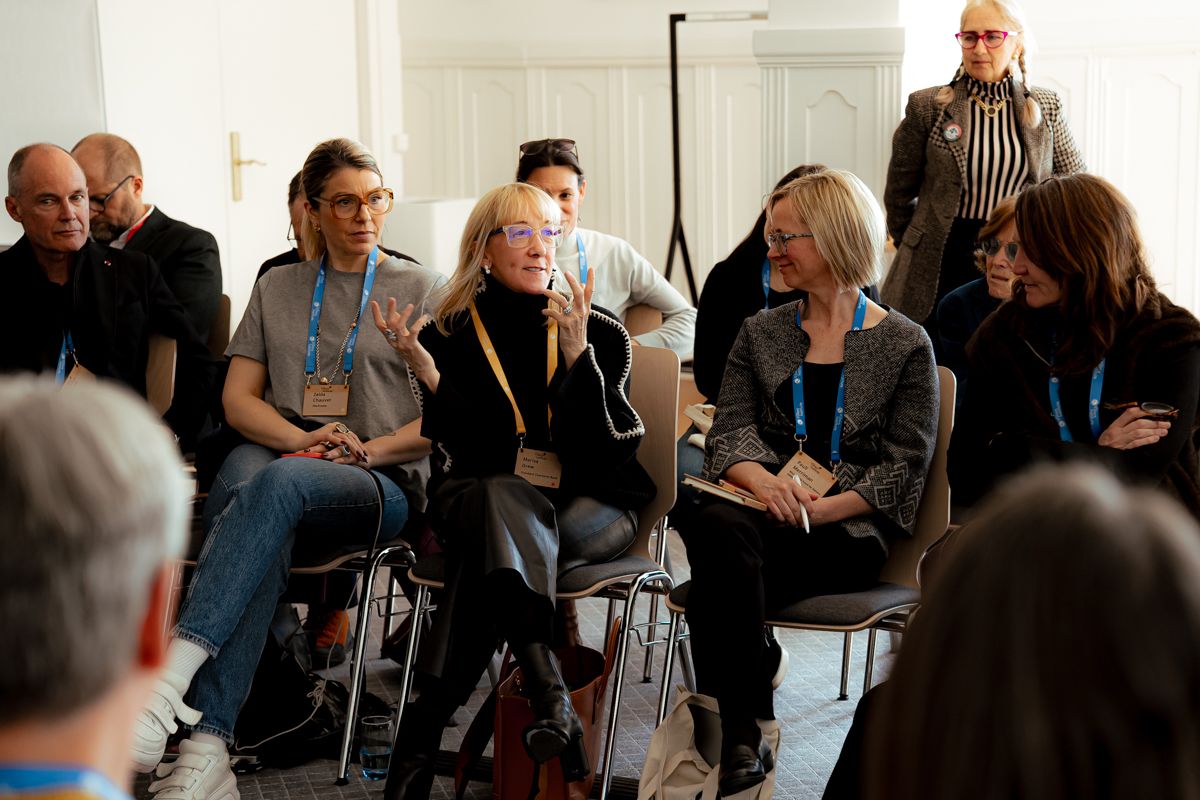
We asserted that we are in urgent need of more interdisciplinary sharing of knowledge and, as of the status quo, regulation is still behind technical advancement by underregulating the problems while overregulating the solutions. If the price of water depends on its utility function, we are unable to make systems change. To value water and freshwater adequately we must view water as a multisectoral element that connects nature, climate and health. We need to shift from this narrative of "not caring as long as it is not scarce" to one that widely acknowledges water in its connecting role, so that we can lead action through scale. This is where it is necessary to stop siloing water and to combat a fragmented narrative. One option is to implement regional development funds so that smaller or medium-sized businesses can participate in the action. Big companies on the other hand can, as some of them already do, internally tax water use to become more efficient. Investments in water and infrastructure is not only interesting for investors because of profit: It can also be the start of action for nature because of its role as a proxy for nature and climate. In summary, the session "Turning Points for Nature: Water as the Hidden Connector" could give us all a call to action. All the insights from the audience could in the end cover the four pillars of the Villars Summit: Identify, investigate, inspire, initiate. Identifying the barriers helped us to understand the problem from a multisectoral perspective. Investigating both the problems and the solutions, we saw that part of the answer lies in the need of change of the narrative for water. We still see a lack of inclusion of local or native people when it comes to the implementation of new solutions or technologies. Inspiring others and bringing the topic onto the international agenda can help us to bridge the existing gaps. Initiating change by including young leaders will be key to understand the ultimate trade-off between the risk of doing something versus the risk of doing nothing for future generations.
Remark by the author: Quotes are attributed with permission of the originator