This question was at the heart of EduFest 2026, hosted by Institut Le Rosey in Rolle, Switzerland, in partnership with the Villars Institute. Celebrating the idea that learning should be inspiring, engaging, and offer something for everyone, EduFest brought together educators, innovators, scientists, artists, and changemakers in a relaxed festival atmosphere to explore current ideas in education — from cutting-edge research to bold, thought-provoking approaches for the classroom and beyond.
Throughout the day, EduFest reflected the breadth and energy of today’s education conversation. Sessions explored themes ranging from artificial intelligence, art, leadership, curriculum development, philosophy, peace in schools, character building, and student mental wellbeing to the role of teachers, students, and intergenerational exchange in shaping learning environments. The result was an inspiring and varied gathering, rooted in connection, curiosity, and a shared commitment to preparing young people for a changing world.
As part of the wider EduFest program, the Villars Institute contributed a dedicated strand exploring planetary health education, systems leadership, creativity, science communication, storytelling, and youth agency. Across these sessions, one message came through clearly: education must move beyond knowledge transfer alone. The challenges young people are inheriting — from climate change and biodiversity loss to technological disruption and social fragmentation — cannot be solved in isolation, through single disciplines or fragmented thinking. They require adaptability, critical thinking, creativity, collaboration, ethical responsibility, and the ability to understand and lead complex systems.
Learning: The source of Resilience and Agency
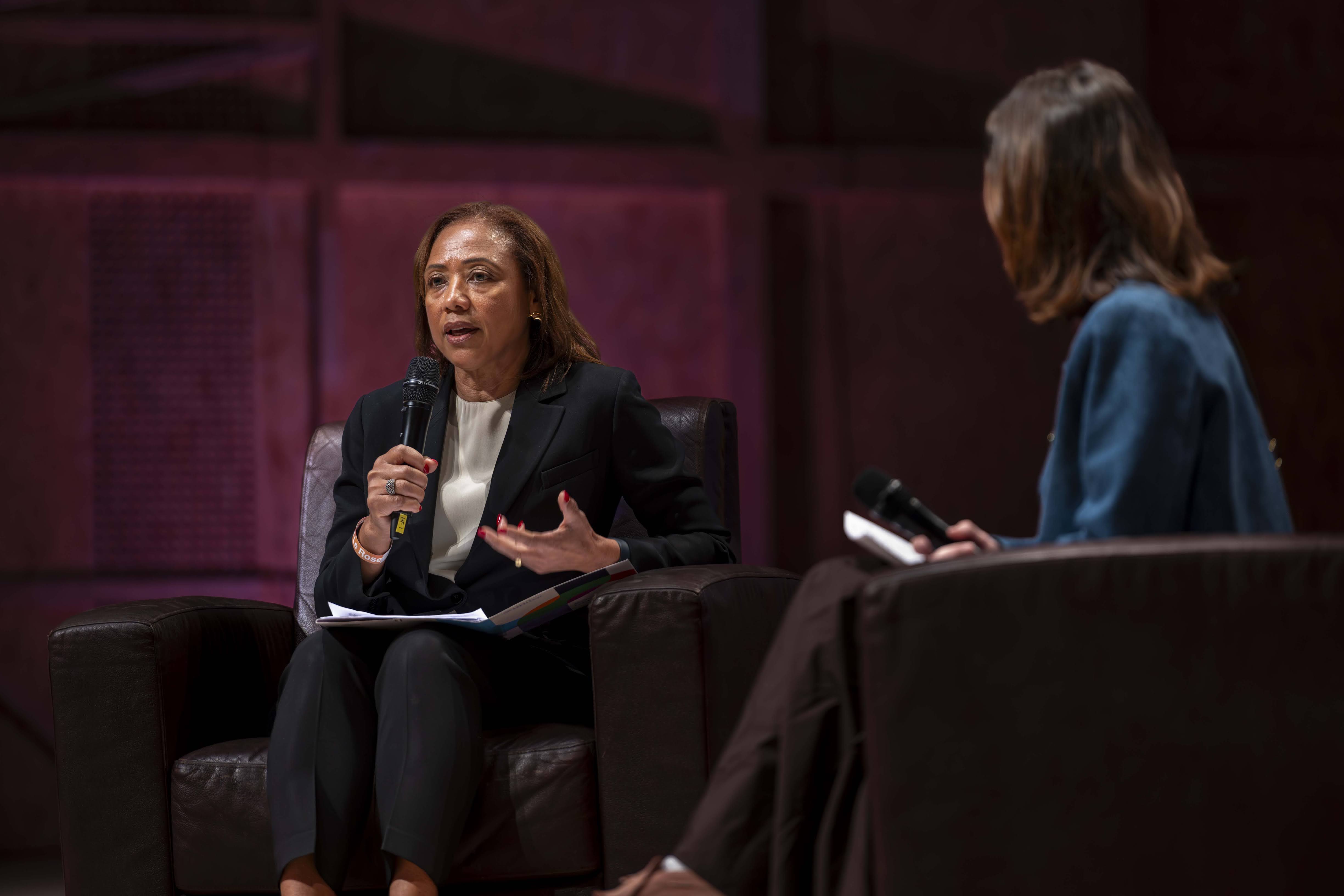
Michelle Gyles-McDonnough, United Nations Assistant Secretary-General and Executive Director of the United Nations Institute for Training and Research (UNITAR), opened EduFest 2026 with a keynote on The Learning Advantage: Thriving in a World of Constant Change.
In a world where industries are being transformed and many future jobs do not yet exist, Michelle argued that the ability to learn, adapt, and act responsibly has become one of the most important capabilities young people can develop. Uncertainty, she suggested, does not have to lead to fear or paralysis. When supported by curiosity, self-awareness, emotional regulation, and confidence, learning becomes the source of resilience and agency.
Her message to young people was both practical and hopeful: they do not always need to know what comes next, but they do need to believe that they can keep learning, growing, and navigating uncertainty.
Michelle outlined five capabilities that will define future-ready learners: adaptability, critical thinking, digital and AI fluency, collaboration across disciplines and cultures, and responsibility. In an age where knowledge is abundant, but wisdom is scarce, she emphasized the importance of judgement, ethical reasoning, and systems thinking.
Technology, she reminded participants, must be integrated without losing humanity. AI and digital tools create extraordinary opportunities, but they also require learners to understand when to trust them, how to use them responsibly, and how to combine them with uniquely human qualities such as character, conscience, and moral responsibility.
Above all, Michelle called for learning systems that are agile, inclusive, and connected to real-world challenges — systems that prepare learners not only for productivity, but for purpose.
Climate Anxiety to Agency: Empowering Young People as Science Reviewers
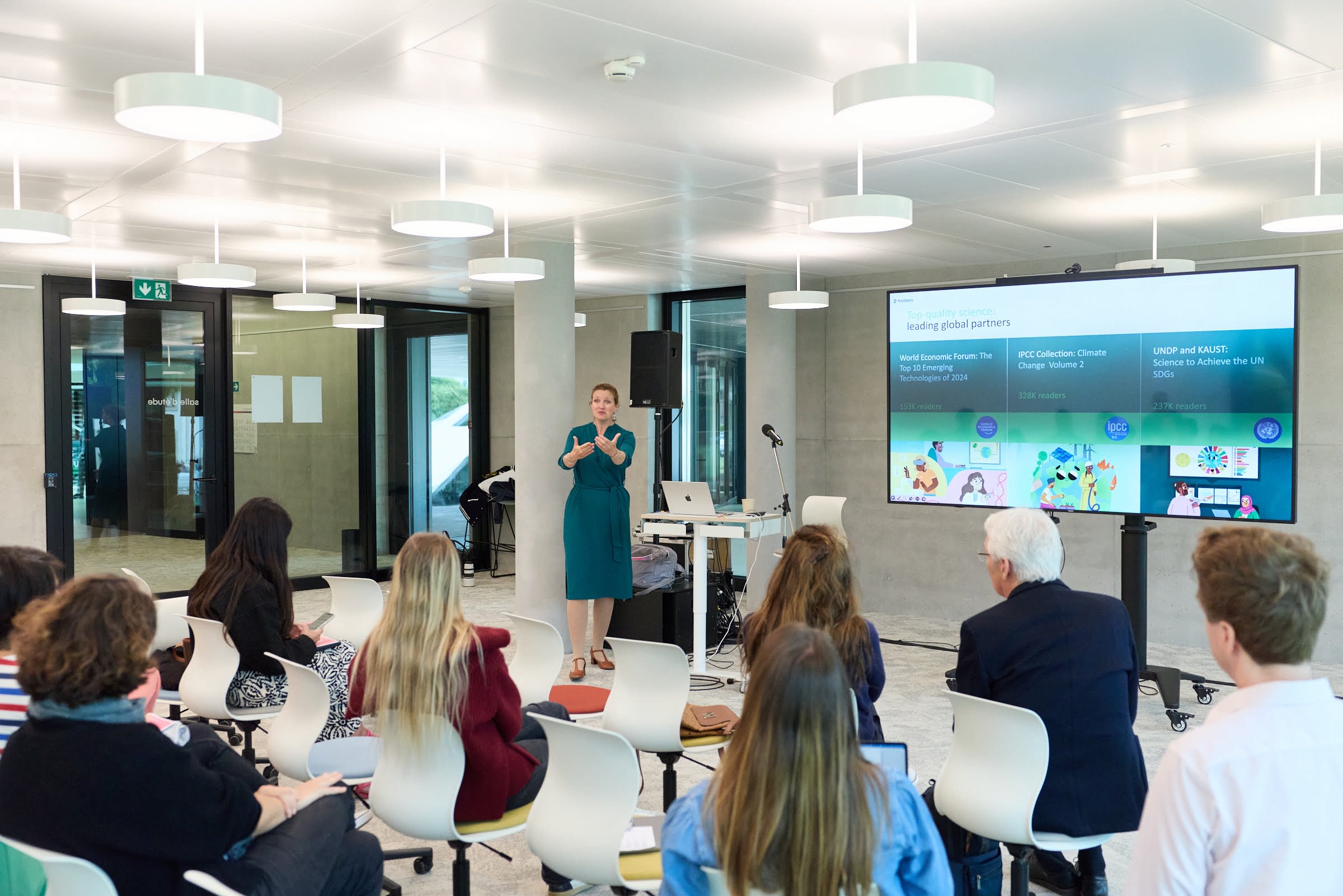
Laura Henderson, Head of Programme at Frontiers for Young Minds, led a session on how young people can engage directly with scientific research.
The session introduced the work of Frontiers for Young Minds, which helps make peer-reviewed research accessible to young readers by transforming scientific papers into short, open-access articles written for children and young people.
A distinctive part of the model is that every manuscript is reviewed by young people aged 8 to 15 across 60 countries, supported by Science Mentors. Through this process, young reviewers build critical thinking skills, engage directly with scientific research, and develop confidence that science is something they can actively participate in.
Within the wider EduFest program, the session connected strongly to a recurring theme of the day: helping young people move from concern about the future toward curiosity, confidence, and agency.
Planetary Health : The Missing Subject in Every School
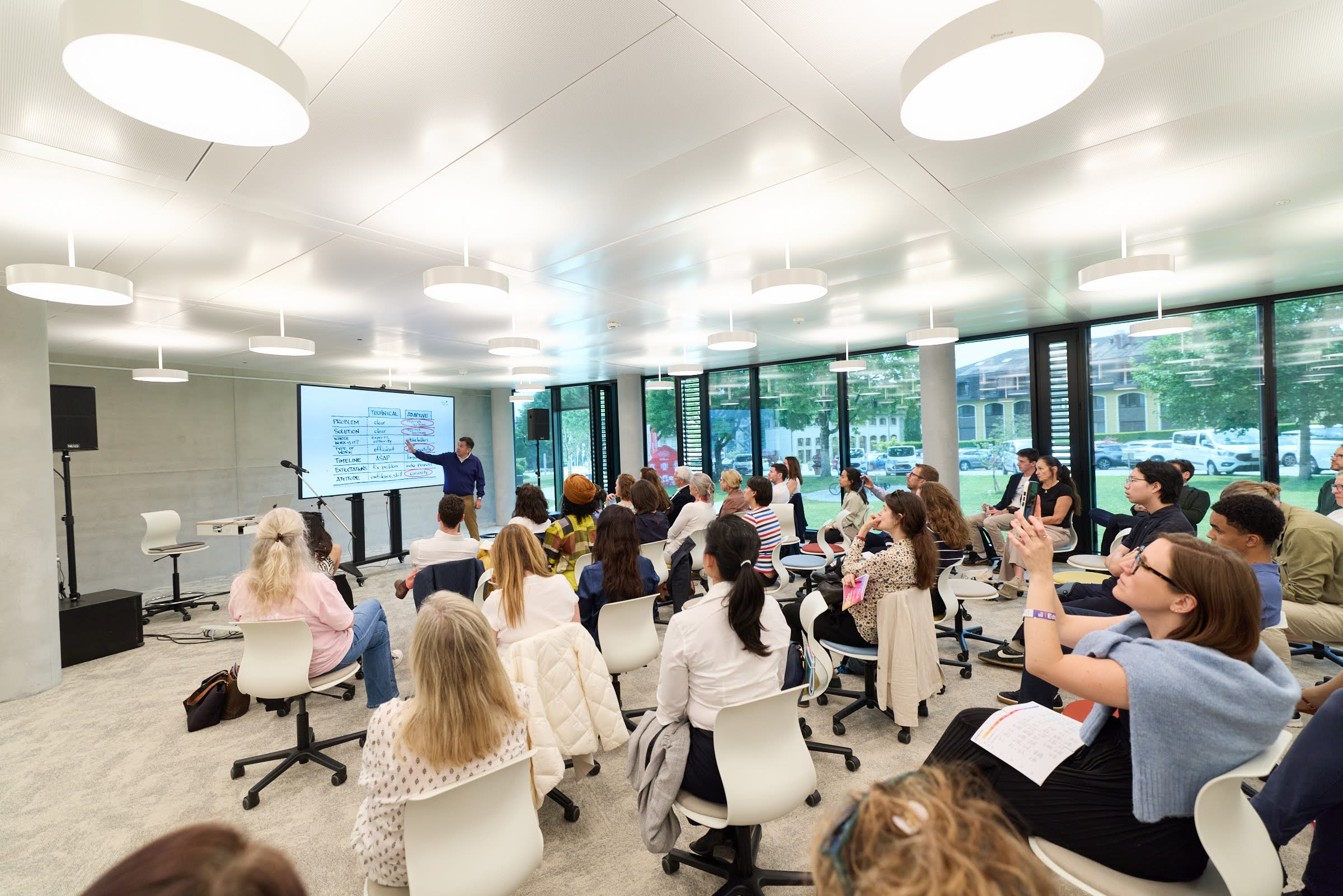
Professor Lee Howell, Executive Director of the Villars Institute and Vice Chair of the International Baccalaureate Board of Governors, outlined an important gap in every school: Planetary Health.
Many school curricula, he noted, were designed at a time when environmental limits seemed distant and disconnected from human prosperity. Today, that assumption no longer holds. As humanity crosses planetary boundaries, schools face an urgent question: can we afford to graduate students who do not understand the relationship between human wellbeing and the living systems that make civilization possible?
Planetary health offers a framework for making those connections visible. It links human health, ecosystems, biodiversity, climate stability, and Earth’s life-support systems. It also invites learners to move beyond isolated environmental topics and toward a deeper understanding of interdependence, stewardship, and responsibility.
For the Villars Institute, this is central to the future of education. Young people need the tools to see systems, understand consequences, and act within planetary boundaries. Systems thinking is no longer optional; it is essential.
How Art and Science Give Research Reach in Classrooms
While some sessions focused on the capabilities learners need to thrive in the future, others explored how complex research can be brought to life in ways that move people to care and act.
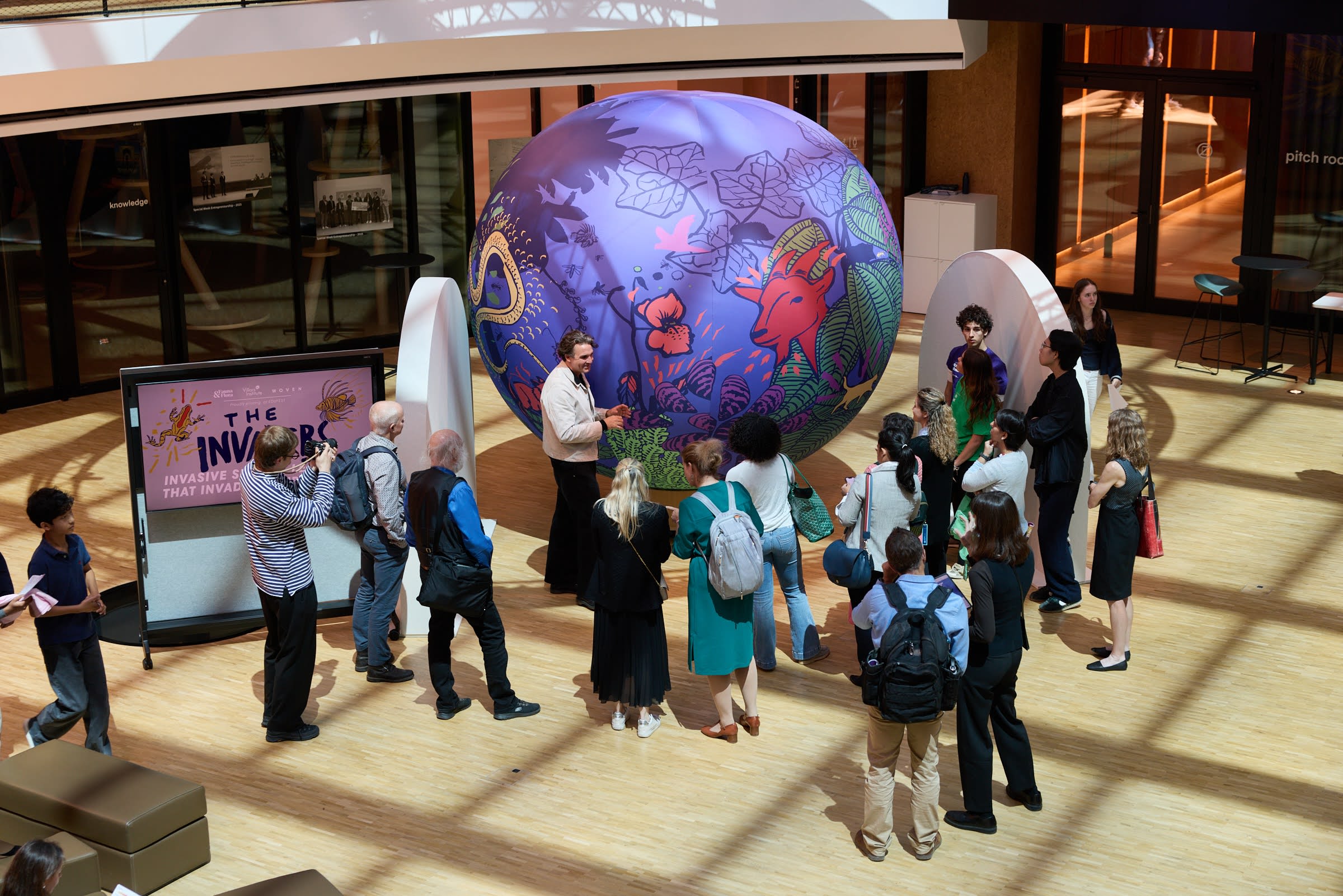
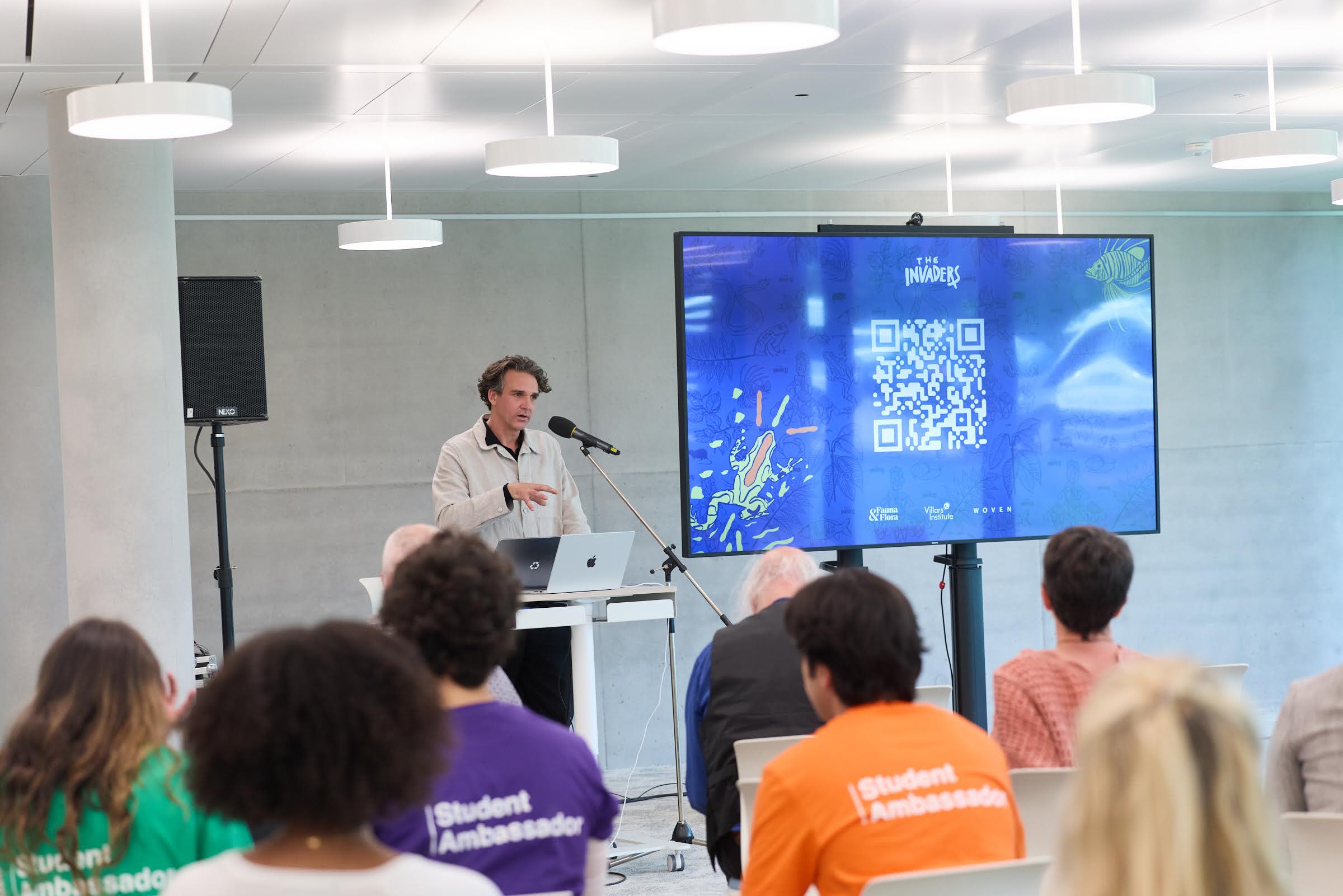
Thijs Biersteker, ecological artist and founder of the Woven Studio, led a session on the role of art and science in making research more engaging for learners. His work transforms environmental data into immersive, physical experiences that allow people to connect with scientific issues emotionally as well as intellectually.
Thijs reflected on the role of art in making data tangible. When environmental challenges become physical, visual, and embodied, students are able to form a different kind of connection with them. Facts matter, but emotion can deepen understanding and inspire action.
During the session, Thijs premiered The Invaders, an Invasive Species Education Module, developed with the Villars Institute and Fauna & Flora. Combining data collection, visualization, and action, the module helps students explore one of ecology’s most urgent challenges: the impact of invasive species on native ecosystems. It invites learners to investigate the issue in their own communities and consider how local action connects to global ecological change.
A New Narrative for Nature
The EduFest program also included a special screening of How to Live on Earth, a new feature documentary by Open Planet Studios and the Villars Institute.
The film brings transformative science together with powerful storytelling, spotlighting stories from around the world that show both nature’s destruction and recovery. Through striking cinematography and hopeful narratives of renewal, it offers a vision of the future in which nature thrives — and so do we.
The screening reinforced one of the day’s central themes: stories shape what people believe is possible. In the face of environmental crisis, people need more than warnings. They also need examples of regeneration, courage, creativity, and collective action.
Education for our Shared Future
Across EduFest 2026, the conversation returned repeatedly to the role of education in strengthening our shared future.
Learning is not simply about preparing individuals for personal success. It is about equipping young people to contribute responsibly to their communities, institutions, and the planet. It is about moving from fear of change to confidence in human adaptability and potential. It is about helping learners stay curious, open, courageous, and committed to lifelong learning.
As the challenges facing the next generation become more complex, education must become more connected — to science, to nature, to technology, to ethics, to creativity, and to the real-world systems that sustain life.
Through the partnership between Institut Le Rosey and the Villars Institute, EduFest 2026 offered a clear invitation: to rethink learning as a pathway to agency, stewardship, and systems change.
Because the future will not be shaped by knowledge alone. It will be shaped by what learners are empowered to do with it.