Human activity has pushed atmospheric CO₂ levels to heights not seen for millions of years. If current trends continue, the planet could resemble conditions from 35 million years ago - well outside the limits that support modern society.
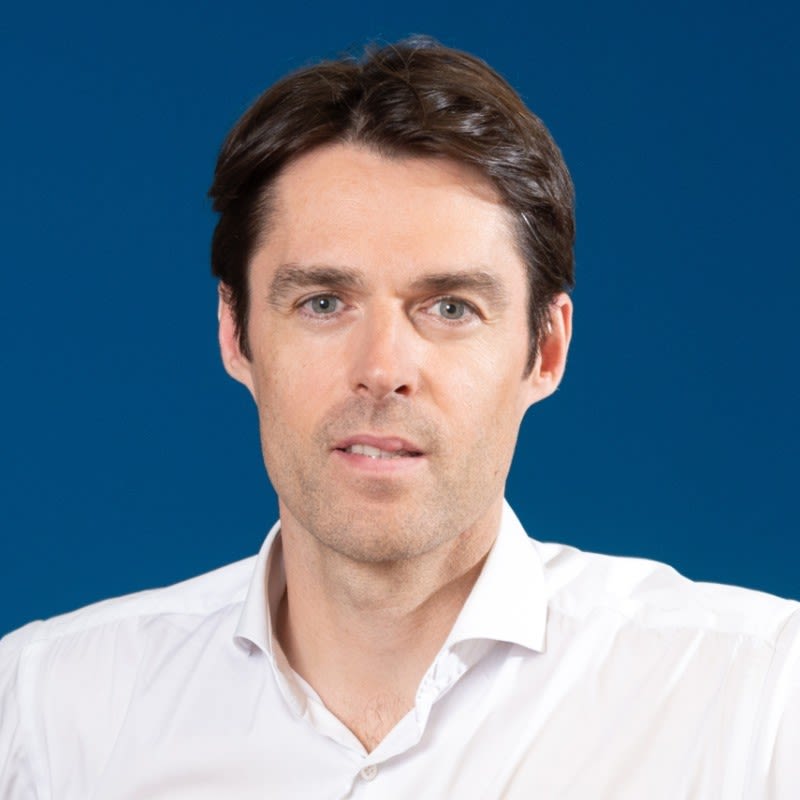
Frédéric Herman, Rector of the University of Lausanne, shares his experience leading a large academic institution toward measurable environmental impact reduction. He discusses innovative approaches, from quantifying CO2 emissions and transitioning to heat pumps, to partnering with local farmers for sustainable food sourcing.
Herman also explores the transformative potential of AI in sustainability research to solve complex problems faster and more efficiently than ever, while highlighting the environmental trade-offs of large-scale AI applications. He emphasizes systemic thinking, interdisciplinary education, and the importance of European university alliances in cultivating future leaders equipped to tackle global sustainability challenges.
Embedding sustainable practices in higher education means balancing technological innovation with environmental responsibility, and preparing students for a rapidly evolving world.