
Ideas from the speakers
The first speaker initiated the dialogue by highlighting how culture is the greatest weapon to get important ideas across. The approach to delivering the desired outcome is detailed: a huge and successful educational, environmental documentary is presented to “make a splash”. It raises awareness, which is the initial vague impact. Underneath this, an impact campaign is started through advocacy screenings to create investment, creating a direct impact. This impact can be obtained through creating smaller films. The company “Open Planet” facilitates this model: footage that is filmed but not shown in the published film is offered to be used for free use. The making of high-quality footage is the expensive component in filmmaking. From the footage recorded for one film, one thousand different shorter films could be made to help encourage funding for the projects they depict. Various examples of successful stories of larger films were presented, including “Ivory Game”, which depicted the impact of elephant poaching and the ivory trade. It was specifically aimed at China, which had a large ivory trade market, and it was successful: one year after the film’s release, China banned imports of ivory, a significant step in the reduction of legal ivory trade.
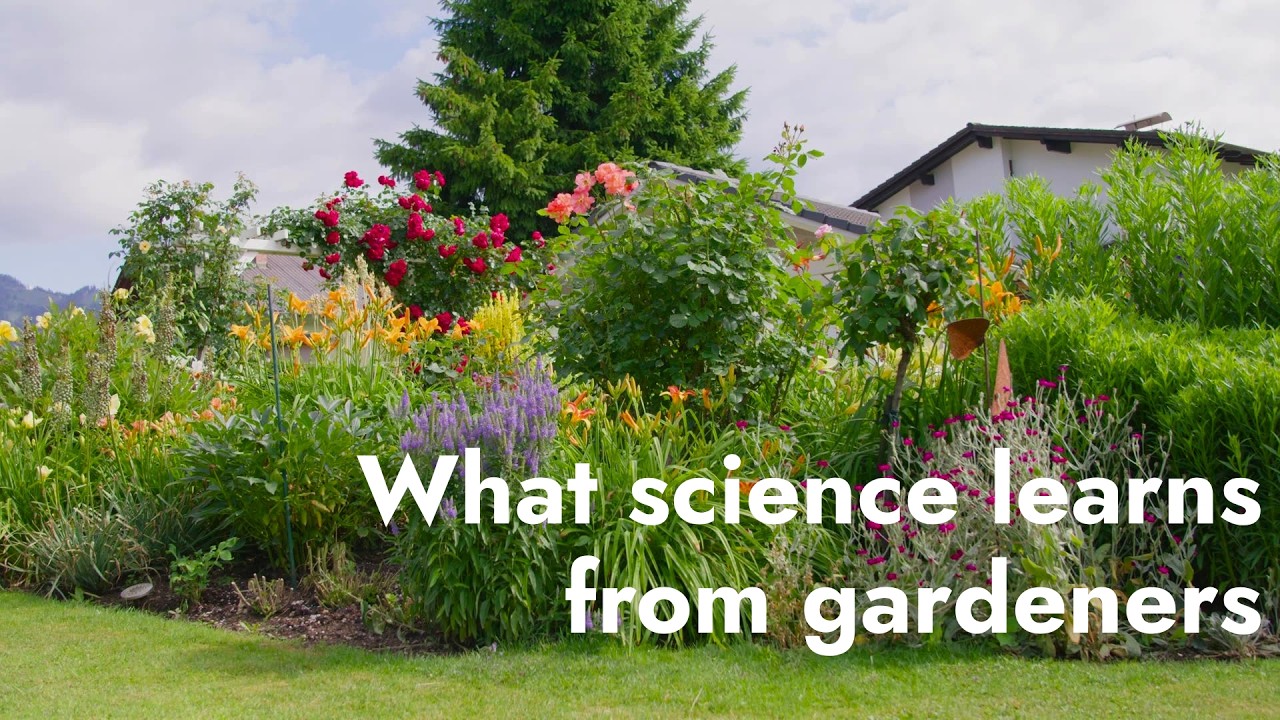
Another speaker brought up the relevance of gardens as a storyboard. Conservation efforts are often focused on the wild places. Nevertheless, gardens should also be considered because they make large contributions to environmental protection. A study in the United Kingdom revealed that there are 900’000 hectares of gardens nationally, making up three times the land of the UK’s nature reserves. At this scale, their management is significant, especially when considering how many of them are paved over and covered by plastic. Gardening itself has benefits for mental and physical health, social cohesion, and the environment. A major example of its impacts is the Royal Horticultural Society’s “Chelsea Flower Show”. In 2022, a rewilding garden, the first ever presented at the show, was awarded “Best in Show”. It was received with responses of outrage and delight, and helped to shift the conversation around gardens, particularly on weeds. Gardens are a reflection of society, and lately, gardens at the Chelsea Flower Show have started to look more natural. As more gardens represent the concerns for the environment in these shows, it also leads to more such conversations.
The next speaker presented a compelling point in relation to constructing the narrative for nature: scientists must seek out help from those who can evoke emotions, rather than just share facts. “Fact Attack!” is a concept that was described: facts that go against personal beliefs create the same effect in the brain as being physically attacked. The brain works to “fight” it by trying to prove it wrong. Creating a physical or visual method to present data can help encourage conversation instead. The way forward also requires new ways to tell the same story. For example, the story of deforestation in the Amazon Forrest has been told for many years now. An installation at the World Economic Forum in 2026 was aimed at telling the Amazon forest’s story in a new way: the installation “Forestate” presented real-time data visualisation of the loss of forested land in the Amazon. The speaker underlined that we have a fragile future, where we need to make the threats relatable, tangible, personal and actionable to encourage change. If something is unimaginable, it becomes “un-actionable”, which is why facilitating imagination is the goal of the narrative.
Insights from the audience
A provocation from the audience addressed the balance between the framing of the problem and the entertainment value. The speakers discussed how creating a complete and engaging narrative arc requires the presentation of a problem, a challenge, and a solution. The inclusion of an emotional arc and the need to keep surprising the audience are just as important. The challenge is deciding the sequence of the complete narrative, ending in an active place of hope and belief in the solution. A focus of the discussion was audiences: how to choose them, whether they should be segmented, and the expected outcomes after evoking the emotions of a well-told story. It was suggested to focus on how the story can impact a tipping point and affect change through it. However, it may be more difficult to empower the audience. Bringing the problem and the goal close to them, either physically with an art installation or through film, helps people to care.
The closing statement focused on the importance of creating an engaging format when sharing information to grab people’s attention, while helping people with the interpretation of the message shared. In a film, the choice is between making a direct statement or posing a question (with an ideal answer): making a statement is a bolder move and can encourage more change.