

Clean energy solutions are transforming rural communities around the world. Technologies like rocket stoves and solar panels are more than technical innovations—they are lifelines that help villages reduce greenhouse gas emissions, improve livelihoods, and strengthen resilience. By replacing traditional fuels such as firewood or kerosene, these tools directly cut carbon emissions while providing healthier, safer, and more sustainable ways to cook, heat, and power homes.
Yet meaningful change begins long before the first solar panel is mounted, or the first stove is lit. The most successful interventions start with listening—understanding how communities live, where the challenges lie, and what goals people have for their future. Identifying these “pain points,” such as the hours spent collecting firewood or the health risks of indoor smoke, ensures that the technology introduced responds to real, self-identified needs. When innovations grow from this foundation of understanding, they are more readily embraced, adapted, and sustained.
The impact extends beyond the technology itself. Adoption thrives through collaboration, local knowledge, and cultural integration. When people see tangible improvements—cleaner air, reduced expenses, light for studying at night, or energy to run small farms and businesses—the value of clean energy becomes undeniable. Change then spreads organically: one household’s success inspires others, multiplying the environmental and social benefits across entire villages.
Systems thinking helps explain why these initiatives work. Rural communities are intricate networks of social, cultural, economic, and ecological relationships. Introducing renewable energy is not just about installing hardware—it’s about weaving technology into livelihoods in ways that respect traditions, build trust, and align with existing practices.
Equally important is ensuring that the impact lasts. Long-term success comes from empowerment—training, education, and technical support that enable community members to operate, maintain, and repair their systems independently. When residents understand how their technology works, they become stewards of their own energy future. This sense of ownership turns one-time projects into enduring solutions.
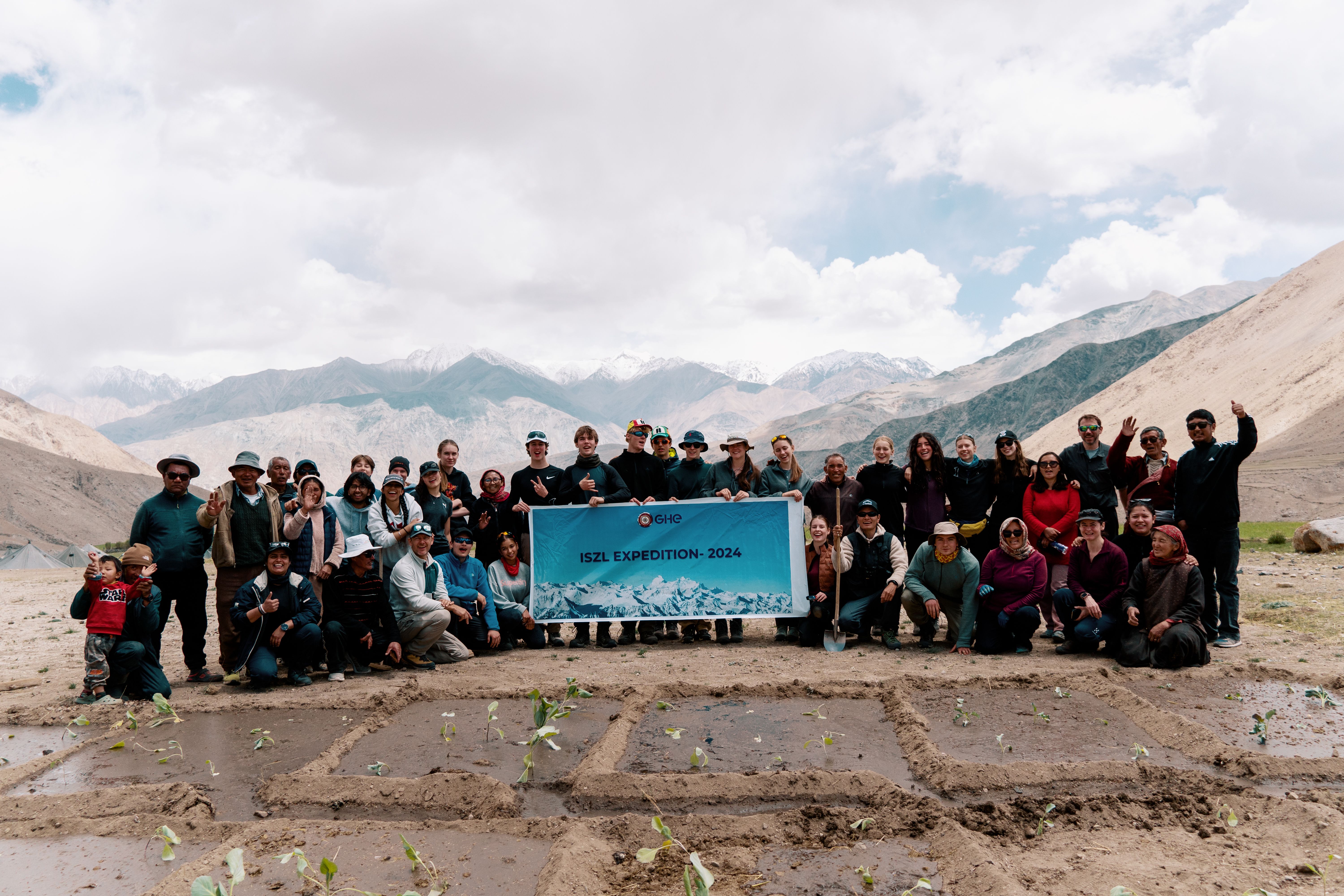
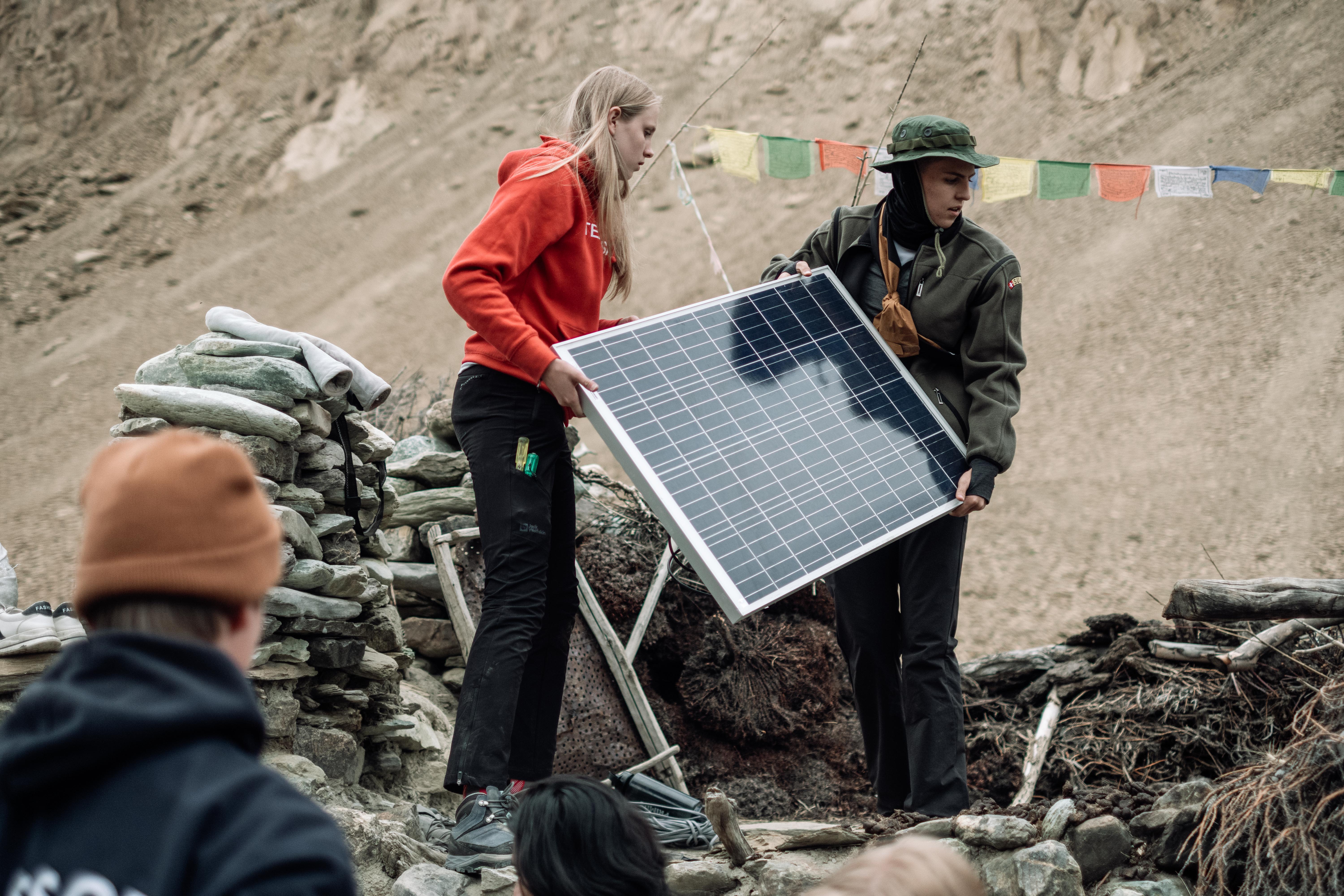
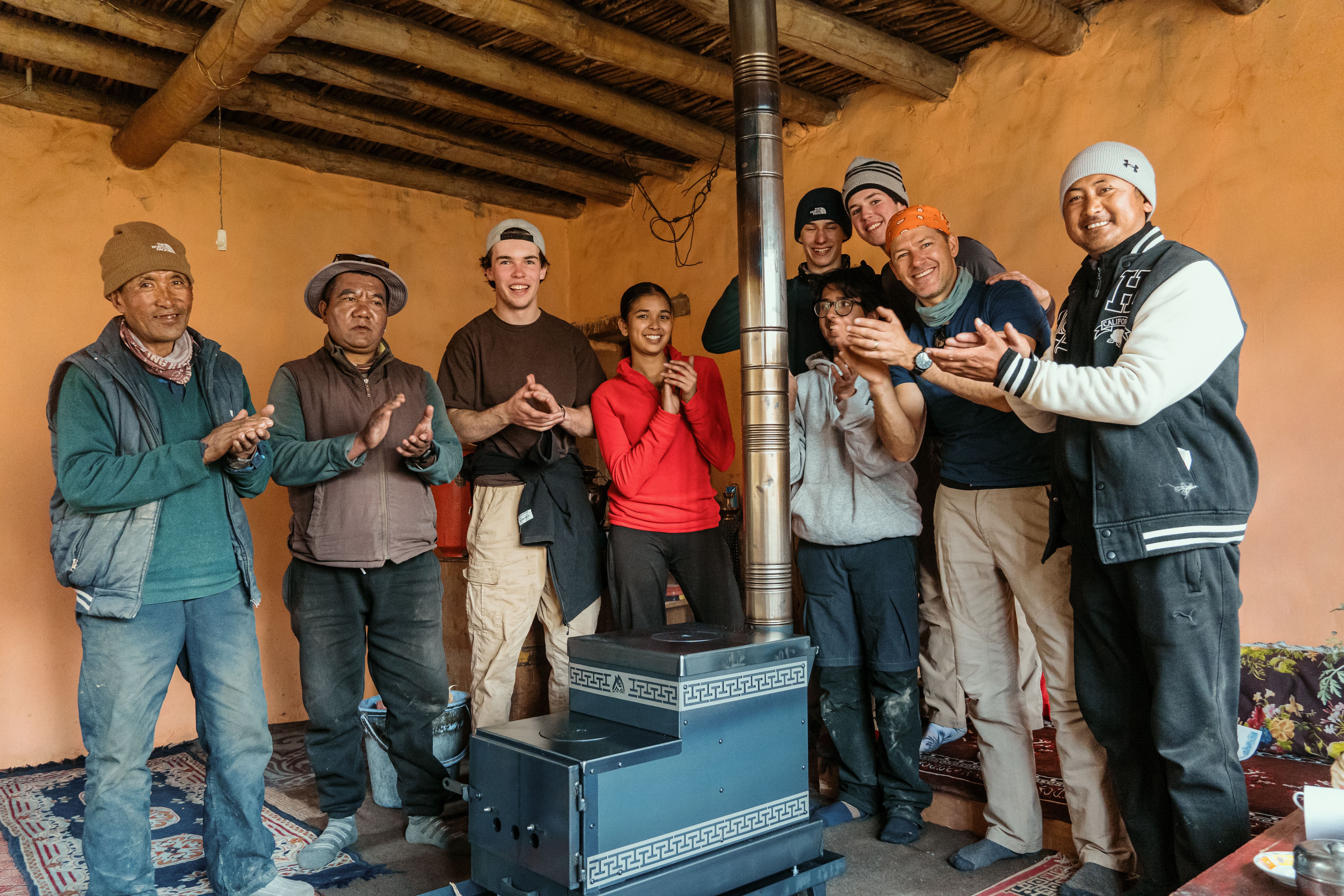
A recent expedition in the Himalayas illustrates this approach. During a high-altitude expedition, participants partnered with local villagers to install rocket stoves and solar microgrids in remote settlements. The technologies were chosen not because they were new, but because they addressed the communities’ own priorities: reducing firewood use, protecting local forests, and improving indoor air quality. Within a week of the expedition, the project reduced CO₂ emissions by nearly 99 tons. Looking ahead, these installations are projected to offset 1,480 tons of carbon by 2040, demonstrating how small, community-driven interventions can generate long-term environmental impact. More importantly, the systems continue to operate reliably because local residents were trained to maintain and repair them—proof that empowerment is the foundation of sustainable success.
Clean energy solutions bring a cascade of benefits:
- Health improvements: Less indoor smoke means fewer respiratory illnesses.
- Time and labor savings: Reduced firewood collection frees hours for education, farming, and entrepreneurship.
- Economic opportunity: Reliable renewable energy creates pathways supporting agriculture and strengthening rural value chains.
- Social cohesion and empowerment: Shared training and knowledge strengthen collaboration and leadership.
These local gains ripple outward, contributing to a global solution. By reducing dependence on biomass and fossil fuels, rural clean energy projects directly cut greenhouse gas emissions while uplifting quality of life. When replicated across regions, their cumulative effect becomes transformative showing that the power to slow climate change can emerge from the world’s most remote and resilient places.
Ultimately, green energy solutions show that the path to global climate progress runs through local action. By listening first, co-creating with communities, and investing in long-term capacity, we ensure that the benefits of clean energy endure—reducing emissions, improving lives, and empowering rural communities to shape their own sustainable future.