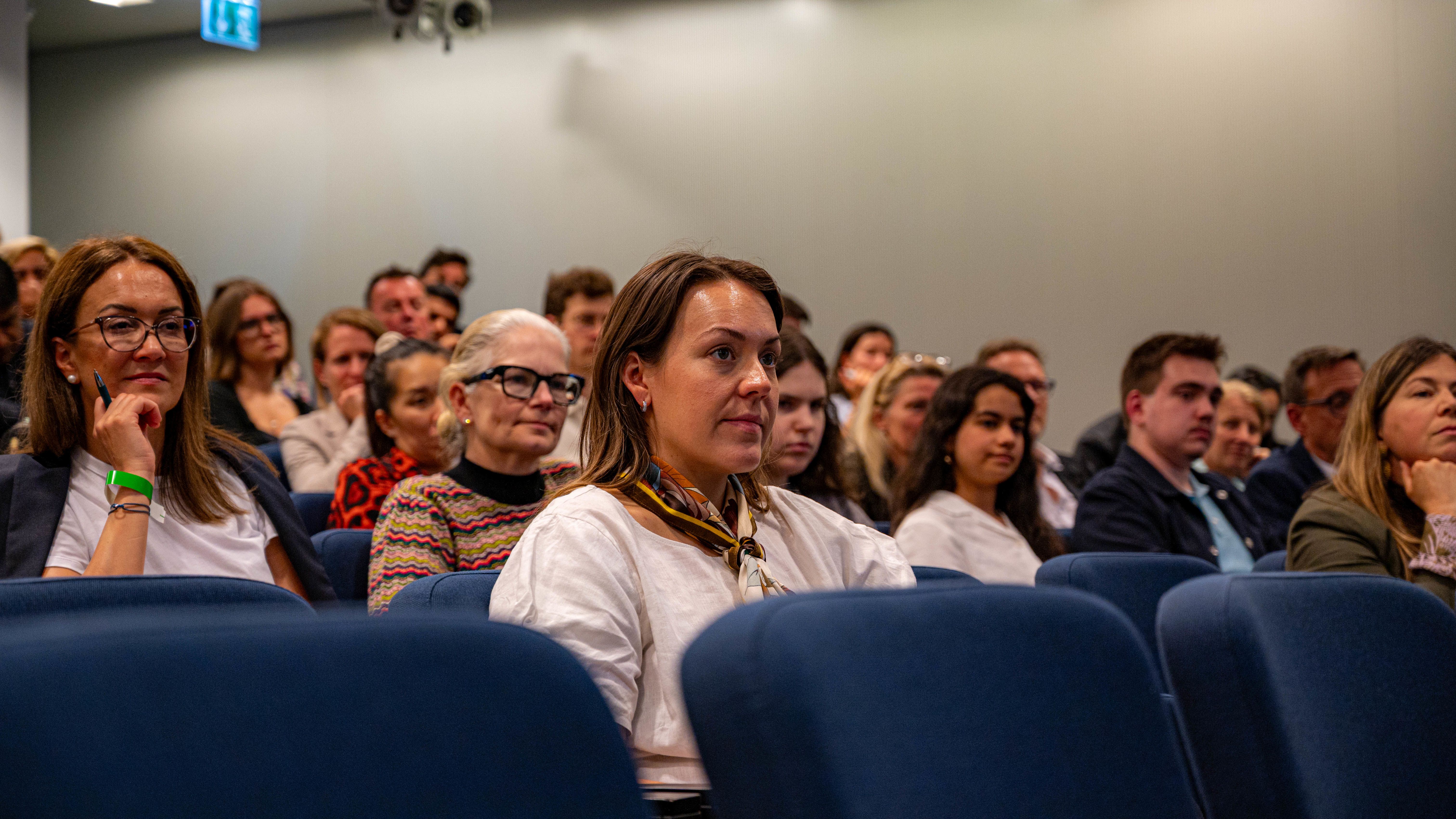
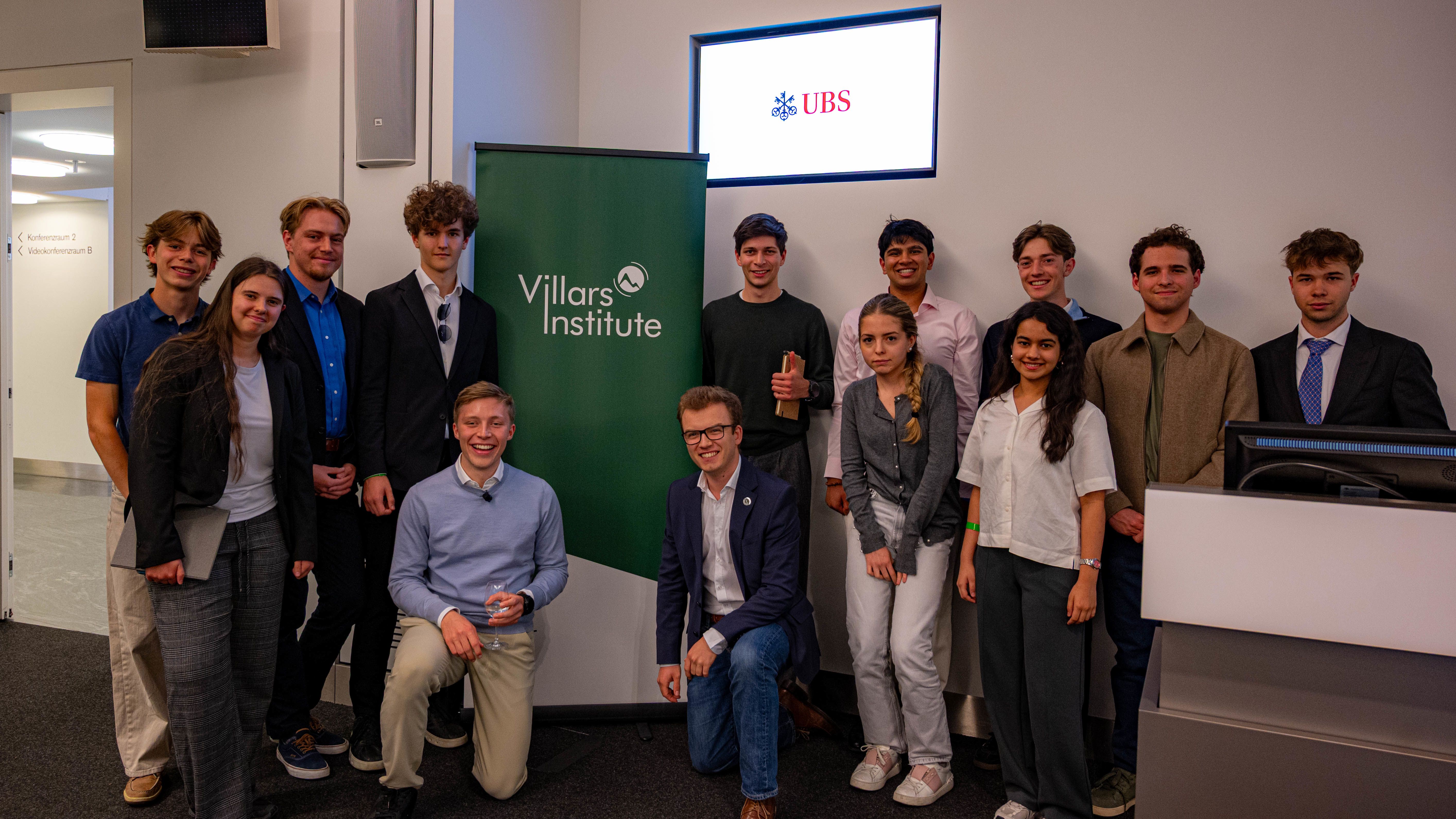


At Zurich Climate Week, the Villars Institute hosted several panels with a distinguished group of speakers to open the discussion on how climate change is approached in decision-making and how intergenerational collaboration could play a key role in catalyzing action at a larger scale. Spanning scientific, economic, and social perspectives, the discussions highlighted a shared conclusion: addressing the climate crisis requires not only new solutions, but also a shift in how we think about the problem itself.
The limitations of current approaches to the climate crisis
In the opening panel, “Systems Change: Why Earth Is a Warming System,” much of the discussion revolved around how viewing climate change as a series of isolated events can limit our understanding of the problem at hand. A key limitation of current approaches, speakers argued, lies in the tendency to frame climate change as a series of isolated events—heatwaves, wildfires, or rising sea levels—rather than as the consequence of a deeply interconnected global system. A shift toward understanding Earth as an interconnected system, rather than through separate events, is essential for meaningful climate action. Equally important is passing this systems-based perspective on to future generations through education, where it can inspire more innovative and effective solutions.
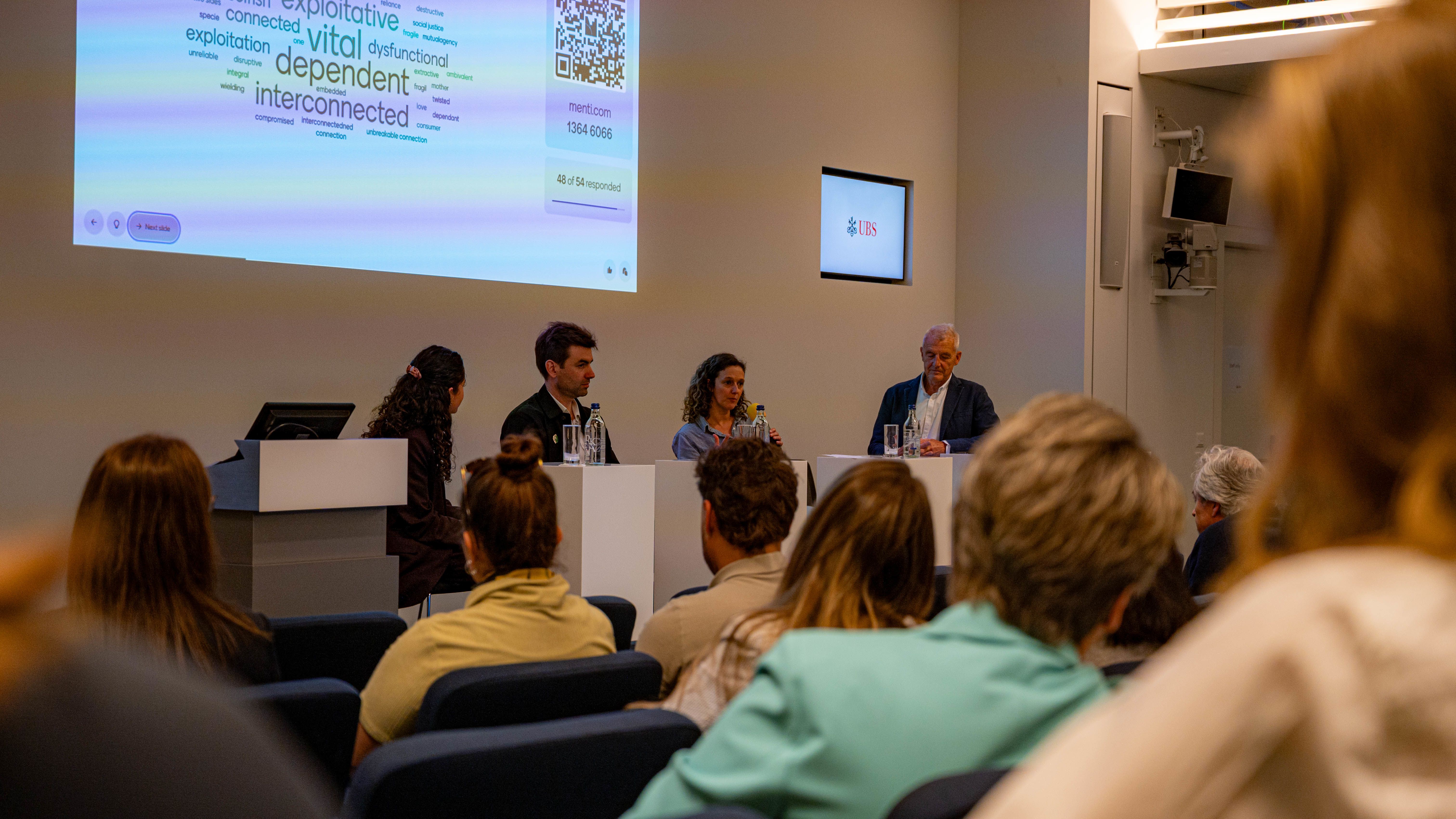
Viewing Earth through a systems perspective also has important implications for education. Embedding systems thinking into learning can help future generations better understand complexity, interdependence, and long-term consequences. Instead of focusing solely on outcomes, this approach encourages students to examine underlying structures and relationships, ultimately fostering the kind of critical thinking needed to drive innovation.
The space for youth to innovate
Social media plays a powerful role in youth engagement. However, it is a double-edged sword. While it has helped catalyze community action on a global scale and amplify young voices, messages often come and go with fast-moving trends, making attention difficult to sustain. As a result, visibility does not always translate into meaningful or lasting impact.
These ideas were central to the session on “Why and How Youth Engagement in Climate Actually Works,” where the discussion emphasized the importance of creating space for young people to explore, experiment, and develop ideas driven by their own interests and motivations. When youth are given the freedom to take initiative beyond the constraints of fast-moving trends, they are more likely to produce creative and actionable solutions. Contributions from the audience also highlighted that youth empowerment is not only about being heard, but about being trusted to lead.
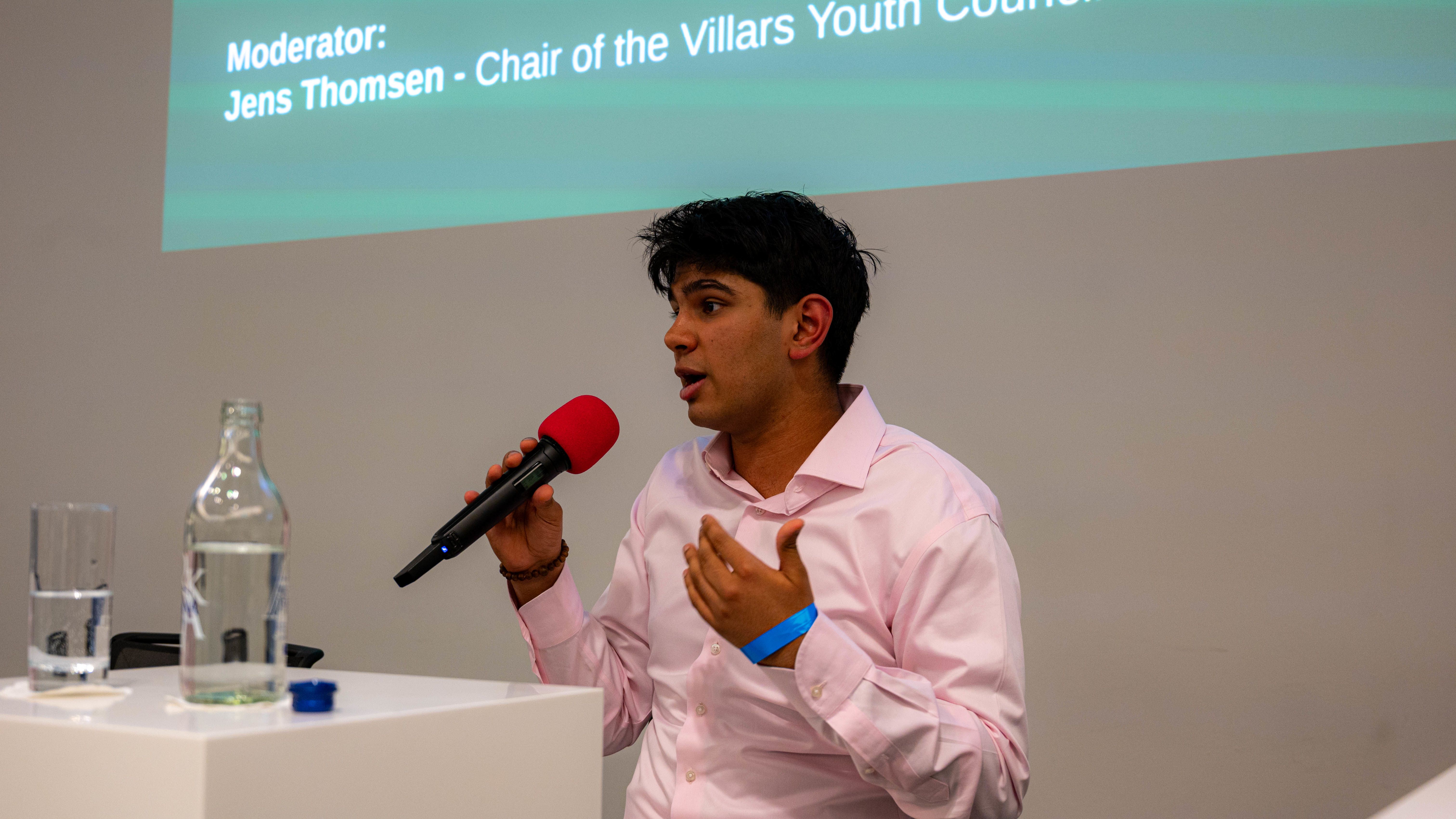
The importance of creating space for experimentation also emerged in the panel “Climate Start-ups: What’s Scaling and Why,” which explored what it takes for climate ventures to succeed in an emerging and uncertain market. Speakers emphasized that success is rarely linear, but instead shaped by trial and error, iteration, and resilience. The insights gained through failure were highlighted as essential, alongside the importance of maintaining strong passion and motivation. Together, these elements form the foundation for sustained progress, both in entrepreneurship and in climate action. The ability to persist despite setbacks, supported by a strong sense of purpose, was identified by speakers as a defining characteristic of successful ventures.
Closely linked to this discussion was “Innovative Finance for Nature: Challenges and Opportunities.” Access to funding remains one of the most significant barriers to scaling climate solutions, particularly for early-stage initiatives. The panel explored how new financial mechanisms and investment strategies can help bridge this gap, enabling ideas to move from concept to implementation. Importantly, successful start-ups also serve a broader function: they demonstrate viability, build investor confidence, and signal that climate-focused innovation is not only necessary, but economically sustainable.
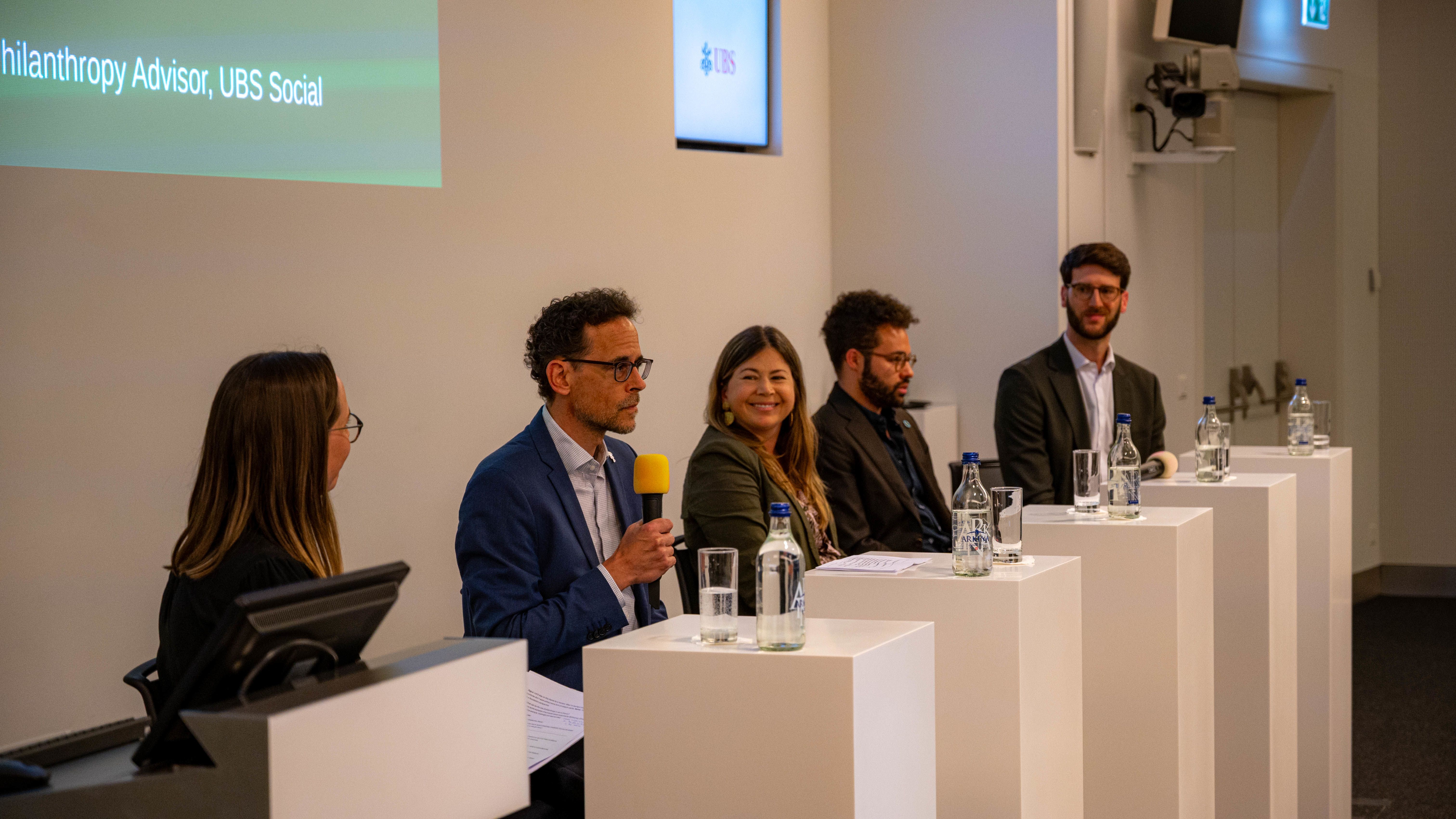
Across the different panels, a theme that repeatedly resurfaced was the importance of intergenerational collaboration. Climate change is a complex challenge that cannot be addressed in isolation. While younger generations bring fresh perspectives and creativity, older generations contribute experience, resources, and institutional knowledge. The intersection of these strengths creates a more comprehensive and effective approach to problem-solving.
The power of a good example
It is easy to find examples of climate start-ups that have reached dead ends or young activists whose voices have been drowned out by more pressing matters in the media. However, it is equally important to reflect on the significance of those who overcome these challenges. What do successful climate start-ups prove, and what impact might that have on those that follow?
Successful examples carry a unique and often underestimated influence. They provide a reference point for others, offering both inspiration and direction, while demonstrating to investors that demand exists and that solutions can be viable.
Similarly, young individuals who have succeeded in turning their ideas into action act as powerful catalysts for change. Their ability to implement solutions and create tangible impact shapes perceptions of what is achievable and encourages others to follow. These examples extend beyond individual success; they create momentum. When supported by the experience and insight of previous generations, their impact can be amplified even further.
A powerful recipe for meaningful change lies in combining fresh, innovative ideas from youth with the knowledge and experience of established leaders. It is not a matter of “out with the old, in with the new,” but rather a process of integration. By working collaboratively across generations, it becomes possible to move beyond discussion and toward implementing solutions at the scale required to address the climate crisis.
Ultimately, the conversations at Zurich Climate Week made one thing clear: moving from climate innovation to action requires integration and collaboration. This question—how to translate insight into implementation—was at the heart of the closing panel, “From Innovation to Action.” Across discussions on systems change, entrepreneurship, finance, and youth leadership, the importance of working across generations, disciplines, and sectors repeatedly emerged. Doing so makes it possible to move beyond understanding the problem and toward implementing solutions at the scale required.