


The Ideas
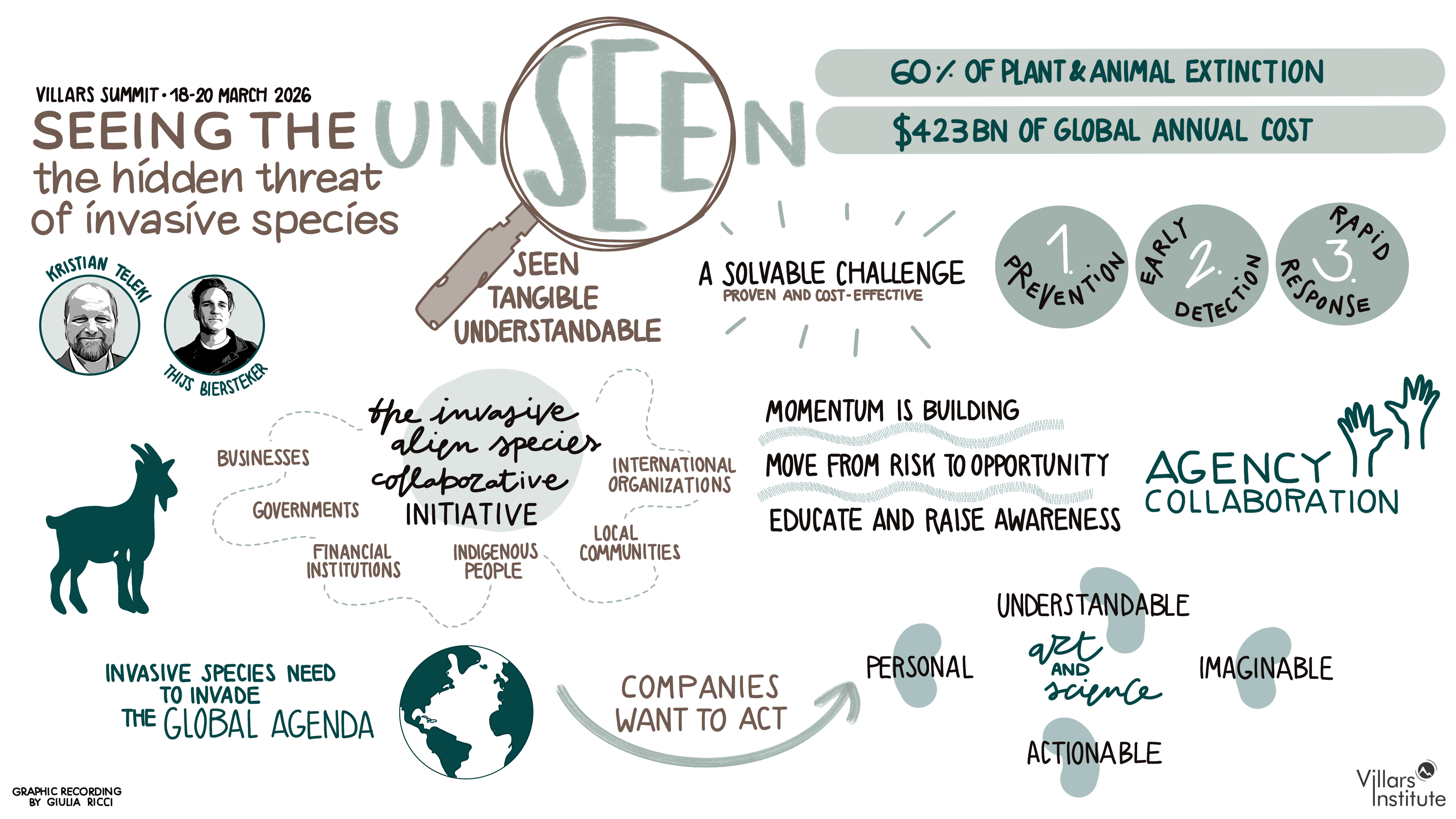
The speakers approached invasive species as a fundamental issue rather than just isolated environmental issues. One key idea discussed was that invasive species are often the result of human-driven systems, meaning that the way we trade, travel, and manage resources unintentionally creates pathways for these species to spread. This shifts the responsibility away from the species and towards human behaviour, which plays a crucial role in accelerating this issue. Another important point raised was that invasive species are difficult to manage and control because they are often not immediately visible or prioritised. Unlike more obvious environmental challenges, their impact builds gradually, making it difficult for government institutions to respond early. By the time the damage becomes clear, ecosystems may have shifted entirely, making solutions more complex and costly. The speakers also highlighted the importance of integrating this issue into broader decision-making systems, particularly within business and policy boundaries. It was often discussed that many industries are already affected by invasive species but do not fully assess their exposure or take action early enough. This shows that there is a significant gap between awareness and implementation, which needs to be addressed through stronger coordination and accountability between stakeholders. Overall, the panel made it clear that invasive species are not just an environmental issue, but a system-wide challenge that requires changes in how human systems operate and respond.
The Perspectives
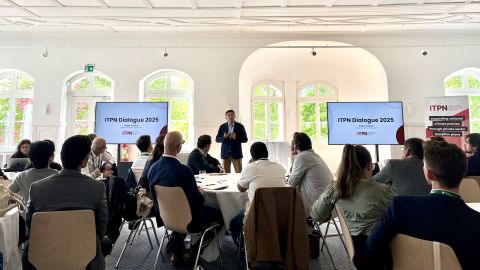
One of the most notable aspects of the session was how participants were actively listening and engaging to better understand the current situation. Through interactive exercises, such as gathering around one small table to highlight the discomfort of many individuals being confined in one space and disrupting the balance of an “ecosystem,” the concept of invasion was made easier for the audience to visualise. This example reinforced the idea that environmental issues are not always easy to identify or make visible, but can have lasting impacts that escalate quickly once certain limits are exceeded. Some personal stories were shared from Villars Fellows about the local and human dimensions of invasive species. There were examples from regions in Asia, Sri Lanka, the Mediterranean, and Mexico, illustrating how the same species can behave differently depending on the context. In Sri Lanka, invasive aquatic plants were described as disrupting water systems and affecting quality of life in communities. In the Mediterranean, invasive fish species are damaging fishing equipment and introducing health risks. In Mexico, invasive plants were degrading water quality and putting local food systems at risk. These examples highlight that invasive species are often overlooked and only gain attention when impacts become severe. Looking ahead, questions were raised about responsibility and coordination. Members of the audience highlighted the difficulty of addressing a problem that exists across ecosystems, industries, and geographic boundaries. While there was strong agreement on the need for prevention, early detection, and rapid response, it was less clear how these actions can be implemented at scale. Ultimately, the session emphasised that invasive species are a shared, human-driven challenge that requires collective responsibility. Addressing it requires not only scientific knowledge, but also effective community engagement, stakeholder alignment, and thoughtful action.