

The Ideas
The speakers expanded on these ideas by explaining specific barriers currently preventing conservation from scaling effectively. One major point raised was that while technologies continue to advance, current systems remain too expensive and unreliable to be used globally. This makes it difficult to build reliable markets or policies around conservation, as accurate data is essential for trust and decision-making. As a result, there is a need to develop systems that are not only accurate, but also accessible and scalable across different regions of the world.
Another key point of the discussion was the need to rethink how conservation is funded. The speakers highlighted that standard approaches, such as short-term funding and donations, are not sufficient to support long-term environmental goals. Instead, more stable and predictable financial systems are needed to create ongoing incentives for countries and organisations to protect forests. This reflects a shift from viewing conservation as a cost to viewing it as something that can be economically supported over time. In addition, the panel suggested that conservation needs to be more closely connected to real-world economic systems. By treating ecosystems as essential to areas such as water supply, agriculture, and risk management, conservation becomes more relevant to decision-makers beyond the environmental sector. This broader perspective could help bring in new actors and increase overall impact.
Overall, the discussion showed that scaling conservation is not simply about doing more, but about changing the systems that currently limit its effectiveness.
The Perspectives
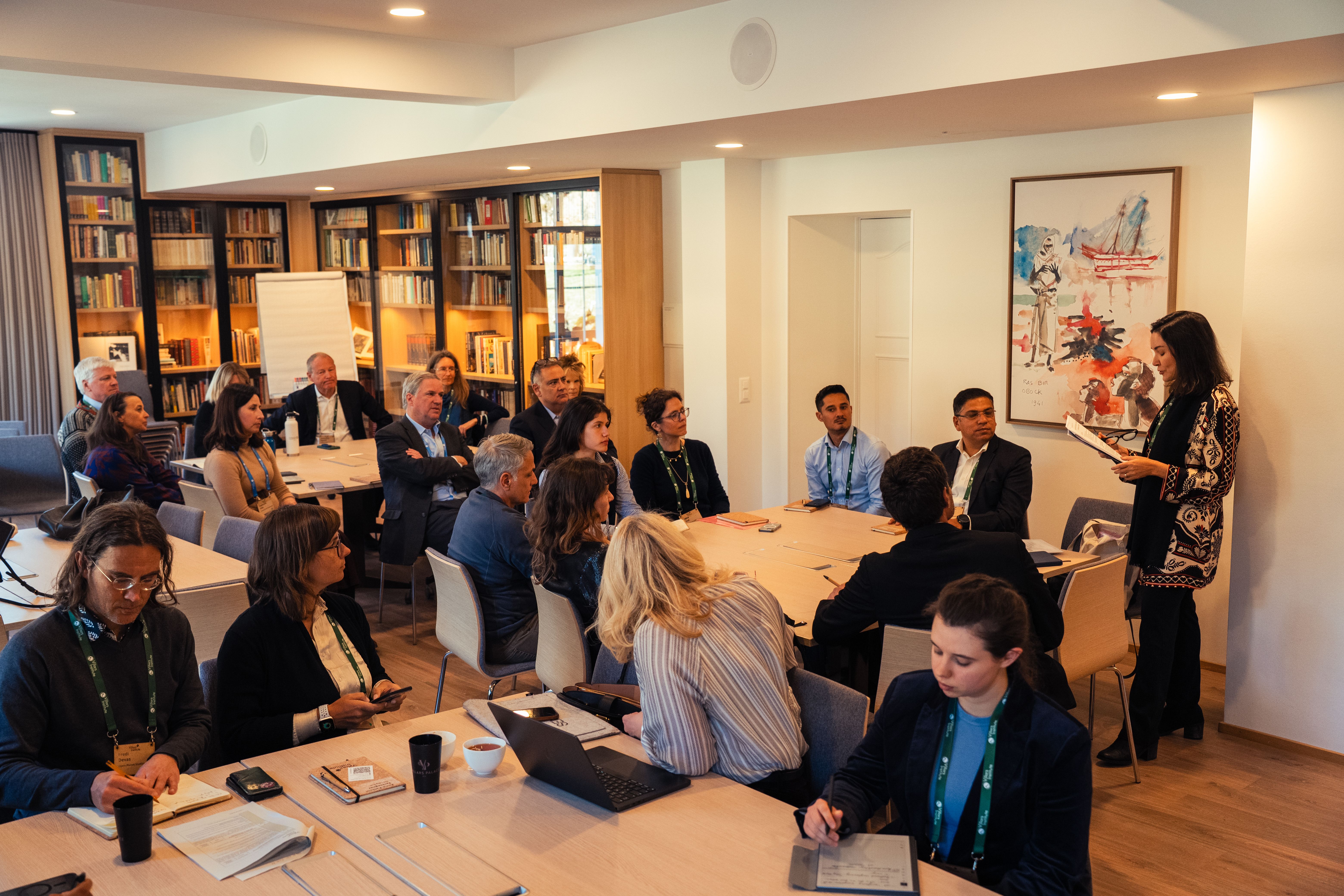
The audience discussion raised a number of important questions that reflected both interest and uncertainty about how these ideas would work in practice. One concern was how realistic it would be to apply these financial and technological solutions across different countries, particularly where political support or infrastructure may be limited. This highlighted that while the ideas presented are promising, their success depends heavily on government involvement.
Another major topic was fairness, particularly regarding how funding would be distributed. Audience members questioned whether all countries would benefit equally and what would happen if funding mechanisms failed to achieve their objectives. This reflected concerns about whether these systems could remain effective and equitable at a global scale. There were also questions about how these models could be adapted to ecosystems beyond forests, such as oceans. This suggested that participants were not only focused on the current proposal, but were also thinking ahead about how similar approaches could be applied more broadly.
Overall, the audience discussion reflected a mixture of support and critical thinking, with participants seeking to better understand how these large-scale solutions could realistically be implemented and expanded in the near future.